
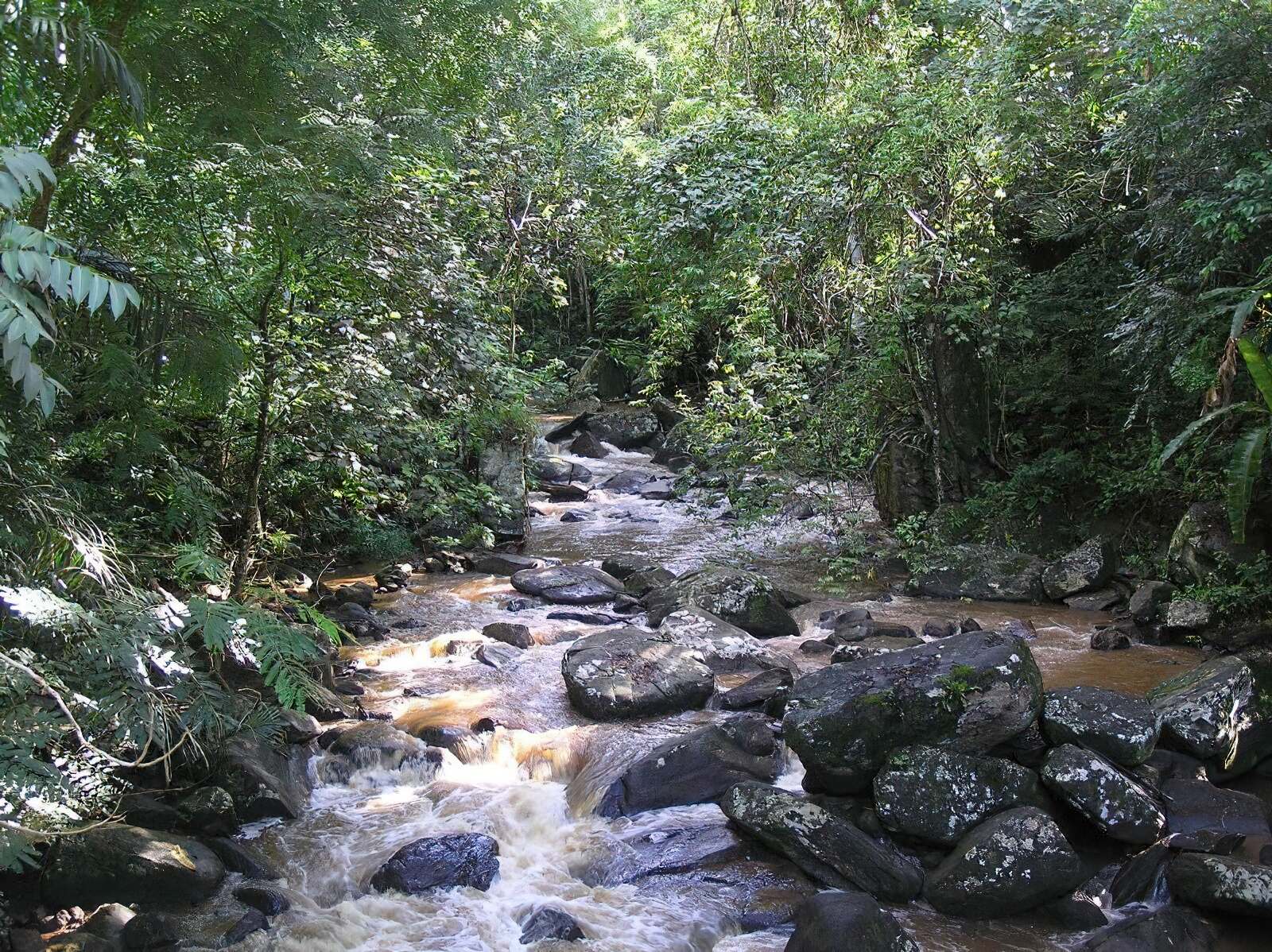
Amani Nature Reserve: Birding and Butterflies in the East Usambaras
For travellers looking beyond Tanzania’s famous safari parks, Amani Nature Reserve offers an entirely different adventure. Hidden within the lush East Usambara Mountains, this protected rainforest is one of Africa’s richest biodiversity hotspots, home to endemic birds, colourful butterflies, ancient trees, rare chameleons, and peaceful forest trails. Unlike the open plains of the Serengeti or Tarangire, Amani immerses visitors in cool mountain forests where every walk reveals new sounds, colours, and wildlife.
Located within the globally significant Eastern Arc Mountains, Amani Nature Reserve protects one of the oldest surviving tropical forests on Earth. These forests have evolved over millions of years, allowing hundreds of plant and animal species to develop in isolation. Today, the reserve attracts birdwatchers, photographers, botanists, researchers, and travellers seeking an authentic eco-tourism experience away from Tanzania’s busiest destinations.
Whether you spend a single day exploring forest trails or several nights discovering its remarkable biodiversity, Amani Nature Reserve offers a rewarding journey into one of East Africa’s most remarkable ecosystems.
Travellers looking to combine rainforest exploration with scenic mountain walks can also discover our guide to Usambara Mountains Hiking, which complements a visit to Amani perfectly.
Where Is Amani Nature Reserve?
Amani Nature Reserve lies within the East Usambara Mountains in Tanzania’s Tanga Region, approximately 35 kilometres from Muheza and about three hours from Tanga city.
The reserve forms part of the internationally recognised Eastern Arc Mountain chain, one of the world’s most important biodiversity hotspots.
Its cool climate, dense rainforest, and mountain scenery create an environment unlike almost anywhere else in Tanzania.
Nearby attractions include:
- Lushoto
- East Usambara Mountains
- Tanga
- Pangani
- Mkomazi National Park
- Zanzibar (via Tanga)
Visitors often combine the reserve with Mkomazi National Park to experience both rainforest biodiversity and northern Tanzania’s iconic wildlife.
Why Visit Amani Nature Reserve?
Unlike traditional safari destinations, Amani Nature Reserve focuses on nature, conservation, and peaceful exploration.
Reasons to visit include:
- World-class birdwatching.
- Ancient rainforest.
- Hundreds of butterfly species.
- Rare chameleons.
- Forest hiking trails.
- Cool mountain climate.
- Botanical diversity.
- Community-based tourism.
- Scientific research history.
- Excellent photography opportunities.
For nature lovers, few places in Tanzania offer such remarkable biodiversity in such a compact area.
The Eastern Arc Mountains: A Global Biodiversity Hotspot
The East Usambara Mountains belong to the Eastern Arc Mountains, one of Africa’s oldest mountain systems.
Scientists consider these mountains among the world’s most important biodiversity regions because they contain exceptionally high numbers of endemic species.
Millions of years of isolation have allowed plants and animals to evolve independently, creating ecosystems found nowhere else on Earth.
The forests protect:
- Ancient hardwood trees.
- Endemic orchids.
- Medicinal plants.
- Moss-covered forests.
- Mountain streams.
- Rare fungi.
Walking through Amani Nature Reserve feels like entering a living natural museum.
Birdwatching in Amani Nature Reserve
Birdwatching is one of the biggest reasons travellers visit Amani Nature Reserve.
More than 400 bird species have been recorded throughout the East Usambara Mountains, including many species found only within the Eastern Arc forests.
Birdwatchers may encounter:
- Usambara eagle-owl.
- Amani sunbird.
- Fischer’s turaco.
- Green-headed oriole.
- Narina trogon.
- Silvery-cheeked hornbill.
- African paradise flycatcher.
- Palm-nut vulture.
Early mornings offer the greatest activity as birds become vocal throughout the forest canopy.
Because the reserve receives relatively few visitors, birdwatchers often enjoy peaceful trails without crowds.
Butterflies of Amani Nature Reserve
The butterflies found in Amani Nature Reserve are among the most spectacular in East Africa.
Hundreds of species inhabit the reserve’s forests, with many displaying brilliant blue, orange, yellow, and emerald colours.
Guided walks frequently reveal butterflies feeding on forest flowers, resting along streams, or gliding through sunlit clearings.
Their presence also reflects the excellent health of the rainforest ecosystem.
Chameleons and Other Forest Wildlife
Although large mammals are uncommon, Amani Nature Reserve is famous for its smaller wildlife.
Visitors regularly search for:
- Usambara chameleons.
- Tree frogs.
- Bush squirrels.
- Forest monkeys.
- Colourful reptiles.
- Rare insects.
- Millipedes.
- Forest snails.
These fascinating creatures make every forest walk unique.
Hiking Trails Through the Rainforest
The reserve offers several well-maintained trails suitable for different fitness levels.
Popular walks include:
- Botanical Garden Trail.
- Mbomole Hill Trail.
- Waterfall Walk.
- Forest Birding Trail.
- Community Forest Walk.
Each trail introduces visitors to different habitats while offering opportunities to learn about the forest’s ecology from experienced local guides.
The hiking experience pairs perfectly with our Best of Northern Tanzania itinerary for travellers wanting to combine wildlife and mountain landscapes.
The Amani Botanical Garden
Established during the German colonial era, the Amani Botanical Garden continues to serve as an important centre for plant conservation and scientific research.
The gardens feature:
- Indigenous rainforest trees.
- Medicinal plants.
- Spice species.
- Tropical flowers.
- Rare palms.
- Educational displays.
Visitors gain valuable insight into the ecological importance of Tanzania’s mountain forests and the ongoing efforts to conserve them.
Forest Walks and Nature Trails
One of the greatest attractions of Amani Nature Reserve is the opportunity to explore its rainforest on foot. Unlike traditional safaris, where wildlife is viewed from a vehicle, every walk through Amani allows visitors to experience the forest at eye level. The cool mountain air, towering trees, and constant chorus of birds create a peaceful atmosphere that encourages slow exploration.
Guided walks introduce visitors to:
- Ancient rainforest trees.
- Fern-covered valleys.
- Crystal-clear streams.
- Indigenous medicinal plants.
- Rare orchids.
- Moss-covered rocks.
- Forest viewpoints.
Local guides explain how different plant species are used for medicine, food, and construction while sharing stories about the reserve’s conservation history.
Waterfalls in Amani Nature Reserve
Several beautiful waterfalls are hidden within the rainforest.
Although smaller than some of Tanzania’s famous waterfalls, they provide excellent places to rest during longer hikes.
Many waterfall trails include:
- Wooden bridges.
- Dense tropical vegetation.
- Birdwatching opportunities.
- Butterfly-rich clearings.
- Scenic picnic spots.
The surrounding forests remain cool throughout much of the day, making these walks particularly enjoyable during warmer months.
Biodiversity and Conservation
Amani Nature Reserve plays an essential role in protecting one of Africa’s oldest surviving rainforests.
The reserve safeguards habitats for hundreds of species that depend entirely on the Eastern Arc Mountains.
Conservation priorities include:
- Forest protection.
- Habitat restoration.
- Wildlife monitoring.
- Scientific research.
- Environmental education.
- Sustainable tourism.
- Community partnerships.
Researchers from around the world continue to study the reserve because many of its species remain poorly understood.
The reserve demonstrates how responsible tourism can contribute directly to long-term conservation efforts.
Local Communities Around Amani Nature Reserve
The forests surrounding Amani Nature Reserve are home to welcoming rural communities that have lived alongside these mountains for generations.
Community tourism offers visitors opportunities to experience local life through:
- Village walks.
- Traditional farming demonstrations.
- Local food tasting.
- Cultural performances.
- Handicraft workshops.
- Women’s community enterprises.
These activities provide additional income for local families while encouraging sustainable conservation practices.
Best Time to Visit Amani Nature Reserve
Amani Nature Reserve is open throughout the year thanks to its pleasant mountain climate.
Each season offers different advantages.
June to October
The long dry season provides:
- Comfortable hiking conditions.
- Clear forest trails.
- Excellent birdwatching.
- Pleasant daytime temperatures.
- Good photography opportunities.
November to March
The rainforest becomes even greener after seasonal rains.
Visitors enjoy:
- Active butterflies.
- Flowering plants.
- Excellent bird activity.
- Fewer tourists.
This period is particularly attractive for photographers and nature enthusiasts.
April and May
These wetter months produce lush landscapes and powerful waterfalls.
Although some trails may become muddy, the rainforest reaches its most vibrant state.
Accommodation Near Amani Nature Reserve
Visitors can choose from several accommodation options near the reserve.
Eco-Lodges
Eco-lodges offer:
- Comfortable rooms.
- Forest views.
- Guided nature walks.
- Locally prepared meals.
- Sustainable tourism practices.
Guesthouses
Budget-friendly guesthouses provide:
- Clean accommodation.
- Friendly hospitality.
- Easy access to hiking trails.
- Affordable rates.
Historic Accommodation
Some former colonial buildings have been converted into lodges, allowing visitors to experience part of Amani’s fascinating history while enjoying modern comforts.
Photography Tips
Photographers visiting Amani Nature Reserve should prepare for rainforest conditions.
Recommended equipment includes:
- Wide-angle lens.
- Telephoto lens.
- Macro lens for insects.
- Waterproof camera protection.
- Lightweight tripod.
- Polarising filter.
Early morning provides the softest light for photographing birds, butterflies, and forest landscapes.
What to Pack
For a comfortable visit, bring:
- Lightweight hiking boots.
- Rain jacket.
- Long-sleeved clothing.
- Insect repellent.
- Binoculars.
- Camera.
- Reusable water bottle.
- Small backpack.
- Sunscreen.
- Hat.
Even though the reserve enjoys cooler temperatures than Tanzania’s lowlands, weather can change quickly because of the mountain environment.
For additional planning advice, visit our Travel Information page before your trip.
Combining Amani Nature Reserve With Other Destinations
One of the advantages of visiting Amani Nature Reserve is its proximity to several outstanding Tanzanian attractions.
Popular combinations include:
- Usambara Mountains Hiking for spectacular viewpoints around Lushoto and Irente.
- Mkomazi National Park to experience black rhinos, African wild dogs, and classic safari landscapes.
- Tanzania Safaris for unforgettable wildlife adventures in Serengeti, Tarangire, and Ngorongoro.
- Mount Kilimanjaro Tours for travellers wanting to combine rainforest walks with Africa’s highest mountain.
- Tanzania Explorer for a comprehensive journey across Tanzania’s wildlife, mountains, and coastline.
These combinations allow visitors to experience Tanzania’s remarkable diversity, from tropical rainforest and mountain scenery to world-famous safari destinations.
Frequently Asked Questions
Is Amani Nature Reserve worth visiting?
Yes. Amani Nature Reserve is one of Tanzania’s finest destinations for birdwatching, rainforest hiking, butterfly observation, and eco-tourism. It offers a peaceful alternative to traditional wildlife safaris.
What wildlife can I see?
Visitors commonly encounter endemic birds, colourful butterflies, chameleons, monkeys, frogs, reptiles, and an extraordinary variety of rainforest plants.
Do I need a guide?
Yes. Local guides are highly recommended because they help visitors identify wildlife, explain the rainforest ecosystem, and ensure you make the most of your visit.
How many days should I spend at Amani Nature Reserve?
A stay of two to three days allows enough time to enjoy several forest walks, birdwatching excursions, botanical gardens, waterfalls, and nearby community visits.
Can I combine Amani Nature Reserve with a safari?
Absolutely. Many visitors combine Amani Nature Reserve with the Usambara Mountains, Mkomazi National Park, Mount Kilimanjaro, or northern Tanzania safari destinations.
Conclusion
Amani Nature Reserve is one of Tanzania’s most remarkable natural treasures. Hidden within the ancient East Usambara Mountains, it offers visitors the chance to experience a completely different side of the country—one defined by lush rainforest, endemic wildlife, colourful butterflies, rare birds, and peaceful hiking trails rather than open savannahs and game drives.
Whether you are a passionate birdwatcher, a photographer searching for unique rainforest landscapes, or simply someone looking to slow down and reconnect with nature, Amani Nature Reserve delivers an unforgettable experience. Its combination of biodiversity, conservation, and community-based tourism makes it an ideal addition to any Tanzania itinerary.
At Odysseys From Africa, we can create a tailor-made journey that combines Amani with the Usambara Mountains, Mount Kilimanjaro, northern safari parks, or Tanzania’s beautiful coastline.
Contact Odysseys From Africa
Ready to explore Amani Nature Reserve?
Our travel specialists can build a personalised itinerary featuring:
- Guided rainforest walks.
- Birdwatching excursions.
- Butterfly and chameleon tours.
- East Usambara hiking.
- Cultural village experiences.
- Northern Tanzania safaris.
- Zanzibar beach holidays.
Explore more Tanzania adventures:
- Usambara Mountains Hiking
- Tanzania Explorer
- Best of Northern Tanzania
- Tanzania Safaris
- Mount Kilimanjaro Tours
Odysseys From Africa
Location: Arusha, Tanzania
Email: info@odysseys-from-africa.com
Phone (Kenya): +254 710 450 797
Phone (Tanzania): +255 652 810 255
Website: https://odysseys-from-africa.com/