
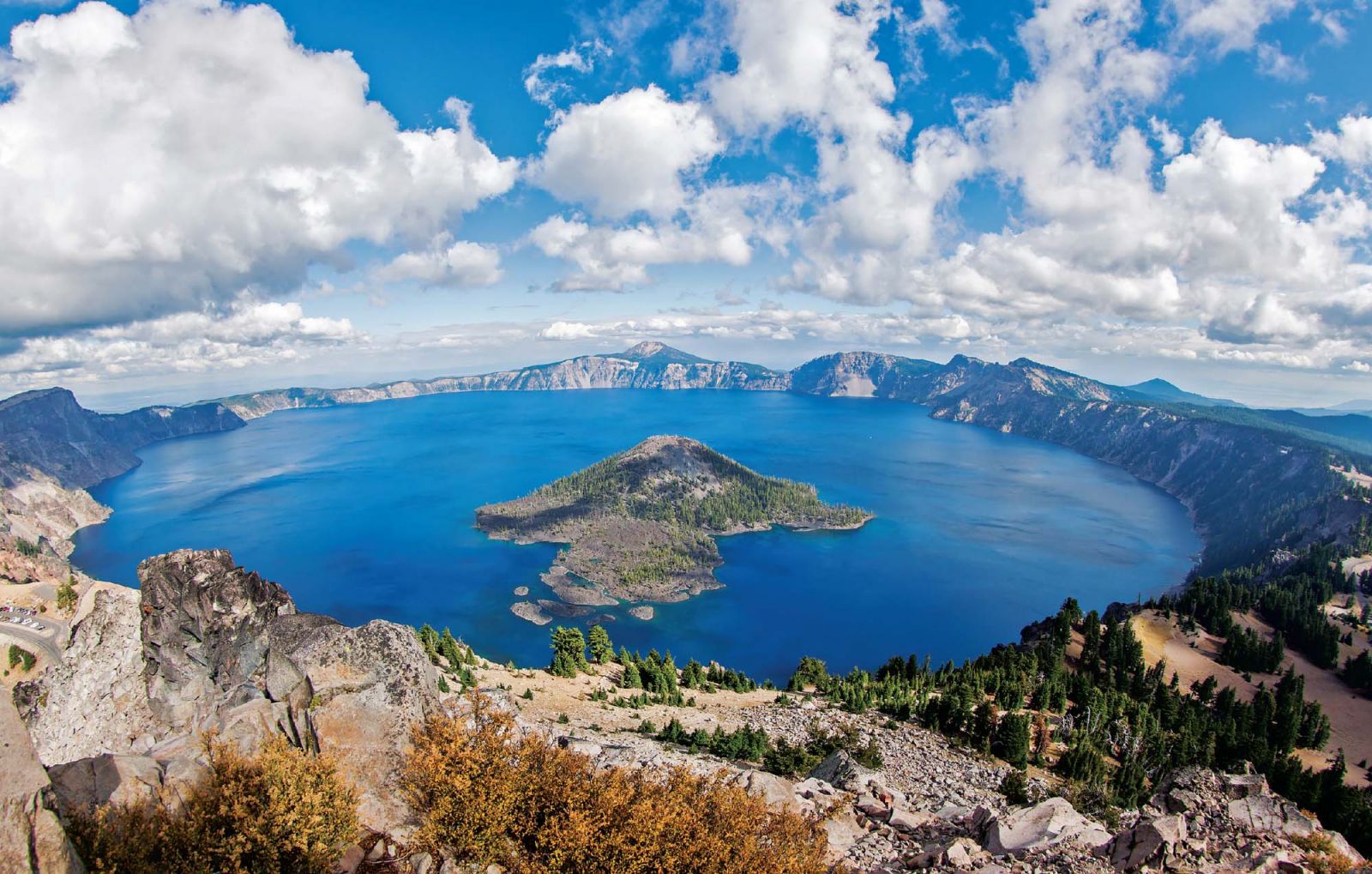
Crater Lakes of East Africa: Lake Chala, Ngorongoro and More
East Africa is famous for its dramatic landscapes, from the Great Rift Valley and Mount Kilimanjaro to the vast savannahs of Tanzania and Kenya. Among its most fascinating natural features are volcanic crater lakes: deep or shallow bodies of water formed when volcanic activity creates a depression that later fills with rainwater, groundwater or springs.
The crater lakes in eastern Africa offer more than beautiful scenery. They reveal the region’s volcanic history, support unusual ecosystems and provide memorable experiences for visitors interested in nature, photography, birdwatching and adventure.
Some are surrounded by steep forested walls, while others occupy the floors of enormous volcanic calderas. Lake Chala, Lake Duluti and Empakaai are notable examples in Tanzania. The Ngorongoro Crater also contains Lake Magadi, a shallow alkaline lake that adds to the area’s remarkable landscape.
Whether you are planning a Kilimanjaro holiday, a northern Tanzania safari or a wider East African adventure, these lakes are worth understanding and exploring.
What Are Crater Lakes?
A crater lake is a body of water that occupies a volcanic crater or caldera. These formations develop through volcanic processes, although not every crater lake forms in exactly the same way.
A volcanic crater may form when an eruption releases magma, ash and gases, leaving a depression around a volcanic vent. A caldera is generally much larger and forms when the ground above a partly emptied magma chamber collapses.
Over time, rainwater, underground springs and surface drainage can collect inside these depressions. When enough water accumulates, a lake develops.
The characteristics of crater lakes vary according to their geology, water sources, climate and surrounding environment. Some contain fresh water, while others are alkaline or saline. Their colours can range from deep blue and green to turquoise, depending on water chemistry, depth, light and suspended material.
The crater lakes in eastern Africa are particularly interesting because they occur within a region shaped by volcanic activity and the East African Rift system. They provide opportunities to understand how geology, climate and biodiversity interact.
Lake Chala: A Beautiful Crater Lake Near Mount Kilimanjaro
Lake Chala is one of the most distinctive crater lakes in East Africa. It lies on the Kenya–Tanzania border, east of Mount Kilimanjaro and near Taveta in Kenya and the Rombo area of Tanzania.
The lake occupies a steep-sided volcanic basin, with forested crater walls rising above its water. Its appearance changes with the light and season, creating shades of blue, green and turquoise.
Unlike lakes that receive water from large rivers, Lake Chala is largely sustained by groundwater. Research describes its water balance as being influenced by underground inflows and outflows, rainfall and local drainage. Its connection with the Kilimanjaro landscape makes it particularly interesting to visitors exploring the mountain region.
What Makes Lake Chala Special?
Lake Chala combines geological interest with attractive natural scenery. Its steep crater walls create a sheltered environment, while the surrounding vegetation supports birdlife and other wildlife.
One of its most remarkable ecological features is the Lake Chala tilapia, a fish species associated with the lake and recognised for its restricted natural distribution.
Visitors can enjoy the scenery from viewpoints around the crater and explore the surrounding landscape where access is permitted. Depending on the facilities and local conditions, activities may include guided walks, birdwatching, photography and time spent enjoying the lakeside environment.
Lake Chala is also a useful addition to a Mount Kilimanjaro itinerary. Travellers can consider visiting it before or after a climb, particularly when arranging a trip around Moshi, Taveta or the eastern side of the mountain.
For a more detailed destination overview, explore our guide to the Lake Chala Crater Lake near Kilimanjaro.
Lake Duluti: A Forest-Surrounded Crater Lake Near Arusha
Lake Duluti is another fascinating volcanic lake in northern Tanzania. It is located near Tengeru, approximately 14 kilometres from Arusha city centre.
Unlike the wide-open scenery of many safari destinations, Lake Duluti offers a quieter natural setting. The lake is surrounded by a forest reserve that supports birds, reptiles, plants and small mammals.
The Tanzania Forest Services Agency identifies the lake and its surrounding forest as important attractions within the reserve. The area is known for its birdlife, forest walks and opportunities to enjoy nature close to Arusha.
Activities Around Lake Duluti
Lake Duluti is suitable for travellers looking for a relaxing outdoor experience between longer safari or mountain activities.
Popular activities include:
- Birdwatching: Look for waterbirds and other species living around the forest and lake.
- Canoeing: Where available and permitted, canoeing offers a different perspective of the lake.
- Forest walks: Explore the vegetation and natural environment around the water.
- Photography: Capture the lake, forest and surrounding scenery.
- Nature observation: Learn about the area’s plants, birds and other wildlife.
Because it is relatively close to Arusha, Lake Duluti can be considered for a half-day excursion or as part of a broader northern Tanzania itinerary.
Empakaai Crater Lake: A Remote Highland Experience
Empakaai Crater is located within the Ngorongoro Conservation Area in northern Tanzania. It is known for its steep crater walls, highland scenery and lake occupying part of its floor.
The crater provides a different experience from the busy safari routes around Ngorongoro. Its elevated location and surrounding highlands create a cooler environment, with changing vegetation and impressive views across the landscape.
The lake is an important feature of the crater ecosystem. Its appearance and water conditions can vary with rainfall and seasonal changes.
Why Visit Empakaai?
Empakaai appeals to visitors who want to experience more than conventional vehicle-based wildlife viewing.
Depending on conservation rules, local conditions and the arrangements made with authorised guides, visitors may explore the crater on foot and enjoy views of the lake from the surrounding slopes.
The wider area offers opportunities to appreciate:
- The scale of a volcanic crater landscape.
- Highland forests and changing vegetation.
- Views towards surrounding mountains and volcanic features.
- Birdlife around the lake and crater environment.
- The relationship between geology and wildlife habitats.
A visit to Empakaai requires more planning than a quick stop near Arusha. Travellers should confirm access requirements, guiding arrangements and current conservation regulations before including it in an itinerary.
Lake Magadi: The Famous Lake Inside Ngorongoro Crater
Ngorongoro Crater is one of Tanzania’s best-known natural attractions. It is the world’s largest intact, unfilled volcanic caldera and forms part of the Ngorongoro Conservation Area, a UNESCO World Heritage Site.
At the centre of the crater floor is Lake Magadi, a shallow alkaline lake that is an important feature of the landscape.
Although it is often discussed alongside crater lakes, Lake Magadi is best understood as a lake occupying part of the Ngorongoro caldera floor. Its water conditions differ from those of freshwater crater lakes such as Lake Chala.
What Makes Lake Magadi Interesting?
The lake contributes to the distinctive scenery of the Ngorongoro Crater and supports wildlife that uses the wetland and surrounding areas.
Depending on the season and water conditions, visitors may observe flamingos and other bird species around the lake. The alkaline environment and shallow water make it different from the deeper freshwater lakes found in volcanic basins elsewhere in the region.
Ngorongoro is also famous for its wildlife. The crater floor supports large concentrations of animals, including elephants, buffaloes, lions, zebras, wildebeest and, with luck, the endangered black rhinoceros.
A safari through the crater allows visitors to experience several habitats in one destination, including grasslands, wetlands, woodland and the lake environment.
Other Notable Crater Lakes and Volcanic Lake Landscapes in East Africa
The region contains many volcanic features, but it is important to distinguish confirmed crater lakes from other lakes formed through different geological processes.
When researching the crater lakes in eastern Africa, travellers may encounter several destinations described broadly as volcanic or crater lakes. Their geological origins and visitor experiences are not always identical.
Lake Chala, Lake Duluti and Empakaai are useful examples of volcanic crater or caldera lake environments in Tanzania. Ngorongoro’s Lake Magadi is another important lake landscape within a volcanic caldera.
Other lakes in Kenya, Uganda and Tanzania may be associated with the Great Rift Valley, volcanic highlands or tectonic basins without necessarily being crater lakes. A lake’s location in the Rift Valley alone does not establish that it formed inside a volcanic crater.
This distinction matters when planning a trip around specific geological attractions. It helps visitors choose destinations based on what they actually want to experience rather than relying on a broad label.
Why Are Crater Lakes in Eastern Africa Worth Visiting?
The crater lakes in eastern Africa offer several reasons for travellers to include them in a safari or mountain holiday.
Remarkable Geological Scenery
Crater walls, volcanic slopes and enclosed water basins create landscapes that are different from ordinary lakeshores. They provide a closer look at the volcanic processes that shaped parts of East Africa.
Birdwatching and Biodiversity
The forests, wetlands and open water around these lakes support a variety of bird species and other wildlife. Lake Chala, Lake Duluti and Ngorongoro each offer different habitats and ecological experiences.
Photography Opportunities
The contrast between water, vegetation and volcanic rock makes crater lakes attractive photography destinations. Early morning and late afternoon light can bring out changes in water colour and the surrounding landscape.
Experiences Beyond Traditional Safaris
Not every memorable East African experience involves a game drive. Some crater lakes are better suited to walking, canoeing, birdwatching or simply appreciating the scenery.
Easy Additions to Larger Itineraries
Certain destinations can be combined with existing travel plans. Lake Chala can complement a Kilimanjaro trip, Lake Duluti is accessible from Arusha, and Lake Magadi is part of the Ngorongoro safari experience.
Best Time to Visit East Africa’s Crater Lakes
The best time to visit depends on the destination, the activities planned and the weather conditions.
In northern Tanzania, the drier months are often attractive for outdoor activities, wildlife viewing and road travel. However, the green seasons can offer beautiful scenery, fresh vegetation and rewarding photography opportunities.
Before travelling, consider the following:
- Weather: Rain can affect road conditions and walking routes, particularly in highland areas.
- Visibility: Clear conditions can improve views of Mount Kilimanjaro and surrounding landscapes.
- Wildlife: Bird activity and wildlife viewing opportunities vary by season and location.
- Access: Some crater areas require guides, conservation permits or specific transport arrangements.
- Safety: Always follow local guidance around steep crater edges, water access and wildlife habitats.
For a Kilimanjaro-focused holiday, Lake Chala can be a worthwhile addition before or after a mountain climb. Visitors planning to explore Ngorongoro or Empakaai should arrange access through the relevant conservation authorities or an experienced local operator.
Planning a Crater Lake Holiday with a Kilimanjaro Adventure
A visit to a crater lake can complement a wider East African holiday. Travellers interested in Mount Kilimanjaro can combine mountain trekking with time exploring the region’s volcanic landscapes.
For example, a northern Tanzania itinerary could include:
- A Kilimanjaro climb using a suitable route and itinerary.
- A visit to Lake Chala near the Kenya–Tanzania border.
- Time in Arusha and a nature excursion to Lake Duluti.
- A northern circuit safari through Ngorongoro.
- An additional highland excursion to Empakaai, subject to access and tour arrangements.
The best itinerary depends on available time, fitness, budget and travel interests. A mountain climb should be planned separately from sightseeing excursions, with enough time for acclimatisation, rest and recovery.
Travellers should also confirm park fees, local access requirements, transport and guide arrangements before departure.
Discover the Natural Beauty of East Africa
From the forested shores of Lake Chala to the highland scenery of Empakaai and the wildlife-rich Ngorongoro Crater, East Africa offers a fascinating range of volcanic landscapes.
The crater lakes in eastern Africa are valuable natural features because they bring together geology, biodiversity, scenery and opportunities for responsible tourism. Each destination has its own character, water conditions and visitor experience.
If you are planning a Kilimanjaro climb or a Tanzania safari, consider adding a crater lake excursion to your itinerary. It can provide a memorable contrast to mountain trekking and traditional wildlife viewing while giving you another perspective on the region’s natural history.
Explore our Lake Chala Crater Lake guide to learn more about this remarkable destination near Mount Kilimanjaro.
Frequently Asked Questions About Crater Lakes in Eastern Africa
What are the most famous crater lakes in eastern Africa?
Notable examples include Lake Chala and Lake Duluti in Tanzania, as well as Empakaai Crater Lake in the Ngorongoro Conservation Area. Lake Magadi is another well-known lake located within the Ngorongoro caldera.
Is Lake Chala in Kenya or Tanzania?
Lake Chala lies on the Kenya–Tanzania border, near Taveta in Kenya and the Rombo area of Tanzania. The lake and its surrounding landscape are associated with both countries.
Is Lake Chala connected to Mount Kilimanjaro?
Lake Chala is influenced by groundwater flows associated with the Mount Kilimanjaro area. Research describes underground inflows as an important part of the lake’s water balance.
Can you visit Lake Chala after climbing Mount Kilimanjaro?
Yes. Lake Chala can be considered as an excursion before or after a Kilimanjaro climb. Travellers should allow time for rest and recovery after trekking and arrange transport and local access in advance.
Is Ngorongoro Crater a crater lake?
No. Ngorongoro is a volcanic caldera, not a lake. However, Lake Magadi occupies part of its crater floor, making the area an important example of a lake within a volcanic caldera.
Can visitors swim in East African crater lakes?
Swimming rules and safety conditions differ between lakes. Visitors should never assume swimming is permitted or safe. Check local regulations, water conditions, wildlife risks and guidance from authorised guides before entering any lake.
What is the best time to visit crater lakes in Tanzania?
The drier months are often convenient for road travel, walking and combining lake visits with safaris. However, the best time depends on the destination, rainfall, visibility and the activities planned.
Can crater lakes be combined with a Tanzania safari?
Yes. Lake Magadi is part of the Ngorongoro Crater safari landscape, while Lake Duluti and Empakaai can be considered as additional nature excursions. Lake Chala is a useful option for travellers exploring the Kilimanjaro region.