
Photographic Safaris in Tanzania: Tips from Expert Wildlife Guides
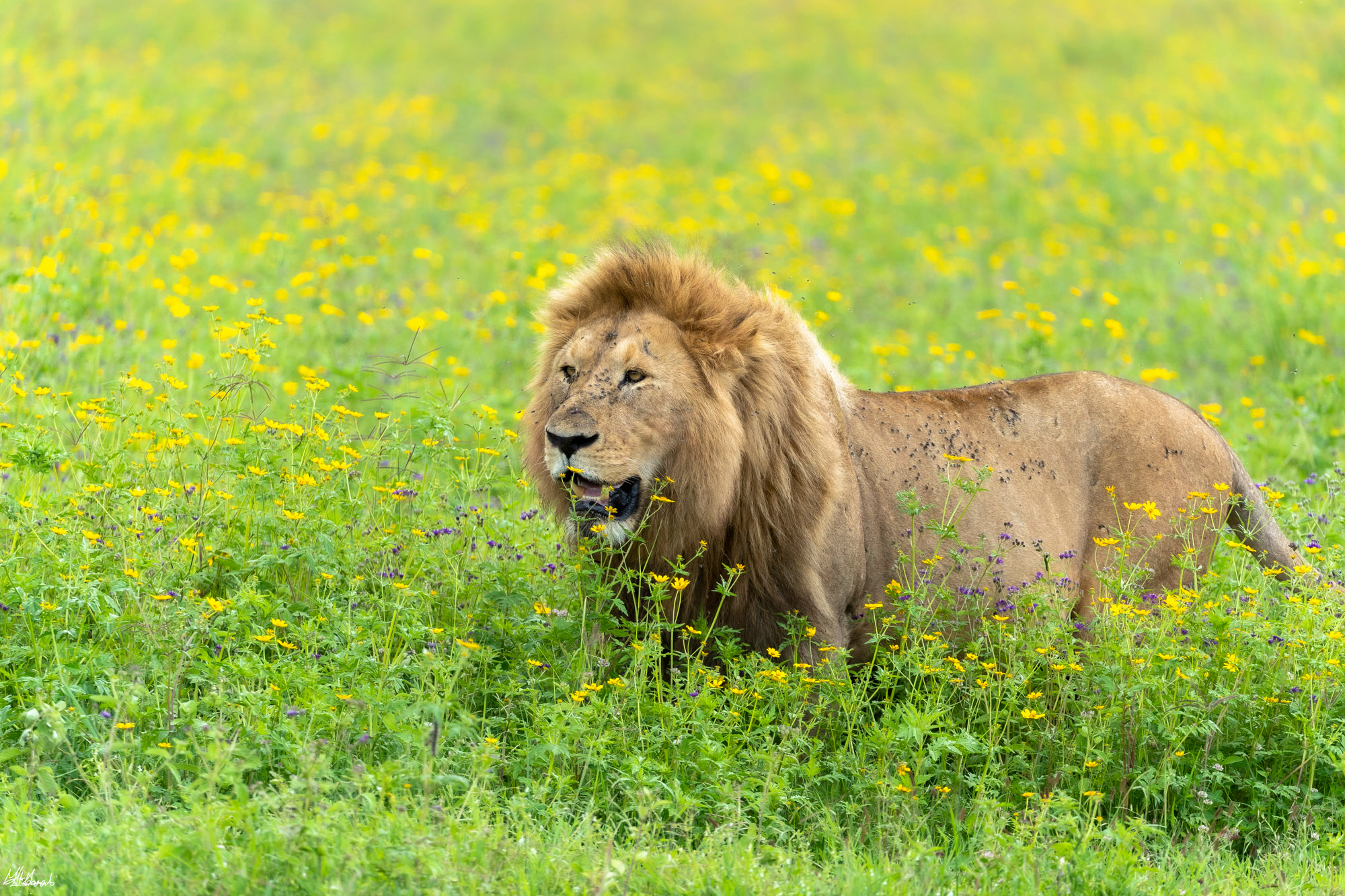
For wildlife photographers, few destinations compare to the incredible opportunities offered by Safaris in Tanzania. From lions resting across the golden Serengeti plains to elephants moving beneath towering baobab trees, Tanzania provides some of the most dramatic photography settings in Africa.
For wildlife photographers, few destinations compare to the incredible opportunities offered by Safaris in Tanzania. From lions resting across the golden Serengeti plains to elephants moving beneath towering baobab trees, Tanzania provides some of the most dramatic photography settings in Africa.
A photographic safari is not just about bringing a camera into the wilderness. It is about understanding wildlife behavior, choosing the right locations, working with natural light, and having experienced guides who know where and when unforgettable moments happen.
Whether you are a professional photographer, an enthusiastic hobbyist, or a traveler hoping to capture incredible memories, Tanzania offers the perfect environment for creating remarkable wildlife images.
Explore professionally planned Safaris in Tanzania with Odysseys From Africa and experience expert-guided journeys designed around wildlife, photography, and authentic African landscapes.
Why Choose Photographic Safaris in Tanzania?
Tanzania is one of the world’s leading wildlife photography destinations because it combines diverse ecosystems, abundant wildlife, and spectacular natural events.
Photographers choose Safaris in Tanzania because they can capture:
- The Great Wildebeest Migration
- Big Five wildlife encounters
- Predator and prey interactions
- Dramatic African landscapes
- Rare bird species
- Cultural moments with local communities
Unlike standard sightseeing tours, photographic safaris are designed to give travelers more time at sightings, better vehicle positioning, and opportunities to capture unique wildlife behavior.
Best Destinations for Photographic Safaris in Tanzania
Each safari destination in Tanzania offers something different for photographers. Choosing the right parks can make a significant difference in the quality and variety of images you capture.
Serengeti National Park: The Heart of Wildlife Photography
The Serengeti remains one of the most iconic photography locations in the world.
Its endless grasslands create the perfect setting for capturing:
- Lions against golden landscapes
- Cheetahs moving across open plains
- Large wildebeest herds during migration
- Elephants walking through dramatic scenery
- Stunning sunrise and sunset scenes
The Serengeti’s open environment allows photographers to capture both intimate animal portraits and breathtaking landscape images.
A dedicated Serengeti safari experience provides access to one of Africa’s most inspiring wildlife environments.
Ngorongoro Crater: Wildlife Photography in a Natural Wonder
The Ngorongoro Crater offers one of the most unique photography settings in Tanzania.
This ancient volcanic landscape creates a spectacular backdrop for wildlife images featuring:
- Lions
- Elephants
- Buffalo
- Hippos
- Flamingos
- Black rhinos
Because wildlife is concentrated within the crater, photographers often have excellent opportunities to photograph multiple species during a single game drive.
Tarangire National Park: Elephants and Baobab Photography
Tarangire is a favorite destination for photographers looking for unique scenery.
The park is especially known for:
- Large elephant herds
- Ancient baobab trees
- Seasonal wildlife gatherings
- Beautiful golden-hour photography
The contrast between elephants and giant baobabs creates some of Tanzania’s most recognizable wildlife images.
Lake Manyara National Park: Birds and Unique Wildlife Photography
Lake Manyara National Park offers a different perspective for photographers looking beyond the traditional Big Five.
The park provides opportunities to photograph:
- Large flamingo populations
- Colorful bird species
- Tree-climbing lions
- Forest landscapes
- Hippos and water-based wildlife
Its combination of forests, wetlands, and open areas makes it an excellent addition to photography-focused Safaris in Tanzania.
Essential Camera Equipment for Safaris in Tanzania
Capturing wildlife requires preparation. The right equipment helps you photograph animals safely while maintaining image quality.
Camera Body
A reliable DSLR or mirrorless camera with fast autofocus is ideal for wildlife photography.
Important features include:
- Fast shutter speed
- Good low-light performance
- Reliable autofocus tracking
- High-resolution image quality
Telephoto Lens
A quality zoom lens is one of the most important pieces of equipment for a safari.
Recommended options include:
- 100–400mm lenses
- 200–500mm lenses
- 300mm or longer lenses
These allow photographers to capture detailed wildlife images while keeping a respectful distance.
Wide-Angle Lens
A wide-angle lens is useful for:
- Vast Serengeti landscapes
- Large animal herds
- Dramatic sunsets
- Safari camp photography
Helpful Accessories
Professional photographers often carry:
- Extra batteries
- Multiple memory cards
- Lens cleaning kits
- Camera protection from dust
- Bean bags for vehicle support
Expert Wildlife Photography Tips
Great safari photography depends on more than equipment. Understanding timing, patience, and animal behavior is essential.
1. Use Early Morning and Late Afternoon Light
The best wildlife images often happen during the golden hours.
Early Morning
Benefits include:
- Soft natural lighting
- Active wildlife
- Misty landscapes
- Cooler temperatures
Late Afternoon
Advantages include:
- Warm colors
- Long shadows
- Dramatic scenery
These periods are often the highlight of photographic Safaris in Tanzania.
2. Be Patient and Observe Wildlife Behavior
The most memorable photographs often happen after waiting quietly.
Expert guides understand:
- Animal movements
- Predator behavior
- Water sources
- Seasonal patterns
Patience allows photographers to capture natural moments instead of rushed encounters.
3. Focus on Storytelling
A great wildlife photograph tells a story.
Instead of only photographing individual animals, consider capturing:
- A herd moving across the plains
- A mother protecting young
- Animals interacting with their environment
- The relationship between wildlife and landscape
4. Listen to Your Safari Guide
Experienced guides are among the most valuable resources during a photography safari.
They help photographers:
- Find wildlife locations
- Understand animal behavior
- Position vehicles correctly
- Follow ethical viewing practices
Their knowledge can transform a good safari into an unforgettable photography experience.
Best Time for Photographic Safaris in Tanzania
Tanzania offers incredible photography opportunities throughout the year.
June to October: Dry Season
Advantages:
- Excellent wildlife viewing
- Animals gather near water sources
- Clear skies
- Comfortable temperatures
This is one of the most popular seasons for photographers.
January to March: Calving Season
This period offers some of the most dramatic wildlife photography opportunities.
Photographers may capture:
- Newborn wildebeest
- Predator activity
- Green Serengeti landscapes
- Large animal movements
November to December: Green Season
The green season offers:
- Beautiful landscapes
- Fewer crowds
- Dramatic skies
- Excellent bird photography
Private vs Group Photographic Safaris in Tanzania
Choosing the right safari style affects your photography experience.
Private Photographic Safaris
Ideal for serious photographers.
Benefits:
- Flexible schedules
- More time at sightings
- Customized routes
- Personalized guide attention
Group Photographic Safaris
Suitable for:
- Beginner photographers
- Solo travelers
- Travelers who enjoy shared experiences
Both options can provide incredible opportunities with the right planning.
Responsible Wildlife Photography in Tanzania
Great photography should always respect wildlife and local communities.
Photographers should:
- Maintain safe distances from animals
- Follow guide instructions
- Avoid disturbing wildlife
- Respect conservation rules
- Ask permission before photographing people
Responsible photography helps protect the very environments that make Safaris in Tanzania extraordinary.
Combining Photographic Safaris in Tanzania With Zanzibar
Many photographers extend their safari journey with a Zanzibar beach experience.
After capturing wildlife images, travelers can photograph:
- Indian Ocean landscapes
- Historic Stone Town architecture
- Local markets
- Marine life and underwater scenes
This combination creates a diverse photography portfolio covering wildlife, culture, and coastal beauty.
Explore customized Tanzania safari itineraries that combine wildlife photography adventures with unforgettable East African experiences.
Frequently Asked Questions About Photographic Safaris in Tanzania
Do I need professional photography experience?
No. Photographic safaris are suitable for beginners, hobby photographers, and professionals.
What camera lens is best for a Tanzania safari?
A telephoto zoom lens is usually the most useful because it allows photographers to capture wildlife from a safe distance.
Can I join a normal safari with a professional camera?
Yes. However, dedicated photographic safaris usually provide more flexibility, specialized guidance, and extra time for photography.
Is Tanzania one of the best places for wildlife photography?
Yes. Tanzania is considered one of Africa’s top photography destinations because of its wildlife diversity, landscapes, and natural events like the Great Migration.
Final Thoughts: Capturing the Spirit of Tanzania
A photograph can preserve a moment, but a great wildlife image tells a story.
Safaris in Tanzania provide photographers with endless opportunities to capture the beauty of Africa—from the powerful movement of the Great Migration to the quiet moments of elephants crossing the wilderness.
With expert guides, carefully selected destinations, and thoughtful planning, a photographic safari becomes more than a holiday. It becomes a journey where every sunrise, animal encounter, and landscape creates a lasting memory.
Begin planning your photography adventure with Odysseys From Africa and experience Tanzania through the lens of an unforgettable safari journey.
Call to Action
Request a Custom Safari Proposal or Plan Your Tanzania Photography Safari Holiday.
Location: Arusha, Tanzania
Email: info@odysseys-from-africa.com
Phone: +254 (0) 710 450 797 | +255 (0) 652 810 255
Website: https://odysseys-from-africa.com/