
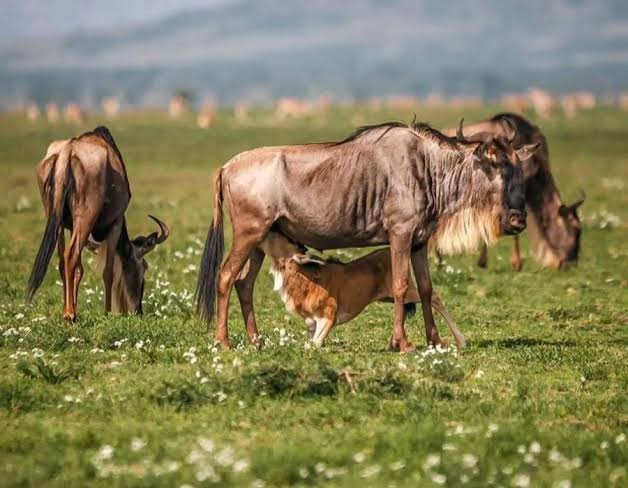
Safaris in Tanzania: Understanding the Wildebeest Calving Season
Every year, the plains of southern Serengeti and the Ndutu Conservation Area transform into one of Africa’s most remarkable wildlife theatres. Millions of wildebeest gather to give birth, creating a breathtaking spectacle that attracts wildlife enthusiasts, photographers, and adventure travelers from around the world.
For travelers planning Safaris in Tanzania, the wildebeest calving season offers a rare opportunity to witness the beginning of life in the wild while experiencing some of the most dramatic predator encounters in East Africa.
The months around February are considered one of the most rewarding times to visit Tanzania, especially for travelers who want more than traditional game viewing. During this period, visitors experience newborn animals, active predators, incredible landscapes, and fewer crowds compared with the peak Great Migration months.
What Is the Wildebeest Calving Season?
The wildebeest calving season is the period when hundreds of thousands of wildebeest cows give birth to their young across the nutrient-rich plains of the southern Serengeti ecosystem.
Approximately 8,000 wildebeest calves can be born each day during the peak weeks of the season. The synchronized timing helps increase survival chances because predators struggle to target individual animals among such large numbers.
The calving season usually occurs between January and March, with February being one of the most spectacular months to plan Safaris in Tanzania.
During this time, travelers can expect:
- Large herds of wildebeest gathering across open grasslands
- Newborn calves taking their first steps
- Powerful predator sightings
- Beautiful green landscapes after seasonal rains
- Excellent photography opportunities
Why February Is the Best Time for Calving Season Safaris in Tanzania
February is widely regarded as the heart of the calving period because the majority of births occur during this month. The southern Serengeti ecosystem provides ideal conditions, with fresh grass and water supporting both herbivores and predators.
A February safari allows visitors to witness:
1. Thousands of Newborn Wildebeest Calves
Watching a wildebeest calf stand and follow its mother within minutes of birth is one of the most unforgettable experiences in Africa.
The vast open plains create excellent visibility, allowing safari guests to observe natural behavior from a respectful distance with experienced guides.
2. Incredible Predator Activity
The abundance of young animals attracts Tanzania’s famous predators. Lions, cheetahs, hyenas, and other hunters become highly active during this season.
Wildlife lovers who enjoy photography and dramatic sightings often consider February one of the best periods for Safaris in Tanzania.
3. Beautiful Green Season Landscapes
Following the short rains, the Serengeti becomes lush and vibrant. The green scenery creates stunning contrasts for photographers and provides excellent conditions for wildlife viewing.
Exploring Ndutu During the Wildebeest Calving Season
The Ndutu Conservation Area is one of the most important locations for experiencing the calving season. Located between the Serengeti National Park and the Ngorongoro Conservation Area, Ndutu offers a unique combination of open plains, woodlands, and seasonal lakes.
Unlike some national parks with strict road rules, Ndutu allows selected off-road driving in designated areas, giving guests better opportunities to follow wildlife movements.
A well-planned itinerary can include Ndutu alongside iconic destinations such as:
- Serengeti National Park
- Ngorongoro Crater
- Tarangire National Park
- Lake Manyara National Park
Explore more about Tanzania’s wildlife destinations through our guide to Tanzania safari parks.
Photography Opportunities During the Calving Season
For wildlife photographers, the calving season is one of the most rewarding times for Safaris in Tanzania.
The combination of young animals, dramatic predator interactions, and golden morning light creates endless opportunities.
Photography tips include:
- Carry a versatile telephoto lens for distant wildlife
- Schedule early morning and late afternoon game drives
- Protect camera equipment from dust and moisture
- Use a fast shutter speed for animal movement
- Follow your guide’s advice on positioning and safety
Professional guides understand animal behavior and help photographers capture unforgettable moments without disturbing wildlife.
How to Plan Your Wildebeest Calving Safari
A successful calving season safari requires careful planning because February is a popular travel period.
Recommended Safari Duration
A minimum of 5–7 days is recommended to experience the southern Serengeti ecosystem properly.
A popular itinerary may include:
Day 1: Arrival in Arusha
Day 2–4: Ndutu Conservation Area wildlife experience
Day 5: Ngorongoro Crater exploration
Day 6–7: Serengeti game drives and departure
Discover our carefully designed Tanzania safari itineraries created for international travelers.
Luxury Accommodation During the Calving Season
The right accommodation enhances your safari experience. During February, many travelers choose camps located close to the migration routes to maximize wildlife viewing time.
Options range from:
- Luxury tented camps
- Private safari lodges
- Mobile migration camps
- Family-friendly safari accommodations
A knowledgeable tour operator can recommend camps based on your travel style, budget, and preferred level of comfort.
Is February a Good Month for International Travelers?
Yes. February is an excellent choice for visitors from the United States, Europe, and regional East African markets.
For European Travelers:
February offers a warm escape from winter conditions while providing exceptional wildlife experiences.
For American Travelers:
The calving season provides a once-in-a-lifetime adventure during a convenient travel window.
For Kenya-Based Travelers:
A short flight or road connection makes Tanzania’s northern safari circuit an accessible wildlife getaway.
Combine Safaris in Tanzania With Zanzibar
Many travelers extend their wildlife adventure with a relaxing beach holiday after exploring the Serengeti.
After witnessing the Great Migration, visitors can enjoy:
- White-sand beaches
- Historic Stone Town
- Indian Ocean snorkeling
- Luxury coastal resorts
Learn how to combine wildlife and beach experiences with our Safari and Zanzibar holiday options.
Why Choose Odysseys From Africa for Your Calving Season Safari?
Planning a migration safari requires local expertise, timing knowledge, and reliable logistics. Odysseys From Africa specializes in creating personalized journeys that connect travelers with Tanzania’s most extraordinary wildlife experiences.
Our safari specialists help with:
- Private safari planning
- Expert local guides
- Luxury and budget options
- Airport transfers
- Customized itineraries
Explore our Safaris in Tanzania experiences and begin planning your adventure.
Frequently Asked Questions About Wildebeest Calving Safaris in Tanzania
What month is best for the wildebeest calving season?
February is considered one of the best months because thousands of calves are born across the southern Serengeti and Ndutu regions.
Can I see predators during the calving season?
Yes. The large number of newborn animals attracts predators, making February an excellent time for dramatic wildlife sightings.
Is February crowded in Tanzania?
Compared with the July–October migration period, February generally has fewer visitors, creating a more exclusive safari experience.
How much does a calving season safari cost?
Costs depend on accommodation, safari length, and travel style. Luxury, mid-range, and budget options are available.
Book Your Wildebeest Calving Safari in Tanzania
Experience one of the planet’s greatest wildlife events with expert local guides and a tailor-made itinerary.
Plan Your Safaris in Tanzania With Odysseys From Africa
Location: Arusha, Tanzania
Email: info@odysseys-from-africa.com
Phone: +254 (0) 710 450 797
Phone: +255 (0) 652 810 255
Website: https://odysseys-from-africa.com/
Witness the magic of the Ndutu calving season and create memories that last a lifetime.