
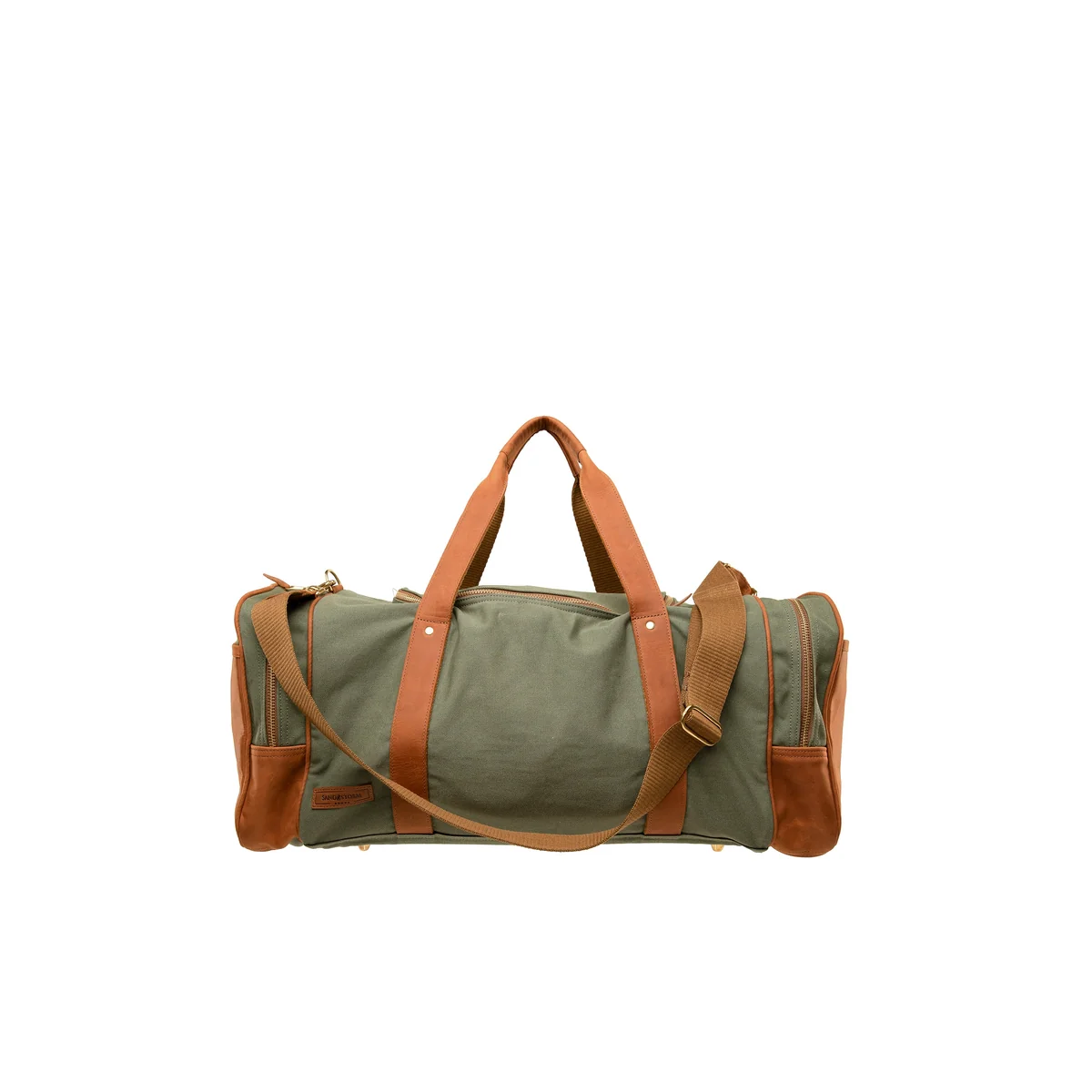
Bush Flight Tanzania Baggage:Essential Rules for Easy Safari Air Transfers
Bush flight Tanzania baggage rules are very different from those on a conventional international airline, and understanding the limits before you pack can prevent problems at the start of your safari.
Flying between Tanzania’s safari destinations can save enormous amounts of time.
Instead of spending many hours on the road, you can fly directly towards your next camp or lodge.
But there is a trade-off.
Small safari aircraft have limited luggage capacity.
Many safari flights operate with a baggage allowance around 15 kg per passenger, often including hand luggage, and soft-sided bags are commonly required.
The exact allowance depends on the airline, aircraft and route.
That means your normal hard suitcase may not be suitable.
The best approach is to pack for the aircraft rather than trying to make your normal international luggage fit.
Bush Flight Tanzania Baggage: Why Are Soft Bags Required?
Soft bags are preferred on many bush flights because they can be compressed and fitted into the limited luggage compartments of small aircraft.
Safari aircraft are designed for short regional flights and access to remote airstrips.
Their baggage compartments are much smaller than those of large commercial aircraft.
A rigid suitcase may:
- Take up too much space.
- Be difficult to load.
- Prevent other passengers’ luggage from fitting.
- Exceed the aircraft’s practical weight or dimensions.
A soft-sided duffel is much easier to handle.
It can be compressed around other bags and equipment.
15kg Soft Bag Safari: What Does the Rule Mean?
The 15kg soft bag safari rule is a common guideline on Tanzania bush flights, but travellers should always confirm the exact allowance with their airline or safari operator before departure.
The important point is that 15 kg is not a universal rule for every safari flight.
Different operators and aircraft may have different restrictions.
Some routes may allow more.
Others may impose stricter limits.
Your safari booking should therefore specify:
- Maximum weight.
- Maximum bag dimensions.
- Whether hand luggage is included.
- Whether camera equipment counts separately.
- Whether excess baggage is possible.
- Whether additional luggage storage is available.
Never assume that an international airline’s baggage allowance applies to a bush flight.
Bush Flight Tanzania Baggage: Why Weight Matters So Much
Weight restrictions on bush flights exist primarily because small aircraft have strict operating limitations, making baggage weight a safety and operational consideration rather than simply a storage problem.
A large commercial aircraft can carry substantial quantities of luggage.
A small safari aircraft cannot.
Every kilogram matters.
The operator must consider:
- Passenger weight.
- Fuel requirements.
- Baggage.
- Aircraft performance.
- Weather.
- Airstrip conditions.
- Flight distance.
This is why airlines operating safari aircraft may weigh passengers and luggage before boarding.
It is normal.
It is part of safe aviation.
Light Aircraft Transfer: What Should You Expect?
A light aircraft transfer in Tanzania is usually a practical and scenic way to move between safari areas, often using remote airstrips closer to camps than major airports.
Your experience may look very different from a normal airport journey.
You might:
- Leave your safari camp.
- Drive to a nearby airstrip.
- Wait for the aircraft.
- Board with your small bag.
- Fly towards the next destination.
- Land on another bush airstrip.
- Meet a camp vehicle.
There may be no conventional terminal.
Some airstrips are simply open areas with basic facilities.
Light Aircraft Transfer: Why Use One?
Light aircraft transfers can dramatically reduce travel time and make remote safari destinations easier to combine within a short itinerary.
Consider the difference between driving and flying.
A long road transfer may consume most of a day.
A light aircraft can sometimes connect safari regions in a fraction of that time.
This is particularly valuable when visiting:
- Serengeti.
- Ruaha.
- Nyerere.
- Katavi.
- Mahale.
- Remote conservancies.
- Multiple safari camps.
The benefit is not simply speed.
It is more time in the wilderness.
Bush Flight Tanzania Baggage: What Type of Bag Should You Buy?
For bush flight Tanzania baggage requirements, a soft-sided duffel or safari bag is usually the safest choice, provided its dimensions and weight meet the airline’s requirements.
Look for a bag that is:
- Soft-sided.
- Lightweight.
- Durable.
- Easy to carry.
- Easy to compress.
- Securely closable.
- Appropriately sized.
Avoid unnecessarily heavy bags.
A suitcase that weighs 5 kg before you pack anything has already consumed a significant part of a 15 kg allowance.
15kg Soft Bag Safari: What Should You Pack?
A 15kg soft bag safari requires prioritisation, so pack versatile clothing and essential equipment rather than trying to reproduce your entire wardrobe.
A practical packing list can include:
- 3–4 lightweight shirts.
- 2–3 pairs of trousers or safari pants.
- 1 pair of shorts.
- Lightweight fleece or jacket.
- Underwear.
- Socks.
- Sleepwear.
- Comfortable walking shoes.
- Sandals.
- Hat.
- Sunglasses.
- Toiletries.
- Sunscreen.
- Insect repellent.
- Camera equipment.
- Phone and charger.
- Essential medication.
- Small personal items.
Laundry services at many safari camps can reduce how much clothing you need.
Bush Flight Tanzania Baggage: What About Camera Equipment?
Camera equipment requires special planning because cameras and lenses can be heavy and may take a significant portion of your baggage allowance.
Photographers should consider:
- Camera body.
- Lenses.
- Batteries.
- Chargers.
- Memory cards.
- Binoculars.
- Laptop or tablet if required.
Avoid carrying unnecessary equipment.
A single versatile telephoto lens may be more practical than several large lenses.
If you are travelling specifically for photography, tell your safari operator before departure.
Some airlines have specific policies for photographic equipment.
Bush Flight Tanzania Baggage: Should Camera Gear Go in the Duffel?
Valuable and fragile camera equipment should generally be carried in appropriate protective cabin baggage where the airline permits it, rather than packed loosely into checked baggage.
This is important because bush flights involve:
- Small aircraft.
- Rough airstrips.
- Manual baggage handling.
- Limited storage.
Protect cameras and lenses properly.
A padded camera insert can help turn a soft bag into a more secure travel system.
However, always check the operator’s current cabin baggage limits.
15kg Soft Bag Safari: What Should You Leave Behind?
The easiest way to meet a 15kg soft bag safari allowance is to remove items that add weight without providing much practical value.
Consider leaving behind:
- Multiple pairs of shoes.
- Heavy jackets.
- Large toiletry bottles.
- Hair dryers.
- Extra books.
- Bulky electronics.
- Hard suitcases.
- Excessive clothing.
- Heavy camera accessories you will not use.
Safari is not a fashion competition.
Comfort and practicality matter more than having a different outfit every day.
Bush Flight Tanzania Baggage: Do You Need a Different Bag for International Travel?
You may need separate luggage for your international flight and your safari flight because large suitcases that are acceptable internationally may not be suitable for a bush aircraft.
A useful strategy is to divide your luggage.
International luggage
Leave your main suitcase in secure storage where possible.
Safari luggage
Take only what you need in a soft-sided bag.
Many safari operators can arrange luggage storage in Arusha, Dar es Salaam or another appropriate base, depending on your itinerary.
Confirm this before arrival.
Light Aircraft Transfer: What Happens to Excess Luggage?
Excess luggage arrangements vary by operator, so travellers should organise storage before the safari rather than arriving at the airstrip expecting an exception.
Possible solutions include:
- Leaving luggage at your hotel.
- Storing it with the safari operator.
- Paying an additional baggage charge where permitted.
- Using a smaller secondary bag.
- Sending non-essential luggage ahead.
Do not assume that excess baggage will automatically be accepted.
A small aircraft may simply not have the capacity.
Bush Flight Tanzania Baggage: Can You Use a Hard Suitcase?
A hard suitcase is usually a poor choice for bush flights because rigid luggage is difficult to fit into the restricted baggage compartments of many small safari aircraft.
Even when a hard case meets the weight limit, its shape can create a problem.
Soft luggage has an important advantage:
It gives the baggage handler flexibility.
If you are taking a Tanzania safari involving several bush flights, buy or borrow suitable soft luggage before leaving home.
Bush Flight Tanzania Baggage: What About Wheels?
Wheels are not necessarily a problem, but the bag’s overall weight, dimensions and flexibility are more important than whether it has wheels.
A soft duffel with wheels can be convenient.
However, wheels, handles and rigid frames add weight.
If you are close to the baggage limit, a lightweight traditional duffel may be more efficient.
Choose the bag based on:
- Weight.
- Dimensions.
- Durability.
- Carrying comfort.
- Airline restrictions.
15kg Soft Bag Safari: How to Pack Efficiently
Efficient packing is the key to staying within a 15kg soft bag safari allowance without sacrificing comfort.
Try this method.
Step 1: Pack everything you think you need
Put it all on the floor.
Step 2: Remove duplicates
Do you really need five shirts?
Probably not.
Step 3: Weigh the bag
Use a luggage scale.
Step 4: Remove heavy items
Start with shoes and toiletries.
Step 5: Reweigh
Keep reducing until you have a comfortable margin.
Do not aim for exactly 15 kg.
A small buffer is useful.
Bush Flight Tanzania Baggage: Use Laundry Services
Laundry is one of the best ways to reduce luggage weight because many safari camps offer laundry services during longer stays.
Instead of packing:
8 shirts + 8 pairs of trousers
you may be able to pack:
4 shirts + 2–3 pairs of trousers
and wash clothing during the safari.
Ask your camp about:
- Laundry availability.
- Turnaround time.
- Cost.
- Hand-washing options.
- Restrictions on personal clothing.
Some camps may not wash underwear, so check beforehand.
Bush Flight Tanzania Baggage: What About Toiletries?
Toiletries can quickly consume both weight and space, so use travel-sized containers wherever possible.
Consider:
- Small shampoo bottle.
- Small conditioner.
- Toothpaste.
- Small moisturiser.
- Sunscreen.
- Insect repellent.
- Deodorant.
- Basic personal-care products.
Many safari camps provide basic toiletries.
Check before packing full-sized products.
Light Aircraft Transfer: Are Bush Flights Comfortable?
Light aircraft transfers are generally straightforward and can be extremely convenient, although passengers should expect a smaller cabin, more engine noise and a different experience from commercial aviation.
Aircraft types vary.
You may fly in a small aircraft with:
- A limited number of passengers.
- Large windows.
- Compact seating.
- High cabin noise.
- Limited overhead storage.
Earplugs can be useful.
The views can be spectacular.
Light Aircraft Transfer: Are Flights Safe?
Commercial safari flights are operated under aviation regulations, and reputable operators place safety at the centre of their operations.
Travellers should still use established operators and follow all instructions.
Safety procedures may include:
- Passenger weighing.
- Baggage weighing.
- Weight-and-balance calculations.
- Weather monitoring.
- Aircraft maintenance.
- Pilot checks.
- Operational restrictions.
Do not treat baggage restrictions as optional.
They are part of the flight’s operating requirements.
Bush Flight Tanzania Baggage: What Happens at a Bush Airstrip?
Bush airstrips are often simple and remote, so travellers should expect a much less formal airport experience than at JRO or Dar es Salaam.
You may encounter:
- A dirt or gravel runway.
- A small waiting shelter.
- Minimal facilities.
- Safari vehicles nearby.
- Open surroundings.
- No conventional security queues.
This simplicity is part of the appeal.
You are travelling directly into the wilderness.
Bush Flight Tanzania Baggage: What About Dust?
Dust is a normal part of some bush-flight journeys, so protect sensitive electronics and cameras with appropriate bags or covers.
When landing on unpaved airstrips, dust can be blown around by aircraft propellers.
Keep:
- Cameras protected.
- Bags closed.
- Electronics secured.
- Loose items inside your luggage.
Do not leave phones or camera equipment exposed unnecessarily.
15kg Soft Bag Safari: What Should You Wear on the Flight?
Wear your heavier practical items during the flight to reduce the weight inside your soft bag, provided they are comfortable for travel.
For example:
- Safari trousers.
- Lightweight hiking shoes.
- Fleece.
- Hat.
You can carry heavier clothing on your body rather than putting everything into your luggage.
But do not abuse this strategy by wearing an uncomfortable amount of clothing.
The goal is comfort, not gaming the scale.
Bush Flight Tanzania Baggage: What About Children?
Families travelling with children should confirm baggage rules in advance because allowances can vary according to age, aircraft and operator.
Children’s luggage can include:
- Clothing.
- Snacks.
- Entertainment.
- Toiletries.
- Medication.
- Comfort items.
Keep essential items easily accessible.
If a child has special equipment, such as a car seat or mobility device, inform the airline and safari operator before travel.
Bush Flight Tanzania Baggage: What About Mobility Equipment?
Travellers carrying mobility equipment or other bulky specialist equipment should discuss the requirements with the safari operator before booking flights.
Small aircraft have limited space.
Examples that require advance planning include:
- Wheelchairs.
- Medical equipment.
- Large tripods.
- Specialist photography gear.
- Fishing equipment.
- Diving equipment.
Never assume bulky equipment can be loaded.
The earlier the operator knows, the more options they have.
Light Aircraft Transfer: How Does It Change Your Safari?
A light aircraft transfer can change the structure of a safari by making remote camps and multiple regions accessible without sacrificing entire days to road travel.
For example:
Arusha → Serengeti
can be much more efficient by air than by road.
Likewise:
Serengeti → Ruaha
may make more sense by air than attempting a very long overland transfer.
This can make short safaris significantly more productive.
Bush Flight Tanzania Baggage: Example 7-Day Packing List
A carefully planned seven-day safari can fit comfortably into a lightweight soft bag when laundry and versatile clothing are used.
Clothing
- 4 shirts.
- 2 trousers.
- 1 shorts.
- 1 fleece.
- 1 light rain layer.
- Underwear.
- Socks.
- Sleepwear.
Footwear
- Comfortable safari shoes.
- Sandals.
Accessories
- Hat.
- Sunglasses.
- Lightweight daypack.
Personal items
- Toiletries.
- Sunscreen.
- Insect repellent.
- Personal medication.
Electronics
- Phone.
- Camera.
- Chargers.
- Batteries.
- Power bank where permitted.
The exact list should be adjusted for the season and activities.
Bush Flight Tanzania Baggage: How to Handle a Multi-Camp Safari
The more camps and flights your safari includes, the more important lightweight luggage becomes because you will repeatedly move bags between aircraft, vehicles and camps.
A multi-camp safari might involve:
JRO → Arusha → Serengeti → Ngorongoro → Arusha
or:
Dar es Salaam → Nyerere → Ruaha → Zanzibar
Every transfer creates another opportunity for luggage to become inconvenient.
Pack for mobility.
Bush Flight Tanzania Baggage: The Most Common Mistakes
Most baggage problems can be avoided by checking the airline’s rules before the safari and packing well below the maximum where possible.
Avoid these mistakes:
Bringing a large hard suitcase
It may not fit.
Assuming 23kg is allowed
International baggage rules may not apply.
Ignoring dimensions
Weight is not the only restriction.
Packing too many shoes
Shoes are heavy.
Forgetting camera weight
Photography equipment adds up quickly.
Waiting until the airport to weigh your bag
Check before departure.
Assuming excess baggage is guaranteed
Aircraft capacity may not allow it.
Bush Flight Tanzania Baggage: Your Pre-Flight Checklist
A simple checklist can prevent most baggage surprises before your first bush flight.
Before departure, confirm:
-
Maximum baggage weight.
-
Maximum dimensions.
-
Soft-sided bag requirement.
-
Whether hand luggage is included.
-
Camera equipment rules.
-
Excess baggage policy.
-
Luggage storage arrangements.
-
Domestic flight schedule.
-
Pickup arrangements.
-
Special equipment requirements.
Keep these details with your travel documents.
Bush Flight Tanzania Baggage: Frequently Asked Questions
Is 15kg the standard Tanzania safari baggage allowance?
15 kg is a common allowance on some safari flights, but it is not universal. Always confirm the exact limit with your airline or safari operator.
Can I take a hard suitcase on a bush flight?
Soft-sided bags are generally preferred and may be required because they fit small aircraft baggage compartments more easily.
Does the 15kg limit include hand luggage?
It can, depending on the operator. Confirm before travelling.
Can I take camera equipment?
Usually yes, but camera equipment can be subject to specific weight and cabin baggage restrictions.
Can I leave my main suitcase somewhere?
Often this can be arranged through a safari operator or hotel, depending on your itinerary and route.
Why do bush flights have strict baggage limits?
Small aircraft have limited payload and baggage capacity, so weight restrictions are important for safe and efficient operation.
Are Tanzania bush flights safe?
Reputable safari airlines operate under aviation regulations and use procedures such as aircraft maintenance, weather monitoring and weight-and-balance controls.
Do safari camps provide laundry?
Many camps offer laundry, although availability, turnaround time and restrictions vary by property.
Can I bring a backpack?
A small backpack may be acceptable, but its dimensions and weight must comply with the airline’s cabin baggage rules.
Should I buy a special safari bag?
A lightweight, durable soft-sided duffel that meets the airline’s stated dimensions is generally the most practical choice.
Conclusion: Pack Light and Make Your Bush Flight Easier
Bush flight Tanzania baggage rules become much easier once you understand why the restrictions exist: small aircraft require careful control of weight, dimensions and available space.
The most important lesson is simple:
Pack light.
A lightweight soft-sided bag is easier to load, easier to carry and more likely to meet the requirements of safari aircraft.
The commonly encountered 15 kg allowance should be treated as a planning reference, not a universal rule.
Always confirm the current requirements for your specific flights.
Before travelling, check:
- Weight.
- Dimensions.
- Soft-bag requirements.
- Cabin baggage rules.
- Camera equipment restrictions.
- Excess baggage options.
- Luggage storage.
Once those details are sorted, the experience becomes much simpler.
And that is the real advantage of a light aircraft transfer.
Instead of spending your safari watching kilometres disappear from a vehicle window, you can spend more time where you actually came to be:
in the wilderness.
Plan Your Tanzania Safari With Odysseys From Africa
Odysseys From Africa can help design a Tanzania safari around your preferred destinations, available time, flights and accommodation.
We can help coordinate:
- Kilimanjaro International Airport arrivals.
- Arusha transfers.
- Serengeti flights.
- Ngorongoro itineraries.
- Tarangire safaris.
- Nyerere safaris.
- Ruaha safaris.
- Southern Tanzania.
- Zanzibar extensions.
- Private safaris.
- Luxury safari itineraries.
- Family safaris.
- Multi-camp itineraries.
- Domestic bush flights.
- Safari luggage logistics.