
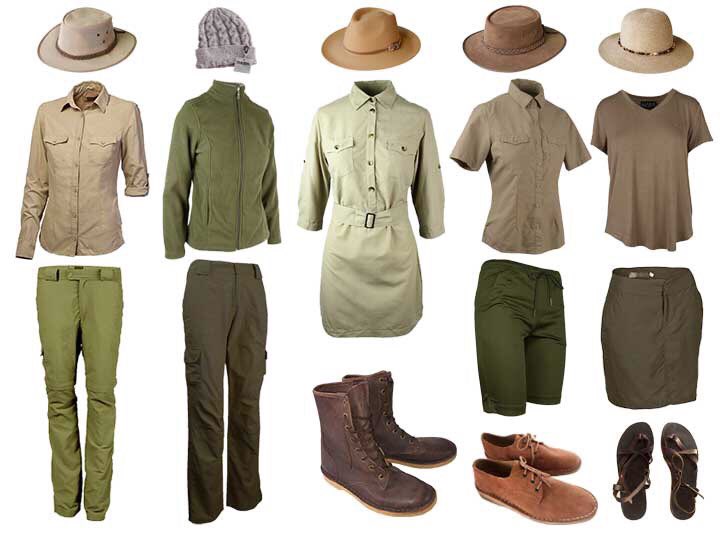
What to Wear on Safari: Fabrics, Colours and Layers
Knowing what to wear on safari can make your Tanzania or East African adventure considerably more comfortable. Safari days often begin in chilly darkness before becoming hot under the midday sun, while evenings around a campfire can become cool again.
Knowing what to wear on safari can make your Tanzania or East African adventure considerably more comfortable. Safari days often begin in chilly darkness before becoming hot under the midday sun, while evenings around a campfire can become cool again. The best safari wardrobe therefore focuses on breathable fabrics, practical layers, comfortable footwear and neutral colours rather than trying to look like a professional explorer.
You do not need a completely new wardrobe for a safari. Many everyday outdoor clothes work perfectly well if they are lightweight, comfortable and easy to wash.
The most important principle is simple: dress for changing temperatures and long days outdoors.
Whether you are travelling through the Serengeti, Ngorongoro, Mikumi, Ruaha or another destination, this guide explains what to wear on safari, which fabrics work best, which colours to choose, what to avoid and how to build a practical safari packing list.
What to Wear on Safari: The Essential Clothing
The best safari clothing is lightweight, breathable, comfortable and easy to layer. Choose practical clothes that protect you from sun, dust, insects and changing temperatures without restricting movement.
A basic safari outfit can include:
- Lightweight long-sleeved shirt.
- Comfortable trousers.
- T-shirt or vest underneath.
- Fleece or light jacket for early mornings.
- Comfortable walking shoes.
- Hat or cap.
- Sunglasses.
- Light scarf or buff.
You do not need to wear safari-coloured clothing from head to toe.
The goal is comfort and practicality.
Choose Breathable Fabrics
Breathable fabrics help regulate body temperature during hot game drives while making it easier to remain comfortable for several hours inside a safari vehicle.
When considering what to wear on safari, fabric is often more important than fashion.
Good options include:
Cotton
Cotton is comfortable and breathable, making it useful for relaxed safari days.
However, cotton absorbs moisture and dries slowly, so it may be less practical during very hot or humid conditions.
Linen
Linen is lightweight and breathable, making it excellent for warm weather.
It wrinkles easily, but that rarely matters on safari.
Lightweight Technical Fabrics
Modern outdoor fabrics can be particularly useful because they are:
- Quick drying.
- Lightweight.
- Moisture managing.
- Easy to wash.
- Resistant to wrinkles.
These fabrics are useful for travellers moving between several lodges and camps.
Why Layers Matter
Layering is one of the most important principles when deciding what to wear on safari because temperatures can change dramatically between early morning and afternoon.
A typical safari day can involve:
Early morning: Cold or cool.
Mid-morning: Comfortable.
Midday: Hot.
Late afternoon: Warm.
Evening: Cool again.
Instead of carrying one heavy jacket, use several lightweight layers.
A practical combination is:
- T-shirt.
- Long-sleeved shirt.
- Fleece or lightweight sweater.
- Windbreaker or light jacket.
You can remove layers as temperatures rise.
What to Wear on Safari: Choosing the Right Colours
Neutral and earthy colours are generally the most practical safari clothing colours because they blend naturally with the environment and show less dust than very bright clothing.
Good choices include:
- Khaki.
- Beige.
- Olive.
- Brown.
- Tan.
- Grey.
- Muted green.
These colours are practical rather than mandatory.
You will not ruin your safari by wearing a blue or red shirt.
However, neutral colours are particularly useful for walking safaris and nature walks.
What Safari Clothing Colours Should You Avoid?
Very bright colours are best avoided during walking activities because they stand out strongly against natural surroundings and can be distracting when observing wildlife.
You may want to minimise:
- Bright red.
- Neon yellow.
- Fluorescent green.
- Very bright orange.
- Highly reflective clothing.
This advice matters more when walking in wildlife areas than when sitting inside a safari vehicle.
You do not need to throw away your favourite colourful clothes. Simply prioritise neutral colours for your main safari outfits.
Why Are Dark Colours Sometimes Discouraged?
Dark blue and black clothing can become uncomfortable in strong sunlight and may attract attention from insects in some environments.
Black clothing absorbs more heat than lighter fabrics, making it less comfortable during hot afternoons.
Dark colours can also show dust more clearly.
That does not mean you can never wear black.
A black T-shirt for an evening at your lodge is perfectly reasonable.
Long Sleeves or Short Sleeves?
Long-sleeved shirts are among the most useful safari clothes because they provide protection from sun, dust and insects while remaining lightweight enough for warm weather.
Long sleeves are particularly useful:
- Early in the morning.
- During walking activities.
- Around sunset.
- In areas with mosquitoes.
- During dusty game drives.
Short-sleeved shirts are useful during hot afternoons.
A combination of both gives you more flexibility.
What to Wear on Safari: Choosing Trousers
Lightweight trousers are usually the most versatile option because they protect your legs from sun, dust and insects while remaining comfortable during long drives.
Good options include:
- Lightweight hiking trousers.
- Convertible trousers.
- Cotton trousers.
- Quick-drying outdoor trousers.
- Comfortable travel pants.
Convertible trousers can be useful because they allow you to switch between trousers and shorts.
Avoid excessively tight clothing because safari days can involve several hours of sitting.
Are Shorts Suitable for Safari?
Shorts are perfectly acceptable inside safari vehicles and at many safari lodges, especially during warm afternoons.
However, long trousers are generally more practical for:
- Walking safaris.
- Bush walks.
- Early mornings.
- Evenings.
- Areas with insects.
- Cooler weather.
Always follow your guide’s recommendations for walking activities.
What to Wear on Safari in Cold Mornings
A lightweight fleece or jacket is essential for early-morning game drives because temperatures can be surprisingly low before sunrise.
A good safari jacket should be:
- Lightweight.
- Wind resistant.
- Easy to pack.
- Comfortable over several layers.
A waterproof jacket is also useful during the rainy seasons.
What Shoes Should You Wear on Safari?
Comfortable closed shoes are the safest all-purpose choice for safari, particularly when your itinerary includes walking or nature activities.
Recommended options include:
- Lightweight hiking shoes.
- Trail shoes.
- Comfortable walking shoes.
- Sturdy sandals for the lodge.
You generally do not need heavy mountaineering boots for ordinary game drives.
If you are planning a serious hiking excursion, choose footwear appropriate for that specific activity.
Do You Need Safari Boots?
Heavy safari boots are not necessary for most conventional game drives, but sturdy footwear becomes more important for walking safaris and hiking activities.
For a vehicle-based safari, comfortable trainers or walking shoes are usually sufficient.
For activities such as:
- Mountain hiking.
- Forest walks.
- Waterfall treks.
- Multi-hour walking safaris.
you should follow the footwear recommendations of your guide or operator.
What Hat Should You Wear?
A wide-brimmed hat provides excellent protection from the strong African sun and is one of the most useful accessories to pack.
A good safari hat should:
- Shade your face.
- Protect your ears and neck.
- Stay secure in wind.
- Be lightweight.
- Pack easily.
A baseball cap works too, although it provides less protection around the sides and back of your head.
Sunglasses and Sun Protection
Quality sunglasses and sunscreen are essential because safari vehicles often spend many hours exposed to direct sunlight.
Pack:
- Sunglasses.
- High-SPF sunscreen.
- Lip balm with SPF.
- Hat.
- Lightweight long-sleeved clothing.
Polarised sunglasses can be particularly useful for reducing glare.
What to Wear on Safari at Night
Evenings can become cool, particularly at higher elevations or during Tanzania’s cooler months, so bring at least one warm layer even if your safari takes place in a hot climate.
For evenings, consider:
- Long trousers.
- Long-sleeved shirt.
- Fleece.
- Lightweight jacket.
- Closed shoes.
If you’re staying at a luxury lodge, casual-smart clothing is usually sufficient for dinner.
You do not need formal evening wear.
What to Wear in a Safari Vehicle
Comfort should be your priority because game drives can last several hours and involve sitting in the same position for extended periods.
Choose:
- Loose-fitting trousers.
- Breathable shirts.
- Lightweight layers.
- Comfortable shoes.
- A light jacket.
- Sunglasses.
Avoid anything that restricts movement or becomes uncomfortable after several hours.
What to Wear on a Walking Safari
Walking safaris require more practical clothing than ordinary game drives because you will be moving through natural terrain rather than remaining inside a vehicle.
Wear:
- Neutral-coloured long trousers.
- Long-sleeved shirt.
- Sturdy walking shoes.
- Socks.
- Hat.
- Lightweight backpack.
Your guide may recommend additional clothing depending on the location, season and expected conditions.
What to Wear During the Rainy Season
Rainy-season safari clothing should prioritise quick-drying materials and waterproof outer layers without adding unnecessary weight to your luggage.
Pack:
- Lightweight rain jacket.
- Quick-drying trousers.
- Waterproof bag covers.
- Extra socks.
- Breathable shirts.
- Waterproof footwear where appropriate.
Heavy cotton can become uncomfortable when wet because it takes longer to dry.
How Many Clothes Should You Pack?
You generally do not need a large wardrobe for safari because many lodges offer laundry services and casual clothing is acceptable throughout the trip.
For a week-long safari, a practical starting point could be:
- 4–5 T-shirts.
- 2–3 long-sleeved shirts.
- 2–3 pairs of trousers.
- 1 pair of shorts.
- 1 fleece or sweater.
- 1 lightweight jacket.
- 1 rain jacket.
- 5–7 pairs of underwear.
- 5–7 pairs of socks.
- Comfortable walking shoes.
- Sandals.
- Hat.
Adjust these quantities according to your itinerary and access to laundry.
What Not to Wear on Safari
The biggest clothing mistakes are usually choosing uncomfortable, impractical or weather-inappropriate items rather than simply choosing the wrong colours.
Try to avoid:
- Very tight clothing.
- Heavy winter coats.
- Excessively delicate fabrics.
- High heels.
- Uncomfortable shoes.
- Strongly scented clothing.
- Excessive jewellery.
- Very bright clothing for walking activities.
Safari is an outdoor experience, so practical clothing usually wins.
What to Wear on Safari in Tanzania
Tanzania’s safari regions have different climates, so your clothing should reflect the destinations on your itinerary rather than following a single rigid dress code.
For example:
Serengeti
Expect cool mornings and warm afternoons.
Bring layers and sun protection.
Ngorongoro
The crater rim can be considerably cooler because of the elevation.
A warm fleece or jacket is particularly useful.
Tarangire
Temperatures can become hot during the day.
Lightweight, breathable clothing is ideal.
Ruaha
Expect warm conditions and strong sunshine, with cooler mornings during the dry season.
Zanzibar
Beachwear is appropriate around resorts and beaches, while modest casual clothing is preferable when visiting villages, towns and cultural sites.
What to Wear on Safari: Quick Checklist
A simple capsule wardrobe can cover almost every normal safari situation without overpacking.
- Lightweight T-shirts.
- Long-sleeved shirts.
- Lightweight trousers.
- Shorts.
- Fleece or sweater.
- Lightweight jacket.
- Rain jacket.
- Comfortable walking shoes.
- Sandals.
- Socks.
- Underwear.
- Wide-brimmed hat.
- Sunglasses.
- Neutral-coloured clothing.
- Swimwear if your lodge has a pool.
- Lightweight daypack.
Combining Safari With Zanzibar
Many travellers combine their wildlife adventure with a few days on the coast.
After researching what to wear on safari, remember that Zanzibar requires a slightly different wardrobe.
Pack:
- Swimwear.
- Lightweight beach clothing.
- Sandals.
- Loose-fitting shirts.
- Lightweight trousers.
- A cover-up.
- Modest clothing for villages and cultural attractions.
Explore Zanzibar when planning a beach extension after your safari.
Frequently Asked Questions
What is the best colour to wear on safari?
Neutral colours such as khaki, beige, olive, brown and grey are practical choices. They blend naturally with the environment and are useful for walking activities.
Can I wear black on safari?
Yes. Black is not prohibited. However, lighter colours can be more comfortable in strong sunlight and may show less dust.
Do I need long trousers on safari?
Not always. Shorts are fine for many vehicle-based game drives, but long trousers are more useful for walking activities, cool mornings and insect protection.
What should I wear on an early morning game drive?
Wear several layers: a T-shirt, long-sleeved shirt, fleece or sweater, and lightweight jacket. You can remove layers as the temperature rises.
Do I need special safari clothes?
No. Special safari clothing is not essential. Comfortable outdoor clothing made from breathable and lightweight fabrics works well.
What shoes should I take on safari?
Comfortable walking shoes or trainers are usually sufficient for game drives. Sturdy hiking footwear is recommended for walking safaris and mountain or forest hikes.
Conclusion
Knowing what to wear on safari is less about buying expensive safari clothing and more about choosing practical pieces that work across changing conditions. Breathable fabrics, neutral colours, comfortable trousers, sturdy walking shoes and lightweight layers will cover most safari situations.
The most important item is arguably a good layering system. Early-morning game drives can be surprisingly cold, particularly around destinations such as Ngorongoro, while temperatures can become hot only a few hours later. A fleece, long-sleeved shirt and lightweight jacket allow you to adapt without carrying excessive luggage.
Choose neutral safari clothing colours for practicality, but don’t worry if you have brighter clothes for evenings or travel days. For walking activities, prioritise long sleeves, long trousers and suitable footwear.
At Odysseys From Africa, we can help you prepare for the specific conditions you’ll encounter on your Tanzania itinerary, from the Serengeti plains and Ngorongoro highlands to Southern Tanzania and Zanzibar.
Contact Odysseys From Africa
Planning a Tanzania safari and still wondering what to wear on safari?
Our travel team can help you prepare for:
- Serengeti safaris.
- Ngorongoro Crater trips.
- Northern Tanzania itineraries.
- Southern Tanzania safaris.
- Mount Kilimanjaro climbs.
- Walking and hiking experiences.
- Zanzibar beach extensions.
Explore more:
Odysseys From Africa
Location: Arusha, Tanzania
Email: info@odysseys-from-africa.com
Phone (Kenya): +254 710 450 797
Phone (Tanzania): +255 652 810 255
Website: https://odysseys-from-africa.com/