
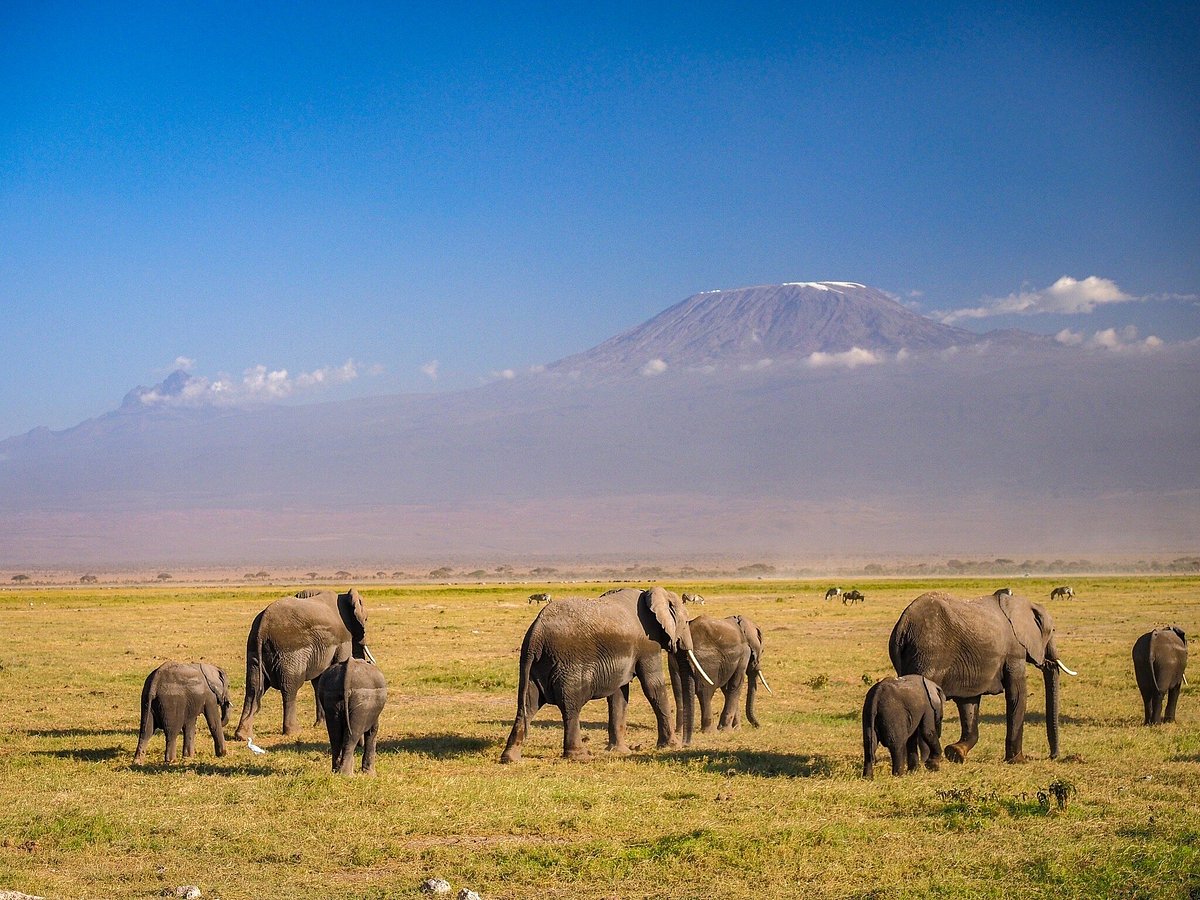
Amboseli National Park: Elephants, Kilimanjaro Views and Timing
An Amboseli safari combines one of Kenya’s most recognisable wildlife experiences with one of Africa’s most dramatic mountain backdrops. The park is famous for its large elephant population, open plains and views towards Mount Kilimanjaro across the border in Tanzania.
But there is an important detail that many first-time visitors discover only after arriving: Kilimanjaro is not visible all day, every day.
Cloud cover can hide the mountain even when you are standing in a location with a perfect view. For travellers hoping to photograph elephants with Kilimanjaro behind them, timing and weather conditions matter.
An Amboseli safari is therefore about more than simply entering the park and looking for elephants. The quality of your experience can depend on the season, time of day, accommodation location and how much time you allow for game drives.
This guide explains what Amboseli delivers, when Kilimanjaro is most likely to appear, the best time for elephants and how to combine Amboseli with other Kenyan safari destinations.
Amboseli Safari: Why Visit Amboseli National Park?
An Amboseli safari is particularly appealing for travellers who want elephants, open landscapes, birdlife and the possibility of photographing wildlife beneath Mount Kilimanjaro.
Amboseli National Park is relatively compact compared with some of Kenya’s larger safari destinations, but it offers an impressive concentration of wildlife and varied habitats.
The park’s landscapes include:
- Open grasslands.
- Seasonal wetlands.
- Woodlands.
- Dry plains.
- Swamps.
- Acacia-dominated areas.
The wetlands are particularly important.
During dry periods, wildlife can concentrate around areas where water and green vegetation remain available.
This helps create the classic Amboseli scenes of elephants moving through open landscapes.
An Amboseli safari can also be excellent for photographers because the open terrain often provides relatively unobstructed views of animals.
Amboseli Safari: What Wildlife Can You See?
Amboseli is best known for elephants, but an Amboseli safari can also produce sightings of lions, cheetahs, buffalo, giraffes, zebras, wildebeest and many bird species.
Commonly sought-after animals include:
- African elephants.
- Lions.
- Cheetahs.
- Buffalo.
- Giraffes.
- Zebras.
- Wildebeest.
- Hippos.
- Hyenas.
- Gazelles.
- Warthogs.
Elephants remain the park’s signature attraction.
Amboseli’s elephants have been studied extensively, and the population is particularly associated with the park’s conservation identity.
You should not expect to see every species on every drive.
Wildlife remains unpredictable, and experienced guides use recent sightings, habitat conditions and animal behaviour to determine where to explore.
Amboseli Safari: Why Are the Elephants So Famous?
Amboseli’s elephants are famous for their large size, long-term research history and striking appearances against the park’s open plains and Kilimanjaro backdrop.
Elephants are one of the main reasons travellers choose an Amboseli safari.
They can often be found around wetland areas where they feed and drink.
Large family groups may move slowly through the landscape, creating excellent opportunities for observation and photography.
The open terrain can make elephants relatively easy to see compared with destinations dominated by thick vegetation.
However, responsible viewing remains important.
Keep an appropriate distance, follow your guide’s instructions and avoid encouraging vehicles to crowd animals.
Amboseli Safari: When Is the Best Time to See Elephants?
The best time for Amboseli elephants depends on water availability, vegetation and seasonal conditions, but elephants remain resident throughout the year.
During dry periods, animals can become concentrated around reliable water sources and wetlands.
This can make wildlife easier to locate.
The dry seasons are therefore popular for travellers prioritising game viewing.
However, the wetter months have their own advantages.
Rain can transform the landscape, producing greener scenery and attracting different birdlife.
For photographers, the right choice may depend on whether you prefer:
- Dusty dry-season scenes.
- Green landscapes.
- Clearer skies.
- Migratory birds.
- Fewer visitors.
There is no single Amboseli elephants best time that suits every traveller.
Amboseli Safari: When Can You See Kilimanjaro?
Mount Kilimanjaro is often most visible during early morning when atmospheric conditions are favourable, but cloud can obscure the mountain at any time of year.
This is one of the most important practical points when planning an Amboseli safari.
The mountain’s summit can be covered by clouds even when the weather at ground level appears pleasant.
For this reason, travellers should avoid planning their entire trip around a guaranteed Kilimanjaro photograph.
Instead, build several opportunities into your itinerary.
Early morning game drives can be particularly worthwhile because cooler conditions may provide better visibility.
The mountain may appear dramatically above the plains before clouds build later in the day.
Kilimanjaro View Kenya: Why Visibility Changes
A Kilimanjaro view in Kenya depends heavily on atmospheric conditions, cloud cover and the time of day, rather than simply the month you visit.
Mount Kilimanjaro rises to the south of Amboseli across the Tanzania border.
Its enormous elevation means that weather around the mountain can differ from conditions in the park.
You may experience:
- Clear skies over Amboseli but cloud around the summit.
- Morning visibility followed by afternoon cloud.
- A completely hidden mountain that appears the following morning.
- A clear summit after rainfall.
This unpredictability is normal.
A good guide will take advantage of promising conditions rather than waiting for a particular fixed time.
Amboseli Safari: Best Time for Kilimanjaro Photography
Early morning is generally the most important period to allocate for Kilimanjaro photography because visibility can be better before daytime clouds develop.
If photography is a major priority, consider:
- Staying at least two or three nights.
- Starting game drives early.
- Carrying a telephoto lens.
- Using a wider lens for landscape compositions.
- Keeping your camera ready.
- Allowing flexibility in your itinerary.
The famous composition of an elephant with Mount Kilimanjaro behind it cannot be guaranteed.
Wildlife and weather must cooperate.
That uncertainty is part of wildlife photography.
Amboseli Safari: Dry Season vs Wet Season
Dry and wet seasons offer different Amboseli experiences, so the best choice depends on whether you prioritise wildlife concentration, green landscapes, birdlife or fewer visitors.
Dry Season
Dry conditions can make wildlife easier to locate around water.
Advantages may include:
- Concentrated wildlife.
- Easier game viewing.
- Dry roads.
- Strong photographic contrast.
- Excellent elephant sightings.
The landscape can become dusty and brown, producing the classic dry-season safari appearance.
Wet Season
Rain can transform Amboseli.
The plains may become greener, while birdlife can increase.
Advantages can include:
- Green landscapes.
- Dramatic skies.
- Fewer visitors.
- Excellent photography.
- Seasonal bird activity.
However, heavy rain can affect road conditions.
Amboseli Safari: January and February
January and February can provide attractive conditions for an Amboseli safari, combining wildlife viewing with potentially green landscapes depending on recent rainfall.
These months can be useful for travellers looking for:
- Elephants.
- General wildlife.
- Photography.
- Warm weather.
- Birdlife.
Kilimanjaro visibility will still depend on daily atmospheric conditions.
Amboseli Safari: March to May
The long-rains period can produce lush scenery but also less predictable road and weather conditions.
This period may suit travellers who value:
- Green landscapes.
- Dramatic skies.
- Lower visitor numbers.
- Bird photography.
However, rain can interfere with game drives.
If you are travelling during this period, a flexible itinerary is useful.
Amboseli Safari: June to October
June through October is a popular period for an Amboseli safari because generally drier conditions can make wildlife viewing productive and roads easier to navigate.
This period can be particularly attractive for first-time safari travellers.
Elephants remain a major attraction.
The dry landscape can also create excellent photographic contrasts between animals, grassland and distant mountains.
Kilimanjaro visibility will still vary from day to day.
Amboseli Safari: November and December
November and December can bring rainfall and greener landscapes while retaining opportunities for excellent wildlife viewing.
The short rains can refresh the ecosystem.
Bird activity can also become more interesting.
Travellers willing to accept some rain may enjoy a quieter experience compared with peak travel periods.
Amboseli Safari: How Many Days Do You Need?
Two nights can provide a useful introduction to Amboseli, while three nights gives you more opportunities for wildlife viewing and Kilimanjaro photography.
Two Nights
A two-night itinerary can include:
Day 1: Arrival and afternoon game drive.
Day 2: Early morning and afternoon game drives.
Day 3: Morning game drive and departure.
Three Nights
Three nights allow greater flexibility.
You can dedicate more time to:
- Elephant sightings.
- Kilimanjaro photography.
- Birding.
- Different areas of the park.
- Relaxation at your lodge or camp.
If the mountain view is particularly important to you, additional mornings increase your chances of seeing it.
Amboseli Safari: Where Should You Stay?
Choosing accommodation near the right access routes can make your Amboseli safari more convenient, especially when early morning game drives are important.
Accommodation options range from:
- Luxury lodges.
- Tented camps.
- Mid-range properties.
- Budget accommodation.
- Private conservancy stays.
Consider:
- Distance from park gates.
- Game-drive arrangements.
- Vehicle availability.
- Meal plans.
- Room style.
- Kilimanjaro views.
- Guide quality.
A property advertising a “Kilimanjaro view” cannot guarantee that the mountain will be visible during your stay.
The weather remains the deciding factor.
Amboseli Safari: Private vs Shared Game Drives
A private vehicle provides more flexibility, while shared drives can reduce costs and still deliver excellent wildlife viewing.
A private vehicle is particularly useful if you want to:
- Start very early.
- Spend longer with elephants.
- Wait for Kilimanjaro to emerge.
- Photograph specific wildlife.
- Control your route.
- Travel with family.
Shared vehicles can be perfectly suitable for travellers on a tighter budget.
The best choice depends on your priorities.
Amboseli Safari: Photography Tips
Amboseli’s open landscapes and famous elephants make it one of Kenya’s most rewarding destinations for wildlife photography.
A useful photography setup can include:
- Telephoto lens.
- Wide-angle lens.
- Extra batteries.
- Memory cards.
- Lens cloth.
- Camera beanbag.
- Dust protection.
For Kilimanjaro compositions, you may need a wider focal length than you would use for close-up wildlife.
Morning light can also provide softer conditions.
If you are interested in photographing wildlife more broadly, read our big cat photography safari guide.
Amboseli Safari: Combining Amboseli With the Masai Mara
Combining Amboseli with the Masai Mara creates a strong Kenya itinerary because the two destinations offer very different landscapes and wildlife experiences.
Amboseli is particularly associated with:
- Elephants.
- Kilimanjaro.
- Open plains.
- Wetlands.
The Masai Mara is particularly known for:
- Lions.
- Leopards.
- Cheetahs.
- Wildebeest.
- The Great Migration.
A seven-day itinerary could potentially include:
Days 1–3: Amboseli.
Days 4–7: Masai Mara.
The exact routing should depend on whether you travel by road, internal flight or a combination.
Read our Masai Mara safari guide for a detailed look at seasons, sectors and accommodation.
Amboseli Safari: Combining Amboseli With Lake Nakuru
Lake Nakuru can complement Amboseli by adding a different Rift Valley environment and opportunities to see rhinos and diverse birdlife.
A possible itinerary could be:
Days 1–2: Amboseli.
Days 3–4: Lake Nakuru.
Days 5–7: Masai Mara.
This route provides a broad introduction to some of Kenya’s most important safari landscapes.
Amboseli Safari: Combining Amboseli With Samburu
Adding Samburu creates an even more varied Kenya safari by taking travellers from the southern plains into Kenya’s drier northern landscapes.
Samburu offers different scenery and wildlife, including species adapted to the semi-arid environment.
A longer itinerary can therefore combine:
Amboseli → Samburu → Masai Mara
This is best suited to travellers with at least a week and preferably longer.
Amboseli Safari: Amboseli and Tanzania
Amboseli can also be combined with northern Tanzania, creating an itinerary that connects the Kilimanjaro landscape with destinations such as the Serengeti and Ngorongoro.
This option can work well for travellers arriving in Kenya and continuing south.
Possible destinations include:
- Amboseli.
- Arusha.
- Tarangire.
- Ngorongoro.
- Serengeti.
The exact route depends on border logistics and flight connections.
A well-designed itinerary should avoid unnecessary backtracking.
Amboseli Safari: Responsible Wildlife Viewing
Responsible safari behaviour helps protect Amboseli’s wildlife and preserves the quality of the experience for future visitors.
During your game drives:
- Keep a respectful distance.
- Do not feed animals.
- Do not make excessive noise.
- Remain inside the vehicle where required.
- Follow your guide’s instructions.
- Avoid littering.
- Do not pressure drivers to approach wildlife improperly.
- Respect other vehicles at sightings.
Elephants deserve particular respect because their size and strength can make close encounters dangerous.
Experienced guides understand animal behaviour and know when to give wildlife more space.
Amboseli Safari: What Should You Pack?
Pack lightweight clothing, warm layers for early mornings, sun protection and camera equipment suited to both wildlife and landscape photography.
Useful items include:
- Lightweight trousers.
- Long-sleeved shirts.
- T-shirts.
- Fleece or light jacket.
- Comfortable shoes.
- Hat.
- Sunglasses.
- Sunscreen.
- Binoculars.
- Camera.
- Extra batteries.
- Power bank.
- Small day bag.
Dust protection for camera equipment is particularly useful during dry periods.
Amboseli Safari: Frequently Asked Questions
What is Amboseli famous for?
Amboseli is particularly famous for its large elephant population, open landscapes and views towards Mount Kilimanjaro.
When is the best time for an Amboseli safari?
The dry seasons are popular for wildlife viewing because animals can concentrate around reliable water sources, but Amboseli can be visited throughout the year.
When can I see Kilimanjaro from Amboseli?
Kilimanjaro visibility depends heavily on cloud and atmospheric conditions. Early mornings often provide useful opportunities, but visibility cannot be guaranteed.
How many days should I spend in Amboseli?
Two nights can provide a good introduction. Three nights gives you more flexibility for wildlife viewing and mountain photography.
Can I combine Amboseli with the Masai Mara?
Yes. The two parks complement each other particularly well because they offer different landscapes and wildlife experiences.
Is Amboseli good for elephants?
Yes. Elephants are one of the park’s signature attractions and a major reason travellers visit.
Can I see lions in Amboseli?
Yes. Lions are among the predators found in the park, although wildlife sightings can never be guaranteed.
Is Amboseli suitable for families?
Yes. Its relatively compact nature and strong elephant-viewing opportunities can make it an appealing family safari destination.
Conclusion: Is an Amboseli Safari Worth It?
An Amboseli safari is worth considering if elephants, open landscapes and the possibility of photographing wildlife beneath Mount Kilimanjaro are high on your Kenya travel list.
The biggest misconception is that the mountain will always be visible.
It will not.
Kilimanjaro is a dramatic but unpredictable part of the experience. Cloud cover can hide the summit, sometimes for hours or an entire day. This is why staying for at least two or three nights and taking early morning game drives can improve your opportunities.
Amboseli also deserves attention for its wildlife beyond the mountain.
Large elephant groups, lions, cheetahs, buffalo, giraffes, zebras and abundant birdlife can make the park rewarding even when Kilimanjaro disappears behind clouds.
For a first Kenya safari, consider combining Amboseli with the Masai Mara or Lake Nakuru. For a longer East African itinerary, it can also be connected with northern Tanzania.
The right Amboseli safari ultimately depends on your travel dates, wildlife priorities, budget and preferred pace.
Odysseys From Africa can build Amboseli into a tailor-made Kenya safari and combine it with the country’s other major wildlife destinations.
Contact Odysseys From Africa
Planning an Amboseli safari?
Our safari team can arrange:
- Amboseli National Park safaris.
- Private game drives.
- Elephant-focused safari experiences.
- Kilimanjaro-view itineraries.
- Luxury and mid-range accommodation.
- Kenya multi-park safaris.
- Kenya and Tanzania combinations.
- Family safaris.
- Photography-focused safaris.
- Tailor-made East African itineraries.
Explore More
- Kenya Safaris
- Masai Mara Safari Guide
- Big Cat Photography Safari
- What to Wear on Safari
- Tanzania Safaris
Odysseys From Africa
Location: Arusha, Tanzania
Email: info@odysseys-from-africa.com
Phone (Kenya): +254 710 450 797
Phone (Tanzania): +255 652 810 255
Website: https://odysseys-from-africa.com/