
Best Time for a Kenya Safari: Month by Month
The best time Kenya safari travellers should choose depends on what matters most to them: wildlife concentration, weather, the Great Migration, birdlife, fewer crowds or lower prices.
There is no single month that is perfect for every traveller.
Kenya’s safari destinations experience different conditions throughout the year. The Masai Mara, Amboseli, Samburu, Laikipia, Tsavo and the Rift Valley can all offer rewarding wildlife experiences outside the traditional peak season.
For that reason, understanding the Kenya safari month by month calendar is more useful than simply being told to travel during “the dry season.”
The traditional dry periods are popular because vegetation becomes thinner and wildlife may concentrate around water. However, the green seasons can provide excellent scenery, fewer visitors, newborn animals and strong photographic conditions.
This guide explains the best time Kenya safari travellers can consider across every month of the year.
Best Time Kenya Safari: January
January is generally a strong month for a Kenya safari, offering warm conditions, relatively dry landscapes in many areas and excellent opportunities for wildlife viewing.
January sits within one of Kenya’s commonly recognised dry periods.
The landscape can be greener than during the later dry season, particularly following the shorter rains.
Wildlife viewing can be rewarding in:
- Masai Mara.
- Amboseli.
- Tsavo.
- Samburu.
- Laikipia.
- Lake Nakuru.
January can also be appealing for travellers who want to avoid the busiest peak-season period.
For photographers, the combination of green vegetation and good light can be particularly attractive.
Wildlife: Excellent
Weather: Generally dry and warm
Crowds: Moderate
Prices: Moderate to high depending on property
Best for: General wildlife, photography, families
Best Time Kenya Safari: February
February is another excellent month for a Kenya safari, particularly for travellers looking for relatively dry conditions and strong wildlife viewing without the peak-season pressure of July and August.
February can provide good visibility and comfortable safari conditions.
The Masai Mara remains productive, while Amboseli can offer excellent elephant sightings.
Samburu and northern Kenya can also be rewarding.
February is particularly useful for travellers who want to combine wildlife with photography.
The grass can still provide colour and texture before the landscape becomes progressively drier.
Wildlife: Excellent
Weather: Generally dry
Crowds: Moderate
Prices: Moderate to high
Best for: Photography, general safari, families
Best Time Kenya Safari: March
March can offer an attractive balance of green landscapes, wildlife and lower visitor numbers, although rainfall becomes increasingly possible toward the end of the month.
The first part of March can still be relatively dry in some areas.
As the month progresses, conditions can become less predictable.
This is the beginning of the transition toward the long-rain season.
For travellers who do not mind occasional showers, March can offer:
- Green scenery.
- Dramatic skies.
- Fewer vehicles.
- Good photography.
- Lower rates at selected properties.
The best time Kenya safari choice therefore does not automatically exclude March.
Wildlife: Good to excellent
Weather: Increasing chance of rain
Crowds: Low to moderate
Prices: Often lower than peak season
Best for: Photography, value, green landscapes
Best Time Kenya Safari: April
April is usually associated with Kenya’s long rains, making it less predictable for travellers focused exclusively on dry weather, but it can offer excellent value and lush scenery.
April is often considered part of Kenya’s wetter period.
Road conditions can become challenging in some areas.
However, rain does not necessarily mean continuous rainfall all day.
You may experience:
- Heavy afternoon showers.
- Clear mornings.
- Dramatic clouds.
- Green landscapes.
- Fewer tourists.
Some safari camps offer attractive rates during this period.
For experienced travellers who value solitude and photography over guaranteed dry conditions, April can be worthwhile.
Wildlife: Good
Weather: Wet and variable
Crowds: Low
Prices: Often lower
Best for: Budget-conscious travellers, photographers, solitude
Best Time Kenya Safari: May
May can be one of the quieter periods for a Kenya safari, with lush vegetation, fewer tourists and potentially attractive accommodation prices.
The long rains can still influence travel conditions.
Some unpaved roads may become muddy.
However, the scenery can be spectacular.
May can be especially interesting for:
- Landscape photography.
- Birdwatching.
- Green-season scenery.
- Quiet game drives.
Travellers should choose their accommodation and routing carefully.
A well-planned itinerary can reduce the impact of difficult road conditions.
Wildlife: Good
Weather: Wet/variable
Crowds: Low
Prices: Often lower
Best for: Value, photography, birding
Best Time Kenya Safari: June
June is often an excellent transition month, as the long rains ease and drier conditions begin to return across many safari areas.
June marks the beginning of one of the most popular safari periods.
The landscape can remain relatively green, while roads improve.
Wildlife viewing becomes increasingly predictable as the dry season develops.
June is particularly appealing for travellers who want:
- Good wildlife viewing.
- Pleasant weather.
- Lower crowds than July and August.
- Green scenery.
- Increasingly dry conditions.
For many travellers, June is an underrated answer to the question of the best time Kenya safari.
Wildlife: Excellent
Weather: Becoming drier
Crowds: Moderate
Prices: Moderate to high
Best for: Overall safari balance
Best Time Kenya Safari: July
July is one of the most popular months for a Kenya safari, combining dry conditions with excellent wildlife viewing and the possibility of major Great Migration activity in the Masai Mara.
July is high season.
Demand can be strong.
Accommodation should be booked well in advance, particularly for sought-after camps and conservancies.
The Masai Mara can become especially busy when the wildebeest migration reaches the ecosystem.
However, the Migration does not operate according to a guaranteed calendar.
Animal movements depend on rainfall, grass conditions and other environmental factors.
July also works well outside the Mara.
Amboseli, Samburu and other parks can offer excellent wildlife experiences.
Wildlife: Excellent
Weather: Dry
Crowds: High
Prices: High
Best for: Migration, classic safari, first-time visitors
Best Time Kenya Safari: August
August is among the strongest months for a Kenya safari, with dry weather, excellent wildlife visibility and a strong possibility of major wildebeest migration activity in the Masai Mara.
August is one of the busiest months.
The Mara may experience significant visitor numbers around major wildlife sightings.
This is particularly relevant to travellers hoping to witness river crossings.
However, it is important not to build an entire trip around a guaranteed crossing.
River crossings are unpredictable.
A safari should focus on the wider ecosystem rather than a single dramatic event.
Outside the Mara, August remains excellent for:
- Amboseli.
- Samburu.
- Laikipia.
- Tsavo.
- Lake Nakuru.
Wildlife: Excellent
Weather: Dry
Crowds: High
Prices: High
Best for: Migration, wildlife concentration
Best Time Kenya Safari: September
September can be an outstanding month for a Kenya safari, combining dry conditions with strong wildlife viewing while some peak-season crowds begin to ease.
The Masai Mara may still have migration activity.
Wildlife can be concentrated around remaining water sources.
The grass is often shorter, improving visibility.
September can therefore provide an excellent combination of:
- Wildlife.
- Dry weather.
- Photography.
- Comfortable game drives.
- Strong migration possibilities.
For travellers asking about the best time Kenya safari conditions without wanting the height of August crowds, September deserves serious consideration.
Wildlife: Excellent
Weather: Dry
Crowds: Moderate to high
Prices: High to moderate
Best for: Wildlife, photography, migration
Best Time Kenya Safari: October
October can provide excellent safari conditions, particularly for travellers who want dry-season wildlife viewing while avoiding some of the busiest months.
The landscape becomes increasingly dry.
Animals may gather around water sources.
The Masai Mara remains productive, while Samburu, Amboseli and Tsavo can also provide excellent experiences.
Towards the end of October, rainfall becomes increasingly possible.
That transition can produce beautiful green landscapes.
Wildlife: Excellent
Weather: Mostly dry, increasingly variable
Crowds: Moderate
Prices: Moderate to high
Best for: Wildlife, photography, fewer crowds
Best Time Kenya Safari: November
November is a green-season month in many parts of Kenya and can be an excellent choice for travellers who prioritise value, fewer visitors and lush scenery.
The short rains can begin around this period.
Rainfall can be intermittent rather than continuous.
The advantages include:
- Fewer vehicles.
- Green landscapes.
- Migratory birds.
- Excellent photography.
- Potentially lower accommodation rates.
November can be particularly attractive for repeat safari travellers who have already experienced Kenya during peak season.
Wildlife: Good to excellent
Weather: Short rains possible
Crowds: Low to moderate
Prices: Often lower
Best for: Value, birding, photography
Best Time Kenya Safari: December
December can be an excellent festive-season safari month, combining improving conditions with green landscapes, although Christmas and New Year can bring higher prices and demand.
Early December can offer good value at some properties.
The second half of December becomes busier.
Families often travel during school holidays.
Popular camps can sell out.
If you plan a Christmas safari, book early.
The combination of safari and the Kenyan coast can also work particularly well at this time of year.
Wildlife: Good to excellent
Weather: Variable
Crowds: Moderate to high around holidays
Prices: Moderate to high
Best for: Festive holidays, families, safari and beach
Best Time Kenya Safari: Month-by-Month Quick Reference
The best time Kenya safari travellers choose depends on the balance between weather, wildlife, crowds and price, and the table below provides a quick planning reference.
| Month | Wildlife | Weather | Crowds | Price | Best For |
|---|---|---|---|---|---|
| January | Excellent | Dry/warm | Moderate | Moderate-high | General safari |
| February | Excellent | Dry | Moderate | Moderate-high | Photography |
| March | Good-excellent | Increasing rain | Low-moderate | Moderate | Green scenery |
| April | Good | Wet | Low | Lower | Value |
| May | Good | Wet/green | Low | Lower | Photography |
| June | Excellent | Drier | Moderate | Moderate-high | Overall balance |
| July | Excellent | Dry | High | High | Migration |
| August | Excellent | Dry | High | High | Migration |
| September | Excellent | Dry | Moderate-high | High-moderate | Wildlife |
| October | Excellent | Mostly dry | Moderate | Moderate-high | General safari |
| November | Good-excellent | Short rains | Low-moderate | Lower | Value/birding |
| December | Good-excellent | Variable | Moderate-high | Moderate-high | Families/festive travel |
Best Time Kenya Safari: Dry Season vs Green Season
The dry season is usually preferred for predictable weather and easy wildlife viewing, while the green season offers fewer visitors, lush landscapes and potentially lower prices.
Dry Season
Generally offers:
- Easier road conditions.
- Shorter vegetation.
- Greater wildlife visibility.
- Concentration around water.
- More predictable game drives.
Green Season
Can offer:
- Green landscapes.
- Fewer tourists.
- Migratory birds.
- Dramatic skies.
- Newborn wildlife in some areas.
- Lower accommodation prices.
The Kenya safari month by month decision should therefore be based on your priorities rather than a simple “dry is good, wet is bad” rule.
Best Time Kenya Safari: Best Months for the Great Migration
July through September are commonly associated with major wildebeest migration activity in the Masai Mara, but exact timing varies according to rainfall and animal movements.
The Great Migration is not a scheduled event.
The herds respond to:
- Rain.
- Fresh grass.
- Water availability.
- Predator pressure.
- Seasonal conditions.
Some years the animals arrive earlier.
Other years they arrive later.
River crossings are even more unpredictable.
If witnessing the migration is your main priority, plan flexibility into the itinerary rather than selecting a date based solely on a fixed calendar.
Best Time Kenya Safari: Best Months for Fewer Crowds
April, May and November can offer quieter safari conditions, while March and parts of June and October can provide a useful compromise between visitor numbers and weather.
Travellers who dislike crowded sightings should consider:
- April.
- May.
- November.
However, choosing a less busy month is only part of the solution.
Private conservancies can also provide lower-density experiences because vehicle numbers and activities may be managed differently from national reserves.
Read our Mara Conservancies guide for more information.
Best Time Kenya Safari: Best Months for Lower Prices
April, May and November are often among the more affordable periods for safari accommodation, although exact rates depend on individual properties and travel dates.
Lower-season travel can reduce:
- Accommodation costs.
- Vehicle costs in some packages.
- Availability pressure.
However, conservation fees and other fixed costs may remain substantial.
The cheapest month is therefore not necessarily the month with the lowest complete safari price.
Best Time Kenya Safari: Best Months for Photography
January, February, June, September and October can be excellent photography months because they can combine useful light, wildlife visibility and varied landscapes.
Photography priorities differ.
If you want:
Wildlife portraits
Dry periods can provide clearer views.
Landscapes
Green-season months can provide richer scenery.
Dramatic skies
Rainy periods can produce striking cloud formations.
Migration
July to September may offer opportunities for dramatic wildlife scenes.
Our big cat photography guide covers camera settings, light and wildlife-viewing etiquette.
Best Time Kenya Safari: Best Months for Birdwatching
The green season can be particularly rewarding for birdwatchers because Kenya’s ecosystems become attractive to migratory and resident bird species.
November through April can be especially interesting for birding.
Travellers may encounter:
- Migratory species.
- Breeding activity.
- Green landscapes.
- Greater insect activity.
For dedicated birdwatchers, the traditional peak safari season is not necessarily the only or best option.
Best Time Kenya Safari: Best Months for Families
Families often benefit from travelling during school holidays, but June through August can be expensive and busy, so early planning is essential.
January and February can provide a useful alternative for families with suitable school calendars.
December can also work well, although festive pricing may apply.
Families should consider:
- Child-friendly accommodation.
- Driving distances.
- Flight schedules.
- Private vehicles.
- Family rooms.
- Activity restrictions for children.
A private vehicle can be particularly useful for families because the schedule can be adapted around children.
Best Time Kenya Safari: Best Month for Amboseli
Amboseli can be visited year-round, but dry periods are often particularly rewarding because wildlife may become easier to locate around remaining water sources and the landscape can offer clearer views.
The park is famous for elephants and its views toward Mount Kilimanjaro.
For travellers hoping to photograph Kilimanjaro, remember that mountain visibility is influenced by clouds and atmospheric conditions.
Early mornings can often provide better opportunities.
Read our Amboseli safari guide before planning your route.
Best Time Kenya Safari: Best Month for Samburu
Samburu is a year-round destination, but dry-season conditions can make wildlife easier to locate and can create strong contrasts between the animals and the landscape.
Samburu is particularly interesting because of its northern species.
The region’s Special Five include:
- Grevy’s zebra.
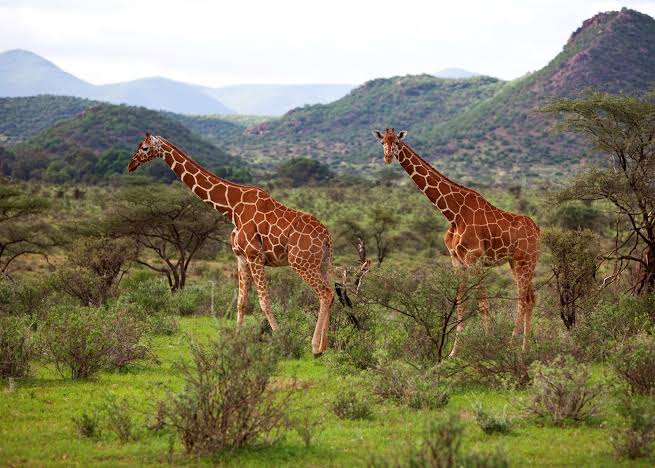
- Reticulated giraffe.
- Gerenuk.
- Somali ostrich.
- Beisa oryx.
Read our Samburu safari guide for more information.
Best Time Kenya Safari: Best Month for Tsavo
Tsavo can be visited throughout the year, with dry-season months often providing strong wildlife viewing and green-season months offering dramatic landscapes and fewer visitors.
Tsavo East and Tsavo West are enormous ecosystems.
Their landscapes differ considerably.
Travellers should therefore choose accommodation and routing carefully.
Our Tsavo safari guide explains how the two parks compare.
Best Time Kenya Safari: Best Month for Lake Nakuru
Lake Nakuru works well as part of a wider Rift Valley itinerary, and its wildlife can be rewarding throughout the year.
The park is particularly known for:
- Rhinoceros.
- Rothschild’s giraffe.
- Birdlife.
- Scenic landscapes.
Flamingo numbers can vary significantly according to water conditions and food availability, so travellers should not assume that every visit will produce the same concentration of flamingos.
Read our Lake Nakuru safari guide for itinerary planning.
Best Time Kenya Safari: Best Month for Laikipia
Laikipia can be rewarding year-round, particularly for travellers interested in conservation, rhino and activities beyond traditional vehicle game drives.
Private conservancies may offer:
- Walking.
- Night drives.
- Rhino experiences.
- Specialist guiding.
- Horseback activities.
The experience can differ significantly from a conventional national-park safari.
Read our Laikipia safari guide to understand the conservancy model.
Best Time Kenya Safari: When Should You Actually Go?
For most first-time visitors, June through October offers a strong combination of wildlife viewing and generally favourable conditions, while January and February provide another excellent window.
Consider:
Choose January–February if you want:
- Dry conditions.
- Strong wildlife.
- Good photography.
- Moderate crowds.
Choose June if you want:
- Improving weather.
- Good wildlife.
- Fewer crowds than peak season.
Choose July–September if you want:
- Great Migration possibilities.
- Dry conditions.
- Classic safari conditions.
Choose October if you want:
- Strong wildlife.
- Fewer visitors than August.
- Dry-season scenery.
Choose April–May or November if you want:
- Lower visitor numbers.
- Potentially lower prices.
- Green landscapes.
- Photography and birding.
Best Time Kenya Safari: Frequently Asked Questions
What is the best time Kenya safari travellers should choose?
For general wildlife viewing, June to October and January to February are strong periods. The best choice depends on your priorities.
What is the best month for a Kenya safari?
There is no single best month. July, August, September, January and February can all be excellent for different reasons.
Is July a good month for Kenya safari?
Yes. July is a popular dry-season month and can provide excellent wildlife viewing and possible Great Migration activity.
Is August a good month for Kenya safari?
Yes. August is one of the busiest but potentially rewarding months, especially in the Masai Mara.
Is September good for a Kenya safari?
Yes. September can combine excellent wildlife viewing with dry conditions and possible migration activity.
Is April a bad time to visit Kenya?
Not necessarily. April is wetter, but it can offer green landscapes, fewer visitors and potentially lower prices.
Can I safari in Kenya during the rainy season?
Yes. Safaris operate during rainy periods. However, road conditions and weather can be less predictable.
When is Kenya safari cheapest?
April, May and November are often among the more affordable periods, although prices vary by property and exact travel dates.
When is the Great Migration in Kenya?
Major migration activity in the Masai Mara commonly occurs between July and October, but timing changes each year according to environmental conditions.
Can I see wildlife outside the dry season?
Absolutely. Kenya has productive wildlife areas throughout the year.
What is the best time for photography?
January, February, June, September and October can be excellent, but green-season photography can also produce spectacular landscapes.
What is the best time for a Kenya safari and beach holiday?
June to October can work particularly well, although Kenya’s coast can be visited throughout the year.
Conclusion: Choosing the Best Time for a Kenya Safari
The best time Kenya safari travellers should choose depends on the experience they want.
If your priority is predictable dry weather and concentrated wildlife, consider January, February or June through October.
If witnessing the Great Migration is your priority, July through September can provide some of the strongest opportunities, particularly in the Masai Mara, although animal movements remain unpredictable.
If you want fewer visitors and potentially lower prices, consider April, May or November.
If you are interested in photography, birding and green landscapes, the wetter months can offer opportunities that peak-season travellers sometimes miss.
Ultimately, the best Kenya safari month by month decision is not about finding one perfect date.
It is about matching your travel dates to your priorities.
A first-time visitor looking for a classic safari may choose the dry season.
A repeat traveller looking for solitude may prefer the green season.
A photographer may deliberately choose dramatic weather.
A family may simply choose the school-holiday period that works with their schedule.
The important thing is to build the itinerary around the experience rather than assuming one month guarantees everything.
Odysseys From Africa can help match your preferred travel dates with Kenya’s parks, conservancies, wildlife priorities and accommodation style.
Contact Odysseys From Africa
Planning your best time Kenya safari itinerary?
Our team can arrange:
- Kenya wildlife safaris.
- Masai Mara safaris.
- Amboseli safaris.
- Samburu safaris.
- Tsavo safaris.
- Laikipia conservancy safaris.
- Lake Nakuru itineraries.
- Kenya safari and beach holidays.
- Private safari vehicles.
- Luxury safari camps.
- Family safaris.
- Honeymoon safaris.
- Tailor-made itineraries.