
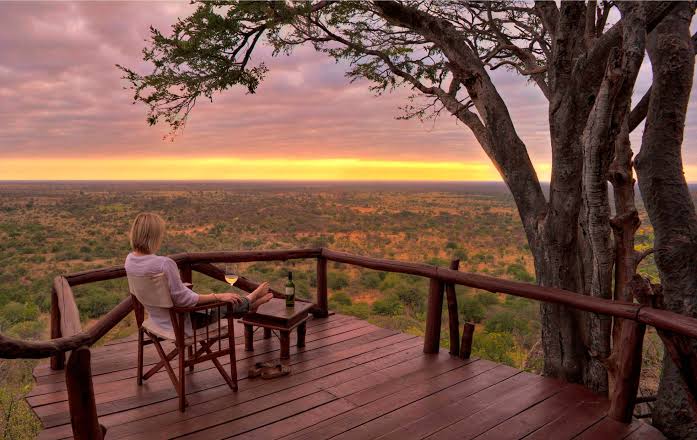
Meru National Park: Wild, Remote and Rarely Visited
A Meru National Park safari takes travellers away from Kenya’s busiest wildlife routes and into a greener, more secluded corner of the country. Known for its rivers, diverse habitats, elephants, big cats and the conservation story connected to Born Free, Meru offers a safari experience built around space and tranquillity.
Meru National Park lies east of Mount Kenya and covers a landscape shaped by rivers, woodland, grassland and seasonal watercourses. The park is crossed by several rivers, creating areas of greener vegetation within an otherwise varied landscape.
For travellers searching for remote Kenya parks, Meru stands out because it can offer excellent wildlife without the same level of visitor concentration associated with some of Kenya’s better-known destinations.
The park is also historically significant.
It became internationally associated with George and Joy Adamson and Elsa the lioness, whose story inspired Born Free. Today, Meru is better understood not simply as a historical destination but as a functioning wildlife ecosystem with an important conservation legacy.
Meru National Park Safari: Why Visit Meru?
A Meru National Park safari is ideal for travellers who want wildlife, beautiful riverine landscapes, fewer vehicles and a more remote feeling than many classic Kenya safari circuits.
Meru’s attraction is partly what it does not have.
You do not necessarily encounter the same concentration of safari vehicles found around famous wildlife sightings in heavily visited parks.
Instead, the experience can involve long stretches of wilderness where the landscape itself becomes part of the attraction.
A game drive may take you through:
- Riverine forest.
- Open grasslands.
- Acacia woodland.
- Rocky areas.
- Seasonal streams.
- Dry plains.
- Thick bush.
- Wetland habitats.
This ecological variety supports a substantial range of wildlife.
Meru National Park Safari: Where Is Meru?
Meru National Park is located in central-eastern Kenya, east of Mount Kenya and northeast of Nairobi.
Its location makes it possible to incorporate Meru into a wider Kenya safari itinerary.
The park is particularly useful for travellers who have already visited Kenya’s famous southern destinations and want to experience a less conventional route.
A longer itinerary can combine Meru with:
- Samburu.
- Ol Pejeta.
- Laikipia.
- Mount Kenya.
- Lewa.
- Nairobi.
The exact route depends on whether you prefer road travel, flights or a combination of both.
Meru National Park Safari: What Wildlife Can You See?
A Meru National Park safari can produce sightings of elephants, lions, leopards, buffalo, giraffes, zebras, hippos and numerous antelope species.
Potential wildlife sightings include:
- Elephants.
- Lions.
- Leopards.
- Buffalo.
- Giraffes.
- Zebras.
- Hippos.
- Crocodiles.
- Waterbuck.
- Impalas.
- Elands.
- Oryx.
- Gerenuks.
- Warthogs.
- Hyenas.
- African wild dogs in suitable areas.
The park’s rivers are particularly important because water attracts wildlife and supports greener vegetation.
However, Meru remains a wild environment.
No responsible safari operator can guarantee sightings of a particular species.
Meru National Park Safari: The Big Cats
Meru supports lions and leopards, making it a worthwhile destination for travellers interested in big cats without requiring the park to deliver the same predator density as the Masai Mara.
Lions can be found in the park’s grassland and open habitats.
Leopards are more secretive and may be encountered around riverine vegetation and areas with suitable cover.
The thrill of Meru is often the search itself.
Rather than moving from one famous sighting to another, you may spend time reading tracks, watching birds and following clues from your guide.
That makes the experience particularly rewarding for travellers who enjoy the process of wildlife discovery.
Meru National Park Safari: Elephants and Rivers
Meru’s rivers are central to its ecosystem and provide some of the best opportunities to observe elephants and other wildlife in greener surroundings.
The park contains several permanent and seasonal rivers.
These waterways support:
- Elephants.
- Hippos.
- Crocodiles.
- Waterbuck.
- Birdlife.
- Riverine vegetation.
During dry periods, water becomes especially important.
Animals may concentrate around reliable sources, improving the chances of productive game viewing.
At the same time, riverine habitats can make photography more interesting because they provide a strong contrast between water, vegetation and dry-country landscapes.
Meru National Park Safari: The Born Free Connection
Meru’s Born Free connection comes from the story of Elsa the lioness and the conservation work of George and Joy Adamson in the region.
The story became famous through the book and film Born Free.
Elsa was raised by the Adamsons after being orphaned and was eventually returned to the wild.
The story helped shape global interest in wildlife conservation and the idea that wild animals should be protected in their natural environments.
For visitors, the Born Free connection adds historical depth to a Meru National Park safari.
However, the park’s significance today extends well beyond that story.
Meru is a living ecosystem supporting wildlife, communities and conservation efforts.
Meru National Park Safari: Why Is Meru Considered Remote?
Meru is often described as remote because it sits away from Kenya’s busiest safari corridors and generally receives less visitor attention than destinations such as the Masai Mara and Amboseli.
This can be a major advantage.
For some travellers, safari quality is not simply about how many animals they see.
It is also about:
- Space.
- Quietness.
- Landscape.
- Privacy.
- Unhurried game drives.
- Fewer vehicles.
- A sense of discovery.
Meru can deliver these qualities.
The trade-off is that wildlife may not always be as concentrated as it is in some smaller or more heavily visited parks.
Remote Kenya Parks: Who Should Visit Meru?
Remote Kenya parks such as Meru are particularly suitable for repeat safari travellers, photographers, conservation enthusiasts and visitors who value solitude.
Meru may be especially appealing if you have already visited:
- Masai Mara.
- Amboseli.
- Lake Nakuru.
- Tsavo.
It can introduce a different side of Kenya.
First-time visitors can also enjoy Meru, particularly if they have enough time for a longer itinerary.
If your priority is seeing as many iconic species as possible in the shortest possible time, a more concentrated safari route may be better.
If your priority is wilderness and atmosphere, Meru becomes much more attractive.
Meru National Park Safari: When Is the Best Time to Visit?
A Meru National Park safari can be enjoyed year-round, but the dry seasons generally make wildlife easier to locate while the rainy periods create greener landscapes.
January and February
These months can offer good wildlife-viewing conditions.
Vegetation may be relatively manageable, while water availability influences animal movements.
March to May
The long rains transform the landscape.
The park can become beautifully green, although heavy rainfall can affect some roads.
June to October
These drier months are popular for safari.
Wildlife can become easier to find around water sources, and road conditions are generally more predictable.
November and December
The short rains can bring fresh vegetation and dramatic skies.
This can be an attractive period for photographers and travellers looking for greener landscapes.
Meru National Park Safari: How Many Days Do You Need?
Two nights provide a useful introduction to Meru, while three or four nights allow enough time to explore its rivers, habitats and wildlife without rushing.
Two-Night Meru Safari
Day 1: Arrival and afternoon game drive.
Day 2: Full-day game drive.
Day 3: Morning game drive and departure.
Three-Night Meru Safari
Day 1: Arrival and afternoon exploration.
Day 2: Full-day safari.
Day 3: Full-day safari.
Day 4: Morning game drive and departure.
The longer option is preferable for travellers whose main reason for visiting is the park itself.
Meru National Park Safari: Meru vs Samburu
Meru and Samburu offer two very different northern Kenya experiences, with Meru providing greener riverine landscapes and Samburu offering drier scenery and its famous northern species.
Samburu is known for the Special Five:
- Grevy’s zebra.
- Reticulated giraffe.
- Gerenuk.
- Somali ostrich.
- Beisa oryx.
Meru offers a different combination of:
- Rivers.
- Elephants.
- Lions.
- Leopards.
- Hippos.
- Diverse vegetation.
Combining the two creates an excellent northern Kenya itinerary.
Read our Samburu safari guide for more information.
Meru National Park Safari: Meru vs Masai Mara
Meru is better suited to travellers seeking solitude and diverse landscapes, while the Masai Mara is generally stronger for concentrated big-cat viewing and famous open grassland scenery.
The Masai Mara is particularly famous for:
- Lions.
- Leopards.
- Cheetahs.
- Wildebeest.
- Open plains.
- Seasonal migration.
Meru offers:
- Riverine habitats.
- Elephants.
- Diverse landscapes.
- Lower visitor concentration.
- Born Free history.
You can combine the two if your schedule allows.
Our Masai Mara safari guide covers planning considerations for the Mara.
Meru National Park Safari: Meru vs Tsavo
Both Meru and Tsavo can provide a quieter safari experience, but Tsavo is dramatically larger while Meru offers a more compact mix of rivers, woodland and grassland.
Tsavo is famous for:
- Vast wilderness.
- Red elephants.
- Large landscapes.
- Volcanic scenery.
- Tsavo East and West.
Meru offers:
- Rivers.
- Greener habitats.
- Born Free history.
- Diverse wildlife.
- A remote atmosphere.
Read our Tsavo safari guide when comparing the two destinations.
Meru National Park Safari: Meru and Ol Pejeta
Meru can combine particularly well with Ol Pejeta and Laikipia for travellers interested in wildlife conservation and northern Kenya.
Ol Pejeta is known for its rhino conservation work and other wildlife experiences.
A possible itinerary could be:
Day 1: Nairobi.
Days 2–3: Ol Pejeta.
Days 4–6: Meru.
Days 7–9: Samburu.
This route provides substantial ecological variety.
For more information, read our Laikipia safari guide.
Meru National Park Safari: Is It Good for Photography?
Meru offers strong wildlife and landscape photography opportunities, particularly around rivers, elephants, changing vegetation and the park’s open horizons.
Photographers should consider carrying:
- Telephoto lens.
- Wide-angle lens.
- Extra batteries.
- Spare memory cards.
- Lens cloth.
- Binoculars.
- Camera support.
The park’s relatively low visitor concentration can also make photography more relaxed.
There may be fewer vehicles competing for the same sighting, although this naturally varies by season and location.
For technical wildlife photography advice, read our big cat photography safari guide.
Meru National Park Safari: What Should You Pack?
Pack lightweight safari clothing, sun protection, binoculars and a warmer layer for early mornings and evening game drives.
Useful items include:
- Neutral-coloured clothing.
- Lightweight trousers.
- Long-sleeved shirts.
- T-shirts.
- Fleece or light jacket.
- Comfortable shoes.
- Hat.
- Sunglasses.
- Sunscreen.
- Binoculars.
- Camera.
- Extra batteries.
- Reusable water bottle.
- Small daypack.
For a complete clothing guide, read what to wear on safari.
Meru National Park Safari: Responsible Tourism
Responsible tourism is essential in a remote wildlife destination because protecting the ecosystem is more important than maximising short-term sightings.
Visitors should:
- Maintain a respectful distance from animals.
- Stay on designated roads.
- Avoid feeding wildlife.
- Never litter.
- Keep noise low.
- Follow guide instructions.
- Avoid crowding wildlife.
- Respect other vehicles.
- Support responsible local tourism businesses.
The appeal of Meru is partly its wilderness character.
Protecting that character should be part of every visitor’s responsibility.
Meru National Park Safari: Frequently Asked Questions
What is Meru National Park famous for?
Meru is known for its wildlife, rivers, diverse habitats, relatively low visitor concentration and connection to the Born Free conservation story.
Is Meru National Park worth visiting?
Yes, particularly for travellers who value wilderness, quieter game drives, diverse landscapes and conservation history.
Is Meru a remote Kenya park?
Meru is commonly considered one of Kenya’s more remote and less-visited safari destinations compared with major tourist routes.
Can you see elephants in Meru?
Yes. Elephants are among the park’s important wildlife species.
Can you see lions in Meru?
Yes. Lions occur in the park, although sightings are never guaranteed.
Is Meru good for a first safari?
It can be, but first-time visitors with limited time may prefer a more classic route including the Masai Mara and another major park.
How many days should I spend in Meru?
Two nights can work for a short visit, while three or four nights provide a more relaxed experience.
Can Meru be combined with Samburu?
Yes. Meru and Samburu make a strong northern Kenya combination.
Can Meru be combined with Ol Pejeta?
Yes. The two destinations work well for travellers interested in wildlife and conservation.
What is the Born Free connection to Meru?
The region is associated with George and Joy Adamson and Elsa the lioness, whose story became internationally known through Born Free.
Conclusion: Is a Meru National Park Safari Worth It?
A Meru National Park safari is a strong choice for travellers who want to experience a quieter, greener and less conventional side of Kenya.
The park does not rely on one attraction.
Its appeal comes from the combination of rivers, wildlife, diverse habitats, conservation history and a genuine feeling of space.
The Born Free story adds historical significance, but Meru should not be viewed only through that connection.
Today, it is a functioning wildlife destination where elephants, lions, leopards, buffalo, giraffes, hippos and many other species occupy a varied landscape.
For travellers researching remote Kenya parks, Meru deserves serious consideration.
It works particularly well for repeat visitors looking beyond the traditional safari circuit, but it can also be incorporated into a first Kenya safari when enough time is available.
Combining Meru with Samburu, Ol Pejeta, Laikipia or the Masai Mara can produce an itinerary that shows several very different sides of Kenya.
If you want a Meru National Park safari built around wildlife, conservation, photography or a quieter wilderness experience, Odysseys From Africa can create a tailor-made itinerary around your travel dates and interests.
Contact Odysseys From Africa
Planning a Meru National Park safari?
Our safari team can arrange:
- Meru National Park safaris.
- Private game drives.
- Wildlife photography safaris.
- Conservation-focused itineraries.
- Meru and Samburu combinations.
- Meru and Ol Pejeta itineraries.
- Meru and Masai Mara safaris.
- Luxury and mid-range accommodation.
- Family safaris.
- Kenya multi-park itineraries.
- Kenya and Tanzania combinations.
- Tailor-made East African safaris.
Explore More
- Kenya Safaris
- Samburu Safari Guide
- Masai Mara Safari Guide
- Tsavo Safari Guide
- Laikipia Safari Guide
- What to Wear on Safari
Odysseys From Africa
Location: Arusha, Tanzania
Email: info@odysseys-from-africa.com
Phone (Kenya): +254 710 450 797
Phone (Tanzania): +255 652 810 255
Website: https://odysseys-from-africa.com/