
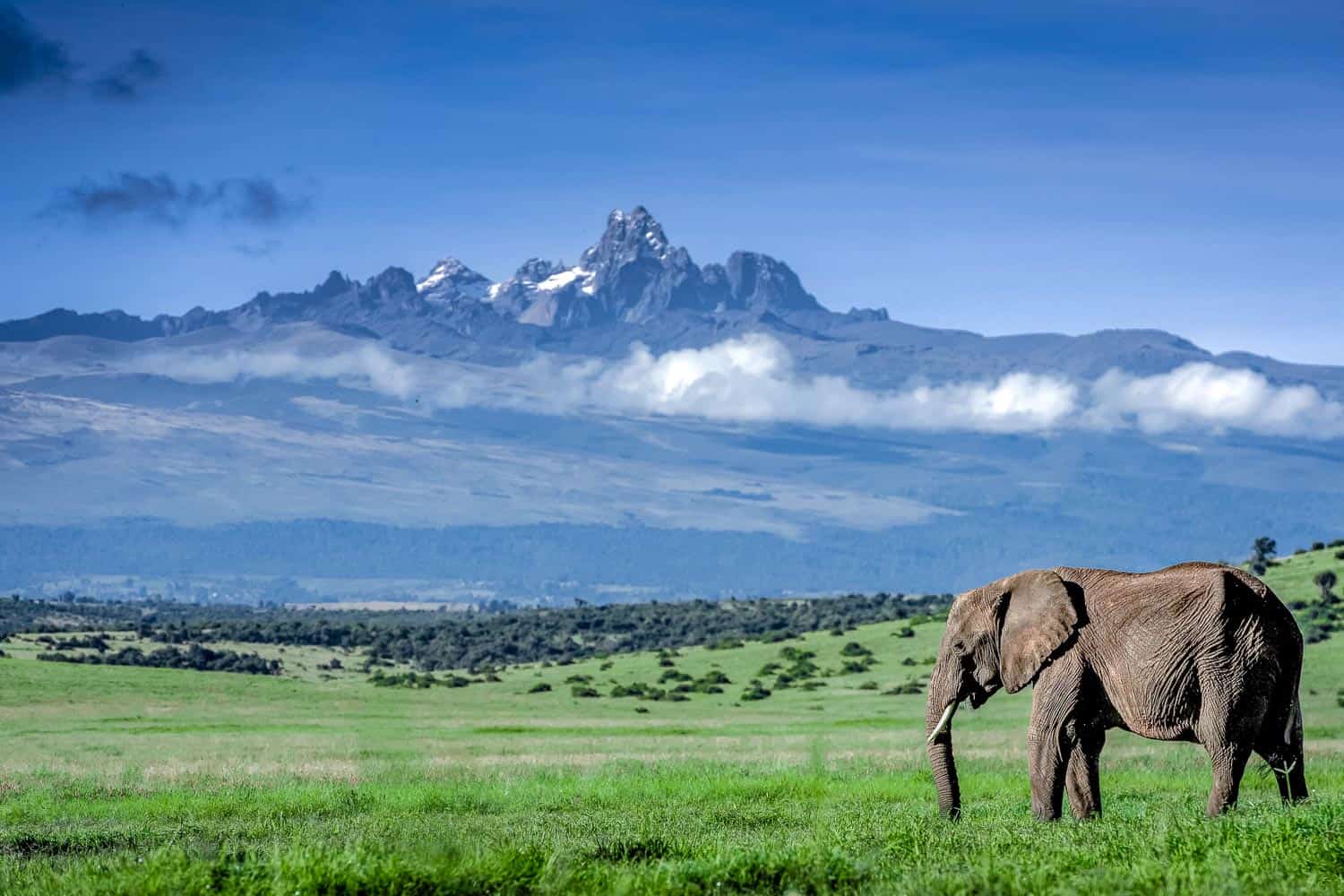
Laikipia Safari Guide Kenya | Amazing Rhino and Walking
A Laikipia safari offers a different side of Kenya from the traditional national-park experience. Instead of focusing only on conventional game drives, Laikipia combines wildlife conservation, private and community conservancies, walking experiences and some of the country’s most important rhino conservation work.
A Laikipia safari offers a different side of Kenya from the traditional national-park experience. Instead of focusing only on conventional game drives, Laikipia combines wildlife conservation, private and community conservancies, walking experiences and some of the country’s most important rhino conservation work.
The region sits north of the equator on a broad plateau between Mount Kenya and Kenya’s northern frontier. Its landscape includes open grasslands, acacia woodland, rocky areas, river systems and large private or community-managed wildlife areas.
For travellers who have already visited the Masai Mara or Amboseli, a Laikipia safari can introduce a more flexible style of wildlife tourism.
You may still see elephants, lions, leopards, buffalo and other familiar African species. But the way you experience them can be different.
Walking, night drives, horseback activities and specialist conservation experiences may be available depending on the conservancy and accommodation you choose.
This guide explains what makes Laikipia special, how the conservancy model works, why Ol Pejeta is important for rhino conservation and how to build Laikipia into a wider Kenya safari.
Laikipia Safari: Why Visit Laikipia?
A Laikipia safari combines excellent wildlife viewing with conservation-focused experiences and activities that are often restricted inside Kenya’s national parks and reserves.
The region is particularly attractive to travellers looking for:
- Rhino conservation.
- Walking safaris.
- Night drives.
- Private conservancy experiences.
- Specialist wildlife.
- Community conservation.
- Horseback safaris at selected properties.
- Fewer crowds.
- Diverse accommodation.
Laikipia is not a single national park.
It is a broader landscape containing different conservancies, ranches and protected areas.
This is important because experiences can vary considerably between properties.
One conservancy may focus heavily on rhinos.
Another may offer walking and night drives.
Another may provide a combination of wildlife and community experiences.
Choosing the right area therefore matters.
Laikipia Safari: What Wildlife Can You See?
A Laikipia safari can produce sightings of elephants, lions, leopards, buffalo, rhinos, giraffes, zebras, wild dogs and numerous antelope species.
Depending on where you stay, you may encounter:
- Black rhinos.
- White rhinos.
- African wild dogs.
- Elephants.
- Lions.
- Leopards.
- Cheetahs.
- Buffalo.
- Giraffes.
- Zebras.
- Elands.
- Oryx.
- Grant’s gazelles.
- Impalas.
- Hyenas.
Laikipia is especially interesting because several conservation areas maintain habitats that connect wildlife populations across a much larger landscape.
The result is an ecosystem that can support both resident species and wide-ranging animals.
Laikipia Safari: Understanding the Conservancy Model
The Laikipia conservancy model connects wildlife conservation with land management, tourism and community interests across a landscape larger than any single safari property.
Unlike a conventional national park, much of Laikipia’s conservation landscape involves land that is privately or communally managed.
Tourism can provide revenue that helps support:
- Wildlife conservation.
- Rangers.
- Habitat management.
- Local employment.
- Community projects.
- Land stewardship.
- Anti-poaching operations.
The exact structure differs from one conservancy to another.
Some are private.
Some are community-led.
Some combine conservation organisations, tourism operators and local landowners.
This diversity is one of Laikipia’s strengths.
Laikipia Safari: Why Conservancies Offer Different Activities
Conservancies can allow greater flexibility because they are managed under different rules from national parks, making activities such as walking and night drives possible in selected areas.
Inside many national parks, visitors are expected to remain in vehicles except in designated areas or under specific circumstances.
In selected Laikipia conservancies, visitors may be able to experience:
- Guided walking.
- Night game drives.
- Horseback safaris.
- Bush meals.
- Cultural visits.
- Conservation activities.
- Specialist wildlife tracking.
Availability depends on the individual property and local regulations.
Do not assume every Laikipia camp offers every activity.
Laikipia Safari: Walking in the Wilderness
Walking is one of the strongest reasons to choose a Laikipia safari because it lets you experience the ecosystem at a slower, more detailed level.
A walking safari is not simply a game drive without a vehicle.
The focus shifts towards:
- Tracks.
- Plants.
- Insects.
- Birds.
- Animal signs.
- Scents.
- Sounds.
- Smaller mammals.
- Landscape interpretation.
An experienced walking guide can explain how animals move through the landscape and how to identify signs left behind.
You may spend significant time looking at something that would be invisible from a vehicle.
Walking therefore creates a deeper connection with the environment.
Laikipia Safari: Are Walking Safaris Safe?
Walking safaris require trained guides, careful route selection and appropriate safety procedures, so the experience should always be conducted under professional supervision.
Wild animals are unpredictable.
Your guide will assess:
- Wind direction.
- Animal behaviour.
- Terrain.
- Recent tracks.
- Visibility.
- Distance.
- Group experience.
Guests should follow instructions closely.
Walking is not about getting close to animals.
It is about understanding the landscape while maintaining a safe and respectful distance.
Laikipia Safari: Night Drives
Night drives offer a completely different perspective of Laikipia, revealing nocturnal wildlife and behaviours that daytime visitors may never see.
After sunset, the ecosystem changes.
Depending on the conservancy, you may encounter:
- Hyenas.
- Genets.
- Civets.
- Bush babies.
- Porcupines.
- Nocturnal birds.
- Lions becoming active.
- Leopards moving through darkness.
Night drives also change the atmosphere.
The sounds of the bush become more noticeable, and the beam of a spotlight can reveal animals hidden during daylight.
This is one of the experiences that can make a Laikipia safari feel fundamentally different from a standard national-park itinerary.
Laikipia Safari: Ol Pejeta and Rhino Conservation
Ol Pejeta is one of Laikipia’s best-known conservation areas and is internationally recognised for its work protecting rhinos and other threatened wildlife.
For many travellers, the opportunity to see rhinos is a major reason to include Ol Pejeta in a Kenya itinerary.
The conservancy supports both black and white rhinos and has played an important role in conservation and wildlife protection.
Ol Pejeta is also widely associated with the conservation of the northern white rhino.
The last two known northern white rhinos are under human care at Ol Pejeta, making the conservancy an important global centre for efforts to preserve the subspecies’ genetic legacy.
For visitors, this adds an important conservation dimension to a wildlife safari.
Laikipia Safari: What Is Special About Ol Pejeta?
Ol Pejeta combines traditional game viewing with conservation experiences, making it particularly valuable for travellers who want to understand the work behind wildlife protection.
The conservancy is home to a range of wildlife.
You may see:
- Rhinos.
- Elephants.
- Lions.
- Leopards.
- Buffalo.
- Zebras.
- Giraffes.
- Chimpanzees at the Sweetwaters Chimpanzee Sanctuary.
Its accessibility also makes it useful for travellers combining Laikipia with Mount Kenya or the central Kenya circuit.
A visit can therefore combine wildlife with a deeper understanding of conservation.
Laikipia Safari: Black Rhino vs White Rhino
Both black and white rhinos can be encountered in Laikipia, but they have different feeding habits and physical characteristics.
Black rhinos generally have pointed, prehensile lips suited to browsing shrubs and trees.
White rhinos have broad, flat lips adapted for grazing.
Despite their names, the colour difference is not a reliable way to identify them.
The distinction is particularly interesting for travellers who have an interest in wildlife biology.
Seeing both species during a Laikipia safari can be a memorable experience.
Laikipia Safari: African Wild Dogs
Laikipia is also an important landscape for African wild dogs, one of Africa’s most fascinating and threatened carnivores.
Wild dogs live in social packs and can cover large distances.
They are highly mobile and sightings are never guaranteed.
However, Laikipia’s connected conservation landscape can provide valuable habitat for this species.
Travellers interested in wild dogs should tell their safari operator before travelling.
A knowledgeable guide can then pay particular attention to recent pack movements.
Laikipia Safari: Landscape Around Mount Kenya
Laikipia’s position north of Mount Kenya creates spectacular views and a transition between highland environments and drier northern landscapes.
On clear days, Mount Kenya can dominate the horizon.
The mountain provides a dramatic contrast with:
- Golden grasslands.
- Acacia trees.
- Rocky hills.
- Dry-country vegetation.
- River valleys.
This makes Laikipia particularly attractive to photographers.
A wide-angle lens can capture the landscape while a telephoto lens handles wildlife.
Laikipia Safari: When Is the Best Time to Visit?
A Laikipia safari can work throughout the year, but the dry seasons are particularly popular for wildlife viewing and walking conditions.
June to October
These months are generally popular for safari travel.
Wildlife can become easier to locate around reliable water sources.
Walking conditions can also be favourable.
January and February
These months can provide good wildlife viewing between major rainfall periods.
The landscape may still retain some greenery depending on recent conditions.
November and December
The short rains can bring fresh vegetation and dramatic skies.
Bird activity can also increase.
March to May
The long rains can make landscapes lush but may make some roads and tracks more challenging.
For travellers seeking a quieter experience, however, this period can be appealing.
Laikipia Safari: How Many Days Do You Need?
Three nights is a useful minimum for experiencing Laikipia properly, while four or more nights allow you to combine traditional game drives with specialist activities.
A sample three-night itinerary could look like this:
Day 1: Arrival and afternoon game drive.
Day 2: Morning walking safari and afternoon game drive.
Day 3: Morning game drive and night drive.
Day 4: Final morning activity and departure.
The schedule depends on your camp and conservancy.
A longer stay gives you more opportunities to explore the area at different times of day.
Laikipia Safari: Private Conservancy vs National Park
The main advantage of a Laikipia conservancy is the range of activities and the more flexible style of safari that can be available outside traditional national-park rules.
A national park may offer:
- Established game-drive routes.
- Large protected landscapes.
- Excellent wildlife viewing.
A conservancy may additionally offer:
- Walking.
- Night drives.
- Specialist conservation experiences.
- Community visits.
- Horseback activities.
- More personalised guiding.
The choice is not necessarily either-or.
Many Kenya itineraries combine national parks with conservancies.
Laikipia Safari: Is Laikipia Good for Families?
Laikipia can be particularly rewarding for families because selected camps offer educational conservation experiences alongside conventional wildlife viewing.
Children can learn about:
- Rhinos.
- Elephants.
- Wildlife tracking.
- Conservation.
- Local communities.
- African ecosystems.
Some properties offer dedicated children’s activities.
Parents should check minimum ages and activity requirements before booking walking or horseback experiences.
A family-focused camp can tailor activities to different age groups.
Laikipia Safari: Is It Good for Couples?
Laikipia is an excellent choice for couples seeking a quieter safari with intimate camps, private experiences and activities beyond conventional game drives.
Depending on the property, couples can enjoy:
- Private dinners.
- Bush breakfasts.
- Sundowners.
- Walking.
- Night drives.
- Horseback activities.
- Private guiding.
The combination of wildlife and wide-open scenery can also make Laikipia attractive for honeymoon and anniversary itineraries.
Laikipia Safari: Is It Good for Photographers?
Laikipia offers diverse photographic opportunities, from rhinos and elephants to dramatic landscapes and conservation-focused subjects.
Photographers can focus on:
- Rhinos.
- Wild dogs.
- Elephants.
- Big cats.
- Birds.
- Landscapes.
- Local communities where appropriate.
- Conservation work.
A private vehicle can be particularly useful if photography is a major priority.
It allows you to spend longer at sightings without worrying about other guests’ schedules.
For broader wildlife photography advice, read our big cat photography safari guide.
Laikipia Safari: Combining Laikipia With Samburu
Laikipia and Samburu make an excellent northern Kenya combination because they offer contrasting landscapes and wildlife experiences.
Samburu is particularly famous for its Special Five:
- Grevy’s zebra.
- Reticulated giraffe.
- Gerenuk.
- Somali ostrich.
- Beisa oryx.
Laikipia adds:
- Rhino conservation.
- Wild dogs.
- Walking.
- Conservancy experiences.
A possible itinerary is:
Days 1–3: Laikipia.
Days 4–6: Samburu.
This gives you a strong introduction to northern Kenya.
Read our Samburu safari guide for more information.
Laikipia Safari: Combining Laikipia With the Masai Mara
Adding Laikipia to the Masai Mara creates a balanced Kenya itinerary combining conservation-focused northern experiences with classic big-cat and migration viewing.
A seven-night itinerary could include:
Days 1–3: Laikipia.
Days 4–7: Masai Mara.
The contrast is substantial.
Laikipia provides:
- Conservancies.
- Rhino conservation.
- Walking.
- Northern landscapes.
The Mara provides:
- Lions.
- Leopards.
- Cheetahs.
- Wildebeest.
- Open grasslands.
Our Masai Mara safari guide explains how to plan the Mara portion.
Laikipia Safari: Combining Laikipia With Amboseli
Laikipia and Amboseli offer another interesting combination, linking rhino and conservancy experiences with famous elephant herds and Mount Kilimanjaro views.
Amboseli is particularly known for:
- Elephants.
- Kilimanjaro.
- Open plains.
- Wetlands.
Laikipia adds:
- Rhinos.
- Wild dogs.
- Walking.
- Conservancy activities.
Our Amboseli safari guide covers the destination in greater detail.
Laikipia Safari: What Should You Pack?
Pack lightweight safari clothing, comfortable walking shoes, sun protection and a warm layer because Laikipia mornings and evenings can be cool.
Useful items include:
- Lightweight trousers.
- Long-sleeved shirts.
- T-shirts.
- Fleece.
- Comfortable walking shoes.
- Hat.
- Sunglasses.
- Sunscreen.
- Binoculars.
- Camera.
- Extra batteries.
- Small daypack.
If walking is part of your itinerary, prioritise comfortable footwear.
For a complete packing guide, see what to wear on safari.
Laikipia Safari: Responsible Conservation Tourism
A responsible Laikipia safari should support wildlife protection while respecting local communities, landowners and the natural environment.
Travellers can contribute by:
- Choosing responsible operators.
- Respecting wildlife distances.
- Avoiding litter.
- Following guide instructions.
- Respecting community photography guidelines.
- Supporting local businesses.
- Asking how conservation fees are used.
- Avoiding activities that exploit wildlife.
Conservation is not simply about seeing animals.
It is about maintaining the landscapes and relationships that allow wildlife and communities to coexist.
Laikipia Safari: Frequently Asked Questions
What is Laikipia famous for?
Laikipia is known for wildlife conservancies, rhino conservation, African wild dogs, elephants, big cats and activities such as walking and night drives in selected areas.
Is Laikipia worth visiting?
Yes. It is particularly valuable for travellers who want a more flexible conservancy-based safari and conservation experiences beyond standard game drives.
What is the best conservancy in Laikipia?
There is no single best conservancy. Ol Pejeta is particularly well known for rhino conservation, while other conservancies offer different combinations of wildlife and specialist activities.
Can you see rhinos in Laikipia?
Yes. Laikipia is an important rhino conservation landscape, with both black and white rhinos found in selected conservation areas.
Can you walk in Laikipia?
Walking safaris are available in selected conservancies with trained guides and appropriate safety procedures.
Can you do night drives in Laikipia?
Selected conservancies permit night drives. Availability depends on the specific property and local regulations.
Is Laikipia good for wild dogs?
Yes. Laikipia is an important landscape for African wild dogs, although sightings are never guaranteed.
How many nights should I spend in Laikipia?
Three nights is a useful starting point. Four or more nights gives you greater flexibility to combine game drives with walking and other experiences.
Can Laikipia be combined with Samburu?
Yes. The two destinations work particularly well together for a northern Kenya safari.
Conclusion: Is a Laikipia Safari Worth It?
A Laikipia safari is an excellent choice for travellers who want more than conventional game drives.
The region combines wildlife with conservation in a way that makes the safari itself part of a larger story.
Rhinos are one of the major attractions, particularly at Ol Pejeta, while African wild dogs, elephants, lions, leopards and other wildlife add variety.
But perhaps Laikipia’s biggest advantage is flexibility.
Depending on where you stay, you may be able to walk through the wilderness, take a night drive, participate in conservation experiences or explore the landscape in ways that are not generally possible inside traditional national parks.
For first-time Kenya visitors, Laikipia can complement the Masai Mara.
For repeat safari travellers, it can be one of the most rewarding additions to an itinerary because the experience is substantially different.
Pair it with Samburu for the Special Five, Amboseli for elephants and Kilimanjaro, or the Masai Mara for big cats and the Great Migration.
If rhinos, conservation and a more intimate safari experience are important to you, Laikipia deserves a place on your Kenya itinerary.
Odysseys From Africa can design a tailor-made Laikipia safari around your interests, preferred accommodation and wider Kenya travel plans.
Contact Odysseys From Africa
Planning a Laikipia safari in Kenya?
Our safari team can arrange:
- Laikipia conservancy safaris.
- Ol Pejeta rhino experiences.
- Black and white rhino viewing.
- Walking safaris.
- Night drives where permitted.
- African wild dog experiences.
- Private game drives.
- Luxury and mid-range camps.
- Kenya multi-park safaris.
- Family safaris.
- Photography-focused safaris.
- Kenya and Tanzania combinations.
- Tailor-made East African itineraries.
Explore More
- Kenya Safaris
- Samburu Safari Guide
- Masai Mara Safari Guide
- Mara Conservancies Explained
- Amboseli Safari Guide
- What to Wear on Safari
Odysseys From Africa
Location: Arusha, Tanzania
Email: info@odysseys-from-africa.com
Phone (Kenya): +254 710 450 797
Phone (Tanzania): +255 652 810 255
Website: https://odysseys-from-africa.com/