
Masai Mara Safari Guide: Seasons, Sectors and Where to Stay
A Masai Mara safari guide should help you answer more than simply when to visit Kenya’s most famous wildlife destination. The Masai Mara is a large ecosystem with the national reserve at its centre and several surrounding conservancies, each offering a somewhat different safari experience.
A Masai Mara safari guide should help you answer more than simply when to visit Kenya’s most famous wildlife destination. The Masai Mara is a large ecosystem with the national reserve at its centre and several surrounding conservancies, each offering a somewhat different safari experience.
Understanding the difference between the reserve and conservancies is important when planning your trip. Your choice of accommodation can affect where you drive, how many vehicles you encounter, which activities are available and how much time you spend travelling between sightings.
This Masai Mara safari guide also looks at the best time to visit, the main sectors, accommodation options, the Great Migration and how many days you should allow for a worthwhile safari.
The Mara is famous for lions, cheetahs, leopards, elephants, buffalo and huge herds of wildebeest and zebra. Yet its appeal is not limited to migration season. Resident wildlife makes the destination rewarding throughout much of the year.
If you are deciding between different camps, sectors or travel months, this Masai Mara safari guide provides a practical framework for making that decision.
Masai Mara Safari Guide: Why Visit the Mara?
The Masai Mara is one of East Africa’s most productive wildlife destinations, combining open grasslands, major predator populations and seasonal movements of wildebeest and zebra.
The landscape is particularly well suited to game viewing because large areas of open grassland make wildlife easier to spot.
A typical safari can produce sightings of:
- Lions.
- Leopards.
- Cheetahs.
- Elephants.
- Buffalo.
- Giraffes.
- Hippos.
- Hyenas.
- Wildebeest.
- Zebras.
- Gazelles.
- Numerous bird species.
For many visitors, the big cats are the main attraction.
Lions are frequently encountered, while cheetahs can sometimes be seen hunting or resting in open grassland. Leopards are more elusive and generally require patience and an experienced guide.
The Mara is also an important part of the greater Mara-Serengeti ecosystem. Wildlife does not recognise the political boundaries separating Kenya and Tanzania, which is why the region remains productive beyond the dates associated with the Great Migration.
This Masai Mara safari guide therefore recommends thinking about the destination as a living ecosystem rather than a park that can be reduced to one annual event.
Masai Mara Safari Guide to the Reserve and Conservancies
The national reserve and surrounding conservancies offer different safari experiences, and understanding the distinction is one of the most important decisions in planning your trip.
The Masai Mara National Reserve is the classic safari destination.
Within the reserve, visitors can experience extensive game drives across open plains, riverine areas, woodland and other wildlife habitats.
The surrounding conservancies operate differently. Many are community conservation areas where tourism contributes to local livelihoods and wildlife protection.
Depending on the conservancy and camp, visitors may have access to activities such as:
- Walking safaris.
- Night drives.
- Cultural experiences.
- Specialised guided activities.
- More intimate game viewing.
Rules and activities vary between conservancies, so your safari operator should confirm exactly what is available at the camp you choose.
A strong Masai Mara safari guide should therefore never treat all accommodation as interchangeable.
Masai Mara Safari Guide: Reserve vs Conservancies
Choose the reserve for classic Mara game viewing and broad access, while conservancies are often better suited to travellers seeking fewer vehicles, intimate camps and additional activities.
The reserve can be the better option if your priority is:
- Classic game drives.
- Access to major wildlife areas.
- A traditional Mara safari.
- Maximum time exploring the reserve.
- A wide variety of wildlife habitats.
A conservancy may be more suitable if your priorities include:
- Lower vehicle density.
- Smaller camps.
- Walking.
- Night drives where permitted.
- Community experiences.
- A quieter atmosphere.
There is no universal winner.
The right decision depends on your travel style.
For a first visit, some travellers prefer to stay in or near the reserve so they can maximise their game-drive time. Others deliberately choose a conservancy because the sense of exclusivity is part of the experience.
The Mara conservancies vs reserve decision should therefore be made according to your priorities, not simply based on which option sounds more luxurious.
Masai Mara Safari Guide to the Main Sectors
The Mara contains several distinct areas, and your accommodation location can influence the wildlife areas you explore most efficiently.
The ecosystem is large enough that you should not expect every camp to provide identical access.
Central Mara
The central area is one of the most familiar safari landscapes.
It offers opportunities to see:
- Lions.
- Cheetahs.
- Elephants.
- Wildebeest.
- Zebras.
- Giraffes.
Because this area is popular, vehicle concentrations can increase around major sightings during busy periods.
Western Mara
The western section provides different landscapes and access to parts of the Mara River system.
Some travellers prefer this area for its quieter atmosphere and scenic character.
Mara Triangle
The Mara Triangle occupies the western side of the Mara ecosystem and has developed a strong reputation for wildlife viewing.
It can be a particularly attractive choice for visitors who want productive game drives while avoiding some of the busiest areas.
Eastern Mara
The eastern side connects with several conservancies and can be convenient for itineraries arriving from Nairobi.
Your exact camp location matters more than simply choosing an area labelled “East Mara.”
This is why a detailed Masai Mara safari guide should always consider camp location, road access and your planned activities together.
Masai Mara Safari Guide: Where Should You Stay?
The best place to stay depends on your budget, preferred activities, wildlife priorities and the number of nights you have available.
When comparing camps, consider:
- Location.
- Game-drive access.
- Guide quality.
- Camp size.
- Vehicle arrangements.
- Food.
- Accommodation style.
- Walking opportunities.
- Night drives where permitted.
- Access to the reserve.
- Transfer arrangements.
Do not choose accommodation solely because the room looks impressive online.
A beautifully designed camp that requires long drives to reach your preferred wildlife areas may not provide the experience you want.
A slightly simpler camp in an excellent location can sometimes produce a better safari.
A good Masai Mara safari guide should therefore treat accommodation as part of the safari experience rather than simply somewhere to sleep.
Masai Mara Safari Guide to Luxury Camps
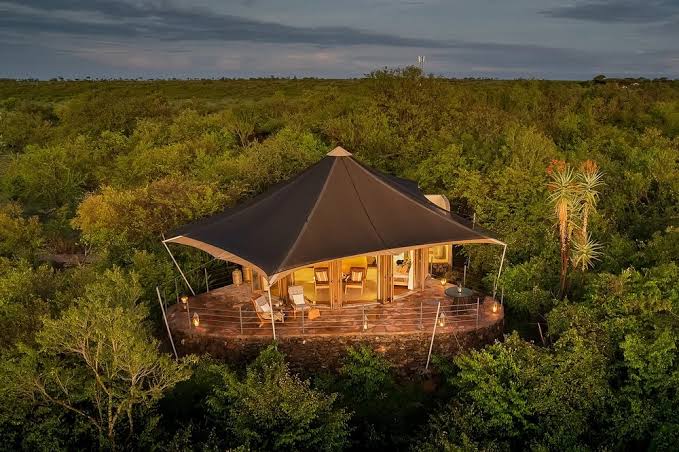
Luxury camps focus on location, service, guiding, food and an intimate wilderness experience rather than simply providing large rooms.
Luxury accommodation can include:
- Spacious safari tents.
- Private verandas.
- En-suite bathrooms.
- Dedicated guides.
- Private vehicles.
- Bush meals.
- Wellness treatments at selected camps.
Many high-end camps are located in conservancies.
This can combine comfortable accommodation with quieter wildlife viewing.
However, the word “luxury” should not automatically determine your choice. A high room rate does not necessarily mean the camp is the best location for your particular safari.
Masai Mara Safari Guide to Mid-Range Accommodation
Mid-range camps can offer an excellent balance between comfort and value, particularly for travellers who want to spend more of their budget on additional safari nights.
Look for camps offering:
- Comfortable beds.
- En-suite facilities.
- Good food.
- Experienced guides.
- Reliable transport.
- Convenient wildlife access.
A mid-range safari does not have to mean a poor wildlife experience.
In fact, if your choice is between an expensive room and an additional night on safari, many travellers will benefit more from the extra time in the ecosystem.
Masai Mara Safari Guide: Budget Accommodation
Budget travellers should compare the total safari experience rather than choosing accommodation solely on the lowest advertised price.
Check whether the rate includes:
- Game drives.
- Park fees.
- Transfers.
- Meals.
- Guide services.
- Vehicle costs.
Also check the camp’s location.
A cheaper camp that is far from your preferred game-viewing areas may result in longer transfers and less time watching wildlife.
For short trips, location can be particularly important.
Masai Mara Safari Guide: Best Time to Visit
The best time for the Masai Mara depends on whether you prioritise the Great Migration, dry weather, green scenery, lower visitor numbers or accommodation availability.
There is no single perfect month.
January and February
These months can provide good general wildlife viewing and relatively dry conditions.
Resident predators and herbivores remain in the ecosystem.
The landscape can also be attractive following earlier rainfall.
March to May
The long-rains period can bring lush green scenery.
There may be fewer visitors, although rainfall can affect road conditions.
This period can appeal to travellers who value landscapes and quieter conditions over guaranteed dry weather.
June
June can be a useful transition month.
The landscape is becoming drier, while visitor numbers may remain below the busiest migration period.
July to October
These are among the most popular months.
The Great Migration may bring large numbers of wildebeest and zebra into the Mara ecosystem.
The dry conditions can also make wildlife viewing productive.
However, demand for accommodation can be very high.
November and December
The short rains can refresh the grasslands and create beautiful green scenery.
Visitor numbers may be lower than during peak migration months.
This makes the period attractive to travellers looking for a different atmosphere.
The best time for Masai Mara therefore depends on what you want from the trip.
Masai Mara Safari Guide: Understanding the Great Migration
The Great Migration is a major attraction, but the movement of wildlife is driven by rainfall and grazing conditions rather than a fixed calendar.
Wildebeest and zebra move between the Serengeti and Mara ecosystems in response to changing environmental conditions.
The famous Mara River crossings can occur during the migration season, but they cannot be guaranteed.
A responsible Masai Mara safari guide should never promise that you will see a river crossing on a specific date.
Instead, plan around a period when the herds are likely to be in the broader ecosystem.
Even when there is no river crossing, the migration can provide spectacular scenes involving:
- Large herds.
- Predators.
- Calves.
- Zebra.
- Wildebeest.
- Dust-filled plains.
Masai Mara Safari Guide: Is July the Best Month?
July can be excellent for a Masai Mara safari, but travellers should not assume that every July produces the same migration experience.
The arrival of wildebeest depends on rainfall patterns and grass conditions.
One year may produce early movement into the Mara.
Another may see the herds arriving later.
July is nevertheless popular because it often marks the beginning of the period when migration activity becomes more likely in the Mara ecosystem.
If your priority is a particular migration event, give yourself several nights rather than relying on a single morning.
Masai Mara Safari Guide: August, September and October
August, September and October are popular because dry-season conditions and possible migration activity can create excellent wildlife-viewing opportunities.
August is particularly busy.
September can offer excellent game viewing with continued dry conditions.
October can provide a transition towards wetter conditions.
These months can be particularly attractive for:
- Big-cat viewing.
- Photography.
- First-time safari travellers.
- Families.
- Couples.
- Luxury safaris.
Book popular camps well in advance if travelling during these peak periods.
Masai Mara Safari Guide: Is the Mara Good Outside Migration Season?
Yes. The Masai Mara is an excellent year-round wildlife destination even when migrating herds are outside the ecosystem.
Resident wildlife includes:
- Lions.
- Leopards.
- Cheetahs.
- Elephants.
- Buffalo.
- Giraffes.
- Hippos.
- Hyenas.
Travelling outside the peak migration season may also provide advantages.
You could experience:
- Fewer vehicles.
- Greater accommodation availability.
- Lower seasonal rates at selected properties.
- Green landscapes.
- A quieter safari atmosphere.
For travellers who dislike crowds, this can be a significant advantage.
A Masai Mara safari guide should therefore never suggest that the destination is only worth visiting during the migration.
Masai Mara Safari Guide for Big-Cat Viewing
The Mara is particularly rewarding for travellers interested in lions, leopards and cheetahs because its open landscapes provide excellent opportunities for predator sightings.
Lions
Lions are among the Mara’s most commonly sought-after animals.
You may see:
- Pride members resting.
- Males patrolling.
- Cubs playing.
- Hunting behaviour.
- Territorial interactions.
Cheetahs
Cheetahs are often associated with open grassland.
Early mornings and late afternoons can provide opportunities to see them becoming active.
Leopards
Leopards are more difficult to find.
They may rest in trees, dense vegetation or shaded areas.
Patience and an experienced guide can make a major difference.
A photography-focused traveller should also consider reading our big cat photography safari guide before travelling.
Masai Mara Safari Guide: How Many Days Do You Need?
Three nights is a good starting point for a first Mara safari, while four or more nights provide more flexibility for wildlife viewing, weather and different sectors.
Three Nights
Day 1: Arrive and afternoon game drive.
Day 2: Full-day game viewing.
Day 3: Morning and afternoon game drives.
Day 4: Final morning activity and departure.
Four Nights
The additional night can allow you to:
- Explore another sector.
- Spend longer with interesting wildlife.
- Adapt to changing weather.
- Add a walking experience where permitted.
- Reduce pressure to see everything quickly.
If the Great Migration is your main reason for travelling, additional nights can be especially valuable.
Masai Mara Safari Guide: Private vs Shared Vehicles
A private vehicle offers greater flexibility and is particularly useful for families, photographers and travellers with specific wildlife interests.
A private vehicle allows you to:
- Choose your departure time.
- Spend longer at sightings.
- Adjust the day’s route.
- Carry more photography equipment.
- Avoid compromising with other guests.
Shared vehicles can be more affordable and are perfectly suitable for many travellers.
The decision comes down to budget and priorities.
Masai Mara Safari Guide: How to Get There
The Mara can be reached by road from Nairobi or by light aircraft from Nairobi and other safari destinations, with flying offering a faster connection.
Road travel allows you to experience more of the Kenyan landscape but takes considerably longer.
Flying can be useful for:
- Short safaris.
- Luxury itineraries.
- Multi-destination trips.
- Travellers connecting from another park.
If you only have three nights, flying can maximise your time in the Mara.
Masai Mara Safari Guide From Nairobi
A Masai Mara safari from Nairobi can work as a road trip or fly-in itinerary, but travellers should avoid making the schedule unnecessarily rushed.
A one-night safari is possible, but it leaves little time for exploration.
Three or four nights provides a more comfortable balance.
A longer itinerary also gives your guide more opportunities to adapt to wildlife movements and weather.
Masai Mara Safari Guide: What Should You Pack?
The best safari packing list combines lightweight layers, sun protection, practical shoes and clothing that works for cool mornings and warm afternoons.
Pack:
- Lightweight trousers.
- Long-sleeved shirts.
- T-shirts.
- Fleece or light jacket.
- Comfortable walking shoes.
- Hat.
- Sunglasses.
- Sunscreen.
- Binoculars.
- Camera.
- Extra batteries.
- Lightweight day bag.
Early mornings can be cold, particularly during the dry season.
Read our detailed what to wear on safari guide for additional clothing advice.
Masai Mara Safari Guide: Photography Tips
The Mara provides excellent opportunities for wildlife photography, particularly during early morning and late afternoon light.
Useful equipment includes:
- Telephoto lens.
- Extra batteries.
- Spare memory cards.
- Lens-cleaning equipment.
- Camera beanbag.
- Protective camera bag.
A private vehicle can be valuable if photography is a major priority.
Photographers should also remember that wildlife welfare comes before getting a particular photograph.
Do not pressure drivers to approach animals too closely or disturb natural behaviour.
Masai Mara Safari Guide: Combining the Mara With Other Destinations
The Masai Mara works particularly well as one part of a wider Kenya itinerary because different destinations provide contrasting landscapes and wildlife.
Consider combining it with:
Amboseli
Known for elephants and views towards Mount Kilimanjaro.
Lake Nakuru
Useful for rhino conservation, birdlife and Rift Valley scenery.
Samburu
Provides a dramatically different northern Kenya landscape and wildlife experience.
Laikipia
Offers conservancy-based experiences and varied landscapes.
A multi-destination itinerary can provide a broader understanding of Kenya rather than concentrating the entire trip in one ecosystem.
Masai Mara Safari Guide: Combining Kenya and Tanzania
Travellers with more time can combine the Masai Mara with Tanzania’s Serengeti, creating a wider journey through the Mara-Serengeti ecosystem.
This can work particularly well for travellers interested in:
- The Great Migration.
- Big cats.
- Multiple safari parks.
- Different landscapes.
- Longer East African journeys.
The key is to plan the border crossings, flights and safari logistics carefully.
A well-designed itinerary should minimise unnecessary travel time.
Masai Mara Safari Guide: Responsible Tourism
Responsible tourism helps protect the Mara’s wildlife and ensures that tourism benefits surrounding communities.
When visiting:
- Follow your guide’s instructions.
- Stay inside authorised vehicles.
- Do not litter.
- Do not feed wildlife.
- Avoid loud noise.
- Respect local communities.
- Choose responsible accommodation.
- Support conservation initiatives where possible.
Conservancies can play an important role by creating financial incentives for communities to preserve wildlife habitat.
Your choice of accommodation can therefore have a wider impact than simply determining where you sleep.
Masai Mara Safari Guide: Frequently Asked Questions
What is the best time for a Masai Mara safari?
The July-to-October period is popular for dry conditions and possible Great Migration activity. However, the Mara offers excellent resident wildlife viewing throughout the year.
What is the difference between the reserve and conservancies?
The national reserve provides classic Mara game drives, while surrounding conservancies can offer smaller camps, lower vehicle numbers and additional activities where permitted.
How many nights do I need?
Three nights is a good starting point. Four or more nights provide greater flexibility.
Is the Masai Mara worth visiting outside migration season?
Yes. Resident lions, leopards, cheetahs, elephants and other wildlife remain throughout the year.
Where should I stay in the Masai Mara?
Choose accommodation based on location, guiding quality, activities, budget and whether you prefer the reserve or a conservancy.
Is a private vehicle necessary?
No. Shared vehicles can work well, but private vehicles provide greater flexibility.
Can I visit the Masai Mara from Nairobi?
Yes. You can travel by road or fly by light aircraft.
Can I combine the Mara with Tanzania?
Yes. A Kenya-Tanzania safari can combine the Masai Mara with destinations such as the Serengeti and Ngorongoro.
Conclusion: Choosing the Right Masai Mara Safari
The best Masai Mara safari guide should leave you with a clear understanding that there is no single perfect Mara itinerary.
Your ideal trip depends on three major decisions: when you travel, where you stay and how long you remain in the ecosystem.
If you want the Great Migration, July to October is an obvious period to consider, but migration timing remains unpredictable. If you prefer fewer visitors and potentially better value, consider travelling outside peak season.
When deciding between the reserve and conservancies, think about your priorities. The reserve provides the classic Mara experience, while conservancies can provide greater exclusivity and additional activities.
Finally, do not underestimate the importance of location. A good camp with experienced guides and convenient access to wildlife can make a greater difference to your safari than the size of the room.
Use this Masai Mara safari guide as a starting point, then build the itinerary around your preferred wildlife experiences, travel dates and budget.
Odysseys From Africa can help you create a tailor-made Kenya safari that combines the Masai Mara with other destinations or connects Kenya with Tanzania.
Contact Odysseys From Africa
Planning your Masai Mara adventure?
Our safari team can help arrange:
- Masai Mara safaris.
- Private safari vehicles.
- Luxury safari camps.
- Conservancy stays.
- Great Migration itineraries.
- Kenya and Tanzania combinations.
- Fly-in safaris.
- Road safaris.
- Tailor-made East African holidays.
Explore More
- Kenya Safaris
- Tanzania Safaris
- Big Cat Photography Safari
- What to Wear on Safari
- Best of Northern Tanzania
Odysseys From Africa
Location: Arusha, Tanzania
Email: info@odysseys-from-africa.com
Phone (Kenya): +254 710 450 797
Phone (Tanzania): +255 652 810 255
Website: https://odysseys-from-africa.com/