
Mara Conservancies Explained: Why They Cost More and Deliver More
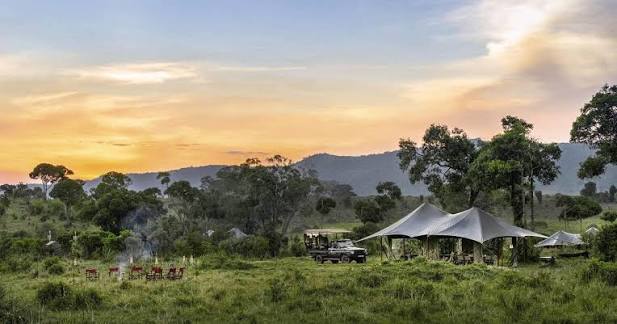
Mara conservancies are some of the most sought-after places to stay on a Kenya safari. Located around the Masai Mara National Reserve, these community-linked conservation areas offer travellers a different style of wildlife experience, often with smaller camps, fewer vehicles and activities that are not generally available inside the national reserve.
Mara conservancies are some of the most sought-after places to stay on a Kenya safari. Located around the Masai Mara National Reserve, these community-linked conservation areas offer travellers a different style of wildlife experience, often with smaller camps, fewer vehicles and activities that are not generally available inside the national reserve.
The higher price can initially seem difficult to justify.
After all, you are still travelling to the same greater Mara ecosystem and looking at many of the same animals. So why does a night in a private conservancy sometimes cost significantly more than accommodation outside the reserve?
The answer is that Mara conservancies are selling a different safari model, not simply a more expensive bed.
Your accommodation fee can contribute to controlled tourism numbers, conservation, community benefits and a more exclusive experience. Depending on the conservancy and camp, you may also have access to walking safaris, night drives and other activities.
This guide explains how Mara conservancies work, why they cost more, how they compare with the national reserve and which travellers are most likely to appreciate the difference.
What Are Mara Conservancies?
Mara conservancies are protected wildlife areas surrounding the Masai Mara National Reserve, generally created through partnerships between local landowners, conservation organisations and tourism operators.
The model is based on keeping land available for wildlife while generating income for participating communities and landowners.
Instead of relying entirely on high visitor numbers, conservancies can use controlled tourism and accommodation agreements to create revenue from relatively smaller numbers of visitors.
This creates a different relationship between tourism and the land.
Wildlife can move between the reserve and conservancies because the animals are not restricted by the same boundaries that define tourism areas.
For travellers, this means a conservancy stay can still provide excellent opportunities for seeing:
- Lions.
- Leopards.
- Cheetahs.
- Elephants.
- Buffalo.
- Giraffes.
- Wildebeest.
- Zebras.
- Hyenas.
- Numerous bird species.
The important difference is how you experience them.
Why Do Mara Conservancies Cost More?
Mara conservancies often cost more because they combine lower visitor numbers, conservation fees, community benefits, smaller camps and specialised safari activities into the overall experience.
A national reserve can accommodate many visitors across a large protected area.
A conservancy generally operates under a more controlled model.
The cost of your stay may therefore support:
- Landowner payments.
- Community income.
- Wildlife conservation.
- Habitat protection.
- Anti-poaching efforts.
- Controlled tourism numbers.
- Camp operations.
- Professional guiding.
- Specialised activities.
The higher price is consequently not always a simple luxury surcharge.
You are often paying for space, access and a different conservation model.
This is one of the most important things to understand when comparing Mara accommodation.
Mara Conservancies vs the National Reserve
The main difference between Mara conservancies and the national reserve is not wildlife quality but the way tourism is managed and the activities available.
The Masai Mara National Reserve provides the classic safari experience.
You can explore a large protected area on game drives and encounter exceptional wildlife.
Mara conservancies generally provide a more controlled environment.
| Feature | National Reserve | Mara Conservancies |
|---|---|---|
| Wildlife | Excellent | Excellent |
| Vehicle numbers | Can be high at popular sightings | Usually more controlled |
| Night drives | Generally restricted | Available in some conservancies |
| Walking | Restricted | Available in selected areas |
| Camp size | Varies | Often smaller |
| Community tourism | Indirect/direct depending on model | Central to many models |
| Price | Wider range | Often higher |
| Exclusivity | Variable | Generally higher |
The exact rules vary between conservancies, so travellers should confirm activities with their chosen camp before booking.
Do Mara Conservancies Really Have Fewer Vehicles?
One of the biggest advantages of Mara conservancies is controlled tourism, which can mean fewer vehicles at wildlife sightings compared with busy areas of the national reserve.
This does not mean you will never see another safari vehicle.
During exceptional sightings, several vehicles can still gather.
However, conservancy management can limit the number of vehicles and camps operating within the area.
That can change the feel of a game drive.
Instead of seeing a large collection of vehicles surrounding a lion pride, you may experience a sighting with only a small number of vehicles.
For photographers, this can be particularly valuable.
It can also make the experience feel more natural.
Night Drives in Mara Conservancies
Night drives are one of the most attractive reasons to choose a Mara conservancy because selected conservancies permit activities that are restricted inside the national reserve.
After sunset, the Mara becomes a completely different environment.
You may encounter:
- Hyenas.
- Bush babies.
- Genets.
- Porcupines.
- Nocturnal birds.
- Lions becoming active.
- Leopards moving through darkness.
- Other nocturnal species.
A night drive is not simply an extended game drive.
It offers an opportunity to observe behaviour that daytime visitors rarely see.
However, night drives are not automatically available everywhere.
Always check the specific rules of your chosen conservancy and camp.
Walking Safaris in Mara Conservancies
Walking is another major advantage of selected Mara conservancies, allowing visitors to experience the landscape at ground level rather than exclusively from a safari vehicle.
A walking safari changes the focus.
Instead of searching constantly for large animals, your guide may draw attention to:
- Animal tracks.
- Insects.
- Plants.
- Birds.
- Dung and feeding signs.
- Smaller mammals.
- Traditional uses of plants.
- Landscape features.
You may also learn how guides interpret signs left by larger animals.
Walking safaris require trained guides and appropriate safety procedures.
They are not available everywhere, so confirm what is included before booking.
Mara Conservancies and Community Conservation
Community conservation is one of the most important reasons Mara conservancies exist, connecting wildlife protection with income for local landowners and communities.
Historically, wildlife habitat outside protected areas can face pressure from agriculture, livestock grazing, settlement and other land uses.
Conservancy models can provide an alternative economic incentive.
When landowners receive income from conservation and tourism, keeping land available for wildlife can become economically valuable.
This creates a potential cycle:
Tourism → community income → conservation incentives → habitat protection → wildlife → tourism
The model is not identical across every conservancy.
However, the basic principle is important.
Your safari can contribute to the economic value of protecting wildlife habitat.
Naboisho Conservancy
Naboisho Conservancy is one of the best-known private conservancies in the greater Mara ecosystem and is particularly associated with low-density tourism and high-quality wildlife experiences.
Naboisho lies adjacent to the Masai Mara National Reserve and supports a range of wildlife.
Its landscape can provide opportunities to see:
- Lions.
- Elephants.
- Giraffes.
- Cheetahs.
- Wildebeest.
- Zebras.
- Other plains wildlife.
The conservancy is also known for offering activities such as walking and night drives, subject to applicable rules and camp arrangements.
For travellers who value a quieter experience, Naboisho can be an appealing alternative to staying immediately within the busiest parts of the reserve.
Olare Motorogi Conservancy
Olare Motorogi is another established conservancy offering a more exclusive safari environment alongside the Masai Mara ecosystem.
The area is known for its strong wildlife viewing and low-density tourism approach.
Travellers may encounter:
- Lions.
- Leopards.
- Cheetahs.
- Elephants.
- Buffalo.
- Wildebeest.
- Zebras.
The conservancy’s appeal is not simply the number of animals.
It is also the opportunity to experience them in a setting where tourism is more tightly controlled.
This can be especially valuable during busy travel periods.
Mara Conservancies for Families
Mara conservancies can work exceptionally well for families when the chosen camp offers appropriate accommodation, private guiding and activities suitable for children.
A private or semi-private safari environment can make family travel easier.
You may have more flexibility around:
- Game-drive departure times.
- Meal times.
- Activity duration.
- Vehicle arrangements.
- Breaks during the day.
Some camps also provide children’s programmes.
Families should ask specifically about minimum ages for walking activities and other specialised experiences.
Mara Conservancies for Couples
Couples often choose Mara conservancies because the smaller camps and controlled tourism environment can create a more intimate safari experience.
A conservancy stay can include:
- Private dinners.
- Bush breakfasts.
- Sundowners.
- Walking.
- Night drives.
- Private vehicles.
- Romantic tented accommodation.
The value is not necessarily about luxury alone.
It is about having fewer distractions and more opportunities to enjoy the wilderness at your own pace.
Mara Conservancies for Photographers
Mara conservancies can be particularly attractive to photographers because lower vehicle densities can provide cleaner compositions and a more relaxed approach to wildlife sightings.
Photography benefits from:
- Fewer vehicles.
- Flexible positioning.
- Longer observation periods.
- Early morning drives.
- Evening light.
- Diverse landscapes.
A private vehicle is still worth considering if photography is a major priority.
Your guide can then focus on your photographic objectives rather than accommodating several guests with different interests.
For more photography advice, see our big cat photography safari guide.
Are Mara Conservancies Better Than the Reserve?
Mara conservancies are not automatically better than the national reserve; they are better suited to travellers who value exclusivity, specialised activities and controlled tourism.
If your priority is maximum flexibility at the lowest possible safari cost, staying outside the conservancy may make more sense.
If your priority is:
- Fewer vehicles.
- Walking.
- Night drives.
- Smaller camps.
- Community conservation.
- Private experiences.
then a conservancy can justify the additional cost.
The best choice is therefore about what you want to experience, not simply which option has the higher price.
When Are Mara Conservancies Worth the Extra Cost?
The additional cost is easiest to justify when you have enough time to enjoy the conservancy’s full range of experiences rather than using it only as a place to sleep.
A two-night stay can work.
Three or four nights gives you more time to experience:
- Morning game drives.
- Afternoon drives.
- Night drives.
- Walking.
- Bush meals.
- Community experiences.
- Relaxation at camp.
If you are staying for only one night and spending most of your time transferring, you may not experience enough of the advantages to justify the premium.
Mara Conservancies During Peak Season
Mara conservancies can be particularly valuable during peak safari months because controlled visitor numbers can provide a quieter alternative to busy wildlife areas.
July through October is a high-demand period.
The Great Migration may bring large numbers of wildebeest and zebra into the Mara ecosystem.
The national reserve can become busy around major sightings.
A conservancy can offer a more controlled experience while still providing access to excellent wildlife habitat.
However, migration movement is unpredictable.
No conservancy can guarantee a river crossing or a particular animal encounter.
Mara Conservancies Outside Migration Season
Mara conservancies remain valuable outside the migration season because resident wildlife and the quality of the safari experience do not depend entirely on migrating herds.
Lions, elephants, leopards, cheetahs and other animals live in the ecosystem throughout the year.
Travelling outside peak periods can also provide:
- Lower visitor numbers.
- Greater accommodation availability.
- Green landscapes after rainfall.
- Potentially better value.
- A quieter atmosphere.
For travellers who dislike crowds, this can make a conservancy especially attractive.
How Much Time Should You Spend in a Conservancy?
Three nights is a useful starting point for experiencing a Mara conservancy properly, although the ideal duration depends on the rest of your itinerary.
A sample three-night stay could include:
Day 1: Arrival and afternoon game drive.
Day 2: Morning game drive, relaxation and night drive.
Day 3: Walking experience, afternoon drive and sundowner.
Day 4: Morning game drive and departure.
The schedule will vary depending on the camp and conservancy.
The important point is to leave enough time to enjoy activities beyond traditional daytime game drives.
How Mara Conservancies Support Local Communities
Mara conservancies can create financial incentives for local communities and landowners to maintain wildlife habitat and participate in conservation.
Tourism revenue can support:
- Land leases.
- Local employment.
- Community projects.
- Conservation operations.
- Wildlife management.
- Education initiatives.
- Infrastructure.
The exact benefit-sharing model differs between conservancies.
Travellers should therefore ask their operator or accommodation provider how their chosen conservancy works with local communities.
Responsible travel starts with understanding where your money goes.
What to Expect From a Mara Conservancy Camp
Most conservancy camps emphasise intimacy and wilderness atmosphere, with fewer rooms than large safari lodges and a strong focus on guided experiences.
Depending on the property, you might find:
- Tented suites.
- Private verandas.
- En-suite bathrooms.
- Campfire areas.
- Bush dining.
- Sundowners.
- Swimming pools.
- Spa treatments.
- Private guiding.
The accommodation style varies significantly.
A conservancy does not automatically mean ultra-luxury.
There are different levels of accommodation and pricing.
Mara Conservancies vs Staying Outside the Reserve
Staying outside the reserve can be cheaper, but the apparent saving should be compared against the overall safari experience and access to activities.
A lower room rate may come with:
- Longer drives.
- More crowded game viewing.
- Fewer activities.
- Shared vehicles.
- Additional transfer costs.
A conservancy rate can look expensive initially because more services and conservation costs are incorporated into the overall experience.
This is why travellers should compare the total safari cost, not just the nightly room price.
How to Choose the Right Mara Conservancy
The best conservancy depends on your accommodation preferences, wildlife interests, desired activities, budget and itinerary length.
Before booking, ask:
- Where exactly is the camp located?
- Is it inside a conservancy?
- Can guests access the national reserve?
- Are night drives available?
- Are walking safaris available?
- How many guests does the camp accommodate?
- Can you book a private vehicle?
- What conservation fees are included?
- How does the conservancy benefit local communities?
- How long does it take to reach the main wildlife areas?
These questions help distinguish a genuine conservancy experience from accommodation that simply uses the word “conservancy” in its marketing.
Frequently Asked Questions About Mara Conservancies
What are Mara conservancies?
Mara conservancies are protected wildlife areas surrounding or adjacent to the Masai Mara National Reserve, generally operating through partnerships involving local landowners, communities and tourism operators.
Why are Mara conservancies more expensive?
The price can reflect controlled visitor numbers, conservation contributions, community payments, smaller camps, specialist guiding and additional activities such as walking or night drives where permitted.
Are Mara conservancies better than the Masai Mara Reserve?
Not necessarily. They offer a different experience. Conservancies are particularly attractive for travellers seeking fewer vehicles and specialised activities.
Can you see the Great Migration in a conservancy?
Potentially, yes. Wildlife moves throughout the greater Mara ecosystem. However, migration timing and location vary, so specific sightings cannot be guaranteed.
Are night drives available in Mara conservancies?
Some conservancies permit night drives. Availability depends on the specific conservancy and its regulations.
Can you walk in Mara conservancies?
Walking safaris are available in selected conservancies with appropriately trained guides and under applicable safety rules.
Which Mara conservancy is best?
There is no universal answer. Naboisho and Olare Motorogi are among the recognised names, but the best option depends on your accommodation, wildlife and activity preferences.
Conclusion
Mara conservancies offer more than an expensive alternative to the Masai Mara National Reserve. They represent a different approach to safari tourism, where controlled visitor numbers, community participation and specialised activities can create a more intimate wilderness experience.
The additional cost can be worthwhile if you value fewer vehicles, smaller camps, walking safaris, night drives and a stronger connection between tourism and conservation.
Naboisho and Olare Motorogi are examples of well-known conservancies, but the right choice depends on your itinerary and the experience you want.
If your priority is simply seeing wildlife at the lowest possible cost, the national reserve and other accommodation options may be more appropriate. If you want a quieter safari with additional experiences and are comfortable paying more for that access, Mara conservancies can provide excellent value.
The best approach is to compare the complete experience rather than comparing room prices alone.
Odysseys From Africa can help you choose between the reserve and Mara conservancies, match you with suitable accommodation and build the conservancy experience into a wider Kenya or East Africa safari.
Contact Odysseys From Africa
Planning a private conservancy safari in Kenya?
Our team can help arrange:
- Masai Mara conservancy safaris.
- Naboisho safari stays.
- Olare Motorogi experiences.
- Private safari vehicles.
- Luxury tented camps.
- Walking safaris.
- Night drives where permitted.
- Great Migration itineraries.
- Kenya and Tanzania combinations.
- Tailor-made East African safaris.
Explore More
- Kenya Safaris
- Masai Mara Safari Guide
- Big Cat Photography Safari
- What to Wear on Safari
- Tanzania Safaris
Odysseys From Africa
Location: Arusha, Tanzania
Email: info@odysseys-from-africa.com
Phone (Kenya): +254 710 450 797
Phone (Tanzania): +255 652 810 255
Website: https://odysseys-from-africa.com/