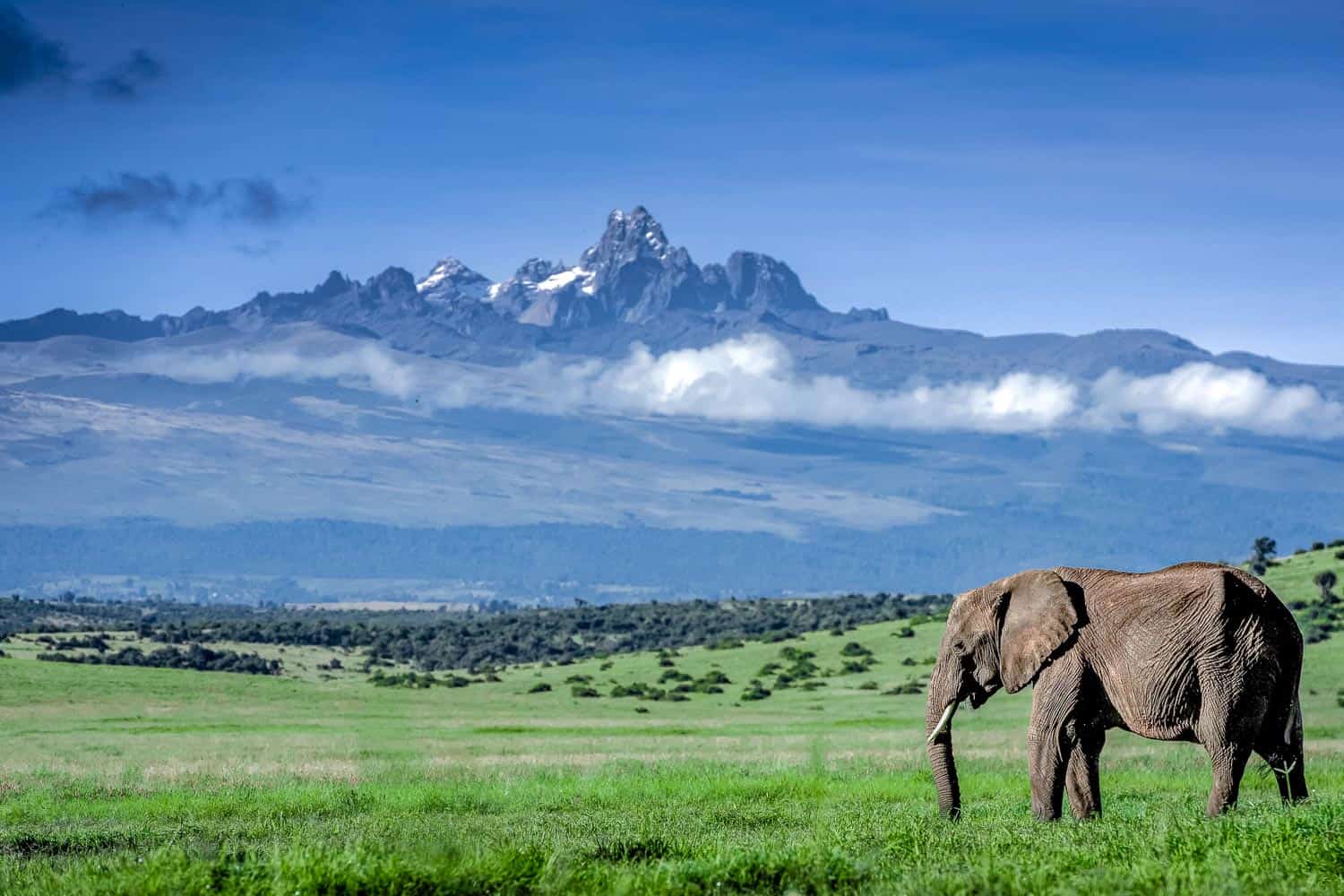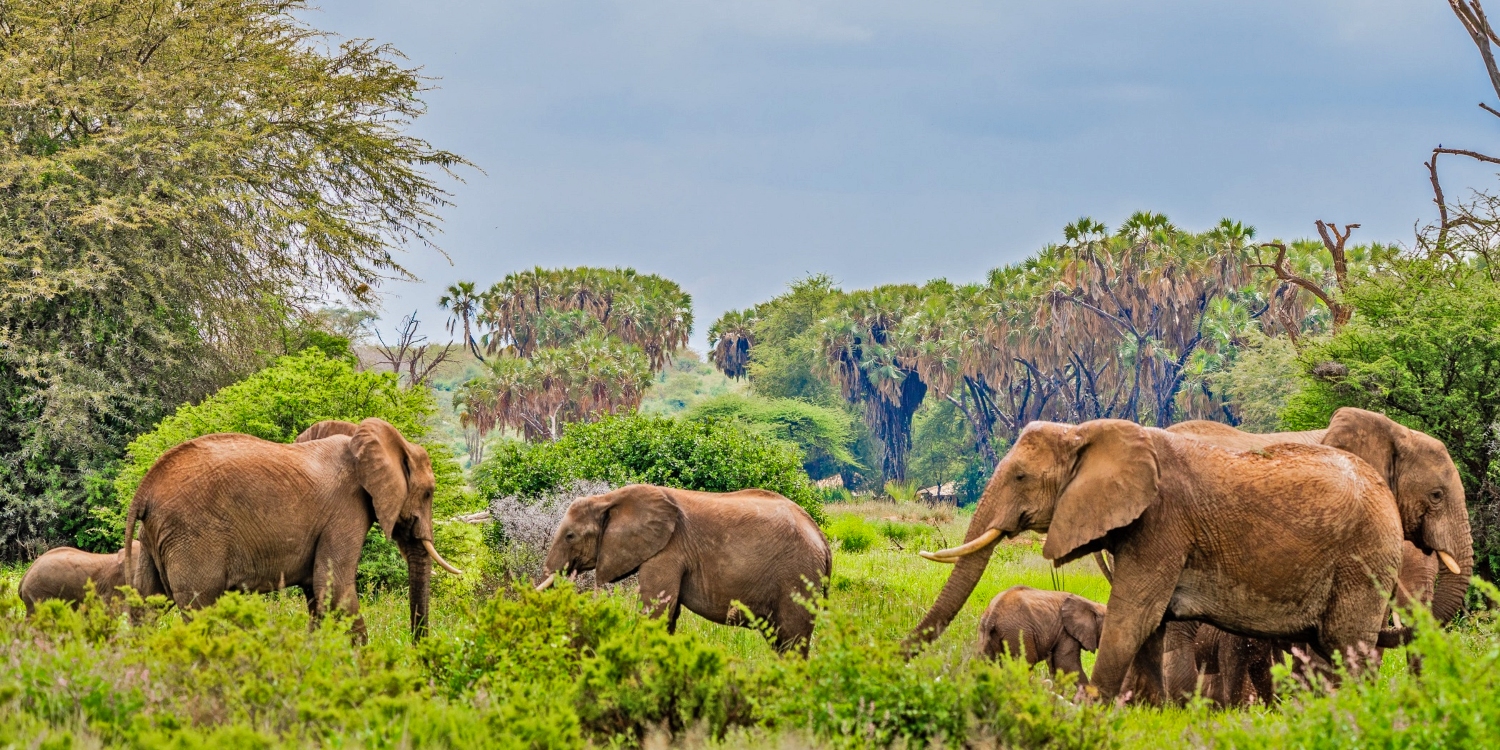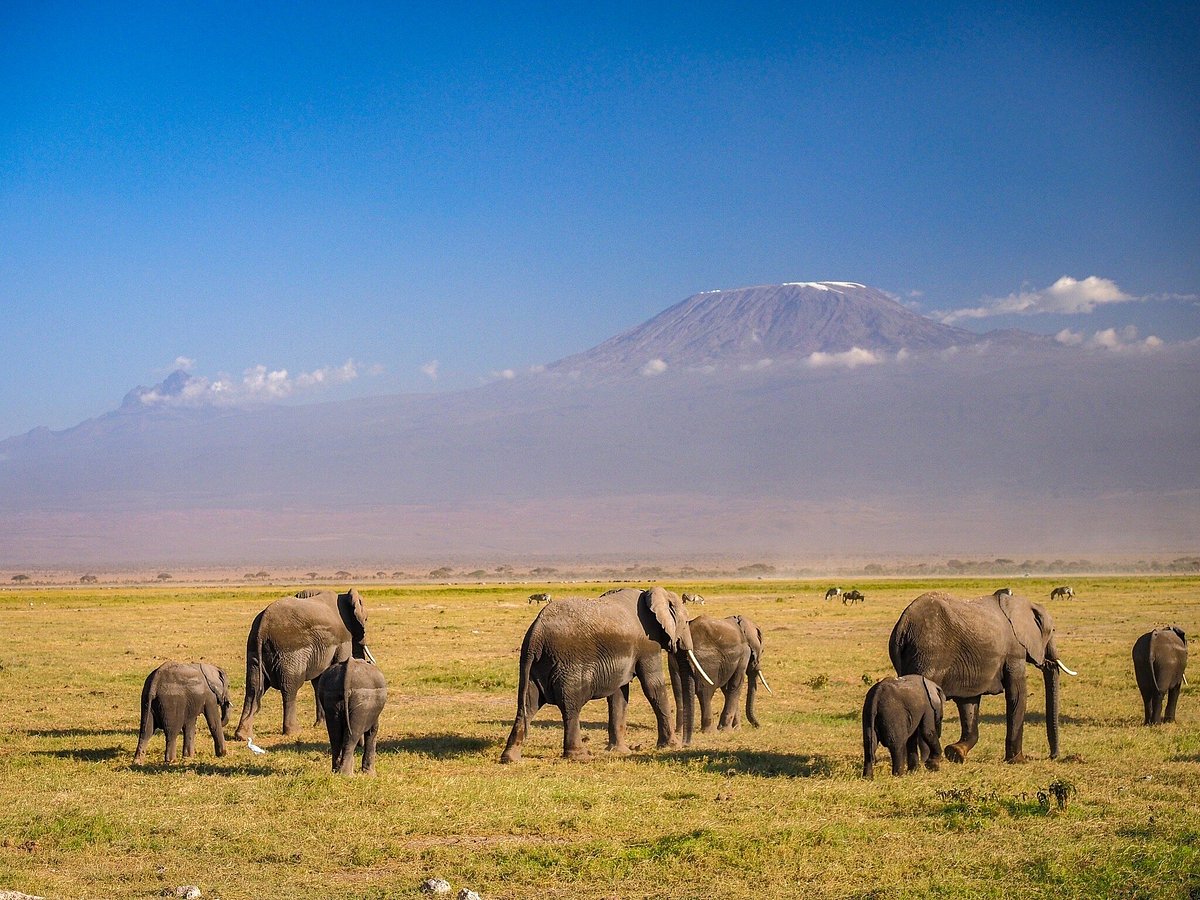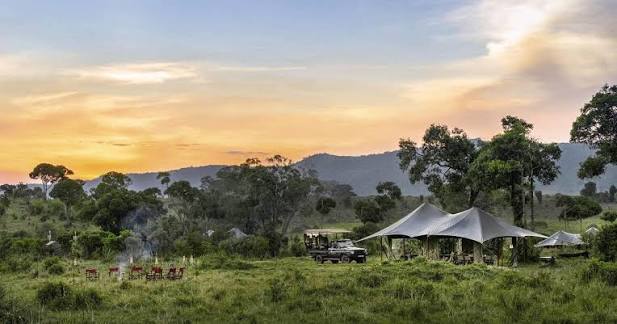
Best Time for a Kenya Safari: Month by Month
The best time Kenya safari travellers should choose depends on what matters most to them: wildlife concentration, weather, the Great Migration, birdlife, fewer crowds or lower prices. There is no single month that is perfect for every traveller. Kenya’s safari destinations experience different conditions throughout the year. The Masai Mara, Amboseli, Samburu, Laikipia, Tsavo and the Rift Valley can all offer rewarding wildlife experiences outside the traditional peak season. For that reason, understanding the Kenya safari month by month calendar is more useful than simply being told to travel during “the dry season.” The traditional dry periods are popular because vegetation becomes thinner and wildlife may concentrate around water. However, the green seasons can provide excellent scenery, fewer visitors, newborn animals and strong photographic conditions. This guide explains the best time Kenya safari travellers can consider across every month of the year. Best Time Kenya Safari: January January is generally a strong month for a Kenya safari, offering warm conditions, relatively dry landscapes in many areas and excellent opportunities for wildlife viewing. January sits within one of Kenya’s commonly recognised dry periods. The landscape can be greener than during the later dry season, particularly following the shorter rains. Wildlife viewing can be rewarding in: Masai Mara. Amboseli. Tsavo. Samburu. Laikipia. Lake Nakuru. January can also be appealing for travellers who want to avoid the busiest peak-season period. For photographers, the combination of green vegetation and good light can be particularly attractive. Wildlife: ExcellentWeather: Generally dry and warmCrowds: ModeratePrices: Moderate to high depending on propertyBest for: General wildlife, photography, families Best Time Kenya Safari: February February is another excellent month for a Kenya safari, particularly for travellers looking for relatively dry conditions and strong wildlife viewing without the peak-season pressure of July and August. February can provide good visibility and comfortable safari conditions. The Masai Mara remains productive, while Amboseli can offer excellent elephant sightings. Samburu and northern Kenya can also be rewarding. February is particularly useful for travellers who want to combine wildlife with photography. The grass can still provide colour and texture before the landscape becomes progressively drier. Wildlife: ExcellentWeather: Generally dryCrowds: ModeratePrices: Moderate to highBest for: Photography, general safari, families Best Time Kenya Safari: March March can offer an attractive balance of green landscapes, wildlife and lower visitor numbers, although rainfall becomes increasingly possible toward the end of the month. The first part of March can still be relatively dry in some areas. As the month progresses, conditions can become less predictable. This is the beginning of the transition toward the long-rain season. For travellers who do not mind occasional showers, March can offer: Green scenery. Dramatic skies. Fewer vehicles. Good photography. Lower rates at selected properties. The best time Kenya safari choice therefore does not automatically exclude March. Wildlife: Good to excellentWeather: Increasing chance of rainCrowds: Low to moderatePrices: Often lower than peak seasonBest for: Photography, value, green landscapes Best Time Kenya Safari: April April is usually associated with Kenya’s long rains, making it less predictable for travellers focused exclusively on dry weather, but it can offer excellent value and lush scenery. April is often considered part of Kenya’s wetter period. Road conditions can become challenging in some areas. However, rain does not necessarily mean continuous rainfall all day. You may experience: Heavy afternoon showers. Clear mornings. Dramatic clouds. Green landscapes. Fewer tourists. Some safari camps offer attractive rates during this period. For experienced travellers who value solitude and photography over guaranteed dry conditions, April can be worthwhile. Wildlife: GoodWeather: Wet and variableCrowds: LowPrices: Often lowerBest for: Budget-conscious travellers, photographers, solitude Best Time Kenya Safari: May May can be one of the quieter periods for a Kenya safari, with lush vegetation, fewer tourists and potentially attractive accommodation prices. The long rains can still influence travel conditions. Some unpaved roads may become muddy. However, the scenery can be spectacular. May can be especially interesting for: Landscape photography. Birdwatching. Green-season scenery. Quiet game drives. Travellers should choose their accommodation and routing carefully. A well-planned itinerary can reduce the impact of difficult road conditions. Wildlife: GoodWeather: Wet/variableCrowds: LowPrices: Often lowerBest for: Value, photography, birding Best Time Kenya Safari: June June is often an excellent transition month, as the long rains ease and drier conditions begin to return across many safari areas. June marks the beginning of one of the most popular safari periods. The landscape can remain relatively green, while roads improve. Wildlife viewing becomes increasingly predictable as the dry season develops. June is particularly appealing for travellers who want: Good wildlife viewing. Pleasant weather. Lower crowds than July and August. Green scenery. Increasingly dry conditions. For many travellers, June is an underrated answer to the question of the best time Kenya safari. Wildlife: ExcellentWeather: Becoming drierCrowds: ModeratePrices: Moderate to highBest for: Overall safari balance Best Time Kenya Safari: July July is one of the most popular months for a Kenya safari, combining dry conditions with excellent wildlife viewing and the possibility of major Great Migration activity in the Masai Mara. July is high season. Demand can be strong. Accommodation should be booked well in advance, particularly for sought-after camps and conservancies. The Masai Mara can become especially busy when the wildebeest migration reaches the ecosystem. However, the Migration does not operate according to a guaranteed calendar. Animal movements depend on rainfall, grass conditions and other environmental factors. July also works well outside the Mara. Amboseli, Samburu and other parks can offer excellent wildlife experiences. Wildlife: ExcellentWeather: DryCrowds: HighPrices: HighBest for: Migration, classic safari, first-time visitors Best Time Kenya Safari: August August is among the strongest months for a Kenya safari, with dry weather, excellent wildlife visibility and a strong possibility of major wildebeest migration activity in the Masai Mara. August is one of the busiest months. The Mara may experience significant visitor numbers around major wildlife sightings. This is particularly relevant to travellers hoping to witness river crossings. However, it is important not to build an entire trip around a guaranteed crossing. River crossings are unpredictable. A safari…
Read More