Wild Adventures, Timeless Memories…

Odysseys From Africa

Destinations (Tanzania, Kenya & Central Africa)

Tanzania Southern Circuit Safari

Beyond the Serengeti: Discovering Nyerere & Ruaha National Parks

Tanzania Southern Circuit Safari destinations like Nyerere National Park (formerly Selous Game Reserve) and Ruaha National Park offer a quieter, more rugged alternative to the popular northern parks. While the Serengeti and Ngorongoro Crater attract most tourists, southern Tanzania hides untouched wilderness, vast rivers, and rich wildlife experiences that feel truly exclusive. Growing up in Arusha, our team at Odysseys From Africa has explored both northern and southern regions extensively. We know the best lodges, boat safari routes, and photography spots to ensure US and European travelers enjoy a safe, luxurious, and authentic Southern Tanzania safari. This guide will cover: wildlife highlights, boat safari tips, best seasons, cost, safety, and practical planning advice to make your journey unforgettable. Why Choose a Tanzania Southern Circuit Safari? Tanzania Southern Circuit Safari are ideal for travelers seeking solitude and unique wildlife experiences. Nyerere and Ruaha offer boat safaris, vast herds, and predator sightings without the crowds of the north. Experience pristine wilderness and fewer tourists Combine river and land-based safaris for variety Photograph wildlife from unique angles, including boat perspectives For itinerary ideas, see Tanzania Explorer. Nyerere National Park: The Ultimate Boat Safari Nyerere National Park is famous for its boat safaris along the Rufiji River. The river system supports hippos, crocodiles, and hundreds of bird species. Wildlife Highlights Hippos & Crocodiles: Dense populations in river channels Elephants & Buffalo: Frequently seen drinking along riverbanks Birdlife: Fish eagles, kingfishers, and herons provide excellent photography opportunities Boat Safari Tips Morning safaris offer calm waters and better wildlife sightings Use a 100–400mm lens for close-ups of hippos or crocodiles Keep a waterproof cover or dry bag for cameras Boat safaris provide a unique perspective compared to typical land-based drives, allowing photographers to capture reflections, wildlife interactions, and dramatic landscapes. Ruaha National Park: The Rugged Wilderness Ruaha offers an expansive, off-the-beaten-path safari experience. With fewer tourists and diverse terrain, it’s perfect for travelers seeking authentic African wilderness. Predator sightings: Lions, leopards, cheetahs, and wild dogs Elephant herds: Ruaha is home to one of Tanzania’s largest elephant populations Terrain: Rugged hills, baobab trees, and seasonal rivers create dramatic photography settings For detailed safari itineraries, explore Best of Northern Tanzania for comparison and planning. When to Visit Southern Tanzania June–October is the dry season, ideal for both Nyerere and Ruaha safaris. Wildlife congregates around rivers and waterholes, making sightings easier. Green season (December–March): Lush scenery and fewer tourists, but some roads may be muddy Migration considerations: While the Great Migration occurs in the north, southern parks offer year-round wildlife viewing Plan early and coordinate with lodges for optimal boat safari schedules. Cost of a Southern Tanzania Safari Expect $350–$700 per day per person, depending on lodge standard, boat safari inclusion, and private guides. Boat safaris are slightly more expensive due to fuel and specialized guides Luxury lodges provide all-inclusive packages, including meals, game drives, and transfers Smaller camps and tented safari options offer more budget-friendly experiences For full itinerary packages, see Travel Information. Safety and Health Considerations Southern Tanzania safaris are safe when guided by licensed operators. Lodges follow strict safety protocols for boat and land safaris Vaccinations recommended: yellow fever, tetanus, malaria prophylaxis Malaria risk higher near rivers, so bring insect repellent and protective clothing US and European travelers should also secure comprehensive travel insurance to cover emergencies and medical evacuation. Photography Tips for Southern Tanzania Bring long and wide lenses for wildlife and river landscapes. Wildlife: 100–400mm lens for hippos, elephants, lions Landscapes: 16–35mm or 24–70mm for river and baobab vistas Boat Safari Tip: Use a fast shutter (1/500s) for moving animals and reflections For photography-focused itineraries, check Photographic Safaris. Combining Nyerere and Ruaha A multi-day itinerary combining both parks maximizes your Southern Tanzania safari. Start with a boat safari in Nyerere, then head inland to Ruaha for land-based predator tracking Ideal for travelers seeking variety and wildlife diversity Combine with northern park highlights for a full Tanzanian safari experience See All Destinations for planning multi-region itineraries. US & European Traveler Considerations Plan flights, visas, and health requirements in advance. Flights: Kilimanjaro or Dar es Salaam International Airport, then chartered transfers south Visa: eVisa available for US/EU citizens Health: Vaccinations and malaria prophylaxis required Insurance: Covers emergencies and remote safari logistics What to Pack for a Southern Tanzania Safari Neutral-colored clothing, layers, sun protection, and camera gear are essential. Light jackets and long-sleeve shirts for mornings Comfortable shoes for walking safaris Hat, sunglasses, sunscreen Waterproof bags for boat safaris Wildlife Highlights Unique to Tanzania Southern Circuit Safari Nyerere and Ruaha feature species and behaviors not always seen in northern parks. Nyerere: Hippo pods, crocodile feeding, abundant birdlife Ruaha: Large lion prides, rare African wild dogs, baobab landscapes Both parks: Less tourist traffic, allowing intimate wildlife encounters Lodging and Safari Camp Recommendations Choose riverfront lodges in Nyerere and eco-lodges in Ruaha for optimal experiences. Luxury lodges offer private guides and exclusive boat safaris Mid-range lodges still provide guided safaris and comfortable accommodation Tented safari camps offer authentic immersion in nature For curated safari packages, see Tanzania Explorer. Conclusion: Why Tanzania Southern Circuit Safari Should Be on Your Safari List Southern Tanzania offers untouched wilderness, exclusive wildlife experiences, and unforgettable boat and land safaris. Nyerere provides unique river and boat safari experiences Ruaha offers rugged landscapes and abundant predator sightings Less crowded than northern parks, ideal for photography, adventure, and luxury safari travelers Contact Odysseys From Africa to design your personalized Southern Tanzania safari today. Call to Action Location: Arusha, TanzaniaEmail: info@odysseys-from-africa.comPhone: +254 (0) 710 450 797 | +255 (0) 652 810 255Website: https://odysseys-from-africa.com/

Read More
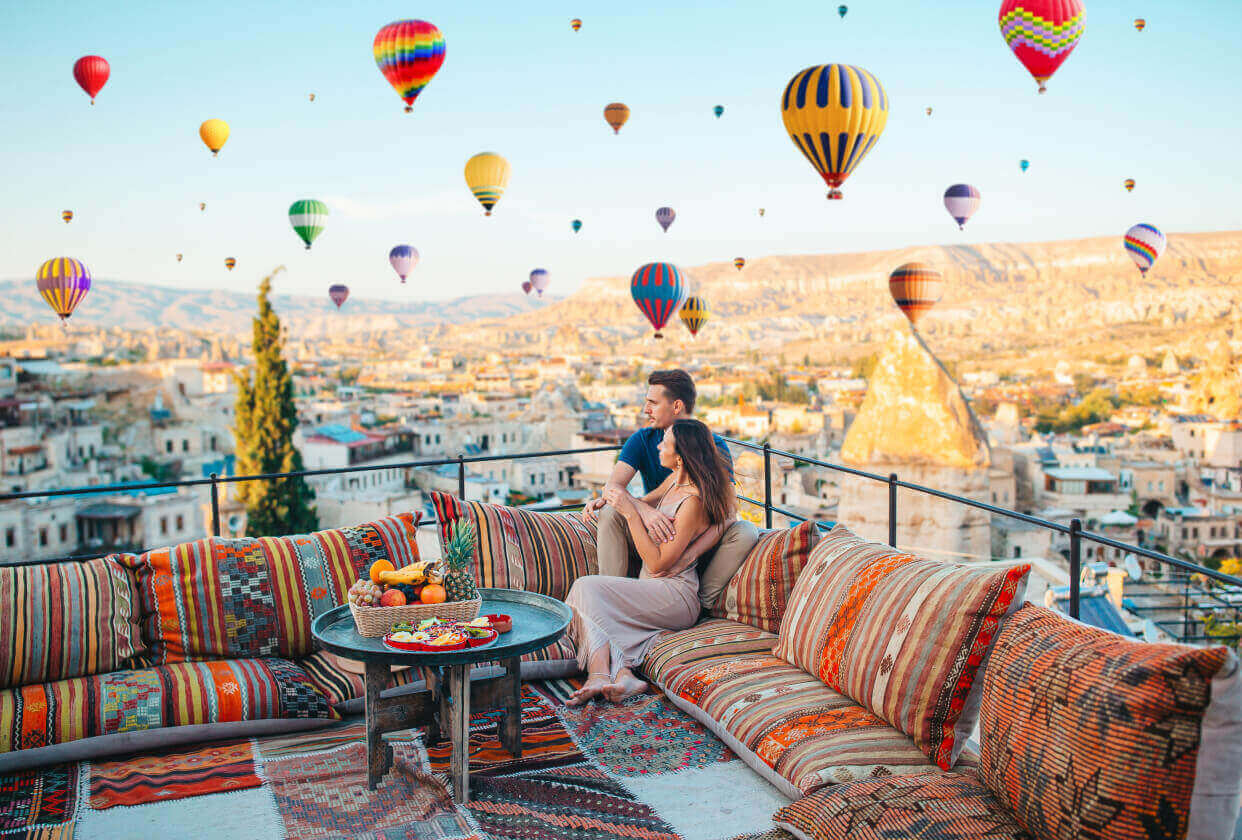
Serengeti Hot Air Balloon Safari

Serengeti Hot Air Balloon Safari: Is It Really Worth It?

Serengeti Hot Air Balloon Safari offer an unforgettable way to see Tanzania’s wildlife from above, combining breathtaking scenery with a unique perspective on the Great Migration, Big Five, and iconic savanna landscapes. Many travelers from Europe and the United States wonder whether a balloon safari Tanzania is worth the cost, and what experiences it truly offers. Growing up in Arusha, our team at Odysseys From Africa has guided countless visitors on balloon safaris, and we know how to maximize the experience safely and comfortably. This guide covers cost, safety, photography tips, timing, and everything you need to know to decide if a Serengeti balloon safari should be part of your itinerary. Is a Balloon Safari Worth It? Yes, a Serengeti hot air balloon safari and balloon safari Tanzania are worth it for most travelers. The combination of sunrise views, aerial wildlife encounters, and a champagne breakfast creates a once-in-a-lifetime experience. From above, you can observe predators stalking prey, herds migrating across the plains, and elephants moving silently between waterholes—a perspective impossible from the ground. What You’ll See on a Serengeti Hot Air Balloon Safari Aerial wildlife, sunrise landscapes, and migratory herds are the highlights of both a Serengeti hot air balloon and balloon safari Tanzania. Wildlife: Lions, elephants, giraffes, wildebeest, zebras, and predators in action Landscapes: Rolling savannas, Ngorongoro Crater rim, acacia trees, and river systems Photography Tip: Bring 24–70mm for landscapes, 100–400mm for wildlife For combined ground and aerial experiences, see Serengeti and Ngorongoro. Cost of a Balloon Safari Expect $500–$650 per person for a Serengeti hot air balloon or balloon safari Tanzania. Luxury or private options increase the price. Early booking may secure discounts Private baskets or extended flights cost more Consider combining with a ground safari for added value Packages reflect expert pilots, safety protocols, and exclusive wildlife access. Best Season to Fly June–October is ideal for a Serengeti hot air balloon or balloon safari Tanzania. Peak Migration Viewing: July–October for river crossings Shoulder Season: December–March offers fewer crowds and lush scenery Booking Tip: Reserve early; morning flights fill quickly during peak season Migration-focused itineraries can be explored on Migration Crossing Safari. Safety of Serengeti Hot Air Balloon Safari in Tanzania Balloon safaris are very safe when conducted by licensed operators. Pilots follow strict protocols, and rides are delayed or canceled if weather conditions are unsafe. Flight duration: 45–60 minutes Baskets include fire extinguishers, radios, and safety briefings Experienced Tanzanian pilots know the terrain intimately European and American travelers can confidently enjoy both Serengeti hot air balloon and balloon safari Tanzania experiences. The Sunrise Flight Experience Sunrise flights are breathtaking, providing unparalleled views of wildlife and landscapes. Take-off before sunrise for optimal lighting Observe predators, herds, and elephants from above Quiet flight allows wildlife to behave naturally Post-flight champagne breakfast in the bush completes the experience Luxury combinations are detailed in Best of Northern Tanzania. Photography Tips Bring the right lenses and anticipate wildlife movement on your Serengeti hot air balloon or balloon safari Tanzania. 24–70mm for landscapes; 100–400mm for wildlife Shutter speed 1/500s or higher, ISO 400–800 Stabilize camera using basket edges or bean bags Compose shots with wildlife in foreground and sunrise in background Photography-focused itineraries are available at Photographic Safaris. Flight Duration and Daily Schedule Rides last 45–60 minutes, with the full Serengeti hot air balloon or balloon safari Tanzania experience taking 3–4 hours. 4:30–5:00 AM: Lodge pickup 5:30 AM: Balloon launch 6:30–7:30 AM: Flight over Serengeti 7:30–8:00 AM: Landing and champagne breakfast 8:00–9:00 AM: Return to lodge Optional private or extended flights are available for photography or small groups. Clothing and Gear Recommendations Dress in layers, wear neutral colors, and protect yourself from sun and wind on your Serengeti hot air balloon or balloon safari Tanzania. Light jackets for early morning chill Comfortable shoes for launch/landing Hat, sunglasses, sunscreen Secure cameras and phones Combine Balloon and Ground Safaris Combining balloon and vehicle safaris offers a complete wildlife experience. Morning balloon flight, afternoon game drive View predators and herds from above, then close-up on land Ideal for photography and European/US travelers seeking a full Tanzania safari holiday Combination itineraries can be explored at Tanzania Explorer. US and European Traveler Tips Plan flights, visas, and insurance in advance for a smooth Serengeti hot air balloon or balloon safari Tanzania experience. Flights: Direct to Kilimanjaro via Amsterdam, Doha, Istanbul Visa: eVisa required for US/EU citizens Health: Vaccinations, malaria prophylaxis Travel insurance: Include medical emergencies, evacuation Safety Record and Regulations Tanzania enforces strict safety standards for balloon operators. Pilots only launch in safe wind conditions Safety briefings are mandatory Licensed operators follow international aviation standards Cost vs Value Balloon safaris are worth the investment for most travelers, offering once-in-a-lifetime experiences. Average: $500–$650 per person Includes pilot, fuel, park fees, and breakfast Luxury private baskets available for higher costs Even for budget-conscious travelers, the aerial perspective is often considered unmatched. Tips for a Memorable Flight Arrive early, dress in layers, and bring cameras ready. Confirm pickup time with lodge/operator Dress for early morning chill Keep cameras and phones secure Follow pilot instructions for landing Conclusion A Serengeti Hot Air Balloon Safari or balloon safari Tanzania is an unforgettable experience. Sunrise views, wildlife encounters, and luxury make it worth the investment. For a curated hot air balloon adventure, contact Odysseys From Africa. Call to Action Location: Arusha, TanzaniaEmail: info@odysseys-from-africa.comPhone: +254 (0) 710 450 797 | +255 (0) 652 810 255Website: https://odysseys-from-africa.com/

Read More
Is Tanzania safe for tourists 2026

Is Tanzania Really Safe for European and American Tourists?

Is Tanzania safe for tourists 2026 promises breathtaking landscapes, the Serengeti’s sweeping plains, the Ngorongoro Crater, and Zanzibar’s pristine beaches. But for first-time visitors from Europe or the United States, safety is often the top concern. The question arises: Is Tanzania safe for tourists 2026? Growing up in Arusha, our team at Odysseys From Africa understands both the beauty and potential risks of Tanzania. From navigating city traffic to planning remote safaris, we guide travelers on how to enjoy East Africa responsibly while minimizing risks. This comprehensive guide covers safety, health, cultural etiquette, safari precautions, and travel tips for European and American tourists. Overall Is Tanzania safe for tourists 2026 Tanzania is generally safe for European and American tourists. Violent crime is rare in tourist areas, and most safaris are secure with professional guides. Awareness and preparation are key. Tanzania’s government and safari operators maintain high safety standards, particularly in national parks and luxury lodges. Petty theft may occur in urban centers like Dar es Salaam or Arusha, but incidents are usually avoidable with simple precautions. Crime and Urban Safety Most urban areas are safe if you take basic precautions. Avoid walking alone at night and keep valuables secure. Tips for European and American Travelers: Use hotel safes for passports and cash Avoid poorly lit areas in Dar es Salaam or Arusha Take taxis recommended by hotels rather than hailing random cars Keep copies of travel documents European and American tourists often report feeling safe in lodges and safari camps, where access is controlled and security staff are present. Wildlife and Safari Safety African safaris are safe with licensed guides. Vehicle-based game drives minimize risk, and encounters with dangerous animals are managed professionally. Always follow ranger instructions on Serengeti and Ngorongoro tours Keep windows closed when predators are nearby Avoid leaving limbs outside vehicles when photographing wildlife Wear neutral clothing to avoid attracting attention Safaris in Tanzania are structured and regulated, with guides trained in both photography and safety protocols. For photography-focused safaris, check Photographic Safaris. Health and Medical Safety Vaccinations and precautions are essential for safe travel. Bring malaria prophylaxis, mosquito repellent, and stay hydrated. Recommended Health Precautions: Vaccinations: Yellow fever, Hepatitis A & B, Typhoid, Tetanus Malaria prevention: Prophylaxis and bed nets Safe drinking water: Bottled or purified water recommended Travel insurance covering medical evacuation Tanzania has good medical facilities in major cities, but remote safari lodges may require air evacuation for emergencies. European and American travelers should carry health documentation and insurance cards. Road Safety Driving in Tanzania requires caution. Stick to well-maintained roads, drive during the day, and avoid rural night travel. Urban traffic can be chaotic; follow local laws Safari roads in national parks are typically well-maintained for 4×4 vehicles Road conditions during rainy season can be challenging; plan accordingly For organized safaris, guides handle all transportation, reducing the risk for visitors. Cultural Etiquette and Social Safety Respect local customs and dress modestly. Tanzania is culturally conservative, and understanding etiquette enhances safety. Dress modestly in cities and villages Always ask permission before photographing locals Avoid political discussions or demonstrations Being respectful of local traditions not only ensures safety but also enhances your experience. Travel Logistics and Security Proper planning minimizes travel risks. European and American travelers should prepare visas, flight connections, and emergency contacts. US/EU citizens require visas (can be obtained online) Direct flights: JFK/LAX → Kilimanjaro via Amsterdam, Doha, or Istanbul Keep local emergency numbers handy; 112 works for police/ambulance For detailed travel planning, visit Travel Information. Safety in Zanzibar and Coastal Areas Zanzibar is generally safe, but petty theft and water safety require awareness. Avoid isolated beaches after dark Use hotel safes for valuables Swimming is safe in designated areas; check tides and currents Zanzibar offers luxury beach lodges and resorts, many with on-site security and private beach access (Best of Zanzibar). Safari Gear and Personal Safety Smart packing enhances both photography and safety. Keep essentials accessible, wear neutral colors, and carry identification. Recommended items: First aid kit Water bottle Sunscreen, hat, sunglasses Lightweight clothing layers Copy of passport and emergency contacts For photographic safaris, bring protective gear for cameras: dust covers, lens hoods, and secure bags. Insurance and Emergency Preparedness Travel insurance is essential. Make sure it covers medical evacuation, theft, and trip interruption. Policies for African safaris often include helicopter evacuation Ensure coverage includes adventure activities like hot-air balloon safaris Keep digital and paper copies of insurance documents Local Expertise and Guide Safety Using local guides is the safest way to explore Tanzania. Their knowledge of terrain, wildlife behavior, and cultural norms is invaluable. Guides minimize risks on hikes, safaris, and cultural tours They handle vehicle breakdowns, road conditions, and wildlife encounters For curated safaris, see Tanzania Explorer Growing up in Arusha, our team ensures European and American tourists feel secure while capturing incredible wildlife photography. Common Safety Mistakes to Avoid Overconfidence and lack of preparation are the main risks. Traveling alone in remote areas without guides Ignoring health precautions or vaccinations Leaving valuables in plain sight Not respecting local customs Preparation is the key to enjoying a safe, stress-free experience. Positive Safety Track Record Tanzania has a strong track record for safe tourism. Major parks, lodges, and safari operators prioritize visitor protection. Low incidence of violent crime in tourist areas Licensed safari guides and secure lodges Efficient emergency response in popular regions For multi-day safaris, explore Best of Northern Tanzania. Tips for European and American Tourists Small adjustments can greatly improve safety and comfort. Use hotel-recommended taxis Carry local currency for small purchases Learn basic Swahili greetings for respectful interactions Follow weather updates during rainy seasons Conclusion: Is Tanzania safe for tourists 2026? Yes. Is Tanzania safe for tourists 2026 for European and American tourists when following basic precautions. Health, cultural awareness, and safari guidance ensure a rewarding experience. Tanzania offers unforgettable wildlife adventures, rich cultural encounters, and stunning landscapes. By preparing, respecting local customs, and choosing licensed safari operators, European and American travelers can enjoy Africa safari safety…

Read More
gorilla trekking vs safari

Gorilla Trekking in Central Africa vs Safari in East Africa

For wildlife enthusiasts, Africa offers two iconic experiences: Gorilla trekking vs safari in the dense forests of Gorilla Trekking in Central Africa vs Safari in East Africa across the savannas of Tanzania and Kenya. Each adventure offers something unique—one gives intimate encounters with mountain gorillas, the other delivers dramatic landscapes teeming with the Big Five. Growing up in Arusha, our founders at Odysseys From Africa learned to track wildlife, understand seasonal movements, and photograph animals in their natural habitats. That expertise shapes how we plan Gorilla Trekking in Central Africa vs Safari in East Africa and advise US travelers comparing East and Central African wildlife experiences. This guide will help you determine which adventure fits your preferences, skill level, and photographic ambitions, covering logistics, wildlife, photography tips, accommodation, and US-specific travel advice. Gorilla Trekking in Central Africa vs Safari in East Africa: Quick Overview Gorilla trekking and East African safaris are both unforgettable, but they differ in intensity, scenery, and species diversity. Gorillas offer rare, intimate encounters; safaris offer variety and sweeping landscapes. Feature Gorilla Trekking (Central Africa) East African Safari (Tanzania/Kenya) Main Species Mountain gorillas, golden monkeys Lions, elephants, leopards, rhinos, buffalo (Big Five), migratory herds Location Rwanda, Uganda Serengeti, Ngorongoro, Masai Mara Terrain Dense tropical forests, steep inclines Open savannas, rolling plains, craterlands Duration 1–4 hours trekking Half-day or full-day game drives Physical Demand Moderate to high Low to moderate, vehicle-based Where You’ll Go: Landscapes and Habitats Gorilla trekking is forest-based in misty volcanic landscapes, while East African safaris explore vast savannas, rivers, and craterlands—each shaping the wildlife encounters you can capture. Central Africa Gorilla Trekking Landscapes Volcanoes National Park, Rwanda: Cloud forests on volcanic slopes Bwindi Impenetrable Forest, Uganda: Dense rainforest, steep trails Rivers, waterfalls, and lush vegetation create dramatic photographic backdrops East African Safari Landscapes Serengeti National Park, Tanzania: Open plains, rolling hills, endless horizon Ngorongoro Crater: Natural amphitheater, high concentration of wildlife Masai Mara, Kenya: Riverine forests, savanna mosaics, seasonal migration Dramatic skies and golden light at dawn/dusk make for iconic photographs For example, explore detailed itineraries on Serengeti and Ngorongoro. Wildlife Encounters Gorilla Trekking in Central Africa vs Safari in East Africaoffers intimate encounters with fewer species, while safaris deliver diversity with mammals, birds, and migratory herds. Gorilla Trekking Wildlife Mountain gorillas: Up close, family groups, individual personalities Golden monkeys: Seasonal sightings Forest birds: African grey parrot, turacos, sunbirds East African Safari Wildlife Big Five: Lions, elephants, leopards, rhinos, buffalo Wildebeest and zebra herds during migration Hippos, crocodiles, giraffes, cheetahs Birds: eagles, vultures, storks, pelicans Photographers can capture intimate shots in Central Africa with a 100–400mm lens, while East Africa often requires 200–600mm for predators and migrating herds. Explore photography-focused itineraries on Photographic Safaris. Physical Requirements & Difficulty Gorilla trekking vs safari is more physically demanding than safaris, which are largely vehicle-based and accessible to most travelers. Gorilla Trekking: Uphill hikes, muddy and slippery trails, humid forest, 2–6 hours trekking per day Safari: Comfortable 4×4 game drives, optional guided walks, minimal strenuous activity Trekking requires sturdy footwear, lightweight backpacks, and a good fitness baseline Best Seasons to Visit Timing affects sightings, comfort, and photography conditions. Both experiences have dry seasons for optimal wildlife viewing. Gorilla Trekking: June–September & December–February (dry seasons for easier tracking) East African Safari: June–October & December–March (dry season for wildlife spotting) Migration viewing in Serengeti/Masai Mara peaks in July–October (Migration Crossing Safari) Photography Opportunities Gorilla Trekking in Central Africa vs Safari in East Africa offers close encounters; safaris provide variety and wide landscapes. Both require different lenses and techniques. Gorilla Photography Tips Lens: 100–400mm preferred Fast shutter speed for moving gorillas Diffused forest light requires ISO 800–1600 Respect distance rules (minimum 7 meters from gorillas) Safari Photography Tips Lens: 200–600mm for Big Five, 24–70mm for landscapes Burst mode to capture predators in action Early morning & late afternoon light is optimal Consider a bean bag for stabilization on vehicle roofs Accommodation & Luxury Options Both regions offer luxury lodges, but East African safaris provide more variety in vehicle-accessible camps. Gorilla Trekking: Volcanoes National Park, Rwanda – luxury lodges and eco-camps Bwindi Impenetrable Forest, Uganda – boutique forest lodges East African Safari: Serengeti tented camps, Ngorongoro lodges, Masai Mara luxury camps For curated experiences, check Best of Northern Tanzania Cost Comparison Gorilla trekking vs safari is pricier per day, while East African safaris can be tailored to multiple budgets. Gorilla permits: ~$700–$1,500/person East African safari: $300–$700/day (mid-range), higher for luxury Combination trips increase overall cost but provide comprehensive exposure Travel Logistics US travelers should plan flights, visas, and vaccinations. Central and East Africa require separate planning. Gorilla Trekking: Kigali (Rwanda), Entebbe (Uganda) → transfers to forest parks East African Safari: Kilimanjaro Airport → Arusha → Serengeti/Ngorongoro Visa & vaccination requirements vary; see Travel Information Safety Considerations Both regions are safe when using guided tours. Follow rangers’ instructions in gorilla parks and safari guides in savannas. Gorilla encounters are strictly regulated; groups of 8 people per gorilla family Vehicles on safari follow professional guides with radios, GPS, and safety protocols Which Should You Choose? Gorilla Trekking in Central Africa vs Safari in East Africa is ideal for intimate, rare wildlife encounters; East African safaris suit those seeking variety, landscapes, and Big Five sightings. For first-time travelers wanting iconic Africa imagery → East African safari For repeat travelers or primate enthusiasts → Gorilla trekking For a complete experience → combine both in extended itineraries (Tanzania Explorer)

Read More
Tanzania safari cost for US travelers

5 Unforgettable Safari Experiences in Tarangire Lake Manyara | Odysseys From Africa

Beyond the Ordinary Safari in Northern Tanzania When most travelers imagine a Tanzania safari holiday, they think of the Serengeti, Ngorongoro, or the Great Migration. Yet, Northern Tanzania offers hidden gems like Tarangire National Park and Lake Manyara National Park—destinations where wildlife diversity, breathtaking landscapes, and intimate safari experiences come together. These parks are perfect for travelers seeking luxury safari comforts alongside authentic, small-scale encounters with nature. At Odysseys From Africa, we design safaris that highlight these less-explored regions while maintaining luxury, comfort, and immersive wildlife experiences. From tracking elephants in Tarangire’s baobab-studded landscapes to spotting tree-climbing lions at Lake Manyara, these safaris are unforgettable adventures that leave lasting memories. 1. Witness the Towering Elephants of Tarangire National Park Tarangire National Park is home to one of Tanzania’s largest elephant populations. The park’s iconic baobab trees and seasonal river provide a dramatic backdrop for wildlife encounters. Why Tarangire Elephants Are Unique Large herds congregate seasonally along the Tarangire River, offering incredible photographic opportunities. The park is less crowded than the Serengeti, allowing for private and luxury safari experiences. Expert guides provide insights into elephant behavior, social structure, and conservation challenges. For travelers who want an intimate, educational wildlife experience, the Best of Northern Tanzania safari includes Tarangire as a highlight, balancing comfort with immersive nature experiences. 2. Explore the Tree-Climbing Lions of Lake Manyara Few wildlife encounters compare to seeing lions lounging in acacia trees, and Lake Manyara National Park is the best place to witness this rare behavior. What Makes Lake Manyara Special A smaller, compact park ideal for photographic safari adventures. Abundant birdlife with over 400 species, perfect for nature photographers. Scenic landscapes ranging from dense forests to soda lakes. Visitors on Tanzania Explorer safaris can combine these wildlife moments with personalized experiences like guided walks and cultural visits to nearby villages. 3. Birdwatching Heaven: Flamingos and Beyond Lake Manyara and Tarangire are both birdwatching paradises, offering opportunities to spot flamingos, kingfishers, storks, and raptors. Why Birding Is a Safari Highlight The alkaline Lake Manyara attracts thousands of flamingos, creating breathtaking pink-hued vistas. Tarangire’s rivers and floodplains host pelicans, herons, and fish eagles. Birding safaris are particularly rewarding for photographers and families seeking varied wildlife experiences. Combine birding with photographic safari trips to capture both wildlife and landscape shots that tell a story of East Africa’s rich biodiversity. 4. Night Drives and Nocturnal Wildlife Tarangire and Lake Manyara offer opportunities for night safaris, revealing a hidden side of the ecosystem that daytime visitors rarely see. What You Can Expect on a Night Safari Spotlighting nocturnal species like bush babies, porcupines, genets, and hyenas. Observing predator behavior under the moonlight. A quieter, more intimate wildlife experience than standard daytime game drives. Night drives are included in select luxury safari packages, giving travelers a chance to experience the African wilderness from a unique perspective. 5. Cultural Encounters with Local Communities A safari is more than wildlife—it’s also about the people who live alongside nature. In the regions surrounding Tarangire and Lake Manyara, visitors can meet Maasai communities, experiencing traditional music, dance, and beadwork. How Cultural Experiences Enhance Your Safari Learn about Maasai cattle-keeping and rituals linked to wildlife and land stewardship. Participate in village visits that support community-led tourism and conservation. Combine cultural encounters with Serengeti safari tours to create a complete East African experience. Odysseys From Africa integrates these cultural components in curated itineraries such as the Serengeti and Ngorongoro safari, allowing travelers to enjoy wildlife and heritage in one journey. Luxury Safari Comforts in Tarangire & Lake Manyara While the wilderness is the star, luxury safari accommodations enhance the experience. Lodges and tented camps in these parks offer: Private suites overlooking rivers or floodplains Gourmet meals highlighting local flavors Personalized service and private guides The Short Serengeti safari often combines Tarangire and Lake Manyara with high-end lodges for travelers seeking both adventure and comfort. Photographic Safari Opportunities Tarangire and Lake Manyara provide exceptional opportunities for photographic safaris: Capture elephants framed by towering baobabs Photograph flamingo flocks at sunrise Get close to predators with expert guidance Odysseys From Africa’s photographic safaris are designed for both amateur and professional photographers, focusing on optimal lighting, composition, and wildlife behavior. Best Time to Visit Tarangire & Lake Manyara Dry Season (June – October): High concentration of elephants and easier wildlife spotting. Green Season (November – May): Birding, newborn animals, and fewer tourists. Travelers can access detailed planning advice through Odysseys From Africa’s travel information resources to select the perfect time for their safari adventure. Combining Tarangire & Lake Manyara with the Serengeti For a complete Northern Tanzania experience, combine Tarangire and Lake Manyara with Serengeti safari tours: Track big cats and observe the Great Migration Stay in luxury lodges across multiple parks Tailor itineraries with private guides Packages like the Best of Northern Tanzania integrate Tarangire, Lake Manyara, and Serengeti for a seamless, unforgettable safari. Sustainable & Responsible Safari Travel Odysseys From Africa ensures that your safari respects both wildlife and local communities: Support for community tourism initiatives Eco-friendly lodge practices Expert guides trained in ethical wildlife interaction Responsible travel ensures that these unforgettable experiences remain available for future generations. Extend Your Adventure: Zanzibar and Beyond After exploring Tarangire and Lake Manyara, a Zanzibar beach holiday offers relaxation and cultural enrichment: White sandy beaches and turquoise waters Historic Stone Town exploration Spice farms and local culinary tours Combine your safari with Short Zanzibar tours or the Best of Zanzibar experience to extend your East African adventure. Why Choose Odysseys From Africa Odysseys From Africa is your trusted partner for custom safari packages and luxury safari experiences in Northern Tanzania. With local founders and expert guides, every journey is authentic, immersive, and responsible. Explore more destinations through their safari destinations and discover Zanzibar offerings via Zanzibar destinations. Start Planning Your Tarangire & Lake Manyara Safari Today Your next adventure awaits with Odysseys From Africa, combining wildlife, culture, and luxury. Location: Arusha, Tanzania Email: info@odysseys-from-africa.com Phone:+254 (0) 710 450 797+255 (0) 652 810 255…

Read More