Wild Adventures, Timeless Memories…

Odysseys From Africa

Informational and Long-Tail

luxury safari Tanzania 2026

Defining Luxury Safari Tanzania: What to Expect in 2026

luxury safari Tanzania 2026 combines high-end accommodations, personalized service, and immersive wildlife experiences. Travelers enjoy private game drives, exclusive access to prime wildlife areas, and amenities designed to enhance comfort and style. US travelers benefit from Tanzanian-born experts who curate every detail, from flights and park transfers to seasonal wildlife timing, ensuring an unforgettable Big Five safari Tanzania experience. What Makes a luxury safari Tanzania 2026 Luxury safaris go beyond accommodation—they integrate service, exclusivity, and immersive experiences for a fully curated adventure. Private safari vehicles with expert guides for flexible schedules and optimal wildlife viewing Exclusive game drives in prime areas of the Serengeti, Ngorongoro, and Tarangire Luxury tented camps and boutique lodges with en-suite amenities and gourmet dining Personalized services including private chefs, butlers, and concierge support Explore luxury safari itineraries in Best of Northern Tanzania. Tailored Itineraries for Every Traveler Tanzania safari experts design trips that match your interests, pace, and desired level of comfort. Morning and evening game drives optimized for wildlife sightings and photography Integration of cultural experiences, walking safaris, and river excursions Flexible itineraries that adapt to wildlife movement and weather conditions Options for photography-focused or family-friendly safaris See tailored experiences in Tanzania Explorer. Wildlife Highlights and Big Five Safaris Luxury safaris focus on maximizing encounters with Tanzania’s iconic species, including the Big Five. Lion, leopard, elephant, buffalo, and rhino sightings in their natural habitats Access to remote areas for intimate wildlife experiences Seasonal considerations for migration, calving, and predator activity Expert photography guidance for capturing dramatic wildlife moments Learn more about Big Five safaris in Serengeti and Ngorongoro. Luxury Tented Camps and Boutique Lodges Accommodations define the luxury safari experience with comfort, privacy, and exclusivity. Luxury tented camps with en-suite bathrooms, private decks, and panoramic views Boutique lodges with limited guest capacity for intimate wildlife access Eco-conscious operations incorporating solar energy and sustainable practices Gourmet meals crafted by private chefs using local ingredients Pair lodging with guided itineraries in Migration Calving Safari. Photographic Opportunities on Luxury Safaris Luxury safaris are ideal for professional or enthusiast photographers seeking high-quality wildlife shots. Vehicle positioning and timing for sunrise and sunset lighting Guidance on lens choice, shutter speed, and ethical wildlife photography Access to remote locations with minimal disturbance Optional workshops with Tanzanian-born photography experts Enhance photography experiences with Photographic Safaris. Cultural Experiences on Luxury Safaris Luxury safari Tanzania can integrate ethical cultural engagement for a complete experience. Visits to Maasai villages and artisan communities Opportunities to observe traditional ceremonies and storytelling Guided interactions ensuring respect for local customs Support for community initiatives and local economies Combine wildlife and cultural experiences with Best of Zanzibar. Seasonal Considerations for Luxury Safari Travel Planning your trip around seasonal wildlife events enhances both experience and photography opportunities. Dry season (June–October) for concentrated wildlife and clear roads Wet season (March–May) for lush landscapes, birdwatching, and fewer tourists Migration (July–October) and calving (January–February) for peak wildlife activity Expert recommendations on the best timing for your luxury safari Seasonal guidance can be paired with Short Serengeti. Logistics for US Travelers Luxury safari planning for US visitors includes flights, transfers, and health considerations. International flights from JFK/LAX to Kilimanjaro with minimal connections Visa requirements and eVisa support for US citizens Health recommendations including vaccinations, malaria prophylaxis, and travel insurance Expert guidance on packing, photography gear, and bush safety Additional travel details are available in Travel Information. Request Your Luxury Safari Tanzania Proposal Work with Tanzanian-born safari experts to design a luxury safari Tanzania in 2026, combining Big Five game drives, boutique lodges, photography, and cultural immersion. Location: Arusha, Tanzania Email: info@odysseys-from-africa.com Phone: +254 (0) 710 450 797 | +255 (0) 652 810 255 Website: Odysseys From Africa Our team crafts bespoke luxury safaris for US travelers, balancing adventure, comfort, and sustainability for a truly unforgettable African journey.

Read More
safari conservation Africa
Informational and Long-Tail·

Booking the Masai Mara River Crossing 2026 Experience

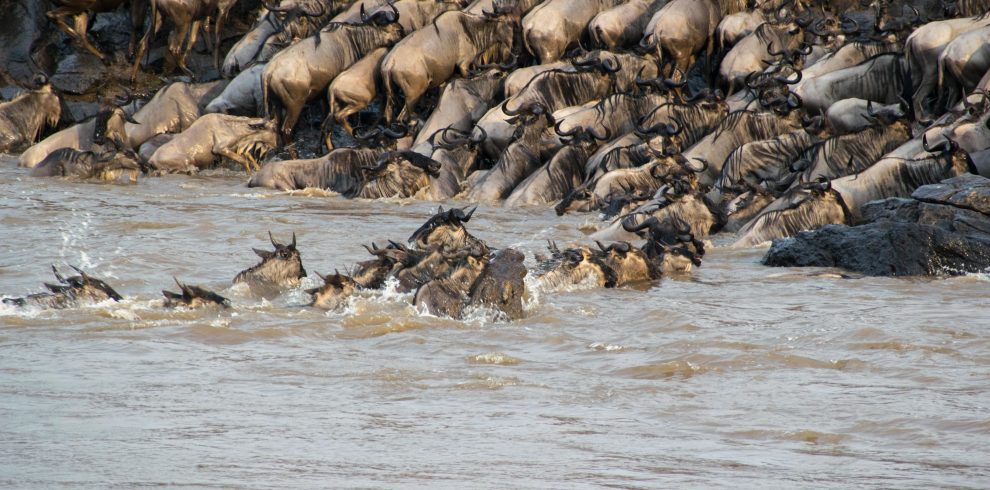
The Masai Mara river crossing 2026 is one of Africa’s most dramatic wildlife spectacles, attracting thousands of visitors every year. Booking early ensures access to the best river-view camps and optimal game drive schedules. US travelers can rely on Tanzanian and Kenyan safari experts who provide insider knowledge on migration timing, bush accommodations, and safe travel logistics, ensuring a seamless safari adventure. Why the River Crossing is a Must-See Witnessing wildebeest and zebras navigate the Mara River offers unparalleled opportunities for photography and wildlife observation. Dramatic predator-prey interactions along the riverbanks Opportunities to photograph large herds in motion Access to prime viewpoints with minimal tourist interference Expert guidance to maximize sightings safely Combine this experience with Migration Crossing Safari for a complete journey. Timing Your 2026 Visit Migration and river crossings are seasonal events, so timing is crucial. Peak river crossings typically occur between July and October Early booking guarantees access to camps near the Mara River for optimal viewing Guides can adjust itineraries based on herd movement and predator activity Dry season conditions facilitate easier game drives and photography Pair seasonal planning with Short Serengeti for additional wildlife encounters. Choosing the Right River-View Camps Selecting camps with river views enhances both comfort and the photographic experience. Elevated tents and lodges overlooking the Mara River Luxury amenities, private decks, and en-suite facilities Access to guided game drives directly from camp Eco-conscious lodges with solar power and minimal environmental impact Explore curated options in Best of Northern Tanzania. Expert Kenyan and Tanzanian Guides Local-born guides provide unmatched expertise in wildlife tracking, photography, and cultural interpretation. Predicting herd movements for the best photographic moments Insights into predator behavior during river crossings Cultural knowledge of Maasai communities surrounding the Mara Personalized service and flexible schedules for small groups or private safaris Enhance your guided safari experience with Serengeti and Ngorongoro. Photography Tips for the River Crossing Capturing the river crossing requires preparation, equipment, and timing. Use telephoto lenses (100–400mm) to capture distant action safely Consider fast shutter speeds for movement and dramatic action shots Golden-hour lighting early in the morning or late afternoon improves photo quality Drones may be restricted; always follow park regulations Learn more about photography-focused safaris in Photographic Safaris. Combining Your Safari with Cultural Experiences Adding cultural elements enriches your safari adventure and supports local communities. Visits to Maasai villages to learn about traditional practices Ethical photography opportunities capturing daily life without disruption Cultural storytelling integrated into guided drives Support for community-led tourism initiatives Combine wildlife and culture with Best of Zanzibar. Seasonal Planning and Logistics US travelers need to plan for flights, visas, and safari transfers carefully. International flights from JFK/LAX connecting via Nairobi or Kilimanjaro Visa on arrival or eVisa for US citizens Health considerations, including vaccinations and malaria prophylaxis Transfer arrangements to Mara camps for seamless arrival and departure For detailed travel planning, refer to Travel Information. Request Your Masai Mara river crossing 2026 Safari Book your Masai Mara river crossing 2026 experience with Tanzanian and Kenyan safari experts who design bespoke itineraries tailored to your photography, wildlife, and comfort needs. Location: Masai Mara & Arusha, Tanzania Email: info@odysseys-from-africa.com Phone: +254 (0) 710 450 797 | +255 (0) 652 810 255 Website: Odysseys From Africa Our team ensures an immersive, luxury safari experience with river-view camps, expert guides, cultural integration, and photographic opportunities for US travelers.

Read More
7 day Tanzania safari cost luxury vs budget
Informational and Long-Tail·

Luxury vs Budget: Cost of 7 Day Tanzania Safari Explained | 2026 Guide

The 7 day Tanzania safari cost luxury vs budget Cost varies widely depending on accommodation, transportation, park fees, and tour style. Luxury safaris offer all-inclusive comfort, private guides, and exclusive lodges, while budget options focus on value without compromising wildlife viewing. For US travelers, understanding the breakdown of costs—from flights and park fees to internal transfers—helps plan a safari that matches both expectations and budget. Whether flying from JFK or LAX, your Tanzanian-born guides ensure a seamless, authentic experience. Understanding the Key Cost Components A 7-day safari involves multiple expenses: international flights, domestic transfers, park entrance fees, accommodations, meals, and guided game drives. Each factor significantly affects total cost. International Flights Flights from the US typically range from $900–$1,600 per person round-trip. Major connections include Nairobi, Doha, or Addis Ababa, arriving at Kilimanjaro International Airport (JRO). Domestic Transfers Flights from Arusha to Serengeti or between parks reduce drive times but add $200–$350 per leg. Road transfers are an option for budget travelers but can be 4–6 hours depending on park location. Internal Link Example: See details in our Tanzania Explorer package. Park Fees Ngorongoro Crater: $70–$80 per person/day Serengeti National Park: $60–$70 per person/day Tarangire & Lake Manyara: $45–$60 per person/day Fees are higher for foreign non-residents and often include vehicle and guide charges. Accommodation Options: Luxury vs Budget Accommodation is the largest variable in safari cost. Luxury lodges provide private villas, fine dining, and exclusive access, while budget lodges and tented camps focus on comfort and wildlife proximity. Luxury Lodges Nightly rates: $500–$1,200 per person Examples: Exclusive tented lodges in Serengeti and Ngorongoro with en-suite bathrooms, infinity pools, and personalized service. Advantages: Private guides, gourmet meals, and optimal safari timing. Budget Lodges & Camps Nightly rates: $150–$300 per person Examples: Eco-friendly lodges and permanent tented camps in Tarangire, Manyara, and Serengeti. Advantages: Great wildlife access at lower cost, often with communal dining. Compare accommodations in Best of Northern Tanzania. Safari Vehicles and Guide Costs Private 4×4 vehicles with pop-up roofs enhance wildlife viewing and photography, but sharing vehicles reduces costs for budget travelers. Private vehicle hire: $250–$500/day including driver-guide Shared vehicle: $100–$150/day per person Vehicles are equipped for photographic safaris, allowing flexible positioning for wildlife shots. For a photography-focused itinerary, see Photographic Safaris. Meal Costs and Dining Meals vary depending on lodge style. Luxury lodges include gourmet dining in the overall cost, while budget lodges may require additional payment for meals. Luxury all-inclusive: $80–$120/day per person Budget lodges: $20–$40/day per person Some packages include picnic lunches during game drives, reducing extra expenses. Comparing 7 day Tanzania safari cost luxury vs budget A full 7-day luxury safari may cost $6,500–$9,000 per person, while a budget safari ranges from $2,500–$3,500. Both options cover wildlife, park fees, and accommodations, but the luxury experience emphasizes exclusivity and comfort. Component Luxury Estimate Budget Estimate International Flight (US) $1,200 $1,000 Domestic Transfers $400 $150 Park Fees $450 $450 Accommodations (6 nights) $3,600 $900 Meals & Drinks $720 $210 Vehicle & Guide $1,000 $400 Total $6,500–$9,000 $2,500–$3,500 Arusha to Serengeti Flight Time Flying from Arusha to the Serengeti saves significant travel time compared to road transfers, taking approximately 1 hour. Road transfer: 6–8 hours depending on park entry gate Flight: 45–60 minutes direct to Serengeti airstrips Recommended for US travelers seeking efficiency and comfort, especially on shorter itineraries. Combine flights with our Short Serengeti package. Wildlife and Photography Value Both luxury and budget safaris provide excellent wildlife viewing, but luxury tours often include private guides and optimal vehicle positioning for photography. Predators, herbivores, and birdlife are abundant in Serengeti, Ngorongoro, Tarangire, and Manyara. Golden hour drives enhance photography for both luxury and budget travelers. Using a 100-400mm lens captures predator-prey interactions without disturbing animals. For in-depth photography guidance, see Photographic Safaris. US Traveler Considerations US visitors should factor in flights, visas, vaccinations, and safety standards when budgeting for a 7-day safari. Visa: US citizens require a Tanzanian eVisa or visa on arrival. Vaccinations: Yellow fever (if arriving from risk areas), hepatitis A/B, routine immunizations recommended. Malaria Prophylaxis: Essential for northern Tanzanian parks. Travel Insurance: Highly recommended, especially for luxury travelers. Full travel guidance in Travel Information. Tips to Optimize Your Safari Budget Planning and smart choices can reduce costs without sacrificing wildlife experiences. Book well in advance to secure early-bird rates. Travel in shoulder seasons (May–June, October–November) for lower costs. Share vehicles for budget savings. Combine short trips with multi-day itineraries for better per-day value. Consider Best of Northern Tanzania for an immersive yet cost-efficient option. Cultural Experiences and Extra Activities Enhance your safari with cultural experiences like Maasai village visits, Ngorongoro highland tours, and spice farm trips in Zanzibar. Combine wildlife with authentic Tanzanian cultural immersion. Spice tours in Zanzibar provide an aromatic, hands-on experience. Evening walks in lodges allow observation of nocturnal wildlife. Explore cultural tours in Short Zanzibar. Planning Your Tanzania Safari Cost Customizing your safari based on interests, budget, and timing ensures a rewarding and cost-effective experience. Luxury Safari: Focus on comfort, private guides, and all-inclusive lodges. Budget Safari: Focus on value, shared vehicles, and mid-range lodges or tented camps. Ensure balance between wildlife viewing, travel time, and relaxation. See our full package options in Tanzania Explorer. Request Your Custom Safari Proposal Plan your 7-day Tanzania safari with Tanzanian-born guides for a seamless, authentic, and memorable adventure. Location: Arusha, Tanzania Email: info@odysseys-from-africa.com Phone: +254 (0) 710 450 797 | +255 (0) 652 810 255 Website: Odysseys From Africa Our team will tailor your itinerary to match your budget, whether luxury or value-focused, ensuring maximum wildlife encounters and comfort.

Read More
Serengeti luxury tented safari camps
Informational and Long-Tail·

Understanding Zanzibar Spice Tour Experiences and Culture

Zanzibar spice tour experiences immerse travelers in the rich history and culture of the Spice Islands. From aromatic plantations to local culinary practices, these tours provide a sensory journey that complements beach and safari adventures. Zanzibar, an archipelago off the coast of Tanzania, is famed not only for its pristine beaches and turquoise waters but also for its centuries-old spice trade. Visiting spice farms offers insights into traditional cultivation, local livelihoods, and Swahili culinary culture, making it a must-visit for travelers seeking a cultural and sensory experience beyond sun and sand. Why Zanzibar spice tour experiences Are Unique Zanzibar spice tours provide an authentic look at the island’s agricultural heritage, connecting visitors to centuries-old traditions. Local guides offer hands-on experiences, from harvesting cloves to tasting fresh spices in traditional recipes. Unlike generic tourist attractions, these tours are often guided by Tanzanian-born locals who grew up near spice farms, giving visitors insider knowledge. You’ll encounter nutmeg, cinnamon, cloves, cardamom, and vanilla, learning how each contributes to the island’s history and cuisine. For a broader Zanzibar experience, see our Best of Zanzibar package. What to Expect on a Spice Tour Spice tours combine guided farm walks, culinary demonstrations, and interactive tastings. Visitors gain hands-on experience while exploring Zanzibar’s lush landscapes and learning local farming techniques. Plantation Walks Walking through spice farms, you’ll see how spices are cultivated, harvested, and processed. Guides demonstrate techniques passed down through generations, offering opportunities for detailed photography of plants and farm life. Culinary Demonstrations Many tours include cooking sessions, showcasing how spices are used in Swahili dishes, teas, and natural remedies. Sampling freshly ground spices and traditional recipes creates a full sensory experience. Souvenir Opportunities You can purchase organic spices directly from farmers, supporting local communities and ensuring authentic products. Cloves, cinnamon sticks, and vanilla pods are popular takeaways. For combined safari and Zanzibar itineraries, explore Short Zanzibar. Choosing the Right Spice Tour Not all spice tours are created equal. Selecting tours with local Tanzanian guides ensures authenticity, hands-on experiences, and ethical engagement with farming communities. Key Considerations Local Guides: Tanzanian-born guides provide cultural context, history, and farming insights. Small Groups: Smaller tours allow for personalized attention and better interaction with farm staff. Interactive Activities: Hands-on harvesting, grinding, or cooking enriches the experience. Accessibility: Tours near Stone Town or northern regions like Nungwi offer convenient transportation from all-inclusive resorts. For accommodations that complement these tours, check All-inclusive Zanzibar resorts. Cultural Insights and Local Heritage Spice tours are more than agriculture—they offer a window into Zanzibar’s Swahili culture, colonial history, and community traditions. Historical Context: Learn how Zanzibar became a global spice hub and how trade shaped its culture. Community Engagement: Tours often include visits to local villages, providing insight into daily life and traditional practices. Culinary Culture: Spices influence everything from tea rituals to festive dishes, reflecting centuries of cross-cultural exchange. Learn more about Zanzibar’s culture in Zanzibar Destination. US Traveler Considerations US visitors should plan for flights, visas, and health precautions when visiting Zanzibar, ensuring a smooth and safe experience. Flights: One-stop flights from JFK or LAX via Doha, Nairobi, or Addis Ababa arrive at Abeid Amani Karume International Airport (ZNZ). Visa Requirements: US citizens can obtain a Tanzanian eVisa online or upon arrival. Health & Safety: Standard vaccinations are recommended, along with malaria prophylaxis. Transport: Many spice tours include transfers from all-inclusive resorts in Stone Town, Nungwi, or Kendwa. For additional travel guidance, see Travel Information. Photography Opportunities Zanzibar spice tours provide vibrant photography opportunities, from lush greenery to colorful spices and farm workers’ daily routines. Macro Photography: Capture intricate details of cloves, nutmeg, and cardamom. Portraits: Respectful portraits of local farmers highlight the human element of spice cultivation. Wide-Angle Shots: Farm landscapes framed by palm trees and tropical vegetation. Golden Hour: Early morning or late afternoon light enhances textures and colors. Combine your Zanzibar photography with Photographic Safaris in northern Tanzania. Combining Spice Tours with Safari Many travelers pair Zanzibar spice tours with northern Tanzania safaris, creating a full East African itinerary that blends culture, wildlife, and relaxation. Start with a multi-day safari in Serengeti, Ngorongoro, or Tarangire. Conclude your trip in Zanzibar with spice tours, beaches, and cultural experiences. Luxury lodges or all-inclusive resorts in Zanzibar offer seamless transitions between safari and island experiences. Serengeti and Ngorongoro Tanzania Explorer This approach provides the best of East Africa—wildlife, landscapes, and culture—while maximizing photographic and experiential value. Planning Your Zanzibar spice tour experiences Advance planning ensures optimal timing, cultural engagement, and maximum enjoyment on spice tours. Timing Tours are best in the morning when temperatures are cooler and farm activity is high. Dry season (June–October) offers easier travel and better photography light. Tour Duration Half-day tours are common for casual exploration. Full-day tours combine multiple farms, cooking demonstrations, and cultural visits. Recommendations Book with local Tanzanian guides for insider knowledge. Wear comfortable clothing and closed shoes for farm walks. Bring sunscreen, hats, and water for comfort. Internal Link Example: Explore nearby Short Zanzibar itineraries for an integrated trip. Request Your Custom Zanzibar Tour Proposal Plan your Zanzibar spice tour with our Tanzanian-born guides, ensuring authentic experiences, cultural insights, and seamless travel logistics. Location: Arusha, Tanzania Email: info@odysseys-from-africa.com Phone: +254 (0) 710 450 797 | +255 (0) 652 810 255 Website: Odysseys From Africa Each itinerary can be tailored for US travelers to combine Zanzibar spice tours with safaris, all-inclusive resort stays, and cultural excursions, creating a truly memorable East African adventure.

Read More
Ngorongoro Crater Day Trip Cost
Informational and Long-Tail·

Is a Ngorongoro Crater Day Trip Cost Worth It?

Ngorongoro Crater Day Trip Cost offers an unmatched safari experience in one of East Africa’s most iconic landscapes. While the cost can be higher than a standard safari day trip, the opportunity to see abundant wildlife in a UNESCO World Heritage Site makes it highly worthwhile. Ngorongoro Crater, often called the “Eighth Wonder of the World,” is a unique ecosystem where lions, elephants, rhinos, and hundreds of other species thrive within a single caldera. For travelers considering a Tanzania safari, understanding the costs—including park fees, guided tours, and transportation—helps you plan a memorable and cost-effective experience. Why Ngorongoro Crater is a Must-Visit Ngorongoro Crater is a singular wildlife haven, offering dense animal populations, breathtaking scenery, and accessible day-trip options. Visiting gives you a full safari experience in a compact, scenic area. The crater is a collapsed volcano spanning 260 square kilometers, surrounded by steep walls. Unlike the wide-open plains of the Serengeti, Ngorongoro allows visitors to see large herds and predators within a short distance. Growing up in Arusha, our team knows the best routes and times of day for spotting elusive wildlife while avoiding crowds. For a combined experience, consider our Serengeti and Ngorongoro itinerary. Understanding the Ngorongoro Crater day trip cost The cost of a Ngorongoro Crater day trip varies based on transportation, park fees, and tour style. While it may seem high, the value includes expert local guides, wildlife sightings, and UNESCO site access. Park Entrance Fees As of 2026, Ngorongoro Conservation Area Authority (NCAA) fees for non-residents are approximately $70–$80 per person per day. Additional fees may apply for vehicles and guides. Guided Safari Costs Private guided tours from Arusha or nearby lodges typically range from $250 to $500 per vehicle for a day, covering transportation, driver-guide services, and game drives. Small-group tours reduce costs but may limit flexibility. Transportation Most day trips depart from Arusha (~3-hour drive) or Karatu. Vehicles are 4×4 with pop-up roofs for optimal wildlife photography, which is ideal for photographic safaris. Tip: Combining your Ngorongoro trip with a multi-day Best of Northern Tanzania itinerary can reduce per-day costs while providing a richer safari experience. What You Can Expect on a Day Trip A Ngorongoro Crater Day Trip Cost delivers concentrated wildlife viewing, scenic landscapes, and cultural insights. Visitors can expect lions, elephants, rhinos, and diverse bird species within a single morning or afternoon safari. Wildlife Sightings: Ngorongoro hosts the densest concentration of animals in Tanzania. You may see endangered black rhinos, cheetahs, and large herds of buffalo or wildebeest. Photography Opportunities: A 100-400mm lens is recommended to capture both close wildlife shots and dramatic crater landscapes. Scenic Views: Crater rims offer panoramic views ideal for wide-angle landscape photography. For a photographic-focused experience, check our Photographic Safaris trips. Comparing Costs: Day Trip vs. Multi-Day Safari While a single-day Ngorongoro Crater Day Trip Costis convenient, multi-day safari packages provide better value for money. They combine multiple parks, extended wildlife viewing, and luxury accommodations. Day Trip Advantages Short duration (ideal for travelers with limited time). Lower accommodation costs since no overnight stays are required. Concentrated wildlife viewing in one location. Multi-Day Safari Benefits Access to multiple ecosystems, such as Serengeti migration routes. Higher likelihood of witnessing rare wildlife events. Luxury lodges and mobile camps with meals included. Compare our Tanzania Explorer package for a longer, immersive experience. US Traveler Considerations US travelers should plan for flights, visas, and health precautions when visiting Ngorongoro. Early booking ensures access to guided tours and competitive pricing. Flights: Direct and one-stop flights from JFK, LAX, and other US airports connect through Nairobi, Addis Ababa, or Doha. Kilimanjaro International Airport (JRO) is the closest gateway. Visa Requirements: US citizens need a Tanzanian eVisa or visa on arrival. Health: Vaccinations and malaria prophylaxis are recommended. Tip: Booking with a local Tanzanian team ensures compliance with regulations and access to certified guides familiar with the crater’s terrain. Practical Tips to Maximize Value Strategic planning can help you get the most value from a Ngorongoro day trip, balancing cost with wildlife viewing and photography. Start Early: Sunrise departures maximize wildlife activity and morning light for photography. Pack Meals: Some lodges and vehicles offer lunch options; bringing your own can save on extra costs. Hire Expert Guides: Local Tanzanian guides know the best vantage points for wildlife spotting and photography. Combine Itineraries: Pair Ngorongoro with Serengeti or Tarangire trips to optimize your safari experience. Learn more in our Migration Calving Safari guide. Wildlife You’re Likely to See Ngorongoro Crater Day Trip Cost offers a high-density wildlife experience where visitors can see predators, herbivores, and rare species in a single day. Lions: Often spotted near waterholes and grasslands. Elephants: Frequently roam in family herds. Black Rhinos: Endangered and elusive, seen with the help of expert guides. Buffalo & Wildebeest: Herds offer dynamic photography opportunities. Birdlife: Flamingos, storks, and raptors provide additional interest for wildlife photographers. Internal Link Example: Explore other wildlife hotspots in our Short Serengeti itinerary. Photography Considerations for the Crater Capturing Ngorongoro’s wildlife and landscapes requires proper lenses, stable equipment, and awareness of animal behavior. Lens Choice: 100-400mm or 150-600mm for wildlife, wide-angle 16-35mm for landscapes. Tripods/Monopods: Ideal for sharp shots during long drives. Lighting: Early morning and late afternoon provide soft, warm lighting. Vehicle Positioning: Guides help position vehicles for unobstructed shots while respecting wildlife. Internal Link Example: See expert guidance in our Serengeti and Ngorongoro photographic tips. Is It Worth the Cost? Yes. While Ngorongoro Crater Day Trip Cost can be costly, the value comes from concentrated wildlife viewing, expert guidance, and access to a UNESCO World Heritage Site. The experience is unmatched in East Africa. The combination of: Rich biodiversity Scenic crater landscapes Local Tanzanian guides with insider knowledge Convenience for US travelers with limited time …makes the cost worthwhile for travelers seeking a memorable, high-quality safari experience. Tip: Opting for small-group tours or combining with multi-day packages maximizes both value and experience. Request Your Custom Safari Proposal Plan your Tanzania safari holiday with expert guidance from our…

Read More
Arusha to Serengeti Flight Time
Informational and Long-Tail·

Logistics Guide: Arusha to Serengeti Flight Time

Flying from Arusha to Serengeti Flight Time is the fastest and most convenient way to reach Tanzania’s premier wildlife destination. Bush planes take roughly 45–60 minutes, saving several hours of road travel while providing stunning aerial views of the savanna. Whether you’re on a luxury safari or a budget itinerary, understanding flight logistics, luggage restrictions, and seasonal considerations ensures a smooth and stress-free journey. As Tanzanian-born guides, we provide insider tips to optimize your travel experience. Why Arusha to Serengeti Flight Time? Flying drastically reduces travel time and maximizes safari opportunities. Instead of a 6–8 hour drive over rough roads, a 45–60 minute flight gets you directly to your Serengeti camp or lodge. Arusha is the northern gateway for most US travelers visiting Tanzania. Road transfers are scenic but can be tiring, especially after international flights. Flying allows you to start game drives earlier, capture the golden hours for wildlife photography, and enjoy a more comfortable overall experience. Combine flights with our Short Serengeti package for a compact safari itinerary. Arusha to Serengeti Flight Time Details Bush flights typically take 45–60 minutes depending on the airstrip and weather. Smaller aircraft are preferred to access remote areas of the Serengeti. Popular Airstrips: Seronera, Kogatende, Lobo, and Grumeti Aircraft: Cessna Caravans or similar 12–14 seat planes Flight Duration: 45–60 minutes, with short taxi times and minimal delays Scenic Views: Aerial views of the Ngorongoro Crater, Tarangire, and rolling Serengeti plains offer unique photography opportunities. For combined safari and flight logistics, see Tanzania Explorer. Luggage Considerations for Bush Flights Bush planes have strict luggage limits, typically 15–20 kg per person. Packing efficiently ensures a smooth boarding process and avoids extra fees. Soft-sided bags: Hard suitcases are often too large for small aircraft compartments. Weight limits: Most operators allow 15–20 kg; confirm with your safari operator before departure. Carry-on essentials: Camera gear, medications, and travel documents should be kept in a small backpack. Tips: Pack in lightweight, compressible bags to maximize storage and allow quick transfers. For comprehensive safari planning, visit Travel Information. Booking Flights with Arusha Safari Operators Tanzanian safari operators coordinate bush flights as part of your itinerary, ensuring timely transfers between parks and lodges. Operators often bundle flights with game drives, accommodation, and transfers to reduce stress. Booking through local guides guarantees adherence to safety standards, luggage regulations, and schedule reliability. Operators can advise on seasonal factors, such as rains or migration timing, which may affect flight availability. See our recommended operators in Serengeti and Ngorongoro. Seasonal and Weather Considerations Bush flights are subject to weather conditions. Dry seasons (June–October, January–February) offer the most reliable flight schedules. Wet Season: March–May can bring temporary airstrip closures and minor delays. Morning Flights: Typically smoother conditions and calmer air; ideal for wildlife photography from above. Communication: Tanzanian guides monitor weather and adjust schedules proactively for safety. For best travel timing, review Best of Northern Tanzania. Connecting Flights vs. Road Transfers While road transfers are scenic, flights maximize your time in the parks and minimize fatigue. Road: 6–8 hours from Arusha to central Serengeti; potential rough road conditions. Flight: 45–60 minutes, direct access to airstrips near lodges. Combination: Some travelers prefer a scenic drive into Ngorongoro first, then fly to Serengeti for efficiency. For detailed itineraries, see Migration Crossing Safari. Tips for a Smooth Bush Flight Experience Preparation, timing, and packing smartly ensure stress-free bush flights. Confirm Departure Time: Arrive at the airstrip at least 30 minutes prior. Travel Light: Adhere to baggage restrictions; overpacking can result in delays. Camera Gear: Keep DSLR or mirrorless cameras in carry-on bags; use padded protection. Clothing: Lightweight layers, hat, sunglasses, and sunscreen. Documentation: Keep passport, flight confirmation, and lodge details handy. Maximizing Wildlife Viewing from the Air Bush flights offer unique aerial perspectives of wildlife and landscapes, enhancing your safari experience. Look for large herds of wildebeest, zebra, and elephants. Crater rims, rivers, and lakes create striking aerial compositions. Photographers can use window seats with fast shutter speeds (1/1000s or higher) for crisp images. Combine aerial views with our Photographic Safaris trips for an integrated photography experience. US Traveler Considerations US travelers should factor in flight connections, visas, and safety standards when planning bush flights. International Flights: JFK or LAX to Kilimanjaro via Nairobi, Doha, or Addis Ababa. Visa Requirements: Tanzanian eVisa or visa on arrival for US citizens. Health Precautions: Vaccinations and malaria prophylaxis recommended. Insurance: Travel insurance covering small aircraft flights is advised. For more travel guidance, see Travel Information. Combining Arusha to Serengeti Flight Time with Safari Itineraries Integrating Arusha–Serengeti flights into your safari ensures seamless connections and maximizes wildlife viewing time. Morning flights allow immediate game drives upon arrival. Afternoon flights are ideal for flexible schedules or post-lodge check-ins. Coordinated itineraries with Tanzanian guides allow smooth transitions between Ngorongoro, Serengeti, and other northern parks. Tanzania Explorer Short Serengeti Request Your Custom Safari Proposal Plan your Tanzania safari including Arusha to Serengeti Flight Time with our Tanzanian-born guides for a seamless and safe travel experience. Location: Arusha, Tanzania Email: info@odysseys-from-africa.com Phone: +254 (0) 710 450 797 | +255 (0) 652 810 255 Website: Odysseys From Africa Our team handles flight bookings, transfers, and scheduling to ensure you spend more time enjoying wildlife and less time worrying about logistics.

Read More
Tanzania safari budget vs luxury
Informational and Long-Tail·

How to Sustainable Safari Booking in 5 Steps | Responsible Travel 2026

How to Sustainable Safari Booking in 5 Steps Travelers today are increasingly conscious about the impact of their adventures. Knowing how to Sustainable Safari Booking allows you to explore Africa’s incredible wildlife responsibly while supporting local communities and conservation efforts. This guide will take you step by step through planning an eco-friendly safari in Tanzania, including what to look for in operators, accommodations, ethical wildlife practices, and practical tips for a memorable, responsible trip. Whether you’re a first-time safari-goer, an experienced wildlife photographer, or planning a luxury adventure, a sustainable safari Tanzania combines adventure with purpose. Pair it with Zanzibar beach holidays or Kenya excursions for a complete East African journey. Why Sustainable Safari BookingMatter Sustainability is more than a buzzword—it’s the future of travel. Traditional safaris, if not managed responsibly, can have significant environmental and social impacts: Overcrowded game drives disturb wildlife and ecosystems Unethical lodges or operators may exploit staff or local resources Tourism dollars may bypass local communities, limiting economic benefits A sustainable safari prioritizes responsible wildlife interaction, environmental preservation, and community empowerment. When you book a sustainable safari Tanzania, your trip contributes positively to conservation efforts, ensuring that the magic of Africa’s wildlife remains intact for future generations. Pair your sustainable safari with eco-conscious Zanzibar tours via our Travel Information. Step 1: Research and Vet Operators The foundation of a sustainable safari is choosing the right tour operator. This ensures ethical practices, safety, and high-quality experiences. Consider the following: Look for Eco-Certifications Global Sustainable Tourism Council (GSTC): Certifications guarantee adherence to international eco-standards Local Tanzanian certifications: Operators often follow national sustainability guidelines Review Transparency and Ethical Practices How does the operator treat guides, staff, and wildlife? Are conservation initiatives supported through park fees or donations? Are local communities actively engaged and employed? Read Independent Reviews Sites like TripAdvisor, SafariBookings, and Trustpilot offer traveler experiences Look for comments about responsible practices, small-group tours, and eco-friendly accommodations By carefully vetting operators, you can avoid greenwashing and ensure that your safari truly supports sustainability. Check our Tanzania Explorer for verified eco-friendly operators in Tanzania. Step 2: Choose Parks and Accommodations Wisely Selecting the right parks and accommodations is crucial for sustainability. Not all safari locations and lodges follow responsible practices. National Parks and Conservancies Tanzania is home to some of the most iconic parks in the world: Serengeti National Park: Known for the Great Migration and predator-prey interactions Ngorongoro Crater: Stunning crater landscapes and dense wildlife Tarangire National Park: Elephant herds and baobab forests Selous Game Reserve and Lesser-Known Conservancies: Off-the-beaten-path experiences that reduce overcrowding Visiting lesser-known parks helps distribute tourist pressure, reduces environmental impact, and supports smaller conservation projects. Sustainable Accommodations Eco-friendly lodges and camps make a big difference: Energy-efficient lodges: Solar panels, water recycling, and minimal environmental footprint Mobile camps: Follow seasonal migration patterns without leaving lasting marks on the ecosystem Locally operated lodges: Employ local staff, source food locally, and support community projects For a sustainable safari Tanzania, consider combining luxury and mid-range eco-lodges for a balance of comfort and responsibility. Learn more about conservation-focused trips in our Best of Zanzibar Step 3: Consider Safari Group Size The number of people on your safari affects sustainability: Private tours: Offer exclusive, flexible experiences but may have higher carbon footprints per person Small groups (4–6 people): Ideal balance of cost, interaction, and reduced environmental impact Large groups (10+ people): Can disturb wildlife and strain local resources Smaller groups allow for better wildlife photography, minimal noise, and deeper engagement with guides while reducing ecological impact. Benefits of Small-Group Safaris Less wildlife disturbance More intimate learning opportunities Easier to access remote parks and conservancies Supports operators who prioritize quality over quantity Step 4: Plan for Ethical Wildlife Interactions Ethical wildlife viewing is the cornerstone of a sustainable safari. Here’s what to keep in mind: Choose Experienced Guides Knowledgeable guides know how to minimize impact on animals Ensure they follow park regulations regarding distances, behavior, and photography Respect Wildlife Guidelines Maintain safe distances Avoid feeding animals Limit noise and flash photography Support Conservation Programs Many sustainable safari operators contribute directly to: Anti-poaching initiatives Wildlife research and monitoring Habitat restoration projects Combine ethical wildlife viewing with a Short Zanzibar for a broader East African adventure. Step 5: Support Local Communities Sustainability isn’t just environmental—it’s social. Ensure your safari benefits local people: Hire local guides: They provide authentic knowledge and cultural insight Purchase local products: Support artisans, spice farmers, and cooperative projects Engage with community initiatives: Visit local schools, cultural villages, and conservation programs By contributing to the local economy, your safari has a lasting positive impact. Optional Sustainable Safari Booking Enhancements Enhance your trip while staying eco-friendly: Photography-focused tours: Capture wildlife responsibly Walking safaris: Explore flora and fauna on foot with minimal disturbance Cultural visits: Learn about Maasai or Hadzabe traditions Hot air balloon safaris: Choose operators committed to low emissions and wildlife safety These experiences add depth while maintaining a minimal ecological footprint. ExploreBest of Zanzibar for a responsible post-safari beach escape. Sample Sustainable Safari Booking Tanzania Itinerary (7 Days) Day 1: Arrival in Arusha, brief orientation, and eco-lodge check-inDay 2: Tarangire National Park, small-group game drives, photography opportunitiesDay 3: Lake Manyara, tree-climbing lions, birdwatching, conservation talkDay 4–5: Serengeti, guided ethical game drives, migration spotting, optional hot air balloonDay 6: Ngorongoro Crater, cultural village visit, eco-friendly accommodationsDay 7: Return to Arusha or continue to Zanzibar for sustainable beach holidays This itinerary blends wildlife, culture, and sustainability for a responsible and unforgettable safari experience. Tips for Sustainable Safari Booking Travel Off-Peak Seasons: Reduce pressure on parks and wildlife Pack Responsibly: Avoid single-use plastics; bring eco-friendly toiletries Plan Carbon Offsets: Contribute to reforestation or anti-poaching initiatives Engage Respectfully with Local Cultures: Ask before photographing or entering private spaces Combine with Zanzibar or Kenya: Spread your travel impact across regions responsibly Benefits of a Sustainable Safari Booking Booking a sustainable safari Tanzania provides multiple advantages: Environmental Protection: Minimizes wildlife disturbance and habitat degradation Cultural Preservation: Supports local communities and their traditions Authentic Experiences: Engage meaningfully with…

Read More
Zanzibar Spice Tour Experiences
Informational and Long-Tail·

Sensorial Travel: Zanzibar Spice Tour Experiences | Island Guide 2026

Zanzibar spice tour experiences awaken all your senses, blending aromatic plantations, vibrant history, and local culinary traditions. Visitors explore the island’s heritage while enjoying immersive and sustainable travel experiences. Our Tanzanian-born guides from Arusha ensure US travelers connect deeply with the culture, the flavors, and the people, while combining Zanzibar exploration with mainland safari adventures. Why Zanzibar is Known as the Spice Island Zanzibar’s spice heritage is centuries old, making it a unique cultural and culinary destination. Cloves, nutmeg, cinnamon, and vanilla thrive in the tropical soil Spices historically fueled trade between Africa, the Middle East, and Europe Spice farms are often family-owned, maintaining traditional cultivation methods Visitors gain context through Best of Zanzibar itineraries that include spice farm tours alongside luxury beach stays. Planning Your Zanzibar spice tour experiences A well-structured tour balances plantation visits with cultural immersion and relaxation. Duration: Half-day to full-day spice farm excursions Transportation: Pre-arranged vehicles from your resort or lodge Combined activities: Cooking classes, Stone Town explorations, and beach time Many travelers combine spice tours with Short Zanzibar itineraries to experience both culture and leisure. Top Spice Farms to Visit Each farm offers unique sensorial experiences and interactive opportunities. Kizimbani Spice Farm: Guided tours and cooking demonstrations Mtoni Palace Gardens: Aromatic herbs and historical insights Jozani Forest & Spice Plantation: Blend of nature and spice heritage Hands-on experiences, like picking and grinding spices, enrich your appreciation for Zanzibar’s cultural and botanical wealth. Culinary Experiences on Spice Tours Spice tours go beyond sightseeing—they offer direct engagement with flavors. Local chefs demonstrate traditional Swahili recipes Tasting sessions highlight fresh spices and prepared dishes Cooking workshops emphasize sustainable practices and local ingredients Enhance your culinary journey by integrating All-Inclusive Zanzibar Resorts that provide farm-to-table dining experiences. Stone Town: Cultural Extension of Spice Tours Stone Town complements spice experiences with history, architecture, and local markets. UNESCO-listed winding streets and carved doors Souvenir shopping with artisans Historical sites tied to the spice trade and Swahili heritage Visitors can combine Stone Town exploration with beaches and wellness experiences for a holistic trip. Combining Zanzibar Spice Tours with Beach Holidays After immersive spice experiences, relax on Zanzibar’s pristine beaches. Nungwi and Kendwa beaches for sunbathing and water sports Secluded lodges for private relaxation Sunrise and sunset photography opportunities Pair your Zanzibar visit with mainland wildlife adventures using Tanzania Explorer for seamless itinerary planning. Photography and Sensory Travel Zanzibar spice tours offer rich opportunities for photography and immersive travel. Macro photography of spices and plants Portraits of local farmers and chefs Coastal and cultural landscapes for visual storytelling Complement your island photography with Photographic Safaris on the Tanzanian mainland for a complete visual experience. Sustainable and Ethical Travel Tips Support local communities while minimizing environmental impact. Choose farms that follow organic and sustainable practices Respect cultural norms and private property Purchase spices and crafts directly from artisans Participate in tours that support community education and conservation These practices align with eco-conscious travel in Africa, enhancing both experience and impact. Seasonal Considerations for Spice Tours The island’s climate and harvest seasons affect what you can see and taste. Dry Season (June–October): Best for walking tours and photography Green Season (March–May): Lush plantations and fewer tourists Harvest times: Cloves and nutmeg peak at different months for optimal tasting experiences Plan your Zanzibar trip to align with both beach and spice tour priorities. Travel Tips for US Visitors Practical advice ensures smooth, memorable visits. Flights: Direct or connecting flights via Kilimanjaro or Zanzibar Visa: eVisa for Tanzania required for US citizens Health: Vaccinations, malaria prophylaxis, and travel insurance Luggage: Light clothing, sun protection, and comfortable shoes for plantation walks Additional guidance is available in Travel Information. Request Your Custom Zanzibar Spice Tour Proposal Design a personalized Zanzibar adventure with Tanzanian-born experts to combine spice tours, beach relaxation, and cultural immersion. Location: Zanzibar & Arusha, Tanzania Email: info@odysseys-from-africa.com Phone: +254 (0) 710 450 797 | +255 (0) 652 810 255 Website: Odysseys From Africa Experience Zanzibar’s spice heritage through authentic, ethically curated tours that delight all senses.

Read More
Tanzania Safari Cost
Informational and Long-Tail·

Breaking Down the Cost of 7 Day Tanzania Safari | Budget Guide 2026

Tanzania Safari Cost requires understanding a wide range of costs, from mid-range lodges to ultra-luxury camps. On average, travelers can expect to spend anywhere between $3,500 and $12,000 per person, depending on the type of safari, accommodations, and included activities. Knowing the breakdown ensures a stress-free, unforgettable Serengeti safari tour. Tanzania offers some of the most iconic safari experiences in the world, combining wildlife-rich national parks, cultural encounters, and luxurious accommodations. For US travelers, careful planning is key to balancing budget, comfort, and the full thrill of a luxury safari. Understanding the Factors that Influence Safari Costs The Tanzania Safari Cost depends on transportation, accommodation type, park fees, meals, and guided tours. Luxury safari packages typically include private guides, exclusive camps, and curated experiences that raise the per-person cost. Safari Lodging – Mid-Range vs Luxury Lodging is often the largest single expense on a Tanzania safari. Mid-range lodges average $250–$400 per night, while luxury camps can exceed $1,000 per night, offering premium services and locations inside the Serengeti or Ngorongoro Crater. Mid-Range Options: Lodges like Short Serengeti or Best of Northern Tanzania provide comfortable amenities, safari vehicles, and meals included. Ideal for travelers seeking comfort without ultra-luxury costs. Luxury Options: High-end lodges such as Migration Calving Safari or private tented camps offer gourmet meals, guided photographic safaris, and prime game-viewing locations. Luxury accommodations often include private plunge pools, exclusive viewpoints, and personalized service. Transportation and Transfers Transportation costs vary based on vehicle type and itinerary. Private 4×4 safaris with expert guides are standard for luxury travelers, while group transfers can reduce costs for mid-range trips. Flights: For US travelers, international flights from JFK or LAX to Kilimanjaro International Airport generally cost between $1,200–$2,000 round trip. Internal Transfers: Domestic flights between parks (e.g., Arusha to Serengeti) can range $250–$450 per person. Ground transfers using 4×4 safari vehicles add $100–$200 per day, depending on itinerary and group size. Park and Conservation Fees Tanzania requires park fees for all visitors, which are typically non-negotiable and significantly affect total safari costs. Serengeti National Park: $70 per adult per day Ngorongoro Conservation Area: $70 per adult per day + vehicle fees (~$20–$30) Tarangire or Lake Manyara: $45–$60 per adult per day For example, a Serengeti safari tour covering multiple parks can easily add $500–$700 per person in entrance fees over seven days. Safari Guide Services Expert guides enhance the safari experience and are essential for spotting wildlife and photographing elusive species. Guides also contribute to safety and provide deep knowledge of ecosystems. Private Guides: $100–$200 per day for a private vehicle and experienced guide. Photographic Safaris: Specialized photographic safari guides, often included in Photographic Safaris, understand lighting, wildlife behavior, and lens recommendations, like a 100-400mm lens for migration calving scenes. Meals, Drinks, and Incidentals Most safari packages include meals, but alcohol, soft drinks, and tips can add to the total cost. Budget travelers should anticipate $10–$25 per day for drinks and snacks, while luxury travelers may pay $50–$100 per day. Mid-Range: Full board meals included at lodges; occasional self-purchased snacks or drinks. Luxury: Gourmet meals, wine pairings, and bush dinners increase costs but elevate the overall experience. Optional Activities and Excursions Additional activities like hot air balloon safaris, walking safaris, or cultural visits to Maasai villages can impact the budget significantly. Many travelers include these in their luxury safari itinerary for a richer experience. Hot Air Balloon: $500–$600 per person over the Serengeti, often including champagne breakfast. Maasai Village Visits: $50–$100 per person for guided tours, crafts, and cultural interaction. Ngorongoro Crater Day Trip Cost: Even a single-day excursion from Arusha can cost $250–$400 per person, including guide, vehicle, park fees, and lunch. Sample 7 Day Safari Cost Breakdown Understanding a daily cost breakdown helps travelers plan better and avoid surprises. Costs differ based on lodge type, park choices, and additional experiences. Category Mid-Range Cost Per Person Luxury Cost Per Person Accommodation $250/night × 6 nights = $1,500 $1,000/night × 6 nights = $6,000 Park Fees ~$500 ~$500 Private Vehicle & Guide $100/day × 7 = $700 $200/day × 7 = $1,400 Meals & Drinks Included/$200 Included/$500 Optional Activities $200 $1,000 Total $3,100–$3,500 $9,400–$12,000 This estimate includes a full week of game drives, guided tours, meals, and park fees. For US travelers, adding airfare ($1,200–$2,000) and visas (~$100) will give a realistic full trip cost. US-Specific Travel Considerations US travelers must consider flight routes, visa requirements, travel insurance, and health precautions when planning a Tanzania safari holiday. Flights from JFK/LAX: Direct flights are rare; most itineraries include one stop in Europe or the Middle East. Airlines such as KLM, Turkish Airlines, and Qatar Airways are popular options. Visa: US citizens require a single-entry Tanzanian visa (~$100), obtainable online before departure. Vaccinations & Health: Yellow fever certificate may be required for travelers arriving from certain countries; malaria prophylaxis is highly recommended. Safety: Tanzania is considered safe for tourists, but standard precautions for wildlife encounters, vehicle travel, and valuables are advised. Luxury Safari Packages vs Mid-Range Safaris Luxury safaris emphasize exclusivity, comfort, and personalized experiences, while mid-range options balance cost with high-quality adventure. Choosing the right package depends on priorities, budget, and desired activities. Luxury Safari Packages: Often include private guides, exclusive accommodations, photographic safari specialists, and curated itineraries covering Migration Crossing Safari or Best of Zanzibar. Mid-Range Safari Packages: Group vehicles, shared guides, and comfortable lodges, with access to essential safari experiences like Serengeti and Ngorongoro tours. A great option for first-time travelers or those on a tighter budget. Photographic Safari Costs Photographic safaris focus on capturing wildlife in optimal light and locations, often increasing costs due to specialized guides and equipment advice. Lens Recommendations: 100–400mm lens for large wildlife, 24–70mm for landscapes, tripod and gimbal for stability. Timing: Early morning and late afternoon drives are ideal for photography; some packages include extended hours to capture golden hour shots. Packages: Photographic Safaris are often luxury-only, but mid-range options exist in the Serengeti or Ngorongoro areas. Sample Itineraries and Internal Links Curated itineraries help travelers understand…

Read More
safari comparison Africa
Informational and Long-Tail·

Tanzania vs Kenya Safari 2026: Which Should You Choose?

Deciding between a Tanzania vs Kenya Safari 2026 is one of the first decisions for any wildlife enthusiast planning a trip from the US. Both countries offer iconic African safaris, unparalleled wildlife viewing, and opportunities for photographic safaris. However, differences in landscapes, wildlife density, park accessibility, and luxury safari options can influence your choice. Growing up in Arusha, our team at Odysseys From Africa knows firsthand how Tanzania’s vast plains differ from Kenya’s rolling savannahs, and we guide US travelers in tailoring their ideal safari experience. Understanding the Core Differences: Tanzania vs Kenya Safari Tanzania and Kenya are neighboring East African countries with rich safari offerings, but their safari experiences have distinct flavors. Tanzania boasts vast ecosystems like the Serengeti and Ngorongoro Crater, while Kenya is famous for the Maasai Mara and its open grasslands. Tanzania: Expansive parks, longer distances between camps, excellent photographic safari opportunities, especially for migration and calving events. Kenya: Easier logistics for short trips, high wildlife density in smaller areas, perfect for first-time safari travelers or limited schedules. For US travelers, flight considerations may also play a role. Direct or single-stop flights to Nairobi (NBO) and Kilimanjaro (JRO) are available via airlines such as KLM, Qatar Airways, and Turkish Airlines. Safari Parks Comparison of Tanzania vs Kenya Safari Serengeti vs Maasai Mara The Serengeti and Maasai Mara are ecosystems split by the Kenya-Tanzania border. Both are integral for the Great Migration, but there are nuances: Serengeti (Tanzania): Offers larger spaces, fewer tourists, and diverse photographic safari opportunities, especially during migration calving season. Recommended for luxury or photographic-focused safaris like Migration Calving Safari. Maasai Mara (Kenya): Easier to access for short trips; high predator density and iconic savannah landscapes. Best for travelers with limited time who still want premium safari encounters. Ngorongoro Crater vs Lake Naivasha Ngorongoro Crater: Offers a one-of-a-kind caldera experience with guaranteed wildlife sightings, including black rhino. US travelers often combine it with a Serengeti and Ngorongoro tour. Lake Naivasha (Kenya): Ideal for boat safaris and bird photography; smaller-scale wildlife experience compared to Ngorongoro. Safari Experience Differences Tanzania Safari Highlights Tanzania’s safari holidays often emphasize a balance between wildlife, photographic opportunities, and luxurious accommodations: Vast open plains of the Serengeti allow extended wildlife drives for capturing predator-prey interactions. The Best of Northern Tanzania route combines Ngorongoro Crater, Tarangire, and Lake Manyara for diversity. Longer itineraries enable early morning and late evening drives, crucial for golden hour photography. Kenya Safari Highlights Kenya is perfect for shorter, action-packed safaris: Concentrated wildlife in the Maasai Mara reduces daily driving time. Excellent accessibility for photographic safaris in smaller vehicles. Cultural immersion through Maasai village visits without long travel between parks. Luxury vs Mid-Range Safari Options Both countries offer luxury and mid-range options, but their cost structure differs: Tanzania: Luxury safaris often include private tented camps in prime Serengeti locations, private guides, and optional hot air balloon excursions (~$500–$600 per person). Mid-range lodges like Short Serengeti offer comfortable accommodations and guided game drives for $250–$400 per night. Kenya: Luxury lodges in the Maasai Mara may be slightly less expensive, but space is smaller, leading to more tourists at popular camps. Mid-range lodges offer full board and game drives for $200–$350 per night. Photographic Safari Considerations For US travelers focused on photography, Tanzania often edges out Kenya due to its sheer scale: Lens Selection: A 100-400mm telephoto is essential for capturing calving wildebeest or distant predators. A 24–70mm lens is useful for landscapes and cultural shots. Timing: Early morning and late afternoon drives maximize golden hour lighting. Guides: Photographic safari guides, like those on Photographic Safaris, are invaluable for technical advice and spotting animals in challenging locations. The Best time for photography safari Tanzania is June–October (dry season) and late January–February (calving season). Kenya has a similar dry season but slightly earlier peak migration viewing in the Mara. Cost Comparison: Tanzania vs Kenya Safari 2026 Tanzania Safari Costs Category Mid-Range Cost Per Person Luxury Cost Per Person Accommodation $250/night × 6 nights = $1,500 $1,000/night × 6 nights = $6,000 Park Fees ~$500 ~$500 Private Vehicle & Guide $100/day × 7 = $700 $200/day × 7 = $1,400 Meals & Drinks Included/$200 Included/$500 Optional Activities $200 $1,000 Total $3,100–$3,500 $9,400–$12,000 Kenya Safari Costs Mid-range packages in the Maasai Mara: $2,500–$3,500 for 7 days Luxury lodges with private guides: $7,500–$10,000 per person Lower internal transfer costs due to compact geography Fewer park fees overall but still $50–$80 per day per adult US Travel Logistics Flights and Entry Tanzania: Roundtrip flights from JFK/LAX to Kilimanjaro ~$1,200–$2,000. Visa required (~$100). Kenya: Roundtrip flights to Nairobi ~$1,100–$1,800. Visa also ~$100 online. Health & Safety Yellow fever vaccination may be required depending on travel route. Malaria prophylaxis recommended for both countries. Both countries are generally safe for US travelers with standard precautions. Cultural and Local Experiences Tanzania: Maasai village visits, coffee farm tours near Arusha, and cultural interactions within safari camps. Kenya: Maasai and Samburu villages, boat excursions on Lake Naivasha, and local market visits. Growing up in Arusha, our team at Odysseys From Africa can curate Tanzanian experiences that combine wildlife viewing with authentic cultural engagement for US travelers. Choosing Between Tanzania vs Kenya Safari Factors to consider: Duration of Trip: Kenya is better for short safaris (3–5 days); Tanzania suits 7+ day immersive trips. Wildlife Diversity: Tanzania’s Serengeti offers more expansive plains, multiple ecosystems, and large-scale migrations. Photography Goals: Tanzania’s open landscapes provide more opportunities for dramatic shots. Budget: Kenya may offer slightly lower costs for equivalent luxury experiences. Logistics: Kenya’s smaller parks reduce daily driving, while Tanzania requires more planning for inter-park transfers. Sample Itineraries 7-Day Tanzania Safari: Explore Serengeti and Ngorongoro, Tarangire, and Lake Manyara, combining mid-range lodges and optional photographic safari guides. 5-Day Kenya Safari: Maasai Mara full-day drives, optional Lake Naivasha excursion, and mid-range lodge stays. Photographic-Focused Tanzania Safari: Photographic Safaris with extended hours for sunrise and sunset shots of wildlife interactions. Insider Tips Book Early: Both Tanzania and Kenya luxury safaris fill up quickly, especially during migration…

Read More