Wild Adventures, Timeless Memories…

Odysseys From Africa

Kilimanjaro Climbing & Trekking

Mount Meru climb

Mount Meru Climb: Tanzania’s Best Kilimanjaro Warm-Up in Four Days

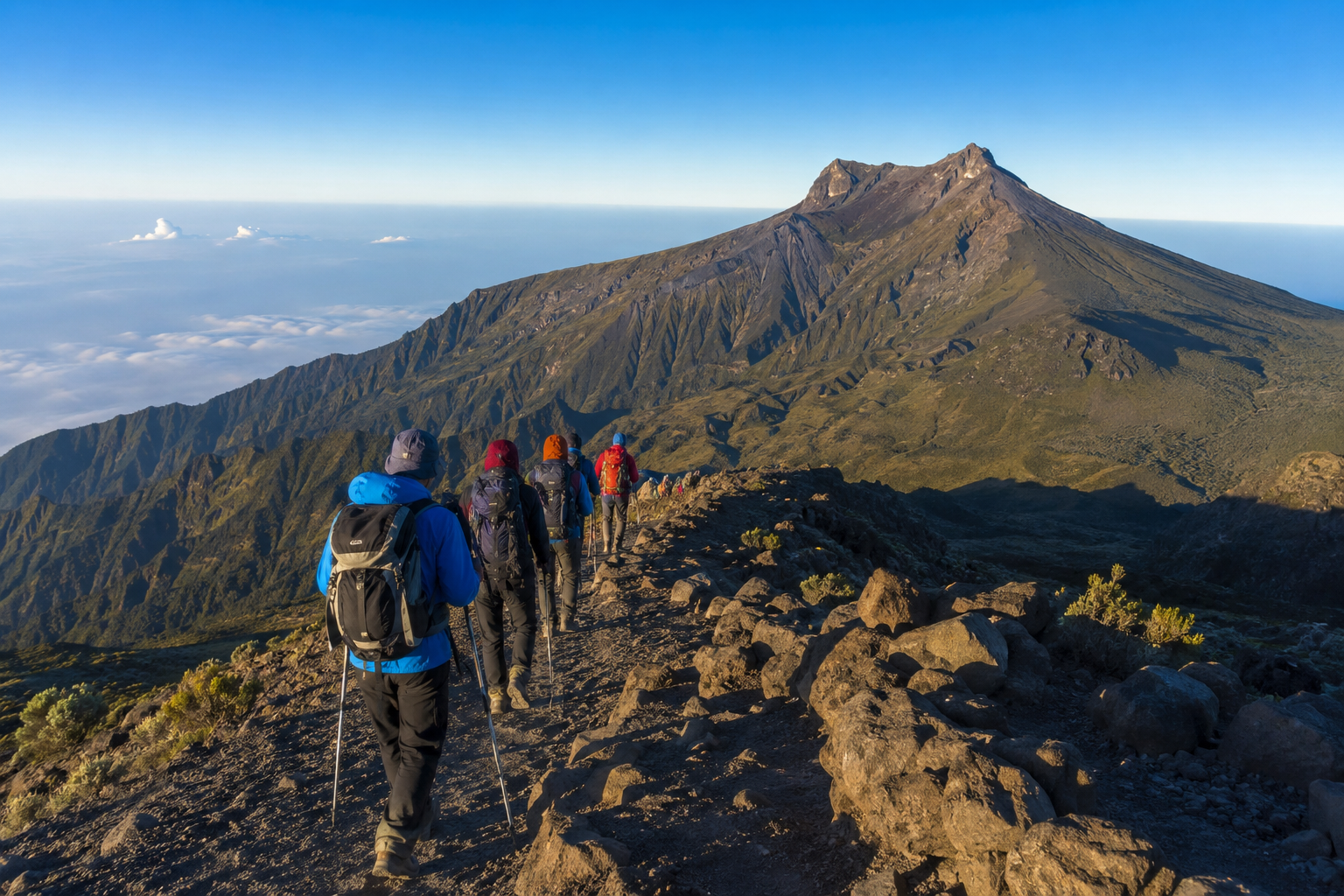
A Mount Meru climb offers one of Tanzania’s most rewarding trekking experiences, combining dramatic landscapes, abundant wildlife, and excellent altitude preparation before attempting Mount Kilimanjaro. Located near Arusha, Mount Meru provides a challenging yet achievable four-day adventure through forests, volcanic landscapes, and spectacular viewpoints. For US travellers planning a Kilimanjaro expedition, a Mount Meru climb is an ideal way to prepare both physically and mentally for Africa’s highest mountain. The route introduces you to high-altitude trekking, mountain routines, and Tanzania’s unique natural environment while allowing your body to adjust before reaching greater elevations. With a locally based trekking team in Arusha, Odysseys From Africa provides expert guidance, professional mountain support, and authentic Tanzanian knowledge to make your adventure safe, comfortable, and memorable. Before travelling, explore our Tanzania travel information and trekking preparation guides for useful details about visas, packing lists, weather conditions, and preparing for your journey from the United States. Mount Meru Climb: Why Tanzania’s Fourth-Day Trek Is the Ultimate Kilimanjaro Warm-Up A Mount Meru climb is one of the best preparation treks for Kilimanjaro because it builds altitude experience, improves hiking confidence, and introduces climbers to Tanzania’s mountain environment. The four-day route combines challenging terrain, wildlife encounters, and gradual acclimatisation before a higher summit attempt. Standing at 4,566 metres (14,980 feet), Mount Meru is Tanzania’s second-highest mountain and one of East Africa’s most impressive volcanic peaks. Although it receives less attention than Kilimanjaro, experienced trekkers often consider Mount Meru a hidden gem. The mountain offers a more intimate wilderness experience, fewer crowds, and a dramatic summit approach along the crater rim. For travellers arriving from the United States, adding Mount Meru before Kilimanjaro provides several advantages: Helps your body adjust to altitude Builds confidence before summit night Allows testing of hiking equipment Provides experience camping or staying in mountain huts Offers incredible wildlife viewing opportunities Creates a more complete Tanzania adventure Many climbers choose to combine their trekking experience with a safari after descending. Explore our carefully designed Tanzania safari experiences to continue your journey through Tanzania’s iconic wildlife destinations. What Makes the Mount Meru Climb Different From Kilimanjaro? The Mount Meru climb provides a shorter but highly rewarding mountain experience that prepares travellers for Kilimanjaro through altitude exposure, technical sections, and changing ecosystems. Unlike Kilimanjaro, Mount Meru offers a quieter trail with a stronger wilderness feeling. Many travellers assume Kilimanjaro is the only worthwhile mountain experience in Tanzania, but Mount Meru offers unique advantages. The mountain is located inside Arusha National Park, meaning the trek begins in an area where wildlife can be encountered along the lower sections of the route. It is common to see: Giraffes near the forest boundary Buffalo and antelope in the park area Monkeys in the rainforest Diverse bird species This combination of trekking and wildlife makes Mount Meru unlike many other African mountain experiences. Mount Meru Climb vs Kilimanjaro: Which One Should You Choose? Both mountains provide incredible adventures, but they offer different experiences. Feature Mount Meru Kilimanjaro Height 4,566 metres 5,895 metres Duration Usually 4 days Usually 5–9 days Difficulty Challenging More demanding Crowds Less crowded More popular Best for Preparation and adventure Ultimate summit goal A Mount Meru climb is especially valuable before Kilimanjaro because it introduces the realities of high-altitude trekking without immediately facing Africa’s highest peak. Travellers planning a complete Tanzania adventure can also explore our Tanzania trekking and adventure destinations for more ways to combine mountain, wildlife, and cultural experiences. Four-Day Mount Meru Climb Itinerary: Complete Route Breakdown The four-day Mount Meru climb itinerary is designed to maximise acclimatisation while showcasing Tanzania’s forests, volcanic landscapes, and spectacular summit views. Each day increases elevation gradually while allowing climbers to adapt comfortably. The journey normally begins from Arusha, Tanzania’s adventure capital and the headquarters location of many trekking operators. Working with a locally based team provides important advantages, including experienced guides, knowledge of weather patterns, and professional mountain logistics. Day 1: Momella Gate to Miriakamba Hut — Entering Mount Meru’s Wilderness The adventure begins at Momella Gate inside Arusha National Park. After registration, the trek starts through open grasslands before entering the forest zone. This first section is unique because wildlife sightings are possible during the approach. A mountain ranger often accompanies groups because of the wildlife environment around the lower slopes. The first day introduces climbers to: Tanzania’s natural ecosystems Gradual elevation gain Mountain walking pace The importance of hydration and steady movement The trail continues toward Miriakamba Hut, where climbers rest overnight. The views begin opening toward Mount Meru’s dramatic volcanic cliffs, creating the first unforgettable moments of the trek. Day 2: Miriakamba Hut to Saddle Hut — Into the Alpine Zone The second day involves a steady climb through forest and moorland. The trail becomes more dramatic as you approach the Saddle area between Mount Meru’s main summit and Little Meru. This section is important for acclimatisation because your body begins experiencing higher elevations. Highlights include: Changing vegetation zones Views of the Meru crater Mountain landscapes away from crowds Optional acclimatisation hike to Little Meru Many climbers use this afternoon to prepare mentally and physically for the summit attempt. Day 3: Saddle Hut Preparation and Summit Approach Day three focuses on rest, preparation, and adjusting before the final ascent. A short acclimatisation walk toward Little Meru may be included, offering incredible views across Tanzania. From higher viewpoints, climbers can often see Mount Kilimanjaro rising in the distance. This is one of the reasons Mount Meru is such an excellent Kilimanjaro warm-up—the mountain provides both altitude experience and motivation for the larger summit ahead. Plan Your Mount Meru Climb With Odysseys From Africa A successful Mount Meru climb begins with choosing an experienced local trekking partner who understands Tanzania’s mountains, wildlife environments, and high-altitude conditions. At Odysseys From Africa, our Arusha-based team provides expert mountain guidance, personalised itineraries, and authentic local knowledge to help you enjoy a safe and unforgettable trekking experience. Whether you are using Mount Meru as preparation for Kilimanjaro, planning a standalone…

Read More
Machame Route Kilimanjaro

Machame Route Kilimanjaro Climb: Seven Days on the Whiskey Trail

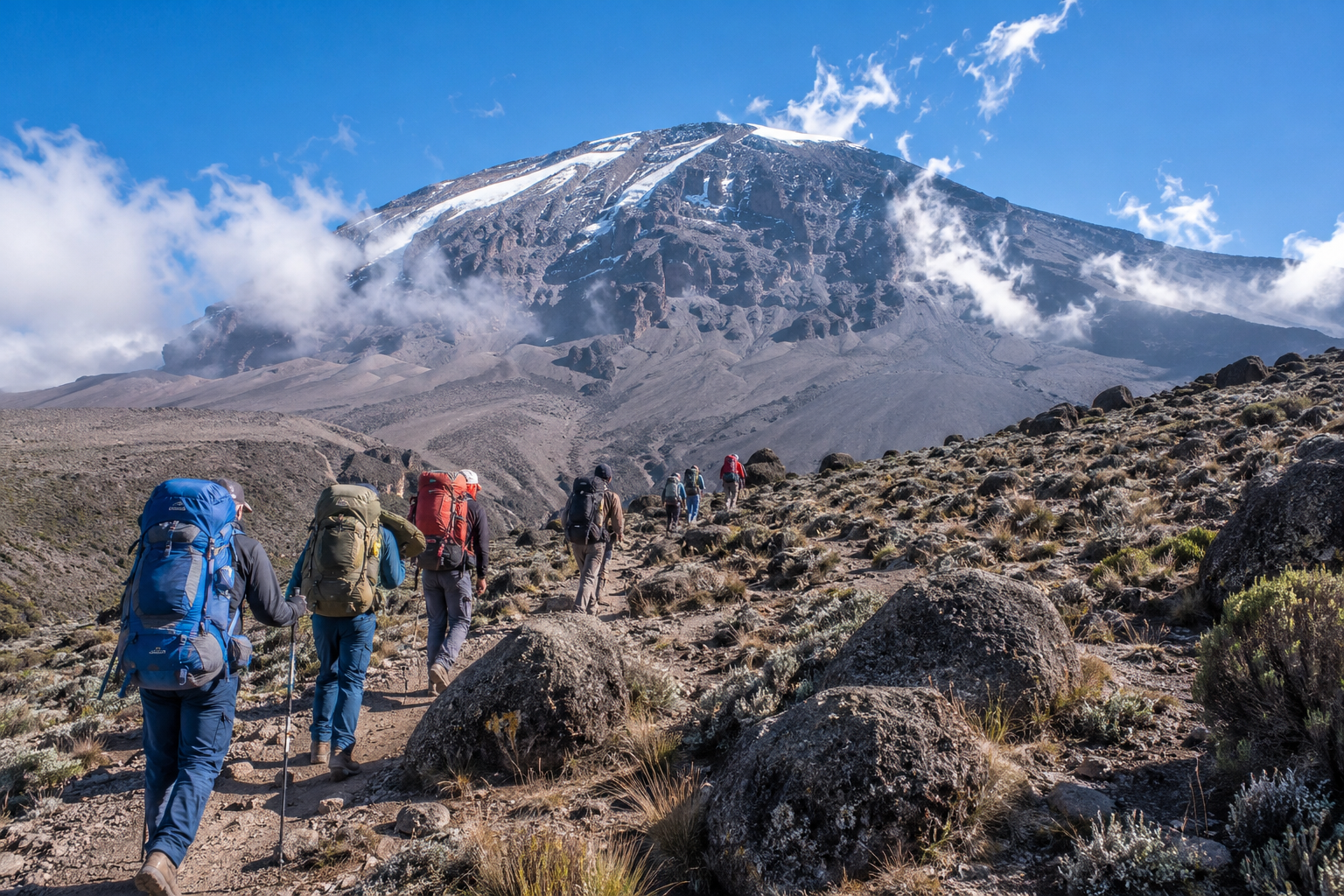
A Machame Route Kilimanjaro climb is one of the most iconic ways to reach the summit of Africa’s highest mountain, combining dramatic scenery, challenging terrain, and excellent acclimatisation opportunities. Known as the “Whiskey Route,” this seven-day trek attracts adventurous travellers who want a rewarding Kilimanjaro experience with a strong balance of wilderness, difficulty, and summit preparation. For US travellers planning an unforgettable African adventure, the Machame Route offers a true mountain expedition through Tanzania’s changing ecosystems. From rainforest trails near the mountain’s base to the glaciers of Uhuru Peak, every day delivers a new landscape. With a professional Tanzanian trekking team based in Arusha, climbers receive expert guidance, local knowledge, and carefully planned support throughout the journey. Before your climb, explore our Tanzania travel information and trekking preparation guides for practical advice on visas, packing, weather, and preparing for your journey from the United States to Tanzania. Machame Route Kilimanjaro: Why the Whiskey Trail Remains a Favourite Choice The Machame Route Kilimanjaro climb is one of the most popular summit routes because it combines spectacular scenery, gradual acclimatisation, and a challenging trekking experience. The seven-day itinerary gives climbers time to adjust to altitude while crossing some of Mount Kilimanjaro’s most beautiful landscapes. The Machame Route Kilimanjaro approaches Mount Kilimanjaro from the southern side and is famous for its dramatic trail design. Unlike the gentler Marangu Route, Machame follows a more adventurous path with steeper sections, valleys, ridges, and varied terrain. The nickname “Whiskey Route” comes from its reputation as a more demanding alternative to the easier “Coca-Cola Route” (Marangu). However, with proper preparation and an experienced guide team, it is achievable for many determined hikers. What Makes the Machame Route Kilimanjaro Climb Special? The route has earned its reputation because it provides a complete mountain experience rather than simply a path to the summit. Key advantages include: Beautiful scenery: Experience rainforest, moorland, alpine desert, and glacier landscapes. Strong acclimatisation profile: The route includes valuable altitude gains and descents. Adventure atmosphere: Steeper trails create a true trekking expedition feeling. Excellent photography opportunities: Every section offers dramatic views of Kilimanjaro. Local expert support: Tanzanian guides understand mountain conditions and climber needs. Many travellers choose Machame because they want more than a summit certificate—they want the journey itself to be memorable. For travellers combining their mountain climb with wildlife exploration, our Tanzania safari experiences and adventure packages provide opportunities to experience Serengeti, Ngorongoro, and other iconic destinations after your trek. Seven-Day Machame Route Kilimanjaro Itinerary: Day-by-Day Breakdown The seven-day Machame Route Kilimanjaro itinerary is designed to balance challenging trekking with proper altitude adjustment. Each day increases elevation gradually while allowing climbers to experience the mountain’s changing environments. Most international travellers begin their journey by arriving through Kilimanjaro International Airport before transferring to Arusha for preparation. Arusha is the main gateway for Kilimanjaro expeditions, and choosing a locally based trekking company offers advantages including experienced guides, direct support, and knowledge of current mountain conditions. Day 1: Machame Gate to Machame Camp — Entering Kilimanjaro’s Rainforest The adventure begins at Machame Gate, located on the southern slopes of Mount Kilimanjaro. After registration and final preparations, the trail enters the dense rainforest zone. This section introduces climbers to the mountain environment with a steady uphill walk beneath towering trees and tropical vegetation. The rainforest is home to unique wildlife, including monkeys and colourful bird species. The first day focuses on: Adjusting to the trekking rhythm Meeting your mountain crew Testing equipment Beginning gradual altitude adaptation Machame Camp provides the first overnight experience on the mountain. Day 2: Machame Camp to Shira Camp — Leaving the Forest Behind As the Machame Route Kilimanjaro climb continues, the landscape changes dramatically. The trail leaves the rainforest and enters the heather and moorland zone, where views become wider and Kilimanjaro’s volcanic terrain becomes more visible. This is one of the first moments when climbers appreciate the scale of the mountain. The day involves steady climbing, but the pace remains controlled to support acclimatisation. Highlights include: Expansive views across Tanzania Unique high-altitude vegetation First major views toward Kibo Peak A stronger sense of mountain adventure Day 3: Shira Camp to Lava Tower to Barranco Camp — The Acclimatisation Test This is one of the most important days on the Machame Route Kilimanjaro climb. The trail rises toward Lava Tower at approximately 4,600 metres before descending to Barranco Camp. This route design follows the proven acclimatisation principle: Climb high, sleep lower. By reaching a higher elevation during the day and sleeping lower at night, your body has more opportunity to adapt. This stage often determines how climbers respond to altitude and highlights the importance of a longer itinerary. The landscape becomes increasingly dramatic, with volcanic rock formations, deep valleys, and views of Kilimanjaro’s southern glaciers. Day 4: Barranco Camp to Karanga Camp — The Famous Barranco Wall The Barranco Wall is one of the most memorable sections of the Machame Route Kilimanjaro climb. Although it appears intimidating, it is a non-technical scrambling section where climbers use hands and feet for balance while following the guidance of experienced mountain guides. The challenge is more about confidence and steady movement than technical climbing ability. Reaching Karanga Camp provides: Continued acclimatisation A shorter recovery-focused trekking day Stunning views of the mountain landscape Preparation for the final summit approach Day 5: Karanga Camp to Barafu Camp — Final Summit Preparation The trail continues toward Barafu Camp, the final base before the summit attempt. The environment changes into a high alpine desert, with rocky terrain and powerful views across Mount Kilimanjaro. At Barafu Camp, climbers rest and prepare for the demanding summit night. Your guide team will review: Summit timing Clothing layers Hydration strategy Headlamp preparation Altitude awareness A well-organised mountain team ensures every climber understands what to expect before beginning the final ascent. For travellers interested in extending their Tanzanian adventure after the climb, consider combining Kilimanjaro with a relaxing coastal escape through our Zanzibar travel experiences. Plan Your Machame Route Kilimanjaro Climb With Odysseys…

Read More
Lemosho Route Kilimanjaro

Lemosho Route Kilimanjaro Climb: Eight Days and the Best Acclimatisation on the Mountain

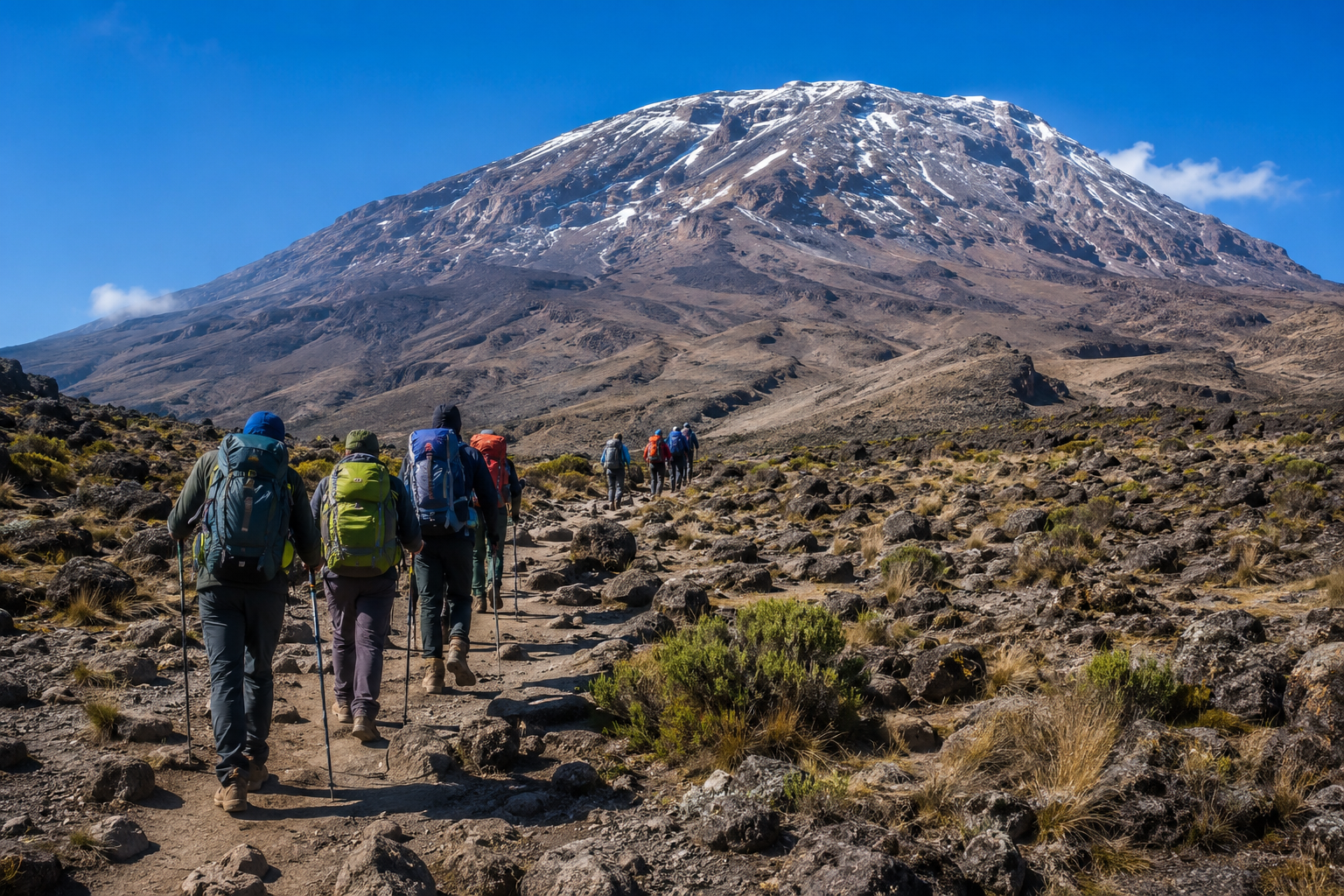
A Lemosho Route Kilimanjaro climb is one of the most rewarding ways to summit Africa’s highest mountain, offering exceptional acclimatisation, spectacular landscapes, and a quieter trekking experience. For US travellers looking for a premium African adventure, this eight-day route combines expert Tanzanian guides, careful altitude management, and authentic mountain experiences. Starting from the western slopes of Mount Kilimanjaro, the Lemosho Route takes climbers through ancient rainforest, volcanic landscapes, alpine desert, and the final icy summit zone. With a locally based team in Arusha providing professional support, every stage of your journey is designed around safety, comfort, and your best chance of reaching Uhuru Peak. Before planning your climb, explore our detailed Tanzania travel information and trekking preparation guides to understand entry requirements, packing recommendations, and practical advice for travelling from the United States to Tanzania. Lemosho Route Kilimanjaro: Why This Eight-Day Climb Offers Superior Acclimatisation The Lemosho Route Kilimanjaro climb is one of the best choices for travellers seeking a safer and more comfortable summit experience because it allows gradual altitude adjustment over eight days. The route combines scenic variety, fewer crowds, and a proven acclimatisation profile that improves summit preparation. Altitude is the greatest challenge on Mount Kilimanjaro. While physical fitness is important, your body’s ability to adapt to lower oxygen levels often determines summit success. The Lemosho Route is designed around a gradual approach, giving climbers more time to adjust compared with shorter itineraries. This makes it particularly popular among first-time high-altitude trekkers and travellers who have invested significant time and resources travelling from the United States. What Makes the Lemosho Route Kilimanjaro Climb Different? Unlike some faster routes, Lemosho begins in a remote area on the western side of Kilimanjaro. The first days feel like a true wilderness expedition, with fewer hikers and a greater connection to Tanzania’s natural environment. Key advantages include: Excellent acclimatisation profile: More days allow your body to adjust naturally. Scenic diversity: Experience five ecological zones from rainforest to glacier. Lower early congestion: The route starts away from the busiest trail sections. Expert mountain support: Local guides understand weather patterns, altitude challenges, and mountain conditions. Ideal for international travellers: The longer itinerary makes the journey from the US more worthwhile. Many climbers combine their Kilimanjaro adventure with a wildlife experience afterward. Our Tanzania safari packages combining mountain and wildlife experiences allow travellers to experience the best of Tanzania beyond the summit. Lemosho Route Kilimanjaro Eight-Day Itinerary: Day-by-Day Mountain Journey The eight-day Lemosho Route Kilimanjaro itinerary is carefully structured to maximise acclimatisation while allowing climbers to enjoy Tanzania’s changing landscapes. Each day balances trekking distance, altitude gain, and recovery time to create a stronger summit strategy. A typical Lemosho Route adventure begins after arrival at Kilimanjaro International Airport, followed by preparation in Arusha before transferring to the mountain. Arusha is the main gateway for Kilimanjaro climbs, and working with a locally based trekking company provides important advantages, including direct communication, experienced mountain crews, and detailed knowledge of current trail conditions. Day 1: Londorossi Gate to Mti Mkubwa Camp — Entering the Lemosho Route Kilimanjaro Wilderness The first day of the Lemosho Route Kilimanjaro climb begins at Londorossi Gate on the western side of the mountain. After registration, the trail enters the lush rainforest zone where towering trees, moss-covered landscapes, and tropical birdlife create a peaceful introduction to the mountain. This first section is intentionally gradual. Rather than pushing hard immediately, climbers begin adapting to the walking rhythm, altitude changes, and mountain environment. Highlights include: First views of Kilimanjaro’s protected wilderness Rainforest scenery unique to the western approach Introduction to the mountain crew Gentle preparation for higher elevations The overnight stay at Mti Mkubwa Camp allows climbers to rest before continuing deeper into the mountain. Day 2: Mti Mkubwa Camp to Shira Camp 1 — From Forest to Open Highlands As the trail climbs higher, the rainforest gradually disappears and the landscape changes into the heather and moorland zone. The transition is one of the most impressive parts of the Lemosho Route Kilimanjaro experience. Within a short period, climbers move from dense forest into open volcanic landscapes with views toward the summit. The Shira Plateau is one of Kilimanjaro’s most remarkable areas. This ancient volcanic plateau provides wide views and an opportunity to appreciate the scale of the mountain. A slower pace is encouraged because the goal is not simply to gain altitude—it is to allow the body to adapt. Day 3: Shira Camp to Lava Tower and Barranco Camp — The Key Acclimatisation Day This stage is considered one of the most important acclimatisation sections of the Lemosho Route Kilimanjaro climb. The trail rises toward Lava Tower at approximately 4,600 metres before descending to Barranco Camp. This “climb high, sleep lower” approach is widely used in high-altitude trekking because it exposes the body to increased elevation while allowing recovery overnight. During this day, climbers experience: Dramatic volcanic formations Expansive views across Kilimanjaro The first major altitude test Improved preparation for summit night Barranco Camp is often considered one of the most beautiful camps on the mountain, surrounded by cliffs and unique alpine vegetation. Day 4: Barranco Camp to Karanga Camp — Conquering the Barranco Wall The famous Barranco Wall provides one of the most memorable moments of the trek. Although the wall appears challenging, it is a manageable scrambling section rather than a technical climb. Experienced guides assist climbers with pacing, foot placement, and confidence. Reaching Karanga Camp marks another important step toward summit preparation. The shorter trekking day provides valuable recovery time while maintaining steady altitude progression. Day 5: Karanga Camp to Barafu Camp — Preparing for Summit Night The final approach to base camp takes climbers through a high alpine desert environment. Barafu Camp sits at approximately 4,673 metres and serves as the starting point for the summit attempt. Before the final climb, guides provide detailed preparation covering: Summit timing Clothing layers Hydration strategy Personal equipment checks Altitude awareness Travellers interested in extending their Tanzania journey can also explore our carefully…

Read More