Best Serengeti vs Ruaha Safari Comparison Guide 2026
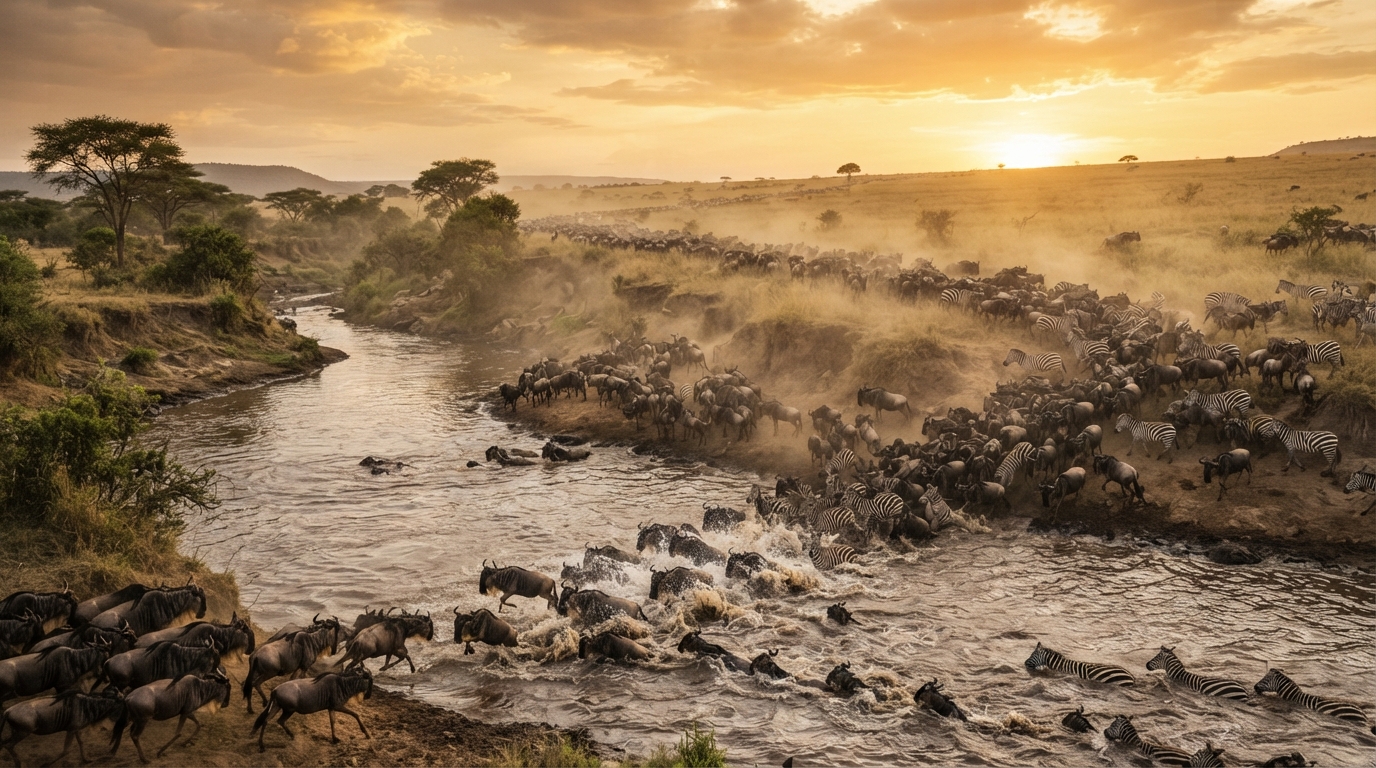
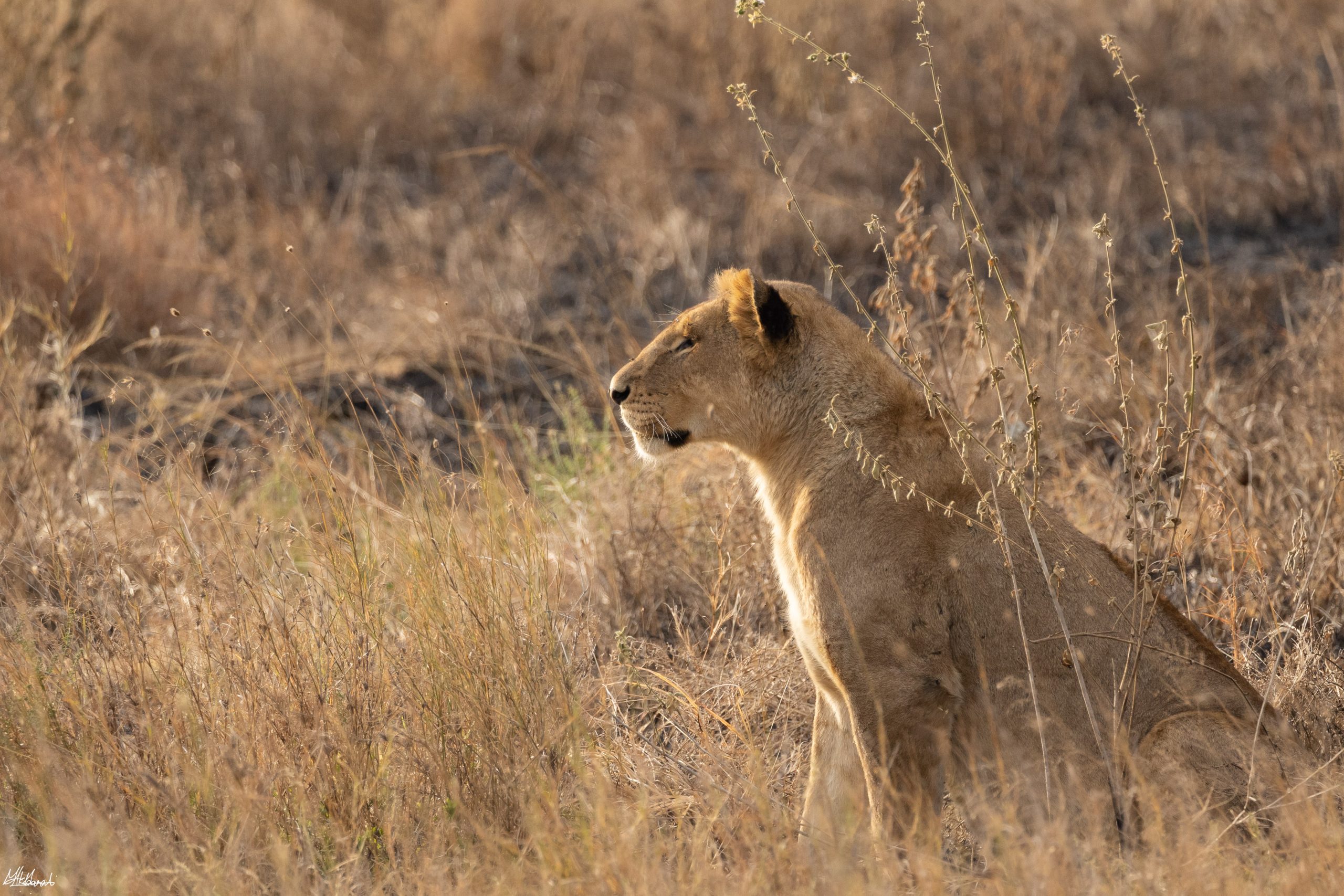
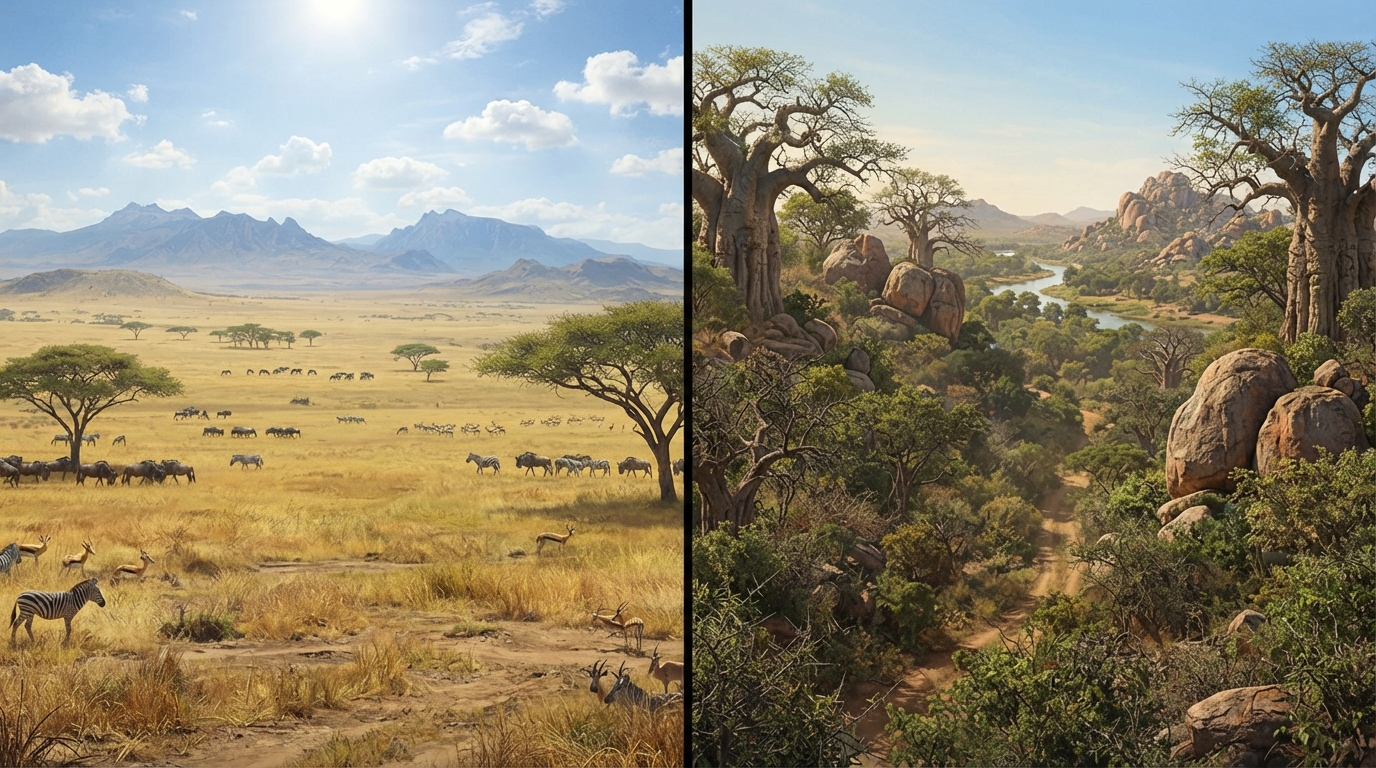
Choosing between Serengeti vs Ruaha is one of the most important decisions when planning a Tanzania safari. Both parks offer extraordinary wildlife encounters, breathtaking landscapes, and authentic African safari experiences, but they deliver completely different adventures. The Serengeti is famous worldwide for the Great Migration, endless plains, and high wildlife density, while Ruaha offers remote wilderness, large elephant herds, and a quieter safari atmosphere. At Odysseys From Africa, our locally based safari specialists help U.S. travelers choose the right destination based on their interests, travel style, and dream safari experience. Serengeti vs Ruaha: Which Tanzanian Park Is Best for Your Safari? Serengeti vs Ruaha comes down to the type of safari experience you want. The Serengeti is ideal for first-time visitors, Great Migration seekers, and travelers wanting iconic wildlife scenes, while Ruaha is perfect for those looking for remote landscapes, fewer vehicles, and exclusive wilderness. Both destinations represent the best of Tanzania’s wildlife heritage, but they appeal to different types of travelers. The Serengeti is located in northern Tanzania and forms part of one of the most famous ecosystems on Earth. Its vast grasslands support millions of wildebeest, zebras, and gazelles, creating the stage for the annual Great Migration. Ruaha National Park, located in southern Tanzania, is the country’s largest national park. It offers a more untouched wilderness experience, with dramatic landscapes, large elephant populations, and excellent predator sightings. Many travelers choose to combine multiple destinations rather than select only one. A carefully planned itinerary can include the Serengeti, Ngorongoro Crater, and other highlights through our Tanzania Explorer Safari. For travelers who want to focus on the iconic Northern Circuit, our Best of Northern Tanzania Safari provides an unforgettable journey through Tanzania’s most celebrated wildlife regions. Why Serengeti vs Ruaha Is an Important Safari Comparison When planning a luxury safari from the United States, choosing the right park can influence your entire experience. The main differences between Serengeti and Ruaha include: Feature Serengeti Ruaha Main attraction Great Migration and iconic wildlife Remote wilderness and elephants Wildlife density Extremely high Excellent but more spread out Crowds Higher in popular areas Much fewer visitors Landscape Endless grass plains Rivers, hills, forests, and savannah Best for First safari, migration, families Exclusive safaris, photographers Safari style Classic luxury safari Remote adventure safari Understanding these differences helps travelers create a safari that matches their expectations. A honeymoon couple looking for dramatic wildlife moments may prefer the Serengeti, while experienced safari travelers seeking solitude may find Ruaha more rewarding. Serengeti vs Ruaha: Wildlife and Big Five Comparison Serengeti vs Ruaha wildlife experiences are both exceptional, but they offer different strengths. Serengeti provides some of Africa’s highest concentrations of large mammals, while Ruaha is famous for elephants, predators, and rare wilderness encounters. Wildlife is the main reason travelers visit Tanzania, and both parks offer unforgettable sightings. However, the style of wildlife viewing is very different. Big Five Safari Experience in Serengeti vs Ruaha The Big Five—lion, leopard, elephant, buffalo, and rhino—are a major attraction for international safari travelers. Big Five in Serengeti The Serengeti is one of the world’s best destinations for observing predators and large herbivores. Visitors commonly see: Large lion prides Leopards resting in acacia trees Cheetahs hunting across open plains Large buffalo herds Elephants moving through woodland areas The open landscapes make wildlife easier to spot, especially during morning and evening game drives. The Central Serengeti, particularly the Seronera area, is famous for year-round predator sightings. Travelers interested in this region can explore our Short Serengeti Safari for a focused wildlife experience. Big Five in Ruaha Ruaha offers a more adventurous Big Five experience. The park is especially known for: Large elephant herds Powerful lion prides African wild dogs Leopards Buffalo congregations near rivers Because Ruaha is less visited, wildlife encounters often feel more private and exclusive. The experience is less about seeing hundreds of animals in one area and more about discovering wildlife in a vast untouched environment. Lion and Predator Sightings in Serengeti vs Ruaha Predator Viewing in Serengeti vs Ruaha Serengeti vs Ruaha predator viewing depends on whether you prefer quantity or exclusivity. Serengeti offers some of Africa’s most reliable predator sightings, while Ruaha provides rare encounters in a remote wilderness setting. The Serengeti supports one of the largest lion populations in Africa. Lions often gather near migration routes, following the movement of prey. Cheetah sightings are also excellent because the open plains allow these fast predators to hunt effectively. Ruaha’s predator experience is different. The park is famous for its African wild dogs, one of Africa’s most endangered carnivores. Seeing a pack moving through Ruaha’s landscapes is a rare and memorable experience. Experienced guides understand animal behavior, seasonal movements, and the best areas to explore. At Odysseys From Africa, our local guides use years of field knowledge to create meaningful wildlife encounters rather than simply searching for checklists. Serengeti vs Ruaha: Great Migration and Seasonal Wildlife Serengeti vs Ruaha offers two completely different seasonal experiences. The Serengeti hosts the world-famous Great Migration, while Ruaha provides year-round wildlife viewing shaped by rivers, rainfall, and changing ecosystems. The Great Migration is the biggest difference between these two destinations. Great Migration in Serengeti vs Ruaha The Serengeti is the heart of the Great Migration, where millions of wildebeest and zebras follow ancient routes in search of fresh grazing. Key migration moments include: Calving season in Southern Serengeti River crossings in Northern Serengeti Predator action throughout the year Travelers interested in migration-focused journeys can explore our Migration Calving Safari or our Migration Crossing Safari. Ruaha does not host the Great Migration, but it offers its own seasonal wildlife rhythm. During the dry season, animals gather around permanent water sources, creating excellent opportunities for viewing elephants, buffalo, lions, and other species. Elephant Encounters in Serengeti vs Ruaha Serengeti vs Ruaha elephant experiences are different because Ruaha is particularly famous for its large elephant populations. Serengeti offers excellent elephant sightings, but Ruaha provides some of Tanzania’s most impressive elephant encounters. Ruaha’s landscapes are shaped by…
Read More