Critical Climate Change Tanzania Safari Impacts: How a Changing Climate Is Affecting Safaris in Tanzania
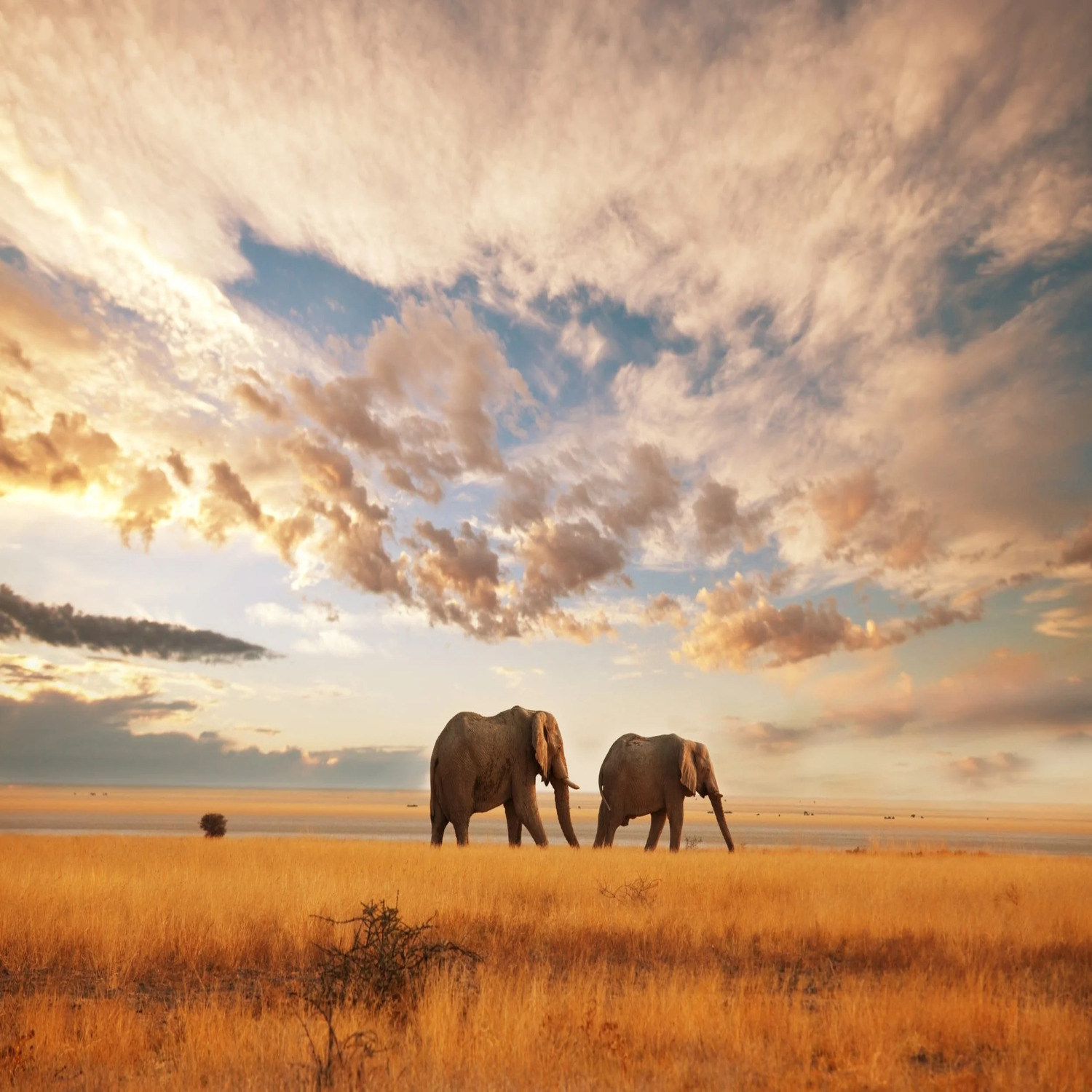
A Climate Change Tanzania Safari experience is becoming an increasingly important topic as environmental shifts influence wildlife, landscapes, and travel patterns across East Africa. For travelers planning Safaris in Tanzania, understanding climate change helps create more responsible journeys while supporting conservation efforts that protect the Serengeti, Ngorongoro Crater, and other iconic ecosystems. Tanzania remains one of Africa’s greatest safari destinations, but changing weather patterns, shifting rainfall cycles, and rising temperatures are creating new challenges for wildlife and communities. Through sustainable tourism and conservation-focused travel, visitors can play a role in protecting these extraordinary landscapes for future generations. Climate Change Tanzania Safari: How Environmental Changes Affect Wildlife Climate Change Tanzania Safari impacts are changing wildlife behavior, migration patterns, and ecosystems across Tanzania’s national parks.Safaris in Tanzania continue to offer incredible experiences, but travelers are witnessing a changing natural environment shaped by global climate conditions. Tanzania’s wildlife has evolved around seasonal cycles for thousands of years. Animals depend on predictable patterns of: Rainfall Water availability Grass growth Temperature changes Seasonal migration routes However, climate change is affecting these natural rhythms. Changes in weather patterns can influence: Where animals move When migrations occur Availability of food sources Breeding patterns Water distribution For safari travelers, this means the traditional expectations of wildlife viewing are becoming more dynamic. Climate Change Tanzania Safari and the Changing Serengeti Great Migration The Serengeti Great Migration is one of the most important natural events affected by changing climate conditions during Safaris in Tanzania.Climate variations can influence rainfall timing, grazing availability, and the movement patterns of millions of wildebeest and zebras. The Great Migration is driven by nature’s seasonal cycles. Every year, millions of wildebeest, zebras, and other grazing animals move across the Serengeti ecosystem searching for: Fresh grass Water sources Safer breeding areas Rainfall plays a major role in determining migration timing. Climate change may contribute to: Less predictable rainfall Longer dry periods Changes in grazing conditions Altered migration routes While the migration remains one of the world’s greatest wildlife spectacles, conservationists continue monitoring how environmental changes influence this incredible natural process. Travelers interested in experiencing seasonal wildlife movements can explore specialized itineraries such as the Migration Calving Safari or the Migration Crossing Safari. Climate Change Tanzania Safari: Impact on Water Sources and Wildlife Water availability is one of the biggest Climate Change Tanzania Safari challenges because wildlife depends on reliable rivers, lakes, and seasonal waterholes.Changes in rainfall patterns can affect animal distribution and the overall balance of Tanzania’s ecosystems. Water is the foundation of every safari ecosystem. During dry seasons, wildlife gathers around remaining water sources, creating some of the best viewing opportunities for travelers. However, changing climate conditions can affect: River flows Seasonal ponds Wetlands Grasslands Animal movements Species that rely heavily on water availability may face increased pressure during extended dry periods. The Importance of Tanzania’s Protected Areas National parks and conservation areas play a critical role in protecting wildlife habitats. Important ecosystems include: Serengeti National Park Ngorongoro Conservation Area Tarangire National Park Lake Manyara National Park Ruaha National Park These protected areas provide essential habitats where wildlife can adapt to environmental changes. Responsible tourism helps support the conservation systems that protect these landscapes. How Climate Change Tanzania Safari Is Affecting Landscapes Climate Change Tanzania Safari experiences are influenced by changing landscapes, including shifts in grasslands, forests, and seasonal environments.The future of Safaris in Tanzania depends on protecting these habitats through conservation and sustainable travel practices. Tanzania’s landscapes are among the most diverse in Africa. A single safari can include: Open savannah plains Volcanic landscapes Forest ecosystems Wetlands Mountain environments Each habitat supports unique wildlife communities. Climate changes can influence: Grassland Ecosystems Savannah grasslands provide food for millions of grazing animals. Changes in rainfall may affect: Grass quality Plant growth Grazing availability Forest Habitats Forest ecosystems support species such as: Primates Birds Smaller mammals Temperature and rainfall changes can affect forest health over time. Wetland Areas Wetlands are important breeding and feeding areas for many species. Protecting these environments is essential for maintaining biodiversity. Sustainable Safari Tanzania: How Responsible Travel Helps A Sustainable Safari Tanzania experience helps reduce environmental pressure while supporting conservation and local communities.Responsible Safaris in Tanzania allow travelers to enjoy nature while contributing to the protection of fragile ecosystems. Tourism can be part of the solution. Many safari operators and lodges are adopting environmentally responsible practices, including: Solar power systems Water conservation Reduced plastic use Recycling programs Local sourcing Conservation partnerships Travelers can support sustainability by choosing operators who prioritize: Wildlife protection Community benefits Responsible driving practices Environmental awareness A well-managed safari creates value for both visitors and the destinations they explore. Climate Change Tanzania Safari: The Role of Local Communities Local communities are essential partners in protecting Tanzania’s wildlife and adapting to climate challenges.Responsible Safaris in Tanzania support conservation by creating economic opportunities and encouraging community involvement. Many communities live alongside important wildlife areas. When tourism provides meaningful benefits, communities become stronger partners in conservation. Safari tourism can support: Employment Education programs Healthcare initiatives Conservation awareness Sustainable businesses Protecting wildlife is not only about national parks—it is also about supporting the people who share these landscapes. How Travelers Can Plan a Climate-Conscious Tanzania Safari A Climate Change Tanzania Safari can still deliver unforgettable wildlife experiences when travelers make informed and responsible choices.Planning sustainable Safaris in Tanzania helps protect the environment while creating meaningful travel experiences. Travelers can reduce their impact by: Choosing responsible safari operators Supporting local businesses Avoiding unnecessary waste Respecting wildlife rules Staying longer rather than rushing between destinations A slower, more thoughtful safari often creates deeper connections with Tanzania’s landscapes and wildlife. People Also Ask about Climate Change Tanzania Safari Does climate change affect Safaris in Tanzania? Yes. Climate change can influence rainfall patterns, wildlife movements, water availability, and migration timing. However, Tanzania’s protected areas and conservation programs continue working to preserve these ecosystems and ensure future generations can experience its incredible wildlife. Protect Tanzania’s Wilderness Through Responsible Travel A Climate Change Tanzania Safari offers more than incredible…
Read More