Wild Adventures, Timeless Memories…

Odysseys From Africa

Tanzania Safari Guides

African safari experience

Safaris in Tanzania: Planning Safaris in Tanzania from the USA (Flights, Visas, and Itineraries)

Safaris in Tanzania will prove to be the best African safari experience offer American travelers one of the most extraordinary long-haul wildlife experiences on Earth.From the Serengeti plains to the Ngorongoro Crater, Tanzania delivers unmatched Big Five encounters and luxury safari lodges.For travelers from the USA, planning is straightforward once you understand flights, visas, and itinerary structure. A Tanzania safari holiday from the United States is more accessible than most travelers assume. With one-stop flights from major hubs like New York (JFK), Los Angeles (LAX), and Atlanta, visitors can reach East Africa in under 18 hours and step directly into world-class wilderness. This guide breaks down everything American travelers need to know to plan the ultimate safari journey. 1. Flights from the USA for Safaris in Tanzania Flights from the USA to Tanzania are typically one-stop journeys connecting through the Middle East or Europe.Most American travelers arrive via Kilimanjaro International Airport or Dar es Salaam for safari access.Total travel time ranges from 15 to 20 hours depending on routing and layovers. For Safaris in Tanzania, flight planning is one of the most important steps. Fortunately, multiple reliable routes connect the US to East Africa. Common USA Departure Cities New York City (JFK) Los Angeles (LAX) Atlanta (ATL) Washington D.C. (IAD) Chicago (ORD) Typical Flight Routes New York → Doha → Kilimanjaro Los Angeles → Dubai → Kilimanjaro Atlanta → Istanbul → Dar es Salaam Chicago → Amsterdam → Kilimanjaro Arrival Airports for Safari Access Kilimanjaro International Airport (JRO) – closest to Arusha and Serengeti gateways Dar es Salaam (DAR) – ideal for southern circuits and Zanzibar extensions Once you land, you typically transfer to Arusha, the safari capital of northern Tanzania. 2. Visa & Entry Requirements for US Travelers US citizens require a visa to enter Tanzania for safari travel.The process is simple, with both online eVisa and visa-on-arrival options available.Passport validity of at least six months is required from the date of entry. Visa Options for American Travelers Online eVisa (recommended) Visa on arrival at entry airports Entry Requirements Valid US passport (6+ months validity) Return or onward flight ticket Proof of accommodation or safari itinerary Most safari operators assist with documentation, ensuring a smooth entry process for travelers heading on Safaris in Tanzania. 3. Best Safari Itineraries from the USA (7–14 Day Plans) The best Safaris in Tanzania itineraries for US travelers typically range from 7 to 14 days.Shorter trips focus on Serengeti and Ngorongoro, while longer itineraries include Zanzibar beach extensions.A well-structured itinerary ensures minimal travel fatigue and maximum wildlife exposure. Recommended Safari Duration Options 7-Day Safari (Short Luxury Escape) Serengeti National Park Ngorongoro Crater Optional Arusha stopover Example trip: Short Serengeti Safari 10-Day Safari (Balanced Experience) Serengeti Great Migration regions Ngorongoro Crater Tarangire or Lake Manyara Example trip: Best of Northern Tanzania 14-Day Safari + Beach Combo Serengeti safari circuit Ngorongoro exploration Zanzibar beach relaxation Example trips: Best of Zanzibar Short Zanzibar Escape These itineraries are designed for American travelers who want immersive wildlife experiences without rushed travel schedules. 4. Best Time for Safaris in Tanzania The best time for Safaris in Tanzania is during the dry season from June to October.However, January to March offers exceptional wildlife photography and calving season action.Each season delivers a unique safari experience depending on traveler goals. Seasonal Breakdown June – October (Peak Season) Best wildlife visibility Great Migration river crossings Ideal weather conditions January – March (Calving Season) Predator action in Serengeti Hundreds of newborn wildebeest Excellent for photography November – December Green landscapes Fewer crowds Lower safari prices April – May Rainy season Best for budget luxury safaris American travelers often align safaris with summer holidays (June–August), making early booking essential. 5. Serengeti Tours & the Great Migration Serengeti safari tours are the highlight of Safaris in Tanzania and the main attraction for US travelers.The Serengeti Great Migration is the largest land wildlife movement on Earth.Millions of wildebeest, zebras, and gazelles move across vast plains in search of fresh grazing. The Serengeti ecosystem offers: Big Five sightings (lion, leopard, elephant, buffalo, rhino) Predator-prey interactions Iconic golden savannah landscapes Recommended Migration Experiences Migration Crossing Safari Migration Calving Safari For American travelers, the Serengeti is often the emotional highlight of the entire African journey. 6. Ngorongoro Crater & Arusha Safaris in Tanzania Gateway Ngorongoro Crater is one of Africa’s most concentrated wildlife areas and a must-visit on Safaris in Tanzania.Arusha is the main gateway city where most safari journeys begin.Together, they form the backbone of northern Tanzania safari circuits. Ngorongoro Crater Ngorongoro Crater is a UNESCO World Heritage Site featuring: Dense wildlife population within a volcanic caldera High chances of spotting the Big Five in a single game drive Stunning panoramic landscapes Arusha Arusha is: The safari capital of Tanzania Home to most safari operators The staging point for Serengeti expeditions Most US travelers fly into Kilimanjaro and transfer directly to Arusha before beginning their safari adventure. 7. Luxury vs Budget Safaris in Tanzania Luxury Safaris in Tanzania offer private guides, high-end lodges, and exclusive wildlife experiences.Budget safaris provide more affordable access while still delivering excellent wildlife encounters.The main difference is comfort level, privacy, and customization. Luxury Safari Features Private 4×4 vehicles High-end lodges with pools and fine dining Personalized itineraries Budget/Mid-Range Features Comfortable lodges or tented camps Shared game drives Lower overall cost American travelers often choose luxury safaris for honeymoons or once-in-a-lifetime trips. 8. Photographic Safari Tips for US Travelers Photographic Safaris in Tanzania are ideal for capturing dramatic wildlife behavior and landscapes.Proper gear selection significantly improves wildlife photography results.The Serengeti and Ngorongoro Crater offer the best photographic conditions in East Africa. Recommended Gear 100–400mm telephoto lens 24–70mm lens for landscapes Extra batteries and memory cards Lightweight tripod for sunrise shots Pro Tips Shoot during golden hours (sunrise/sunset) Use continuous autofocus for moving wildlife Anticipate animal behavior rather than reacting Explore: Photographic Safaris in Tanzania 9. How to Choose the Right Safari Package for Safaris in Tanzania Choosing the right safari package depends on budget, travel style,…

Read More
Tanzania safari parks

Tanzania Safari Parks | Best Safari Parks in Tanzania 2026

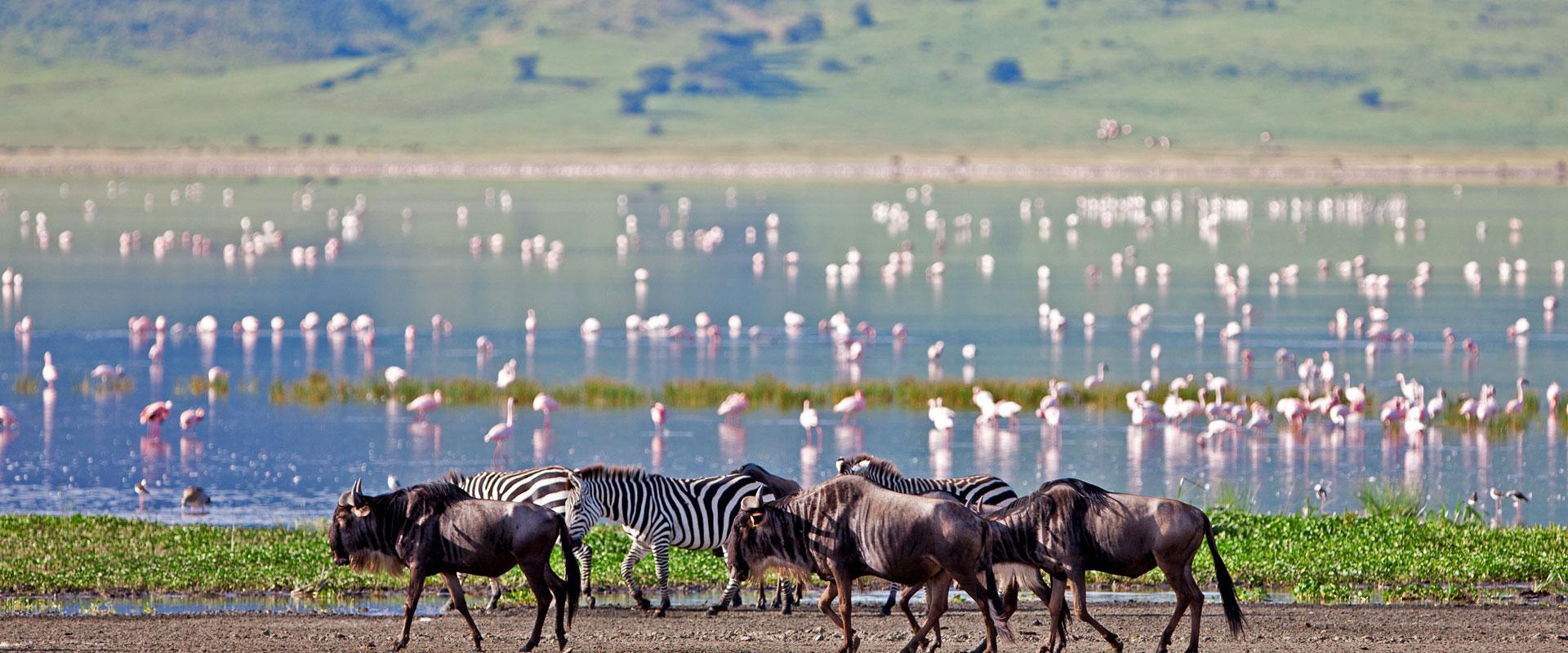
Tanzania safari parks are among the most diverse and wildlife-rich ecosystems in Africa, offering world-famous destinations like Serengeti, Ngorongoro, and Tarangire.These Tanzania safari parks form the core of every Tanzania safari holiday and define East Africa’s global safari reputation.Most Serengeti tours and Ngorongoro safari experiences begin in these protected national parks. When planning a safari in East Africa, the Tanzania safari parks are the foundation of every itinerary. From endless savannahs to volcanic craters, these parks deliver unmatched wildlife density and photographic opportunities. At Odysseys From Africa, our founders—born in Arusha—grew up near these Tanzania safari parks, giving us real field knowledge of seasonal wildlife movement, lodge quality, and safari timing that most international guides miss. When travelers search for the best safari parks in Tanzania, they are really looking for the heart of Africa’s wilderness. From the endless plains of the Serengeti to the volcanic crater of Ngorongoro and the elephant-rich valleys of Tarangire, Tanzania delivers a complete safari circuit. At Odysseys From Africa, our founders—born and raised in Arusha—often say that Tanzania is not just a safari destination, but a living classroom of wildlife ecology. Growing up near these parks gives our team a deep understanding of seasonal animal movements, lodge quality, and real safari timing that guidebooks often miss. Serengeti National Park: The Ultimate Safari Experience Serengeti National Park is Tanzania’s most famous safari destination, known for the Great Migration and predator-rich ecosystems.It is the most important highlight of most Serengeti tours and Tanzania safari holidays.Wildlife viewing here is exceptional year-round due to massive open plains and predator density. The Serengeti tours experience is often considered the gold standard of African safaris. Covering over 14,000 square kilometers, the Serengeti supports one of the largest terrestrial mammal migrations on Earth. What Makes Serengeti Special: Annual Great Migration of 1.5+ million wildebeest High predator concentration (lions, cheetahs, leopards) Vast open landscapes ideal for photography Multiple safari regions (Central, Northern, Southern Serengeti) Best Time to Visit: December–March: Calving season in the south June–October: River crossings in the north April–May: Green season with fewer crowds Explore curated experiences: Migration Crossing Safari Migration Calving Safari Short Serengeti Ngorongoro Crater: The Natural Wildlife Wonder Ngorongoro Crater is a UNESCO World Heritage Site and one of the densest wildlife areas in Africa.It is a must-visit destination for any Tanzania safari holiday.The crater offers near-guaranteed sightings of the Big Five in a single day. The Ngorongoro safari experience takes place inside the world’s largest intact volcanic caldera. The crater floor is a self-contained ecosystem supporting over 25,000 large animals. Highlights of Ngorongoro: Rare black rhino sightings High concentration of lions and hyenas Flamingo-filled soda lakes Dramatic crater rim viewpoints Ngorongoro is often combined with Serengeti tours for a complete northern circuit: Serengeti and Ngorongoro Tarangire National Park: Elephant Kingdom of Tanzania Tarangire National Park is famous for its massive elephant herds and ancient baobab trees.It is often the first stop on a northern Tanzania safari circuit.Tarangire offers excellent wildlife viewing during the dry season when animals gather along the river. Tarangire is one of Tanzania’s most underrated safari destinations, but experienced guides consider it essential. Key Features: Large elephant herds (some of the largest in Africa) Iconic baobab-dotted landscapes Seasonal wildlife concentration along Tarangire River Excellent birdlife diversity This park is typically included in: Best of Northern Tanzania Lake Manyara National Park: Scenic & Diverse Ecosystem Lake Manyara National Park is known for tree-climbing lions and dramatic Rift Valley scenery.It offers a compact but diverse safari experience ideal for short itineraries.The park is rich in birdlife, including flamingos and pelicans. Lake Manyara is often visited as part of shorter Tanzania safari packages due to its proximity to Arusha. What to Expect: Tree-climbing lions (rare behavior) Flamingo-filled lake shores Dense groundwater forests Hippos and baboons Ruaha National Park: Wild and Remote Safari Experience Ruaha National Park is Tanzania’s largest park and offers a remote, low-tourism safari experience.It is ideal for travelers seeking exclusivity and untouched wilderness.Predator sightings are common due to low visitor density. Ruaha is part of southern Tanzania’s safari circuit and is less visited than northern parks, making it ideal for advanced safari travelers. Highlights: Large lion populations Untouched wilderness landscapes Rare species like wild dogs Fewer tourist vehicles Selous / Nyerere National Park: River Safari Adventure Nyerere National Park (formerly Selous) is one of Africa’s largest protected wildlife areas, famous for boat safaris.It offers a completely different safari experience compared to Serengeti tours.It is ideal for travelers seeking water-based wildlife viewing. Unique Activities: Boat safaris on Rufiji River Walking safaris with armed rangers Hippo and crocodile viewing Remote bush camps Zanzibar: Beach Extension After Safari Zanzibar is not a safari park but is often combined with Tanzania safari holidays for beach relaxation.It provides cultural experiences, Indian Ocean beaches, and historic Stone Town.Most luxury safari itineraries include Zanzibar as a post-safari extension. After wildlife adventures in Serengeti and Ngorongoro, Zanzibar offers a relaxing coastal contrast. Explore: Short Zanzibar Best of Zanzibar Zanzibar Destination How to Choose the Best Tanzania Safari Parks The best Tanzania safari parks depend on wildlife interests, travel time, and budget.Serengeti is best for migration, Ngorongoro for Big Five, and Tarangire for elephants.Combining multiple parks creates the most complete safari experience. Recommended Safari Combinations: Serengeti + Ngorongoro (classic luxury safari) Tarangire + Lake Manyara + Serengeti (northern circuit) Ruaha + Nyerere (southern wilderness circuit) Why Tanzania Safari Parks Stand Out in Africa Tanzania offers unmatched wildlife density, diverse ecosystems, and world-famous safari destinations.It is one of the few countries where all major safari ecosystems exist in a single itinerary.This makes Tanzania ideal for both first-time and returning safari travelers. Unlike other destinations, Tanzania combines: Open plains (Serengeti) Volcanic ecosystems (Ngorongoro) River forests (Tarangire & Manyara) Remote wilderness (Ruaha & Nyerere) Why Book With Odysseys From Africa? Odysseys From Africa offers authentic, locally designed safari experiences based in Arusha, Tanzania.Our itineraries are built using real field knowledge of Tanzania safari parks and seasonal wildlife movements.We specialize in customized Serengeti tours and…

Read More
first time Tanzania safari guide

First Time Tanzania Safari Guide for Travelers (2026)

A first time Tanzania safari guide is essential for travelers who want to experience Africa’s wildlife without confusion, stress, or uncertainty. For many visitors from the United States, a safari in Tanzania is a once-in-a-lifetime journey—filled with lions on the hunt, vast savannahs, and close encounters with elephants, giraffes, and rhinos in their natural habitat. This guide is designed specifically for beginners planning their first safari. It explains where to go, when to visit, what to expect, and how to plan your trip step by step. With expert insights from Tanzania-based safari specialists in Arusha, you’ll get a clear, realistic, and practical understanding of how a safari actually works on the ground. What a First Time Tanzania Safari Guide Covers A first time Tanzania safari guide explains everything beginners need to confidently plan and enjoy a safari in Tanzania without prior experience.It covers destinations, seasons, travel logistics, wildlife expectations, and safety essentials.It helps first-time travelers avoid mistakes and maximize wildlife viewing opportunities. A safari in Tanzania is not a self-drive adventure—it is a fully guided wildlife experience. Professional drivers and guides handle navigation, animal tracking, and safety throughout the journey. Most first-time safaris include: Serengeti National Park Ngorongoro Crater Arusha as the starting point Key insight: First-time travelers don’t need experience—just the right guide and itinerary. Best Time to Follow a First Time Tanzania Safari Guide The best time to follow a first time Tanzania safari guide is during the dry season (June–October), when wildlife is easiest to spot and conditions are ideal.However, Tanzania offers year-round safari opportunities depending on what you want to see.Each season creates a different type of safari experience for beginners. Dry Season (June–October) Best wildlife visibility Animals gather near water sources Clear skies and excellent photography conditions Peak travel season for US visitors This is the most recommended period for first-time safari travelers. Green Season (November–May) Lush green landscapes Fewer tourists and lower prices Calving season (Jan–March) in Serengeti Excellent birdwatching opportunities Beginner Recommendation First safari experience: June–October Dramatic wildlife action: January–March Where to Go in Your First Time Tanzania Safari Guide A first time Tanzania safari guide always focuses on the northern safari circuit, which offers the easiest logistics and highest wildlife concentration.This region includes Serengeti, Ngorongoro Crater, and Arusha as the main starting hub.It is the safest and most efficient safari route for beginners. Serengeti National Park The Serengeti National Park is the most famous safari destination in Africa. Highlights: The Great Migration Lions, leopards, cheetahs Endless open plains Year-round game viewing Ngorongoro Crater The Ngorongoro Crater is a collapsed volcanic caldera filled with wildlife. Highlights: Dense wildlife in a small area High chance of seeing the Big Five Stunning panoramic views Arusha (Safari Gateway) The Arusha is the starting hub for most safaris. Highlights: Safari briefing center Airport access nearby Cultural experiences before departure How to Plan Using a First Time Tanzania Safari Guide Planning a safari using a first time Tanzania safari guide involves choosing flights, selecting a safari package, and preparing essential documents.Most travelers from the USA connect through international hubs before arriving in Tanzania.Proper planning ensures a smooth and stress-free safari experience. Flights from the USA Common routes: New York (JFK) → Doha → Kilimanjaro Atlanta → Istanbul → Kilimanjaro Los Angeles (LAX) → Dubai → Kilimanjaro Most safaris begin near Arusha due to proximity to major parks. Visa Requirements US citizens need an e-visa or visa on arrival Passport must be valid for 6+ months Some transit routes may require vaccinations What to Pack Neutral-colored clothing (khaki, beige, olive) Lightweight jacket for mornings Binoculars (8×42 or 10×42) Camera with zoom lens (100–400mm recommended) Sunscreen, hat, sunglasses Choosing Safari Packages in a First Time Tanzania Safari Guide A first time Tanzania safari guide helps travelers choose between luxury, mid-range, and budget safari packages based on comfort and experience level.Each option provides different levels of exclusivity, service, and accommodation.First-time travelers usually prefer mid-range or luxury safaris for comfort and reliability. Luxury Safaris Private guides and vehicles High-end lodges and tented camps Personalized experiences Ideal for honeymooners and premium travelers Mid-Range Safaris Comfortable lodges Shared or semi-private drives Balanced cost and comfort Budget Safaris Basic accommodation Group tours Best for adventurous travelers Explore options: serengeti-and-ngorongoro short-serengeti tanzania-explorer First Time Safari Tips (Essential for Beginners) A first time Tanzania safari guide emphasizes patience, observation, and following your guide’s instructions for the best wildlife experience.Safari success depends more on timing and guidance than effort or experience.Small habits can dramatically improve your safari outcomes. Game Drive Tips Early mornings offer the best wildlife activity Animals are more active at sunrise and sunset Guides adjust routes based on sightings Wildlife Behavior Tips Silence increases chances of close encounters Never leave the vehicle in national parks Respect animal space at all times Photography Tips Use continuous shooting for action Focus on animal eyes for stronger images Avoid over-zooming—composition matters Safari Extensions for First-Time Travelers A first time Tanzania safari guide often recommends combining safari with Zanzibar for a complete Africa experience.This creates a balance between wildlife adventure and beach relaxation.It is one of the most popular travel combinations for US visitors. Zanzibar Extension White sandy beaches Luxury resorts Indian Ocean activities Explore: zanzibar best-of-zanzibar short-zanzibar Frequently Asked Questions Is this first time Tanzania safari guide suitable for beginners? Yes, it is designed specifically for first-time travelers with no safari experience. How many days do I need for my first safari? Most beginners need 6–10 days to fully experience Serengeti and Ngorongoro. Is Tanzania safe for first-time safari travelers? Yes, Tanzania is safe when traveling with licensed safari operators and professional guides. What animals will I see? Expect elephants, lions, giraffes, zebras, buffalo, hippos, and possibly leopards. Can I combine safari with Zanzibar? Yes, it is highly recommended for relaxation after safari. Request a Custom Safari Proposal or Plan Your Tanzania Safari Holiday. Location: Arusha, Tanzania Email: info@odysseys-from-africa.com Phone: +254 (0) 710 450 797 +255 (0) 652 810 255 Website: https://odysseys-from-africa.com/

Read More
safari seasons

Tanzania Safari Seasons Guide: When to Visit for Wildlife (2026)

A Tanzania safari holiday is one of the most extraordinary wildlife experiences on Earth, but timing your trip correctly can completely transform what you see and experience. From the dramatic Serengeti safari tours during the Great Migration to the lush green landscapes of the rainy season, each time of year offers a different version of Africa’s wilderness. For travelers from the United States seeking luxury, exclusivity, and unforgettable wildlife encounters, understanding Tanzania’s safari seasons is essential. This guide is designed by local experts based in Arusha to help you choose the perfect time for your safari based on wildlife movement, weather patterns, and travel goals—whether you’re planning photography, honeymoon travel, or a once-in-a-lifetime adventure. Best Time for a Tanzania Safari Seasons The best time for a Tanzania safari seasons is during the dry season (June to October), when wildlife viewing is at its peak across the Serengeti and Ngorongoro regions.This period offers the highest chance of seeing the Big Five and large predator activity around water sources.However, the “best” season depends on whether you prioritize migration, scenery, photography, or fewer crowds. The dry season is widely considered the premium safari window because animals gather around rivers and waterholes, making them easier to spot. Vegetation is thinner, and game drives are more predictable and rewarding. During this period, iconic destinations such as the Serengeti National Park and Ngorongoro Crater offer unmatched wildlife density. However, seasoned safari planners in Tanzania often recommend shoulder months (January–March and November) for travelers seeking fewer crowds, lush landscapes, and exceptional photographic conditions. Key takeaway: The best time depends on your safari goals—not just the weather. Tanzania Safari Seasons Explained (Dry vs Wet Seasons) Tanzania has two main safari seasons: the dry season (June–October) and the wet season (November–May), each offering distinct wildlife and travel experiences.Dry season delivers classic safari viewing with concentrated wildlife sightings.Wet season offers dramatic landscapes, newborn animals, and lower tourist numbers. Dry Season (June – October) This is the peak safari season: Clear skies and minimal rain Wildlife gathers near water sources Excellent Big Five sightings Peak season pricing and higher demand The dry season is ideal for first-time visitors and luxury travelers seeking guaranteed game viewing. Wet Season (November – May) This season is divided into short rains (Nov–Dec) and long rains (Mar–May): Green, lush landscapes Fewer tourists and lower prices Excellent birdwatching opportunities Calving season in the southern Serengeti (Jan–March) Many photographers prefer this season for dramatic skies and softer lighting conditions. Serengeti Safari Tours by Season The best Serengeti safari tours depend heavily on the migration cycle, which moves throughout the year across different regions of the Serengeti ecosystem.Each season offers a unique wildlife spectacle, from river crossings to calving season.Choosing the right timing ensures you witness the most dramatic safari moments. The Serengeti National Park is the heart of Tanzania’s safari system and home to the Great Migration—one of the world’s most spectacular wildlife events. January – March: Calving Season (Southern Serengeti) Over 500,000 wildebeest calves are born High predator activity (lions, cheetahs, hyenas) Ideal for photography and dramatic wildlife behavior April – May: Green Season Fewer tourists and lush scenery Lower safari costs Occasional rain showers June – July: Western Corridor & Grumeti River Migration begins moving north First river crossings at Grumeti Excellent predator-prey interactions August – October: Northern Serengeti (Mara River Crossings) Peak migration river crossings One of the most sought-after safari experiences globally High demand for luxury lodges November – December: Return South Short rains begin Migration moves back south Calving preparations begin Internal planning insight:Many high-end travelers book at least 12 months in advance for Northern Serengeti river crossing safaris due to limited lodge availability. Explore curated journeys here: migration-crossing-safari migration-calving-safari Best Months for Wildlife Viewing in Tanzania The best wildlife viewing months for a Tanzania safari holiday are June through October for dry season sightings and January through March for calving season drama.Each month offers a distinct wildlife behavior pattern shaped by rainfall and migration.There is no “bad” time—only different safari experiences. Monthly Breakdown Overview January: Calving season begins in southern Serengeti February: Peak predator activity during calving March: End of calving season, greener landscapes April: Heavy rains, quiet parks, low rates May: Green season continues, fewer tourists June: Migration moves west July: First major river crossings August: Peak Northern Serengeti crossings September: Continued high-density wildlife viewing October: End of dry season, excellent sightings November: Short rains begin, migration shifts south December: Transition month, festive safari travel peak Key Insight for Travelers from the USA US travelers often prefer July–October due to school holidays and predictable weather conditions, but photographers frequently choose January–March for unique wildlife behavior. Luxury Safari vs Budget Safari Seasons in Tanzania Luxury safari experiences in Tanzania are available year-round, but peak season (July–October) offers the highest lodge rates and strongest demand.Budget-friendly Tanzania safari holidays are best booked during the green season when pricing is lower and availability is higher.The season you choose directly impacts exclusivity, crowd levels, and lodge experience. Luxury Safari Season (High Demand) Best wildlife concentration (dry season) Premium lodges fully booked early Exclusive experiences in private conservancies Ideal for honeymoon and VIP travelers Explore premium options:best-of-northern-tanzania Budget / Value Safari Season April–May and November Lower lodge prices Fewer tourists in major parks Excellent for extended itineraries Key Comparison Factor Dry Season Wet Season Wildlife visibility Excellent Good Crowd levels High Low Prices High Lower Photography Clear but harsh light Dramatic and soft light Photographic Safari Seasons in Tanzania The best photographic safari seasons in Tanzania are during the green season (Nov–March) and the dry season (July–October), depending on your photography style.Each season offers different lighting, wildlife behavior, and landscape composition opportunities.Professional photographers often combine both seasons for portfolio diversity. The Ngorongoro Crater and Serengeti provide some of the most photogenic wildlife backdrops in Africa. Best for Action Photography (Predators & Hunting) June – October Clear visibility High predator concentration near water Best for Landscape & Dramatic Skies March – May Storm clouds and green landscapes…

Read More
hidden gems Tanzania

Hidden Gems Tanzania Safari: Ultimate Guide to a Tanzania Safari Holiday

A Tanzania safari holiday is world-famous for the Serengeti and Ngorongoro Crater, but the real magic often lies beyond the classic routes. Exploring hidden gems Tanzania safari destinations gives travelers a deeper, quieter, and more exclusive experience of Africa’s wilderness. These lesser-known parks and reserves offer untouched landscapes, fewer crowds, and incredible wildlife encounters—perfect for travelers seeking authenticity, privacy, and a more immersive safari experience. Why Explore Hidden Gems on a Tanzania Safari Holiday Exploring hidden gems on a hidden gems Tanzania allows travelers to experience quieter parks, richer wildlife encounters, and more exclusive safari experiences away from mainstream tourist routes. While Serengeti and Ngorongoro are iconic, Tanzania is also home to vast, less-visited ecosystems where wildlife thrives without crowds. Benefits of Hidden Safari Destinations Fewer tourist vehicles More private wildlife viewing Unique and diverse ecosystems Better photography opportunities Authentic wilderness experiences Flexible safari pacing These destinations are ideal for travelers who want something deeper than the standard safari circuit. Ruaha National Park: Tanzania’s Best-Kept Safari Secret Ruaha National Park is one of the largest yet least visited parks in Tanzania, making it a true hidden gem. Why Ruaha Stands Out Massive elephant populations High predator density (lions, leopards, wild dogs) Remote and uncrowded landscapes Authentic wilderness feel Unlike busier parks, Ruaha offers long, uninterrupted game drives where you rarely see other vehicles. Travelers looking for a more complete northern and southern Tanzania experience often combine it with curated itineraries such as theTanzania Explorer safari. Nyerere National Park (Selous): Water-Based Safari Paradise Nyerere National Park, formerly Selous Game Reserve, is one of Africa’s largest protected wildlife areas and a true hidden gem in southern Tanzania. Why It’s Special Boat safaris on the Rufiji River Walking safaris with expert guides Remote, low-density tourism Hippos, crocodiles, and elephants This destination offers a completely different perspective from traditional game drives, making it one of the most unique safari destinations in Africa. Katavi National Park: Wild Africa Without Crowds Katavi is one of the most remote safari destinations in Tanzania, offering raw wilderness experiences that feel untouched by time. Highlights of Katavi Massive buffalo herds Seasonal floodplains Predator-rich environment Extremely low visitor numbers This is Africa in its purest form—ideal for experienced safari travelers seeking solitude and authenticity. Mahale Mountains: Chimpanzee Trekking Adventure Mahale Mountains National Park is located on the shores of Lake Tanganyika and is famous for chimpanzee trekking. Why Mahale Is Unique Wild chimpanzee encounters Forest and mountain landscapes Remote lakeside setting Boat-access-only park Mahale is one of Africa’s most intimate wildlife experiences and a true bucket-list destination. Usambara Mountains: Cultural and Nature Escape The Usambara Mountains offer a refreshing break from traditional safari landscapes, combining nature, culture, and hiking experiences. What Makes Usambara Special Scenic mountain trails Cultural village experiences Birdwatching opportunities Cool climate escape This destination is perfect for travelers who want to slow down and experience Tanzania beyond wildlife safaris. Combining Hidden Gems with Classic Safari Routes A well-designed hidden gems Tanzania often combines hidden gems with iconic parks to create a balanced and diverse experience. Many itineraries include both mainstream and off-the-beaten-path destinations for a richer journey. Popular combinations include: Serengeti + Ruaha Ngorongoro + Nyerere National Park Tarangire + Usambara Mountains Travelers often start with a structured northern route like: best-of-northern-tanzania And then extend into deeper wilderness experiences. Best Time to Visit Tanzania Hidden Gems The best time to explore hidden gems Tanzania safari destinations is during the dry season from June to October when roads are accessible and wildlife is easier to spot. Seasonal Overview June–October: Best wildlife visibility January–March: Green landscapes and calving season April–May: Fewer tourists, lush scenery Southern parks like Ruaha and Nyerere are especially rewarding during dry months when animals concentrate around water sources. Travel Tips for Hidden Safari Destinations 1. Choose Longer Itineraries Hidden gems require more travel time, so plan 10–14 days minimum. 2. Use Light Aircraft Transfers Flying between parks saves time and increases comfort. 3. Pack Smart Include: Lightweight clothing Binoculars Camera gear Sun protection 4. Work with Expert Local Guides Local expertise is essential in remote parks for tracking wildlife efficiently. Hidden Gems vs Classic Safari Parks Hidden gems Tanzania offer a more exclusive and immersive safari experience compared to traditional parks like Serengeti and Ngorongoro. Feature Hidden Gems Classic Parks Crowds Very low High Experience Remote & wild Structured & popular Wildlife Abundant but spread out Highly concentrated Lodges Exclusive & small More variety FAQ: Hidden Gems Tanzania What are hidden gems Tanzania safaris? They are lesser-known parks and reserves like Ruaha, Nyerere, and Katavi that offer fewer crowds and more exclusive wildlife experiences. Are hidden safari destinations worth visiting? Yes. They offer more privacy, unique wildlife behavior, and a deeper wilderness experience. Can I combine hidden gems with Serengeti? Yes. Many itineraries combine famous parks with remote destinations for a balanced safari. Are these destinations safe? Yes. When traveling with experienced safari operators, all major parks are safe and well managed. Request a Custom Safari Proposal or Plan Your Tanzania Safari Holiday. Location: Arusha, Tanzania Email: info@odysseys-from-africa.com Phone: +254 (0) 710 450 797 | +255 (0) 652 810 255 Website: https://odysseys-from-africa.com/

Read More
Tanzania safari health tips

Tanzania Safari Health Tips for Safe and Healthy Safari Travel (2026 Guide)

A Tanzania safari health tips guide is essential for anyone planning a Tanzania safari holiday, especially first-time travelers from the United States seeking a safe and comfortable African safari experience. Tanzania offers extraordinary wildlife destinations such as the Serengeti, Ngorongoro Crater, and Tarangire, but the remote nature of these environments means travelers must prepare properly for health and safety. This guide provides expert, on-the-ground medical and travel health insights to help you stay healthy, prevent common safari illnesses, and enjoy a worry-free journey through Tanzania’s wilderness. Tanzania Safari Health Tips for Safe and Healthy Safari Travel Tanzania safari health tips help travelers prepare for safe, comfortable, and medically responsible travel in Tanzania’s safari environments. Following proper health precautions reduces risks such as dehydration, insect bites, and travel-related illness. Good preparation ensures a smoother and more enjoyable safari experience across all national parks. A safari is physically different from a typical vacation. Long drives, changing climates, and remote lodges require basic health awareness and preparation. Why Tanzania Safari Health Tips Are Essential for First-Time Travelers Tanzania safari health tips are essential because safari environments involve remote travel, wildlife exposure, and limited medical access. Proper health preparation reduces risks and improves overall travel comfort. Travelers who prepare well experience fewer disruptions and more enjoyable safaris. Tanzania’s major safari regions like the Serengeti and Ngorongoro are far from urban hospitals. While safari operators are highly trained, prevention is always better than treatment. Explore recommended itineraries: Best of Northern Tanzania Safari Serengeti and Ngorongoro Safari Tanzania Safari Health Tips for Preventing Common Travel Illnesses Tanzania safari health tips focus on preventing common travel illnesses such as dehydration, insect bites, and stomach discomfort. Simple precautions significantly reduce health risks during safari travel. Prevention is more effective than treatment in remote safari environments. Key Preventive Measures: Drink only bottled or filtered water Avoid raw or unwashed foods Carry basic first aid medication Use insect repellent daily Wash hands frequently Safari conditions can be dry and dusty, especially in the Serengeti during game drives. Tanzania Safari Health Tips for Malaria Protection and Vaccinations Tanzania safari health tips strongly recommend malaria prevention and up-to-date vaccinations before travel. Malaria risk varies by region but precautions are essential year-round. Vaccination planning ensures safe entry and reduced health risks. Common Recommendations: Malaria prophylaxis medication (consult travel clinic) Yellow fever vaccination (if required based on travel route) Hepatitis A and typhoid vaccines Routine immunizations updated Travelers should always consult a certified travel health clinic before departure. Tanzania Safari Health Tips for US Travelers Visiting Africa Tanzania safari health tips for US travelers focus on long-haul flight preparation, hydration, and adaptation to climate changes. Proper planning reduces jet lag and improves safari performance. Health preparation is especially important due to long travel distances and time zone differences. Flights from the US often connect through: New York (JFK) Atlanta (ATL) Los Angeles (LAX) Tanzania Safari Health Tips for Long Flights and Jet Lag Recovery Tanzania safari health tip help travelers manage jet lag and fatigue after long international flights. Hydration and rest are key to adjusting quickly to East African time zones. Light movement during flights improves circulation and reduces fatigue. Tips: Drink water regularly during flights Avoid excessive caffeine and alcohol Sleep strategically before arrival Walk during long-haul flights Tanzania Safari Health Tips for Travel Insurance and Medical Preparation Tanzania safari health tip strongly recommend comprehensive travel insurance covering medical evacuation. Remote safari locations require emergency evacuation coverage. Proper insurance ensures peace of mind during your safari. Always confirm: Emergency medical evacuation coverage Hospital treatment coverage Safari activity coverage Tanzania Safari Health Tips for Wildlife and Outdoor Safety Tanzania safari health tip include safety awareness around wildlife and outdoor environments. Maintaining distance from animals is critical for personal safety. Following guide instructions ensures safe wildlife encounters. Safari guides are highly trained in animal behavior and risk management. Tanzania Safari Health Tips for Insect Bites and Sun Protection Tanzania safari health tip emphasize protection against insect bites and sun exposure. Tropical climates increase risk of mosquito exposure and sunburn. Simple protective measures significantly improve comfort. Protection Tips: Use insect repellent with DEET Wear long sleeves in evenings Apply sunscreen daily Wear hats and sunglasses Tanzania Safari Health Tips for Food, Water, and Hygiene Safety Tanzania safari health tip include safe food and water practices to prevent stomach illness. Hygiene awareness is essential in remote safari regions. Clean eating habits improve overall travel comfort. Guidelines: Drink bottled or purified water only Avoid street food outside safari lodges Eat freshly cooked meals Avoid raw salads unless from trusted lodges Tanzania Safari Health Tips for Staying Hydrated During Game Drives Tanzania safari health tip highlight the importance of hydration during long game drives. Dry safari climates increase risk of dehydration quickly. Regular water intake improves energy and focus during safaris. Tanzania Safari Health Tips for Choosing Safe Safari Lodges and Meals Tanzania safari health tip recommend staying in licensed safari lodges with proper hygiene standards. Reputable lodges follow strict food safety protocols. High-quality accommodations reduce health risks significantly. Recommended safaris: Migration Crossing Safari Migration Calving Safari Tanzania Safari Health Tips FAQ for First-Time Safari Travelers Tanzania safari health tip – What vaccines do I need for Tanzania? Travelers are typically advised to get Hepatitis A, typhoid, and routine vaccinations. Malaria prevention medication is also strongly recommended. Tanzania safari health tip – Is malaria a risk on safari? Yes, malaria exists in some regions of Tanzania. Preventive medication and insect protection are essential. Tanzania safari health tip – How do I stay healthy during long game drives? Stay hydrated, wear sun protection, and follow hygiene guidelines. Avoid dehydration by drinking water regularly. Call to Action Request a Custom Safari Proposal or Plan Your Tanzania Safari Holiday. Location: Arusha, Tanzania Email: info@odysseys-from-africa.com Phone: +254 (0) 710 450 797 | +255 (0) 652 810 255 Website: https://odysseys-from-africa.com/

Read More