Wild Adventures, Timeless Memories…

Odysseys From Africa

Tanzania Travel Guides

Amboni Caves Tanga
Tanzania Travel Guides·

Amboni Caves Tanga: Discover Tanzania’s Underground Natural Wonder

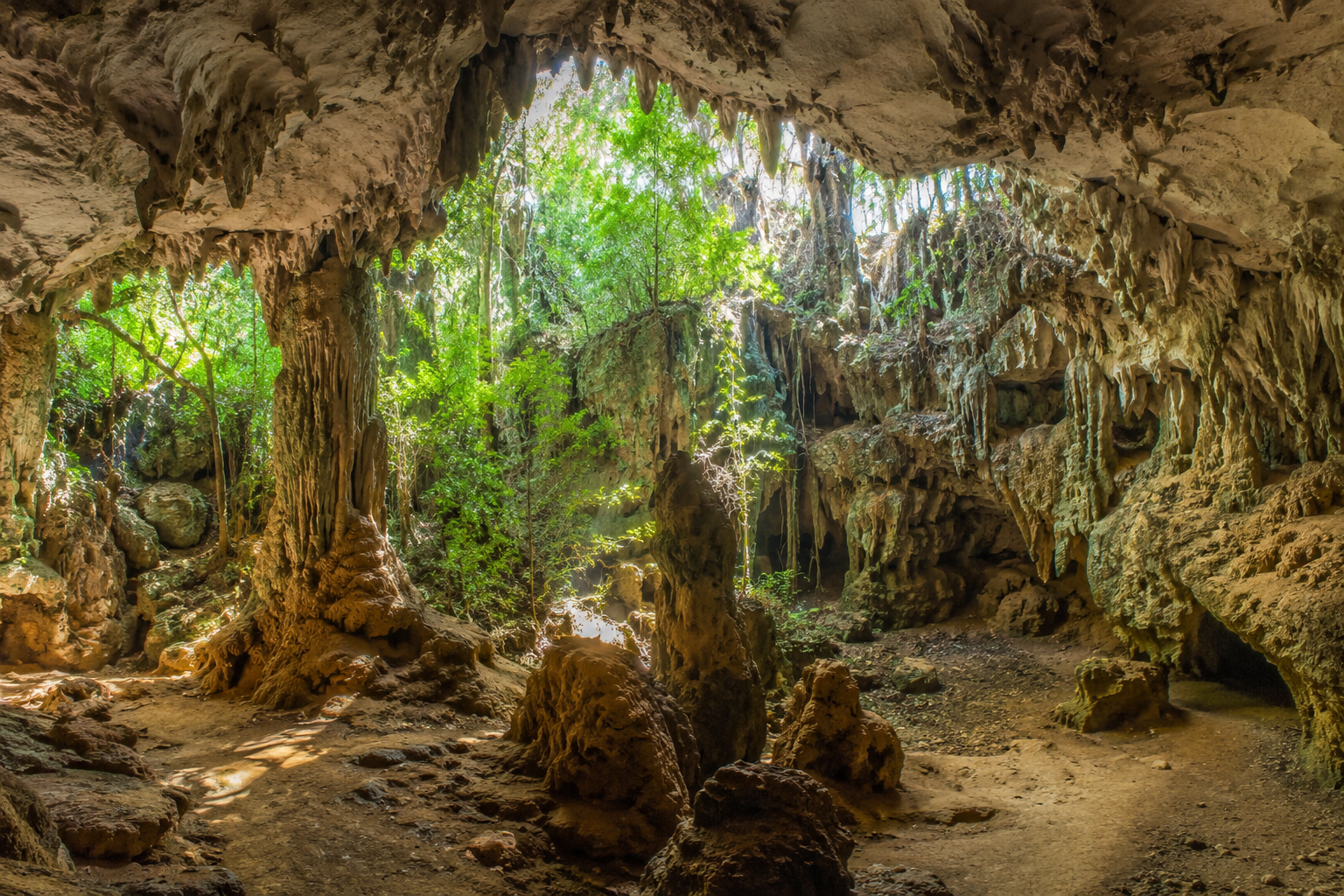
Amboni Caves Tanga is one of Tanzania’s most fascinating hidden attractions, offering visitors the chance to explore a vast limestone cave system filled with underground chambers, unique rock formations, local legends, and centuries of natural history. Located near the coastal city of Tanga, the caves provide a rare adventure away from Tanzania’s traditional safari routes. While many travellers associate Tanzania with Serengeti wildlife and Zanzibar beaches, the country also has remarkable geological treasures. Deep beneath the coastal forests near Tanga lies one of East Africa’s largest limestone cave networks. The Amboni Caves reveal a different side of Tanzania through: Ancient geological formations. Underground passages. Cultural stories. Coastal history. Local traditions. For travellers exploring northern Tanzania’s coastline, Amboni Caves Tanga offers an excellent cultural and nature-based experience. The caves can be combined with other attractions around Tanga, including coastal beaches, historical sites, and marine adventures. At Odysseys From Africa, we believe the best Tanzania journeys include both famous highlights and lesser-known destinations that reveal the country’s diversity. Where Are Amboni Caves Located? Amboni Caves are located approximately 8 kilometres northwest of Tanga City in northeastern Tanzania. The caves sit within a limestone landscape shaped over millions of years by natural geological processes. Their location makes them easy to access during a stay in Tanga. Visitors can combine a cave visit with: Tanga city tours. Coastal excursions. Historical sites. Beach experiences. Tanga itself is one of Tanzania’s oldest coastal towns, known for its Swahili heritage, colonial architecture, and connection to the Indian Ocean trade routes. For travellers looking beyond the usual northern circuit, the Tanga region offers a quieter and more authentic coastal experience. The History of Amboni Caves Tanga The history of Amboni Caves Tanga combines geology, local traditions, and colonial-era exploration. The caves were formed naturally over millions of years as water slowly dissolved limestone rock beneath the surface. Over time, this created: Large chambers. Narrow tunnels. Underground passages. Unique formations. During the colonial period, the caves attracted greater attention because of their geological importance and strategic location near Tanga. Local communities have also shared many stories and beliefs connected to the caves. These legends form an important part of the cultural experience when visiting Amboni. Why Amboni Caves Are Important Amboni Caves are considered one of East Africa’s most significant limestone cave systems because of their size, geological features, and cultural importance. The caves showcase how natural forces can transform landscapes over thousands of years. Visitors can observe: Limestone Formations Inside the caves are impressive formations created through mineral deposits. These include: Stalactites. Stalagmites. Rock columns. Natural sculptures. Each formation tells a story about the slow geological processes that shaped the underground environment. Underground Chambers The cave system contains multiple chambers connected by passages. Exploring these spaces gives visitors a sense of adventure and discovery. Natural History The caves provide insight into Tanzania’s geological past and the relationship between coastal landscapes and underground ecosystems. What to Expect During an Amboni Caves Tour An Amboni Caves Tanga tour is usually a guided experience where visitors explore accessible sections of the cave system while learning about its history and geology. A typical visit includes: Entrance briefing. Guided walk underground. Explanation of formations. Stories about local traditions. Photography opportunities. Visitors should expect: Uneven surfaces. Dark passages. Cooler underground temperatures. Comfortable shoes are recommended. Guides provide important information about safety and the history of the caves. The Legends and Stories of Amboni Caves One of the most fascinating aspects of Amboni Caves Tanga is the collection of local stories connected to the underground chambers. Across generations, communities around Tanga have shared beliefs about the caves. Some stories describe: Hidden spiritual places. Historic refuge areas. Mysterious underground locations. While these stories are part of local heritage rather than proven history, they add cultural depth to the experience. A visit to Amboni is not only a geological journey but also an opportunity to understand local traditions. Best Time to Visit Amboni Caves Tanga Amboni Caves can be visited throughout the year because the underground environment remains relatively stable regardless of weather conditions. However, the best time depends on your wider Tanzania itinerary. June to October This period offers: Dry weather. Comfortable coastal travel. Easier movement between attractions. It is a popular season for combining Tanga with safari destinations. November to March The warmer months provide excellent opportunities for: Coastal exploration. Beach extensions. Cultural tours. The surrounding landscapes are often greener after seasonal rains. April to May Although this is a wetter period, the caves remain accessible and can be a good option for travellers seeking fewer visitors. Combining Amboni Caves Tanga With a Tanzania Safari Amboni Caves Tanga can be included as part of a broader Tanzania adventure combining wildlife, culture, and coastal exploration. Possible combinations include: Serengeti National Park. Ngorongoro Crater. Tarangire National Park. Saadani National Park. Zanzibar. Travellers looking for a complete Tanzania journey can explore our Tanzania Explorer itinerary. For those focusing on the famous northern safari circuit, our Best of Northern Tanzania safari options can be combined with coastal extensions. Before planning your trip, visit our Travel Information guide for useful preparation advice. Conclusion Amboni Caves Tanga offers a fascinating journey beneath Tanzania’s coastline, combining natural history, geology, culture, and adventure in one unique experience. As one of East Africa’s most extensive limestone cave systems, the caves showcase impressive underground chambers, rock formations, and a landscape shaped over millions of years. A visit to Amboni is more than a cave tour. It is an opportunity to discover the stories, traditions, and heritage of the Tanga region while exploring one of Tanzania’s lesser-known attractions. The guided experience allows travellers to learn about the cave formations, local legends, and the important role the caves have played in surrounding communities. For travellers looking beyond the usual safari routes, adding Amboni Caves Tanga to a Tanzania itinerary creates a richer and more diverse journey. Combine it with Tanga’s coastal attractions, historical sites, wildlife destinations, or a beach extension for a memorable East African adventure….

Read More
Kitulo Plateau
Tanzania Travel Guides·

Kitulo Plateau Experiences | Tanzania’s Flower Paradise

Kitulo Plateau is one of Tanzania’s most unique natural destinations, famous for its breathtaking seasonal display of wildflowers, rare plant species, dramatic mountain scenery, and reputation as the “Serengeti of Flowers.” Located in the southern highlands between the Kipengere, Livingstone, and Poroto Mountains, the plateau offers a completely different experience from Tanzania’s famous wildlife safaris. While most visitors associate Tanzania with lions, elephants, and endless savannah plains, Kitulo reveals another side of the country. Here, the landscape transforms into a colourful botanical wonderland. During the rainy season, vast grasslands burst into bloom with: Orchids. Lilies. Geraniums. Asters. Wildflowers found nowhere else. For nature lovers, photographers, hikers, and travellers seeking destinations beyond the usual safari routes, Kitulo Plateau offers an extraordinary experience. The area is often described as Tanzania’s Garden of God because of its remarkable beauty and peaceful atmosphere. At Odysseys From Africa, we believe Tanzania’s greatest journeys include both iconic destinations and hidden landscapes that reveal the country’s incredible diversity. Where Is Kitulo Plateau Located? Kitulo Plateau is located in Tanzania’s southern highlands between Mbeya and Njombe regions, approximately 2,600 metres above sea level. The plateau forms part of Kitulo National Park, one of Tanzania’s newest national parks and the country’s first protected area established primarily for its botanical importance. Its remote location means fewer visitors compared with famous destinations such as: Serengeti National Park. Ngorongoro Crater. Tarangire National Park. However, this isolation is part of its charm. The journey to Kitulo takes travellers through spectacular highland scenery, including: Rolling hills. Mountain valleys. Tea plantations. Rural Tanzanian villages. Visitors often combine Kitulo with southern Tanzania adventures, including Ruaha National Park and the beautiful landscapes around Mbeya. Why Kitulo Plateau Is Called the Serengeti of Flowers Kitulo Plateau earned the nickname “Serengeti of Flowers” because of its extraordinary seasonal flower displays that cover the grasslands with vibrant colours. Unlike the famous Serengeti plains, which are known for wildlife migration, Kitulo’s attraction is its botanical diversity. The plateau contains hundreds of plant species, including many that are rare or endemic to Tanzania. During peak flowering months, visitors can experience: Fields covered with wildflowers. Mountain views stretching across the highlands. Fresh alpine air. Peaceful hiking trails. The scenery changes dramatically throughout the year, making every visit unique. The Best Time to Visit Kitulo Plateau The best time to visit Kitulo Plateau depends on whether you want to experience the famous flower season or enjoy quieter hiking conditions. November to April: Flower Season This is the most spectacular period. The rainy season transforms the plateau into a colourful landscape. Visitors can expect: Blooming orchids. Fresh green vegetation. Wildflower-covered valleys. Excellent photography opportunities. December to March is often considered the peak flowering period. May to October: Hiking Season The dry season offers: Clearer mountain views. Comfortable hiking conditions. Less rainfall. Easier trail access. Although fewer flowers may be visible, the landscapes remain impressive. The Botanical Wonders of Kitulo Plateau Kitulo Plateau is famous because of its exceptional plant diversity. The park contains one of the largest concentrations of alpine flowers in Africa. Visitors may encounter: Orchids Kitulo is especially famous for its orchid species. The plateau supports many native orchids that bloom during the rainy season. Wildflowers The grasslands display: Yellow flowers. Purple blooms. White floral carpets. Bright seasonal colours. Endemic Plants Some species found here exist only in the southern Tanzanian highlands. This makes Kitulo important for conservation and scientific research. Hiking and Walking Experiences in Kitulo Plateau Kitulo Plateau is one of Tanzania’s best destinations for travellers who enjoy walking, photography, and peaceful exploration. Unlike traditional safaris focused on vehicles, Kitulo is experienced on foot. Popular activities include: Nature Walks Visitors can explore: Flower-filled valleys. Open grasslands. Mountain viewpoints. Photography Walks The plateau offers incredible subjects: Wildflowers. Clouds over mountains. Highland landscapes. Local communities. Scenic Hiking Routes Popular hiking areas include trails around: Matema. Livingstone Mountains. Kitulo grasslands. Professional guides help visitors understand the ecology and history of the area. Wildlife You Can See Around Kitulo Plateau Although Kitulo is mainly famous for plants, the area also supports interesting wildlife. Visitors may encounter: Mountain reedbuck. Elusive antelope species. Small mammals. Various bird species. The birdlife is especially impressive. Common sightings include: Blue swallow. Mountain marsh widow. Denham’s bustard. Njombe cisticola. For birdwatchers, Kitulo is one of Tanzania’s most rewarding destinations. Kitulo Plateau Compared With Tanzania’s Classic Safaris Kitulo Plateau offers a completely different experience from Tanzania’s famous wildlife parks. Destination Main Attraction Serengeti Great Migration and predators Ngorongoro Crater wildlife viewing Tarangire Elephants and baobabs Kitulo Plateau Flowers, hiking and botanical diversity Travellers looking for a deeper Tanzania experience often combine traditional safaris with destinations like Kitulo. Combining Kitulo Plateau With a Tanzania Safari Kitulo Plateau can be included in a longer southern Tanzania itinerary alongside wilderness destinations and cultural experiences. Popular combinations include: Ruaha National Park. Mikumi National Park. Udzungwa Mountains. Mbeya highlands. Our Tanzania Explorer itineraries can be customised for travellers wanting a mix of wildlife, landscapes, and unique destinations. For visitors focusing on Tanzania’s northern safari circuit, our Best of Northern Tanzania options provide access to iconic destinations before extending the journey south. Before travelling, our Travel Information page provides helpful guidance on preparation, seasons, and planning your Tanzania adventure. Photography Tips for Kitulo Plateau Kitulo Plateau is one of Tanzania’s most rewarding destinations for photographers because its landscapes, flowers, and mountain scenery create images unlike anywhere else in the country. The plateau offers a completely different photographic experience from traditional safari destinations. Instead of capturing wildlife action, photographers focus on: Vast flower fields. Mountain landscapes. Changing weather. Highland communities. Rare plant species. Best Photography Seasons The rainy season between December and March provides the most dramatic colours. During this period, photographers can capture: Bright wildflower carpets. Morning mist. Fresh green landscapes. Dramatic cloud formations. The early morning and late afternoon provide the best natural light. Recommended Equipment Bring: Wide-angle lens for landscapes. Macro lens for flowers. Extra batteries. Waterproof camera protection. Tripod for sunrise and sunset photography….

Read More