Wild Adventures, Timeless Memories…

Odysseys From Africa

Travel Guides

Tarangire National Park green season
Travel Guides·

Tarangire National Park Green Season Secrets | Safari Guide

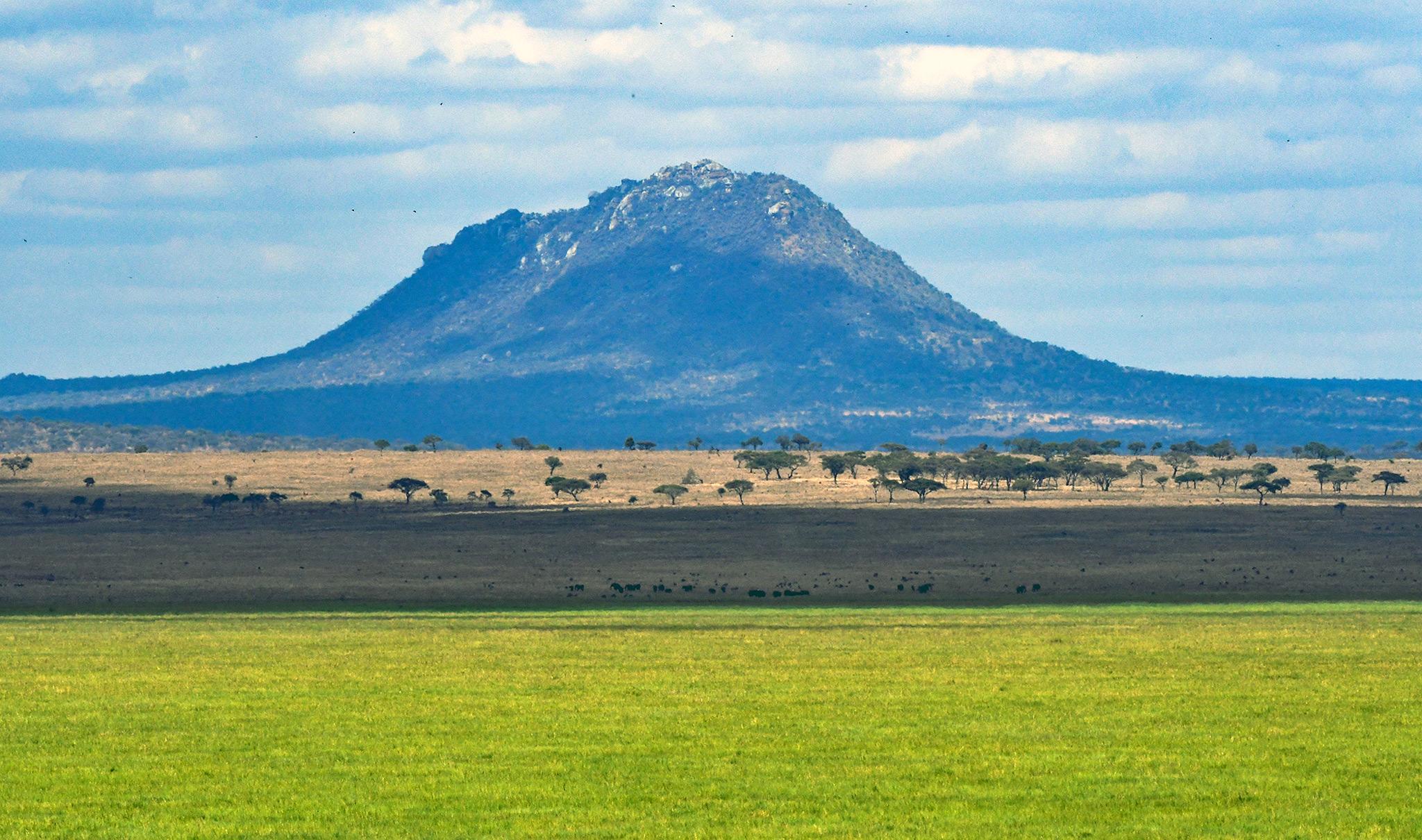
The Tarangire National Park green season transforms the park into a lush wildlife paradise from December to March. While elephant herds are more dispersed than during the dry season, visitors enjoy newborn animals, exceptional birdlife, beautiful landscapes, fewer vehicles, and excellent value for a luxury Tanzania safari. When most travelers begin planning a Tanzania safari holiday, they immediately focus on the famous dry season. They imagine dusty roads. Golden grasslands. Huge elephant herds gathering around shrinking rivers. While that experience is undoubtedly spectacular, it tells only part of Tarangire’s story. Visit during the Tarangire National Park green season, and you’ll discover an entirely different safari. Fresh rains awaken the landscape. Ancient baobab trees burst into leaf. The plains become emerald green. Seasonal flowers bloom. Thousands of migratory birds arrive from Europe and Asia. Perhaps most importantly, countless young animals begin taking their first steps across the savannah. Growing up in Arusha, our team has experienced Tarangire in every month of the year. Although the dry season attracts the largest crowds, December through March remains one of our favorite times to introduce travelers to this remarkable national park. The green season offers a quieter, more intimate safari where nature feels vibrant, alive, and constantly changing. What Is the Tarangire National Park Green Season? The Tarangire National Park green season generally runs from December through March, bringing seasonal rains that transform the park into a lush ecosystem filled with fresh vegetation, migratory birds, and newborn wildlife. Unlike the dry months, the green season is characterized by renewal. Rainfall encourages grasses to grow rapidly across the park. Trees become dense with fresh leaves. Seasonal wetlands fill with water. Wildlife spreads throughout the ecosystem rather than concentrating around permanent rivers. Although this means game viewing requires more exploration, it also creates a more natural safari experience. Visitors often enjoy: Fewer safari vehicles. Cooler temperatures. Cleaner air. Vibrant photography conditions. Excellent birdwatching. Active wildlife throughout the day. The atmosphere feels dramatically different from the busy dry season. Instead of dusty plains, travelers encounter landscapes bursting with color and life. Why Visit Tarangire During the Green Season? Travelers choosing the Tarangire National Park green season enjoy quieter game drives, lower accommodation rates, dramatic scenery, and remarkable wildlife experiences unavailable during the dry season. One of the biggest misconceptions about safari travel is that only the dry season is worthwhile. In reality, many experienced safari travelers deliberately choose the green season. The benefits are substantial. Fewer Visitors Game drives feel more exclusive. Instead of several safari vehicles gathering around every sighting, you may spend extended periods enjoying wildlife without interruption. This slower pace creates a more personal connection with nature. Beautiful Landscapes Tarangire becomes one of Tanzania’s most photogenic national parks. Rolling green hills. Flowering plains. Cloud-filled skies. Fresh vegetation. Every scene feels alive. Excellent Value Many luxury safari camps offer attractive seasonal rates between December and March. Travelers can often enjoy premium accommodation while spending less than during peak safari months. For visitors seeking a luxury safari without peak-season pricing, this period represents outstanding value. Wildlife During the Tarangire National Park Green Season Although wildlife spreads across the park after seasonal rains, visitors still enjoy excellent sightings of elephants, giraffes, zebras, predators, and countless newborn animals. The green season is all about new beginnings. Many herbivores give birth shortly after the rains arrive. This abundance of young animals naturally attracts predators, creating fascinating wildlife interactions. Guests commonly encounter: Elephant families. Giraffes. Zebras. Wildebeest. Impalas. Waterbuck. Warthogs. Buffalo. Lion prides remain active throughout the park, while leopards and cheetahs continue hunting in suitable habitats. Unlike the dry season, wildlife is less predictable. That unpredictability often makes every game drive feel like a genuine adventure. Baby Animals Everywhere December to March is one of the best times to witness newborn wildlife, making the Tarangire National Park green season especially rewarding for families and photographers. Young animals are one of the defining features of this season. Visitors frequently see: Elephant calves learning to use their trunks. Zebra foals staying close to their mothers. Wildebeest calves taking their first steps. Baby giraffes exploring open woodlands. Young antelope hiding in tall grasses. These early stages of life create unforgettable safari moments. For photographers, interactions between mothers and offspring often produce the most emotional wildlife images of the year. A Birdwatcher’s Paradise The Tarangire National Park green season is considered one of Tanzania’s finest birdwatching periods thanks to the arrival of migratory species and abundant breeding activity. Tarangire becomes a spectacular destination for bird enthusiasts during the rainy season. More than 500 bird species have been recorded in and around the park. Migratory birds arrive from: Europe. Asia. Northern Africa. Common sightings include: Yellow-collared lovebirds. Lilac-breasted rollers. Kori bustards. Secretary birds. Saddle-billed storks. African fish eagles. Grey crowned cranes. Bee-eaters. Hornbills. The lush environment also creates exceptional opportunities for bird photography, particularly during the soft morning light. Photography During the Green Season Photographers often prefer the Tarangire National Park green season because of vibrant colors, dramatic skies, newborn wildlife, and softer lighting conditions. While dry-season photography emphasizes dust and golden landscapes, the green season offers entirely different creative possibilities. Expect: Rich green vegetation. Reflective water surfaces. Storm clouds. Colorful sunsets. Fresh wildlife behavior. For a photographic safari, we recommend carrying: A 100–400mm telephoto lens for wildlife. A 24–70mm lens for environmental portraits. A 16–35mm wide-angle lens for landscapes. Rain protection for camera equipment. Spare batteries and memory cards. The constantly changing weather often rewards patient photographers with extraordinary lighting. Understanding the Weather During the Tarangire National Park Green Season The Tarangire National Park green season is characterized by warm temperatures, refreshing afternoon showers, and lush landscapes rather than continuous rainfall. Most game drives take place under pleasant conditions, with rain often falling for only short periods. One of the biggest myths about visiting Tanzania between December and March is that it rains all day. That simply isn’t the case. The green season is better described as a period of refreshing, seasonal…

Read More
Silale Swamp Tarangire
Travel Guides·

Silale Swamp Tarangire Wildlife Experiences | Elephant Safari Guide

Silale Swamp Tarangire is one of the most important wildlife habitats in Tarangire National Park, attracting thousands of animals during the dry season. Between July and October, elephants, buffalo, zebras, wildebeest, lions, and countless bird species gather around this permanent wetland, making it one of Tanzania’s finest safari destinations. While many travelers visit Tarangire National Park for its famous baobab trees and enormous elephant population, few realize that the park’s true wildlife hotspot is Silale Swamp Tarangire. Stretching across the heart of the park, this vast seasonal wetland becomes a lifeline when much of northern Tanzania begins to dry out. As rivers shrink and temporary waterholes disappear, wildlife moves steadily toward Silale Swamp. The result is one of East Africa’s most spectacular concentrations of animals. Large elephant families arrive from surrounding ecosystems. Buffalo gather in impressive numbers. Predators follow closely behind. For photographers and wildlife enthusiasts, few places offer such reliable viewing opportunities. Growing up in Arusha, our team has visited Tarangire countless times throughout the seasons. One lesson remains constant—if you want to understand why Tarangire is considered one of Tanzania’s hidden safari gems, spend time at Silale Swamp. Why Silale Swamp Tarangire Is So Important Silale Swamp provides permanent water and fresh vegetation during the dry season, making it one of the most critical ecosystems within Tarangire National Park. Without it, wildlife concentrations in the park would be dramatically lower. Unlike temporary waterholes that disappear after the rains, Silale Swamp retains moisture throughout much of the year. This dependable water source supports: Massive elephant herds. Buffalo. Zebra. Wildebeest. Impala. Waterbuck. Warthogs. Numerous bird species. As prey animals gather, predators naturally follow. Visitors often encounter: Lions. Leopards. Cheetahs. Hyenas. Jackals. This natural cycle creates exceptional wildlife viewing, especially during the peak dry season. The Famous Elephant Herds of Silale Swamp Silale Swamp Tarangire is internationally renowned for its enormous elephant population. Hundreds of elephants can sometimes be seen around the swamp during a single game drive. Tarangire National Park supports one of East Africa’s largest elephant populations. During the dry months, these magnificent animals converge around Silale Swamp in remarkable numbers. Guests frequently witness: Family groups crossing open plains. Young calves playing in muddy pools. Older bulls feeding peacefully. Herds drinking together. Watching elephants interact socially is one of the highlights of any Tanzania safari holiday. Experienced guides often stop for extended periods, allowing visitors to observe complex behaviors including communication, play, and protective family interactions. Why Elephants Prefer Silale Swamp Silale Swamp provides reliable water, mineral-rich vegetation, shade, and open visibility, making it an ideal habitat for elephants throughout the dry season. Elephants require enormous quantities of food and water every day. Silale Swamp provides both. Fresh vegetation grows around the swamp long after surrounding grasslands have dried. The soft soils also contain minerals that elephants seek as part of their natural diet. For photographers, this creates extraordinary opportunities to capture: Mud-covered elephants. Family interactions. Drinking behavior. Dust bathing. Sunset silhouettes. A technical recommendation from our photographic safari guides: Carry a 100–400mm telephoto lens for intimate wildlife portraits and a 24–70mm lens for wider environmental images showing elephants among Tarangire’s iconic baobab trees. Wildlife Beyond the Elephants Although elephants are the stars of Silale Swamp Tarangire, the area also attracts buffalo, giraffes, zebras, wildebeest, predators, and an impressive variety of birdlife. The abundance of herbivores creates a thriving ecosystem. Guests regularly encounter: African Buffalo Large buffalo herds graze around the swamp throughout the dry season. Their presence also attracts lions, making predator sightings more likely. Zebras and Wildebeest These migratory herbivores arrive in impressive numbers as grazing opportunities become limited elsewhere. Watching hundreds of animals spread across the plains creates unforgettable safari scenes. Giraffes Masai giraffes browse acacia trees surrounding the swamp, providing excellent photographic subjects against Tarangire’s dramatic landscape. Lions Tarangire’s lion prides often patrol the swamp in search of prey. Although sightings can never be guaranteed, patience often rewards visitors with exciting predator encounters. Birdwatching at Silale Swamp Silale Swamp is one of the best birdwatching locations in Tarangire National Park, attracting both resident and migratory species throughout the year. Bird enthusiasts will find remarkable diversity here. Common sightings include: Saddle-billed storks. Yellow-billed storks. African fish eagles. Grey crowned cranes. Secretary birds. Kori bustards. Hornbills. Kingfishers. Bee-eaters. During the green season, migratory birds further increase the area’s incredible biodiversity. For wildlife photographers, early morning provides the best combination of lighting and bird activity. Best Time to Visit Silale Swamp Tarangire The best time to visit Silale Swamp Tarangire is from July to October when wildlife gathers around the remaining water sources, creating some of Tanzania’s finest game-viewing opportunities. Each season offers a unique safari experience. Dry Season (July–October) Highlights include: Massive elephant herds. Excellent predator sightings. Easier wildlife viewing. Clear skies. Superb photography. Green Season (November–May) Visitors enjoy: Lush scenery. Migratory birds. Young animals. Fewer vehicles. Beautiful landscapes. Although wildlife disperses during the rainy months, the scenery becomes especially attractive for photographers seeking dramatic colors and reflections. Including Silale Swamp in Your Northern Tanzania Safari Silale Swamp Tarangire is best explored as part of a Northern Circuit safari, combining perfectly with the Serengeti, Ngorongoro Crater, and Lake Manyara. One of the advantages of visiting Tarangire is its proximity to Tanzania’s other iconic destinations. Popular itineraries include: Best of Northern Tanzania for a classic wildlife adventure. Serengeti and Ngorongoro for the country’s most famous safari highlights. Tanzania Explorer for travelers seeking a more comprehensive experience. Combining these destinations allows visitors to experience the full diversity of northern Tanzania’s remarkable ecosystems. Luxury Safari Experiences Around Silale Swamp Tarangire Exploring Silale Swamp Tarangire doesn’t mean compromising on comfort. Luxury safari camps surrounding Tarangire National Park offer exceptional accommodation, fine dining, expert guiding, and exclusive wildlife experiences close to one of the park’s richest ecosystems. One of the reasons Tarangire has become increasingly popular with discerning travelers is the quality of its safari lodges and tented camps. Unlike some parks where accommodations are concentrated in one area, Tarangire offers…

Read More
Nasera Rock
Travel Guides·

Nasera Rock and Gol Mountains | Remote Ngorongoro Safari

Nasera Rock is one of the most remote and fascinating landscapes in northern Tanzania, rising dramatically from the wild Gol Mountains east of the Serengeti. It offers adventurous travelers an untouched safari experience far away from the crowds. Most travelers visiting the Ngorongoro Conservation Area follow the famous routes toward the Ngorongoro Crater, Olduvai Gorge, and Serengeti plains. Few continue deeper into the eastern wilderness. Beyond the better-known safari routes lies Nasera Rock, a striking granite formation located among the remote Gol Mountains. This is a landscape defined by silence, ancient geology, wildlife corridors, and a feeling of genuine exploration. For travelers searching for a more exclusive Tanzania safari holiday, Nasera Rock represents the kind of destination where the journey itself becomes part of the adventure. There are no large crowds. There are no busy viewpoints. There is simply wilderness. The dramatic rock formation rises above open grasslands where Maasai communities have lived for generations and where wildlife continues to move through ancient migration routes. At Odysseys From Africa, we specialize in helping travelers discover the lesser-known corners of Tanzania. Growing up in Arusha, our team knows that some of the most meaningful safari experiences happen away from the busiest locations. Nasera Rock is one of those rare places. What Makes Nasera Rock Special? Nasera Rock is special because it combines ancient landscapes, archaeological importance, wildlife viewing, and complete wilderness isolation. It offers a safari experience that feels untouched and authentic. Unlike the famous destinations that appear on most first-time safari itineraries, Nasera Rock offers something different. It is not about ticking off a list of attractions. It is about discovery. The landscape around Nasera Rock features: Ancient granite formations. Open grasslands. Remote valleys. Seasonal wildlife habitats. Traditional Maasai landscapes. Dramatic photographic opportunities. The area provides a sense of connection to the original spirit of African exploration. Travelers who visit Nasera Rock often describe the experience as stepping into another era. The absence of crowds allows guests to enjoy longer wildlife encounters, peaceful landscapes, and uninterrupted photography opportunities. The Geological Wonder of Nasera Rock Nasera Rock is a remarkable natural formation created through ancient geological processes, standing as a dramatic landmark within the Gol Mountains wilderness. The rock itself is one of the defining features of this remote region. Rising above the surrounding plains, Nasera Rock creates a powerful contrast between stone and open savannah. For photographers, the landscape provides endless opportunities: Sunrise silhouettes. Wide-angle landscape images. Wildlife against dramatic backgrounds. Golden-hour photography. Star photography. A technical tip for photographers visiting Nasera Rock: For a photographic safari in this region, we recommend carrying a versatile lens setup. A 100–400mm lens is ideal for capturing distant wildlife, while a 16–35mm wide-angle lens helps capture the scale of the landscape and the dramatic relationship between wildlife and the rock formations. Because the area is remote and lighting conditions change quickly, photographers should also carry: Spare batteries. Multiple memory cards. Lens cleaning equipment. A lightweight tripod for sunrise and sunset photography. The wilderness setting makes Nasera Rock especially rewarding for travelers who enjoy photography beyond traditional safari scenes. Nasera Rock and the Ancient History of Ngorongoro Nasera Rock is not only a natural landmark but also an important area connected to the ancient human history and archaeology of northern Tanzania. The Ngorongoro Conservation Area is recognized worldwide for its connection to human evolution and ancient cultures. While many visitors explore Olduvai Gorge, the wider region contains numerous archaeological sites revealing thousands of years of human history. The landscapes surrounding Nasera Rock have long been significant to local communities and researchers. The area reflects the deep relationship between: People. Wildlife. Land. Ancient migration routes. Traveling through this region provides a deeper understanding of Tanzania beyond wildlife viewing alone. It becomes a journey through both natural and human history. Wildlife Around Nasera Rock and the Gol Mountains The Gol Mountains provide important habitat for wildlife moving between the Serengeti ecosystem and Ngorongoro landscapes, offering rare opportunities for exclusive wildlife encounters. Although Nasera Rock is not visited primarily for high-density game viewing like the central Serengeti, the surrounding ecosystem supports diverse wildlife. Possible sightings include: Elephants. Giraffes. Zebras. Wildebeest. Gazelles. Hyenas. Jackals. Lions. Bird species adapted to open landscapes. The remote nature of the region means sightings often feel incredibly personal. Instead of watching wildlife alongside many vehicles, guests may spend hours observing animals with complete privacy. This is one of the greatest advantages of exploring lesser-known safari destinations. Adding Nasera Rock to a Tanzania Safari Itinerary Nasera Rock works best as an extension to a northern Tanzania safari, combining perfectly with Serengeti, Ngorongoro, and other iconic destinations. Most travelers include Nasera Rock as part of a longer northern Tanzania adventure. Popular combinations include: Serengeti and Ngorongoro Extension Guests can combine the remote Gol Mountains with classic safari highlights through our Serengeti and Ngorongoro itinerary. This allows travelers to experience: The Ngorongoro Crater. Serengeti wildlife viewing. Remote wilderness landscapes. Cultural experiences. Northern Tanzania Explorer For travelers wanting a broader journey, our Tanzania Explorer itinerary provides a comprehensive adventure covering multiple regions. Customized Safari Packages Every traveler has different interests. Some prefer luxury lodges. Others want photography-focused experiences. Some seek remote landscapes like Nasera Rock. Our customized Safari Destinations help guests discover Tanzania according to their preferred travel style. Best Time to Visit Nasera Rock and the Gol Mountains Nasera Rock can be visited throughout the year, but the dry season from June to October offers excellent wildlife viewing, while the green season from November to May provides dramatic landscapes, birdlife, and beautiful photography conditions. The remote nature of Nasera Rock means every season creates a different experience. Unlike some destinations that have a single peak period, the Gol Mountains reveal different highlights throughout the year. Dry Season: June to October The dry season is ideal for travelers seeking easier wildlife viewing, clearer skies, and comfortable safari conditions around Nasera Rock. During the dry months: Wildlife gathers around remaining water sources. Grass becomes shorter, improving visibility….

Read More