
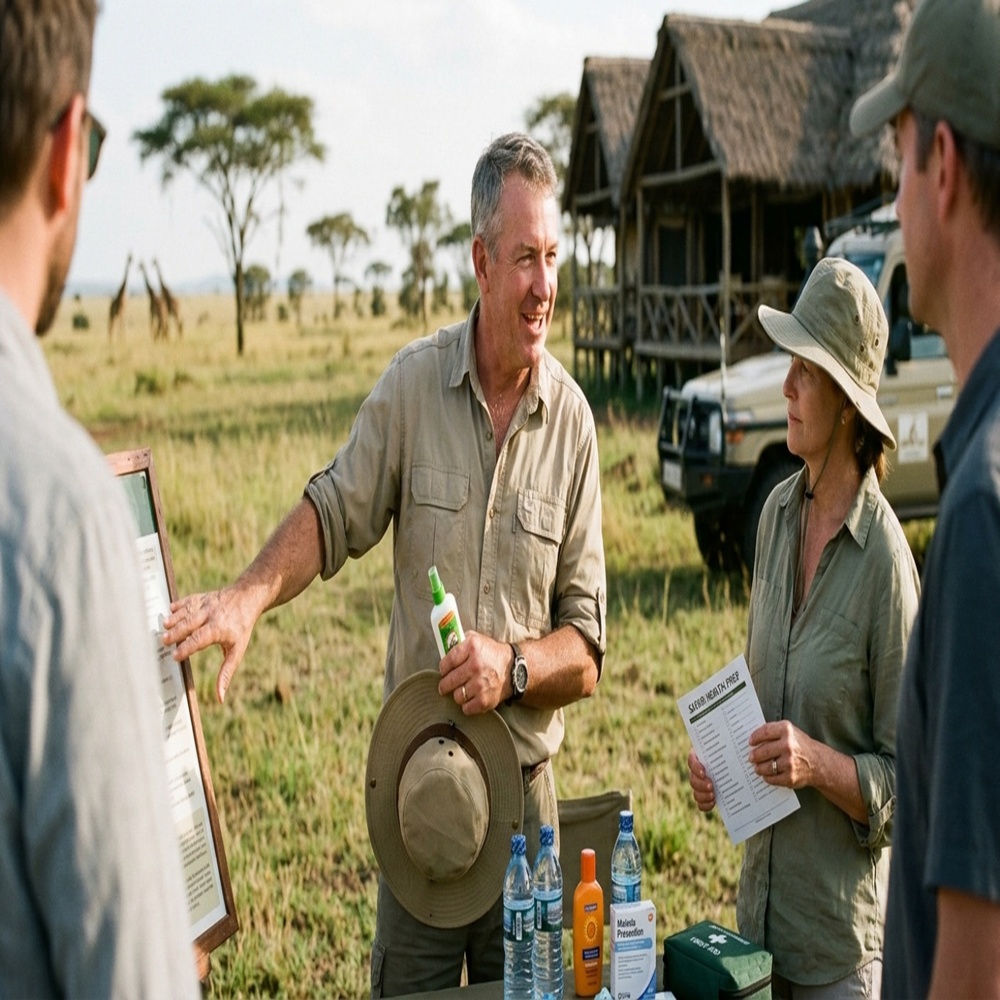
7 Essential Safari Health Tips for US Travelers
Why Safari Health Preparation Matters A safari in Africa is one of the most exciting travel experiences available to US travelers. From the Serengeti plains to the Ngorongoro Crater and the wider East African wilderness, it offers unforgettable wildlife encounters and landscapes. However, these destinations are often remote, with limited access to hospitals and medical services. That is why safari health tips for US travelers are essential when planning a safe and enjoyable journey. At Odysseys From Africa in Arusha, Tanzania, we work daily with international guests and understand the real conditions on safari—long driving distances, heat, dust, and remote wilderness settings. Proper preparation ensures travelers focus on the experience, not health concerns. Safari Health Tips for US Travelers: Vaccinations and Prevention Vaccinations are one of the first steps in preparing for an African safari. Recommended vaccinations: Yellow fever (required for some routes) Hepatitis A and B Typhoid Tetanus and diphtheria boosters Rabies (recommended for remote travel) Understanding these safari health tips for US travelers helps reduce preventable health risks before entering Africa. Important note Vaccination requirements may vary depending on your flight route and transit countries, not just your final destination. A travel clinic visit at least 4–6 weeks before departure is strongly recommended. Malaria Prevention in African Safari Regions One of the most important safari health tips for US travelers is malaria prevention. Malaria exists in many safari regions, including parts of Tanzania and Kenya. While safari lodges maintain high standards, prevention remains essential. Prevention measures: Take prescribed anti-malarial medication Use insect repellent (DEET-based) Wear long sleeves in the evening Sleep under mosquito nets provided by lodges Even on a luxury safari, protection against mosquito-borne illness is necessary due to natural environments. Hydration and Safari Travel Conditions African safaris often involve long days outdoors under the sun, making hydration critical. Hydration guidelines: Drink bottled or filtered water regularly Carry a reusable water bottle Use electrolytes during long game drives Avoid excessive caffeine or alcohol during the day One of the most overlooked safari health tips for US travelers is maintaining proper hydration during full-day wildlife excursions. Food Safety During Your Safari Food safety in established safari lodges is generally very high, but basic precautions are still important. Safe practices: Eat freshly prepared lodge meals Avoid street food outside safari areas Wash hands or use sanitizer before meals Drink sealed bottled water only Most safari itineraries include professionally prepared meals, but awareness is still part of good travel health practice. Altitude and Physical Adjustment Some safari destinations, such as Ngorongoro Crater rim, are at higher elevations and may affect sensitive travelers. Possible effects: Mild fatigue Slight shortness of breath Temporary headaches Adjustment tips: Take your first day slowly Stay well hydrated Avoid overexertion on arrival Well-designed itineraries like the Serengeti and Ngorongoro safari allow gradual acclimatization. Travel Insurance and Medical Evacuation Travel insurance is one of the most critical safari health tips for US travelers. Why it matters: Covers emergency medical treatment Includes evacuation from remote safari areas Protects against trip interruptions Provides emergency coordination support In remote parks like the Serengeti, evacuation may require small aircraft transport to Arusha or Nairobi. Without insurance, costs can be extremely high. For example, itineraries such as the Migration Crossing Safari operate in very remote wilderness zones. Packing a Safari Health Kit A personal health kit improves comfort and safety during travel. Recommended items: Pain relievers (ibuprofen or acetaminophen) Antihistamines for allergies Antiseptic wipes Hand sanitizer Motion sickness tablets Prescription medications (with copies) For long game drives, motion sickness tablets can be especially useful. Understanding Safari Health Risks A safari is generally safe when properly planned, but it is different from city travel. Key considerations: Heat and environmental exposure Distance from medical facilities Long travel days and fatigue Minor outdoor-related risks These are the main reasons safari health tips for US travelers are so important before departure. At Odysseys From Africa, we design itineraries that balance comfort and adventure to minimize risk while maximizing experience. Why US Travelers Need Extra Preparation US travelers often take long-haul flights with multiple connections such as: JFK → Doha → Kilimanjaro LAX → Amsterdam → Nairobi These journeys can cause: Jet lag Dehydration Travel fatigue We recommend arriving at least one day before your safari begins to allow proper recovery. For combined itineraries like Short Zanzibar or Best of Zanzibar, recovery time is even more important. Local Insight from Arusha, Tanzania Based in Arusha, the gateway to Tanzania’s northern safari circuit, our team has firsthand experience with safari travel conditions. Travelers who follow proper safari health tips for US travelers consistently: Experience smoother game drives Adjust faster to climate changes Stay healthier throughout their journey Enjoy more time in wildlife areas Preparation directly improves both safety and enjoyment. Final Thoughts: Safe Preparation Enhances Every Safari Following these safari health tips for US travelers ensures a safe, comfortable, and rewarding African safari experience. A safari is a once-in-a-lifetime journey. With proper preparation, travelers can fully enjoy wildlife, landscapes, and unforgettable moments without unnecessary health concerns. Plan Your African Safari Experience Request a Custom Safari Proposal or Plan Your African Safari Journey. Location: Arusha, Tanzania Email: info@odysseys-from-africa.com Phone: +254 (0) 710 450 797 | +255 (0) 652 810 255 Website: https://odysseys-from-africa.com/
Read More