Wild Adventures, Timeless Memories…

Odysseys From Africa

Zanzibar Travel Guides

Nungwi and Kendwa beaches
Zanzibar Travel Guides·

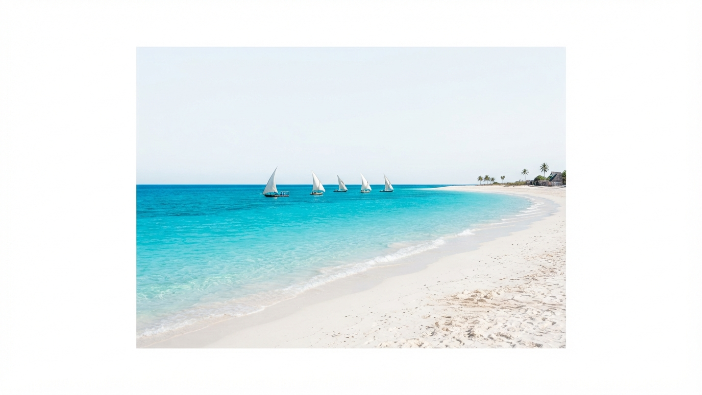
Nungwi and Kendwa Beaches: Zanzibar’s Ultimate North Coast Escape

Discover the Beauty of Nungwi and Kendwa Beaches Nungwi and Kendwa beaches are among Zanzibar’s most famous coastal destinations, offering crystal-clear Indian Ocean waters, soft white sands, and swimming conditions that remain accessible throughout the day. Located on Zanzibar’s northern tip, these beaches provide the perfect combination of relaxation, adventure, and luxury island experiences. For travellers planning a Tanzania safari holiday, adding time at Nungwi and Kendwa beaches creates an ideal contrast between wildlife adventures and tropical coastal relaxation. After exploring the Serengeti, Ngorongoro Crater, or northern Tanzania’s landscapes, the calm waters and vibrant culture of Zanzibar offer a memorable continuation of the journey. Unlike many tropical beaches where dramatic tides affect swimming opportunities, the northern coastline of Zanzibar is famous for its year-round ocean access. This makes Nungwi and Kendwa beaches especially appealing for honeymooners, families, photographers, and travellers seeking a premium Indian Ocean escape. With local Tanzanian expertise, Odysseys From Africa creates personalised Zanzibar itineraries that combine beach relaxation with cultural experiences, island exploration, and unforgettable safari extensions. Why Nungwi and Kendwa Beaches Are Zanzibar’s Most Popular North Coast Destinations Nungwi and Kendwa beaches are popular because they combine beautiful beaches, reliable swimming conditions, luxury accommodation, and authentic Zanzibar experiences. These northern coastal destinations offer travellers the perfect balance between relaxation, marine activities, and island culture. Located at the northern tip of Zanzibar Island, these beaches have developed into some of East Africa’s most desirable beach destinations. The appeal comes from several unique features: Warm turquoise waters Powder-soft white sand Stunning sunsets over the Indian Ocean Year-round swimming opportunities Traditional dhow sailing experiences Seafood restaurants Boutique hotels and luxury resorts Easy access to marine adventures For many international visitors, the biggest attraction is the ocean itself. The northern coastline experiences less dramatic tidal changes compared with other parts of Zanzibar, meaning visitors can enjoy swimming, snorkelling, and water activities throughout much of the day. This makes Nungwi and Kendwa beaches particularly attractive for travellers who want a classic island experience without having to plan activities around changing tides. For US travellers combining Zanzibar with mainland adventures, the beaches provide a relaxing conclusion after an active safari itinerary. Odysseys From Africa can help create a seamless journey combining wildlife and coastal experiences through options such as Zanzibar travel experiences and wider Tanzania safari destinations. Nungwi and Kendwa Beaches Compared: Choosing the Right Zanzibar Experience Nungwi and Kendwa beaches offer different experiences despite being located close together on Zanzibar’s northern coastline. Nungwi provides a lively atmosphere with cultural attractions and marine activities, while Kendwa offers a more relaxed luxury beach environment. Choosing between these two destinations depends on the type of holiday experience you want. Nungwi Beach Zanzibar: Culture, Activities and Local Life Nungwi is one of Zanzibar’s most developed coastal villages and offers visitors a mixture of tourism, tradition, and local culture. The area is famous for: Traditional dhow boat building Fishing communities Marine conservation projects Sunset cruises Restaurants and beach cafés Diving centres A walk through Nungwi provides a glimpse into everyday island life. Visitors can see craftsmen building wooden dhows using traditional techniques that have existed along the Swahili Coast for generations. The village atmosphere makes Nungwi appealing for travellers who want more than a resort experience. Couples and families often enjoy the combination of beach relaxation and accessible activities. A morning can be spent swimming in the Indian Ocean, followed by an afternoon exploring local markets or joining a sunset dhow cruise. Kendwa Beach Zanzibar: Peaceful Luxury and Sunset Views Kendwa is known for its spacious beach, calm waters, and relaxed atmosphere. Compared with Nungwi, Kendwa often feels quieter and more focused on beachfront relaxation. The area is ideal for: Honeymoon travellers Luxury beach holidays Romantic escapes Travellers seeking tranquillity Sunset photography One of Kendwa’s biggest attractions is its famous sunset view. Because the beach faces west, visitors can watch the sun disappear directly over the Indian Ocean. For travellers looking for a peaceful ending to a luxury Tanzania itinerary, Kendwa provides an unforgettable setting. Activities Around Nungwi and Kendwa Beaches Beyond Sunbathing Nungwi and Kendwa beaches offer far more than traditional beach relaxation, with activities including snorkelling, diving, sailing, cultural tours, and marine conservation experiences. These coastal destinations allow visitors to experience Zanzibar’s ocean environment and island traditions. While many travellers arrive for the beaches, the surrounding experiences make the northern coast truly special. Traditional Dhow Sailing A dhow cruise is one of the most iconic Zanzibar experiences. These traditional wooden sailing boats have been part of Indian Ocean culture for centuries. A sunset dhow journey allows visitors to: Watch the coastline from the water Enjoy ocean views Experience traditional sailing Capture stunning photographs The experience connects modern travellers with Zanzibar’s maritime heritage. Snorkelling and Diving Adventures The waters surrounding Nungwi and Kendwa beaches are ideal for marine exploration. Visitors can discover: Coral gardens Tropical fish Sea turtles Colourful reef ecosystems Nearby marine locations provide opportunities for both beginners and experienced divers. For photographers, underwater experiences create unique opportunities to capture Zanzibar’s hidden marine world. Turtle Conservation Experiences Nungwi is home to marine conservation initiatives where visitors can learn about efforts to protect sea turtles. These experiences are especially valuable for families because they combine education with responsible tourism. Travellers gain a deeper understanding of Zanzibar’s environmental challenges and conservation work. Nungwi and Kendwa Beaches for Luxury Holidays, Honeymoons and Families Nungwi and Kendwa beaches suit different types of travellers because they combine comfort, natural beauty, and flexible experiences. Couples, families, and luxury travellers can all find personalised ways to enjoy Zanzibar’s northern coastline. Honeymoon Experiences For couples, Nungwi and Kendwa beaches provide an ideal romantic setting. Popular honeymoon experiences include: Private beach dinners Sunset dhow cruises Ocean-view accommodation Spa treatments Island excursions The peaceful surroundings and warm tropical climate make northern Zanzibar a favourite honeymoon destination. Family-Friendly Zanzibar Holidays Families appreciate these beaches because of their calm waters and range of activities. Children can enjoy: Swimming Beach games Boat trips Marine experiences Cultural…

Read More
Bagamoyo historic town
Zanzibar Travel Guides·

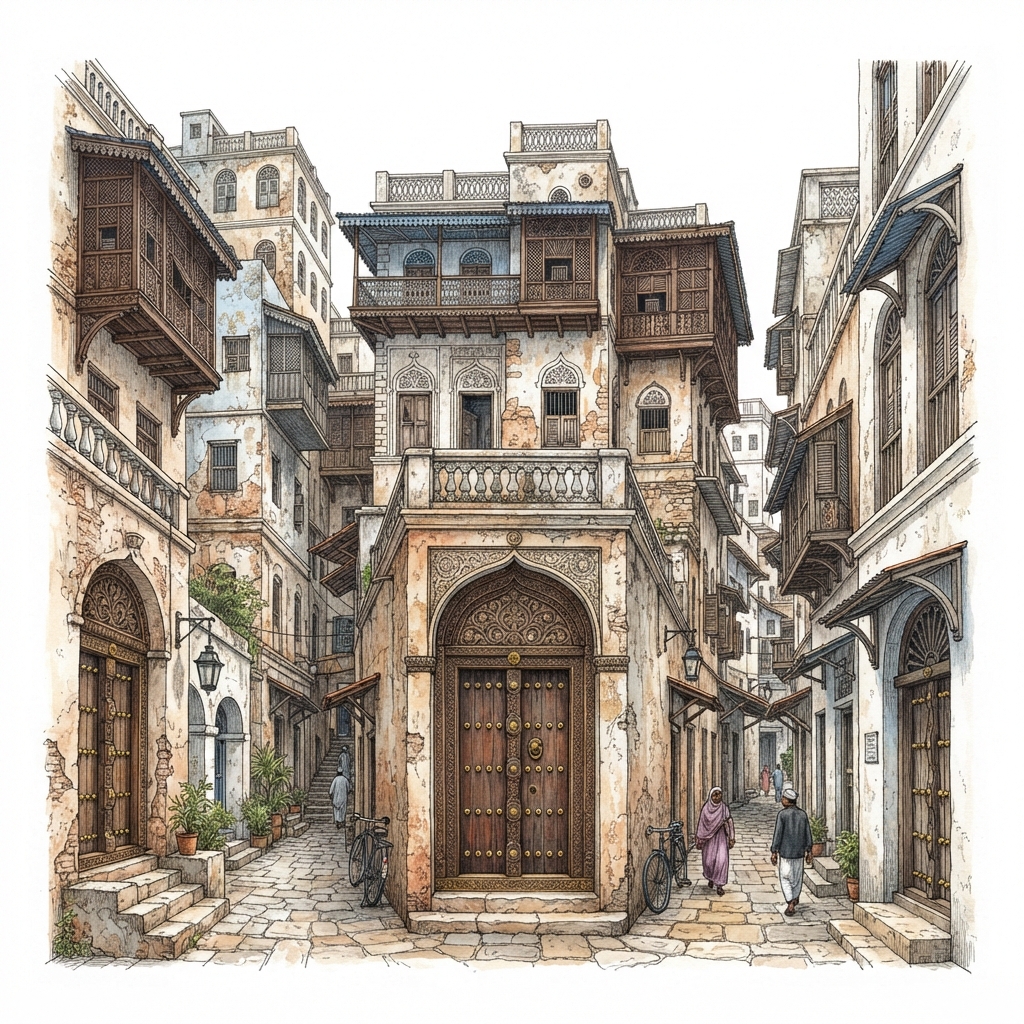
Stone Town Zanzibar: The Ultimate UNESCO Heritage Walking Guide

Discover the Living History of Stone Town Zanzibar Stone Town Zanzibar is the historic heart of Zanzibar Island, offering travellers a unique blend of Swahili culture, Indian Ocean heritage, carved wooden doors, and UNESCO-listed architecture. A slow walking journey through Stone Town Zanzibar reveals centuries of trade, storytelling, and coastal traditions that define this remarkable destination. For travellers planning a Tanzania safari holiday, adding a cultural extension to Zanzibar provides the perfect contrast between wildlife adventures and island exploration. After experiencing destinations such as Serengeti, Ngorongoro Crater, or Tarangire, the narrow streets and ocean views of Stone Town Zanzibar offer a different kind of discovery. Unlike a typical beach destination, Stone Town is a place where history remains part of everyday life. Residents still move through ancient alleyways, fishermen prepare traditional boats along the waterfront, and merchants sell spices, fabrics, and handmade crafts in markets that have served generations. For US travellers seeking an authentic African journey, Stone Town Zanzibar delivers a rare combination of luxury, heritage, and cultural immersion. With local Tanzanian expertise, Odysseys From Africa helps travellers create personalised itineraries that connect Zanzibar’s history with mainland safaris and coastal adventures. Why Stone Town Zanzibar Is a Must-Visit UNESCO Heritage Destination Stone Town Zanzibar is recognised as a UNESCO World Heritage Site because of its exceptional Swahili architecture, historic buildings, and cultural importance as an Indian Ocean trading centre. Visitors experience a living museum where African, Arab, Indian, and European influences meet. Located on the western coast of Zanzibar Island, Stone Town developed over centuries as a major port connecting East Africa with Arabia, Persia, India, and beyond. The town’s importance came from its position along Indian Ocean trade routes. Merchants exchanged: Spices Ivory Textiles Timber Precious goods These connections created the multicultural identity that defines Zanzibar today. Walking through Stone Town Zanzibar feels different from visiting a traditional museum. The history is not separated behind glass displays; it appears in: Coral stone buildings Ornate balconies Traditional wooden doors Mosques and religious buildings Coastal marketplaces Family-owned shops Every street has a story. For visitors arriving after a safari experience, Stone Town provides an opportunity to understand the cultural background of the communities surrounding Tanzania’s famous national parks. Travellers can combine their island experience with tailored itineraries such as the short Zanzibar holiday experience or explore wider island options through Zanzibar destination experiences. Stone Town Zanzibar Walking Tour: Exploring the UNESCO Maze A Stone Town Zanzibar walking tour is the best way to experience the city because the narrow streets, hidden courtyards, and historic landmarks reveal their stories slowly. The town is designed for exploration on foot, allowing travellers to discover details that are easily missed from a vehicle. The streets of Stone Town Zanzibar form a fascinating maze of small passages, market lanes, and historic buildings. Unlike modern cities with wide roads and planned neighbourhoods, Stone Town developed organically around trade, community life, and coastal geography. A guided walk usually includes some of the town’s most important landmarks. The House of Wonders One of Stone Town’s most recognisable buildings, the House of Wonders reflects Zanzibar’s historic connection with innovation and international trade. Its impressive architecture once represented modern technology and royal influence in East Africa. Although restoration projects have affected access over different periods, the building remains an important symbol of Zanzibar’s heritage. The Old Fort Built in the late 17th century, the Old Fort is one of the oldest surviving structures in Stone Town Zanzibar. Today, the area functions as a cultural gathering space where visitors can experience: Local performances Art exhibitions Cultural events Traditional crafts Its thick stone walls provide a reminder of Zanzibar’s complex history of power and influence. Forodhani Gardens A visit to Stone Town Zanzibar is incomplete without experiencing Forodhani Gardens. Located along the waterfront, this popular evening meeting place transforms after sunset into a lively food destination. Visitors can enjoy: Fresh seafood Zanzibar pizza Sugar cane juice Traditional Swahili dishes Forodhani is more than a food market; it represents the social culture of Zanzibar, where families, travellers, and local residents gather together. Stone Town Zanzibar Carved Doors: Stories Hidden in Wood The carved doors of Stone Town Zanzibar are among the city’s most distinctive cultural features, reflecting centuries of Swahili, Arab, and Indian craftsmanship. Each door contains details that reveal the wealth, identity, and history of the families who built these traditional homes. The famous Zanzibar doors are not simply decorative entrances. They are architectural records. Traditional doors often include: Intricate wooden carvings Brass studs Floral patterns Geometric designs Cultural symbols Different styles developed from the communities that influenced Zanzibar. Indian Influence on Zanzibar Doors Many wealthy Indian merchants built homes with large wooden doors featuring detailed carvings and brass decorations. These doors represented: Prosperity Family status Artistic achievement Arab Influence on Zanzibar Architecture Arab-influenced doors often feature rounded designs and elaborate patterns connected to traditional Islamic architecture. The craftsmanship demonstrates the importance of skilled woodworkers throughout Zanzibar’s history. Why Travellers Should Photograph Stone Town Doors For photographers, Stone Town Zanzibar is one of East Africa’s most rewarding destinations. The best photography opportunities include: Early morning street scenes Door details in soft sunlight Local markets Waterfront views Traditional dhow boats A quality camera with a versatile lens allows visitors to capture both architectural details and everyday life. The Slave Market Memorial in Stone Town Zanzibar: Understanding the History The Slave Market Memorial in Stone Town Zanzibar preserves the memory of one of the darkest periods in East African history. Visiting this site helps travellers understand Zanzibar’s role in regional trade networks and the importance of remembering historical experiences. Zanzibar was once a major centre within the East African slave trade network. Today, the memorial site provides a place for reflection and education. It forms an important part of cultural tours through Stone Town Zanzibar because it connects visitors with the realities behind the island’s economic and social development. A responsible visit focuses on: Learning historical context Respecting memorial spaces Understanding local perspectives…

Read More
Prison Island Zanzibar
Zanzibar Travel Guides·

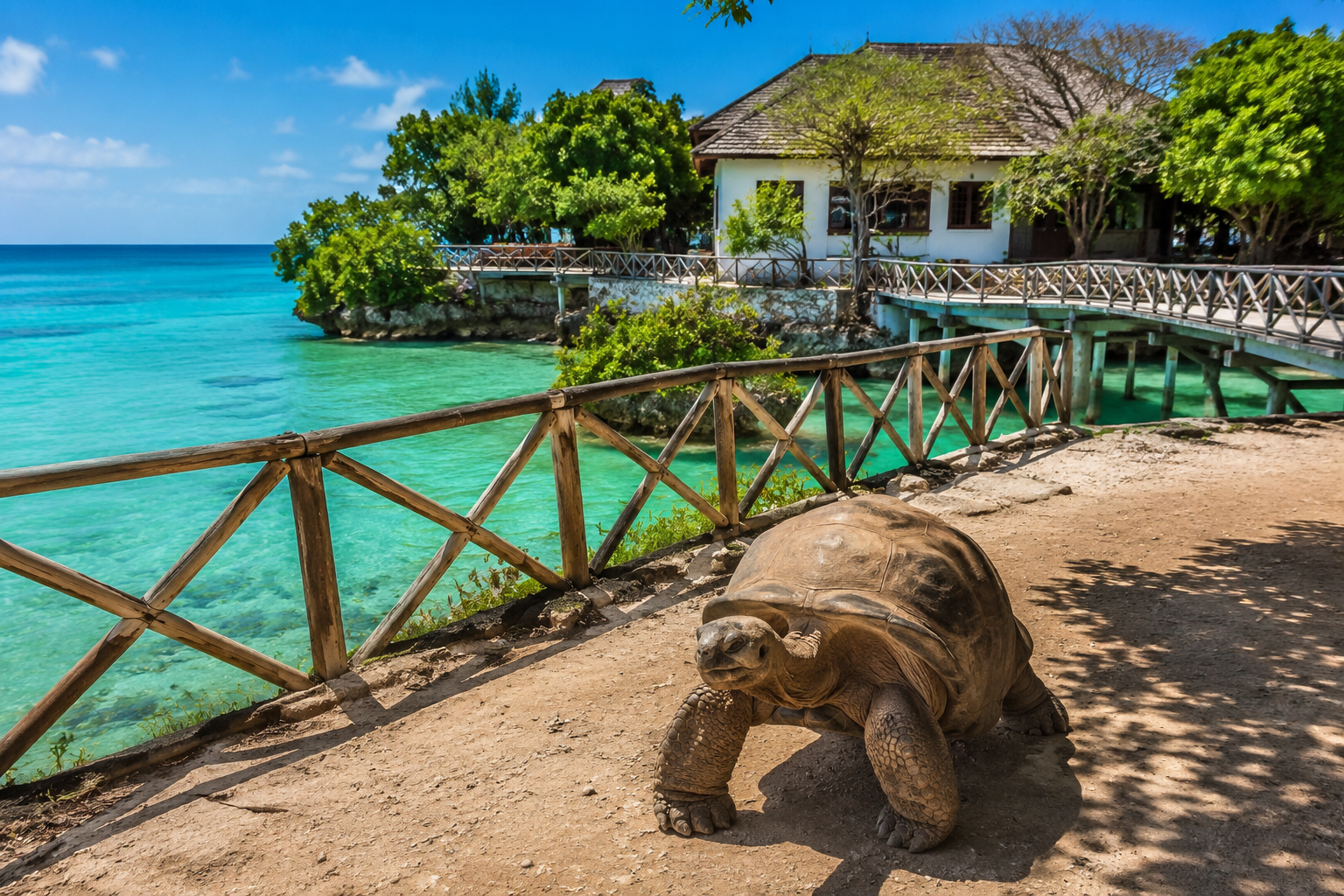
Prison Island Zanzibar: Discover Giant Tortoises and a Remarkable Island History

Prison Island Zanzibar is one of the island’s most popular half-day excursions, combining fascinating history, endangered Aldabra giant tortoises, beautiful beaches, and excellent snorkelling only a short boat ride from Stone Town. It offers visitors a unique opportunity to experience both Zanzibar’s cultural heritage and its natural beauty in a single trip. Just a few kilometres offshore lies Changuu Island, better known as Prison Island. Despite its name, the island was never used as a functioning prison for criminals. Instead, its history includes quarantine facilities, colonial administration, and today, one of East Africa’s most famous conservation success stories. Visitors come not only to learn about the island’s past but also to meet the enormous Aldabra giant tortoises that have lived here for more than a century. Many Tanzania travellers include Prison Island Zanzibar after completing a safari, making it an easy addition to a stay in Stone Town before relaxing on Zanzibar’s spectacular beaches. At Odysseys From Africa, we often recommend this excursion because it combines history, wildlife, marine experiences, and breathtaking coastal scenery in just a few hours. Where Is Prison Island Zanzibar? Prison Island Zanzibar is located approximately 5.5 kilometres northwest of Stone Town and can be reached by traditional wooden boat in around 20 to 30 minutes. The island is officially known as Changuu Island. Today it forms one of Zanzibar’s most visited historical and ecological attractions. Most visitors depart directly from the Stone Town waterfront. The short journey across the Indian Ocean provides beautiful views of: Stone Town skyline. Traditional dhows. Turquoise waters. Coral reefs. Small surrounding islands. Because of its proximity to Stone Town, Prison Island is ideal for travellers with limited time. It can easily be combined with a walking tour of the UNESCO-listed old town. The Fascinating History Behind Prison Island Zanzibar Prison Island Zanzibar has a far more complex history than its name suggests, evolving from a place intended for detention into a quarantine station before becoming one of Zanzibar’s leading tourist attractions. Originally, the island was intended to serve as a prison during the late nineteenth century. However, the prison was never used for housing convicted criminals. Instead, colonial authorities converted many of the buildings into a quarantine station for people arriving in Zanzibar who were suspected of carrying infectious diseases. Today, visitors can still explore many of these historic structures. Walking through the preserved buildings offers insight into Zanzibar’s colonial history and its role as an important Indian Ocean trading centre. The restored architecture remains one of the island’s biggest attractions. Meet the Famous Aldabra Giant Tortoises One of the biggest reasons visitors choose Prison Island Zanzibar is the opportunity to encounter the island’s remarkable Aldabra giant tortoises. These impressive reptiles were originally gifted to Zanzibar by the Seychelles during the late nineteenth century. Today, the population has grown through careful conservation. Some tortoises are estimated to be well over 100 years old. Walking among these gentle giants is a memorable experience. Visitors often enjoy observing: Massive shells. Slow graceful movements. Feeding behaviour. Young tortoises in protected areas. The conservation programme has helped secure the future of this endangered species while educating visitors about wildlife protection. Why the Giant Tortoises Are So Special The Aldabra giant tortoises found on Prison Island Zanzibar are among the largest tortoise species in the world and represent one of the island’s greatest conservation achievements. Adult tortoises can weigh more than 250 kilograms. Their remarkable lifespan often exceeds 100 years. Some individuals may live considerably longer under ideal conditions. These extraordinary reptiles offer visitors a rare opportunity to observe animals that have survived for generations. Guides explain: Their history. Conservation efforts. Feeding habits. Life cycle. Meeting these gentle giants is often the highlight of visiting Prison Island. Snorkelling Around Prison Island Prison Island Zanzibar is not only famous for history and tortoises but also for its excellent snorkelling opportunities in the surrounding coral reefs. The warm Indian Ocean waters provide impressive visibility throughout much of the year. Visitors frequently encounter: Colourful reef fish. Coral gardens. Sea stars. Reef invertebrates. Occasionally sea turtles. Many half-day excursions include snorkelling equipment as part of the tour. The calm conditions make the experience suitable for beginners as well as experienced snorkellers. A Perfect Half-Day Trip From Stone Town One of the greatest advantages of Prison Island Zanzibar is its accessibility. Unlike longer island excursions, Prison Island requires only a few hours. This allows travellers to combine several experiences in one day. Popular combinations include: Stone Town walking tour. Spice farm visit. Sunset dhow cruise. Local seafood dinner. Visitors staying in Stone Town can easily return by early afternoon. This flexibility makes Prison Island one of Zanzibar’s most convenient excursions. Combining Prison Island With a Tanzania Safari Prison Island Zanzibar is an excellent addition to any Tanzania holiday, particularly after a wildlife safari across the mainland. Many travellers combine Zanzibar with visits to: Serengeti National Park. Ngorongoro Conservation Area. Tarangire National Park. Nyerere National Park. Ruaha National Park. Our Tanzania Explorer itinerary can be customised to include Stone Town, Prison Island, and several relaxing days on Zanzibar’s beautiful beaches. Travellers exploring northern Tanzania may also enjoy our Best of Northern Tanzania itinerary before flying to Zanzibar. For practical advice before your holiday, visit our Travel Information page for guidance on visas, flights, packing, and travel planning. Conclusion Prison Island Zanzibar is far more than a quick boat excursion from Stone Town. It is a destination where history, conservation, and natural beauty come together to create one of Zanzibar’s most rewarding day trips. Walking through the former quarantine buildings offers a glimpse into the island’s colonial past, while meeting the century-old Aldabra giant tortoises provides an unforgettable wildlife encounter. Add crystal-clear waters, healthy coral reefs, and excellent snorkelling, and it’s easy to see why Prison Island remains one of Zanzibar’s most visited attractions. Whether you’re exploring Stone Town, relaxing on Zanzibar’s beaches, or ending an unforgettable Tanzania safari, Prison Island Zanzibar is a worthwhile addition to your itinerary. Its convenient…

Read More
Mnemba Atoll snorkelling
Zanzibar Travel Guides·

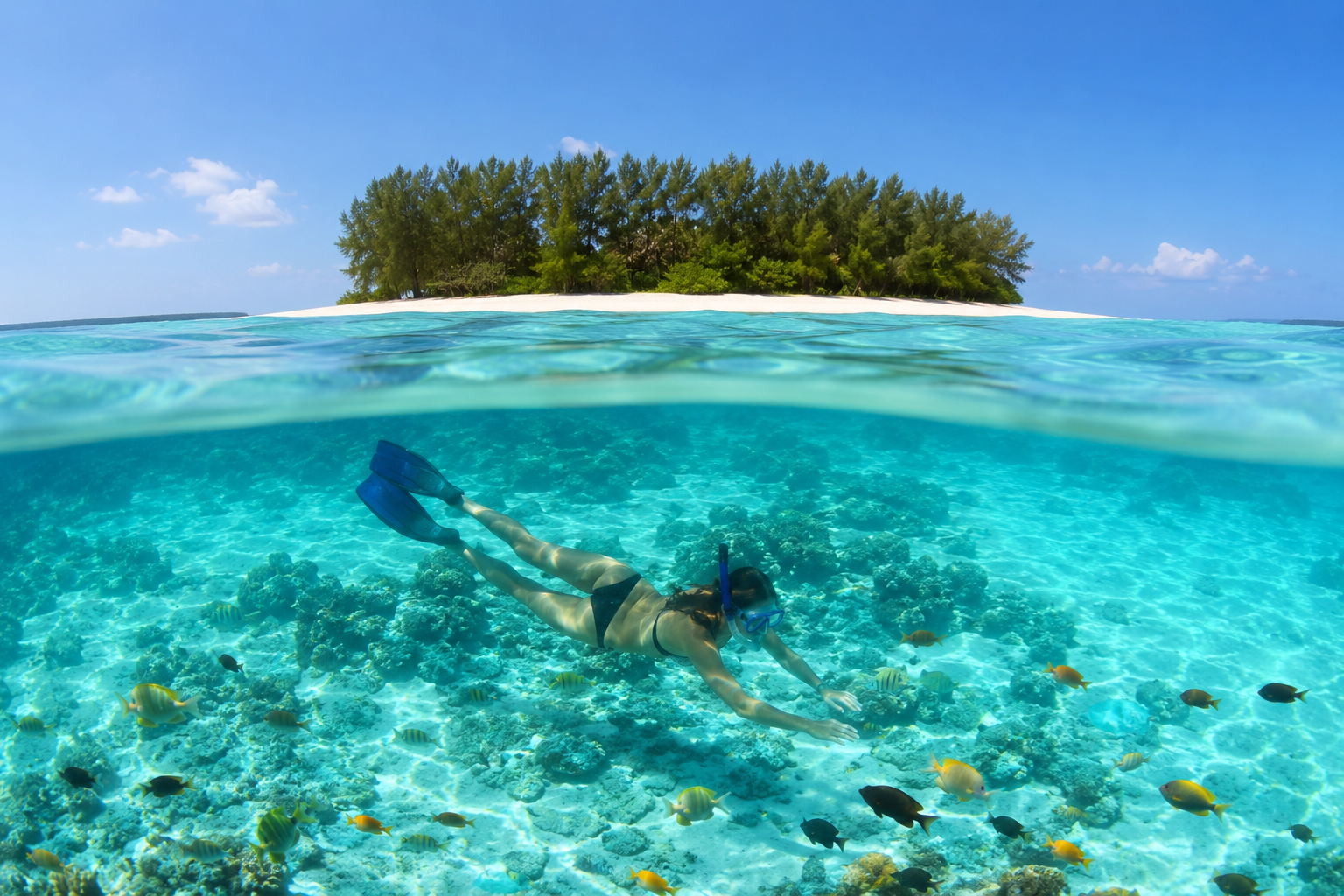
Mnemba Atoll Snorkelling: Discover Zanzibar’s Most Spectacular Underwater World

Mnemba Atoll snorkelling is considered the finest underwater experience in Zanzibar. Located just off the island’s northeast coast, the protected marine reserve is famous for crystal-clear water, thriving coral reefs, tropical fish, sea turtles, and frequent dolphin sightings. Whether you’re an experienced snorkeller or entering the ocean with a mask for the first time, Mnemba delivers one of the most memorable marine adventures in East Africa. Most visitors know Zanzibar for its powder-white beaches, spice farms and the historic streets of Stone Town. Yet beneath the turquoise waters surrounding the island lies another world waiting to be explored. The protected reefs surrounding Mnemba Atoll are among the healthiest in the Indian Ocean. The warm tropical waters support extraordinary marine biodiversity, making the area one of Tanzania’s premier snorkelling destinations. Many travellers finish a Northern Circuit safari with several days in Zanzibar, and a day at Mnemba Atoll is often the highlight of that beach extension. At Odysseys From Africa, we frequently recommend combining wildlife safaris with Indian Ocean adventures because they perfectly complement each other. After witnessing lions, elephants and giraffes on the plains, few experiences are more relaxing than floating above vibrant coral gardens surrounded by colourful reef fish. Where Is Mnemba Atoll? Mnemba Atoll lies approximately three kilometres off the northeast coast of Zanzibar Island near Matemwe Beach. The protected marine conservation area surrounds the exclusive private Mnemba Island and is easily reached by boat in around 20 to 30 minutes. Despite the island itself being privately managed, the surrounding reef is open to licensed snorkelling and diving excursions. Its convenient location makes it one of the easiest marine adventures to include during a Zanzibar holiday. Nearby destinations include: Matemwe Kiwengwa Pwani Mchangani Nungwi Kendwa Paje Most tours depart shortly after sunrise when sea conditions are calm and visibility is at its best. Travellers adding Zanzibar to one of our Tanzania Explorer itineraries often choose Matemwe as their base because of its proximity to Mnemba. Why Mnemba Atoll Snorkelling Is Famous Worldwide Mnemba Atoll snorkelling has become internationally recognised because of its exceptional underwater visibility, protected coral ecosystem, warm tropical waters and remarkable marine biodiversity. Unlike many heavily visited reefs around the world, Mnemba remains carefully protected through marine conservation measures. The result is an underwater environment that continues to thrive. Crystal-Clear Water Visibility frequently exceeds 20 metres during favourable conditions. This allows snorkellers to appreciate every detail of the coral gardens beneath them. The clear water also creates excellent photography opportunities. Healthy Coral Reefs The reef system contains both hard and soft coral species that provide habitat for hundreds of marine creatures. Visitors can observe: Coral bommies Branching coral Brain coral Plate coral Colourful reef formations These healthy coral communities are the foundation of the entire marine ecosystem. Warm Tropical Water Water temperatures remain comfortable throughout the year. Most visitors find that wetsuits are unnecessary, allowing for a far more enjoyable snorkelling experience. Protected Marine Environment Because the atoll is a marine conservation area, fishing and other activities are carefully regulated. These conservation efforts have helped preserve one of East Africa’s richest coral reef systems. Marine Life You Can Expect to See Mnemba Atoll snorkelling offers the opportunity to encounter an extraordinary variety of marine species within a relatively small area. Every excursion is different, but several species are regularly observed. Tropical Reef Fish The colourful fish are often the first thing visitors notice. Common species include: Butterflyfish Angelfish Parrotfish Triggerfish Surgeonfish Bannerfish Moorish idols Clownfish Large schools frequently swim around snorkellers without fear. Green Sea Turtles Sea turtles are among Mnemba’s biggest attractions. Watching these graceful reptiles glide effortlessly over coral gardens is unforgettable. Responsible guides ensure visitors observe turtles without disturbing them. Dolphins Early morning excursions occasionally encounter pods of: Spinner dolphins Bottlenose dolphins Although sightings can never be guaranteed, Mnemba is one of Zanzibar’s most reliable locations for dolphin encounters. Responsible operators always prioritise animal welfare by maintaining safe observation distances. Reef Invertebrates Careful observation may also reveal: Sea stars Sea cucumbers Giant clams Sea urchins Colourful nudibranchs These smaller creatures contribute significantly to the reef’s biodiversity. Best Time for Mnemba Atoll Snorkelling Mnemba Atoll snorkelling can be enjoyed throughout much of the year, but weather patterns influence visibility and sea conditions. June to October This is one of the most popular periods. Visitors benefit from: Excellent underwater visibility Calm seas Comfortable temperatures Fantastic photography conditions These months are ideal for combining a safari with a beach holiday. December to March Warm tropical weather and calm seas make this another outstanding snorkelling season. Travellers enjoy: Warm ocean temperatures Excellent sunshine Clear water Comfortable swimming conditions This period is particularly popular during Christmas and New Year holidays. April to May Although rainfall increases, there are still many excellent snorkelling days. Experienced local guides monitor daily weather forecasts before departures to ensure the safest possible conditions. Dolphin Mornings Around Mnemba One of the greatest highlights of Mnemba Atoll snorkelling is the possibility of encountering dolphins during the morning boat journey. Most boats leave shortly after sunrise because: Winds are lighter. Seas are calmer. Marine activity is often higher. Visibility is excellent. Spinner dolphins frequently travel through the deeper channels surrounding the reef. Watching them leap naturally through the Indian Ocean is often one of the most memorable moments of the excursion. Responsible operators never chase dolphins or interfere with their natural behaviour. Instead, they maintain respectful distances that allow both visitors and wildlife to enjoy the experience safely. Why Mnemba Is Perfect for Beginners One of the biggest strengths of Mnemba Atoll snorkelling is that almost anyone can enjoy it. Even visitors with no previous snorkelling experience can participate confidently. Professional guides provide: Safety briefings High-quality snorkelling equipment Flotation devices when required Guidance throughout the excursion The calm lagoon conditions and excellent visibility help beginners build confidence quickly. Families, couples and solo travellers alike can comfortably enjoy this unforgettable marine adventure. Combining Mnemba Atoll snorkelling With a Tanzania Safari Mnemba Atoll snorkelling is the perfect…

Read More
Paje Zanzibar kitesurfing
Zanzibar Travel Guides·

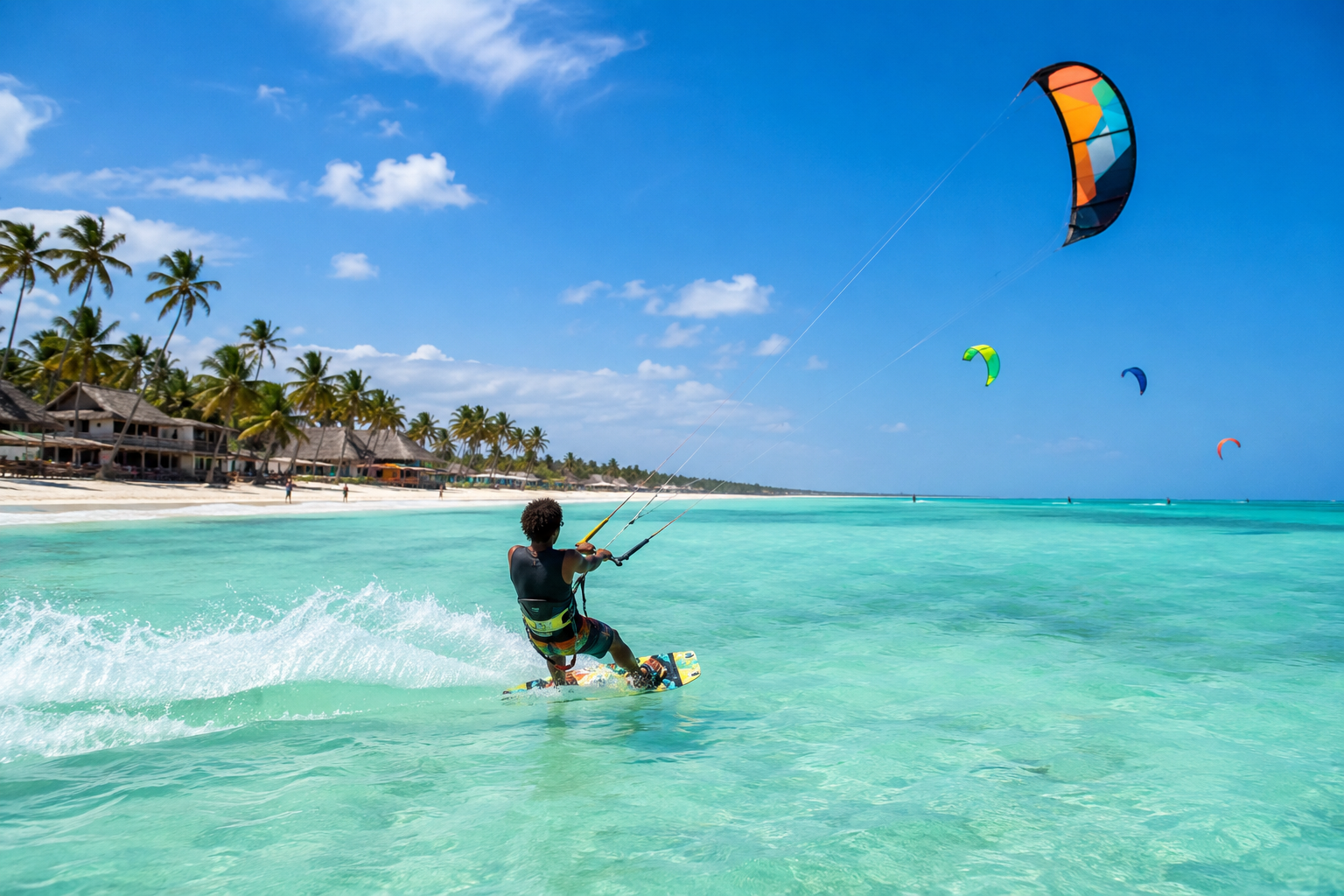
Paje Zanzibar Kitesurfing: Ride the Trade Winds of Zanzibar’s East Coast

Paje Zanzibar kitesurfing is one of Africa’s premier kiteboarding experiences, thanks to reliable trade winds, warm Indian Ocean waters, shallow turquoise lagoons, and a vibrant beach atmosphere. Just a short distance away, Jambiani offers a quieter coastal escape for travelers seeking relaxation after the adventure. While many visitors come to Zanzibar for white-sand beaches and historic Stone Town, the island’s east coast has earned an international reputation among water sports enthusiasts. The combination of: Consistent wind. Crystal-clear water. Wide tidal lagoons. Tropical climate. creates ideal conditions for kitesurfing throughout much of the year. Whether you are taking your first lesson or already riding confidently, Paje Zanzibar kitesurfing offers excellent conditions in a spectacular setting. Better still, nearby Jambiani provides peaceful beaches where you can unwind after an active day on the water. Growing up in East Africa, our team has seen how Zanzibar perfectly combines adventure, relaxation, and authentic coastal culture. Paje is one of the best places to experience all three. Where Is Paje Located? Paje is located on Zanzibar’s southeast coast, approximately one hour from Stone Town, and is famous for its wide beaches, shallow lagoons, and excellent wind conditions. Paje sits along one of the island’s most beautiful coastlines. Nearby attractions include: Jambiani. Bwejuu. Michamvi. Kuza Cave. The coastline offers: Powder-soft white sand. Palm trees. Warm turquoise water. Coral reefs. Its position on the Indian Ocean allows dependable seasonal winds that make it ideal for kiteboarding. Why Is Paje Famous for Kitesurfing? Paje Zanzibar kitesurfing is internationally recognised because of its reliable trade winds, shallow lagoon, sandy seabed, and warm year-round water temperatures that suit beginners and experienced riders alike. Several natural advantages make Paje one of East Africa’s leading kite destinations. These include: Reliable Trade Winds Seasonal winds create excellent riding conditions. Shallow Lagoon Large areas of waist-deep water allow beginners to practise safely. Soft Sandy Bottom The lagoon’s sandy floor provides comfortable learning conditions. Warm Tropical Waters Unlike colder kite destinations, wetsuits are generally unnecessary. These factors have helped establish Paje as a favourite destination for international kite schools and experienced riders. Best Seasons for Paje Zanzibar Kitesurfing The best seasons for Paje Zanzibar kitesurfing generally coincide with Zanzibar’s trade winds, offering consistent conditions for lessons, freeriding, and advanced kiteboarding. The island experiences two primary windy periods. Kaskazi Season Usually occurring between December and February, this season offers: Warm temperatures. Consistent winds. Excellent beginner conditions. Kusi Season Typically between June and September, stronger winds attract experienced riders looking for more challenging conditions. Outside these periods, Paje remains a wonderful beach destination even if the wind is lighter. Learning to Kite in Paje Paje is one of the best places in Tanzania to learn kitesurfing thanks to professional instructors, shallow water, predictable conditions, and internationally recognised training schools. Most beginners start with: Safety instruction. Kite control. Body dragging. Water starts. Lessons are usually tailored to individual ability levels. More experienced riders can improve: Jumping techniques. Wave riding. Freestyle skills. Professional instruction helps visitors progress safely while enjoying the spectacular setting. Beyond Kitesurfing: Other Things to Do in Paje Even if you are not interested in kitesurfing, Paje offers beautiful beaches, snorkeling, diving, paddleboarding, local restaurants, and easy access to nearby attractions. Popular activities include: Swimming. Stand-up paddleboarding. Snorkeling excursions. Diving trips. Beach walks. Yoga retreats. Seafood dining. Many travelers alternate active mornings with relaxed afternoons beside the Indian Ocean. Discovering Quiet Jambiani Jambiani offers a peaceful alternative to Paje, with traditional fishing villages, long beaches, relaxed accommodation, and a slower pace of life. Only a short drive from Paje, Jambiani feels noticeably quieter. Visitors enjoy: Peaceful beaches. Authentic Swahili culture. Fresh seafood. Traditional dhow boats. Relaxed cafés. Many travelers choose to stay in Paje for kitesurfing before moving to Jambiani for a few days of complete relaxation. Combining Paje With a Tanzania Safari Paje Zanzibar kitesurfing combines perfectly with a Tanzania safari, creating an itinerary that balances wildlife adventures with Indian Ocean relaxation. Popular safari and beach combinations include: Serengeti National Park. Ngorongoro Crater. Tarangire National Park. Nyerere National Park. Ruaha National Park. Our Tanzania Explorer itinerary can be customised to include several days in Paje after your safari. Travelers exploring northern Tanzania may also enjoy our Best of Northern Tanzania before flying to Zanzibar. Planning Paje Zanzibar Kitesurfing From the United States Travelers from the United States can easily include Paje Zanzibar kitesurfing after a Tanzania safari by flying to Zanzibar via Dar es Salaam or other regional connections. Common international connections include: Doha. Amsterdam. Istanbul. Nairobi. Visitors should prepare with: Passport and visa requirements. Travel insurance. Lightweight tropical clothing. Reef-safe sunscreen. Our Travel Information guide provides practical advice before your Tanzania and Zanzibar adventure. Where to Stay for Paje Zanzibar Kitesurfing Accommodation for Paje Zanzibar kitesurfing ranges from luxury beachfront resorts and boutique hotels to stylish guesthouses and kite lodges, many located just steps from the lagoon. Choosing where to stay depends on your travel style. Luxury Beach Resorts Ideal for travelers looking for: Beachfront suites. Swimming pools. Spa facilities. Fine dining. Direct beach access. These properties are perfect for honeymooners and couples combining a Tanzania safari with Zanzibar. Boutique Hotels Boutique accommodation offers: Personalised service. Stylish rooms. Quiet surroundings. Easy access to kite schools. Many boutique properties provide an intimate atmosphere while remaining close to Paje Beach. Kite Lodges Designed specifically for kiteboarders, these lodges often include: Equipment storage. Beach access. Lesson booking assistance. Relaxed social spaces. They are popular with solo travellers and active holidaymakers. Photography Tips for Paje Zanzibar Kitesurfing Paje Zanzibar kitesurfing provides exceptional photography opportunities thanks to colourful kites, turquoise lagoons, white beaches, and spectacular Indian Ocean sunrises. The east coast is one of Zanzibar’s most photogenic regions. Best Photography Subjects Capture: Colourful kites above the lagoon. Riders performing jumps. Traditional dhow boats. Palm-lined beaches. Sunrise over the Indian Ocean. Local fishermen at low tide. Recommended Equipment Bring: Wide-angle lens. Zoom lens. Polarising filter. Waterproof camera bag. Extra batteries. Plenty of memory cards. A drone can produce stunning…

Read More