
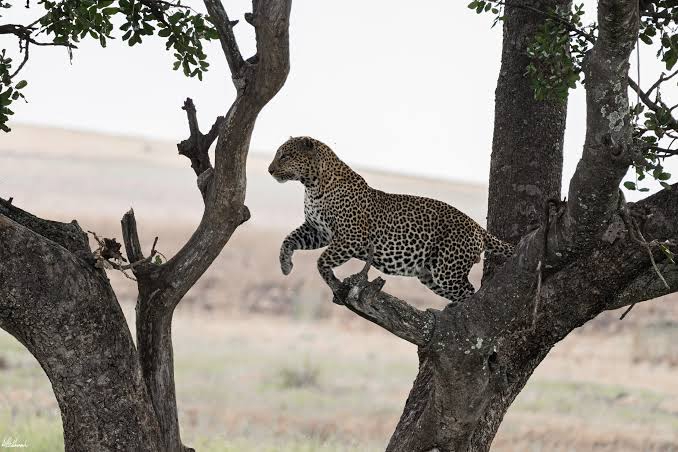
Eco-Friendly Safaris in Tanzania: Traveling Sustainably in East Africa
A safari is more than a holiday—it is an opportunity to connect with nature, support conservation, and contribute positively to local communities. As travelers become more conscious of their environmental impact, eco-friendly Safaris in Tanzania are becoming one of the most meaningful ways to experience East Africa.
Tanzania is home to some of the world’s most iconic wilderness areas, including the Serengeti, Ngorongoro Crater, Tarangire National Park, and many protected ecosystems that depend on responsible tourism.
By choosing sustainable travel practices, visitors can enjoy unforgettable wildlife encounters while helping protect the landscapes and animals that make Tanzania extraordinary.
What Makes Safaris in Tanzania Eco-Friendly?
An environmentally responsible safari focuses on protecting nature while creating benefits for local communities.
Eco-friendly Safaris in Tanzania often include:
- Conservation-focused camps and lodges
- Support for local communities
- Wildlife protection initiatives
- Reduced plastic use
- Renewable energy solutions
- Responsible wildlife viewing practices
- Local employment opportunities
Sustainable tourism ensures that future generations can continue experiencing Tanzania’s incredible wildlife.
Why Sustainable Safaris Matter in Tanzania
Tanzania’s natural areas are among the planet’s most valuable ecosystems. The Serengeti supports the Great Migration, one of the largest wildlife movements on Earth, while national parks protect thousands of species.
Tourism plays an important role by providing funding for:
- Wildlife conservation programs
- Anti-poaching efforts
- Habitat protection
- Community development projects
When travelers choose responsible Safaris in Tanzania, their journeys directly contribute to preserving these fragile environments.
Choosing Green Safari Camps and Lodges
Accommodation plays a major role in creating a sustainable safari experience.
When selecting a lodge or camp, consider the following:
Renewable Energy Use
Many eco-conscious camps use:
- Solar power systems
- Energy-efficient lighting
- Sustainable water heating solutions
These practices reduce dependence on fossil fuels while maintaining guest comfort.
Responsible Water Management
Water conservation is essential in Tanzania’s dry environments.
Sustainable camps may use:
- Water recycling systems
- Low-flow fixtures
- Rainwater collection
- Responsible laundry practices
Small changes help protect valuable water resources.
Locally Sourced Food
Many environmentally responsible lodges support nearby farmers by sourcing:
- Fresh vegetables
- Local ingredients
- Regional products
This reduces transportation emissions while supporting Tanzania’s economy.
Responsible Wildlife Viewing on Safaris in Tanzania
Seeing wild animals in their natural habitat is the highlight of any safari, but responsible behavior is essential.
Travelers should:
Follow Guide Instructions
Professional guides understand animal behavior and know how to approach wildlife safely.
Maintain Respectful Distances
Keeping a safe distance prevents stress and allows animals to behave naturally.
Avoid Feeding Wildlife
Wild animals should remain independent and follow their natural feeding patterns.
Respect Park Regulations
Rules protect both visitors and wildlife.
Responsible viewing ensures that future visitors can enjoy the same incredible experiences.
Supporting Local Communities Through Sustainable Tourism
Eco-friendly tourism extends beyond wildlife protection. It also supports the people who live alongside Tanzania’s protected areas.
Responsible safari companies often contribute through:
- Local employment
- Community education programs
- Healthcare initiatives
- Conservation awareness
- Cultural tourism projects
Choosing a locally connected safari operator allows travelers to create a positive impact beyond their own journey.
Explore authentic Tanzania experiences through our Safaris in Tanzania packages.
Best Destinations for Eco-Friendly Safaris in Tanzania
Serengeti National Park
The Serengeti is famous for the Great Migration and offers some of Africa’s most important conservation landscapes.
Visitors can experience:
- Responsible game drives
- Wildlife photography
- Migration viewing
- Conservation-focused camps
Ngorongoro Conservation Area
The Ngorongoro region combines wildlife protection with community coexistence.
The area is known for:
- Unique ecosystems
- Big Five wildlife
- Cultural experiences
- Sustainable tourism initiatives
Learn more about Tanzania’s protected areas through our Tanzania safari parks guide.
Tarangire National Park
Tarangire offers a quieter safari experience with remarkable biodiversity.
Highlights include:
- Large elephant populations
- Ancient baobab trees
- Diverse birdlife
- Scenic landscapes
How Travelers Can Reduce Their Environmental Impact
Visitors can make their safari more sustainable through simple choices.
Pack Responsibly
Consider bringing:
- Reusable water bottles
- Eco-friendly toiletries
- Reusable shopping bags
- Minimal plastic packaging
Respect Local Cultures
Responsible travelers:
- Ask permission before taking photographs
- Support local artisans
- Learn about traditions respectfully
Choose Longer Safari Stays
Longer trips often create fewer emissions per day compared with multiple short-distance holidays and allow deeper exploration.
Combining Sustainable Safaris With Zanzibar
Many travelers combine wildlife adventures with a coastal escape.
A responsible itinerary can include:
- Conservation-focused safari experiences
- Cultural visits
- Zanzibar beach relaxation
- Marine conservation activities
Discover ways to combine wildlife and the Indian Ocean with our Safari and Zanzibar holiday options.
The Future of Sustainable Safaris in Tanzania
The future of African travel depends on protecting natural environments while creating meaningful experiences.
Modern travelers increasingly look for:
- Authentic experiences
- Conservation partnerships
- Smaller-impact tourism
- Community connections
Eco-friendly Safaris in Tanzania represent a new generation of travel where adventure and responsibility work together.
Why Choose Odysseys From Africa for Sustainable Safaris?
Odysseys From Africa creates personalized safari journeys designed around Tanzania’s wildlife, landscapes, and communities.
Our team helps travelers experience:
- Responsible wildlife encounters
- Expert local guides
- Carefully selected accommodations
- Customized itineraries
- Authentic East African experiences
Start planning your sustainable adventure with our Tanzania safari itineraries.
Frequently Asked Questions
What is an eco-friendly safari?
An eco-friendly safari minimizes environmental impact while supporting wildlife conservation and local communities.
Are sustainable Safaris in Tanzania more expensive?
Not always. Sustainable options range from affordable camps to luxury eco-lodges depending on the traveler’s preferences.
How can tourists support conservation in Tanzania?
Travelers support conservation by choosing responsible operators, following wildlife guidelines, and supporting local communities.
Which Tanzania parks are best for sustainable safaris?
The Serengeti, Ngorongoro, and Tarangire regions offer excellent sustainable safari experiences.
Book Your Eco-Friendly Safari in Tanzania
Experience Tanzania’s wilderness while helping protect the landscapes, wildlife, and communities that make East Africa extraordinary.
Plan Your Safaris in Tanzania With Odysseys From Africa
Location: Arusha, Tanzania
mail: info@odysseys-from-africa.com
Phone: +254 (0) 710 450 797
Phone: +255 (0) 652 810 255
Website: https://odysseys-from-africa.com/
Choose responsible travel. Explore Tanzania sustainably. Create memories that help protect Africa’s wild places.