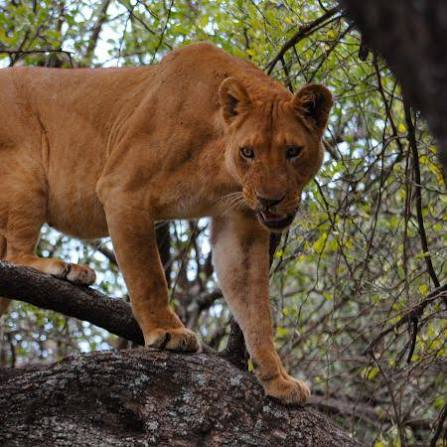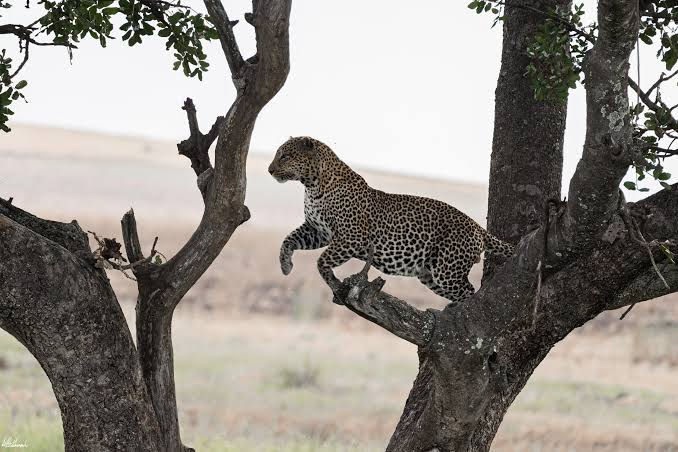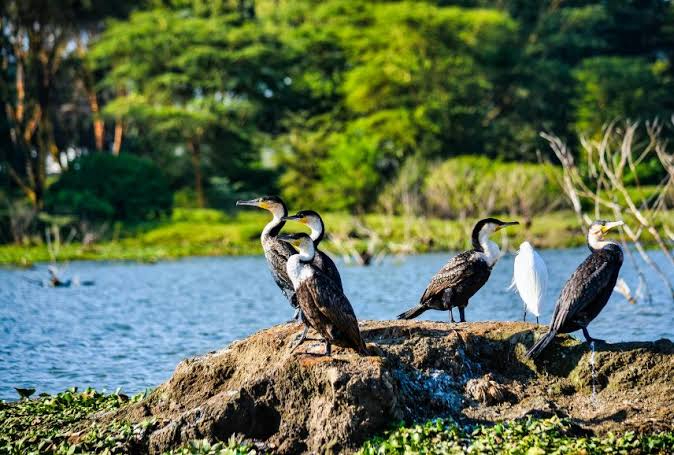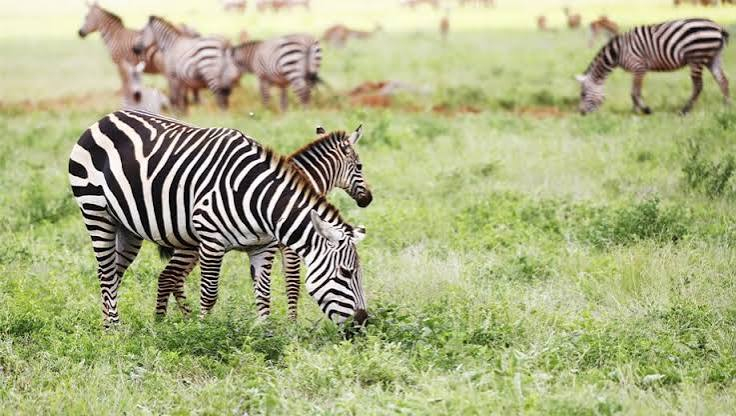
Wild Adventures, Timeless Memories…

Odysseys From Africa

Safari Experiences

Tanzania adventure safari experiences
Safari Experiences·

Luxury Safari Vehicles: What Makes the Experience Premium

Introduction: Why Vehicles Define Your Tanzania Safari Holiday A Tanzania safari holiday is often imagined through breathtaking wildlife, golden savannahs, and iconic landscapes like the Serengeti. But one critical factor that defines whether your experience feels average or truly exceptional is often overlooked — the safari vehicle. For travelers from the United States planning luxury safari experiences or curated Serengeti safari tours, the vehicle is not just transportation. It is your mobile viewing platform, photography studio, and comfort zone for hours each day. Growing up in Arusha, our team at Odysseys From Africa understands that the right vehicle transforms wildlife viewing from passive observation into immersive storytelling. What Defines a Luxury Safari Vehicle? Luxury safari vehicles are purpose-built 4×4 Land Cruisers designed for comfort, stability, and optimal wildlife viewing.They feature elevated seating, open or pop-up roofs, advanced suspension, and custom interiors tailored for long game drives. Not all safari vehicles are created equal. In premium safari packages, vehicles are engineered to handle rugged terrain while maintaining a smooth, quiet ride. Key Characteristics 4×4 Capability: Essential for navigating Serengeti plains, Ngorongoro slopes, and remote tracks High Ground Clearance: Allows safe crossing of uneven terrain and riverbeds Pop-up or Open Roof: Enables 360° wildlife viewing Custom Suspension Systems: Minimizes vibration for comfort and photography Limited Seating (5–7 guests max): Ensures space and exclusivity These features are standard in curated journeys like theSerengeti and Ngorongoro itinerary, where terrain and wildlife density demand performance and comfort. Comfort: The Foundation of a Luxury Safari Experience Comfort in luxury safari vehicles comes from ergonomic seating, climate considerations, and thoughtful interior design.It allows travelers to enjoy long game drives without fatigue. A typical game drive can last 6–8 hours, especially during peak wildlife activity in the Serengeti. Without proper comfort features, even the best wildlife sightings can feel exhausting. Premium Comfort Features Individual bucket seats with armrests Extra legroom for long journeys Shock-absorbing suspension systems Onboard refrigerators for cold drinks Charging ports for cameras and phones For US travelers arriving via long-haul flights from JFK or LAX, comfort becomes even more critical. Jet lag combined with rugged terrain can quickly diminish the experience without proper vehicle design. Visibility & Wildlife Viewing Advantage Luxury safari vehicles are designed for unobstructed wildlife viewing with elevated seating and open roof access.This ensures every guest has a clear line of sight for sightings and photography. Wildlife viewing is not just about being present — it’s about seeing clearly and reacting quickly. Design Features That Matter Tiered seating layout: Every passenger sits slightly higher than the one in front Wide windows: Maximize lateral visibility 360° pop-up roof access: Ideal for spotting predators or distant herds During peak migration in Serengeti safari tours, such as theMigration Crossing Safari, visibility becomes crucial when tracking river crossings or predator interactions. Photographic Safari Optimization Luxury vehicles are engineered to support professional-grade photography with stability, space, and accessibility.They act as mobile camera platforms in the wild. For travelers booking a photographic safari, vehicle design directly impacts image quality. Growing up around the Serengeti ecosystem, our guides understand that timing, positioning, and stability are everything. Technical Photography Features Bean bag mounts for lens stabilization Open sides or roof hatches for unobstructed shooting Engine-off viewing to reduce vibration Dedicated space for camera gear storage For serious photographers, we recommend: 100–400mm lens for wildlife versatility 70–200mm lens for closer encounters Fast shutter speeds (1/1000+) for action scenes Explore specialized options here:Photographic Safaris Safety & Reliability in Remote Wilderness Luxury safari vehicles prioritize safety with reinforced builds, communication systems, and experienced drivers.They are designed for remote conditions where reliability is critical. The Serengeti and Ngorongoro are vast, remote ecosystems. Mechanical failure is not just inconvenient — it can disrupt an entire safari. Safety Features HF/VHF radio communication systems First aid kits and emergency supplies Dual fuel tanks for extended range Highly trained driver-guides US travelers often ask about safety standards. At Odysseys From Africa, vehicles and operations align with international tourism safety expectations, ensuring peace of mind throughout your journey. The Role of the Driver-Guide A luxury safari vehicle is only as good as the driver-guide operating it.Expert guides enhance positioning, timing, and overall experience. The driver-guide is a critical component of the vehicle experience. Growing up in Arusha, our guides bring: Deep knowledge of animal behavior Real-time tracking skills Strategic positioning for photography For example, during the calving season featured in theMigration Calving Safari, guide expertise ensures you are in the right place at the right time. Private vs Shared Vehicles: What’s the Premium Difference? Private vehicles offer exclusivity, flexibility, and personalized pacing, while shared vehicles reduce costs but limit control. Private Luxury Safari Vehicle Fully customizable itinerary Unlimited photo stops Ideal for families, couples, photographers Shared Vehicle Fixed schedule Limited flexibility Lower cost For travelers seeking high-end safari packages, private vehicles are strongly recommended. Explore curated options like:Best of Northern TanzaniaTanzania Explorer Terrain Performance: Why 4×4 Matters 4×4 capability ensures access to remote wildlife areas regardless of terrain or weather.It enables consistent game viewing across seasons. From muddy tracks during the rainy season to dusty plains in the dry season, terrain in Tanzania varies dramatically. Luxury vehicles are equipped to handle: River crossings Rocky escarpments Soft sand plains This capability is especially important in shorter itineraries like:Short Serengeti Interior Experience: Small Details, Big Impact Luxury safari interiors focus on convenience, cleanliness, and usability.These small details elevate the overall experience significantly. Interior Enhancements Mini fridge for refreshments Foldable tables for snacks or gear Storage compartments for personal items Clean, dust-managed interiors These details may seem minor but significantly enhance long drives. US Traveler Considerations Luxury safari vehicles are designed to meet the expectations of international travelers, especially from the US.They ensure comfort, safety, and familiarity in a remote environment. Key Considerations Flights: Common routes include JFK → Kilimanjaro (via Doha, Amsterdam, or Istanbul) Visa: US citizens require a Tanzania visa (available online or on arrival) Health & Safety: Vehicles support safe, hygienic travel conditions For more details, visit:Travel Information…

Read More
Great Migration safari
Safari Experiences·

The Great Safari: A Luxury Traveler’s Dream

A Great Migration safari is one of the most spectacular wildlife experiences on Earth. Each year, over 1.5 million wildebeest, accompanied by zebras and gazelles, move across the Serengeti ecosystem in search of fresh grazing and water. For US travelers planning a Tanzania safari holiday, witnessing this movement in real time is a once-in-a-lifetime experience. A well-designed luxury safari transforms this natural phenomenon into an exclusive, front-row wildlife experience, combining expert guiding, private vehicles, and premium lodges positioned along migration routes. Growing up in Arusha, our team has tracked the Great Migration across Tanzania for years. We understand where herds move, how predators follow, and how to position travelers at the right place at the right time. What Is the Great Migration? The Great Migration is a continuous, circular movement of wildlife across the Serengeti-Mara ecosystem. It involves: Over 1.5 million wildebeest Hundreds of thousands of zebras Thousands of gazelles Predators such as lions, cheetahs, and crocodiles Unlike a single event, the migration is a year-round cycle, making Serengeti safari tours dynamic and seasonal. Why the Great Migration Is So Special The migration is often called the “World Cup of wildlife” because of its scale and drama. Highlights include: River crossings with crocodile encounters Predator-prey interactions in open plains Calving season with newborn wildebeest Massive herds stretching to the horizon For US travelers, this is one of the most powerful reasons to book a Tanzania safari holiday. Best Time to See the Great Migration December – March (Calving Season) Located in Southern Serengeti Thousands of wildebeest births daily High predator activity (lions, hyenas, cheetahs) This is ideal for photographers and is featured in Migration Calving Safari. April – June (Movement North) Herds begin moving toward central Serengeti Dramatic landscape transitions Fewer crowds July – October (River Crossings) Famous Mara River crossings High-risk predator action Most sought-after safari period This is the peak season for a luxury safari experience. Featured itineraries include Migration Crossing Safari and Short Serengeti. November (Return South) Herds move back toward southern plains Green landscapes return Excellent photography conditions Where to See the Migration in Tanzania Serengeti National Park The Serengeti is the heart of the Great Migration and a cornerstone of Serengeti safari tours. Endless open plains for viewing herds Multiple predator zones Seasonal movement tracking Northern Serengeti Best location for river crossings. Mara River crossings High predator density Dramatic wildlife encounters Southern Serengeti Best for calving season. Thousands of newborn wildebeest Predator action in open grasslands Ideal photography conditions Luxury Safari Experience During the Migration A luxury safari elevates the migration experience by providing exclusivity and comfort. Private Game Drives Flexible schedules based on herd movement Exclusive viewing vehicles Expert driver-guides tracking migration patterns Luxury Lodges Along Migration Routes High-end safari packages include lodges positioned strategically near migration paths: Mobile luxury camps following herds Permanent lodges overlooking plains Private verandas for wildlife viewing Personalized Itineraries Each Tanzania safari holiday is tailored based on: Migration timing Wildlife movement patterns Photography goals Travel duration Photographic Opportunities During the Migration The Great Migration is one of the most photographed wildlife events in the world. Key Photography Moments: River crossings with dramatic action Predator hunts in open plains Calving season newborn interactions Massive herd panoramas Recommended Gear: 100–400mm lens for wildlife action 24–70mm lens for landscapes Fast shutter speeds for movement A dedicated Photographic Safaris itinerary maximizes these opportunities. Why Timing Is Everything The migration is unpredictable, so timing is critical. Growing up in Arusha, our team tracks: Rainfall patterns Grass growth cycles Predator movements Herd behavior trends This local knowledge ensures guests are positioned in the right location during peak movement periods. US Traveler Considerations For American travelers: Flights JFK, LAX, or Atlanta → East Africa hubs → Kilimanjaro (JRO) Visa Tanzania eVisa required Health Recommended vaccinations and malaria prevention Travel Planning Best booked 6–12 months in advance for peak migration season Combining Migration Safari with Zanzibar After the intensity of the migration, Zanzibar offers relaxation. White sand beaches Luxury oceanfront villas Sunset dhow cruises Recommended extensions: Short Zanzibar Best of Zanzibar This combination creates a perfect luxury safari + beach experience. Cost of a Great Migration Safari A luxury safari during migration season typically costs: $900–$2,500 per person per day Includes private guides and premium lodges Mobile camps increase exclusivity and proximity High demand during peak months makes early booking essential. Why Tanzania Is the Best Place to Witness the Migration Tanzania offers: Largest portion of the Serengeti ecosystem Year-round migration access Lower crowd density than neighboring regions High success rate for sightings This makes it the top destination for safari packages focused on migration viewing. Booking Your Migration Safari To design a custom migration itinerary: Share your travel dates Choose migration phase (calving, crossing, or movement) Receive a tailored luxury safari plan Contact Information: Arusha, Tanzaniainfo@odysseys-from-africa.com +254 (0) 710 450 797 | +255 (0) 652 810 255https://odysseys-from-africa.com/ Conclusion A Great Migration safari is one of the most extraordinary wildlife experiences on Earth. For US travelers, it offers a front-row seat to nature’s greatest movement, enhanced by comfort, exclusivity, and expert guidance. A carefully planned Tanzania safari holiday ensures you witness the migration at its most dramatic moments, from river crossings to calving season. With the right timing and a well-designed luxury safari, this becomes more than a trip—it becomes a lifelong memory.

Read More
luxury travel Africa
Safari Experiences·

What to Pack for an East African Safari: The Ultimate Checklist

What to Pack for an East African Safari Packing List: The Ultimate Checklist What to pack for anEast African Safari Packing List is one of the most important considerations for first-time travelers from the USA. Packing correctly ensures comfort, safety, and an unforgettable experience across Tanzania’s or Kenya’s iconic wildlife parks. This East Africa safari packing list covers clothing, gear, photography equipment, health essentials, and travel documents to prepare you for your adventure. Clothing Essentials for an East African Safari Packing List Dressing correctly is critical for both comfort and blending into wildlife environments. Neutral colors help you stay unnoticed, while lightweight layers protect you from sun and cool mornings. Shirts and Tops: Long-sleeved, breathable shirts for sun protection and mosquito deterrence. Neutral colors like khaki, olive, and tan are ideal. Pants and Shorts: Convertible safari pants are versatile for varying temperatures. Avoid bright colors. Outerwear: Lightweight fleece or jacket for early morning game drives. Footwear: Sturdy walking shoes or hiking boots for rough terrain. Sandals or sneakers for lodge use. Accessories: Sunhat, sunglasses, and a scarf for dust protection. Local insight: Growing up in Arusha, our team knows that mornings and evenings can be surprisingly cool even in the dry season, making layering essential for comfort. Internal links: Check recommended safari destinations like Short Serengeti for ideal clothing advice based on park conditions. Safari Gear and Equipment Choosing the right gear is crucial for first-time safari travelers to maximize wildlife viewing and photographic opportunities. Binoculars: Compact binoculars (8×42) for spotting distant wildlife. Camera & Lenses: For a photographic safari, a 100–400mm lens captures predator action, while a wide-angle lens is perfect for landscapes. Photographic Safaris provides expert guidance on gear. Backpack: Lightweight daypack for cameras, snacks, and water. Chargers & Batteries: Extra batteries and memory cards are essential for uninterrupted photography. Travel Adapter: Tanzania and Kenya use British-style plug points (Type G). Health and Safety Essentials A safe safari starts with proper health preparation and preventative measures. Vaccinations: Yellow fever vaccination may be required. Ensure routine immunizations are up to date. Malaria Prevention: Prophylaxis is strongly recommended, especially for areas near Lake Victoria and the Serengeti. First Aid: Include basic medications, insect repellent, sunscreen, and hand sanitizer. Hydration: Reusable water bottles or hydration packs are essential on long game drives. US travelers should consult Travel Information for updated visa and health guidance before departure. Travel Documents and Essentials Being organized with documents ensures a smooth safari experience. Passport & Visa: US citizens require an eVisa for Tanzania; Kenya also requires an eVisa. Travel Insurance: Coverage for medical emergencies and evacuation is strongly recommended. Confirmations: Keep digital and printed copies of lodge bookings, safari packages, and flights. Cash & Cards: Carry some local currency (Tanzanian Shillings or Kenyan Shillings) and a credit card. Tip: Keep all documents in a secure, waterproof pouch during game drives. Optional Items for Comfort and Convenience Small extras can greatly improve your safari experience. Travel Pillow & Eye Mask: For long flights from JFK, LAX, or ATL. Snacks: Energy bars for early morning drives. Notebook & Pen: Record wildlife sightings or travel notes. Lightweight Bin Liner or Dry Bag: Protect electronics from dust or unexpected rain. Lodge extensions like Short Zanzibar may require beachwear and swim essentials. Photographic Safari Tips For those focused on photography, a carefully curated packing list is critical. Camera Gear: DSLR or mirrorless camera with 100–400mm telephoto and wide-angle lenses. Tripod/Monopod: Lightweight and portable for sunrise and sunset shots. Protective Cases: Dust- and weather-proof bags for equipment. Extra Memory & Backup: Always have double memory cards and a portable hard drive. Pro Tip: Growing up in Arusha, our guides know the best locations and times for capturing dramatic sunrise silhouettes over the Serengeti plains. How to Pack Efficiently Packing smart saves stress and luggage weight while ensuring you have everything needed for a luxury East African safari. Layering: Pack light layers rather than heavy clothing. Packing Cubes: Organize clothes and gear efficiently. Limit Colors: Stick to neutral tones for clothing to avoid attracting wildlife attention. Separate Tech Gear: Keep cameras, chargers, and batteries in an easily accessible section. Internal links: Consider Tanzania Explorer packages for multi-park trips that advise on gear based on each park’s environment. Conclusion: Your East African Safari Packing List Packing correctly ensures comfort, safety, and the best safari experience for first-time travelers. Using this East Africa safari packing list, US travelers can prepare for luxury lodges, game drives, and photographic adventures with confidence. Request a custom safari proposal or plan your Tanzania or Kenya safari holiday today. Location: Arusha, TanzaniaEmail: info@odysseys-from-africa.comPhone: +254 710 450 797 | +255 652 810 255Website: Odysseys From Africa

Read More