
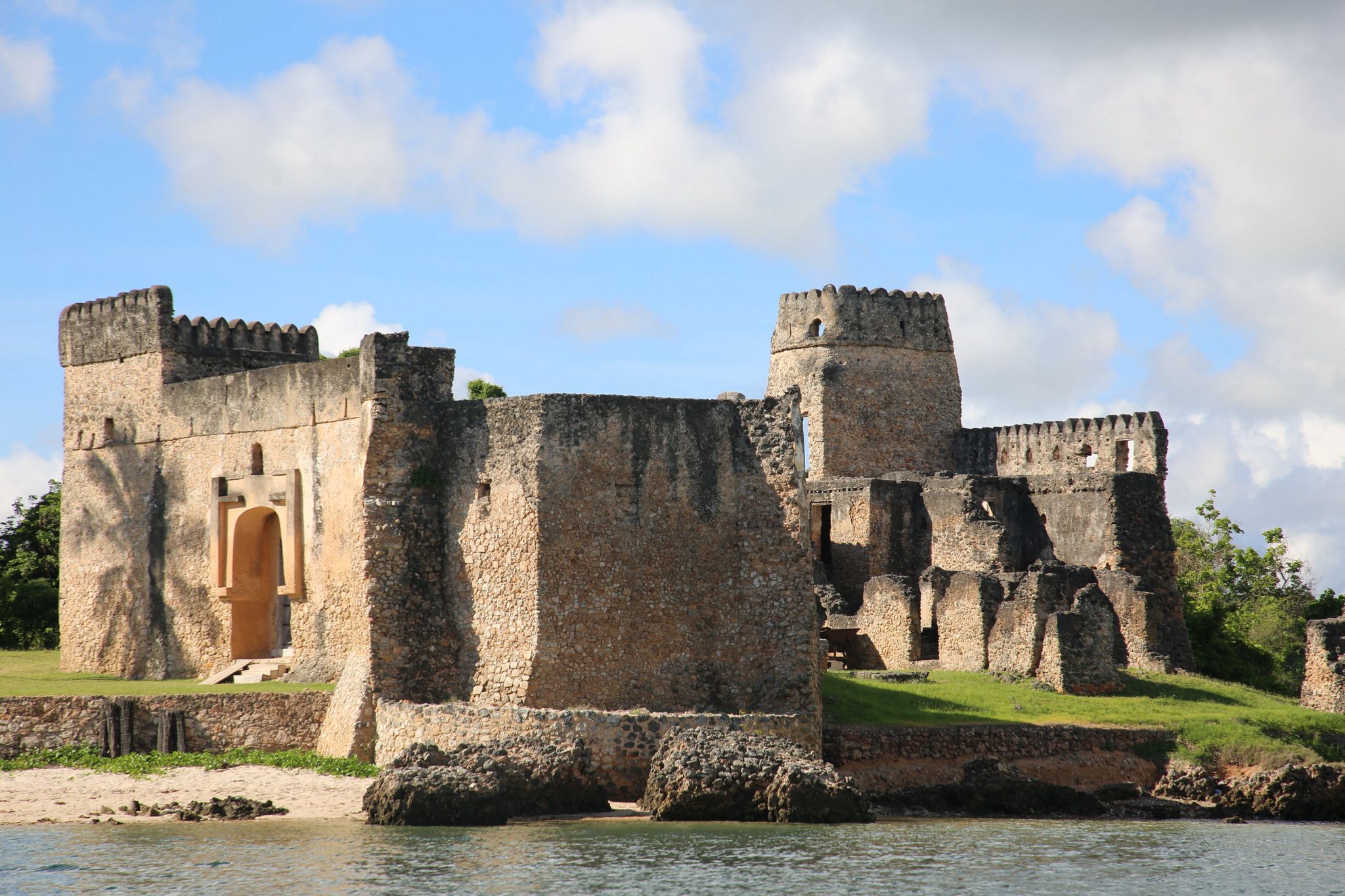
Kilwa Kisiwani: Tanzania’s Forgotten UNESCO Island of Sultans and Ruins
While many visitors to Tanzania focus on safaris, Mount Kilimanjaro, or Zanzibar, few discover one of East Africa’s most remarkable historical destinations. Kilwa Kisiwani is a small island off Tanzania’s southern coast that was once the wealthiest and most influential city on the Swahili Coast. Today, its atmospheric ruins tell the story of powerful sultans, thriving Indian Ocean trade, and centuries of cultural exchange between Africa, Arabia, Persia, and Asia.
Recognised as a UNESCO World Heritage Site, Kilwa Kisiwani preserves some of the finest examples of medieval Swahili architecture anywhere in Africa. Visitors can explore the Great Mosque, the vast palace of Husuni Kubwa, ancient tombs, defensive walls, and coral-stone buildings that once overlooked one of the world’s busiest trading ports.
For travellers interested in history, archaeology, architecture, or culture, Kilwa Kisiwani offers an unforgettable journey into Tanzania’s past. Combined with nearby beaches, coastal towns, and wildlife destinations, it creates a unique addition to any Tanzania itinerary.
Travellers exploring Tanzania’s cultural heritage can also visit Bagamoyo Historic Town to discover another important chapter in the history of the Swahili Coast.
Where Is Kilwa Kisiwani?
Kilwa Kisiwani lies just off Tanzania’s southern coastline in Lindi Region, approximately 300 kilometres south of Dar es Salaam near the mainland town of Kilwa Masoko.
Visitors reach the island by a short local boat ride from Kilwa Masoko.
Although relatively remote compared with Zanzibar, the journey rewards travellers with one of East Africa’s most significant archaeological sites.
Nearby attractions include:
- Kilwa Masoko
- Songo Mnara
- Indian Ocean beaches
- Lindi
- Mikindani
- Selous–Nyerere ecosystem
Many travellers combine Kilwa with Bagamoyo Historic Town or Pangani Tanzania for a deeper exploration of Tanzania’s historic coastline.
The History of Kilwa Kisiwani
The story of Kilwa Kisiwani stretches back more than a thousand years.
Settled around the ninth century, the island developed into one of the wealthiest trading centres along the East African coast.
Merchants traded with:
- Arabia.
- Persia.
- India.
- China.
- Southern Africa.
Kilwa exported:
- Gold from Great Zimbabwe.
- Ivory.
- Mangrove poles.
- Iron.
- Tortoiseshell.
- Spices.
Imported goods included:
- Chinese porcelain.
- Persian ceramics.
- Silk.
- Glassware.
- Jewellery.
- Fine textiles.
By the thirteenth and fourteenth centuries, Kilwa had become one of the most powerful city-states in the Indian Ocean trading network.
Its wealth funded magnificent buildings that still impress visitors today.
Why Visit Kilwa Kisiwani?
Unlike many archaeological sites that consist of only scattered foundations, Kilwa Kisiwani preserves extensive ruins that allow visitors to imagine the scale and sophistication of this once-prosperous city.
Reasons to visit include:
- UNESCO World Heritage status.
- The Great Mosque.
- Husuni Kubwa palace.
- Swahili architecture.
- Rich trading history.
- Coastal scenery.
- Peaceful atmosphere.
- Outstanding photography.
Because visitor numbers remain relatively low, travellers often explore the site with very few other people nearby.
UNESCO World Heritage Status
In 1981, Kilwa Kisiwani and nearby Songo Mnara were inscribed as UNESCO World Heritage Sites because of their exceptional cultural and historical significance.
The sites represent the height of Swahili civilisation and demonstrate centuries of interaction between Africa and the wider Indian Ocean world.
Today, ongoing conservation work protects the coral-stone structures from erosion while preserving their archaeological importance for future generations.
The Great Mosque of Kilwa Kisiwani
The Great Mosque is the oldest surviving mosque on Tanzania’s coast and one of the oldest standing mosques in sub-Saharan Africa.
Construction began in the eleventh century, with later expansions reflecting the city’s growing wealth.
Visitors can admire:
- Coral-stone architecture.
- Elegant arches.
- Domed roofing.
- Historic prayer halls.
- Intricate masonry.
Despite its age, the mosque remains one of the finest examples of medieval Islamic architecture in East Africa.
Husuni Kubwa: The Palace of the Sultans
Perhaps the most impressive structure on Kilwa Kisiwani is Husuni Kubwa.
Built during the fourteenth century, this enormous palace contained:
- More than 100 rooms.
- Courtyards.
- Reception halls.
- Warehouses.
- Private apartments.
- A large octagonal swimming pool.
Overlooking the Indian Ocean, Husuni Kubwa reflected the extraordinary wealth and influence of Kilwa’s rulers during the height of the Swahili trading empire.
Its scale remains astonishing even today.
Exploring the Ruins
Walking through Kilwa Kisiwani feels like stepping into a forgotten civilisation.
Visitors can explore:
- Ancient city walls.
- Tombs.
- Residential buildings.
- Palaces.
- Mosques.
- Market areas.
- Harbour remains.
Local guides help bring the ruins to life by explaining the history behind each structure and the role Kilwa played in international trade.
Swahili Architecture
The buildings of Kilwa Kisiwani showcase the distinctive architectural style that developed along the East African coast.
Common features include:
- Coral rag stone.
- Lime mortar.
- Arched doorways.
- Decorative niches.
- Courtyards.
- Domed roofs.
These techniques influenced architecture throughout the Swahili Coast for centuries.
Songo Mnara
A short boat ride from Kilwa Kisiwani lies Songo Mnara, another UNESCO World Heritage Site.
Unlike Kilwa, which developed into a major political centre, Songo Mnara was a thriving residential and commercial settlement.
Visitors can explore:
- Mosques.
- Houses.
- Tombs.
- Public squares.
- Defensive walls.
Together, both islands provide a comprehensive understanding of medieval Swahili civilisation.
Travellers interested in Tanzania’s coastal history can also explore Pangani Tanzania for another beautifully preserved Swahili settlement.
Best Time to Visit Kilwa Kisiwani
One of the advantages of visiting Kilwa Kisiwani is that it can be explored throughout the year. However, weather conditions and temperatures vary by season, making certain months more comfortable for sightseeing.
June to October
The dry season is considered the best time to visit.
During these months, visitors enjoy:
- Pleasant temperatures.
- Lower humidity.
- Calm sea crossings.
- Clear skies.
- Comfortable walking conditions.
- Excellent photography.
Because the ruins are explored on foot, cooler weather makes the experience far more enjoyable.
November to March
The coastal landscape becomes greener following seasonal rains.
Visitors can expect:
- Warm temperatures.
- Beautiful coastal scenery.
- Good boating conditions on most days.
- Fewer tourists.
This period is ideal for travellers combining Kilwa with beach destinations.
April and May
Heavy rainfall occasionally affects road conditions and boat crossings.
Although visitor numbers are at their lowest, the lush coastal vegetation creates beautiful photographic opportunities.
How to Get to Kilwa Kisiwani
Most visitors travel to Kilwa Kisiwani via Kilwa Masoko, the mainland gateway to the island.
Common travel options include:
- Driving from Dar es Salaam.
- Domestic flights to nearby airstrips followed by road transfers.
- Private guided tours.
From Kilwa Masoko, visitors take a short traditional boat ride across the channel to reach the island.
Many travellers include Kilwa as part of a broader southern Tanzania itinerary.
Wildlife and Coastal Scenery
Although Kilwa Kisiwani is primarily a historical destination, the surrounding coastline offers beautiful natural scenery.
Visitors may see:
- Mangrove forests.
- Coastal birds.
- Reef fish.
- Dolphins (occasionally).
- Coconut palms.
- White sandy beaches.
The peaceful atmosphere makes Kilwa an excellent destination for photography and slow travel.
Photography at Kilwa Kisiwani
Photography enthusiasts will find endless inspiration throughout Kilwa Kisiwani.
Popular subjects include:
- The Great Mosque.
- Husuni Kubwa.
- Coral-stone archways.
- Ancient tombs.
- Ocean views.
- Traditional fishing boats.
- Sunset over the Indian Ocean.
Morning and late afternoon provide the best lighting while avoiding the strongest midday heat.
Local Culture
The nearby communities continue many traditions associated with Tanzania’s Swahili Coast.
Visitors may experience:
- Swahili cuisine.
- Traditional dhow boats.
- Local fishing villages.
- Coastal markets.
- Friendly community interactions.
Hiring local guides not only enhances your understanding of the site’s history but also supports the local economy.
Accommodation Near Kilwa Kisiwani
Accommodation is available primarily in Kilwa Masoko.
Options include:
Beach Lodges
Perfect for travellers seeking comfort alongside ocean views.
Typical facilities include:
- En-suite rooms.
- Restaurants.
- Oceanfront settings.
- Guided excursions.
Mid-Range Hotels
Suitable for most visitors, offering:
- Comfortable accommodation.
- Easy access to boat departures.
- Local cuisine.
- Tour arrangements.
Guesthouses
Budget-friendly accommodation provides a practical base for exploring both Kilwa Kisiwani and the surrounding coastline.
Combining Kilwa Kisiwani With Other Destinations
One of the strengths of visiting Kilwa Kisiwani is how easily it complements other cultural and wildlife experiences across Tanzania.
Popular combinations include:
- Bagamoyo Historic Town to continue exploring the history of the Swahili Coast.
- Pangani Tanzania for quiet beaches, dhow cruises, and another historic coastal settlement.
- Tanzania Safaris to combine history with world-famous wildlife experiences.
- Tanzania Explorer for a comprehensive itinerary covering Tanzania’s coast, national parks, and cultural landmarks.
- Travel Information for practical advice on visas, transport, health requirements, and the best time to visit Tanzania.
Combining Kilwa with these destinations creates a well-rounded journey that showcases both Tanzania’s rich cultural heritage and its spectacular natural attractions.
Responsible Tourism
As one of Tanzania’s most significant archaeological sites, Kilwa Kisiwani deserves careful protection.
Visitors can help preserve the ruins by:
- Remaining on designated paths.
- Avoiding climbing on fragile structures.
- Following instructions from local guides.
- Respecting cultural and religious sites.
- Supporting local businesses and guides.
- Taking all litter away.
Responsible tourism helps ensure future generations can continue to appreciate this extraordinary UNESCO World Heritage Site.
Frequently Asked Questions
Why is Kilwa Kisiwani important?
Kilwa Kisiwani was one of the wealthiest and most influential trading cities on the medieval Swahili Coast. Its merchants connected East Africa with Arabia, Persia, India, and China, making it a major centre of commerce for centuries.
Is Kilwa Kisiwani a UNESCO World Heritage Site?
Yes. Kilwa Kisiwani and nearby Songo Mnara were designated UNESCO World Heritage Sites in 1981 because of their outstanding historical and cultural significance.
How long should I spend visiting Kilwa Kisiwani?
Most travellers spend one full day exploring the island, although staying two or three days allows time to visit nearby Songo Mnara, Kilwa Masoko, and the surrounding coastline.
Can I visit without a guide?
Local guides are strongly recommended. They explain the history of the ruins, identify important structures, and provide fascinating insight into the rise and decline of the Swahili trading empire.
What is the best time to visit?
The dry season from June to October offers the most comfortable weather for exploring the archaeological site and enjoying boat crossings.
Conclusion
Kilwa Kisiwani is one of Tanzania’s greatest historical treasures and one of the most remarkable archaeological sites in East Africa. Once the heart of a powerful Swahili trading empire, the island still preserves magnificent coral-stone architecture, including the Great Mosque, the palace of Husuni Kubwa, and centuries-old tombs that reveal the wealth and influence of its former rulers.
For travellers seeking more than wildlife safaris, Kilwa Kisiwani provides an unforgettable journey into Tanzania’s cultural heritage. Its peaceful atmosphere, UNESCO-recognised ruins, and breathtaking Indian Ocean setting make it a destination unlike any other on the Swahili Coast.
At Odysseys From Africa, we can help you include Kilwa Kisiwani in a tailor-made itinerary that combines history, coastal experiences, wildlife safaris, and authentic cultural encounters across Tanzania.
Contact Odysseys From Africa
Ready to explore Kilwa Kisiwani?
Our travel specialists can create a personalised itinerary featuring:
- Guided tours of Kilwa Kisiwani.
- Excursions to Songo Mnara.
- Swahili Coast cultural experiences.
- Southern Tanzania adventures.
- Wildlife safaris.
- Zanzibar beach holidays.
Discover more Tanzania experiences:
Odysseys From Africa
Location: Arusha, Tanzania
Email: info@odysseys-from-africa.com
Phone (Kenya): +254 710 450 797
Phone (Tanzania): +255 652 810 255
Website: https://odysseys-from-africa.com/