
Fascinating Engaruka Ruins Facts | Tanzania Rift Valley History Guide
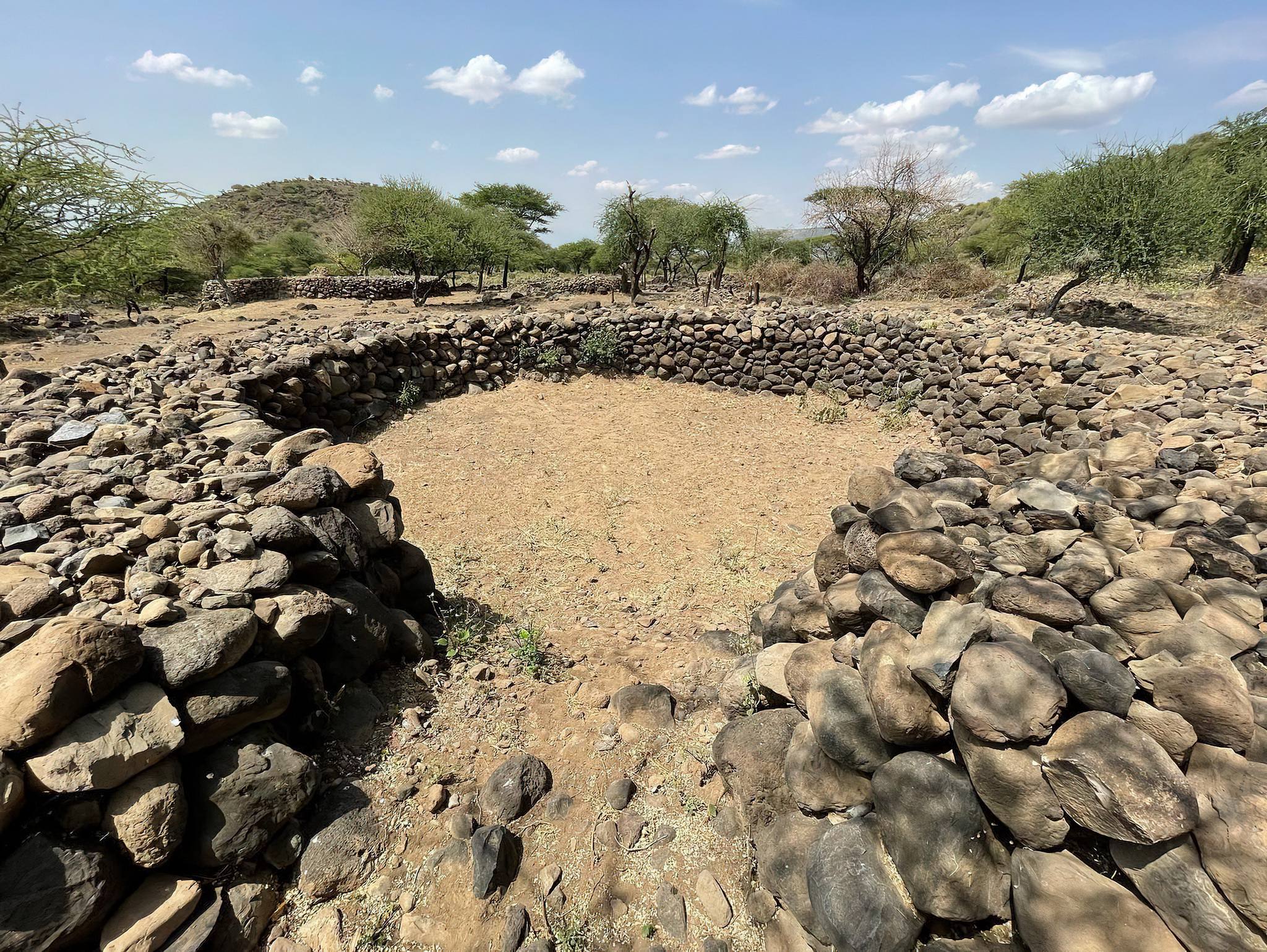
The Engaruka ruins are one of Tanzania’s most remarkable archaeological sites, preserving the remains of an ancient agricultural settlement built around advanced stone irrigation systems. Located on the floor of the Great Rift Valley, Engaruka reveals how communities transformed a dry landscape into productive farmland centuries ago.
The Engaruka ruins are one of Tanzania’s most remarkable archaeological sites, preserving the remains of an ancient agricultural settlement built around advanced stone irrigation systems. Located on the floor of the Great Rift Valley, Engaruka reveals how communities transformed a dry landscape into productive farmland centuries ago.
Most travelers exploring northern Tanzania follow routes designed around wildlife.
They visit:
- Serengeti National Park.
- Ngorongoro Crater.
- Tarangire National Park.
- Lake Natron.
But between these famous destinations lies a forgotten chapter of Tanzania’s human history.
The Engaruka ruins represent one of East Africa’s most impressive examples of ancient agricultural engineering.
Spread across the Rift Valley landscape, the site contains:
- Stone terraces.
- Irrigation channels.
- Farming areas.
- Settlement remains.
The ruins demonstrate remarkable knowledge of water management and agriculture in an environment that appears impossible to farm today.
Growing up in Arusha, our team understands that Tanzania’s greatest stories are not only found in wildlife.
They are also found in ancient landscapes, local communities, and archaeological treasures that reveal how people adapted to this land over generations.
The History of the Engaruka Ruins
The Engaruka ruins date back several centuries and represent the remains of a sophisticated farming community that developed extensive irrigation networks and stone-built agricultural terraces in northern Tanzania.
Engaruka was once a thriving agricultural settlement.
Although many details about its original inhabitants remain debated among historians and archaeologists, the site provides clear evidence of advanced farming techniques.
The community created:
- Stone-lined irrigation channels.
- Terraced fields.
- Water distribution systems.
- Large cultivated areas.
These systems allowed farmers to grow crops in the challenging Rift Valley environment.
The settlement eventually declined, likely due to a combination of environmental and social changes.
Today, the abandoned landscape provides valuable insight into Tanzania’s agricultural heritage.
How the Engaruka Irrigation System Worked
The Engaruka ruins are famous because they contain evidence of one of Africa’s most extensive ancient irrigation systems, using channels and stone structures to direct water from nearby sources to farmland.
The engineering behind Engaruka was remarkably advanced.
Farmers carefully designed systems that controlled water movement across the landscape.
The irrigation network included:
Stone Channels
These guided water from higher areas toward agricultural plots.
Terraced Fields
Stone terraces helped:
- Reduce soil erosion.
- Retain moisture.
- Create productive farming areas.
Water Management
The system allowed communities to survive in a semi-arid environment.
The remains show impressive understanding of:
- Landscape design.
- Agriculture.
- Water conservation.
For visitors today, walking through Engaruka feels like exploring an open-air museum of ancient innovation.
Where Are the Engaruka Ruins Located?
The Engaruka ruins are located in northern Tanzania between Mto wa Mbu and Lake Natron, making them an excellent cultural stop during a Northern Tanzania adventure itinerary.
The ruins sit beneath the dramatic Rift Valley escarpment.
Their location makes them ideal to combine with:
- Lake Natron.
- Ngorongoro Conservation Area.
- Serengeti.
- Tarangire National Park.
The surrounding landscape includes:
- Volcanic mountains.
- Open plains.
- Maasai communities.
- Rift Valley scenery.
The journey itself is part of the experience.
Unlike crowded attractions, Engaruka offers a peaceful opportunity to explore Tanzania’s history without large tourist groups.
Why Visit the Engaruka Ruins?
The Engaruka ruins offer travelers a rare chance to explore Tanzania beyond wildlife, combining archaeology, landscape, culture, and ancient engineering in one unforgettable experience.
Here are some reasons to include Engaruka in your itinerary:
1. Experience Tanzania’s Hidden History
Many visitors know Tanzania for wildlife.
Engaruka reveals another side of the country.
2. See Ancient Engineering
The irrigation system demonstrates impressive human adaptation.
3. Enjoy Unique Photography
The site offers:
- Dramatic mountain backgrounds.
- Stone structures.
- Rift Valley landscapes.
- Traditional village surroundings.
4. Escape the Crowds
Engaruka remains relatively unknown compared with Tanzania’s famous attractions.
Combining Engaruka Ruins With Lake Natron
Engaruka ruins and Lake Natron create a powerful cultural and natural combination, allowing travelers to experience ancient history, volcanic landscapes, flamingos, and local communities in one journey.
Many travelers visit Engaruka while traveling toward Lake Natron.
A combined itinerary can include:
Engaruka Ruins
Explore ancient irrigation systems and archaeological remains.
Lake Natron
Discover:
- Flamingo breeding areas.
- Salt flats.
- Ngare Sero Waterfall.
Ol Doinyo Lengai
Experience the sacred Maasai volcano.
Our Best of Northern Tanzania itinerary can be customized to include these remote destinations.
For a wider adventure, our Tanzania Explorer journey combines cultural discoveries with iconic wildlife destinations.
Planning an Engaruka Ruins Visit From the United States
US travelers can include the Engaruka ruins in a Northern Tanzania itinerary after arriving through Kilimanjaro International Airport and beginning their journey from Arusha.
Typical travel routes include flights from:
- New York (JFK).
- Los Angeles (LAX).
- Chicago (ORD).
- Atlanta (ATL).
International connections commonly pass through:
- Doha.
- Amsterdam.
- Istanbul.
- Nairobi.
Travelers should prepare with:
- Tanzania visa requirements.
- Comfortable walking shoes.
- Sun protection.
- Travel insurance.
Our Travel Information guide helps visitors prepare for their Tanzania adventure.
Photography Tips for the Engaruka Ruins
The Engaruka ruins provide excellent photography opportunities through ancient stone structures, Rift Valley scenery, and dramatic mountain landscapes surrounding the archaeological site.
Recommended photography equipment includes:
- Wide-angle lens for landscapes.
- 24–70mm lens for general scenes.
- Polarizing filter for bright conditions.
- Extra batteries.
- Dust protection for equipment.
The best times for photography are:
- Early morning.
- Late afternoon.
Best Time to Visit the Engaruka Ruins
The Engaruka ruins can be visited throughout the year, but the best months are generally during Tanzania’s dry seasons when roads are easier to navigate and outdoor exploration is more comfortable.
Because Engaruka is an outdoor archaeological site, weather plays an important role in the experience.
June to October
This is one of the most popular periods for visiting northern Tanzania.
Advantages include:
- Dry weather.
- Clear mountain views.
- Comfortable walking conditions.
- Excellent photography opportunities.
This season also combines well with classic Tanzania safari routes.
January to March
Another excellent travel period.
Visitors can enjoy:
- Warm conditions.
- Green landscapes after seasonal rains.
- Fewer crowds.
- Great opportunities for combining cultural visits with wildlife adventures.
April to May
The long rains transform the surrounding landscape.
Although some roads may become more challenging, the area becomes:
- Greener.
- More dramatic.
- Less crowded.
For travelers seeking quieter experiences, this period can provide a unique perspective of the Rift Valley.
The Cultural Landscape Around Engaruka
The Engaruka ruins are surrounded by living cultures, especially Maasai communities whose traditions and relationship with the Rift Valley landscape continue today.
The archaeological importance of Engaruka is connected to the people who continue to call this region home.
A visit may include opportunities to learn about:
- Maasai pastoral traditions.
- Local farming practices.
- Traditional lifestyles.
- Community relationships with the environment.
The Rift Valley has supported communities for centuries because of:
- Water sources.
- Fertile volcanic soils.
- Natural grazing areas.
Today, travelers can experience how ancient history and modern traditions exist side by side.
Growing up in Arusha, our team understands that cultural travel is most meaningful when visitors listen, learn, and engage respectfully with local communities.
Responsible Tourism at the Engaruka Ruins
Responsible tourism helps protect the Engaruka ruins by preserving archaeological structures, supporting local communities, and ensuring future generations can experience this important piece of Tanzania’s history.
When visiting the site, travelers should:
Respect Archaeological Areas
Avoid:
- Moving stones.
- Removing artifacts.
- Climbing fragile structures.
Support Local Guides
Local guides provide:
- Historical explanations.
- Cultural context.
- Better understanding of the landscape.
Travel With Awareness
Visitors should:
- Follow designated paths.
- Carry reusable water bottles.
- Avoid leaving waste.
Small choices help preserve important heritage sites.
Engaruka Ruins Compared With Other Tanzania Cultural Experiences
The Engaruka ruins offer a unique archaeological experience compared with Tanzania’s other cultural attractions because they focus on ancient engineering, agriculture, and human adaptation to the Rift Valley environment.
Tanzania offers many cultural experiences, each with a different focus.
| Experience | Main Highlight |
|---|---|
| Engaruka Ruins | Ancient irrigation and archaeology |
| Marangu Village Chagga Caves | Underground history and Chagga traditions |
| Maasai Village Visits | Living pastoral culture |
| Coffee Tours | Agriculture and local production |
For travelers interested in understanding Tanzania beyond wildlife, combining several cultural experiences creates a deeper journey.
Frequently Asked Questions About Engaruka Ruins
What are the Engaruka ruins?
The Engaruka ruins are the remains of an ancient agricultural settlement in northern Tanzania known for its sophisticated stone irrigation systems and terraced farming structures.
How old are the Engaruka ruins?
The settlement dates back several centuries, although the exact timeline and identity of the original inhabitants continue to be studied by archaeologists.
Where are the Engaruka ruins located?
The ruins are located in the Great Rift Valley of northern Tanzania between Mto wa Mbu and Lake Natron.
Can Engaruka ruins be visited during a safari?
Yes. Engaruka is an excellent addition to a Northern Tanzania safari itinerary, especially when traveling toward Lake Natron or the Serengeti.
How long does an Engaruka ruins visit take?
Most visits take one to several hours depending on whether travelers explore the archaeological area only or combine it with nearby cultural experiences.
Are the Engaruka ruins suitable for families?
Yes. Families interested in history, nature, and cultural learning can enjoy the experience, although visitors should be prepared for outdoor walking conditions.
Final Thoughts: Why the Engaruka Ruins Are Worth Adding to Your Tanzania Trip
The Engaruka ruins provide a rare opportunity to explore Tanzania’s ancient history through remarkable stone irrigation systems, dramatic Rift Valley scenery, and cultural connections that go beyond traditional safari experiences.
Many travelers visit Tanzania looking for wildlife encounters.
They leave discovering a much bigger story.
The Engaruka ruins reveal:
- Human innovation.
- Ancient farming knowledge.
- Environmental adaptation.
- Cultural heritage.
Standing among the remains of this forgotten irrigation city, visitors can imagine a time when communities transformed a challenging landscape into productive farmland.
Combined with Lake Natron, Ol Doinyo Lengai, Serengeti, or Ngorongoro, Engaruka adds historical depth to a Northern Tanzania adventure.
At Odysseys From Africa, we believe the best journeys connect travelers not only with places, but also with the stories that shaped them.
The Engaruka ruins are one of Tanzania’s most fascinating reminders that every landscape has a history waiting to be discovered.
Create Your Northern Tanzania Cultural Safari With Odysseys From Africa
Odysseys From Africa creates personalized Tanzania itineraries that combine the Engaruka ruins with Lake Natron, Serengeti safaris, Kilimanjaro adventures, and authentic cultural experiences.
A Tanzania journey becomes more memorable when it includes places that reveal the country’s deeper stories.
Our local team can arrange experiences featuring:
- Engaruka archaeological visits.
- Lake Natron flamingo adventures.
- Ol Doinyo Lengai climbs.
- Serengeti safari tours.
- Ngorongoro Crater exploration.
- Zanzibar beach extensions.
Popular safari combinations include our Serengeti and Ngorongoro adventure and customized Northern Tanzania journeys.
Travelers interested in extending their trip to the coast can also explore our Best of Zanzibar experience.
Location: Arusha, Tanzania
Email: info@odysseys-from-africa.com
Phone: +254 (0) 710 450 797 | +255 (0) 652 810 255
Website: https://odysseys-from-africa.com/
Plan your journey with a locally based Tanzania safari team that understands the landscapes, communities, and hidden places that make this destination extraordinary.