Wild Adventures, Timeless Memories…

Odysseys From Africa

Cultural Experiences

Kondoa Irangi rock art
Cultural Experiences·

Kondoa Irangi Rock Art | UNESCO Site in Tanzania

Kondoa Irangi rock art is one of Tanzania’s most important archaeological treasures, preserving thousands of years of human history through ancient paintings found across natural rock shelters in the Rift Valley. This UNESCO World Heritage Site offers travelers a rare cultural experience far away from Tanzania’s busiest safari routes. Tanzania is famous worldwide for: Serengeti wildlife. Ngorongoro Crater. Mount Kilimanjaro. Zanzibar beaches. However, hidden away in central Tanzania is a destination that tells a much older story. The Kondoa Irangi rock art sites reveal the creativity, beliefs, and daily lives of communities that lived in this region thousands of years ago. Across the hills of Kondoa, ancient artists painted: Human figures. Animals. Hunting scenes. Symbolic images. Cultural ceremonies. These paintings provide a connection between modern travelers and the people who shaped Tanzania’s landscape long before today’s safari routes existed. Growing up in Arusha, our team understands that Tanzania’s greatest journeys are not only about wildlife. They are about discovering the history, cultures, and hidden places that make the country extraordinary. Where Are the Kondoa Irangi Rock Art Sites Located? The Kondoa Irangi rock art sites are located in central Tanzania, between the northern safari regions and Dodoma, making them a unique cultural extension for travelers exploring beyond the traditional routes. The sites are found in the Kondoa District of the Dodoma Region. The landscape features: Rocky hills. Natural shelters. Dry savannah. Rift Valley scenery. The location places Kondoa between several major Tanzanian travel areas. It can be combined with: Tarangire National Park. Manyara region. Dodoma. Cultural routes through central Tanzania. Unlike popular safari destinations, Kondoa offers a peaceful experience where visitors can explore ancient history without large crowds. Why Are Kondoa Irangi Rock Art Sites Important? Kondoa Irangi rock art is important because it preserves evidence of human activity, beliefs, and artistic traditions spanning thousands of years, making it one of Africa’s most significant collections of prehistoric and historic rock paintings. The paintings provide valuable information about earlier communities. Researchers study the artwork to understand: Human settlement patterns. Ancient traditions. Environmental changes. Cultural practices. The site demonstrates how people interacted with their surroundings over generations. The paintings are not simply decorations. They represent: Stories. Beliefs. Knowledge. Community identity. For travelers, visiting Kondoa is like opening a window into Tanzania’s distant past. The History Behind Kondoa Rock Paintings The Kondoa rock paintings represent multiple periods of human history, with some artwork believed to date back thousands of years and reflecting different communities that occupied the region over time. The exact age of individual paintings varies, but the collection demonstrates a long history of human creativity. The artwork reflects changing societies and environments. Ancient communities used natural rock shelters as places for: Expression. Communication. Cultural activities. Over generations, new paintings were added, creating layers of history across the landscape. This makes Kondoa unique because it is not a single moment in time. It is a visual record of human life across centuries. What Can Visitors See at Kondoa Irangi Rock Art? Visitors exploring Kondoa Irangi rock art can discover ancient paintings of humans, animals, symbols, and cultural scenes across dramatic rocky landscapes guided by local experts. A visit may include: Rock Shelters Natural caves and overhangs contain preserved paintings. Ancient Artwork Visitors can see: Animal figures. Human forms. Abstract symbols. Historical scenes. Scenic Landscapes The surrounding area offers: Mountain views. Savannah scenery. Rural Tanzania experiences. The combination of archaeology and landscape makes Kondoa a memorable cultural adventure. Why Kondoa Irangi Rock Art Is a Hidden Tanzania Experience Kondoa Irangi rock art remains overlooked because most visitors follow Tanzania’s famous northern safari circuit, making this UNESCO site an excellent choice for travelers seeking unique and less crowded experiences. Many international travelers never reach central Tanzania. Most itineraries focus on: Serengeti. Ngorongoro. Kilimanjaro. Kondoa offers something different. It appeals to travelers who want: Authentic Discovery Explore places outside common tourist routes. Cultural Understanding Learn about ancient communities and traditions. Quiet Exploration Enjoy a peaceful archaeological experience. For adventurous travelers, Kondoa represents Tanzania beyond the famous highlights. Combining Kondoa Irangi With a Tanzania Safari Kondoa Irangi rock art can be added to a wider Tanzania itinerary, especially for travelers interested in combining wildlife, culture, archaeology, and lesser-known destinations. Possible combinations include: Tarangire National Park Explore elephants, baobabs, and diverse wildlife. Ngorongoro Crater Discover one of Africa’s most spectacular wildlife areas. Serengeti National Park Experience iconic safari landscapes. Our Best of Northern Tanzania itinerary can be adapted for travelers seeking cultural extensions. For a broader journey, our Tanzania Explorer experience combines wildlife, landscapes, and cultural discoveries. Planning Kondoa Irangi Rock Art From the United States US travelers can include Kondoa Irangi rock art as part of a customized Tanzania adventure by combining flights into Tanzania with a private itinerary covering cultural and safari destinations. Most international travelers arrive through: Kilimanjaro International Airport. Julius Nyerere International Airport in Dar es Salaam. Common connections include: Doha. Amsterdam. Istanbul. Nairobi. Travelers should prepare with: Tanzania visa requirements. Comfortable walking shoes. Sun protection. Travel insurance. Our Travel Information guide provides preparation details for Tanzania journeys. Best Time to Visit Kondoa Irangi Rock Art The best time to visit Kondoa Irangi rock art is during Tanzania’s dry seasons when roads are easier to navigate and outdoor exploration of the rock shelters is more comfortable. However, each season offers a different perspective of this historic landscape. Because Kondoa is an outdoor archaeological destination, weather conditions influence the experience. June to October This is one of the most popular periods for exploring Tanzania. Advantages include: Dry and predictable weather. Easier access to remote sites. Comfortable hiking conditions. Clear views across the surrounding landscape. This period also works well for combining Kondoa with safari destinations. January to March The green season offers a different atmosphere. Visitors may enjoy: Fresh vegetation. Cooler mornings. Beautiful landscape photography. Fewer visitors. The surrounding hills can appear especially dramatic after rainfall. April to May The long rains bring changes to central Tanzania. Travelers may experience: Greener landscapes. Quiet…

Read More
Mto wa Mbu cultural tour
Cultural Experiences·

Mto wa Mbu Cultural Tour | Northern Circuit Stop

A Mto wa Mbu cultural tour offers an authentic introduction to Tanzania’s diverse communities through local markets, farms, traditional food, crafts, and encounters with people from more than 120 ethnic groups. Located near Lake Manyara on the Northern Safari Circuit, it is one of the best cultural stops between Arusha and the Serengeti. Many travelers pass through Mto wa Mbu on their way to Tanzania’s famous wildlife destinations. They drive toward: Serengeti National Park. Ngorongoro Crater. Tarangire National Park. But hidden within this small town is one of northern Tanzania’s richest cultural experiences. The Mto wa Mbu cultural tour reveals a community where different traditions, languages, and lifestyles come together. The town is famous for: Diverse ethnic communities. Fertile agricultural land. Banana plantations. Rice paddies. Traditional crafts. Vibrant local markets. Growing up in Arusha, our team understands that Tanzania is not only about wildlife. The people, food, farming, and traditions create the complete story of this remarkable country. Where Is Mto wa Mbu Located? Mto wa Mbu is located in northern Tanzania near Lake Manyara National Park, making it an ideal cultural stop before continuing to Ngorongoro Crater and Serengeti National Park. The town sits along the main safari route connecting Arusha with the Northern Circuit. Its strategic location makes it easy to combine with: Lake Manyara safari. Ngorongoro Crater. Serengeti. Tarangire. The name “Mto wa Mbu” means “River of Mosquitoes” in Swahili, referring to the waterways that support the area’s rich agriculture. Unlike many dry areas of northern Tanzania, Mto wa Mbu benefits from fertile soils and reliable water sources. This has allowed farming communities to thrive for generations. Why Is Mto wa Mbu Known as the Village of 120 Tribes? Mto wa Mbu is famous for its cultural diversity because people from more than 120 Tanzanian ethnic groups live and work in the area, creating a unique blend of traditions, languages, and cuisines. Tanzania is one of Africa’s most culturally diverse countries. Mto wa Mbu represents this diversity on a local scale. Communities in the area include people from different backgrounds who have brought their own: Farming methods. Foods. Languages. Artistic traditions. Cultural practices. This diversity is visible throughout the town. A visitor may experience: Different cooking styles. Various craft traditions. Multiple languages. Unique farming techniques. The result is a destination where Tanzania’s cultural richness can be experienced in a single afternoon. What Happens During a Mto wa Mbu Cultural Tour? A Mto wa Mbu cultural tour usually includes guided walks through farms, markets, workshops, and local homes where visitors learn about agriculture, crafts, food, and everyday community life. A typical experience may include: Village Walking Tour Explore local streets while learning about: Community life. History. Traditions. Local businesses. Farming Visits Discover how residents grow: Bananas. Rice. Vegetables. Other crops. Local Market Visit Experience the colors, sounds, and flavors of a Tanzanian market. Craft Workshops Meet artisans producing: Wood carvings. Paintings. Handmade items. Traditional crafts. Every visit is different because the experience is shaped by local guides and community members. Exploring Banana Plantations and Traditional Farming Banana farming is one of Mto wa Mbu’s most important agricultural traditions, and cultural tours provide insight into how bananas support local food systems and livelihoods. The green banana plantations around Mto wa Mbu create a striking contrast against the surrounding Rift Valley landscape. Visitors can learn about: Banana cultivation. Traditional farming methods. Local food preparation. Agricultural challenges. Bananas are used for: Cooking. Selling at markets. Traditional drinks. Community celebrations. One of the most interesting parts of the experience is understanding how farming connects families, culture, and the local economy. The Famous Banana Beer Experience The banana beer experience is a highlight of many Mto wa Mbu cultural tours, allowing visitors to learn about a traditional drink made from locally grown bananas using community methods passed through generations. Traditional banana beverages are part of the cultural identity of some communities in the region. A guided experience may explain: How bananas are selected. Traditional preparation methods. The role of local drinks in social gatherings. The experience is about more than tasting a drink. It provides insight into: Community traditions. Local agriculture. Generational knowledge. Visitors should always approach cultural experiences respectfully and follow local guidance. Rice Paddies and the Agricultural Landscape The rice fields around Mto wa Mbu demonstrate how irrigation and fertile Rift Valley soils allow farmers to produce crops in an otherwise dry northern Tanzania environment. The landscape around the town is surprisingly green. Water from nearby sources supports agriculture including: Rice farming. Banana plantations. Vegetable gardens. During a village walk, travelers can observe: Farmers working fields. Traditional irrigation practices. Rural farming life. This agricultural landscape provides a completely different perspective from the wildlife-rich national parks nearby. Combining Mto wa Mbu With a Tanzania Safari A Mto wa Mbu cultural tour is best added to a Northern Tanzania safari itinerary because it fits naturally between Arusha, Lake Manyara, Ngorongoro, and Serengeti. Popular combinations include: Lake Manyara National Park Explore wildlife and birdlife before or after your cultural visit. Ngorongoro Crater Continue to one of Africa’s most spectacular wildlife destinations. Serengeti National Park Experience iconic landscapes and wildlife encounters. Our Best of Northern Tanzania itinerary can be customized to include cultural stops such as Mto wa Mbu. Travelers looking for a wider experience can also explore our Tanzania Explorer journey. Planning a Mto wa Mbu Cultural Tour From the United States US travelers can easily include Mto wa Mbu in a Tanzania safari after arriving through Kilimanjaro International Airport and starting from Arusha. Typical routes include flights from: New York. Los Angeles. Chicago. Atlanta. International connections commonly pass through: Doha. Amsterdam. Istanbul. Nairobi. Before traveling, visitors should prepare: Tanzania visa requirements. Comfortable walking shoes. Sun protection. Travel insurance. Our Travel Information guide helps travelers prepare for their Tanzania adventure. Best Time to Experience a Mto wa Mbu Cultural Tour A Mto wa Mbu cultural tour can be enjoyed throughout the year, but the best periods are usually during Tanzania’s dry seasons when…

Read More
Lake Eyasi safari
Cultural Experiences·

Lake Eyasi Safari | Hadzabe and Datoga Day Guide

A Lake Eyasi safari offers one of Tanzania’s most authentic cultural experiences, combining visits with the Hadzabe hunter-gatherers, Datoga blacksmith communities, and the dramatic landscapes surrounding a remote soda lake. Unlike traditional wildlife safaris, Lake Eyasi focuses on human heritage, traditions, and daily life. When travelers imagine Tanzania, they often picture: Lions crossing the Serengeti plains. Elephants beneath baobab trees. The Ngorongoro Crater. But Tanzania’s story extends far beyond wildlife. Deep in the Rift Valley lies Lake Eyasi, a destination where ancient traditions remain closely connected to the landscape. A Lake Eyasi safari introduces travelers to communities whose lifestyles have continued for generations. The experience includes: A sunrise visit with Hadzabe hunters. Learning traditional Datoga metalworking. Exploring a seasonal soda lake. Discovering Rift Valley landscapes. Growing up in Arusha, our team knows that the most memorable journeys often happen away from crowded attractions. Lake Eyasi offers something different: a genuine connection with Tanzania’s people and traditions. Where Is Lake Eyasi Located? Lake Eyasi is located in northern Tanzania southwest of the Ngorongoro Conservation Area, making it an excellent cultural extension during a Northern Tanzania safari circuit. The lake sits within the Great Rift Valley, surrounded by: Rocky escarpments. Dry plains. Seasonal wetlands. Traditional villages. Its location makes it possible to combine Lake Eyasi with some of Tanzania’s most famous destinations. Popular combinations include: Ngorongoro Crater. Serengeti National Park. Tarangire National Park. Lake Manyara. Unlike these famous wildlife areas, Lake Eyasi provides a slower, more personal experience. The journey itself reveals another side of northern Tanzania. The Hadzabe Experience: Meeting Tanzania’s Hunter-Gatherers The Hadzabe experience is the highlight of many Lake Eyasi safari itineraries, offering respectful insight into one of Africa’s last remaining hunter-gatherer communities and their traditional relationship with nature. The Hadzabe people have lived around Lake Eyasi for thousands of years. Their traditional lifestyle is closely connected to: Hunting. Gathering wild foods. Understanding the environment. Seasonal movement. A cultural visit often begins before sunrise. Travelers may join Hadzabe community members during a traditional morning activity, observing their knowledge of: Animal tracking. Local plants. Survival skills. The surrounding ecosystem. The experience is not a performance. It is an opportunity to learn from people whose knowledge of the landscape has been passed down through generations. Responsible tourism focuses on respect, cultural exchange, and supporting local communities. A Dawn Experience With the Hadzabe The early morning Hadzabe experience allows visitors to witness traditional knowledge in action while the cooler temperatures and soft light create an unforgettable atmosphere around Lake Eyasi. The day often begins before sunrise. As the landscape awakens, visitors can experience: The sounds of the Rift Valley morning. Traditional hunting preparations. Local environmental knowledge. Community interactions. The Hadzabe’s understanding of nature is extraordinary. They recognize: Animal movements. Seasonal changes. Useful plants. Water sources. For travelers interested in anthropology, photography, or authentic cultural experiences, this is one of Tanzania’s most meaningful encounters. The Datoga Blacksmith Experience The Datoga blacksmith experience reveals another important Lake Eyasi tradition, showing how skilled artisans transform recycled metals into practical tools, jewelry, and household items using traditional techniques. The Datoga people are known for their metalworking skills. During a Lake Eyasi safari, visitors can often observe traditional forges where artisans create: Farming tools. Knives. Jewelry. Household items. The process demonstrates remarkable craftsmanship. Visitors may see: Metal heating. Traditional shaping techniques. Handcrafted designs. The Datoga experience complements the Hadzabe visit by showing another way communities have adapted to the Rift Valley environment. While the Hadzabe represent a hunter-gatherer tradition, the Datoga demonstrate generations of pastoral and artisan knowledge. Lake Eyasi Soda Lake and Its Wildlife Lake Eyasi is a shallow soda lake surrounded by dramatic Rift Valley scenery, attracting birds and creating a unique landscape that changes with seasons and water levels. Although Lake Eyasi is not a traditional game-viewing destination, it offers fascinating natural experiences. Visitors may encounter: Flamingos. Pelicans. Storks. Other waterbirds. The lake’s appearance changes throughout the year. Depending on conditions, travelers may see: Reflective waters at sunrise. Salt-encrusted shorelines. Bird-filled wetlands. Vast open landscapes. The best moments often come early in the morning when the light creates stunning views across the lake. Why Choose a Lake Eyasi Safari Over a Standard Safari? A Lake Eyasi safari provides something traditional wildlife safaris cannot: direct connection with living cultures, ancient traditions, and communities that have maintained unique ways of life. A wildlife safari shows Tanzania’s animals. Lake Eyasi shows Tanzania’s people. The experience is ideal for travelers who want: Cultural Depth Learn directly from local communities. Authentic Encounters Experience traditions beyond tourist attractions. Unique Photography Capture: Cultural moments. Rift Valley landscapes. Traditional crafts. A Slower Travel Experience Spend time understanding rather than simply observing. Combining Lake Eyasi With a Tanzania Safari Holiday Lake Eyasi works best as a cultural extension to a Northern Tanzania safari, adding human history and community experiences alongside Serengeti wildlife and Ngorongoro landscapes. A complete itinerary may include: Ngorongoro Crater Explore one of Africa’s greatest wildlife destinations. Serengeti National Park Experience iconic wildlife and migration landscapes. Our Serengeti and Ngorongoro itinerary is ideal for combining wildlife with cultural extensions. Northern Tanzania Adventure Our Best of Northern Tanzania journey can include hidden destinations such as Lake Eyasi. Extended Explorer Journey For travelers seeking a wider experience, our Tanzania Explorer itinerary combines culture, landscapes, and wildlife. Planning a Lake Eyasi Safari From the United States US travelers can reach Lake Eyasi by flying into Kilimanjaro International Airport and beginning their journey from Arusha, where most Northern Tanzania safari routes start. Common US departure points include: New York (JFK). Los Angeles (LAX). Chicago (ORD). Atlanta (ATL). International connections commonly include: Doha. Amsterdam. Istanbul. Nairobi. Travel preparation should include: Tanzania visa requirements. Travel insurance. Comfortable walking shoes. Sun protection. Our Travel Information guide helps visitors prepare for their Tanzania journey. Best Time to Visit Lake Eyasi for a Cultural Safari The best time for a Lake Eyasi safari is generally during the dry seasons when roads are easier to access and cultural activities are…

Read More
Engaruka ruins
Cultural Experiences·

Fascinating Engaruka Ruins Facts | Tanzania Rift Valley History Guide

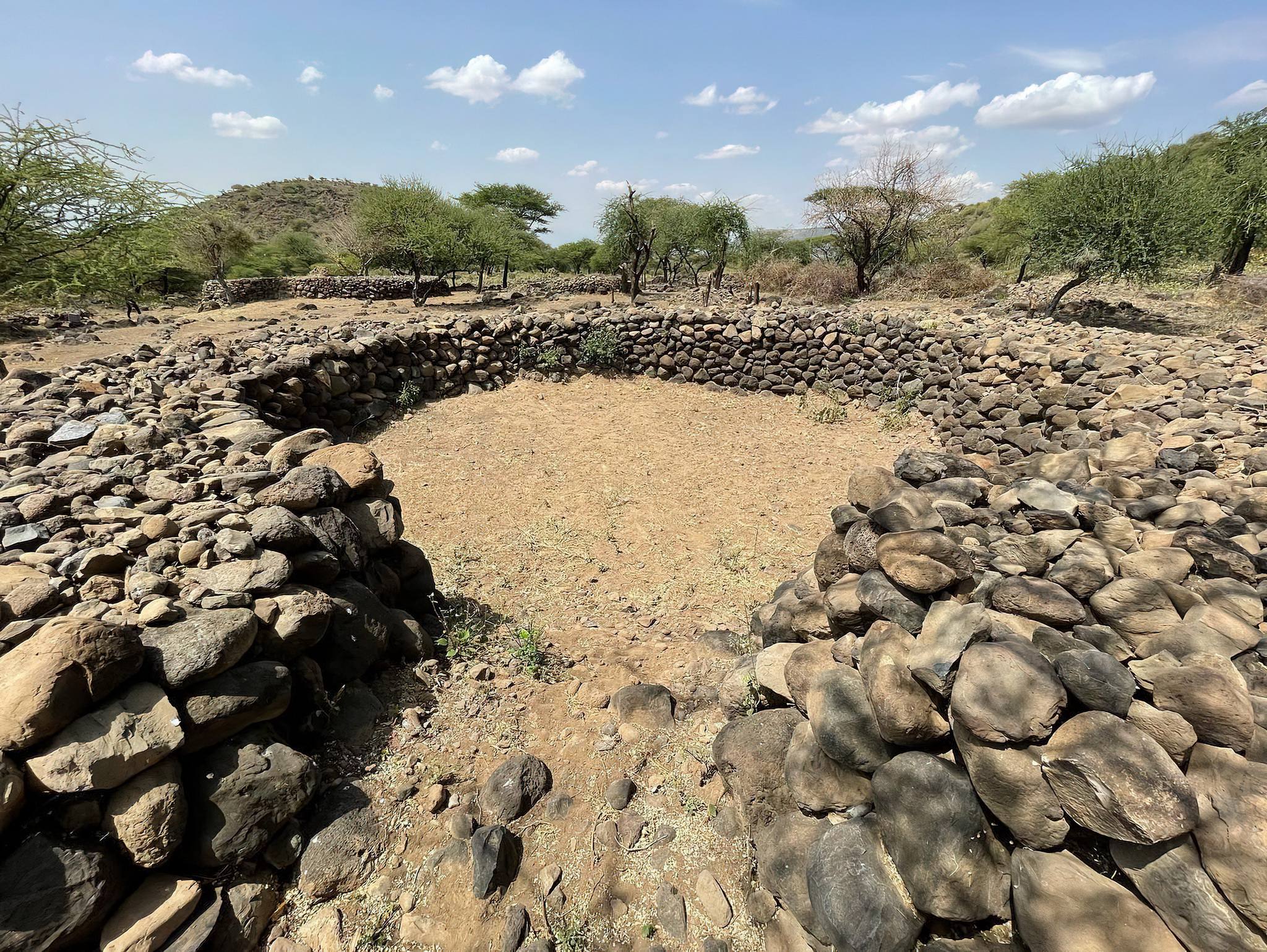
The Engaruka ruins are one of Tanzania’s most remarkable archaeological sites, preserving the remains of an ancient agricultural settlement built around advanced stone irrigation systems. Located on the floor of the Great Rift Valley, Engaruka reveals how communities transformed a dry landscape into productive farmland centuries ago. Most travelers exploring northern Tanzania follow routes designed around wildlife. They visit: Serengeti National Park. Ngorongoro Crater. Tarangire National Park. Lake Natron. But between these famous destinations lies a forgotten chapter of Tanzania’s human history. The Engaruka ruins represent one of East Africa’s most impressive examples of ancient agricultural engineering. Spread across the Rift Valley landscape, the site contains: Stone terraces. Irrigation channels. Farming areas. Settlement remains. The ruins demonstrate remarkable knowledge of water management and agriculture in an environment that appears impossible to farm today. Growing up in Arusha, our team understands that Tanzania’s greatest stories are not only found in wildlife. They are also found in ancient landscapes, local communities, and archaeological treasures that reveal how people adapted to this land over generations. The History of the Engaruka Ruins The Engaruka ruins date back several centuries and represent the remains of a sophisticated farming community that developed extensive irrigation networks and stone-built agricultural terraces in northern Tanzania. Engaruka was once a thriving agricultural settlement. Although many details about its original inhabitants remain debated among historians and archaeologists, the site provides clear evidence of advanced farming techniques. The community created: Stone-lined irrigation channels. Terraced fields. Water distribution systems. Large cultivated areas. These systems allowed farmers to grow crops in the challenging Rift Valley environment. The settlement eventually declined, likely due to a combination of environmental and social changes. Today, the abandoned landscape provides valuable insight into Tanzania’s agricultural heritage. How the Engaruka Irrigation System Worked The Engaruka ruins are famous because they contain evidence of one of Africa’s most extensive ancient irrigation systems, using channels and stone structures to direct water from nearby sources to farmland. The engineering behind Engaruka was remarkably advanced. Farmers carefully designed systems that controlled water movement across the landscape. The irrigation network included: Stone Channels These guided water from higher areas toward agricultural plots. Terraced Fields Stone terraces helped: Reduce soil erosion. Retain moisture. Create productive farming areas. Water Management The system allowed communities to survive in a semi-arid environment. The remains show impressive understanding of: Landscape design. Agriculture. Water conservation. For visitors today, walking through Engaruka feels like exploring an open-air museum of ancient innovation. Where Are the Engaruka Ruins Located? The Engaruka ruins are located in northern Tanzania between Mto wa Mbu and Lake Natron, making them an excellent cultural stop during a Northern Tanzania adventure itinerary. The ruins sit beneath the dramatic Rift Valley escarpment. Their location makes them ideal to combine with: Lake Natron. Ngorongoro Conservation Area. Serengeti. Tarangire National Park. The surrounding landscape includes: Volcanic mountains. Open plains. Maasai communities. Rift Valley scenery. The journey itself is part of the experience. Unlike crowded attractions, Engaruka offers a peaceful opportunity to explore Tanzania’s history without large tourist groups. Why Visit the Engaruka Ruins? The Engaruka ruins offer travelers a rare chance to explore Tanzania beyond wildlife, combining archaeology, landscape, culture, and ancient engineering in one unforgettable experience. Here are some reasons to include Engaruka in your itinerary: 1. Experience Tanzania’s Hidden History Many visitors know Tanzania for wildlife. Engaruka reveals another side of the country. 2. See Ancient Engineering The irrigation system demonstrates impressive human adaptation. 3. Enjoy Unique Photography The site offers: Dramatic mountain backgrounds. Stone structures. Rift Valley landscapes. Traditional village surroundings. 4. Escape the Crowds Engaruka remains relatively unknown compared with Tanzania’s famous attractions. Combining Engaruka Ruins With Lake Natron Engaruka ruins and Lake Natron create a powerful cultural and natural combination, allowing travelers to experience ancient history, volcanic landscapes, flamingos, and local communities in one journey. Many travelers visit Engaruka while traveling toward Lake Natron. A combined itinerary can include: Engaruka Ruins Explore ancient irrigation systems and archaeological remains. Lake Natron Discover: Flamingo breeding areas. Salt flats. Ngare Sero Waterfall. Ol Doinyo Lengai Experience the sacred Maasai volcano. Our Best of Northern Tanzania itinerary can be customized to include these remote destinations. For a wider adventure, our Tanzania Explorer journey combines cultural discoveries with iconic wildlife destinations. Planning an Engaruka Ruins Visit From the United States US travelers can include the Engaruka ruins in a Northern Tanzania itinerary after arriving through Kilimanjaro International Airport and beginning their journey from Arusha. Typical travel routes include flights from: New York (JFK). Los Angeles (LAX). Chicago (ORD). Atlanta (ATL). International connections commonly pass through: Doha. Amsterdam. Istanbul. Nairobi. Travelers should prepare with: Tanzania visa requirements. Comfortable walking shoes. Sun protection. Travel insurance. Our Travel Information guide helps visitors prepare for their Tanzania adventure. Photography Tips for the Engaruka Ruins The Engaruka ruins provide excellent photography opportunities through ancient stone structures, Rift Valley scenery, and dramatic mountain landscapes surrounding the archaeological site. Recommended photography equipment includes: Wide-angle lens for landscapes. 24–70mm lens for general scenes. Polarizing filter for bright conditions. Extra batteries. Dust protection for equipment. The best times for photography are: Early morning. Late afternoon. Best Time to Visit the Engaruka Ruins The Engaruka ruins can be visited throughout the year, but the best months are generally during Tanzania’s dry seasons when roads are easier to navigate and outdoor exploration is more comfortable. Because Engaruka is an outdoor archaeological site, weather plays an important role in the experience. June to October This is one of the most popular periods for visiting northern Tanzania. Advantages include: Dry weather. Clear mountain views. Comfortable walking conditions. Excellent photography opportunities. This season also combines well with classic Tanzania safari routes. January to March Another excellent travel period. Visitors can enjoy: Warm conditions. Green landscapes after seasonal rains. Fewer crowds. Great opportunities for combining cultural visits with wildlife adventures. April to May The long rains transform the surrounding landscape. Although some roads may become more challenging, the area becomes: Greener. More dramatic. Less crowded. For travelers…

Read More
Marangu village Chagga caves
Cultural Experiences·

Marangu Village Chagga Caves | Kilimanjaro Culture

The Marangu village Chagga caves are historic underground tunnels built by the Chagga people on the slopes of Mount Kilimanjaro. These caves reveal stories of protection, survival, traditions, and community life that have shaped the region for generations. When travelers think about Mount Kilimanjaro, they often imagine: Snow-covered peaks. Mountain climbing. Safari adventures. Wildlife. But beneath the forests and farms surrounding Kilimanjaro lies another story. The Marangu village Chagga caves offer a rare opportunity to explore the cultural history of the Chagga people, one of Tanzania’s most established communities. Located near the eastern slopes of Mount Kilimanjaro, Marangu village has long been known for: Coffee farming. Banana plantations. Traditional Chagga homes. Rich cultural heritage. The underground caves are among the most fascinating historical sites in the area. Growing up in Arusha, our team knows that Tanzania’s greatest experiences are not only found in national parks. They are also found in local villages, family traditions, and stories passed from one generation to another. A visit to Marangu provides a deeper understanding of the people who have lived alongside Kilimanjaro for centuries. The History Behind the Marangu Village Chagga Caves The Marangu village Chagga caves were created as underground shelters by the Chagga people during periods of conflict and insecurity. They served as hiding places, living spaces, and protection systems beneath the forest. The caves are not natural formations. They were carefully constructed tunnels designed to protect communities. Historically, the Chagga people lived in an environment where different groups competed for land and resources. The underground systems provided: Protection from attacks. Hidden movement routes. Safe places for families. Storage areas. The tunnels were designed with local knowledge and understanding of the landscape. Many cave systems included: Narrow passageways. Underground rooms. Hidden entrances. Connection points between areas. Today, these caves preserve an important chapter of Chagga history. Exploring Marangu Village: More Than Just the Chagga Caves A visit to Marangu village combines the Chagga caves with coffee culture, waterfalls, traditional homes, and mountain scenery, creating one of the best cultural experiences near Kilimanjaro. The caves are only one part of the Marangu experience. A cultural tour can include: Chagga Coffee Experience The Kilimanjaro region is famous for Arabica coffee. Visitors can learn about: Traditional coffee farming. Hand-processing methods. Local roasting techniques. Family coffee traditions. Banana Farming Bananas are central to Chagga culture. They are used for: Food. Agriculture. Traditional beverages. Local customs. Traditional Chagga Homes Visitors can learn about historic building styles and community life. Local Waterfalls The surrounding area includes beautiful waterfalls hidden within the mountain landscape. These natural attractions combine perfectly with cultural exploration. Why Visit the Marangu Village Chagga Caves? The Marangu village Chagga caves offer travelers a unique cultural experience that goes beyond traditional sightseeing, connecting visitors with Tanzania’s history and local communities. Here are some of the reasons this experience stands out: 1. Authentic Cultural Connection Unlike many tourist attractions, the caves are connected directly to local history. Visitors gain insight into: Chagga traditions. Community resilience. Historical lifestyles. 2. A Different Side of Kilimanjaro Most visitors experience Kilimanjaro through trekking. Marangu shows another perspective: The mountain as a home. 3. Educational Experience The caves provide lessons about: Architecture. Survival strategies. Local history. Traditional knowledge. 4. Easy Addition to a Kilimanjaro Itinerary Marangu is close to Moshi and Kilimanjaro climbing routes. It can be added: Before a climb. After a climb. During a Northern Tanzania holiday. Combining Marangu Village Chagga Caves With a Tanzania Safari The Marangu village Chagga caves are an excellent cultural addition before or after a Tanzania safari, giving travelers a deeper understanding of the communities surrounding Kilimanjaro. Many visitors combine cultural experiences with wildlife adventures. A complete itinerary may include: Kilimanjaro Region Explore: Marangu village. Coffee farms. Waterfalls. Chagga heritage. Northern Tanzania Safari Continue to: Tarangire National Park. Ngorongoro Crater. Serengeti. Our Best of Northern Tanzania itinerary combines iconic wildlife destinations with carefully planned experiences. Extended Tanzania Adventure For travelers wanting a complete journey, our Tanzania Explorer experience can be customized around cultural visits and safari adventures. Planning a Marangu Village Chagga Caves Visit From the United States US travelers can easily include the Marangu village Chagga caves in a Tanzania itinerary by flying into Kilimanjaro International Airport and exploring the region from Arusha or Moshi. Common flight connections from the US include: JFK. LAX. Chicago. Atlanta. Travelers should prepare for: Tanzania visa requirements. Travel insurance. Comfortable walking shoes. Sun protection. Respect for local customs. Our Travel Information guide helps visitors prepare for their Tanzania journey. Photography Tips for Marangu Village Chagga Caves The Marangu village Chagga caves provide excellent photography opportunities, from underground tunnels and cultural moments to coffee farms and Kilimanjaro landscapes. Recommended equipment: Small mirrorless camera. Wide-angle lens. Extra batteries. Low-light settings. Photography highlights include: Cave entrances. Traditional architecture. Coffee preparation. Village landscapes. Mountain views. For travelers interested in combining culture with wildlife photography, our Photographic Safaris provide specialized safari experiences across Tanzania. Best Time to Visit the Marangu Village Chagga Caves The Marangu village Chagga caves can be visited throughout the year, but the best experience usually comes during Tanzania’s drier months when walking conditions are easier and mountain views are clearer. The Kilimanjaro region has a pleasant climate compared with many other parts of Tanzania. The most popular travel periods are: June to October This is one of the best periods for exploring Marangu. Advantages: Drier trails. Comfortable walking conditions. Clearer views of Mount Kilimanjaro. Excellent conditions for combining cultural tours with safari. January to March Another excellent period, especially for travelers combining the caves with a Kilimanjaro climb or northern Tanzania safari. Benefits include: Warm temperatures. Green landscapes. Fewer visitors than peak season. November and April to May These months bring more rainfall. However, the region remains beautiful. The rainy season creates: Lush vegetation. Fuller waterfalls. Vibrant coffee plantations. Travelers who enjoy quieter experiences may appreciate visiting during these months. Responsible Tourism When Visiting Marangu Village Responsible tourism at the Marangu village Chagga caves means respecting local traditions,…

Read More