
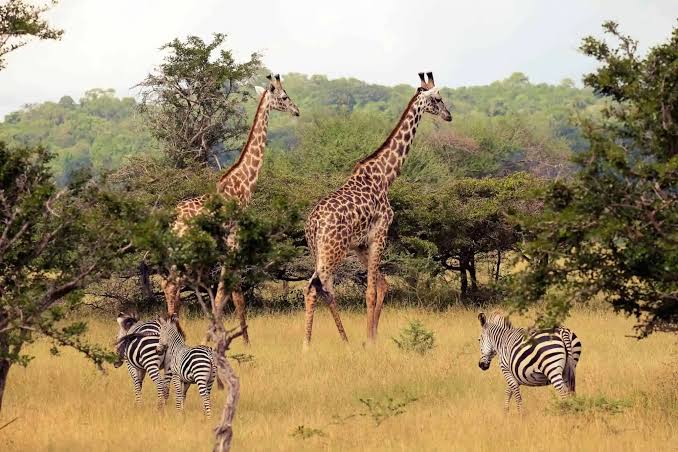
Nyerere and Selous: Exceptional Southern Wilderness in Tanzania
Nyerere National Park is one of Tanzania’s most distinctive safari destinations, combining traditional game drives with boat safaris, walking experiences and the waterways of the Rufiji River system.
For travellers looking beyond the busiest safari routes, Nyerere National Park offers a different way to experience Tanzania.
The destination is closely connected to the history of the enormous Selous ecosystem.
The former Selous Game Reserve was one of Africa’s great protected areas. In 2019, a large portion of its northern area was designated as Nyerere National Park, creating one of Tanzania’s most significant protected landscapes.
Today, travellers commonly hear both names:
Nyerere National Park for the national park itself.
Selous for the historic reserve and the wider ecosystem.
The distinction matters when planning a safari.
The destination is especially attractive to travellers who want more than conventional game drives.
Here, you can potentially watch hippos and crocodiles from a boat, walk with trained guides and explore a vast wilderness where the pace can feel very different from the northern safari circuit.
Nyerere National Park: What Makes It Different?
Nyerere National Park stands out because its rivers, lakes, woodland and floodplains create opportunities for boat safaris and walking alongside traditional game drives.
A typical northern Tanzania safari often revolves around game drives.
Nyerere allows you to diversify the experience.
Depending on your itinerary and camp, activities can include:
- Game drives.
- Boat safaris.
- Walking safaris.
- Birdwatching.
- Fishing in permitted areas.
- River-based wildlife viewing.
The waterways are particularly important.
The Rufiji River and associated lakes and channels form a major part of the landscape.
This creates a safari experience where water becomes as important as land.
Nyerere National Park and Selous: Understanding the Names
Nyerere National Park and Selous are closely connected, but they are not simply two interchangeable names for exactly the same protected area.
The historic Selous Game Reserve covered an enormous area of southern Tanzania.
The northern portion became Nyerere National Park.
Other areas of the former Selous ecosystem have different conservation and management arrangements.
For safari planning, the distinction is useful.
When a traveller searches for a Selous safari, they may be referring to the broader historic ecosystem or to accommodation and experiences marketed under the Selous name.
When discussing the national park itself, Nyerere National Park is the appropriate modern designation.
Selous Safari: Why the Historic Name Still Matters
A Selous safari remains a familiar term in the Tanzania tourism industry because Selous has a long history as one of Africa’s most important wilderness areas.
The name continues to appear in:
- Safari itineraries.
- Lodge names.
- Travel guides.
- Older maps.
- Wildlife literature.
- Tour operator descriptions.
This does not mean travellers are necessarily visiting a separate destination.
It often reflects the area’s history.
When booking a Selous safari, ask your operator exactly which protected area and accommodation you will be visiting.
That removes confusion.
Nyerere National Park: The Rufiji River
The Rufiji River is central to the Nyerere experience, creating one of Tanzania’s most distinctive settings for wildlife viewing.
The river supports a rich aquatic ecosystem.
You may encounter:
- Hippos.
- Crocodiles.
- Waterbirds.
- Elephants.
- Buffalo.
- Other animals approaching the water.
The river also creates changing scenery.
Channels, sandbanks, vegetation and open water provide different perspectives from those experienced during a conventional game drive.
Nyerere National Park Boat Safari: A Different Perspective
A Nyerere National Park boat safari allows travellers to observe wildlife from the water, making it one of the destination’s defining experiences.
Instead of following tracks through woodland, you move along waterways.
This can bring you close to:
- Hippos.
- Crocodiles.
- Waterbirds.
- Elephants drinking.
- Buffalo near the shoreline.
The experience is usually slower.
You are not simply looking for the next animal.
You are watching the river ecosystem function around you.
For many travellers, that change of pace is one of the strongest reasons to visit Nyerere.
Nyerere National Park Boat Safari: What Should You Expect?
Boat safari experiences vary by camp and water conditions, but the emphasis is generally on quiet wildlife observation and exploration of the river and connected waterways.
A typical excursion may involve:
- Boarding a boat near camp.
- Moving along the river.
- Watching hippos and crocodiles.
- Looking for waterbirds.
- Exploring channels or lakes.
- Returning later in the day.
Water levels can affect navigation.
The exact route depends on seasonal conditions.
Nyerere National Park: Walking Safari
Walking is another major attraction of Nyerere National Park because it allows travellers to experience smaller details of the ecosystem that are easily missed from a vehicle.
Walking can reveal:
- Animal tracks.
- Insects.
- Birds.
- Plants.
- Trees.
- Signs of feeding.
- Dung and spoor.
- Smaller wildlife.
You also experience the landscape differently.
The objective is not simply to find the largest animal.
It is to understand the environment.
Walking activities should always be conducted under appropriate professional guidance and according to park regulations.
Nyerere National Park Walking Safari: Who Will Enjoy It?
A Nyerere walking safari is particularly suited to travellers who enjoy natural history, tracking and being immersed in the landscape rather than simply ticking off large mammals.
It can be ideal for:
- Repeat safari travellers.
- Couples.
- Photographers.
- Birdwatchers.
- Walking enthusiasts.
- Adventure travellers.
- Travellers seeking a slower safari.
If your only priority is seeing as many large animals as possible, a game-drive-heavy itinerary may suit you better.
Nyerere National Park: Wildlife
Nyerere National Park supports a diverse range of wildlife, including elephants, hippos, crocodiles, giraffes, buffalo, lions and wild dogs.
The park is particularly associated with:
- African wild dogs.
- Elephants.
- Hippos.
- Crocodiles.
- Buffalo.
- Lions.
- Giraffes.
- Impala.
- Greater kudu.
- Waterbirds.
Wildlife density can vary considerably between areas and seasons.
This is a wilderness destination rather than a guaranteed wildlife checklist.
Nyerere National Park: African Wild Dogs
African wild dogs are one of the most exciting wildlife possibilities in Nyerere National Park, although sightings can never be guaranteed.
Wild dogs require large territories.
Their packs move across substantial areas.
If encountered, their behaviour can be fascinating.
Watch for:
- Pack interaction.
- Hunting preparation.
- Resting.
- Communication.
- Pups.
- Movement through open areas.
For travellers particularly interested in wild dogs, the itinerary should be designed around multiple wildlife opportunities rather than relying on a single sighting.
Nyerere National Park: Elephants
Elephants are an important part of the Nyerere landscape and can often be encountered around woodland, grassland and water sources.
The Rufiji River is particularly interesting for elephant behaviour.
Depending on conditions, elephants may approach water to:
- Drink.
- Bathe.
- Cross.
- Feed along the shoreline.
Seeing elephants from a boat can provide a completely different perspective from seeing them beside a safari vehicle.
Nyerere National Park: Hippos and Crocodiles
Hippos and crocodiles are especially well suited to the river-based safari experience that makes Nyerere different from many other Tanzanian parks.
Hippos may gather in deeper sections of the river.
Crocodiles can lie along banks and sandbars.
From a boat, travellers can observe these animals without the vehicle-based perspective.
Always follow the guide’s instructions around waterways.
Wild animals remain unpredictable.
Nyerere National Park: Birdwatching
Nyerere National Park is an excellent destination for birdwatchers because its rivers, lakes, wetlands, woodland and grassland create varied habitats.
Water-based safaris can be particularly rewarding.
Potential sightings include:
- Kingfishers.
- Fish eagles.
- Herons.
- Egrets.
- Storks.
- Bee-eaters.
- Hornbills.
- Waders.
- Raptors.
Birding can be incorporated into both boat trips and game drives.
Nyerere National Park: Landscape and Habitat
The Nyerere landscape combines rivers, floodplains, woodland, grassland and lakes, creating a more varied visual experience than a purely open-plains safari.
The changing habitats support different wildlife communities.
Near water, you may find hippos and crocodiles.
Open areas can attract grazing animals.
Woodland provides cover for browsers and predators.
The combination is one of the park’s greatest strengths.
Nyerere National Park: Best Time to Visit
The best time for Nyerere National Park depends on whether your priority is general wildlife viewing, boat activities, birding, green-season scenery or lower-season travel.
The broad seasons can be considered as:
Dry Season
Dry conditions can make wildlife easier to locate around remaining water sources.
Green Season
The landscape becomes greener and birdlife can be particularly rewarding.
Wet Periods
Some roads and activities can be affected by rainfall.
Your preferred experience should determine the timing.
Nyerere National Park: Dry Season
The dry season can be attractive for travellers focused on wildlife because animals may concentrate around reliable water sources.
This can create opportunities around:
- Rivers.
- Lakes.
- Waterholes.
- Remaining green vegetation.
Dry conditions can also make some roads easier to navigate.
However, exact conditions vary annually.
Nyerere National Park: Green Season
The green season can appeal to photographers and travellers who prefer lush scenery, dramatic skies, fewer visitors and seasonal wildlife activity.
The landscape changes dramatically after rain.
You may see:
- Fresh vegetation.
- Green floodplains.
- Migratory birds.
- Young animals.
- Dramatic clouds.
Rain can also affect road conditions.
The trade-off is part of the experience.
Nyerere National Park: How Many Days?
Three to four nights is a useful starting point for experiencing Nyerere’s combination of game drives, boat safaris and walking activities.
A sample itinerary could look like:
Day 1
Arrive and take an afternoon game drive.
Day 2
Morning game drive and afternoon boat safari.
Day 3
Walking activity followed by wildlife viewing.
Day 4
Game drive and onward travel.
Longer stays provide more flexibility.
This is particularly useful for travellers interested in wildlife such as wild dogs.
Nyerere National Park: Who Should Visit?
Nyerere National Park is especially well suited to travellers who want a quieter southern Tanzania safari with varied activities rather than a safari focused exclusively on the Big Five.
It suits:
- Repeat safari travellers.
- Couples.
- Honeymooners.
- Photographers.
- Birdwatchers.
- Adventure travellers.
- Walking enthusiasts.
- Families with suitable activity arrangements.
- Travellers seeking the southern circuit.
It may be less suitable for someone with only two days who wants the highest possible concentration of iconic wildlife sightings.
Southern Circuit Tanzania: Why Choose It?
The southern circuit Tanzania safari route offers a compelling alternative to the classic northern circuit, particularly for travellers looking for varied landscapes and a quieter atmosphere.
A southern itinerary can potentially combine:
Dar es Salaam → Nyerere → Ruaha → Mikumi → Udzungwa
Not every trip needs to include all of them.
The ideal combination depends on:
- Available time.
- Budget.
- Wildlife interests.
- Activity preferences.
- Transport.
- Season.
Nyerere works particularly well as an entry point into southern Tanzania.
Southern Circuit Tanzania: Nyerere and Ruaha
Combining Nyerere with Ruaha can create a strong southern Tanzania safari because the two destinations offer noticeably different landscapes and activities.
Nyerere provides:
- Rivers.
- Boat safaris.
- Walking.
- Wetland wildlife.
Ruaha provides:
- Baobabs.
- Dry-country scenery.
- Large elephant populations.
- Predator viewing.
- The Great Ruaha River.
Together they create a diverse safari.
Southern Circuit Tanzania: Nyerere and Mikumi
Nyerere and Mikumi can work well for travellers who want to combine a major southern wilderness with a more accessible national park.
Mikumi is particularly useful for travellers connecting from Dar es Salaam.
Nyerere offers greater emphasis on:
- River experiences.
- Boat safaris.
- Walking.
- Large wilderness areas.
The combination can work for both short and extended itineraries.
Nyerere National Park: Getting There
Nyerere National Park can be reached by road or scheduled and charter flights, with the best option depending on your itinerary and starting point.
Travellers commonly connect from:
- Dar es Salaam.
- Zanzibar.
- Arusha.
- Other southern Tanzania destinations.
Flying can save significant time.
Road transfers can make sense when combining nearby destinations.
Your itinerary should determine the transport method rather than choosing transport independently.
Nyerere National Park: Accommodation
Accommodation in Nyerere ranges from comfortable safari lodges and tented camps to more exclusive properties, with location and included activities being important factors when comparing options.
When selecting a property, consider:
- River access.
- Boat safari availability.
- Walking activities.
- Game-drive routes.
- Room style.
- Meal plan.
- Transfer arrangements.
- Seasonal operation.
Two camps at similar prices may offer very different safari experiences because of their locations.
Nyerere National Park: Is It Luxury?
Nyerere can support luxury safari experiences, but its appeal is not limited to high-end travellers because accommodation options cover different styles and budgets.
Luxury properties may offer:
- Private tents or suites.
- River views.
- Private dining.
- Dedicated guides.
- Exclusive activities.
Mid-range properties can provide excellent access to the same ecosystem.
The right choice depends on the overall itinerary.
Nyerere National Park: Family Safari
Families can enjoy Nyerere, particularly when accommodation and activities are selected with children’s ages and safety requirements in mind.
A private safari vehicle can provide flexibility.
Parents can choose:
- Shorter game drives.
- Suitable activity times.
- Private guides.
- Family accommodation.
Walking activities have age and safety considerations.
Always confirm the property’s child policy before booking.
Nyerere National Park: Honeymoon Safari
Nyerere can be an excellent honeymoon destination for couples who want privacy, wilderness and activities beyond conventional game drives.
A romantic itinerary could include:
Dar es Salaam → Nyerere → Zanzibar
This creates a natural combination of:
- Wildlife.
- Boat safari.
- Private camp.
- Beach relaxation.
For couples looking for a less conventional safari experience, Nyerere can be particularly appealing.
Nyerere National Park: Photography
Nyerere offers varied photography opportunities because travellers can photograph wildlife from vehicles, boats and on guided walks.
Boat photography can produce unique images of:
- Hippos.
- Crocodiles.
- Birds.
- Elephants.
- Reflections.
- River landscapes.
Game drives provide opportunities for:
- Lions.
- Wild dogs.
- Elephants.
- Giraffes.
- Buffalo.
Bring appropriate camera protection for dust and rain.
Nyerere National Park: Common Planning Mistakes
The biggest mistake is treating Nyerere as simply another Big Five park instead of planning around the activities that make the destination distinctive.
Avoid:
Spending only one night
You may miss the boat and walking experiences.
Ignoring the river
The Rufiji is central to the destination.
Comparing it only with Serengeti
They offer different experiences.
Expecting guaranteed wild dogs
Sightings are never guaranteed.
Choosing accommodation without checking activities
Boat and walking availability varies.
Underestimating travel time
Southern Tanzania is geographically extensive.
Nyerere National Park: Frequently Asked Questions
Is Nyerere National Park the same as Selous?
Not exactly. Nyerere National Park was created from a large northern portion of the former Selous Game Reserve. The historic Selous name is still widely used in tourism.
Is Nyerere National Park worth visiting?
Yes, especially if you want boat safaris, walking, diverse habitats and a quieter southern Tanzania experience.
What is Nyerere National Park famous for?
It is particularly known for the Rufiji River, boat safaris, walking experiences, elephants, hippos, crocodiles and the possibility of seeing African wild dogs.
Can you do a boat safari in Nyerere?
Yes. Boat safaris are one of the destination’s signature experiences, subject to local conditions and availability.
Can you walk in Nyerere National Park?
Guided walking experiences are available in appropriate areas and under the relevant regulations.
Can I see the Big Five in Nyerere?
Nyerere supports several major large mammal species, including lion, elephant, buffalo and leopard. Wildlife sightings vary, and no Big Five checklist can be guaranteed.
When is the best time to visit Nyerere?
The best period depends on your priorities. Dry months can be useful for wildlife viewing, while greener periods offer lush scenery and seasonal birdlife.
How many nights should I spend in Nyerere?
Three to four nights is a good starting point if you want to combine game drives with boat and walking activities.
Is Nyerere good for a honeymoon?
Yes. Its secluded camps, river experiences and ability to combine with Zanzibar make it an attractive honeymoon option.
Can Nyerere be combined with Ruaha?
Yes. Nyerere and Ruaha make a strong southern Tanzania combination because they offer contrasting landscapes and safari experiences.
Is Nyerere better than Serengeti?
Neither is universally better. Serengeti is stronger for the classic Great Migration and open-plains safari, while Nyerere is particularly attractive for river, boat and walking experiences.
Conclusion: Why Nyerere and Selous Deserve a Place on Your Safari
Nyerere National Park offers a distinctive southern Tanzania safari built around rivers, wilderness, walking and wildlife rather than simply conventional game drives.
The historic connection with Selous gives the destination enormous conservation and safari significance.
Today, the experience is particularly defined by the Rufiji River and the range of ways travellers can explore the landscape.
A Selous safari can therefore be much more than a traditional vehicle-based wildlife trip.
You can explore by boat.
You can walk with trained guides.
You can follow wildlife through woodland and grassland.
You can watch hippos and crocodiles from the river.
And you can combine Nyerere with other destinations across southern circuit Tanzania.
For repeat safari travellers, honeymooners, photographers and anyone looking for a different side of Tanzania, Nyerere deserves serious consideration.
The destination is not about rushing from one famous sighting to another.
It is about slowing down and experiencing the wilderness in several different ways.
Plan Your Southern Tanzania Safari With Odysseys From Africa
Odysseys From Africa can create a tailor-made southern Tanzania itinerary around your preferred activities, accommodation and travel dates.
We can arrange:
- Nyerere National Park safaris.
- Selous safari itineraries.
- Boat safaris.
- Walking safaris.
- Southern circuit Tanzania itineraries.
- Ruaha safaris.
- Mikumi safaris.
- Udzungwa hiking experiences.
- Private safari vehicles.
- Luxury safari camps.
- Family safaris.
- Honeymoon safaris.
- Zanzibar extensions.
- Tanzania and Kenya combined safaris.