
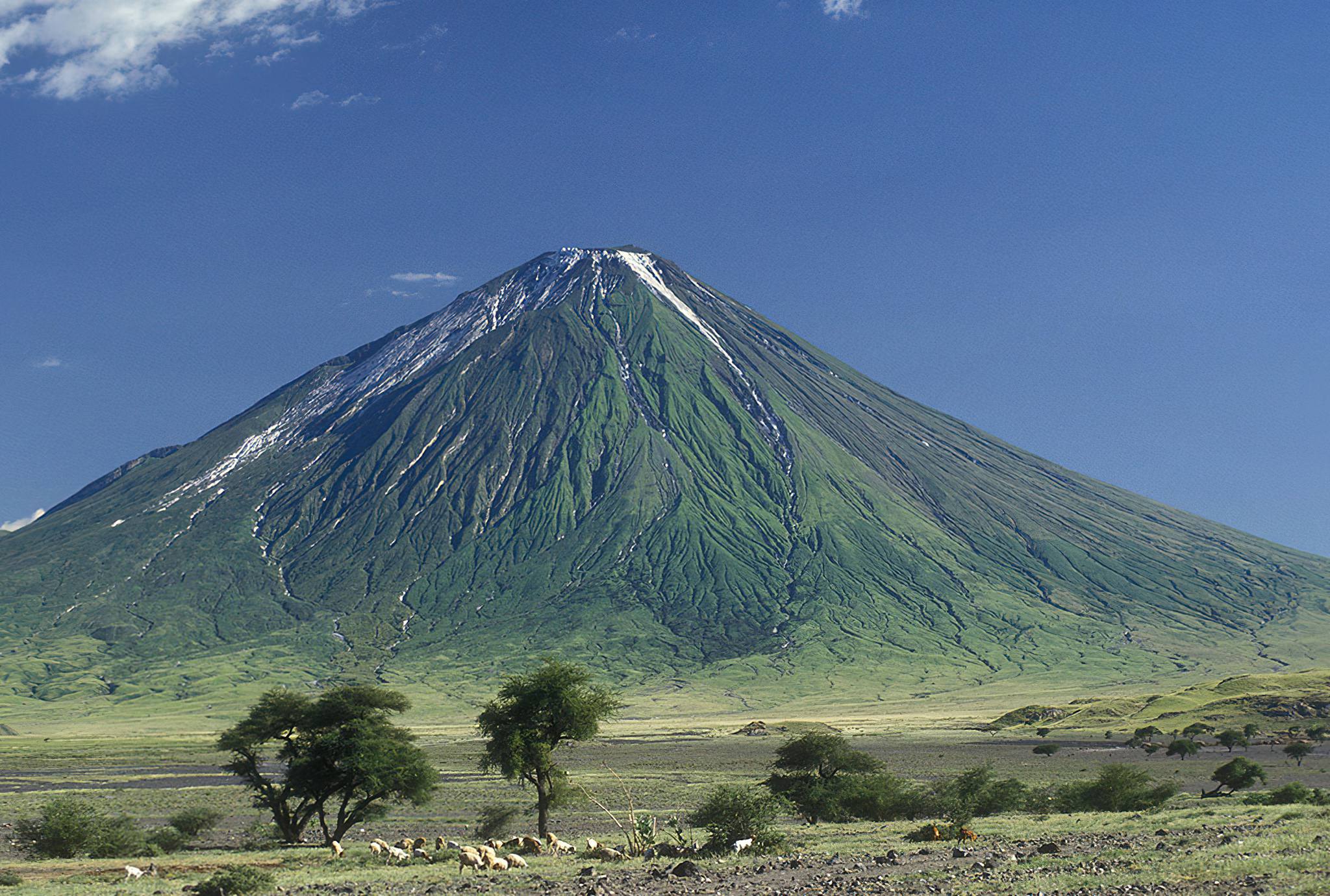
Ol Doinyo Lengai Climb | Mountain of God at Night
The Ol Doinyo Lengai climb is one of Africa’s most challenging and rewarding overnight hikes, taking adventurers up the only active carbonatite volcano in the world. Starting around midnight, the climb rewards determined hikers with unforgettable sunrise views over Lake Natron, the Great Rift Valley, and northern Tanzania.
For most travelers, Tanzania is synonymous with safaris and Mount Kilimanjaro.
Yet one of the country’s greatest adventures lies far from the famous national parks.
The Ol Doinyo Lengai climb offers an entirely different experience.
Known as the “Mountain of God” by the Maasai people, Ol Doinyo Lengai rises dramatically above the Great Rift Valley near Lake Natron.
Unlike Kilimanjaro, this is not a multi-day trek.
It is a steep overnight ascent that demands determination, fitness, and mental resilience.
Growing up in Arusha, our team has guided travelers across northern Tanzania for years, and Ol Doinyo Lengai remains one of the region’s most extraordinary hidden adventures.
Few mountains combine geology, culture, and breathtaking scenery in quite the same way.
What Makes the Ol Doinyo Lengai Climb So Unique?
The Ol Doinyo Lengai climb is unique because it takes hikers up the world’s only active carbonatite volcano, a sacred mountain in Maasai culture that produces an exceptionally rare type of lava.
Ol Doinyo Lengai stands approximately 2,962 meters (9,718 feet) above sea level.
Although much lower than Kilimanjaro, its steep slopes make it physically demanding.
The volcano is internationally significant because it erupts carbonatite lava, an extremely rare lava that is much cooler than ordinary volcanic lava and almost unique on Earth.
The mountain also holds deep spiritual importance.
For the Maasai people, Ol Doinyo Lengai is regarded as the dwelling place of Engai, their supreme deity.
Today, the mountain attracts:
- Adventure travelers.
- Geologists.
- Wildlife photographers.
- Experienced hikers.
- Cultural travelers.
Every ascent offers a fascinating combination of science, history, and breathtaking scenery.
Why Does the Ol Doinyo Lengai Climb Start at Midnight?
The Ol Doinyo Lengai climb begins around midnight to avoid the intense daytime heat and allow climbers to reach the summit in time for sunrise.
Night hiking is an essential part of the experience.
Temperatures during the day can become extremely hot in the Lake Natron region.
By climbing overnight, hikers benefit from:
- Cooler conditions.
- Safer temperatures.
- Stunning sunrise views.
- More comfortable climbing conditions.
Headlamps illuminate the trail as guides lead groups steadily upward.
The mountain is steep throughout much of the ascent.
Patience and careful footing are essential.
Watching the first light spread across the Rift Valley makes every step worthwhile.
How Difficult Is the Ol Doinyo Lengai Climb?
The Ol Doinyo Lengai climb is considered one of Tanzania’s most physically demanding day hikes because of its steep volcanic slopes, loose terrain, and overnight ascent.
Although the climb is relatively short compared with Kilimanjaro, it should not be underestimated.
Challenges include:
- Steep gradients.
- Loose volcanic ash.
- Rocky sections.
- Hot daytime descent.
- Physical endurance.
The climb is suitable for:
- Experienced hikers.
- Fit adventure travelers.
- Visitors comfortable with challenging terrain.
Good hiking boots and trekking poles are strongly recommended.
What Will You See During the Climb?
The Ol Doinyo Lengai climb rewards hikers with panoramic views of Lake Natron, the Great Rift Valley, surrounding volcanoes, and northern Tanzania stretching toward Kenya.
As dawn approaches, the landscape slowly reveals itself.
Highlights include:
Lake Natron
The brilliant salt lake glows in shades of:
- White.
- Red.
- Pink.
Depending on conditions, visitors may even spot distant Lake Natron flamingos.
Great Rift Valley
The escarpments stretch for miles across East Africa.
Volcanic Landscape
The summit reveals dramatic volcanic formations shaped by centuries of eruptions.
Sunrise
Many hikers consider the sunrise from Ol Doinyo Lengai among the finest in Tanzania.
Best Time for an Ol Doinyo Lengai Climb
The best time for the Ol Doinyo Lengai climb is during Tanzania’s dry seasons when trail conditions are generally more stable and visibility is excellent.
The recommended months include:
June to October
Ideal for:
- Comfortable climbing.
- Clear mountain views.
- Easier trail conditions.
January to March
Another excellent period with warm weather and good visibility.
Although climbs operate throughout much of the year, heavy rainfall can make volcanic slopes more slippery.
Local guides always assess current conditions before departures.
Combining the Ol Doinyo Lengai Climb With Lake Natron
Most travelers combine the Ol Doinyo Lengai climb with Lake Natron, creating one of Northern Tanzania’s most rewarding adventure itineraries.
After completing the climb, visitors often explore:
- Lake Natron flamingos.
- Ngare Sero Waterfall.
- Maasai villages.
- Salt flats.
This combination offers both adventure and recovery.
Many itineraries also continue to:
- Serengeti National Park.
- Ngorongoro Crater.
- Tarangire National Park.
Our Best of Northern Tanzania itinerary can easily be customized to include this unforgettable volcanic adventure.
Planning an Ol Doinyo Lengai Climb From the United States
US travelers can reach Ol Doinyo Lengai after flying into Kilimanjaro International Airport and traveling by road from Arusha through the Great Rift Valley.
Most visitors depart from:
- New York (JFK).
- Los Angeles (LAX).
- Chicago (ORD).
- Atlanta (ATL).
Common international connections include:
- Doha.
- Amsterdam.
- Istanbul.
- Nairobi.
Travel preparation should include:
- Tanzania visa requirements.
- Comprehensive travel insurance.
- Good hiking fitness.
- Quality trekking equipment.
Our Travel Information section provides practical guidance before your Tanzania adventure.
What to Pack for an Ol Doinyo Lengai Climb
Packing the right gear is essential for an Ol Doinyo Lengai climb because the trek begins at midnight, involves steep volcanic terrain, and finishes under the intense East African sun. Lightweight clothing, sturdy boots, and reliable lighting are must-haves.
Although the climb lasts only one night, the conditions can be demanding.
Essential Clothing
Dress in layers, as temperatures change throughout the climb.
Recommended clothing includes:
- Moisture-wicking base layers.
- Lightweight trekking trousers.
- Breathable hiking shirt.
- Windproof jacket.
- Warm fleece for the early morning.
- Sun hat for the descent.
Footwear
The steep volcanic slopes require quality footwear.
Choose:
- High-ankle hiking boots with excellent grip.
- Moisture-wicking hiking socks.
- Gaiters if visiting during dusty conditions.
Essential Equipment
Bring:
- Headlamp with spare batteries.
- Trekking poles.
- At least 2–3 litres of drinking water.
- Energy snacks.
- Sunglasses.
- High-SPF sunscreen.
- Small first-aid kit.
The descent takes place after sunrise, when temperatures rise rapidly, making hydration especially important.
Safety Tips for the Ol Doinyo Lengai Climb
The Ol Doinyo Lengai climb should always be undertaken with experienced local guides because of its steep slopes, volcanic terrain, and changing weather conditions. Proper pacing and preparation significantly improve safety.
This mountain deserves respect.
Unlike many hiking trails, the route remains consistently steep.
Our local guides recommend:
- Walking slowly and steadily.
- Taking regular hydration breaks.
- Following your guide’s instructions at all times.
- Wearing proper hiking boots.
- Avoiding unnecessary risks near volcanic features.
Growing up in Arusha, our team understands the mountain’s changing conditions and carefully plans departures based on weather and trail safety.
Because the descent occurs in daylight, climbers should also prepare for increasing heat and strong sunlight.
Photography Tips for the Ol Doinyo Lengai Climb
The Ol Doinyo Lengai climb offers exceptional photography opportunities, from star-filled night skies and volcanic landscapes to sunrise over Lake Natron and the Great Rift Valley.
Photography enthusiasts should prepare for low-light conditions during the ascent and brilliant daylight after sunrise.
Recommended Camera Gear
For the best results, we recommend:
- A lightweight mirrorless or DSLR camera.
- Wide-angle lens (16–35mm) for landscapes.
- Mid-range zoom lens (24–70mm).
- Lightweight tripod for sunrise photography.
- Spare batteries stored in a warm pocket.
- Lens cloth for volcanic dust.
Best Photography Moments
Some of the most rewarding images include:
- Climbers ascending under the stars.
- Sunrise over Lake Natron.
- The colorful salt flats below.
- Ol Doinyo Lengai’s volcanic crater.
- Panoramic Rift Valley landscapes.
If wildlife photography is also part of your journey, our Photographic Safaris can be added after your trek for expert-guided game viewing.
The Cultural Importance of the Mountain of God
Ol Doinyo Lengai is sacred to the Maasai people, who know it as the “Mountain of God.” Visiting respectfully offers a deeper appreciation of both the landscape and the traditions that have shaped this region for generations.
The mountain is far more than a geological landmark.
For the Maasai community, it holds profound spiritual significance.
For centuries, it has been associated with:
- Religious beliefs.
- Ceremonial traditions.
- Oral history.
- Cultural identity.
Visitors should approach the mountain with respect by:
- Following local guide instructions.
- Respecting cultural sites.
- Asking permission before photographing people.
- Supporting community-based tourism initiatives.
Combining the climb with a Maasai cultural visit creates a richer understanding of northern Tanzania beyond its wildlife.
Frequently Asked Questions About the Ol Doinyo Lengai Climb
How difficult is the Ol Doinyo Lengai climb?
The climb is considered strenuous because of its steep gradients, loose volcanic terrain, and overnight ascent, although it is much shorter than a Kilimanjaro expedition.
How long does the climb take?
Most climbs begin around midnight and take approximately five to seven hours to reach the summit, with a two to four-hour descent depending on conditions.
Do I need climbing experience?
Technical climbing experience is not required, but good fitness and previous hiking experience are highly recommended.
Is Ol Doinyo Lengai still active?
Yes. Ol Doinyo Lengai remains an active volcano and is internationally recognized as the world’s only active carbonatite volcano.
Can I combine the climb with a safari?
Absolutely. Many travelers continue to Serengeti National Park, Ngorongoro Crater, Tarangire National Park, or Lake Natron after completing the climb.
Is the climb suitable for children?
Because of the steep terrain and demanding overnight schedule, the climb is generally recommended for physically fit adults and older teenagers with hiking experience.
Final Thoughts: Is the Ol Doinyo Lengai Climb Worth It?
The Ol Doinyo Lengai climb is one of Tanzania’s most rewarding adventures for travelers seeking a physically demanding trek, extraordinary volcanic landscapes, and a deeper connection to Maasai culture.
Unlike traditional mountain hikes, Ol Doinyo Lengai delivers an experience that combines adventure, geology, culture, and spectacular scenery in a single night.
Standing on the summit as the first rays of sunlight illuminate Lake Natron, the Great Rift Valley, and the surrounding wilderness is a moment few travelers ever forget.
Combined with a Northern Tanzania safari, a visit to Lake Natron, or a cultural journey through Maasai lands, the Ol Doinyo Lengai climb becomes part of an unforgettable East African adventure.
At Odysseys From Africa, we believe the best journeys go beyond the well-known attractions. The Mountain of God is one of Tanzania’s greatest hidden treasures, and we are proud to help travelers experience it safely, responsibly, and authentically.
Plan Your Ol Doinyo Lengai Adventure With Local Experts
Odysseys From Africa creates tailor-made itineraries that combine the Ol Doinyo Lengai climb with Lake Natron, Serengeti safaris, cultural experiences, and Zanzibar beach holidays.
Whether you’re seeking an adventurous volcanic trek, breathtaking sunrise photography, or a complete Northern Tanzania itinerary, our locally born team can design a journey that matches your interests and fitness level.
Our custom itineraries can include:
- Ol Doinyo Lengai climbs.
- Lake Natron flamingo excursions.
- Serengeti safari tours.
- Ngorongoro Crater adventures.
- Tarangire National Park.
- Zanzibar beach escapes.
Location: Arusha, Tanzania
Email: info@odysseys-from-africa.com
Phone: +254 (0) 710 450 797 | +255 (0) 652 810 255
Website: https://odysseys-from-africa.com/
Contact Odysseys From Africa today to begin planning your unforgettable volcano and safari adventure.