
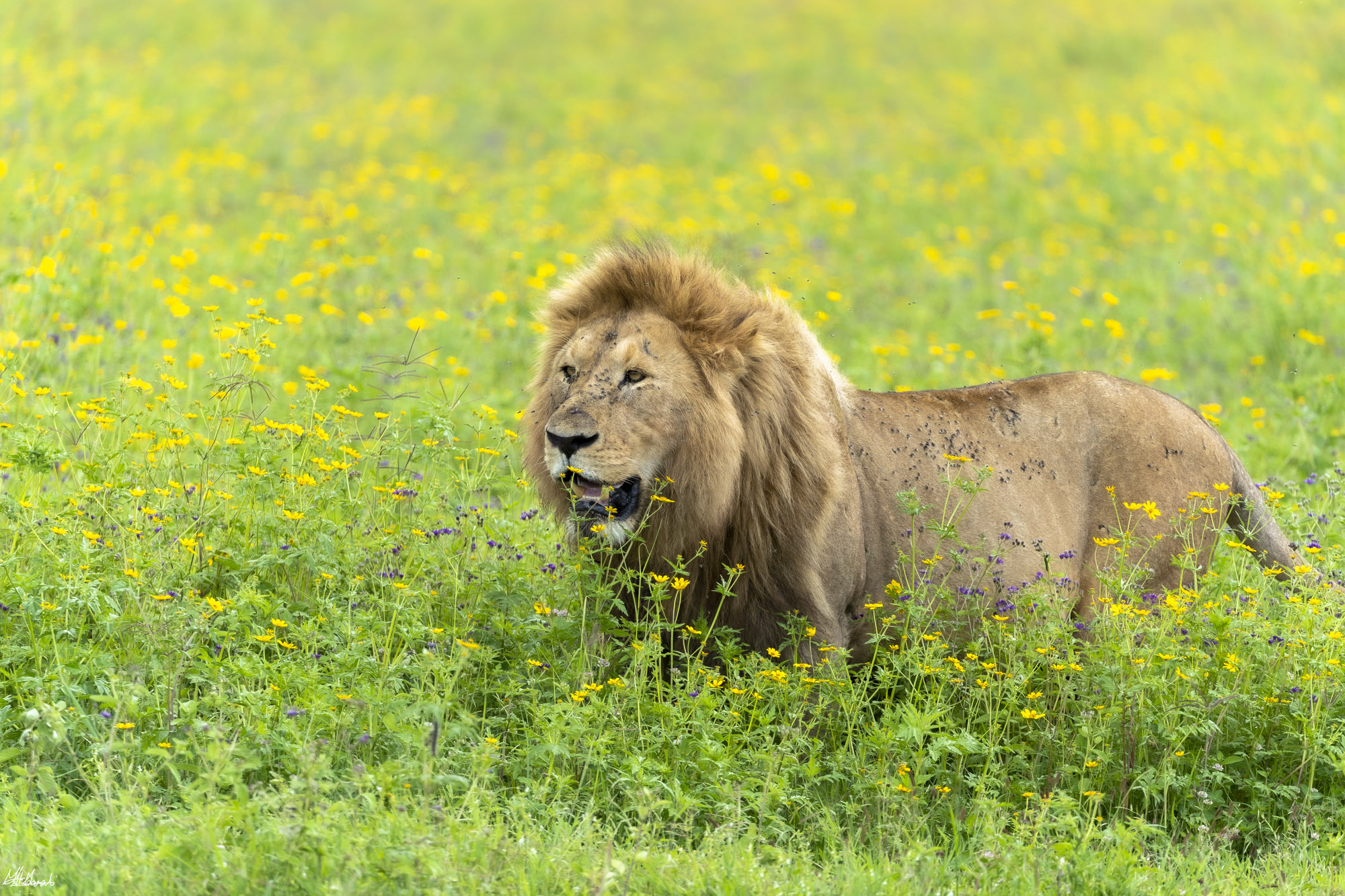
Regenerative Travel Tanzania: Unforgettable Community-Led Experiences
Regenerative travel Tanzania goes beyond traditional sustainability. Unlike eco-tourism, which aims to minimize harm, regenerative travel actively restores and enhances local environments, economies, and communities. Through thoughtful planning, community-led projects, and responsible travel practices, visitors can leave Tanzania’s wildlife reserves, villages, and natural landscapes better than they found them.
Growing up in Arusha, our team at Odysseys From Africa has witnessed firsthand how community-led tourism Tanzania initiatives strengthen local economies, preserve cultural heritage, and maintain biodiversity. This guide explains what regenerative travel is, why it matters in Tanzania, and how travelers from the US and Europe can participate safely and responsibly.
What is Regenerative Travel Tanzania?
Regenerative travel Tanzania is tourism that restores ecosystems, supports local communities, and leaves a positive impact. It goes beyond “do no harm” by actively improving the destination.
-
Travelers engage with local projects that conserve wildlife and habitats
-
Cultural experiences directly benefit community livelihoods
-
Local guides and businesses are prioritized to ensure economic regeneration
For sustainable travel planning across Tanzania, see Tanzania Explorer.
The Difference Between Sustainable and Regenerative Tourism
Sustainable tourism minimizes harm, but regenerative tourism actively improves the destination.
-
Sustainable tourism: Reduces environmental footprints (e.g., low-impact lodges, eco-friendly transport)
-
Regenerative travel: Restores ecosystems, funds community projects, and improves local social systems
-
Example in Tanzania: Supporting reforestation programs in Ruaha while funding local schools
By choosing community-led tourism Tanzania, visitors participate in both conservation and development projects.
Key Principles of Regenerative Travel in Tanzania
Regenerative travel focuses on community engagement, conservation, and responsible experiences.
-
Community Empowerment: Local guides, cultural tours, and artisans directly benefit from tourism
-
Ecological Restoration: Activities fund wildlife protection, anti-poaching initiatives, and reforestation
-
Cultural Preservation: Tourism supports local traditions, crafts, and educational programs
-
Visitor Accountability: Travelers reduce waste, support local businesses, and respect cultural norms
-
Long-Term Impact: Projects are designed to improve livelihoods and ecosystems over decades
Examples of regenerative projects can be explored through Travel Information.
Community-Led Tourism Tanzania: How It Works
Community-led tourism Tanzania gives local communities the leadership role in defining experiences and receiving economic benefits.
-
Villages design tours around their traditions, wildlife stewardship, or craft workshops
-
Visitors pay entrance fees or contributions directly supporting schools, clinics, or water projects
-
Lodges hire local staff and source food from nearby farms, keeping money circulating in the community
Many of these experiences are located outside the main northern parks, offering intimate interactions with local people while preserving cultural integrity.
Regenerative Lodges and Camps
Eco-lodges and camps in Tanzania implement regenerative practices to restore nature and empower communities.
-
Nyerere National Park lodges: Use solar energy, run waste-to-compost programs, and fund local conservation
-
Ruaha camps: Employ local staff, maintain water conservation practices, and educate guests about wildlife protection
-
Lodges often include educational briefings on the ecosystem, conservation challenges, and regenerative efforts
For curated safari lodging options, see All Destinations.
Wildlife Conservation through Tourism
Tourism revenue in Tanzania can fund anti-poaching, habitat restoration, and research projects.
-
Anti-poaching initiatives: Supported by a portion of safari fees
-
Wildlife corridors: Funds help maintain safe migration routes
-
Endangered species monitoring: Guides inform travelers about ongoing conservation
A regenerative approach ensures that your visit directly benefits Tanzanian wildlife, especially in southern parks like Nyerere and Ruaha, where revenue is vital for ongoing conservation.
Boat Safaris and River Conservation
Boat safaris in Nyerere National Park offer both unique wildlife experiences and support river ecosystem regeneration.
-
Fees fund riverbank restoration and protect hippos, crocodiles, and bird habitats
-
Visitors experience low-impact travel while learning about aquatic biodiversity
-
Guides often involve communities in sustainable fishing and water management
For detailed itineraries, check Tanzania Explorer.
Cultural Experiences That Give Back
Regenerative travel in Tanzania supports local crafts, music, and culinary traditions.
-
Participate in village tours, cooking classes, or traditional ceremonies
-
Purchase artisan crafts directly supporting families
-
Engage in cultural preservation projects led by local elders
Community benefits increase when tourists respect and follow local guidelines.
Photography and Wildlife Tips
Use your camera to showcase regenerative impacts without disturbing wildlife.
-
Wildlife photography: 100–400mm lens recommended for observing animals at a safe distance
-
Cultural photography: Ask permission, and respect privacy
-
Landscapes: Wide-angle lenses capture restored habitats and eco-lodge surroundings
For photography-focused itineraries, see Photographic Safaris.
Practical Tips for US & European Travelers
Plan flights, visas, and health precautions for a safe and ethical regenerative travel experience.
-
Flights: Kilimanjaro International Airport (JRO) is primary gateway
-
Visa: eVisa for US/EU citizens required
-
Health: Vaccinations, malaria prophylaxis, and travel insurance recommended
-
Ethical travel: Choose operators that prioritize community-led tourism Tanzania and environmental restoration
Cost and Value of Regenerative Safaris
Prices vary from $300–$700/day depending on lodges, inclusions, and guided projects.
-
Most include game drives, community visits, or boat safaris
-
A portion of fees directly supports local regeneration and wildlife initiatives
-
Luxury lodges and private experiences cost more but maximize community and conservation impact
Top Regenerative Experiences in Tanzania
5 ways travelers can actively participate in regenerative travel Tanzania:
-
Village Cultural Tours: Engage with local communities while funding schools or clinics
-
Eco-Lodge Conservation Programs: Participate in habitat restoration and wildlife monitoring
-
Boat Safaris in Nyerere National Park: Observe river ecosystems and fund aquatic conservation
-
Guided Walking Safaris in Ruaha: Learn about predator tracking and habitat management
-
Photography with Purpose: Document wildlife and community projects, supporting awareness
These activities provide both an unforgettable experience and meaningful contribution.
Why Regenerative Travel Matters
Tourism can leave a lasting positive impact on communities and ecosystems.
-
Creates sustainable livelihoods for locals
-
Ensures wildlife and habitats are protected for future generations
-
Strengthens cultural preservation and pride
Choosing regenerative travel ensures your safari leaves Tanzania better than you found it, unlike conventional tourism.
Regenerative travel Tanzania transforms the way you experience Africa. By participating in community-led tourism initiatives, travelers contribute to ecological restoration, wildlife conservation, and cultural preservation.
For an authentic and impactful Southern Tanzania safari, contact Odysseys From Africa to plan your community-led regenerative adventure today.
Call to Action
Location: Arusha, Tanzania
Email: info@odysseys-from-africa.com
Phone: +254 (0) 710 450 797 | +255 (0) 652 810 255
Website: https://odysseys-from-africa.com/