Wild Adventures, Timeless Memories…

Odysseys From Africa

Sustainable and "Slow Travel"

Authentic Maasai cultural experiences
Niche·

Authentic Maasai Cultural Experiences in Kenya and Tanzania You Can’t Miss

The Authentic Maasai cultural experiences are one of East Africa’s most iconic tribes, celebrated for their vibrant clothing, intricate beadwork, and centuries-old traditions. Experiencing their culture firsthand allows travelers to gain unique insights into the daily lives and philosophies of this remarkable community. The Maasai people primarily inhabit regions in southern Kenya and northern Tanzania, living in harmony with wildlife and pastoral life. For travelers from the United States, visiting these communities offers both adventure and cultural enrichment, far beyond the surface-level tourist experiences often marketed in East Africa. In this guide, we’ll explore how to engage respectfully and authentically with the Maasai, plan your cultural safari, capture incredible photographs, and ensure your visit benefits the communities you encounter. Why Choose Ethical Cultural Tours Ethical cultural tours prioritize the well-being of the Maasai people while offering travelers genuine and meaningful experiences. These tours avoid exploitative practices and support community-led initiatives, ensuring your visit has a positive impact. Many travelers unknowingly participate in “tourist trap” experiences, where Maasai villages are staged solely for visitors. Authentic Maasai cultural experiences, however, are designed with community input. Programs often involve genuine interaction with elders, participation in traditional activities, and contributions that benefit local schools, health centers, and artisan projects. Odysseys From Africa, founded by Tanzanians who grew up in Arusha, ensures that every cultural experience reflects local knowledge and heritage. US travelers, in particular, should be mindful of cultural norms such as respecting elders, asking permission before photographing, and understanding local etiquette. Tipping practices differ from the United States, and tour guides can provide guidance to make your engagement respectful and impactful. For more information on travel preparation, visit Travel Information. Top Authentic Maasai cultural experiences in Kenya Kenya’s Maasai communities offer immersive cultural experiences, including village visits, traditional ceremonies, and hands-on workshops. Travelers can witness authentic lifestyles while actively supporting community initiatives. Visiting Maasai Villages The Maasai villages around Amboseli National Park and the Maasai Mara are excellent for understanding day-to-day life. Visitors can observe how families manage livestock, construct their iconic mud-and-stick homes, and sustain their communities through traditional methods. Unlike staged tourist experiences, ethical village tours provide an opportunity to learn while giving back. Traditional Ceremonies and Performances Participating in Maasai dances, singing, and ceremonies is an unforgettable experience. Many tours include opportunities to observe the “Adumu” jumping dance, performed by young warriors during initiation events. Travelers should approach these ceremonies with sensitivity, refraining from interrupting sacred moments or taking intrusive photographs. Beadwork Workshops Maasai women are renowned for their intricate beadwork, which reflects social status, age, and personal achievements. Visitors can participate in workshops where artisans teach the techniques behind necklaces, bracelets, and ceremonial adornments. Purchasing directly from the creators ensures your support benefits the community. Photography Tips For cultural photography in Kenya, we recommend a 24–105mm lens for close-up portraits and group interactions. Wide-angle lenses can capture village layouts and ceremonies, but always ask permission first. A respectful approach ensures that your photos tell authentic stories rather than exploit subjects. To plan cross-border cultural and safari experiences, see Best of Northern Tanzania. Top Authentic Maasai cultural experiences in Tanzania Tanzania’s Maasai communities, particularly near the Serengeti and Ngorongoro, provide rich cultural engagement opportunities. These experiences allow travelers to participate in daily life, craft traditions, and livestock management while supporting local initiatives. Village Visits in Arusha and Karatu The northern regions of Tanzania are home to Maasai villages that maintain traditional pastoral lifestyles. Visitors can witness daily routines such as milk collection, herding cattle, and cooking over open fires. Tours emphasize mutual respect, providing a platform for Maasai to share their history and way of life on their own terms. Cultural Workshops Tourists can learn traditional crafts, including beadwork, basket weaving, and pottery. Workshops often include storytelling sessions where elders recount tales of Maasai ancestry and their relationship with the land. These experiences are ideal for families and travelers seeking immersive, educational engagement. Integrating Maasai cultural experiences with Safari Tanzania’s Maasai villages are often located near iconic wildlife regions, making it easy to combine cultural immersion with safari adventures. Tours such as Serengeti and Ngorongoro allow travelers to witness the Great Migration, while also engaging with Maasai communities living alongside these landscapes. Photography Tips For candid life and wildlife shots, a 100–400mm telephoto lens is ideal. It enables capturing daily activities, wildlife in the background, or ceremonies without intruding. A tripod and polarizing filter can improve clarity and minimize glare during outdoor sessions. Always remain discreet and ask for consent before photographing individuals. US Traveler Considerations Visitors from the United States should note: Direct flights from JFK, LAX, or other major hubs connect via Nairobi or Dar es Salaam. US citizens require a Tanzania eVisa, obtainable online before arrival. Safety standards in northern Tanzania are generally high, but travelers should follow local guidance, especially in remote villages. Planning Your Cultural Safari Combining Maasai cultural experiences with a Tanzania safari holiday creates a dynamic and memorable journey. Custom itineraries ensure travelers enjoy both adventure and ethical cultural engagement. Suggested Itineraries For a 7–14 day safari, a recommended itinerary could include: 2–3 days in Maasai villages near Arusha or Karatu 3–4 days on safari in the Serengeti, observing wildlife and the migration Optional extension to Zanzibar for coastal relaxation (Short Zanzibar) Safari Packages Odysseys From Africa offers a variety of packages that combine culture with adventure: Migration Calving Safari for witnessing newborn wildebeest and their predators Photographic Safaris tailored for those seeking optimal photography opportunities Custom packages can include village homestays, craft workshops, and immersive learning sessions US Traveler Tips Best months: June–October for dry-season safaris; December–March for cultural ceremonies Health preparations: routine vaccines plus yellow fever certification Travel insurance recommended for medical coverage and trip protection Planning a trip that combines culture and wildlife ensures a more meaningful and educational journey for US travelers, emphasizing respect for Maasai traditions and conservation efforts. Photographic and Cultural Etiquette Respectful photography and etiquette are essential to maintain trust and authenticity during Maasai cultural…

Read More
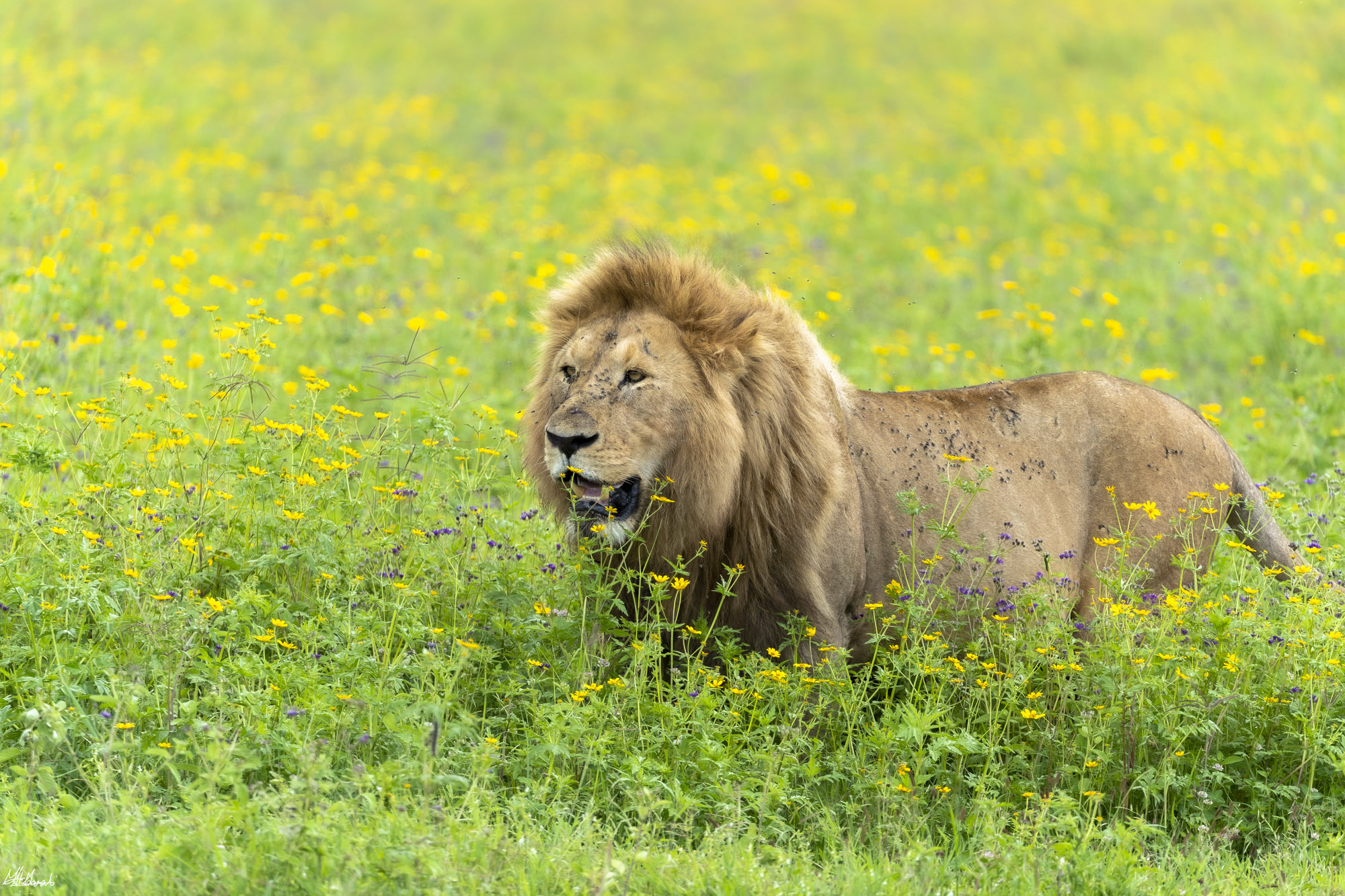
luxury travel Africa
Niche·

Regenerative Travel Tanzania: Unforgettable Community-Led Experiences

Regenerative travel Tanzania goes beyond traditional sustainability. Unlike eco-tourism, which aims to minimize harm, regenerative travel actively restores and enhances local environments, economies, and communities. Through thoughtful planning, community-led projects, and responsible travel practices, visitors can leave Tanzania’s wildlife reserves, villages, and natural landscapes better than they found them. Growing up in Arusha, our team at Odysseys From Africa has witnessed firsthand how community-led tourism Tanzania initiatives strengthen local economies, preserve cultural heritage, and maintain biodiversity. This guide explains what regenerative travel is, why it matters in Tanzania, and how travelers from the US and Europe can participate safely and responsibly. What is Regenerative Travel Tanzania? Regenerative travel Tanzania is tourism that restores ecosystems, supports local communities, and leaves a positive impact. It goes beyond “do no harm” by actively improving the destination. Travelers engage with local projects that conserve wildlife and habitats Cultural experiences directly benefit community livelihoods Local guides and businesses are prioritized to ensure economic regeneration For sustainable travel planning across Tanzania, see Tanzania Explorer. The Difference Between Sustainable and Regenerative Tourism Sustainable tourism minimizes harm, but regenerative tourism actively improves the destination. Sustainable tourism: Reduces environmental footprints (e.g., low-impact lodges, eco-friendly transport) Regenerative travel: Restores ecosystems, funds community projects, and improves local social systems Example in Tanzania: Supporting reforestation programs in Ruaha while funding local schools By choosing community-led tourism Tanzania, visitors participate in both conservation and development projects. Key Principles of Regenerative Travel in Tanzania Regenerative travel focuses on community engagement, conservation, and responsible experiences. Community Empowerment: Local guides, cultural tours, and artisans directly benefit from tourism Ecological Restoration: Activities fund wildlife protection, anti-poaching initiatives, and reforestation Cultural Preservation: Tourism supports local traditions, crafts, and educational programs Visitor Accountability: Travelers reduce waste, support local businesses, and respect cultural norms Long-Term Impact: Projects are designed to improve livelihoods and ecosystems over decades Examples of regenerative projects can be explored through Travel Information. Community-Led Tourism Tanzania: How It Works Community-led tourism Tanzania gives local communities the leadership role in defining experiences and receiving economic benefits. Villages design tours around their traditions, wildlife stewardship, or craft workshops Visitors pay entrance fees or contributions directly supporting schools, clinics, or water projects Lodges hire local staff and source food from nearby farms, keeping money circulating in the community Many of these experiences are located outside the main northern parks, offering intimate interactions with local people while preserving cultural integrity. Regenerative Lodges and Camps Eco-lodges and camps in Tanzania implement regenerative practices to restore nature and empower communities. Nyerere National Park lodges: Use solar energy, run waste-to-compost programs, and fund local conservation Ruaha camps: Employ local staff, maintain water conservation practices, and educate guests about wildlife protection Lodges often include educational briefings on the ecosystem, conservation challenges, and regenerative efforts For curated safari lodging options, see All Destinations. Wildlife Conservation through Tourism Tourism revenue in Tanzania can fund anti-poaching, habitat restoration, and research projects. Anti-poaching initiatives: Supported by a portion of safari fees Wildlife corridors: Funds help maintain safe migration routes Endangered species monitoring: Guides inform travelers about ongoing conservation A regenerative approach ensures that your visit directly benefits Tanzanian wildlife, especially in southern parks like Nyerere and Ruaha, where revenue is vital for ongoing conservation. Boat Safaris and River Conservation Boat safaris in Nyerere National Park offer both unique wildlife experiences and support river ecosystem regeneration. Fees fund riverbank restoration and protect hippos, crocodiles, and bird habitats Visitors experience low-impact travel while learning about aquatic biodiversity Guides often involve communities in sustainable fishing and water management For detailed itineraries, check Tanzania Explorer. Cultural Experiences That Give Back Regenerative travel in Tanzania supports local crafts, music, and culinary traditions. Participate in village tours, cooking classes, or traditional ceremonies Purchase artisan crafts directly supporting families Engage in cultural preservation projects led by local elders Community benefits increase when tourists respect and follow local guidelines. Photography and Wildlife Tips Use your camera to showcase regenerative impacts without disturbing wildlife. Wildlife photography: 100–400mm lens recommended for observing animals at a safe distance Cultural photography: Ask permission, and respect privacy Landscapes: Wide-angle lenses capture restored habitats and eco-lodge surroundings For photography-focused itineraries, see Photographic Safaris. Practical Tips for US & European Travelers Plan flights, visas, and health precautions for a safe and ethical regenerative travel experience. Flights: Kilimanjaro International Airport (JRO) is primary gateway Visa: eVisa for US/EU citizens required Health: Vaccinations, malaria prophylaxis, and travel insurance recommended Ethical travel: Choose operators that prioritize community-led tourism Tanzania and environmental restoration Cost and Value of Regenerative Safaris Prices vary from $300–$700/day depending on lodges, inclusions, and guided projects. Most include game drives, community visits, or boat safaris A portion of fees directly supports local regeneration and wildlife initiatives Luxury lodges and private experiences cost more but maximize community and conservation impact Top Regenerative Experiences in Tanzania 5 ways travelers can actively participate in regenerative travel Tanzania: Village Cultural Tours: Engage with local communities while funding schools or clinics Eco-Lodge Conservation Programs: Participate in habitat restoration and wildlife monitoring Boat Safaris in Nyerere National Park: Observe river ecosystems and fund aquatic conservation Guided Walking Safaris in Ruaha: Learn about predator tracking and habitat management Photography with Purpose: Document wildlife and community projects, supporting awareness These activities provide both an unforgettable experience and meaningful contribution. Why Regenerative Travel Matters Tourism can leave a lasting positive impact on communities and ecosystems. Creates sustainable livelihoods for locals Ensures wildlife and habitats are protected for future generations Strengthens cultural preservation and pride Choosing regenerative travel ensures your safari leaves Tanzania better than you found it, unlike conventional tourism. Regenerative travel Tanzania transforms the way you experience Africa. By participating in community-led tourism initiatives, travelers contribute to ecological restoration, wildlife conservation, and cultural preservation. For an authentic and impactful Southern Tanzania safari, contact Odysseys From Africa to plan your community-led regenerative adventure today. Call to Action Location: Arusha, TanzaniaEmail: info@odysseys-from-africa.comPhone: +254 (0) 710 450 797 | +255 (0) 652 810 255Website: https://odysseys-from-africa.com/

Read More
Tanzania safari health tips
Niche·

Nature Photography Tours in East Africa | Wildlife Photography Workshop

Nature photography tours East Africa offer a unique opportunity to capture the continent’s spectacular wildlife, landscapes, and cultures. Designed for all skill levels, these tours combine immersive safari experiences with hands-on photography workshops led by expert guides. Whether you are a seasoned photographer or a beginner eager to explore wildlife photography, East Africa’s parks and reserves—from the Serengeti to Amboseli and Zanzibar—provide the perfect backdrop. This guide highlights what to expect on nature photography tours, recommended gear, ideal itineraries, and tips to maximize your African wildlife photography experience. Why Nature photography tours East Africa Are Idealt East Africa’s diverse ecosystems, abundant wildlife, and stunning landscapes make it the ultimate destination for nature photography. Variety of Wildlife: Capture iconic species like lions, elephants, zebras, and giraffes in their natural habitats Diverse Landscapes: From savannas and volcanic craters to lush wetlands and tropical beaches, every frame tells a story Expert Guidance: Photography tours combine wildlife expertise with technical photography advice All Skill Levels: Tours are designed for beginners, intermediate photographers, and professionals seeking specialized instruction Explore multi-day photography-focused trips on Photographic Safaris. Top Destinations for Photography Tours East Africa offers multiple locations ideal for capturing wildlife, culture, and landscapes. Each destination provides unique photographic opportunities. Serengeti National Park Famous for the Great Migration, Serengeti offers endless wildlife photography opportunities year-round. Early morning and late afternoon drives for optimal light Capture migration herds, predators in action, and intimate animal behaviors Recommended lenses: 100–400mm for wildlife, 24–70mm for landscapes Lodges with rooftop decks for panoramic shots Combine wildlife and cultural experiences on Serengeti and Ngorongoro. Maasai Mara (Kenya) The Mara is perfect for photographers seeking dramatic predator-prey interactions and classic African landscapes. Small-group drives allow close access without disturbing wildlife Hot-air balloon photography options for aerial perspectives Birding photography opportunities for smaller species and flamingos Amboseli National Park Iconic views of elephants with Mount Kilimanjaro in the background provide timeless compositions. Best lighting: early mornings with soft golden sunlight Opportunities for close-up elephant shots and cultural portraits of Maasai herders Zanzibar Extension After savanna photography, Zanzibar offers tropical landscapes, colorful architecture, and coastal wildlife for diverse photographic subjects. Stone Town and spice farms for vibrant cultural photography Beach and ocean photography with sunrise and sunset options Snorkeling and dhow trips for underwater and seascape photography Extend your photography-focused experience with Short Zanzibar. Photography Workshops and Instruction Guided photography workshops help travelers of all levels improve their skills while capturing East Africa’s beauty. Wildlife Photography Techniques: Learn composition, lighting, and lens selection for moving subjects Landscape Photography: Tips for wide-angle shots, panoramic stitching, and golden-hour lighting Post-Processing Skills: Guidance on editing techniques for professional-quality images Cultural Photography: Ethical approaches to photographing local communities Consider multi-destination photography tours on Tanzania Explorer. Recommended Photography Gear Selecting the right gear ensures you are ready for diverse conditions and subjects. Camera: DSLR or mirrorless with fast autofocus Lenses: Telephoto (100–400mm), standard zoom (24–70mm), optional wide-angle for landscapes Accessories: Tripod or monopod, extra batteries, memory cards, lens cleaning kit Optional: Drone photography (where permitted) for aerial perspectives Planning Your Photography Safari Itinerary A carefully planned itinerary maximizes wildlife sightings, cultural interactions, and photographic opportunities. Suggested 10-Day Photography Tour Day 1–2: Arrival in Nairobi & Arusha – Meet guides, prepare gear, and review the itinerary Day 3–5: Serengeti National Park – Capture wildlife during the Great Migration or Big Five sightings Day 6–7: Ngorongoro Crater & Tarangire – Explore crater ecosystems and elephant herds with guided instruction Day 8–10: Zanzibar Extension – Photograph beaches, local villages, and spice farms for cultural and seascape images Explore specialized wildlife photography experiences on Migration Calving Safari. Tips for Capturing Wildlife Ethically Respect for animals and local ecosystems is essential for ethical photography. Maintain safe distances from wildlife to avoid disturbance Use long lenses for close-up shots instead of approaching animals Avoid flash photography at night Respect local customs and obtain permission when photographing people Combine wildlife and cultural photography on Best of Northern Tanzania. Solo and Small Group Photography Travel Photography tours are ideal for solo travelers or small groups seeking personalized instruction and flexibility. Small groups ensure individual attention from guides Shared vehicles allow photographers to adjust angles and shooting positions Solo travelers benefit from supportive peer communities and social meals For photography-focused solo or small group trips, see Photographic Safaris. Preparing for Changing Nature photography tours East Africa Conditions Weather and light conditions impact photography; preparation ensures consistent results. Dry Season (June–October): Optimal light and concentrated wildlife sightings Wet Season (November–May): Lush landscapes, dramatic skies, and fewer tourists Temperature: Layered clothing for early morning drives Dust & Humidity: Protective gear for cameras and lenses Post-Processing and Sharing Your Work Post-processing enhances the storytelling aspect of your photographs. Use Lightroom or Photoshop for exposure, color correction, and cropping Create photo journals or slideshows to document the journey Share your work ethically with credits to guides and communities Some lodges offer workshops for editing and printing images Combining Photography with Cultural Experiences In addition to wildlife, cultural interactions add depth to your photographic story. Maasai villages and markets provide vibrant portrait opportunities Spice farms in Zanzibar offer color, texture, and storytelling elements Festivals, ceremonies, and daily life are ideal for candid, respectful photography Integrate wildlife and cultural photography with Serengeti and Ngorongoro. Travel and Safety Tips for Photographers East Africa is generally safe for photography tours, but preparation is key. Vaccinations and Health: Recommended for malaria, yellow fever, and routine vaccinations Travel Insurance: Cover for equipment, medical emergencies, and trip cancellations Security: Keep cameras and valuables secure at all times Flight Logistics: US travelers can connect via Nairobi or Kilimanjaro airports Local Guides: Experts provide guidance for both safety and photography optimization Learn more about travel prep on Travel Information. Wellness and Mindfulness for Photographers Long safari days can be physically demanding; wellness ensures focus and creativity. Hydration, rest, and proper meals for sustained energy Short meditation or reflection breaks to capture natural moments mindfully Stretching and light exercise during midday downtime Enjoy…

Read More
Travel Safari Itineraries

Why Slow Travel Safari Itineraries are the New Trend

Slow travel safari itineraries are transforming the way travelers experience Tanzania and East Africa. By moving at a relaxed pace, visitors can immerse themselves in wildlife, landscapes, and local communities while supporting regenerative tourism practices. In 2026, slow travel is more than a trend—it’s a conscious movement that encourages travelers to focus on meaningful experiences, deeper connections, and sustainable tourism practices. This guide explores the benefits of slow travel safaris, the best destinations for immersive experiences, recommended itineraries, and practical tips for planning your next African adventure. What is Slow Travel on Safari? Slow travel on safari prioritizes quality over quantity, allowing you to fully engage with wildlife, culture, and landscapes without the stress of rushing. Extended Stays: Spend more time in fewer locations to experience natural rhythms Immersive Wildlife Viewing: Observe animals in their habitats without the pressure of a tight schedule Cultural Engagement: Interact meaningfully with local communities, artisans, and guides Environmental Responsibility: Reduce carbon footprint through longer stays and low-impact travel Discover immersive itineraries on Tanzania Explorer. Benefits of Slow Travel Safari Itineraries Traveling slowly enhances your safari experience and provides positive impacts for local communities and the environment. Enhanced Wildlife Encounters: Longer game drives and multiple visits to key habitats increase wildlife sightings Deeper Cultural Connections: Engage in traditional practices, cooking classes, or community tours Less Stress, More Mindfulness: Enjoy mornings and evenings in camp, sunrise and sunset drives, and nature observation Support for Regenerative Travel: Longer stays benefit local staff, lodges, and conservation initiatives For cultural and wildlife immersion combined, explore Best of Northern Tanzania. Ideal Destinations for Slow Travel Safaris Certain parks and regions are especially suited to slow travel, allowing travelers to linger and fully appreciate East Africa’s beauty. Serengeti National Park & Ngorongoro Crater Spending multiple days in the Serengeti provides unparalleled wildlife and photographic opportunities. Witness the Great Migration or predator-prey dynamics at a relaxed pace Take guided walks with local Maasai guides to learn about ecology and culture Early morning and evening drives for optimal light and animal activity Combine wildlife with cultural engagement on Serengeti and Ngorongoro. Tarangire & Lake Manyara Perfect for extended wildlife observation and birdwatching. Elephant herds, flamingos, and unique tree-dwelling species can be studied leisurely Local village tours provide insight into community conservation initiatives Zanzibar & Coastal Experiences After inland safaris, Zanzibar offers slower-paced cultural and ecological exploration. Relaxed beach days, spice farm visits, and dhow trips Small eco-lodges ensure minimal environmental impact and authentic cultural experiences Extend your experience with Short Zanzibar. Multi-Day Slow Travel Safari Itineraries Planning a slow safari requires thoughtfully balancing game drives, cultural activities, and relaxation periods. Suggested 10-Day Itinerary Day 1–2: Arrival in Arusha or Nairobi – Meet guides, review itinerary, and relax at eco-friendly lodges Day 3–5: Serengeti National Park – Extended game drives, wildlife photography, and Maasai cultural experiences Day 6–7: Ngorongoro Crater & Tarangire – Immersive drives and guided walks with local conservationists Day 8–10: Zanzibar – Slow exploration of beaches, spice farms, and village life For trips combining wildlife and cultural immersion, see Tanzania Explorer. How Slow Travel Supports Regenerative Tourism Longer, mindful stays have measurable positive impacts on communities and ecosystems. Economic Benefits: Lodges, guides, and local suppliers receive sustained support Conservation Incentives: Communities value wildlife preservation as a long-term livelihood source Cultural Preservation: Longer interactions ensure respectful and meaningful engagement Reduced Environmental Impact: Fewer daily movements between locations lower fuel use and carbon emissions Combine conservation and cultural tourism on Migration Calving Safari. Tips for Planning a Slow Safari Proper preparation ensures you make the most of a relaxed safari experience. Choose Fewer Destinations: Spend more time in each park to fully experience wildlife and culture Pack Accordingly: Layered clothing, binoculars, and photography gear for diverse conditions Plan Flexible Days: Allow free mornings or afternoons for relaxation and spontaneous exploration Engage Local Guides: Knowledgeable guides enhance both wildlife sightings and cultural understanding Support Local Economies: Dine at lodges sourcing food locally, purchase authentic crafts, and respect community spaces Explore travel preparation on Travel Information. Photography Opportunities on Slow Safaris Slowing down allows for better wildlife photography and meaningful storytelling. Early Morning and Late Afternoon Drives: Capture soft light and active wildlife Extended Observation Periods: Observe behavior patterns for better shot composition Cultural Photography: Longer visits allow authentic interactions without rushing Post-Processing Time: Utilize downtime in lodges to review and enhance images For wildlife and cultural photography tours, see Photographic Safaris. Wellness and Mindfulness in Slow Travel Slower itineraries allow travelers to focus on personal well-being. Enjoy quiet observation of wildlife without the pressure of tight schedules Participate in yoga, meditation, or reflective journaling in nature Prioritize rest and hydration to maintain energy during extended safaris Use slow travel as an opportunity to connect with your surroundings and community Solo, Small Group, and Multi-Generational Travel Slow travel is ideal for travelers seeking flexibility and connection. Small groups reduce vehicle congestion and enhance wildlife observation Solo travelers benefit from personal attention and guided cultural insights Multi-generational groups can share meaningful experiences with children and elders For flexible slow travel safari packages, see Best of Northern Tanzania. Health, Safety, and Responsible Practices Even relaxed itineraries require careful attention to safety and ethics. Vaccinations and malaria prophylaxis are recommended Travel insurance should cover eco-adventures and equipment Respect local customs and seek permission before photographing people Support eco-friendly lodges and small-scale operators Long-Term Impact of Slow Travel Slow travel contributes to a more sustainable tourism industry and a better experience for travelers and communities alike. Stronger economic impact for local communities Reduced environmental stress and carbon footprint Deeper cultural understanding and authentic storytelling Encouragement of conservation through responsible tourism practices Conclusion & Call to Action Slow travel safari itineraries in Tanzania and Zanzibar allow travelers to engage meaningfully with wildlife, landscapes, and local communities. By embracing a slower pace, you contribute to regenerative tourism while creating lasting memories. Plan your slow travel safari today and Request a Custom Safari Proposal or Experience a Regenerative Safari in Tanzania. Location:…

Read More