
Tanzania Safari Holiday and Safari Tourism and Wildlife Conservation: How Safari Tourism Supports Conservation in Africa
A Tanzania safari holiday is one of the most powerful examples of how tourism and conservation can work together to protect wildlife and support local communities. For travelers from the United States seeking a luxury African experience, Tanzania offers more than iconic landscapes—it offers measurable impact.
A Tanzania safari holiday is one of the most powerful examples of how tourism and conservation can work together to protect wildlife and support local communities. For travelers from the United States seeking a luxury African experience, Tanzania offers more than iconic landscapes—it offers measurable impact. From the endless plains of the Serengeti to the wildlife-rich Ngorongoro Crater, safari tourism plays a direct role in funding conservation, protecting endangered species, and sustaining rural livelihoods. This article explains how safari conservation Africa operates in practice and why Tanzania remains one of the strongest conservation success stories in the world.
How Safari Conservation Africa Works Through Safari Tourism in Tanzania
Safari conservation Africa is driven by tourism revenue that funds national parks, anti-poaching efforts, and community development programs. A Tanzania safari holiday directly contributes to protecting ecosystems like the Serengeti and Ngorongoro while sustaining wildlife populations for future generations.
Safari conservation in Africa is not an abstract concept—it is a functioning economic model. In Tanzania, every park entry fee, lodge stay, and guided safari experience contributes to conservation financing. Institutions like the Tanzania National Parks Authority (TANAPA) reinvest tourism revenue into wildlife protection, infrastructure, and ranger operations.
High-value safari tourism, particularly from markets like the United States, is especially important because it generates substantial funding with relatively low environmental impact. Luxury safari operators also support conservation through direct partnerships, funding anti-poaching units and wildlife monitoring programs.
This system ensures that wildlife has economic value greater than land conversion or poaching, making conservation a sustainable long-term strategy.
Explore signature conservation-linked safaris:
Why Safari Conservation Africa Depends on Sustainable Tourism Models
Safari conservation Africa relies on sustainable tourism practices that balance environmental protection with economic development. A Tanzania safari holiday built on sustainability ensures ecosystems remain intact while supporting long-term community livelihoods.
Sustainable tourism is the foundation of conservation success in Tanzania. Without it, national parks would lack the funding and incentive structures needed to protect biodiversity.
Key sustainability principles include:
- Limiting vehicle density in sensitive wildlife zones
- Using eco-certified safari lodges and camps
- Reducing plastic and waste in remote ecosystems
- Prioritizing renewable energy in safari operations
These practices help preserve critical habitats such as:
- Serengeti grasslands, home to the Great Migration
- Ngorongoro Crater, one of Africa’s densest wildlife areas
- Tarangire woodlands, known for elephant populations
For US travelers, choosing sustainable safari packages ensures their trip contributes positively to Africa’s conservation economy.
Learn more about responsible travel:
The Role of Safari Tourism in Funding Wildlife Protection and Anti-Poaching
Safari conservation Africa is strengthened by tourism funding that supports anti-poaching patrols, wildlife monitoring systems, and ranger training programs. A Tanzania safari holiday helps protect iconic species such as elephants, lions, and rhinos.
Poaching has historically threatened African wildlife populations, particularly elephants targeted for ivory and rhinos for horn. However, safari tourism has significantly transformed enforcement capacity.
Tourism revenue helps fund:
- Ranger salaries and field patrol operations
- Aerial surveillance and drone monitoring systems
- GPS tracking for endangered species
- Intelligence networks that prevent illegal wildlife trade
In the Serengeti ecosystem, tourism is directly linked to operational protection systems that safeguard migration routes and breeding grounds.
Without tourism income, these protection systems would be severely underfunded, increasing vulnerability for wildlife populations.
Recommended conservation-focused safaris:
How Safari Conservation Africa Benefits Local Communities
Safari conservation Africa strengthens local economies by integrating communities into tourism value chains. A Tanzania safari holiday creates jobs, funds education, and supports healthcare in rural regions surrounding national parks.
One of the most important outcomes of safari tourism is its impact on local communities. In Tanzania, communities near wildlife areas are active participants in conservation rather than passive observers.
Benefits include:
- Employment as safari guides, drivers, and lodge staff
- Revenue-sharing from park fees
- Investment in schools and healthcare facilities
- Support for cultural tourism programs such as Maasai experiences
In regions around Arusha and northern Tanzania, safari tourism is often the primary economic driver. This reduces reliance on environmentally harmful activities and strengthens conservation outcomes.
Community-based tourism ensures that wildlife protection is economically beneficial for local populations, aligning human development with ecological preservation.
Explore regional tourism connections:
Serengeti Great Migration as a Model of Safari Conservation Africa
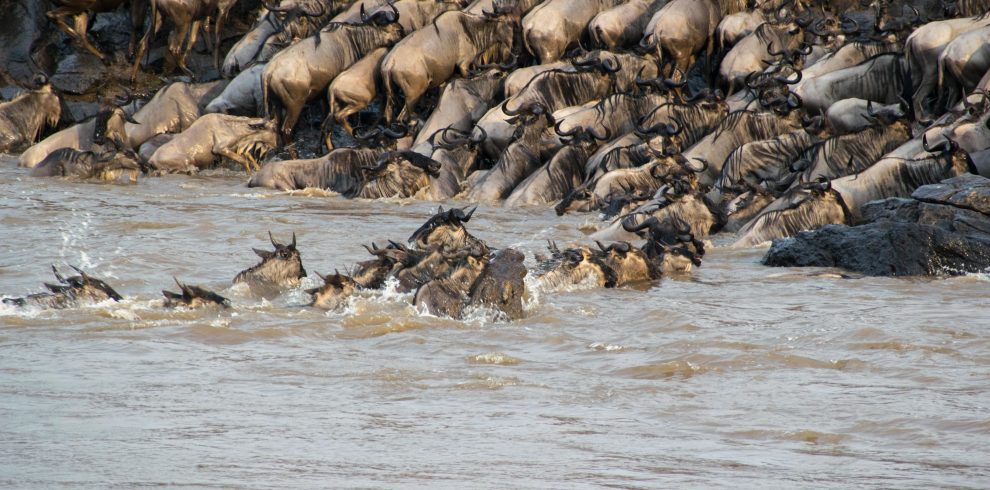
The Serengeti Great Migration demonstrates how safari conservation Africa operates at scale. A Tanzania safari holiday centered on migration tourism generates essential funding for habitat protection and long-term ecosystem stability.
The Serengeti Great Migration is one of the most extraordinary natural events on Earth, involving over 1.5 million wildebeest and hundreds of thousands of zebras moving across Tanzania’s Serengeti ecosystem.
This event is a cornerstone of safari tourism and conservation funding because:
- It attracts high-value international tourism
- It supports cross-border conservation planning with Kenya
- It funds research into migration behavior and ecosystem health
- It protects migration corridors from fragmentation
Tourism revenue from migration safaris ensures that large-scale ecological processes remain intact and protected from agricultural or infrastructural expansion.
Top migration experiences:
Luxury Safari Tourism vs Mass Tourism in Safari Conservation Africa
Luxury safari tourism plays a critical role in safari conservation Africa by generating higher conservation revenue per visitor while minimizing environmental impact. A Tanzania safari holiday in the luxury segment directly strengthens conservation funding.
Luxury safari tourism is structured to maximize conservation benefits through:
- High conservation fees per traveler
- Low-impact visitor density in sensitive ecosystems
- Eco-lodge investment in remote regions
- Exclusive-use safari experiences that reduce ecological pressure
Mass tourism, by contrast, can strain ecosystems and reduce wildlife viewing quality.
Tanzania’s luxury safari model ensures that fewer travelers generate more conservation funding, making it one of the most effective conservation tourism systems in the world.
Photographic and luxury safari options:
Choosing the Right Tanzania Safari Holiday for Conservation Impact
Choosing the right Tanzania safari holiday allows travelers to directly influence safari conservation Africa outcomes. Responsible safari packages ensure that tourism revenue supports wildlife protection and community development.
Different safari styles contribute differently to conservation outcomes:
Luxury Safaris
- Highest conservation fees
- Strong eco-lodge investment
- Low environmental footprint
Photographic Safaris
- Focused on wildlife observation ethics
- Support long-term ecological awareness
- Encourage minimal disturbance practices
Budget and Mid-range Safaris
- Still contribute to park funding
- Wider accessibility for global travelers
For US travelers, selecting operators committed to sustainability ensures that their journey supports long-term conservation systems.
Learn more about safari planning:
Best Practices for Responsible Safari Conservation Africa Travel
Responsible travel practices are essential to safari conservation Africa success. A Tanzania safari holiday becomes more impactful when travelers follow ethical wildlife viewing and sustainability guidelines.
Best practices include:
- Maintaining safe distances from wildlife
- Avoiding off-road driving in protected zones
- Supporting locally owned lodges and guides
- Reducing plastic use during travel
- Respecting park regulations and conservation rules
Ethical photography also plays a key role in minimizing wildlife stress while promoting awareness of conservation issues.
These behaviors ensure that tourism remains a positive force for ecosystem protection.
FAQ: Safari Conservation Africa and Tanzania Safari Holidays
Is safari tourism important for conservation in Africa?
Yes. Safari tourism is one of the primary funding sources for wildlife conservation in Africa. A Tanzania safari holiday directly supports national parks, anti-poaching programs, and habitat protection across key ecosystems like the Serengeti and Ngorongoro.
What is safari conservation Africa?
Safari conservation Africa refers to the system where tourism revenue is used to fund wildlife protection, ecosystem management, and community development. It ensures that wildlife has economic value, encouraging long-term preservation.
How does Tanzania benefit from safari tourism?
Tanzania benefits through job creation, foreign revenue, infrastructure development, and conservation funding. Local communities also benefit through employment and shared tourism income.
Is Tanzania safe for US tourists?
Yes. Tanzania is considered a safe and established safari destination with well-developed tourism infrastructure. Most safari routes operate in secure, professionally managed national parks.
What is the best time for a Tanzania safari holiday?
The best time is during the dry season (June to October), when wildlife viewing is at its peak and the Serengeti Great Migration is most active in key regions.
How does the Serengeti support conservation?
The Serengeti generates significant tourism revenue that funds park management, research, and anti-poaching operations, ensuring long-term ecosystem protection.
Call to Action
Request a Custom Safari Proposal or Plan Your Tanzania Safari Holiday.
Location: Arusha, Tanzania
Email: info@odysseys-from-africa.com
Phone: +254 (0) 710 450 797 | +255 (0) 652 810 255
Website: https://odysseys-from-africa.com/