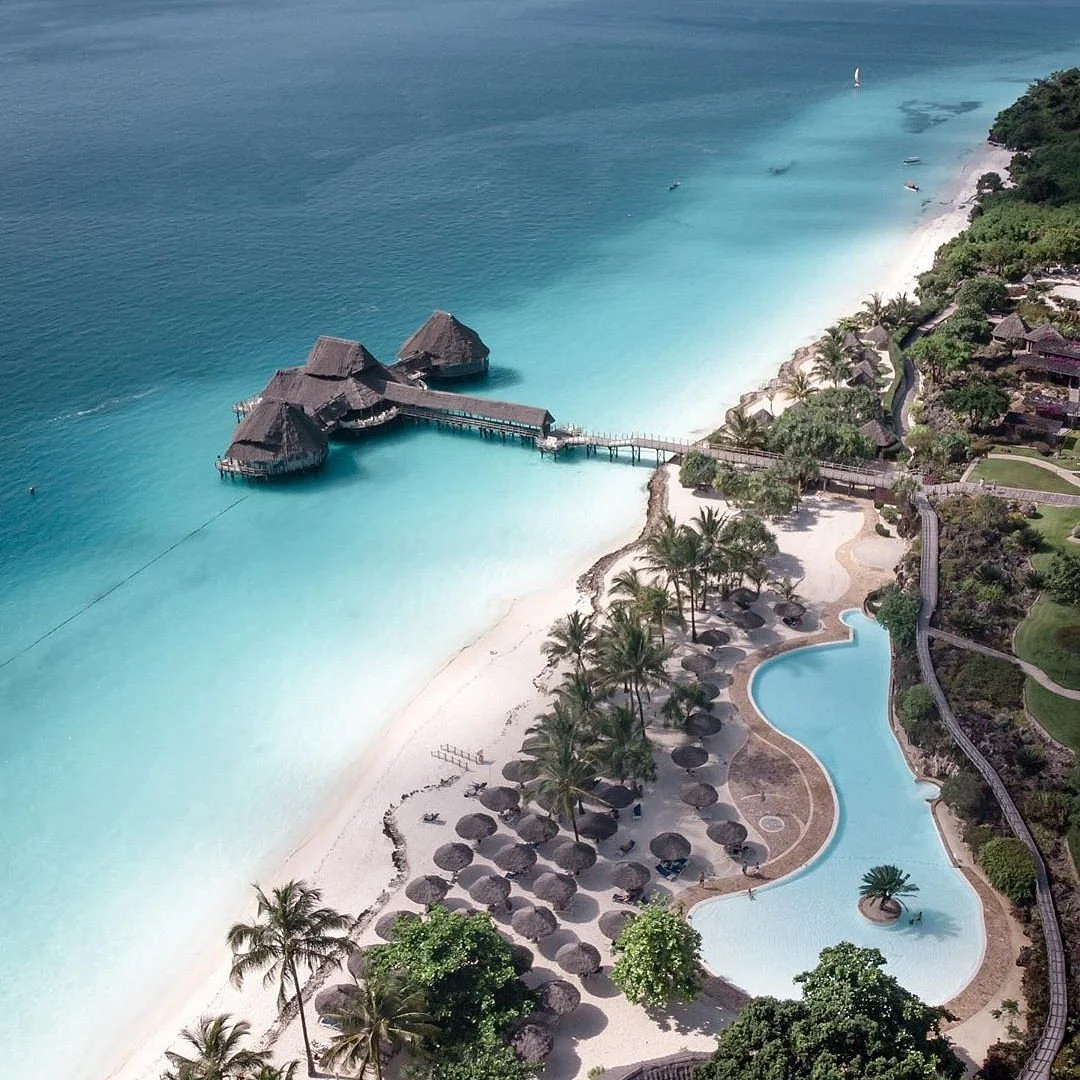
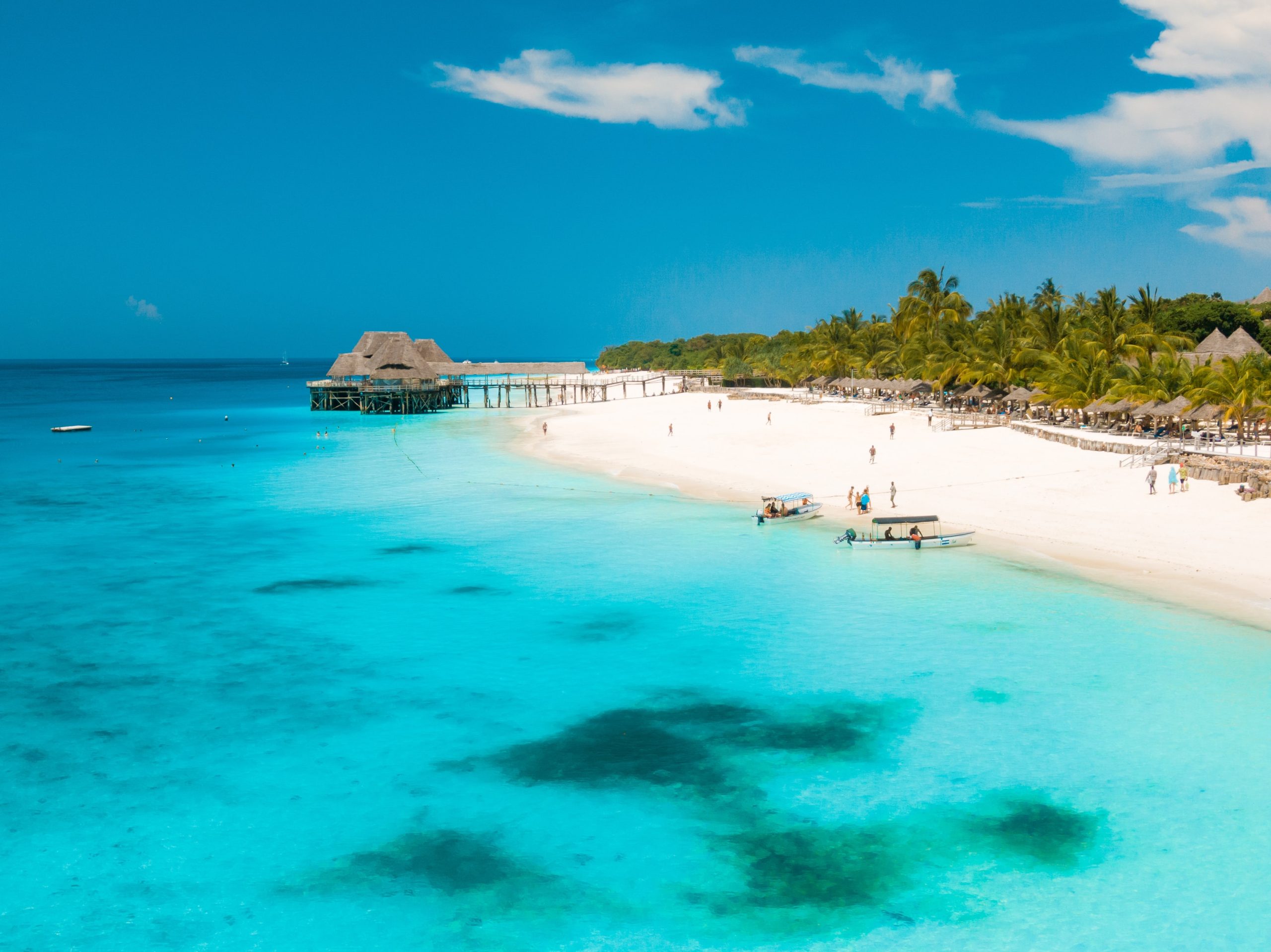
From $1,220Tanzania's captivating landscapes
Explore Tanzania's captivating landscapes, vibrant culture, and abundant wildlife, where every moment unveils the beauty of the world.

About Odysseys From Africa
Adventures. Memories. Forever.
Odysseys From Africa is a premier East African touring company, offering unforgettable safaris and cultural experiences in Kenya and Tanzania. Committed to sustainable tourism, they provide personalized itineraries that highlight the region’s stunning landscapes, diverse wildlife, and rich cultural heritage.
Our Mission
At Odysseys from Africa we are committed to conservation, cultural appreciation, and responsible tourism, we strive to provide unparalleled adventures in Africa’s most iconic landscapes, fostering a deep appreciation for wildlife and local communities. Our photographic safaris are aimed to transform every traveller into a photographer appreciating nature through the lens.
Our Vision
We aspire to offer competitive safari options with honest opinions regarding safari destinations, budgets and the best times to go on safari. As our motto goes, ‘Wild Adventures, Timeless Memories…’ we believe in creating authentic experiences and build a relationship with our customers that will keep them coming back to Africa and go on safari with us!
Our Core Values
Safari is in our blood
Being a company whose founders were born and raised in Tanzania, we are very well conversant with the safari world and experts in crafting the perfect itineraries.
Customer-centric
Putting our customers at the heart of everything we do, we tailor our services to meet their needs and exceed their expectations
Expert Knowledge
Our local guides possess in-depth knowledge ensuring a rich and informative experience.
Reliable
Our commitment to reliability ensures consistent performance and peace of mind for our customers.
Eco-friendly
We prioritize environmental responsibility with eco-friendly practices that reduce our footprint and contribute to a sustainable future.
Reasonable prices
Our prices ensure that customers always receive the best value for their money, backed by our commitment to fairness and transparency.
Memories of a lifetime
As our motto goes, 'Wild Adventures, Timeless Memories...' you will go back with a bag full of memories!
Tanzania specialist
Luxury safaris in Tanzania, designed by people who live here.
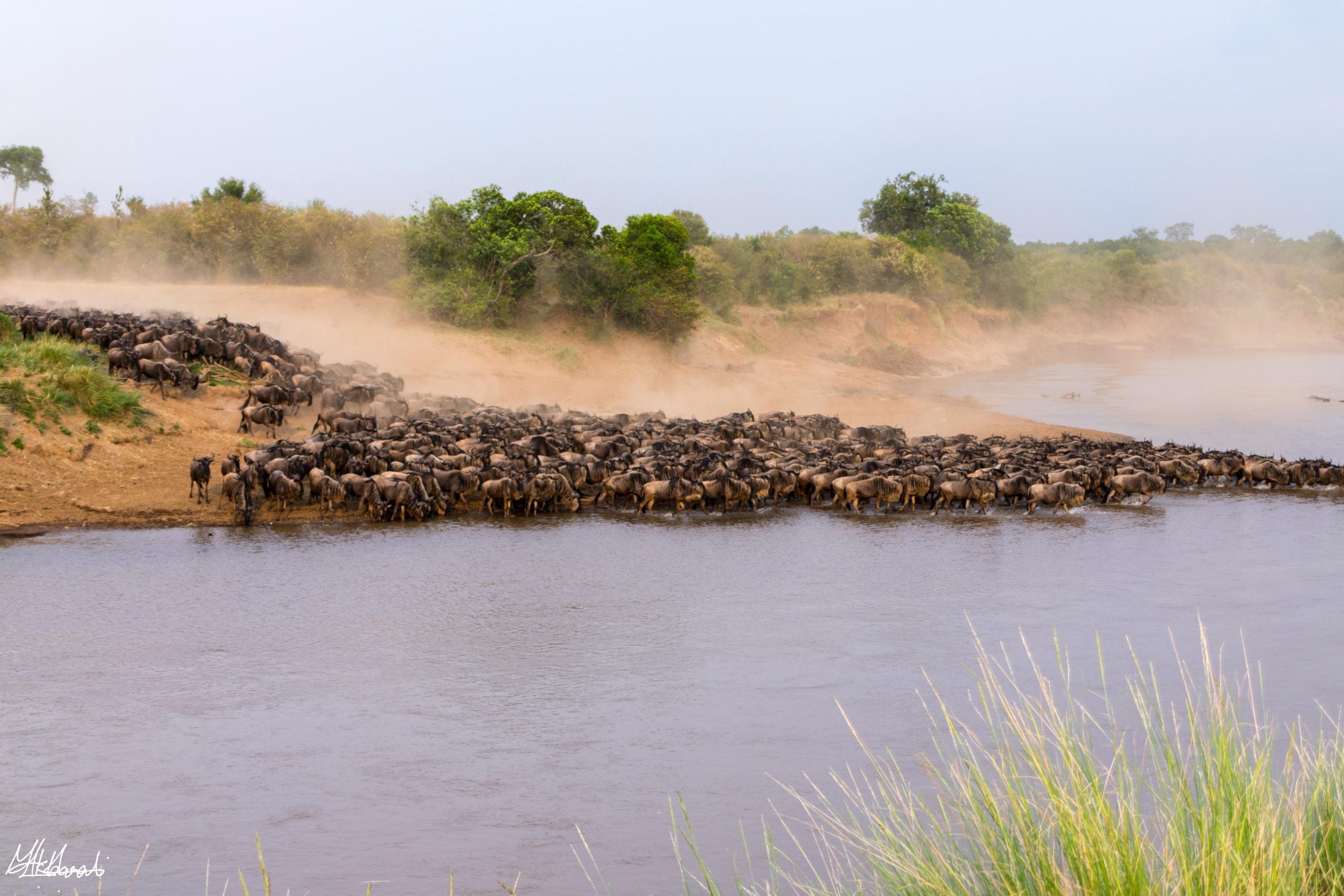
From the Great Migration in the Serengeti to the Big Five of Ngorongoro and the white-sand coastline of Zanzibar — our team in Arusha builds Tanzania safaris that fit you precisely. 7 to 14 days. 2 to 3 parks. One coordinated trip planner from enquiry to homecoming.
- 7–14
- days, typical safari
- 6
- major national parks
- 1.5M+
- wildebeest on the move
- 24/7
- in-country support
Latest from the Blog

What to Pack for Safari Tanzania | Complete Packing List 2026
Knowing what to pack for safari Tanzania can make the difference between a comfortable, enjoyable adventure and an inconvenient trip. Tanzania’s climate varies by season and destination, so packing smart ensures you’re prepared for early morning game drives, warm afternoons, and cool evenings. Whether you’re visiting the Serengeti, Ngorongoro Crater, or combining your safari with Zanzibar, this guide covers everything you need for a stress-free Tanzania safari holiday. What to Pack for Safari Tanzania The best safari packing list focuses on lightweight, neutral-colored clothing, reliable outdoor gear, and travel essentials without overpacking.Comfort, practicality, and protection from the sun and dust should guide every packing decision.Most safari lodges also offer laundry services, allowing you to pack fewer clothes for longer trips. Safari Clothing Essentials One of the most common questions travelers ask is what to pack for safari Tanzania, especially when visiting the Serengeti during different seasons.. Neutral colors help you blend into the environment while lightweight fabrics keep you comfortable throughout the day. Recommended Clothing Pack clothing that is breathable, comfortable, and suitable for changing temperatures. Include: Lightweight long-sleeved shirts Short-sleeved safari shirts Lightweight trousers Comfortable shorts for the lodge Fleece or light jacket for early mornings Waterproof rain jacket (especially during the green season) Comfortable sleepwear Undergarments and socks Best Colors for Safari Choose neutral earth tones such as: Khaki Olive green Beige Brown Grey Avoid: Bright colors White (shows dust easily) Dark blue or black in some areas where biting insects may be more attracted Comfortable Footwear Comfortable walking shoes are essential, even though most wildlife viewing takes place from a safari vehicle. Recommended footwear includes: Comfortable hiking shoes Lightweight walking shoes Sandals for relaxing at camp Flip-flops for the lodge or beach extension If you’re planning a visit to Zanzibar after your safari, sandals and lightweight beach footwear are especially useful. Camera Equipment for a Tanzania Safari Knowing what to pack for safari Tanzania includes choosing the right camera equipment for wildlife photography.Even smartphone photographers can return home with stunning images, but a dedicated camera provides greater flexibility for wildlife photography. Recommended gear: DSLR or mirrorless camera Telephoto lens (100–400mm recommended) Wide-angle lens for landscapes Extra batteries Memory cards Battery charger Camera cleaning kit Protective camera bag Photography enthusiasts can explore dedicated experiences: photographic-safaris Binoculars and Wildlife Viewing Gear Binoculars make wildlife viewing much more enjoyable, allowing you to spot distant animals before your guide positions the vehicle. Recommended specifications: 8×42 binoculars 10×42 binoculars Other useful gear: Small flashlight or headlamp Reusable water bottle Lightweight backpack Notebook for wildlife sightings Travel Essentials Besides clothing, understanding what to pack for safari Tanzania means organizing your travel documents, medications, and personal essentials before departure.Keeping these items organized helps avoid unnecessary stress during your journey. Don’t forget: Passport (valid for at least six months) Tanzania visa (if required) Travel insurance documents Flight confirmations Emergency contact information Credit card and some cash in US dollars Personal medications Copies of important documents Health and Personal Care Items East Africa’s climate can be dry, sunny, and dusty, making personal care products especially important. Pack: Sunscreen (high SPF) Lip balm Insect repellent Sunglasses Hand sanitizer Wet wipes Moisturizer Personal toiletries Prescription medication Basic first aid kit Electronics to Bring Most safari lodges provide charging facilities, although charging opportunities during game drives are limited. Recommended electronics: Smartphone Power bank Universal travel adapter Charging cables Camera charger Travel plug adapter Seasonal Packing Tips Your answer to what to pack for safari Tanzania will vary slightly depending on whether you travel during the dry season or the green season. While the essentials remain the same, seasonal weather may require a few additional items. Dry Season (June to October) Expect: Warm sunny days Cool mornings Dusty conditions Recommended additions: Warm fleece Scarf or buff Lip balm Dust cover for camera equipment Green Season (November to May) Expect: Occasional rain showers Lush landscapes Higher humidity Recommended additions: Lightweight waterproof jacket Waterproof backpack cover Quick-drying clothing Extra camera protection What You Don’t Need to Pack Many first-time safari travelers tend to overpack. Leave these items at home: Heavy suitcases Formal clothing High heels Large bottles of toiletries Excessive jewelry Camouflage clothing (restricted in some African countries) Packing light makes transfers between lodges and domestic flights much easier. Packing Tips for Different Travelers Couples Consider sharing toiletries, chargers, and luggage space to travel more efficiently. Families Pack extra snacks, entertainment for travel days, sunscreen, and spare clothing for children. Wildlife Photographers Bring additional memory cards, backup batteries, lens cleaning supplies, and a bean bag for stabilizing your camera during game drives. Planning Your Tanzania Safari This what to pack for safari Tanzania checklist covers the essentials for most travelers and can be adjusted based on your itinerary and travel style. Choosing the right itinerary is equally important. Explore some of our most popular safari experiences: serengeti-and-ngorongoro best-of-northern-tanzania tanzania-explorer You can also browse our complete collection of Serengeti safari experiences: safaris Frequently Asked Questions What should I pack for safari Tanzania? When deciding what to pack for safari Tanzania, focus on lightweight neutral clothing, comfortable walking shoes, sun protection, binoculars, camera equipment, and essential travel documents. Do I need hiking boots for a Tanzania safari? Not necessarily. Comfortable walking shoes are sufficient for most safaris since the majority of wildlife viewing takes place from a safari vehicle. Should I bring binoculars? Yes. A good pair of binoculars greatly enhances wildlife viewing and allows you to appreciate distant animals before moving closer. How much luggage can I bring? If your itinerary includes domestic bush flights, luggage restrictions often apply. Soft-sided duffel bags are generally recommended instead of hard-shell suitcases. Can I wear bright colors on safari? Neutral colors are recommended because they blend into the natural environment and are more practical for safari conditions. Call to Action Request a Custom Safari Proposal or Plan Your Tanzania Safari Holiday. Location: Arusha, TanzaniaEmail: info@odysseys-from-africa.comPhone: +254 (0) 710 450 797 | +255 (0) 652 810 255Website: https://odysseys-from-africa.com/
Read More
Tanzania Safari Cost Guide | Budget, Mid-Range and Luxury (2026)
Understanding the Tanzania safari cost is one of the first steps in planning your dream African adventure. Whether you’re looking for a budget-friendly wildlife experience, a comfortable mid-range safari, or an all-inclusive luxury journey, Tanzania offers options for every travel style. The final cost depends on factors such as accommodation, travel season, park fees, transportation, and the type of safari you choose. This guide explains what influences safari pricing, compares different travel styles, and helps you choose the right itinerary for your budget. How Much Does a Tanzania Safari Cost? The average Tanzania safari cost depends on your travel style, accommodation level, and itinerary length. Budget safaris offer affordable wildlife experiences, while luxury safaris include premium lodges, private guides, and exclusive services.Understanding what is included in the price helps travelers compare safari packages more accurately rather than focusing only on the headline cost. Typical Tanzania Safari Price Ranges Safari Style Estimated Cost (Per Person Per Day) Best For Budget Safari $250–$450 Backpackers, students, budget travelers Mid-Range Safari $450–$800 Couples, families, first-time visitors Luxury Safari $800–$1,800+ Honeymooners, photographers, luxury travelers Prices are approximate and vary depending on season, group size, and accommodation. What Affects Tanzania Safari Cost? Several factors influence the overall Tanzania safari cost, from national park fees to accommodation standards and travel season. Understanding these variables helps you choose the right safari without unexpected expenses.The lowest price isn’t always the best value—it’s important to compare what each package includes. Safari Duration Longer safaris naturally cost more, but they often provide better value by allowing you to explore multiple parks without rushing. Popular options include: 4-day safari 6-day safari 8-day safari 10-day Northern Tanzania circuit Accommodation Accommodation is one of the biggest factors affecting safari pricing. Budget Camps Comfortable tents or simple lodges Shared facilities in some locations Great value for adventurous travelers Mid-Range Lodges Private rooms with en-suite bathrooms Excellent dining Comfortable safari experience Luxury Lodges & Tented Camps Spacious suites Premium dining Infinity pools Personalized service Private game drives (selected properties) National Park Fees Tanzania’s world-famous parks charge conservation and entry fees that support wildlife protection and park management. Popular parks include: Serengeti National Park Ngorongoro Crater Tarangire National Park Lake Manyara National Park These fees are usually included in professionally organized safari packages. Travel Season The time of year significantly influences Tanzania safari cost. Peak Season (June–October) Highest demand Premium accommodation rates Best wildlife viewing Green Season (November–May) Lower accommodation rates Fewer tourists Beautiful green landscapes Excellent photography opportunities Traveling during the shoulder or green season can provide excellent value while still delivering remarkable wildlife experiences. Private vs Shared Safari Private safaris cost more but provide: Flexible schedules Personalized guides Exclusive vehicles Better photography opportunities Shared safaris are more economical and are ideal for solo travelers or couples looking to reduce costs. Budget vs Mid-Range vs Luxury Safari Choosing between budget, mid-range, and luxury safaris depends on your travel priorities rather than your budget alone.Each option offers memorable wildlife experiences, but the level of comfort and exclusivity varies considerably. Budget Safari Ideal for: Young travelers Backpackers Adventure seekers Includes: Shared safari vehicle Comfortable camping or basic lodges Scheduled departures Mid-Range Safari The most popular option for international visitors. Includes: Comfortable lodges Professional safari guide Full-board accommodation Park entry fees Reliable safari vehicles Perfect for: Couples Families First-time safari travelers Luxury Safari Luxury safaris provide exceptional comfort without compromising wildlife experiences. Expect: Boutique lodges Luxury tented camps Fine dining Private safari vehicles Personalized itineraries Premium service Ideal for: Honeymooners Luxury travelers Wildlife photographers Multi-generational families Sample Tanzania Safari Itineraries Sample itineraries provide a realistic understanding of Tanzania safari cost while helping travelers choose an itinerary that matches their interests and available time.Longer itineraries typically include more national parks and offer greater wildlife diversity. Short Serengeti Escape Perfect for travelers with limited time. Highlights: Serengeti game drives Wildlife viewing Comfortable accommodation Learn more: short-serengeti Serengeti & Ngorongoro Safari A classic Northern Circuit adventure. Highlights: Serengeti National Park Ngorongoro Crater Big Five opportunities Explore: serengeti-and-ngorongoro Best of Northern Tanzania A comprehensive safari experience. Includes: Tarangire Lake Manyara Serengeti Ngorongoro Crater View itinerary: best-of-northern-tanzania Tanzania Explorer Ideal for travelers seeking an extended safari adventure. Highlights: Multiple ecosystems Diverse wildlife Comfortable lodges Explore: tanzania-explorer What Is Usually Included in a Safari Package? Most professionally organized Tanzania safaris include: Airport transfers Safari vehicle Professional English-speaking guide Accommodation Meals National park entry fees Drinking water during game drives Some luxury itineraries may also include: Domestic flights Laundry services Sundowners Bush breakfasts Private guides International flights, visas, travel insurance, and personal expenses are often excluded, so it’s important to review the package details before booking. Is a Tanzania Safari Worth the Cost? A Tanzania safari is considered one of the world’s most rewarding wildlife experiences because it combines exceptional biodiversity, iconic national parks, and unforgettable landscapes.For many travelers, the memories, wildlife encounters, and level of service justify the investment. From witnessing the Great Migration in the Serengeti to spotting black rhinos in Ngorongoro Crater and relaxing on Zanzibar’s beaches, Tanzania delivers remarkable value for travelers seeking a once-in-a-lifetime adventure. Plan Your Tanzania Safari Whether you’re planning a budget-friendly adventure or a luxury safari holiday, choosing the right itinerary makes all the difference. Explore more safari options: safaris trip-search-result tanzania Frequently Asked Questions What is the average Tanzania safari cost? Most travelers spend between $450 and $800 per person per day for a comfortable mid-range safari, while luxury safaris typically start from around $800 per person per day. Why are Tanzania safaris expensive? Costs include conservation fees, professional guides, specialized safari vehicles, accommodation, meals, and access to world-renowned national parks. Is a luxury safari worth it? Luxury safaris offer exceptional comfort, personalized service, premium lodges, and exclusive wildlife experiences, making them a popular choice for honeymooners and luxury travelers. Can I do a Tanzania safari on a budget? Yes. Budget safaris using shared vehicles and comfortable camps provide an affordable way to experience Tanzania’s incredible wildlife. When is the cheapest time to visit Tanzania? The…
Read More
Tanzania vs Kenya Safari: Which Is Better? Complete 2026 Guide
Choosing between a Tanzania vs Kenya safari is one of the biggest decisions first-time visitors to East Africa face. Both destinations offer unforgettable wildlife encounters, breathtaking landscapes, and the chance to see the Big Five, but they provide different safari experiences. Understanding the differences in wildlife, parks, costs, and travel style will help you choose the destination that best matches your dream African safari. If you’re looking for vast wilderness, fewer crowds, and a more immersive safari, Tanzania often stands out as the preferred choice. Tanzania vs Kenya Safari: Quick Comparison A Tanzania vs Kenya safari comparison comes down to the type of experience you want. Tanzania offers larger protected areas, fewer vehicles, and longer safari itineraries, while Kenya provides easier access and shorter trips.Both countries are exceptional for wildlife viewing, but Tanzania is often favored by travelers seeking a more exclusive and authentic safari holiday. Feature Tanzania Kenya Wildlife Excellent Excellent Great Migration ✔️ Full migration cycle ✔️ Mara River crossings Crowds Lower Higher Safari Parks Larger and more remote More accessible Beach Extension Zanzibar Diani Beach Luxury Lodges Extensive Extensive Best for Photography Excellent Very Good Serengeti vs Maasai Mara The comparison between the Serengeti and Maasai Mara is often the deciding factor in a Tanzania vs Kenya safari. While both ecosystems are connected, the Serengeti is significantly larger and offers a more diverse safari experience throughout the year.Travelers looking for expansive landscapes and longer wildlife encounters often prefer the Serengeti. Why the Serengeti Stands Out Serengeti National Park covers nearly 15,000 square kilometers, making it one of Africa’s largest protected ecosystems. Highlights include: The complete Great Migration cycle Vast open plains with fewer safari vehicles Excellent Big Five sightings Year-round wildlife viewing Outstanding photographic opportunities Explore Serengeti safari experiences: safaris Why Travelers Love the Maasai Mara Maasai Mara National Reserve is famous for spectacular river crossings and exceptional predator sightings during migration season. Highlights include: Easier access from Nairobi Short safari itineraries Excellent lion and cheetah sightings Popular for first-time safari visitors While the Maasai Mara delivers unforgettable wildlife encounters, many travelers find the Serengeti’s larger scale creates a more immersive wilderness experience. Wildlife Differences Both Tanzania and Kenya are home to the Big Five, but Tanzania offers a broader variety of ecosystems and wildlife habitats.This diversity creates more opportunities to see different species within a single safari itinerary. Tanzania Wildlife Highlights Lions Leopards Elephants Black rhinos Buffalo Cheetahs Wild dogs (selected parks) Large elephant herds Flamingos Over 1,000 bird species Top wildlife destinations include: Ngorongoro Crater Tarangire National Park Serengeti National Park Kenya Wildlife Highlights Lions Leopards Elephants Buffalo Rhinos Cheetahs Giraffes Zebras Both countries provide outstanding wildlife viewing, but Tanzania’s combination of multiple national parks allows for greater ecological diversity during one trip. Great Migration Experience One of the biggest advantages in the Tanzania vs Kenya safari debate is that Tanzania hosts the Great Migration for most of the year.Visitors can follow different stages of the migration depending on when they travel. In Tanzania you can experience: Calving season (January–March) Western Corridor migration (May–July) Northern Serengeti river crossings (July–October) Southern migration return (November–December) Kenya mainly showcases the famous Mara River crossings during the migration season. For travelers wanting to experience multiple migration stages, Tanzania offers greater flexibility. Safari Costs: Tanzania vs Kenya Safari costs vary depending on accommodation, travel season, and itinerary length rather than the country itself.While Tanzania may appear more expensive initially, many travelers find it offers excellent value through longer game drives and access to larger protected areas. Tanzania Ideal for: Luxury safari holidays Extended itineraries Honeymoon safaris Photography safaris Kenya Ideal for: Shorter safari vacations Weekend extensions Budget-conscious travelers Rather than focusing only on price, consider overall experience, wildlife diversity, and time spent inside national parks. Which Destination Is Better for First-Time Travelers? Both destinations are excellent for first-time safari visitors, but Tanzania is often the better choice for travelers seeking a classic African safari experience with fewer crowds.Its combination of iconic parks, luxury lodges, and breathtaking landscapes makes it one of the world’s premier safari destinations. Tanzania is ideal if you want: Longer wildlife drives Less crowded game viewing Multiple iconic parks in one itinerary Luxury tented camps Photography-focused safaris Combination safari and Zanzibar beach holiday Kenya may be better if you prefer: Shorter travel times Quick safari escapes Easier domestic flight connections Photography Opportunities Photographers often choose Tanzania because of its expansive landscapes, cleaner backgrounds, and lower vehicle density around wildlife sightings.These conditions create exceptional opportunities for professional wildlife photography. Best photography locations include: Serengeti plains Ngorongoro Crater Tarangire’s baobab landscapes Lake Manyara’s diverse birdlife Photography enthusiasts can also explore: photographic-safaris Can You Combine Tanzania and Kenya? Yes. Many travelers combine both countries into one East African itinerary. Popular combinations include: Serengeti and Maasai Mara Ngorongoro Crater and Amboseli Tanzania safari followed by Zanzibar beach relaxation However, if your vacation time is limited, focusing entirely on Tanzania often allows for a deeper and more relaxed safari experience. Why Tanzania Is Our Recommendation For travelers seeking the most complete safari adventure, Tanzania consistently delivers one of Africa’s finest wildlife experiences.Its vast landscapes, world-famous national parks, luxury accommodations, and year-round wildlife viewing make it an outstanding destination for first-time and returning safari travelers alike. With destinations like the Serengeti, Ngorongoro Crater, Tarangire, and Zanzibar, Tanzania offers remarkable diversity within a single journey. Explore available safari itineraries: trip-search-result Frequently Asked Questions Which is better, Tanzania vs Kenya safari? Both are outstanding safari destinations, but Tanzania is generally preferred for travelers seeking larger national parks, fewer crowds, longer wildlife drives, and more diverse safari experiences. Is the Serengeti better than the Maasai Mara? The Serengeti offers a larger ecosystem, year-round wildlife viewing, and hosts the complete Great Migration cycle. The Maasai Mara is famous for spectacular river crossings and excellent predator sightings. Which safari destination is more affordable? Costs depend more on accommodation and itinerary than the destination itself. Kenya often offers shorter itineraries, while Tanzania provides exceptional value through more extensive…
Read More
Best Time to Visit Serengeti | Tanzania Safari Holiday Guide 2026
Understanding the best time to visit Serengeti is essential for planning a successful Tanzania safari holiday, especially if your goal is to witness the Great Migration, photograph predator action, or enjoy peak wildlife visibility. The Serengeti offers year-round safari opportunities, but each season delivers a completely different wildlife experience shaped by rainfall, animal movement, and landscape conditions. For travelers planning Serengeti safari tours, timing determines everything—from river crossings to predator encounters and even photography quality. Best Time to Visit Serengeti The best time to visit Serengeti is during the dry season from June to October when wildlife is easier to spot and animals gather around water sources.However, the “best” season also depends on what you want to experience, especially the Great Migration or calving season.Each period of the year offers a different version of the Serengeti safari experience. Migration Seasons Explained The Serengeti’s Great Migration is one of the most important wildlife events in Africa, and it directly influences the best time to visit Serengeti depending on your goals. Calving Season (January to March) This is when over 500,000 wildebeest are born in the southern Serengeti plains. High predator activity (lions, hyenas, cheetahs) Best for dramatic wildlife photography Green landscapes with strong contrast Recommended experience:migration-calving-safari Grumeti & Western Corridor (May to July) Herds move westward toward the Grumeti River. River crossings begin Fewer crowds than peak northern Serengeti Excellent predator-prey interactions Mara River Crossings (July to October) This is the most iconic phase of the migration. Dramatic wildebeest river crossings Crocodile encounters Peak season for Serengeti safari tours Recommended experience:migration-crossing-safari Return Migration (November to December) The herds move back south after short rains. Short but dynamic wildlife activity Excellent birdwatching conditions Green landscapes begin to return Dry vs Wet Season in Serengeti The dry season is generally considered the best time to visit Serengeti for wildlife visibility, while the wet season offers fewer crowds and lush photography conditions.Both seasons provide unique safari experiences depending on traveler preference.Choosing between them depends on whether you prioritize wildlife density or scenic beauty. Dry Season (June to October) Sparse vegetation improves visibility Animals gather near water sources Best overall game viewing conditions Ideal for: Big Five sightings First-time safari travelers Classic safari photography Wet Season (November to May) Green landscapes and dramatic skies Newborn animals and migration calving Lower tourist density Ideal for: Photographers Budget-conscious travelers Birdwatching enthusiasts Month-by-Month Breakdown: Best Time to Visit Serengeti The best time to visit Serengeti varies by month, especially if you want to follow the Great Migration or avoid crowds.Each month offers distinct wildlife patterns and photographic opportunities.Understanding the calendar helps optimize your Tanzania safari holiday experience. January – February Calving season in southern Serengeti Predator action at its peak Best for wildlife drama photography March – April Rainy season begins Fewer tourists and lush landscapes Wildlife dispersed but still active May Transition period Herds move toward western corridor Excellent for off-peak safari experiences June Start of dry season First river crossings in western Serengeti Increasing wildlife density July – August Peak migration season Mara River crossings begin High demand Serengeti safari tours September – October Continued river crossings Best overall game viewing conditions Classic safari experience November Short rains begin Herds return south Green scenery emerges December Calving preparations begin Birdlife increases significantly Quiet safari conditions Wildlife Visibility Guide Wildlife visibility in Serengeti is highest during the dry season when animals concentrate around limited water sources.However, predator action is often more intense during calving season when prey is abundant.Understanding visibility patterns helps determine the best time to visit Serengeti for your safari goals. High Visibility Periods June to October (dry season) July to September (migration peak) High Action Periods January to March (calving season) Best for Photography January to March (dramatic scenes) June to October (clear landscapes) Serengeti Safari Planning Insight The Serengeti is not a static destination—it is a moving ecosystem. A well-planned itinerary ensures you are in the right region at the right time. For example: Northern Serengeti → July to October Southern Serengeti → January to March Western Corridor → May to July To maximize your experience, consider structured itineraries such as: best-of-northern-tanzania Serengeti Safari Tours To explore curated safari experiences aligned with migration timing and wildlife hotspots, visit:safaris This page helps you choose the right Serengeti safari tours based on season, budget, and travel style. FAQ: Best Time to Visit Serengeti What is the absolute best time to visit Serengeti? The dry season from June to October is generally the best time due to excellent wildlife visibility and stable weather conditions. When is the Great Migration in Serengeti? The migration is year-round but peaks vary: calving in January–March and river crossings in July–October. Is Serengeti good to visit in the rainy season? Yes. The rainy season offers lush scenery, fewer crowds, and excellent photography conditions, especially for birds and newborn wildlife. What month is best for safari photography? January–March and June–October are ideal depending on whether you prefer dramatic action or classic safari landscapes. Is Serengeti crowded during peak season? Yes, especially July to September during river crossings, but wildlife sightings are also at their best. Call to Action Request a Custom Safari Proposal or Plan Your Tanzania Safari Holiday. Location: Arusha, Tanzania Email: info@odysseys-from-africa.com Phone: +254 (0) 710 450 797 | +255 (0) 652 810 255 Website: https://odysseys-from-africa.com/
Read More
Photographic Safari Tanzania Guide | Luxury Tanzania Safari Holiday 2026
A photographic safari Tanzania experience is one of the most rewarding ways to explore East Africa’s wildlife landscapes, especially for travelers seeking both adventure and professional-grade imagery. A Tanzania safari holiday designed around photography allows you to capture dramatic predator encounters, golden savannah light, and the Great Migration in motion. With expert local guidance from Arusha-based safari specialists, you gain access to prime shooting locations, optimal lighting conditions, and wildlife behavior insights that dramatically improve your portfolio while experiencing an authentic African safari. Best Parks for a Photographic Safari Tanzania A photographic safari Tanzania delivers its best results in parks with high wildlife density, open landscapes, and predictable animal movement patterns. The Serengeti and Ngorongoro Crater remain the top choices for consistent, world-class wildlife photography.These ecosystems provide unmatched opportunities for Big Five encounters, predator action, and wide-angle landscape shots.Choosing the right park is the foundation of a successful Tanzania safari holiday focused on photography. Serengeti National Park (Ultimate Wildlife Stage) The Serengeti is the crown jewel for any photographic safari Tanzania itinerary. Its vast plains allow for unobstructed views of lions, cheetahs, elephants, and massive wildebeest herds during the Great Migration. Best for action shots, migration photography, golden-hour landscapes Key highlight: predator-prey interactions Recommended experience: serengeti-and-ngorongoro Ngorongoro Crater Ngorongoro Crater offers one of the highest wildlife densities in Africa, making it ideal for photographers who want guaranteed sightings within a compact area. Best for Big Five photography in one location Soft crater lighting creates cinematic depth Excellent for close-up wildlife portraits Tarangire National Park Tarangire is known for dramatic baobab trees and large elephant herds, offering unique composition opportunities rarely found elsewhere. Best for elephant herds and tree silhouettes Strong for creative landscape framing Best Time for Photographic Safari Tanzania The best time for a photographic safari Tanzania depends on lighting conditions, wildlife movement, and the Great Migration cycle. The dry season offers the most reliable wildlife visibility and soft golden light.For dramatic migration photography, the calving season delivers intense predator action.Each season provides a different visual storytelling opportunity for a Tanzania safari holiday. June to October Clear skies and minimal vegetationBest for predator sightings and clean backgroundsIdeal for Serengeti safari tours January to March Wildebeest calving season in southern SerengetiHigh predator activity from lions, hyenas, and cheetahsRecommended experience: migration-calving-safari November to May Lush green landscapes and dramatic skiesFewer tourists and more exclusive photography conditions Essential Gear for Photographic Safari Tanzania A successful photographic safari Tanzania requires the right camera gear to handle distance, motion, and changing light conditions. A telephoto lens is essential for wildlife photography.Professional photographers benefit from stabilizing equipment and backup systems due to long shooting hours in remote areas.Your gear directly influences your Tanzania safari holiday results. Camera Equipment DSLR or mirrorless with fast autofocusDual card slots for backup safety Lenses 100–400mm for wildlife70–200mm for portraitsWide-angle for landscapes Accessories Bean bag for stability in vehiclesExtra batteries for long shooting daysDust protection gear Binoculars 8×42 or 10×42 recommended for spotting wildlife early Guided Photographic Safari Tanzania Experience A guided photographic safari Tanzania provides access to expert trackers, optimal shooting positions, and deep knowledge of animal behavior. Local guides significantly increase photographic success.They understand light direction, predator movement patterns, and positioning for safari vehicles.This transforms a standard trip into a professional wildlife photography experience. Guided benefits include: Better positioning for lighting Real-time wildlife tracking Access to remote photographic zones Ethical wildlife viewing practices Explore curated experiences:short-serengetibest-of-northern-tanzania Serengeti Photography Guide for a Tanzania Safari Holiday The Serengeti is the most important destination for a photographic safari Tanzania due to its wildlife density and migration cycles. It delivers year-round photographic opportunities.No Tanzania safari holiday focused on photography is complete without time in this ecosystem.It is the heart of African wildlife storytelling. Great Migration Photography The Serengeti hosts over 1.5 million wildebeest moving across the plains. Key moments include: River crossings with crocodiles Predator ambush scenes Massive herd movement across open plains Experience it here:migration-crossing-safari Composition Tips Use low angles for dramatic skiesFrame animals with acacia treesFollow herd movement for storytelling shots Lighting Strategy Sunrise for silhouettesSunset for golden portraitsMidday for action shots Photographic Safari Tanzania Packages & Planning Photographic safari Tanzania packages are designed around wildlife movement and lighting conditions. They prioritize time in the field over rushed schedules.Choosing the right package ensures maximum photographic results.Luxury and mid-range options are available depending on comfort level. Luxury Photography Safaris Private vehicles and expert guidesHigh-end lodges with scenic locationsBest for professionals Mid-Range Options Comfortable camps and shared vehiclesBalanced affordability and experience Add-On Experiences Extended game drivesEditing support at lodgesEarly morning and sunset flexibility Explore:photographic-safaristanzania-explorer Comparison: Tanzania vs Kenya for Photographic Safaris Tanzania offers larger, less crowded landscapes compared to Kenya, making it more suitable for immersive photographic safari Tanzania experiences.Kenya is more accessible but often busier with vehicles.Tanzania provides more cinematic scale for photography. Feature Tanzania Kenya Crowd levels Low Higher Landscape scale Vast Moderate Migration access Excellent Good Photography style Cinematic Documentary Who Should Book a Photographic Safari Tanzania? A photographic safari Tanzania is ideal for travelers who want more than sightseeing—it is designed for capturing professional wildlife imagery.It suits photographers, honeymooners, families, and content creators seeking unique experiences.Each Tanzania safari holiday can be customized to creative goals. Wildlife photographersHoneymoon couplesAdventure travelersFilmmakers and content creators FAQ: Photographic Safari Tanzania What is the best time for a photographic safari Tanzania? The dry season from June to October offers the best visibility and lighting. January to March is ideal for dramatic predator action during calving season. Which parks are best for photography in Tanzania? Serengeti National Park and Ngorongoro Crater are the top photography destinations due to wildlife density and scenery. Do I need professional camera gear? No. Even entry-level cameras can produce strong results with a 100–400mm lens and proper guidance. Is it suitable for beginners? Yes. Guides help beginners with composition, lighting, and wildlife behavior. How much does it cost? Costs vary based on luxury level, season, and private guiding, with photography-focused safaris generally priced higher due to extended drives….
Read More
Why Local Safari Guides Make a Huge Difference (2026 Ultimate Guide)
A Tanzania safari guides experience can completely transform your journey through Africa. While wildlife and landscapes are the main attraction, it is the safari experts Africa behind the scenes who determine what you actually see, understand, and experience. Professional guided safari tours are not just about driving through national parks—they are about interpreting animal behavior, tracking wildlife movements, and ensuring guests are in the right place at the right time for unforgettable encounters. This guide explains why local guides are the most important part of any safari in Tanzania. Why Tanzania safari guides are essential for a successful safari A skilled Tanzania safari guides team dramatically improves wildlife viewing because they understand the ecosystem in real time. Unlike generic tour operators, local guides: Track animal movement patterns daily Communicate with other guides across regions Understand migration timing and routes Identify hidden wildlife behaviors This expertise turns a standard trip into a high-quality guided safari tours experience. How safari experts Africa improve wildlife sightings A professional safari experts Africa guide does far more than drive a vehicle. They act as wildlife interpreters, trackers, and safety experts. Real-time wildlife tracking Guides use: Fresh animal tracks Bird movement patterns Radio communication networks This helps locate predators like lions, leopards, and cheetahs more efficiently. Deep animal behavior knowledge Experienced guides understand: Hunting strategies of predators Migration timing patterns Herd movement behavior This allows guests to witness rare and dramatic wildlife moments. Safety in the wild A trained Tanzania safari guides professional ensures: Safe distance from wildlife Proper vehicle positioning Emergency awareness in remote areas Why guided safari tours outperform self-guided travel A guided safari tours experience offers major advantages compared to unguided travel. Better wildlife encounters Without a guide, visitors may miss: Predator hunts Migration crossings Hidden animal interactions Guides know exactly where to go and when. Efficient time use Instead of searching randomly, safari experts Africa maximize: Early morning sightings Golden hour photography Strategic park routing Cultural and ecological insight Local guides also explain: Ecosystem balance Conservation efforts Local Maasai culture and traditions The role of Tanzania safari guides in the Serengeti ecosystem In the Serengeti, Tanzania safari guides play a critical conservation role. They help: Report wildlife activity to park authorities Monitor animal populations Support anti-poaching awareness This makes every safari part of a larger conservation system. What makes safari experts Africa truly unique A true safari experts Africa professional is often born or raised near safari regions like Arusha or northern Tanzania. This gives them: Generational wildlife knowledge Deep cultural understanding Intuitive tracking ability Unlike textbook knowledge, this is lived experience. Types of guided safari tours in Tanzania Different guided safari tours cater to different traveler needs. Private guided safaris Best for: Couples Families Luxury travelers Offers: Exclusive vehicle Flexible itinerary Personalized experience Group guided safaris Best for: Budget travelers Solo travelers Social experiences Photographic guided safaris Designed for: Wildlife photographers Filmmakers Content creators Includes: Specialized positioning Extended stops for photography Explore photography experiences: Photographic Safaris How Tanzania safari guides enhance photography A Tanzania safari guides expert helps photographers by: Positioning vehicles for best lighting Predicting animal movement Finding rare wildlife behavior Timing sunrise and sunset shoots This is essential for capturing professional-quality safari images. Sample safari experience with expert guides A typical guided safari tours day: Early morning Predator tracking Sunrise photography Midday Relaxed game viewing Educational commentary Afternoon Migration or river crossings Big cat encounters Evening Sundowner experience Return to camp safely Why safari experts Africa are critical for the Great Migration The Great Migration is unpredictable, and only experienced safari experts Africa can track it effectively. They understand: Seasonal movement cycles Rainfall patterns River crossing timing This ensures guests are placed in the right location at the right time. Best destinations where Tanzania safari guides matter most Expert guides are especially important in: Serengeti National Park Migration tracking Big cat sightings Serengeti Safari Experiences Ngorongoro Crater Dense wildlife concentration Big Five encounters Tarangire National Park Elephant herds Off-the-beaten-path sightings Who benefits most from guided safari tours? A guided safari tours experience is ideal for: First-time safari travelers Luxury travelers Wildlife photographers Families with children Honeymoon couples How to choose the best Tanzania safari guides When selecting Tanzania safari guides, look for: Local certification and experience Strong wildlife tracking record Good communication skills Knowledge of multiple parks Positive traveler reviews FAQ: Tanzania safari guides Why are safari guides important in Tanzania? They enhance wildlife viewing by tracking animals, explaining behavior, and ensuring safety. What do safari experts Africa do? They locate wildlife, interpret animal behavior, and guide travelers through national parks safely. Are guided safari tours better than self-drive? Yes, guided tours offer better sightings, safety, and deeper understanding of wildlife. Can guides help with photography? Yes, expert guides optimize positioning, timing, and lighting for better photos. Call to Action Request a Custom Guided Safari Experience or Book Expert Tanzania Safari Guides Today. Arusha, Tanzaniainfo@odysseys-from-africa.com+254 (0) 710 450 797 | +255 (0) 652 810 255https://odysseys-from-africa.com/
Read MoreHappy Clients
Testimonials
Reviews from travellers who have journeyed with Odysseys From Africa across Tanzania, Kenya, Uganda, Rwanda and Zanzibar.
Amazing Trip Organized
A BIG THANK YOU to you all for organising such a wonderful trip. Everything was perfectly planned and executed. The team was extraordinary.
via TripAdvisorGreat Experience!
Amazing service! Very well planned safari experience. Really enjoyed every bit of our holiday. Would highly recommend Odysseys From Africa.
via TripAdvisorWonderful Experience
The organisation done by the team was just extraordinary. I couldn’t imagine that someone could plan a trip this well — every detail was taken care of.
via TripAdvisorTantalising Tanzania
Abbas, Mehlam and Idris — the three brothers and brains behind Odysseys From Africa — just concluded a wonderful adventure for our family. Beyond expectations.
via TripAdvisorUnparalleled Experience
This was an exceptional experience. All the hotels, locations of camps, transportation, food was excellently planned. Special mention for our guide.
via TripAdvisorTrip To Serengeti
Loved the entire experience. Very well planned and coordinated. It was very smooth sailing through the entire trip. Highly recommend for a Serengeti safari.
via TripAdvisor


Ready to travel
Plan your safari in Tanzania with the specialists.
Tailor-made luxury safaris across Tanzania, Kenya, Uganda, Rwanda and Zanzibar. Reply within one business day.
Enquire now