
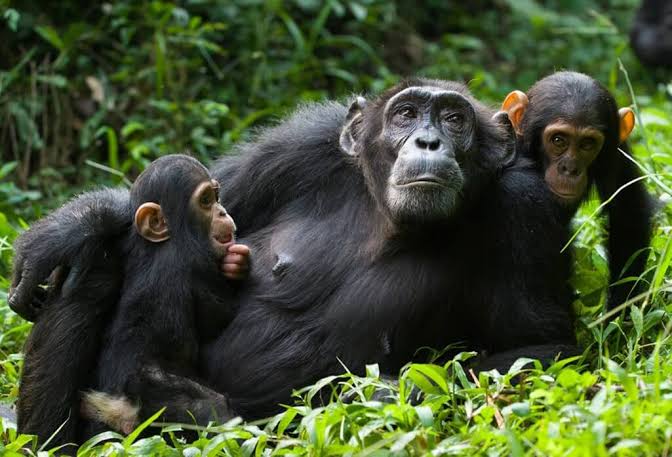
Mahale Chimpanzee Trekking: What Makes It Special?
Mahale chimpanzee trekking offers one of Tanzania’s most remarkable wildlife experiences, taking travellers into forested mountains to search for wild chimpanzees in their natural habitat. Tanzania is famous for the Serengeti, Ngorongoro Crater and the Great Migration. But there is another side of the country that rewards travellers willing to go farther. On the shores of Lake Tanganyika, Mahale Mountains National Park offers an extraordinary combination of chimpanzees, forest, mountains and tropical lakeshore scenery. Farther north, Gombe National Park is internationally famous for chimpanzee research and Jane Goodall’s pioneering work with wild chimpanzees. Both destinations offer chimpanzee trekking. Both require more logistical planning than Tanzania’s most accessible safari parks. And both provide something completely different from a conventional game drive. Instead of sitting in a vehicle searching across open plains, you walk through forest. You listen for calls. You look for movement in the canopy. You follow tracks and signs. And eventually, if conditions allow, you may find a wild chimpanzee group. For travellers interested in primates, conservation, photography and unusual safari experiences, Mahale chimpanzee trekking deserves serious consideration. Mahale Chimpanzee Trekking: What Makes It Special? Mahale chimpanzee trekking combines wild chimpanzee encounters with the dramatic setting of the Mahale Mountains and Lake Tanganyika. The landscape is extraordinary. The mountains rise behind the forest. Lake Tanganyika stretches along the park’s western edge. Dense vegetation provides habitat for chimpanzees and other forest wildlife. The result is a safari experience that feels completely different from the open savannahs of the Serengeti. A trek can involve walking through: Forest. Mountain foothills. Woodland. Streams. Steeper terrain. The exact route depends on where the chimpanzees are located. That unpredictability is part of the experience. Mahale Chimpanzee Trekking: Finding the Chimpanzees Mahale chimpanzee trekking is a guided search rather than a guaranteed wildlife viewing experience, because chimpanzee groups move through a large forest environment. Trackers and guides use knowledge of the animals’ behaviour and recent movements to determine where to search. You may hear chimpanzees before seeing them. Listen for: Calls. Branch movement. Vocalisations. Feeding activity. Movement through the canopy. Once a group is located, the experience changes. Instead of searching, you can observe. Chimpanzees may: Feed. Rest. Groom. Travel. Play. Communicate. The behaviour can be remarkably expressive. Mahale Chimpanzee Trekking: How Fit Do You Need to Be? Mahale chimpanzee trekking requires a reasonable level of fitness because the terrain can be uneven, steep and challenging depending on where the chimpanzees are located. You do not necessarily need to be an experienced mountaineer. However, you should be comfortable with: Walking for several hours. Uneven ground. Slopes. Humidity. Forest trails. Occasional steep sections. The trek length can vary significantly. Chimpanzees do not position themselves for visitor convenience. If they move deeper into the forest, the search can become more demanding. Travellers should discuss mobility limitations with their safari operator before booking. Mahale Chimpanzee Trekking: What Should You Wear? The right clothing makes Mahale chimpanzee trekking more comfortable, especially in warm, humid forest conditions and on uneven trails. Recommended clothing includes: Lightweight long trousers. Long-sleeved shirt. Comfortable hiking shoes. Socks that protect against insects. Light rain jacket. Hat. Sunglasses. Small backpack. Avoid clothing that is difficult to move in. Your footwear should provide good grip. The forest floor can become slippery after rain. Mahale Chimpanzee Trekking: What Should You Carry? A small daypack with water, rain protection, binoculars and essential personal items is useful during Mahale chimpanzee trekking. Consider carrying: Drinking water. Camera. Extra batteries. Binoculars. Rain protection. Insect repellent. Sunscreen. Small snacks if permitted. Personal medication. Waterproof bag. Keep your equipment compact. You will be walking. A heavy camera bag can quickly become uncomfortable. Mahale Chimpanzee Trekking: How Close Can You Get? Chimpanzee trekking follows strict wildlife-viewing rules designed to protect both visitors and the animals. Your guide determines the appropriate viewing position. You should never: Chase chimpanzees. Move independently towards them. Attempt to touch them. Feed them. Shout at them. Make sudden movements. Chimpanzees are wild animals. Respecting their space is essential. The objective is observation, not interaction. Mahale Chimpanzee Trekking: How Long Does It Take? Mahale chimpanzee trekking can vary from relatively short walks to several hours of searching depending on chimpanzee location, terrain and conditions. There is no fixed duration that applies to every trek. A group may be nearby. Or the chimpanzees may have moved deeper into the forest. This means travellers should avoid planning another tightly timed activity immediately after the trek. Allow flexibility. Gombe Chimps: Tanzania’s Famous Research Legacy Gombe chimps are internationally recognised because Gombe National Park became one of the world’s most important sites for long-term chimpanzee research. The destination is closely associated with Jane Goodall. Her work began at Gombe in 1960 and transformed scientific understanding of chimpanzee behaviour. Gombe therefore offers more than a wildlife encounter. It connects visitors with one of the most influential chapters in modern primatology. Gombe Chimps: What Can You See? Gombe chimps can provide fascinating opportunities to observe social behaviour, feeding, movement and communication in a natural forest environment. Depending on the encounter, you may observe: Grooming. Feeding. Resting. Travelling. Vocal communication. Social interactions. Infant behaviour. Chimpanzee societies are complex. Watching them for an extended period can reveal behaviour that is impossible to understand from a brief sighting. Gombe Chimps: How Difficult Is the Trek? Gombe chimpanzee trekking can involve challenging forest terrain, with difficulty depending on the location of the chimpanzees and the route required to reach them. The park’s terrain includes: Forest. Hillsides. Slopes. Valleys. Streams. Fitness requirements therefore vary. Travellers should prepare for walking rather than thinking of Gombe as a conventional vehicle safari. Gombe Chimps vs Mahale Chimpanzees Gombe and Mahale both offer chimpanzee trekking, but their landscapes, access arrangements and overall safari experiences are different. Feature Mahale Gombe Main attraction Chimpanzees and wilderness Chimpanzees and research history Setting Mountains and Lake Tanganyika Forested hills beside Lake Tanganyika Experience Remote wilderness Research-focused destination Access More complex Usually reached through regional connections Other appeal Beach, mountains, forest Primates…
Read More