
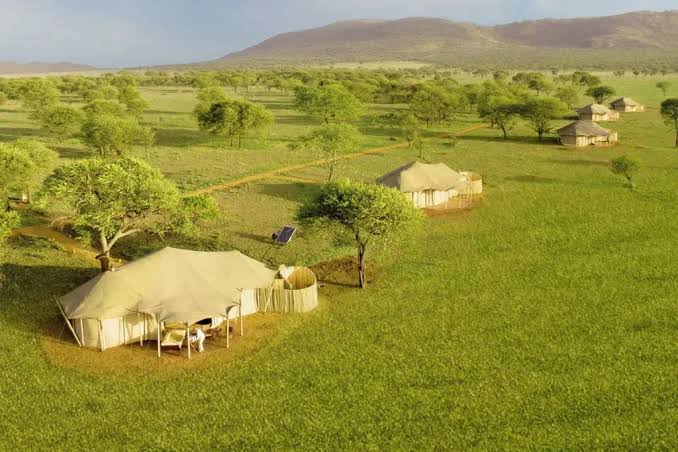
Serengeti Green Season: Amazing Value in March, April and May
The Serengeti green season from March through May offers a different safari experience, combining lush scenery, dramatic skies, changing wildlife patterns and potentially better value than the busiest travel periods.
Many travellers automatically associate the Serengeti with dry weather, dusty plains and huge migration gatherings.
But March, April and May reveal another side of Tanzania’s most famous safari ecosystem.
The grass becomes greener.
The skies become more dramatic.
Rain can transform the landscape.
Visitor numbers can be lower.
And accommodation may offer better value during selected periods.
The trade-off is that weather becomes less predictable, some roads can become challenging, and certain camps operate seasonally.
For travellers willing to accept those compromises, the Serengeti green season can be an excellent time to explore Tanzania.
Serengeti Green Season: What Does It Mean?
The Serengeti green season refers broadly to the wetter period when rainfall produces fresh vegetation, greener landscapes and changing wildlife conditions across the ecosystem.
The phrase “green season” does not mean that it rains continuously every day.
Instead, weather can include:
- Short rain showers.
- Heavy afternoon storms.
- Cloudy periods.
- Sunny intervals.
- Dramatic thunderstorms.
- Clear mornings.
Conditions vary by location and year.
This variability is part of what makes the Serengeti green season different from the more predictable dry-season months.
Serengeti in March: A Transition Into the Green Season
Serengeti in March can offer a beautiful combination of green landscapes, wildlife concentrations and continued opportunities to see the migration ecosystem.
March sits between the main calving period and the wetter months that can become more pronounced later in the season.
The southern Serengeti and surrounding ecosystem can still be productive for wildlife.
Travellers may encounter:
- Wildebeest.
- Zebra.
- Gazelles.
- Lions.
- Cheetahs.
- Leopards.
- Hyenas.
- Elephants.
- Giraffes.
The exact distribution of wildlife depends on rainfall and grazing conditions.
Serengeti in April: Rain, Green Landscapes and Fewer Vehicles
Serengeti April rains are the defining consideration for travellers visiting during this month, but the rain can also create some of the most spectacular landscapes and photographic conditions of the year.
April is traditionally part of the wetter season.
This means travellers should be prepared for changing conditions.
However, rain is not necessarily an all-day event.
A morning can begin with sunshine, followed by clouds and a heavy afternoon shower.
The next day can be completely different.
For photographers, these changing skies can be a major advantage.
Serengeti in May: A Quieter Safari Experience
Serengeti in May can appeal to travellers who prioritise tranquillity, dramatic landscapes and potentially lower-season rates over guaranteed dry weather.
By May, rainfall patterns can remain significant.
Some roads may become muddy.
Some seasonal properties may close.
However, the reduced demand can create a more private atmosphere in certain areas.
A traveller may find themselves sharing a wildlife sighting with far fewer vehicles than during peak periods.
For people who value solitude, this can be a significant benefit.
Serengeti Green Season: Why the Landscape Looks Different
The biggest visual advantage of the Serengeti green season is the transformation of the landscape after rainfall.
Grass becomes more vibrant.
Trees and shrubs appear fresher.
Water collects in temporary pools.
Cloud formations become more dramatic.
Sunlight can break through storms and create strong contrasts across the plains.
This makes March, April and May particularly attractive for landscape photographers.
The Serengeti is not simply a dry golden wilderness.
During the green season, it can become intensely colourful.
Serengeti Green Season: Wildlife Viewing
Wildlife remains excellent during the green season, although animal distribution can become more dispersed as water and food become available across a wider area.
The Serengeti supports wildlife throughout the year.
During wetter periods, animals do not necessarily need to congregate around permanent water sources.
That can change the nature of game viewing.
Instead of finding large concentrations around a few waterholes, your guide may need to cover more ground.
The reward can be a more natural and less predictable safari.
Serengeti Green Season: Predator Viewing
The Serengeti green season can still produce excellent predator encounters, particularly for travellers who allow enough time for patient game drives.
The ecosystem supports:
- Lions.
- Leopards.
- Cheetahs.
- Hyenas.
- Jackals.
Predators do not disappear when the rains arrive.
However, the experience can differ from the dry season.
Vegetation may be taller.
Prey may be more widely distributed.
Tracking can become more challenging.
This makes the guide’s knowledge particularly important.
Serengeti Green Season: Is the Migration Still Happening?
Yes, the Great Migration continues through the year because it is a continuous ecological movement rather than a single annual event.
The location of the herds changes with:
- Rainfall.
- Grass quality.
- Water availability.
- Breeding cycles.
- Local environmental conditions.
Travellers should therefore avoid thinking of the migration as an event that begins and ends in a particular month.
March, April and May can form part of the wider migration cycle.
However, the experience will be different from the famous northern river-crossing period.
Serengeti April Rains: What Should You Expect?
Serengeti April rains can be unpredictable, ranging from short showers to heavier periods that affect roads and travel times.
The most important point is to prepare for wet conditions without assuming that rain will dominate every day.
Pack:
- Waterproof jacket.
- Waterproof bag for electronics.
- Comfortable shoes.
- Light layers.
- Camera rain cover.
- Quick-drying clothing.
- Extra socks.
A good safari vehicle should also be prepared for changing weather.
Serengeti April Rains: Do They Ruin a Safari?
No, rain does not automatically ruin a Serengeti safari, and many travellers find the weather creates a more dramatic and memorable landscape.
Rain can produce:
- Fresh green grass.
- Dramatic clouds.
- Beautiful reflections.
- Rainbows.
- Exceptional sunsets.
- Fresh wildlife tracks.
- Fewer vehicles.
The main disadvantage is logistical.
Heavy rain can affect some roads and make certain areas more difficult to access.
Your itinerary should therefore allow flexibility.
Low Season Safari Value: Why March to May Can Cost Less
Low season safari value is one of the strongest reasons to consider March, April and May, although the exact discount depends on the property, dates and accommodation category.
Demand is generally lower during the wetter months than during major peak periods.
This can affect:
- Accommodation rates.
- Special offers.
- Availability.
- Vehicle demand.
- Overall package costs.
However, “low season” does not mean every property will be dramatically cheaper.
Always compare the complete quotation.
Low Season Safari Value: Fewer Vehicles
One of the most attractive advantages of a low season safari can be reduced vehicle congestion around wildlife sightings.
During busy periods, a popular predator sighting can attract multiple safari vehicles.
During quieter months, there may be significantly fewer vehicles in some areas.
This can improve the feeling of wilderness.
It can also be valuable for photographers.
Instead of competing for a position, you may have more freedom to observe and photograph the animals.
Low Season Safari Value: Better Photography Conditions
The green season can be particularly rewarding for photographers because changing weather produces dramatic light and colourful landscapes.
Photographic opportunities can include:
- Storm clouds.
- Rainbows.
- Green plains.
- Golden light after rain.
- Silhouettes.
- Reflections.
- Wildlife against dramatic skies.
- Predator encounters.
The soft light around sunrise and sunset can be especially attractive.
Serengeti Green Season: The Main Trade-Offs
The green season offers genuine advantages, but travellers should understand the compromises before choosing March, April or May.
Advantages
- Green landscapes.
- Dramatic skies.
- Potentially lower prices.
- Fewer visitors.
- Excellent photography.
- Strong wildlife.
- More intimate safari atmosphere.
Disadvantages
- Rain.
- Muddy roads.
- Less predictable weather.
- Seasonal camp closures.
- Wildlife can be more dispersed.
- Some routes may require adjustment.
The right choice depends on your priorities.
Serengeti Green Season: March vs April vs May
March, April and May are not identical, so choosing between them depends on whether you prioritise wildlife conditions, lower demand, weather or price.
| Month | Main Characteristic | Best For |
|---|---|---|
| March | Transition and green landscapes | Wildlife and photography |
| April | Wetter conditions | Value and dramatic scenery |
| May | Quieter atmosphere | Privacy and lower demand |
| June | Transition toward dry season | Improving road conditions |
These are broad seasonal patterns rather than guarantees.
Serengeti in March: Who Should Visit?
Serengeti in March is particularly suitable for travellers who want green scenery while retaining strong wildlife opportunities and who can accept changing weather.
It can work well for:
- Photographers.
- Couples.
- Repeat safari travellers.
- Flexible travellers.
- Value-conscious visitors.
March can also be useful for travellers who want to avoid the busiest periods.
Serengeti in April: Who Should Visit?
Serengeti in April is best suited to flexible travellers who do not mind rain and want to prioritise value, scenery and a quieter safari atmosphere.
It is less suitable for someone who wants:
- Guaranteed dry conditions.
- Completely predictable road access.
- A classic dusty savannah experience.
April rewards flexibility.
If you enjoy dramatic weather and photography, it can be surprisingly rewarding.
Serengeti in May: Who Should Visit?
Serengeti in May can suit travellers who value solitude and potentially better rates and are comfortable with wet-season conditions.
It is particularly interesting for:
- Repeat visitors.
- Photographers.
- Couples.
- Travellers with flexible schedules.
- Private safari clients.
The experience can feel more intimate than a busy peak-season safari.
Serengeti Green Season: Is It Good for Families?
Families can enjoy the green season, but parents should consider road conditions, travel times and the ages of their children before booking.
A private vehicle can provide greater flexibility.
Families can:
- Choose departure times.
- Return to camp when children become tired.
- Adjust game-drive length.
- Avoid sharing a vehicle with strangers.
Accommodation should also be selected carefully.
Some seasonal camps may have different child policies.
Serengeti Green Season: Is It Good for Honeymoons?
A green-season safari can be an excellent honeymoon option for couples seeking privacy, beautiful landscapes and potentially better value.
A honeymoon itinerary could combine:
Serengeti → Ngorongoro → Zanzibar
This provides:
- Wildlife.
- Green scenery.
- Romantic camp experiences.
- Beach relaxation.
The quieter season can also create a more private atmosphere at some properties.
Serengeti Green Season: Is It Good for Photographers?
Yes, particularly for photographers who want landscapes and atmospheric conditions in addition to wildlife.
March through May can deliver:
- Storm formations.
- Rainbows.
- Green grass.
- Dramatic sunsets.
- Soft morning light.
- Wildlife against changing skies.
Photographers should carry protection for cameras and lenses.
A waterproof camera bag or rain cover is strongly recommended.
Serengeti Green Season: What Should You Pack?
Packing for the green season means preparing for both warm conditions and rain without overloading your luggage.
Recommended items include:
- Lightweight trousers.
- Long-sleeved shirts.
- Waterproof jacket.
- Light fleece.
- Comfortable shoes.
- Quick-drying clothing.
- Hat.
- Sunglasses.
- Sunscreen.
- Insect repellent.
- Camera rain cover.
- Waterproof bags.
Neutral-coloured clothing remains practical.
Serengeti Green Season: Accommodation Considerations
Some safari camps operate seasonally, so travellers should confirm whether their preferred property is open during March, April or May.
Ask about:
- Opening dates.
- Road access.
- Seasonal rates.
- Included meals.
- Game drives.
- Private vehicle availability.
- Transfers.
- Child policies.
A property that closes during part of the wet season should not be included in an itinerary simply because it appears in an older travel article.
Always verify current operating dates.
Serengeti Green Season: How Many Days Do You Need?
Three to four nights provides a useful starting point for a green-season Serengeti safari, while longer stays allow greater flexibility around weather and wildlife movement.
A short itinerary might be:
Day 1
Arrive in Serengeti.
Day 2
Full-day game drive.
Day 3
Full-day game drive.
Day 4
Morning game drive and departure.
A longer itinerary can provide additional opportunities for photography and predator sightings.
Serengeti Green Season: How to Maximise Your Experience
The best way to enjoy the green season is to build flexibility into your itinerary instead of treating every day as a fixed schedule.
Work with an experienced guide who can respond to:
- Weather.
- Road conditions.
- Wildlife reports.
- Seasonal movements.
- Local sightings.
Avoid planning every hour.
The unpredictability is part of the safari.
Serengeti Green Season: Common Mistakes
Travellers can miss the advantages of the green season by treating it simply as a cheaper version of the dry season.
Avoid these mistakes:
Expecting dry weather
Rain is part of the experience.
Choosing accommodation only by price
Location still matters.
Ignoring seasonal closures
Confirm operating dates.
Assuming wildlife disappears
Wildlife remains throughout the ecosystem.
Packing only summer clothes
Mornings can be cool and rain can be heavy.
Booking a rushed itinerary
Allow enough nights to accommodate changing conditions.
Serengeti Green Season: Frequently Asked Questions
Is March a good time to visit the Serengeti?
Yes. March can offer green landscapes, wildlife and excellent photography, although rainfall becomes increasingly important.
Is April a good time for a Serengeti safari?
April can suit flexible travellers seeking lower-season value, fewer visitors and dramatic green landscapes.
Is May a good time to visit the Serengeti?
May can offer a quieter safari experience and potentially attractive rates, but travellers should be prepared for wet conditions.
Does it rain every day in the Serengeti in April?
No. Rainfall varies and can occur as showers or heavier storms rather than continuous rain throughout the day.
Is the Serengeti green season cheaper?
It can offer lower-season rates, but pricing varies by property and travel dates.
Will I see wildlife during the green season?
Yes. The Serengeti supports wildlife throughout the year.
Are there fewer tourists in March, April and May?
Visitor numbers are generally lower than during major peak periods, although this varies by location and exact travel dates.
Can I see the Great Migration during the green season?
Yes. The migration is a continuous ecological cycle, although the location of the herds changes throughout the year.
Is the green season good for photography?
Yes. Green vegetation, dramatic clouds, rainbows and changing light can create excellent photographic conditions.
Are Serengeti roads difficult during the rains?
Some roads can become muddy or challenging after heavy rainfall. Routes may be adjusted according to local conditions.
Conclusion: Why Serengeti Green Season Deserves a Closer Look
The Serengeti green season offers a genuinely different safari experience, combining lush scenery, dramatic weather, strong wildlife and potentially better value with fewer visitors.
March can provide a particularly attractive transition into the wetter period.
April brings a greater likelihood of rain but can reward flexible travellers with spectacular landscapes and quieter sightings.
May can offer a peaceful safari atmosphere for those willing to accept wetter conditions.
The key is understanding the trade-off.
If your priority is guaranteed dry weather and classic peak-season conditions, another period may suit you better.
But if you value lower-season safari value, dramatic photography, green landscapes and fewer vehicles, March to May deserves serious consideration.
The Serengeti green season is not simply the “cheap season.”
It is a different way of experiencing one of Africa’s greatest ecosystems.
Plan Your Serengeti Green Season Safari
Odysseys From Africa can design a tailor-made Tanzania safari around your preferred travel dates, accommodation style, budget and wildlife priorities.
We can arrange:
- Serengeti green-season safaris.
- Private Serengeti game drives.
- Great Migration itineraries.
- Photography safaris.
- Ngorongoro Crater safaris.
- Tarangire safaris.
- Family safaris.
- Honeymoon safaris.
- Luxury safari accommodation.
- Kenya Tanzania combined safaris.
- Zanzibar extensions.