Wild Adventures, Timeless Memories…

Odysseys From Africa

Uncategorized

Tanzania safari etiquette guide
Uncategorized·

Tanzania Safari Etiquette Guide: The Ultimate Expert Travel Guide for First-Time Visitors (2026)

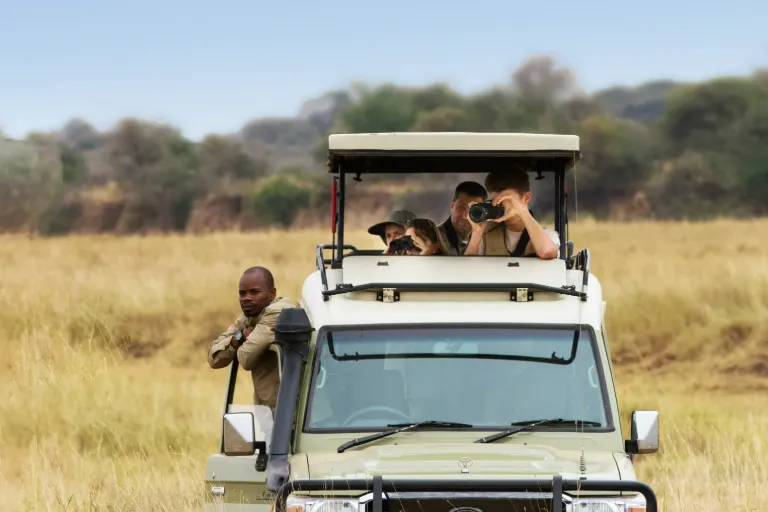
A Tanzania safari etiquette guide is essential for anyone planning a Tanzania safari holiday, especially first-time visitors from the United States seeking a luxury African safari experience. Safari etiquette is not just about rules—it is about understanding how to respectfully engage with wildlife, local communities, and professional safari guides. Tanzania is home to world-famous destinations such as the Serengeti, Ngorongoro Crater, and Zanzibar. These ecosystems are delicate, and proper behavior ensures both safety and unforgettable wildlife encounters. This guide explains exactly how to behave on safari so your experience is smooth, ethical, and deeply rewarding. Tanzania Safari Etiquette Guide for First-Time Safari Travelers A Tanzania safari etiquette guide helps first-time visitors understand how to behave responsibly in wildlife parks and cultural areas. Following safari etiquette improves safety, wildlife sightings, and overall safari quality. Proper behavior ensures Tanzania’s ecosystems remain protected for future generations. A safari is not a controlled zoo—it is a living wilderness. Animals react to noise, movement, and human presence. That is why etiquette matters more than many travelers realize. Whether you are exploring the Serengeti plains or Ngorongoro Crater, your behavior directly influences the quality of your safari experience. Why the Tanzania Safari Etiquette Guide Matters for Your Safari Experience The Tanzania safari etiquette guide is essential because it protects wildlife, improves visitor safety, and enhances conservation efforts. Proper etiquette ensures animals behave naturally without human interference. Respectful travel supports sustainable tourism in Tanzania’s national parks. Tanzania’s wildlife ecosystems are among the most intact in Africa, but they are sensitive to human disruption. Loud behavior, poor positioning, or careless driving can alter animal movement patterns. Explore curated safari experiences: Best of Northern Tanzania Safari Serengeti and Ngorongoro Safari Tanzania Safari Etiquette Guide for Wildlife Viewing Behavior Rules Wildlife viewing etiquette ensures animals remain undisturbed during observation. Remaining inside the safari vehicle is mandatory in all national parks. Quiet behavior increases chances of witnessing natural animal interactions. Key wildlife rules include: Do not stand or exit the vehicle Avoid loud talking or sudden movements Never feed wildlife Keep a safe viewing distance Respect guide positioning instructions For dramatic wildlife action like river crossings: Migration Crossing Safari Key Do’s and Don’ts in the Tanzania Safari Etiquette Guide Do’s and don’ts help travelers avoid common safari mistakes and improve overall experience quality. Following these rules ensures safety, respect, and better wildlife sightings. Simple discipline leads to a more immersive safari experience. Do: Listen to your safari guide Use binoculars for viewing Stay seated during game drives Respect other vehicles Don’t: Chase animals for photos Make loud noises Use flash near wildlife Ignore park regulations Tanzania Safari Etiquette Guide for Cultural Respect in Local Communities The Tanzania safari etiquette guide emphasizes respectful interaction with local communities such as the Maasai and Hadzabe. Cultural sensitivity enhances travel authenticity and ethical tourism. Respectful behavior strengthens connections between visitors and local people. Cultural etiquette includes: Greeting locals politely Asking permission before photos Dressing modestly in villages Avoiding intrusive questioning Tanzania Safari Etiquette Guide When Visiting Maasai Villages Visiting Maasai communities requires respect, permission, and cultural awareness. Photography must always be approved before capturing images. Visitors should follow guide instructions at all times. Tanzania Safari Etiquette Guide Tips for Photography and Permissions Photography etiquette ensures ethical wildlife and cultural documentation. Telephoto lenses help maintain safe distance from animals. Flash photography is strictly discouraged in wildlife areas. For photography-focused safaris: Photographic Safaris in Tanzania Tanzania Safari Etiquette Guide for Luxury Safari Lodges and Camps The Tanzania safari etiquette guide includes respectful behavior in luxury safari lodges and camps. Maintaining quiet behavior enhances guest experience in shared wilderness spaces. Eco-friendly practices support sustainable tourism in Tanzania. Lodge experiences: Migration Calving Safari Tanzania Safari Etiquette Guide for Staying in Serengeti Safari Lodges Serengeti lodge etiquette ensures harmony between guests and surrounding wildlife. Nighttime silence is essential in wilderness environments. Respect for staff improves overall safari comfort. Tanzania Safari Etiquette Guide for Dining, Tipping, and Lodge Behavior Proper dining etiquette and tipping practices support local hospitality workers. Respectful behavior improves overall lodge experience. Tipping is a standard practice in Tanzania safari tourism. Tanzania Safari Etiquette Guide for Wildlife Photography Rules Photography etiquette ensures safe, ethical wildlife observation and image capture. Long lenses prevent disturbance to animals during photography. Patience is essential for capturing natural wildlife moments. Tanzania Safari Etiquette Guide for Using Cameras and Telephoto Lenses Telephoto lenses allow photographers to maintain distance while capturing detailed wildlife shots. Stable positioning in vehicles improves image quality and safety. Avoid movement during critical wildlife moments. Tanzania Safari Etiquette Guide for First-Time US Travelers US travelers should understand travel logistics, cultural differences, and safari expectations before arrival. Proper preparation ensures smoother travel transitions and better safari experiences. Respecting local customs improves interaction with guides and communities. Flights typically route through: New York (JFK) Los Angeles (LAX) Atlanta (ATL) Tanzania Safari Etiquette Guide for Flights, Arrival, and Cultural Adjustment Long-haul travel requires patience and planning for jet lag and logistics. Cultural adaptation improves travel comfort and enjoyment. Following guide instructions reduces confusion during arrival transfers. FAQ – Tanzania Safari Etiquette Guide What is a Tanzania safari etiquette guide? It is a set of behavioral rules designed to help travelers respect wildlife, local communities, and safari environments while ensuring safety and ethical tourism. Why is safari etiquette important in Tanzania? It protects wildlife behavior, ensures visitor safety, and supports conservation efforts across national parks such as Serengeti and Ngorongoro. Can I leave the safari vehicle during game drives? No. Leaving the vehicle is prohibited in most national parks due to wildlife safety regulations. Is photography allowed during safaris? Yes, but flash photography and animal disturbance are not allowed. What should I wear on a safari? Neutral-colored clothing such as khaki, beige, and olive green is recommended. Is Tanzania safe for safari tourists? Yes, Tanzania is safe when traveling with licensed safari operators and following guide instructions. Call to Action Request a Custom Safari Proposal or Plan Your Tanzania Safari Holiday. Location: Arusha, Tanzania Email:…

Read More
best time Tanzania safari
Uncategorized·

Best Luxury Safari Lodges in Tanzania (2026 Guide)

Introduction A Tanzania safari holiday is defined as much by where you stay as by the wildlife you see. Luxury safari lodges in Tanzania are designed to place you inside some of Africa’s most iconic ecosystems while delivering high-end comfort, privacy, and immersive wildlife access. From the endless plains of the Serengeti to the dramatic rim of the Ngorongoro Crater, these lodges offer front-row seats to the Great Migration, Big Five encounters, and some of the most exclusive safari experiences in the world. This guide breaks down the best luxury safari lodges in Tanzania for 2026, helping you choose the right stay for your travel style, whether it is a honeymoon, photographic safari, or a premium Africa travel experience. Best Luxury Safari Lodges in Tanzania Overview Luxury safari lodges in Tanzania combine wilderness immersion with premium hospitality, often located inside or adjacent to national parks and conservation areas. These properties are designed to maximize wildlife viewing while maintaining privacy, comfort, and personalized service. The core appeal of a Tanzania safari holiday is access to world-famous destinations such as the Serengeti, Ngorongoro Crater, and Tarangire. Luxury lodges in these regions are strategically positioned along migration routes, crater rims, and river corridors to ensure consistent wildlife encounters. Key characteristics of luxury safari lodges include: Prime locations inside or near major wildlife reserves High-end suites or luxury tented camps with panoramic views Private game drives and expert guiding Fine dining with curated bush experiences Exclusive access to remote wildlife areas To explore available journeys across these regions, many travelers begin with curated options like the Best of Northern Tanzania safari experience, which combines the Serengeti, Ngorongoro, and Tarangire into one seamless itinerary. Serengeti Luxury Safari Lodges Serengeti safari tours are the backbone of Tanzania’s luxury safari circuit, and the lodges here are among the most prestigious in Africa. The Serengeti ecosystem is home to the Great Migration, where millions of wildebeest and zebras move across the plains in search of fresh grazing. Luxury lodges in the Serengeti are typically divided into permanent eco-lodges and mobile migration camps. Both are positioned to follow or access wildlife movement zones. Common Serengeti lodge experiences include: Private sunrise and sunset game drives across open plains Hot air balloon safaris followed by bush breakfasts Close proximity to predator action such as lions and cheetahs Exclusive viewing of river crossings during migration season For travelers focused on peak migration action, the Migration Crossing Safari offers lodge placements specifically designed around river crossing hotspots. Ngorongoro Crater Luxury Lodges Ngorongoro Crater is one of the most unique safari destinations in the world, offering a natural enclosure where wildlife density is extremely high. Luxury lodges here are typically located on the crater rim, providing sweeping views over the caldera floor. A Tanzania safari holiday that includes Ngorongoro delivers some of the most reliable Big Five sightings in Africa due to the concentrated wildlife population. Luxury lodge features in Ngorongoro include: Crater-facing suites with panoramic views Private guided descents into the crater floor Cooler highland climate compared to the Serengeti Exceptional wildlife density within a contained ecosystem Many itineraries combining Serengeti and Ngorongoro are built into packages such as the Serengeti and Ngorongoro safari circuit, which is one of the most efficient ways to experience both ecosystems with luxury lodge stays. Tarangire and Lake Manyara Luxury Lodges Tarangire National Park and Lake Manyara offer a more intimate safari experience compared to the Serengeti, with fewer crowds and distinctive landscapes. Tarangire is known for its large elephant herds and ancient baobab trees, while Lake Manyara offers diverse birdlife and forested terrain. Luxury lodges in these areas typically offer: Boutique-style accommodations with limited guest numbers Elevated decks overlooking rivers and valleys Night game drives in select concessions High privacy levels for exclusive safari experiences These regions are often included in multi-park itineraries such as the Tanzania Explorer safari, which connects multiple ecosystems for a more complete wildlife journey. Zanzibar Luxury Safari Extensions Many Tanzania safari holidays are combined with Zanzibar for a complete bush and beach experience. Luxury beachfront lodges in Zanzibar offer a relaxing contrast to safari adventure. Key features include: Private villas with ocean views White sand beaches and turquoise waters Diving, snorkeling, and marine safaris Romantic honeymoon experiences After a wildlife-heavy itinerary like the Serengeti or Northern circuit, travelers often unwind with curated beach stays such as the Best of Zanzibar experience or shorter coastal extensions like the Short Zanzibar getaway. Best Time to Stay in Luxury Safari Lodges The timing of your stay significantly affects wildlife viewing quality and lodge availability. Dry Season (June to October): Best wildlife visibility Peak Great Migration river crossings Higher lodge demand Green Season (November to March): Calving season in southern Serengeti Excellent photographic conditions Fewer tourists and lower rates Rainy Season (April to May): Lush landscapes and dramatic skies Reduced crowds Some remote lodges may close Luxury Safari Lodges vs Standard Lodges Luxury safari lodges differ significantly from standard accommodation in Tanzania in terms of location, service, and exclusivity. Luxury safari lodges: Located inside prime wildlife areas Offer private game drives and expert guiding Feature high-end suites, often with private pools Provide personalized service and fine dining Standard lodges: Often located outside parks or in town areas Use shared safari vehicles and group tours Offer basic comfort without exclusivity Focus on affordability rather than immersion For travelers comparing experiences, browsing curated safaris on the Safari destinations overview page helps match lodge level with itinerary style. Best Luxury Safari Lodges for Different Travelers Couples and Honeymoon Travelers: Private suites with outdoor decks Romantic bush dining experiences Sunset and candlelit safari setups Families: Family villas with multiple rooms Child-friendly safari guides Educational wildlife programs Photographers: Early morning and late evening game drives Custom safari vehicles designed for equipment Access to migration corridors and predator zones Photographic travelers often prefer specialized itineraries like the Photographic Safaris in Tanzania for optimized positioning and guiding. Insider Insight from Tanzania Local safari planning experience shows that lodge location is one…

Read More
Tanzania safari wildlife guide
Uncategorized·

Why Africa Should Be Your Next Luxury Travel Destination

Tanzania safari holiday offers unmatched exclusivity, raw natural beauty, and world-class safari experiences that rival any luxury destination globally.From private conservancies to high-end lodges overlooking wildlife migrations, Africa delivers a rare combination of adventure and refinement. Africa stands alone as a luxury travel destination because it does not imitate luxury—it redefines it. Unlike urban luxury hubs built around architecture and retail, Africa’s value lies in access: access to untouched wilderness, rare wildlife behavior, and immersive cultural depth that cannot be replicated elsewhere. For high-end travelers, especially from the United States, Africa is increasingly becoming the definitive answer to experiential luxury travel. The continent offers something that traditional five-star city breaks cannot: complete disconnection from artificial environments and full immersion into living ecosystems. A Tanzania safari holiday, for example, places travelers directly in the heart of ecosystems like the Serengeti, where luxury lodges are positioned along migration routes. This is not passive sightseeing—it is real-time witnessing of nature’s most dramatic cycles. What Defines a Luxury Safari Experience in Africa A luxury safari in Africa is defined by exclusivity, privacy, high-end lodges, expert guiding, and seamless logistics across remote wilderness areas.It combines comfort with authenticity—offering five-star accommodation in the middle of untamed landscapes. A true luxury safari is not simply about expensive accommodation; it is about control over experience quality. Guests benefit from private game drives, personalized itineraries, and expert guides who interpret wildlife behavior in real time. Key components include: Private conservancy access (reduced vehicle density) High staff-to-guest ratios Gourmet dining in remote wilderness camps Charter flights between safari regions Expert-led wildlife interpretation Modern safari travel is also increasingly shaped by specialized interests such as photographic safari experiences, where lighting conditions, animal positioning, and timing are carefully optimized for photography rather than general viewing. Tanzania: The Heart of Luxury Safari Experiences in Africa Tanzania is one of the most iconic safari destinations in the world, offering the Serengeti, Ngorongoro Crater, and unmatched wildlife density.It is the core region for high-end Serengeti safari tours and Great Migration experiences. Tanzania represents the gold standard for Serengeti safari tours, largely due to its ecological scale and wildlife predictability. The Serengeti ecosystem alone supports one of the largest mammal migrations on earth, while the Ngorongoro Crater provides a concentrated wildlife experience within a collapsed volcanic caldera. For structured luxury itineraries, travelers often explore curated routes such as: Serengeti and Ngorongoro Safari Experience Best of Northern Tanzania Safari Circuit Tanzania Explorer Journey These itineraries are designed to balance wildlife density, travel efficiency, and lodge exclusivity. Growing up in Arusha, our team understands the rhythm of these landscapes beyond tourism brochures. Seasonal migration shifts, rainfall patterns, and predator movement all influence where luxury travelers should be positioned at different times of year. This local knowledge is what elevates a standard trip into a truly curated Tanzania safari holiday. The Great Migration and High-End Safari Experiences The Great Migration is the world’s largest land animal movement, offering peak luxury safari moments in river crossings and calving seasons.It is one of the primary reasons travelers book safari packages to Tanzania. The Great Migration is not a single event—it is a year-round movement of over 1.5 million wildebeest, accompanied by zebras and gazelles, following rainfall patterns across the Serengeti-Mara ecosystem. Luxury travelers typically choose timing-specific experiences such as: Migration Calving Safari – witnessing newborn wildebeest in the southern plains Migration Crossing Safari – dramatic river crossings with predator interactions Short Serengeti Safari – condensed high-impact wildlife itinerary For photographers, these moments are unmatched. A photographic safari during migration requires technical preparation—especially long focal lengths (100–400mm recommended) to capture distant river crossings without disturbing wildlife behavior. These experiences define why Africa remains the global benchmark for safari packages that combine luxury with raw natural storytelling. Zanzibar: The Luxury Beach Extension of an African Safari Zanzibar provides the perfect luxury beach extension after a safari, offering white sand beaches, spice culture, and oceanfront resorts.It is commonly paired with Tanzania safari holidays for complete bush-and-beach itineraries. After days in the Serengeti or Ngorongoro, many travelers extend their journey to Zanzibar for relaxation and coastal luxury. The island blends Swahili culture, Indian Ocean heritage, and boutique resort hospitality. Recommended luxury extensions include: Short Zanzibar Escape Best of Zanzibar Experience Zanzibar Destination Guide Zanzibar adds balance to a safari itinerary. While the mainland is defined by movement and wildlife, the island is defined by stillness—ocean horizons, dhow sailing, and historic Stone Town architecture. This combination is one of the strongest selling points for safari packages targeting US luxury travelers. Planning a Luxury Africa Safari from the United States US travelers typically connect through major hubs like JFK or LAX, with one-stop routes to Kilimanjaro or Nairobi for Tanzania safaris.Visa requirements for Tanzania are straightforward, with e-visas available for US citizens before arrival. For American travelers, Africa is more accessible than commonly assumed. Most itineraries involve: JFK → Doha / Istanbul / Amsterdam → Kilimanjaro International Airport LAX → Dubai / Doha → East Africa gateways From arrival, private transfers or charter flights connect travelers directly to safari regions. Visa processes for Tanzania are typically handled online, with approval before departure recommended. Safety standards in established safari circuits are high, with regulated guiding systems, trained rangers, and structured park protocols. Importantly, luxury safari travel in Tanzania is not self-drive tourism—it is fully guided, which significantly increases both safety and experience quality. Photographic Safari: Technical Precision in the Wild A photographic safari focuses on capturing wildlife behavior using professional gear, optimal lighting, and guided positioning.It is ideal for travelers seeking more than sightseeing—they want visual storytelling. A photographic safari is a specialized form of travel where itineraries are designed around light, animal positioning, and behavior cycles. For the Serengeti ecosystem, recommended gear includes: 100–400mm telephoto lens for wildlife distance control Fast shutter speeds (1/1000s+) for predator action Beanbags or stabilized mounts for safari vehicles Dust-protected camera bodies due to dry season conditions The difference between a standard safari and a photographic safari is intent. One observes;…

Read More
Tanzania safari holiday
Uncategorized·

Luxury Safari Food: What Do You Eat on Safari?

Luxury safari dining in Tanzania is far more refined and diverse than most travelers expect. It blends high-end hospitality, fresh East African ingredients, and wilderness logistics designed to deliver restaurant-quality meals in remote environments. For US travelers planning a Tanzania safari holiday, food is not an afterthought; it is a central part of the experience. From champagne bush breakfasts in the Serengeti to multi-course dinners under canvas, luxury safari food is engineered to surprise, comfort, and sustain guests across long game drives and remote landscapes. What you eat depends on your lodge level, your route through Northern Tanzania, and whether you are on a mobile safari or staying in a permanent camp. What Luxury Safari Food Actually Means on a Tanzania Safari Holiday Luxury safari food is a curated fine-dining experience delivered in remote wilderness settings. It combines fresh local produce, international culinary techniques, and strict logistics to maintain quality in isolated environments. On a Tanzania safari holiday, “luxury food” does not mean simplicity or compromise. Instead, it refers to carefully designed menus that balance nutrition, presentation, and freshness while operating in ecosystems like the Serengeti or Ngorongoro highlands. Growing up in Arusha, our team knows that safari cuisine is shaped by geography first. Ingredients must travel from regional farms or lodge gardens, and chefs must adapt menus based on seasonality, altitude, and access routes. Yet despite these constraints, luxury camps consistently deliver multi-course meals with high culinary standards. For travelers booking luxury safari experiences, especially from the United States, expectations are often exceeded because: Ingredients are often organic and locally sourced Menus rotate daily to avoid repetition Chefs are trained in international cuisine standards Dietary requirements are fully accommodated Many itineraries like theBest of Northern Tanzaniaare specifically designed to combine wildlife viewing with high-end dining experiences across multiple ecosystems. Typical Daily Dining on a Luxury Safari A luxury safari day includes early breakfasts before game drives, picnic-style bush lunches in the wilderness, and multi-course dinners at lodges or camps. Every meal is timed around wildlife activity patterns. Food on safari follows the rhythm of the bush, not the clock. Early mornings are critical for wildlife viewing, so breakfast is often served before sunrise or packed to go. A typical day includes: Early Morning Breakfast Guests usually start with light but energy-rich meals such as: Fresh fruit platters Eggs cooked to order Fresh pastries and bread Kenyan or Tanzanian coffee served hot This meal is designed for energy rather than heaviness, especially for long drives in the Serengeti. Bush Lunches Lunch is often taken in the field during game drives across areas covered inSerengeti and Ngorongoro. These meals typically include: Grilled chicken or beef wraps Cold salads (pasta, quinoa, mixed greens) Fresh fruit Soft drinks or bottled water Evening Dining Dinner is the highlight of safari cuisine: Three to five-course plated meals Grilled tilapia, lamb rack, or vegetarian risotto Desserts like passion fruit mousse or chocolate tart Wine pairings sourced internationally Bush Dining and Wilderness Kitchens in the Serengeti Bush dining transforms the wilderness into an open-air restaurant with portable kitchens, live cooking stations, and immersive dining setups in iconic locations like the Serengeti plains. On Serengeti safari tours, bush dining is one of the most memorable culinary experiences. Meals are prepared either in mobile kitchens or transported in insulated containers and set up in designated safe zones within the park. Common bush dining experiences include: Sunrise breakfasts overlooking migration herds Sundowner cocktails during golden hour Private dinners under acacia trees Campfire dining experiences Trips such asMigration Crossing SafariandMigration Calving Safariintegrate dining with major wildlife events. Luxury Lodges and Culinary Standards Across Northern Tanzania Luxury safari lodges in Northern Tanzania deliver consistent fine dining standards with international chefs, multi-course menus, and curated wine lists. Key destinations include the Serengeti and Ngorongoro Crater. Packages likeShort SerengetiandSerengeti and Ngorongorocombine wildlife viewing with high-end dining. Typical lodge culinary features: Open kitchen dining Multi-course plated menus Farm-to-table sourcing from Arusha region International cuisine fusion Special Diets and Expectations for US Travelers Luxury safaris are fully adapted to US dietary expectations, including gluten-free, vegetarian, vegan, keto, and allergen-specific meal planning without compromising quality. Common accommodations include: Gluten-free baking Vegan gourmet menus Nut-free and dairy-free preparation High-protein meal plans Food familiarity is also considered: Grilled meats Fresh salads Continental breakfasts International comfort dishes Extensions such asShort ZanzibarandBest of Zanzibarexpand the culinary experience into coastal cuisine. Food Safety, Logistics, and Cold Chain Management on Safari Luxury safari food safety relies on strict cold chain logistics, filtered water systems, and trained hospitality teams operating under international hygiene standards. Key systems include: Refrigerated transport from Arusha Solar-powered cold storage Daily fresh supply chains Water purification systems This infrastructure supports itineraries likeTanzania Explorer. Photographic Safari Nutrition and Energy Planning Photographic safari guests require high-energy, easily digestible meals timed around long game drives and extended wildlife tracking. Dietary structure includes: High-protein breakfasts Light bush lunches Hydrating fruits Energy snacks during drives Specialized itineraries likePhotographic Safarisare designed around these needs. Zanzibar Culinary Extensions After Safari Zanzibar offers a complete culinary shift from safari, focusing on seafood, spices, and coastal Swahili cuisine. Cuisine includes: Fresh seafood Coconut curries Spice-based rice dishes Swahili fusion meals Packages: Short ZanzibarBest of Zanzibar Planning Safari Packages with Culinary Experiences in Mind Safari packages are structured to integrate food experiences into wildlife itineraries. Examples: Mobile camps: bush dining focus Lodges: fine dining focus Coastal extensions: seafood cuisine focus Key itineraries: Best of Northern TanzaniaAll Destinations Why Odysseys From Africa Understands Safari Food Better Odysseys From Africa combines Tanzanian heritage, field experience, and operational expertise to design safari journeys where food, culture, and wildlife are seamlessly integrated. Growing up in Arusha, our team understands: Seasonal ingredient sourcing Regional supply logistics Wildlife-timed dining operations This ensures every luxury safari delivers consistent culinary quality. Plan Your Tanzania Safari Holiday A luxury safari is a curated culinary and wildlife journey across Tanzania’s most iconic landscapes. Request a Custom Safari Proposal or Plan Your Tanzania Safari Holiday.Location: Arusha, TanzaniaEmail: info@odysseys-from-africa.comPhone: +254 (0)…

Read More
Tarangire National Park Tanzania
Uncategorized·

5 Reasons Tarangire National Park is a Must-Visit in Tanzania

Tarangire National Park Tanzania: Tanzania’s Elephant Sanctuary Tarangire National Park Tanzania is famous for its massive elephant herds and iconic baobab trees, making it a must-visit destination on any Northern Tanzania safari. Growing up in Arusha, our team knows Tarangire intimately, from quiet river crossings to the best times to see large elephant families. A Tarangire National Park safari offers a concentrated wildlife experience that complements visits to the Serengeti and Ngorongoro Crater. Why Tarangire National Park Tanzania is Unique Unlike other parks in Tanzania, Tarangire’s combination of large elephant populations, ancient baobabs, and diverse landscapes makes it exceptional. Elephant Density: Tarangire hosts thousands of elephants, especially during the dry season when animals concentrate near the Tarangire River. Iconic Baobab Trees: Towering, centuries-old trees create a unique African backdrop. Varied Ecosystems: Grasslands, swamps, riverine forests, and rocky outcrops provide diverse wildlife habitats. Birdlife: Over 550 bird species, including ostriches, eagles, and lilac-breasted rollers. For a multi-park Northern Tanzania experience, consider pairing your Tarangire visit with Best of Northern Tanzania or Tanzania Explorer safaris. Reason 1: Massive Elephant Herds Elephants are the highlight of Tarangire, with herds that can exceed 300 individuals. Dry season (June–October) sees elephants concentrated along rivers, making sightings highly predictable. Herd behavior offers a unique opportunity to witness social structures, including matriarchs guiding younger members. Photography tips: Use a 100–400mm telephoto lens to capture elephants without disturbing them. Reason 2: Iconic Baobab Landscapes Tarangire’s ancient baobab trees create one of Africa’s most photogenic landscapes. Some baobabs are over 1,000 years old, providing a striking contrast to wildlife. Sunset and sunrise lighting enhance photographic opportunities. Baobabs often serve as natural landmarks for game drives, guiding both elephants and safari vehicles. Reason 3: Diverse Wildlife Beyond elephants, Tarangire National Park hosts a wide variety of mammals and birds. Lions, leopards, and hyenas roam the savannah, often near waterholes. Zebras, wildebeest, and impalas move in synchronized herds, particularly during the dry season. Birdwatchers can spot rare species such as the yellow-collared lovebird and African pygmy kingfisher. For dedicated wildlife photography, check out our Photographic Safaris for expert guidance on gear and angles. Reason 4: Easy Access from Northern Tanzania Safari Circuit Tarangire’s location makes it ideal for combining with other Northern Tanzania highlights. Only 2–3 hours from Arusha, making it perfect for shorter itineraries. Complementary parks include Serengeti, Ngorongoro Crater (Serengeti and Ngorongoro), and Lake Manyara. Private guides ensure maximum time at wildlife hotspots rather than in transit. Multi-park itineraries like Tanzania Explorer provide seamless travel between Tarangire and surrounding parks. Reason 5: Authentic Safari Experiences Tarangire offers authentic safari experiences with fewer crowds than the Serengeti. Small lodges and tented camps allow immersive wildlife encounters. Night drives reveal nocturnal species, including aardvarks, genets, and bush babies. Local guides provide insight into elephant behavior, predator-prey interactions, and conservation efforts. For luxury or family-friendly stays, explore lodges included in our Best of Northern Tanzania packages. When to Visit Tarangire National Park Tanzania The best time for a Tanzania elephant safari in Tarangire is during the dry season, June through October. Water sources concentrate wildlife along the Tarangire River. Clear skies and dry conditions make game drives and photography easier. Off-peak months (November–May) offer lush landscapes, newborn animals, and fewer tourists. Travel Logistics for US Visitors US travelers should plan ahead for flights, visas, and health requirements. Flights: Connect via JFK, LAX, or ATL with KLM, Delta, Qatar Airways, or Turkish Airlines to Kilimanjaro International Airport (JRO). Visa: US citizens need a Tanzanian eVisa. Health & Safety: Malaria prophylaxis recommended; travel insurance advised. Transfers: Private vehicles from Arusha reduce travel time to Tarangire. Visit our Travel Information page for updated guidance. Tarangire Safari Packages Curated safari packages streamline your visit and ensure comfort and safety. Luxury Safari Packages: Private vehicles, exclusive lodges, and personalized guides. Short Safaris: Ideal for travelers with limited time; combines Tarangire with Serengeti or Ngorongoro (Short Serengeti). Custom Itineraries: Family trips, photographic safaris, or multi-park adventures tailored by local experts. Plan Your Tarangire National Park Tanzania Tarangire National Park is a must-visit for elephant lovers, wildlife enthusiasts, and photographers seeking Northern Tanzania’s iconic landscapes. Request your custom safari proposal today: Location: Arusha, TanzaniaEmail: info@odysseys-from-africa.comPhone: +254 (0) 710 450 797 | +255 (0) 652 810 255Website: https://odysseys-from-africa.com/

Read More
luxury travel Africa
Uncategorized·

Exploring the Ngorongoro Crater Tanzania: Africa’s Garden of Eden

Ngorongoro Crater Tanzania: Africa’s Iconic Wildlife Bowl The Ngorongoro Crater Tanzania offers a one-of-a-kind wildlife experience in Tanzania, where a dense concentration of animals inhabits a single, massive volcanic caldera. From the Big Five to rare species, the crater combines unmatched biodiversity with breathtaking scenery. Growing up in Arusha, our team knows the crater intimately, from its hidden vantage points to the best times for predator sightings. A well-planned Ngorongoro Crater safari provides first-time visitors and seasoned travelers alike with an immersive East African wildlife encounter. What Makes Ngorongoro Crater Tanzania Unique? Ngorongoro Crater is often called Africa’s Garden of Eden because of its unparalleled combination of wildlife, geological history, and scenic landscapes. Key features: A 260-square-kilometer volcanic caldera forming a natural wildlife sanctuary Home to over 25,000 animals including lions, elephants, rhinos, and hippos Diverse ecosystems: grasslands, swamps, acacia woodlands, and crater lakes Unique geological formations dating back 2–3 million years Unlike open plains like the Serengeti, the crater’s steep walls contain animals in a highly concentrated area, making sightings almost guaranteed during game drives. For multi-park adventures, combine your crater safari with Serengeti and Ngorongoro tours for a seamless wildlife journey. Wildlife You Can See on a Ngorongoro Crater Tanzania Ngorongoro Crater safari provides access to Tanzania’s Big Five and several rare species in a single day. Common sightings include: Lions: Prides often rest near water sources or along crater walls Elephants: Frequently seen moving in family groups across plains Black Rhinoceros: Critically endangered species protected by conservation initiatives Leopards and Hyenas: Less visible but actively hunting in woodland areas Birdlife: Over 500 species, including flamingos on seasonal lakes Our local guides use years of observation and daily wildlife reports to position guests at the best locations for optimal viewing and photography. Best Times to Visit Ngorongoro Crater Tanzania Timing your safari can influence both wildlife encounters and photographic opportunities. Dry season (June–October): Best for predator spotting and concentrated wildlife Wet season (November–May): Lush landscapes and active newborn animals Early morning or late afternoon game drives: Ideal for light conditions and animal activity For travelers planning during migration periods, Ngorongoro can be paired with Migration Calving Safari or Migration Crossing Safari to experience both crater wildlife and migratory herds. Best Crater Lodges in Tanzania Luxury accommodations enhance the Ngorongoro Crater safari experience by combining comfort with immediate access to wildlife. Top options include: Permanent lodges overlooking the crater rim – panoramic views and private balconies Tented camps inside the conservation area – immersive wildlife encounters Boutique lodges with curated dining experiences – personalized service and cultural activities For a comprehensive list of recommended properties, check our guide to the best crater lodges Tanzania. Growing up in Arusha, our team knows how to balance lodge positioning with wildlife flow to maximize daily game drives. Game Drive Tips for Ngorongoro Crater Tanzania Maximize your wildlife encounters with strategic planning and expert guidance. Start early: Wildlife is most active at dawn Hire a private guide and vehicle: Offers flexibility and access to less crowded routes Bring binoculars and a telephoto lens (100–400mm): Essential for predator and bird photography Monitor waterholes: Predators and prey converge around the crater lakes for dramatic sightings For photographers, our Photographic Safaris provide on-site advice for lens selection and composition. Combining Ngorongoro Crater Tanzania with Other Destinations Enhance your Tanzania safari holiday by linking the crater with other iconic parks. Serengeti: Witness plains wildlife and migration herds Tarangire National Park: Famous for elephants and baobab landscapes Zanzibar: Relax on pristine beaches post-safari with Short Zanzibar or Best of Zanzibar extensions Multi-park itineraries like Tanzania Explorer streamline travel and enhance your overall safari experience. Travel Logistics for US Visitors US travelers should plan flights, visas, and health requirements in advance. Flights: Connect via JFK, LAX, or ATL with KLM, Delta, Qatar Airways, or Turkish Airlines to Kilimanjaro International Airport (JRO) Visa: US citizens require an eVisa for Tanzania Health & Safety: Malaria prophylaxis recommended; standard vaccinations advised Transfers: Private vehicles or charter flights reduce travel time to the crater Our Travel Information page offers up-to-date details for US safari travelers. Costs of a Ngorongoro Crater Safari Pricing depends on lodge choice, safari duration, and level of luxury. Luxury lodges: $500–$1,200 per night Mid-range tented camps: $300–$600 per night Private guided game drives: $200–$400 per day Park fees: $70–$80 per adult per day Booking early ensures access to premium lodges and experienced guides, especially during peak travel seasons. Why Local Expertise Matters Our Arusha-based team leverages decades of knowledge to maximize your Ngorongoro Crater safari experience. Real-time wildlife reports help position vehicles near active predators and prey Guides know which crater sections provide the best morning and evening sightings Lodge selection balances comfort with proximity to wildlife hotspots This local insight ensures a richer, more authentic Tanzania safari holiday. Plan Your Ngorongoro Crater Safari Ngorongoro Crater offers unparalleled wildlife density, luxury lodge experiences, and dramatic landscapes. Request your custom safari proposal today to experience Tanzania’s wildlife paradise: Location: Arusha, TanzaniaEmail: info@odysseys-from-africa.comPhone: +254 (0) 710 450 797 | +255 (0) 652 810 255Website: https://odysseys-from-africa.com/ Explore more safari options at Safaris Destinations or view our full portfolio at All Destinations.

Read More
Mara River Crossing
Uncategorized·

Mara River Crossing: How to Catch the Greatest Wildlife Show

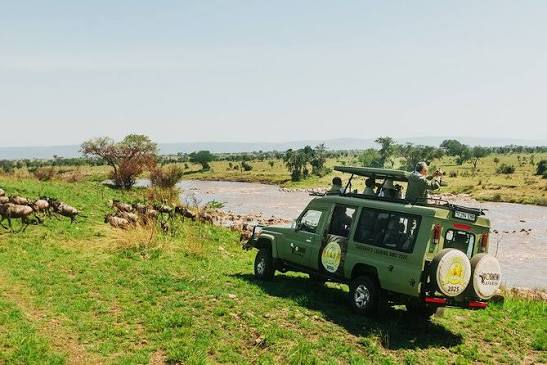
he Great Migration herds reach northern Serengeti and Maasai Mara, typically between July and September. Herds approach the river cautiously, often waiting days to assess predators like Nile crocodiles or steep riverbanks. This suspense creates one of Africa’s most iconic wildlife photography moments. Key points about the Mara River crossing: Herds include thousands of wildebeest, zebras, and gazelles. Crocodile predation is a major threat, creating dramatic action. Timing is influenced by rainfall and grass availability in southern Serengeti. Viewing from northern Serengeti or Maasai Mara maximizes opportunities. To plan your visit, our Migration Crossing Safari offers detailed itineraries based on real-time herd movement reports. Best Time to See the Mara River Crossing The optimal months for a Mara River crossing safari are late July through early September. July: Herds begin reaching northern Serengeti. Early crossings may occur along the Grumeti River. August–September: Peak crossings at Mara River in Kenya. Largest concentrations of animals. Timing varies yearly depending on rainfall and grazing conditions. For those seeking fewer crowds or combined experiences, June and October can also provide crossings, though they are less predictable. Where to Watch the Great Migration River Crossing Location is critical. The Mara River, spanning northern Serengeti and Maasai Mara, offers the most concentrated wildlife action. Top viewing locations include: Northern Serengeti (Kogatende area) – ideal for intimate riverbank views and photography. Masai Mara National Reserve – accessible from Kenyan lodges and camps, featuring dramatic riverbank terrain. Grumeti River – an earlier crossing point in western Serengeti during June–July. Combining multiple river locations can increase your chance of witnessing crossings and predator activity in real time. For multi-park itineraries that combine river crossings with other wildlife highlights, consider our Tanzania Explorer or Best of Northern Tanzania safaris. Wildlife Highlights During the Crossing The Mara River crossing showcases not just wildebeest bravery, but the entire predator-prey dynamic of East Africa. Species you are likely to encounter: Wildebeest: Millions migrate annually, forming dense, moving herds. Zebras and Gazelles: Often cross with wildebeest, adding complexity to herd dynamics. Crocodiles: Nile crocodiles patrol the river, creating high-stakes drama. Lions, hyenas, and leopards: Predators intensify activity around herd congregation points. The density and variety of action during a river crossing make it a photographer’s dream and a wildlife enthusiast’s bucket-list event. Our Photographic Safaris guide visitors on lens choice, framing, and lighting to capture every moment. Planning Your Mara River Crossing Safari Effective planning is essential to ensure a successful experience. Timing, accommodation, and transportation all influence access to the river crossings. Key considerations for US travelers: Flights: Most visitors connect via JFK, LAX, or ATL with airlines such as KLM, Delta, Qatar Airways, or Turkish Airlines, arriving at Kilimanjaro International Airport (JRO) or Nairobi (NBO). Visa Requirements: US citizens require a Tanzanian or Kenyan eVisa. Travel Timing: Align safari dates with peak river crossing months, generally late July–September. Health & Safety: Malaria prophylaxis is recommended, and travel insurance is advised. Local-born guides ensure seamless logistics and insider knowledge, reducing travel fatigue and increasing wildlife sighting success. Safari Packages for Mara River Crossings Safari packages streamline your visit, offering curated lodges, private vehicles, and expert guidance. Options include: Luxury Safari Packages: Feature private game drives, premium lodges, and exclusive riverbank positioning. Examples: Best of Northern Tanzania, Tanzania Explorer. Short & Focused Safaris: Perfect for a condensed experience, such as Short Serengeti. Customized Packages: Tailored for photographic priorities, family groups, or multi-park exploration. Growing up in Arusha, our team understands herd patterns and park dynamics, ensuring guests are positioned at the most advantageous crossing points. Photography Tips for the Mara River Crossing Capturing the Mara River crossing requires preparation and technical understanding. Telephoto lenses (100–400mm) capture predator action from a safe distance. Wide-angle lenses document the scale of moving herds and riverbanks. Bean bags or vehicle mounts stabilize shots during game drives. Early morning or late afternoon light creates dramatic visuals and soft shadows. Mobile guides provide real-time positioning, allowing photographers to anticipate crossings and maximize frame opportunities. Combining River Crossings with Other Safari Highlights For a complete Tanzania & Kenya safari experience, combine Mara River crossings with other iconic wildlife locations. Serengeti and Ngorongoro for crater wildlife and plains predators Migration Crossing Safari for full river-crossing itineraries Short Zanzibar for a post-safari beach extension This approach balances intense river action with scenic landscapes, cultural immersion, and relaxation. Costs of a Mara River Crossing Safari Pricing depends on luxury level, duration, and accommodation type. Typical daily ranges (excluding international flights): Mid-range safari: $450–$650 per person Luxury safari: $800–$1,500 per person Fly-in or mobile camp options: $1,000+ per person Peak months (late July–September) command higher rates. Early bookings ensure access to river-adjacent lodges and mobile camps. Why Local Expertise Makes a Difference The Great Migration river crossing is unpredictable. Local knowledge is critical to maximizing viewing opportunities. Real-time herd tracking ensures optimal river positioning. Camp selection is adjusted weekly based on herd movement. Guides advise on vehicle placement for photography and safety. Working with Arusha-based safari specialists allows travelers to experience the Mara River crossing without guesswork or lost time. Plan Your Mara River Crossing Safari The Mara River crossing offers one of the world’s most thrilling wildlife spectacles. Proper planning, timing, and local guidance make it an unforgettable highlight of any Tanzania safari holiday. Request your custom safari proposal today: Location: Arusha, TanzaniaEmail: info@odysseys-from-africa.comPhone: +254 (0) 710 450 797 | +255 (0) 652 810 255Website: https://odysseys-from-africa.com/ You can now integrate this article with your other 2026 master blogs, ensuring proper internal linking and keyword optimization for Mara River crossing and Great Migration river crossing.

Read More
Serengeti calving season
Uncategorized·

Serengeti Calving Season: Why You Need to Visit in February

erengeti Calving Season: Why It Is Africa’s Most Powerful Wildlife Experience From January to March, the Serengeti calving season transforms the southern plains into the most dramatic wildlife arena in Africa. Nearly half a million wildebeest calves are born within a few weeks, attracting intense predator activity. February offers peak action, making a Ndutu safari February experience one of the most strategic safari choices in Tanzania. The Serengeti calving season is not just another wildlife event. It is the biological engine of the entire Great Migration. Approximately 500,000 wildebeest calves are born across the short-grass plains of southern Serengeti and the Ndutu region. The synchronization of births overwhelms predators through sheer numbers, yet thousands of hunts still occur daily. For travelers planning a Tanzania safari holiday, this period offers something distinct from river crossings: concentrated predator-prey interaction, open plains visibility, and exceptional photographic clarity. Growing up in Arusha, our team has witnessed how February consistently delivers the highest density of wildlife encounters during the calving cycle. The positioning of mobile camps and permanent lodges during this season is critical, which is why local logistical knowledge matters. What Happens During the Serengeti Calving Season? The Serengeti calving season occurs primarily between late January and early March. Wildebeest migrate south to nutrient-rich short-grass plains to give birth. The result is extraordinary predator density and nonstop wildlife interaction. The southern Serengeti and Ndutu plains provide mineral-rich grasses essential for lactating mothers. Calves can stand within minutes and run within hours, an evolutionary necessity in a predator-heavy ecosystem. During this time you can expect: Massive wildebeest herds spread across open plains High concentrations of lion prides Frequent cheetah hunts in daylight Hyena clans targeting vulnerable newborns Black-backed jackals scavenging remains Unlike river crossings in the north, visibility here is unobstructed. The flat terrain allows long-distance viewing, ideal for both first-time safari guests and professional photographers. Many of our guests combine this seasonal highlight with a broader northern circuit itinerary such as Serengeti and Ngorongoro to experience both calving plains and crater wildlife density in one journey. Why February Is the Best Month for a Ndutu Safari February Experience February represents peak birthing intensity during the Serengeti calving season. Predator movement is highly active, and weather conditions are generally stable between short rains. Wildlife density reaches its most concentrated levels during this month. A Ndutu safari February itinerary offers: Highest newborn concentration Optimal predator sightings Fewer vehicles compared to peak dry season Dramatic storm-lit skies for photography The Ndutu region lies within the Ngorongoro Conservation Area, bordering southern Serengeti. This allows off-road driving in designated areas—an enormous advantage for wildlife positioning during predator hunts. Our recommended itineraries during this season include: Migration Calving Safari Best of Northern Tanzania Tanzania Explorer Each safari package is structured around herd positioning reports updated daily by our Arusha-based operations team. Serengeti Calving Season vs River Crossing Season Calving season delivers predator intensity and newborn wildlife. River crossing season offers dramatic Mara River scenes. Both are exceptional but serve different safari priorities. Calving Season (Jan–Mar): High predator density Open grassland visibility Excellent for cheetah photography Dramatic weather contrasts River Crossing (Jun–Oct): Crocodile ambush scenes Iconic river imagery Larger vehicle traffic Dry season clarity If your priority is raw predator interaction, Serengeti calving season often surpasses river crossings in daily action frequency. For travelers focused on river crossings instead, consider Migration Crossing Safari. Wildlife You Can Expect During Serengeti Calving Season The Serengeti calving season concentrates not only wildebeest but nearly every major predator species in the ecosystem. February often records multiple hunts within a single game drive. Key species sightings include: Lions – Large prides position strategically near birthing grounds.Cheetahs – Daytime hunting increases due to vulnerable calves.Spotted Hyenas – Highly active clan coordination.Leopards – Less visible but present along woodland edges.Bat-eared foxes and jackals – Frequent scavengers. The density of interactions makes a Ndutu safari February particularly attractive for repeat safari travelers seeking behavior-based wildlife observation rather than simple species checklists. Photography Strategy for Serengeti Calving Season The Serengeti calving season is one of Africa’s best photographic safari windows. Open plains, newborn wildlife, and predator drama create layered compositions. February light conditions are ideal for golden-hour imagery. Technical recommendations: 100–400mm telephoto lens for predator action 24–70mm lens for herd landscapes Fast shutter speeds (1/2000+) for cheetah hunts Bean bag stabilization for vehicle shooting Our specialized Photographic Safaris position vehicles with sun angle precision, often leaving camp before dawn to secure optimal lighting. Where to Stay During a Ndutu Safari February Lodge positioning during Serengeti calving season directly impacts wildlife access. Southern Serengeti and Ndutu-based camps reduce daily transfer time and maximize game drive hours. Options include: Permanent Ndutu camps Mobile migration camps Luxury tented lodges Fly-in safari packages For shorter visits, the Short Serengeti itinerary can be customized specifically for calving season positioning. Growing up in Arusha, our team understands how road conditions and grass patterns shift weekly during this season. Camp selection is based on real-time herd movement reports. Combining Serengeti Calving Season with Other Destinations A Ndutu safari February can be combined with Ngorongoro Crater, Tarangire, or Zanzibar for a complete Tanzania safari holiday. February weather supports seamless multi-destination itineraries. Popular extensions include: Ngorongoro Crater Big Five day Tarangire elephant herds Short Zanzibar beach relaxation Best of Zanzibar cultural and marine exploration This combination balances high-intensity predator viewing with coastal recovery time. Travel Logistics for US Visitors February travel from the United States requires planning flight connections into Kilimanjaro International Airport (JRO). US citizens require a Tanzanian eVisa. Health and safety standards meet international expectations. Typical routing: JFK, LAX, ATL departures Connections via Doha, Amsterdam, Istanbul Arrival at JRO near Arusha US travelers should review updated health advisories via our Travel Information page. Most guests arrive one day before safari departure to recover from 18–24 hour travel time. Costs of a Serengeti Calving Season Safari Serengeti calving season pricing reflects high wildlife density but remains lower than peak dry season river crossing months. February often offers…

Read More
Serengeti migration season
Uncategorized·

The Great Wildebeest Migration: A Complete Viewing Guide

Great Wildebeest Migration: A Complete Viewing Guide The Great Wildebeest Migration is the largest overland wildlife movement on earth, involving more than 1.5 million wildebeest accompanied by zebra and gazelle across the plains of northern Tanzania and southern Kenya. This Serengeti migration guide explains exactly when and where to witness the movement, how seasonal patterns affect viewing, and how to plan a safari around the migration cycle. Unlike a single-event spectacle, the Great Wildebeest Migration is a continuous, year-round ecosystem movement driven by rainfall patterns and grazing availability. Understanding the seasonal phases is essential for choosing the correct travel window. Understanding the Migration Cycle The migration primarily unfolds within the ecosystem linking Serengeti National Park and Maasai Mara National Reserve. While river crossings receive the most media attention, they represent only one phase of a broader ecological rotation. December to March: Calving Season (Southern Serengeti) From late December through March, the herds gather in the southern plains of the Serengeti near Ndutu. This period marks calving season, when approximately 500,000 calves are born within a few weeks. Predator activity intensifies as lions, cheetahs, and hyenas take advantage of vulnerable newborns. For photographers and wildlife enthusiasts, this phase of the Great Wildebeest Migration offers dramatic predator-prey interaction and excellent visibility due to shorter grass. Best for: Predator sightings Baby wildlife Photography Fewer crowds compared to river crossing season April to June: The Long Rains & Movement North As rains taper off, the herds begin moving northwest through the central and western Serengeti. Columns of wildebeest stretch for kilometers across open plains. By June, early river crossings may occur along the Grumeti River in western Serengeti. While less dramatic than Mara crossings, they still offer powerful wildlife encounters. Best for: Expansive herd landscapes Moderate safari pricing Fewer vehicles compared to peak season July to October: River Crossings (Northern Serengeti & Masai Mara) This is the most sought-after phase of the Great Wildebeest Migration. Herds gather along the Mara River, where they attempt dangerous crossings into Kenya’s Maasai Mara. River crossings are unpredictable. Herds may wait hours or days before plunging into crocodile-filled waters. Timing cannot be guaranteed, but positioning your safari in northern Serengeti between late July and September maximizes probability. Best locations: Northern Serengeti (Kogatende area) Maasai Mara National Reserve (August–September) This period delivers iconic imagery but also commands peak-season pricing and higher vehicle density. November: The Return South With the short rains beginning in November, the migration gradually moves south back toward central and southern Serengeti. Crowds thin, landscapes turn green, and wildlife disperses across the ecosystem. This is one of the most underrated periods in any Serengeti migration guide. Where to See the Great Wildebeest Migration Choosing the correct geographic base is more important than choosing the country. The Great Wildebeest Migration spends approximately 75 percent of the year in Tanzania. Key viewing regions: Southern Serengeti (December–March) Central Serengeti (April–June & November) Northern Serengeti (July–October) Maasai Mara (August–September peak presence) Staying in camps strategically positioned near seasonal herd movement dramatically increases success rates. Best Time to See the Great Wildebeest Migration There is no single “best” month — only the best time for your preferred experience. Best for calving: January–February Best for river crossings: August–September Best for fewer crowds: June or November Best for photography variety: January–March If river crossings are your primary objective, plan 8–10 days to increase probability rather than booking a short 3–4 day window. How Much Does It Cost to See the Migration? Because migration camps are seasonal and in high demand, pricing varies significantly. Typical daily ranges (excluding international flights): Mid-range migration safari: $450–$650 per person per day Luxury migration safari: $800–$1,500 per person per day Fly-in migration safari: higher due to charter logistics Peak months (July–September) command the highest rates. Calving season often offers better value with equally dramatic wildlife viewing. Tanzania vs Kenya for Migration Viewing Tanzania offers longer migration presence, particularly in southern and central Serengeti. Kenya’s Maasai Mara provides more compact terrain, which can concentrate wildlife but also vehicles. For travelers prioritizing exclusivity and longer herd access, northern Serengeti often provides a more controlled experience compared to peak-season Mara congestion. Planning Considerations When structuring a migration safari, consider: Booking 9–12 months in advance for peak season Selecting mobile camps that move with herd patterns Choosing operators based in Arusha for Serengeti-focused logistics Allocating sufficient days in a single migration zone rather than splitting across distant parks Migration timing is rainfall-driven and cannot be predicted with exact precision. A properly designed itinerary increases likelihood without overpromising. Final Thoughts The Great Wildebeest Migration is not a single-day spectacle but a year-round ecological movement. Understanding the seasonal cycle is essential for planning a successful safari. This Serengeti migration guide provides the framework, but execution depends on accurate timing, correct camp placement, and realistic expectations. For tailored migration itineraries aligned with seasonal herd positioning, contact Odysseys From Africa: Location: Arusha, TanzaniaEmail: info@odysseys-from-africa.comPhone: +254 (0) 710 450 797 | +255 (0) 652 810 255Website: https://odysseys-from-africa.com/

Read More
Luxury African Safari Cost
Uncategorized·

How Much Does a Luxury African Safari Actually Cost?

How Much Does a Luxury African Safari Cost? Luxury African Safari Cost is one of the first questions serious travelers ask when planning a Tanzania safari holiday. The price varies dramatically depending on season, accommodation level, park fees, flight routes, and whether you choose fully customized safari packages or scheduled departures. Understanding realistic luxury safari prices helps US travelers budget accurately and avoid unexpected expenses. What Determines Luxury African Safari Cost? African safari cost depends on five major variables: accommodation tier, season, park fees, transport logistics, and level of exclusivity. Luxury safari prices are not arbitrary — they reflect conservation fees, professional guides, private vehicles, and premium lodge operations in remote ecosystems. 1. Accommodation Level Accommodation is the single biggest driver of African safari cost. Luxury Safari Lodges ($700–$1,500+ per person per night) Private plunge pools Butler service Gourmet dining Premium wildlife locations Fly-in access Examples: Best of Northern Tanzania Tanzania Explorer Mid-Range Safari Camps ($350–$650 per person per night) Comfortable tented camps Excellent guiding Shared or private vehicles Budget Safari Options ($200–$350 per person per night) Basic tented camps Larger group departures Luxury safari prices increase significantly during peak season (June–October). Seasonal Impact on Luxury African Safari Cost, Prices Seasonality directly influences African safari cost across Tanzania and Kenya. Tanzania safari holidays operate within distinct high, shoulder, and green seasons. Peak Season (June–October) Highest demand Prime wildlife visibility Migration river crossings Maximum luxury safari prices If your priority is a dramatic Serengeti migration experience, peak season justifies the higher African safari cost. Explore: Migration Crossing Safari Serengeti and Ngorongoro Green Season (November–May) Reduced rates Fewer crowds Excellent for photography Calving season (January–March) The green season can reduce African safari cost by 15–30% without compromising wildlife quality. Park Fees and Government Levies Park fees are a fixed component of African safari cost and are non-negotiable. These fees support conservation and community development. Approximate 2026 daily park fees (per adult): Serengeti National Park: ~$70–$80 Ngorongoro Conservation Area: ~$70–$80 Maasai Mara (Kenya): ~$80–$90 Ngorongoro also includes a crater descent fee (~$295 per vehicle). These conservation charges are embedded into luxury safari prices but often surprise travelers who are unaware of the breakdown. Transportation Costs Transport logistics significantly affect African safari cost, especially for US travelers. International Flights (USA to East Africa) Round-trip economy airfare: $1,200–$2,000 depending on season Departure hubs: JFK, LAX, ATL Common airlines: KLM, Qatar Airways, Turkish Airlines, Emirates Travel time: 18–24 hours with one layover Internal Transport 4×4 private safari vehicle with guide: $250–$450 per day Fly-in transfers between parks: $250–$500 per segment Fly-in safaris increase luxury safari prices but reduce travel time dramatically. How Much Does a 7-DayLuxury African Safari Cost? A realistic African safari cost for a 7-day luxury Tanzania safari ranges from $4,500 to $8,500 per person excluding international flights. Sample Breakdown (Luxury Level) Accommodation: $5,000 Park fees: $500–$700 Vehicle & guide: $1,200 Internal flights: $500 Miscellaneous & tips: $300–$500 Total estimate: $7,500 per person (average) Example itinerary: Best of Northern Tanzania Photographic Safari Pricing Photographic safari experiences slightly increase African safari cost due to specialist guiding and equipment considerations. Additional cost factors: Private vehicle for optimal angles Specialist photography guide Flexible game drive timing Lower vehicle occupancy Explore: Photographic Safaris Professional photographic safari packages typically range from $6,000 to $10,000 per person for 8–10 days. Technical recommendation: A 100–400mm lens is essential for predator action during migration crossings. Tanzania vs Kenya: Cost Comparison African safari cost in Tanzania is often slightly lower than Kenya for equivalent luxury experiences. Reasons: Broader range of accommodation tiers More flexible park combinations Competitive Arusha-based operators Kenya benefits from Nairobi’s direct international access, but lodge pricing in Maasai Mara can exceed comparable Serengeti properties during peak migration. Hidden Costs Travelers Overlook Understanding hidden costs prevents surprises in your luxury safari prices. Gratuities ($15–$25 per guest per day for guides) Alcohol at certain camps Travel insurance Visa fees ($50–$100 depending on nationality) Balloon safari add-ons ($550–$650 per person) Consult: Travel Information Is a Luxury African Safari Cost? Luxury safari prices reflect access, conservation, safety, and expertise — not just accommodation aesthetics. Growing up in Arusha, our team understands the operational logistics behind premium camps, migration timing, and wildlife positioning. A well-designed Tanzania safari holiday maximizes sightings while minimizing unnecessary travel days. Luxury safari advantages: Prime wildlife territories Fewer vehicles at sightings Experienced, locally born guides Seamless airport transfers High safety standards aligned with US traveler expectations Ways to Optimize Luxury African Safari Cost Smart planning can reduce African safari cost without compromising experience. Travel during shoulder season (late May or early November). Combine parks efficiently to reduce internal flights. Book early to secure high-demand migration camps. Choose curated safari packages rather than piecing together components. Explore: Tanzania Explorer Serengeti and Ngorongoro Final Verdict: What Should You Budget? For a high-quality 7–10 day luxury Tanzania safari holiday, US travelers should realistically budget between $6,000 and $9,000 per person excluding international airfare. Mid-range travelers can expect: $3,500–$5,000 per person Photographic and fly-in safaris: $7,000–$12,000 per person African safari cost ultimately reflects the exclusivity, wildlife density, and level of personalization you choose. Plan Your Tanzania Safari Holiday Understanding African safari cost allows you to design a safari aligned with your expectations and budget. Growing up in Arusha, our team crafts fully customized safari packages that balance luxury safari prices with authentic wildlife immersion. Request a personalized safari proposal. Location: Arusha, TanzaniaEmail: info@odysseys-from-africa.comPhone: +254 (0) 710 450 797 | +255 (0) 652 810 255Website: https://odysseys-from-africa.com/

Read More