Wild Adventures, Timeless Memories…

Odysseys From Africa

Uncategorized

best time to visit Tanzania
Uncategorized·

The Best Time of Year to Visit Tanzania for a Safari

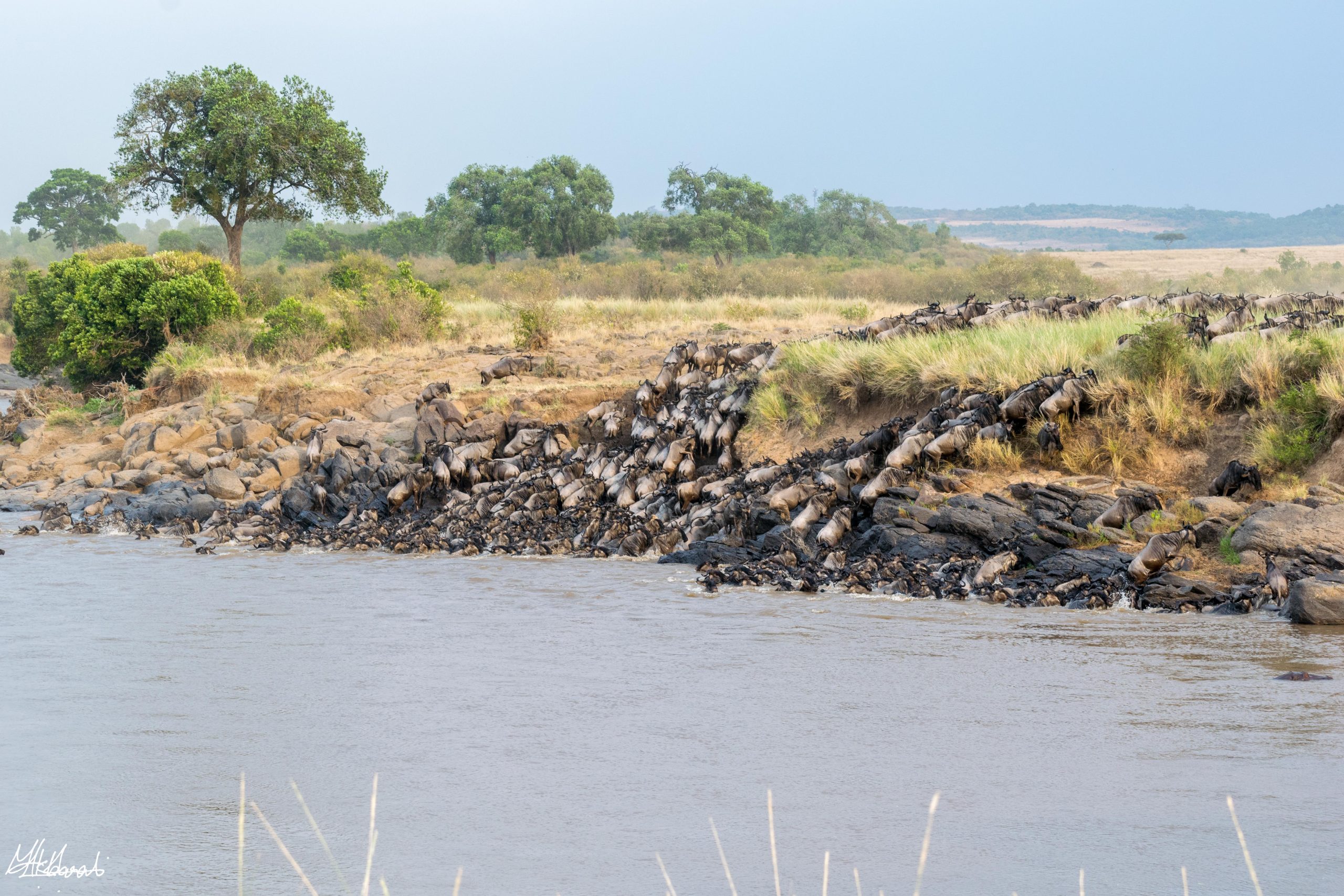
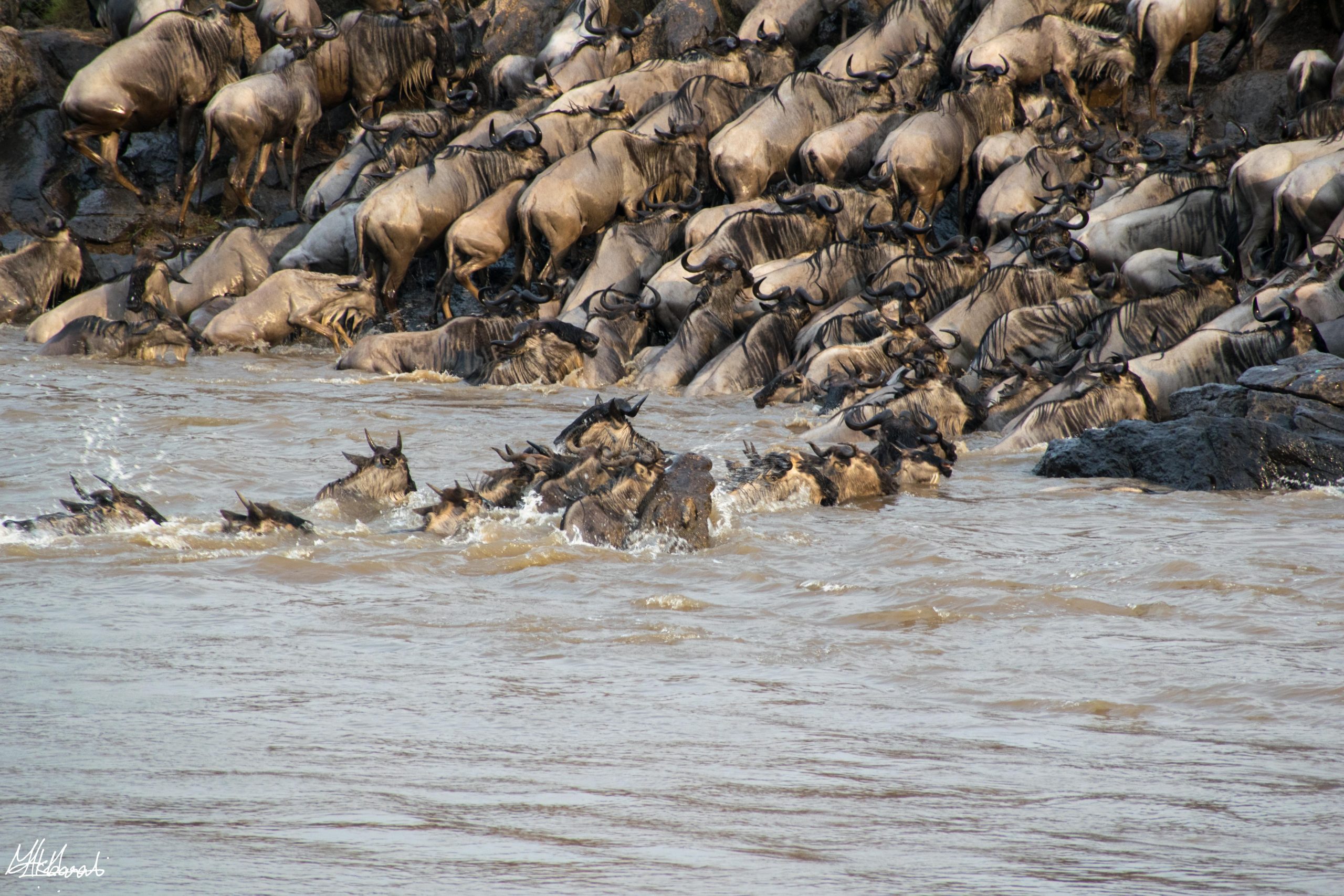
The Best Time of Year to Visit Tanzania for a Safari Best time to visit Tanzania is a question every US traveler asks when planning a Tanzania safari holiday. The answer depends on wildlife movement, rainfall patterns, migration timing, and your preferred safari style. Understanding Tanzania safari seasons allows you to align your travel dates with peak wildlife viewing, fewer crowds, or dramatic Great Migration moments. Tanzania Safari Seasons Explained The best time to visit Tanzania depends on dry and wet seasonal patterns that directly impact wildlife visibility and travel comfort. Tanzania safari seasons are broadly divided into the dry season (June–October) and the green season (November–May), each offering distinct advantages for a luxury safari or photographic safari. Dry Season (June–October) The dry season is widely considered the best time to visit Tanzania for classic wildlife viewing. Vegetation thins out, making animals easier to spot. Wildlife gathers around water sources. Roads are accessible and dust levels are manageable. Predator sightings increase significantly. For first-time safari travelers, especially those booking Serengeti safari tours, this is often the safest and most predictable window. Recommended trips: Serengeti and Ngorongoro Best of Northern Tanzania Tanzania Explorer Green Season (November–May) The green season is underrated but can still be the best time to visit Tanzania for certain travelers. Lush landscapes and dramatic skies Fewer tourists and lower lodge rates Excellent birdwatching Calving season for wildebeest (January–March) For photographers, Tanzania safari seasons during the green months provide vibrant scenery and newborn wildlife. Explore: Migration Calving Safari Month-by-Month Breakdown: When Is the Best Time to Visit Tanzania? The best time to visit Tanzania changes month by month depending on migration movement and rainfall patterns. Below is a practical breakdown based on decades of guiding experience from our Arusha-based team. January–March (Calving Season) This period may be the best time to visit Tanzania for witnessing thousands of wildebeest calves born daily in southern Serengeti. High predator activity Ideal for photographic safari opportunities Warm temperatures with short rains tapering off Perfect for: Migration Calving Safari April–May (Long Rains) Heavy rainfall occurs during these months. Lower visitor numbers Reduced lodge rates Some remote camps close temporarily Not typically considered the best time to visit Tanzania for first-timers, but attractive for budget-conscious travelers seeking solitude. June–July (River Crossings Begin) For many US travelers, this is the best time to visit Tanzania for dramatic Great Migration river crossings in northern Serengeti. High wildlife density Cooler, dry weather Peak safari demand Recommended: Migration Crossing Safari August–October (Peak Dry Season) This is consistently ranked as the best time to visit Tanzania for general wildlife viewing. Exceptional predator sightings Dry conditions across parks High demand for luxury safari lodges Explore: Serengeti and Ngorongoro November–December (Short Rains) Short rains bring scattered showers and dramatic skies. Fewer crowds Excellent photography light Wildlife remains abundant Tanzania safari seasons during these months suit travelers seeking value and flexibility. The Best Time to Visit Tanzania for the Great Migration If the Great Migration is your priority, the best time to visit Tanzania depends entirely on where the herds are located. December–March: Southern Serengeti (calving) June–July: Northern Serengeti river crossings August–October: Northern Serengeti high predator concentration Growing up in Arusha, our team has tracked migration patterns year after year. Timing a Tanzania safari holiday around these cycles requires local knowledge, not guesswork. Weather Patterns and Climate Considerations Weather directly influences wildlife behavior, road conditions, and comfort levels. Tanzania safari seasons are shaped by two rainy periods and extended dry spells. Average temperatures: 60–85°F depending on altitude Ngorongoro Crater mornings can be cold (below 50°F) Serengeti plains remain warm year-round Pack appropriately and consult our detailed Travel Information guide before departure. Best Time to Visit Tanzania for a Luxury Safari Luxury safari travelers often prioritize comfort, exclusivity, and premium wildlife viewing. For this experience, the best time to visit Tanzania is June through October. Why? Premium camps operate at full capacity Clear skies enhance photography Game drives are highly productive Consider: Best of Northern Tanzania Tanzania Explorer Best Time to Visit Tanzania for a Photographic Safari For photographers, the best time to visit Tanzania depends on your subject matter. Calving season (Jan–March): Predator interaction Dry season (June–October): Dust-lit sunsets and golden light Green season (Nov–Dec): Dramatic storm clouds Technical recommendation: 100–400mm lens for wildlife action 24–70mm wide-angle for landscapes Spare batteries (heat drains power quickly) See specialized itineraries: Photographic Safaris US Travel Considerations: When Should Americans Travel? For US travelers, the best time to visit Tanzania must align with flight availability, vacation schedules, and weather conditions. Flights typically route: JFK LAX ATL Common airlines: KLM Qatar Airways Turkish Airlines Emirates Total travel time: 18–24 hours with one layover. Visa: US citizens require an eVisa before arrival. Peak US vacation months (June–August) coincide with peak Tanzania safari seasons, so early booking is essential. Combining Safari with Zanzibar: When Is Ideal? If combining safari with beach relaxation, the best time to visit Tanzania includes Zanzibar’s dry months. Best beach weather: June–October December–February Explore: Short Zanzibar Best of Zanzibar So, When Is the Absolute Best Time to Visit Tanzania? The best time to visit Tanzania for most travelers is June through October. Wildlife visibility peaks, weather is dry and comfortable, and migration river crossings create unforgettable drama. However: January–March is ideal for calving and predator photography. November–December offers value and fewer crowds. April–May suits experienced travelers seeking solitude. There is no single universal answer — only the best time aligned with your safari goals. Plan Your Tanzania Safari Holiday Choosing the best time to visit Tanzania ensures your Tanzania safari holiday delivers maximum wildlife encounters, comfort, and unforgettable experiences. Growing up in Arusha, our team understands seasonal wildlife movement, lodge positioning, and migration timing in ways no algorithm can predict. We design fully customized safari packages that align perfectly with Tanzania safari seasons. Request your personalized safari proposal today. Location: Arusha, TanzaniaEmail: info@odysseys-from-africa.comPhone: +254 (0) 710 450 797 | +255 (0) 652 810 255Website: https://odysseys-from-africa.com/

Read More
Tanzania vs Kenya safari for first timers
Uncategorized·

Tanzania vs Kenya: Which Safari is Best for First-Timers

Tanzania vs Kenya Safari: Which is Best for First-Timers? Tanzania vs Kenya safari for first timers is one of the most common questions for first-time travelers from the USA. Both countries offer extraordinary wildlife, stunning landscapes, and unforgettable safari experiences, but each has unique advantages that make it better suited for different types of travelers. Understanding differences in wildlife density, migration timing, park accessibility, and safari packages helps first-timers decide where to begin their African adventure. Wildlife Experiences: Who Sees What? Tanzania vs Kenya safari both offer incredible wildlife viewing, but the experience differs for first-time safari travelers. Tanzania’s vast open plains are perfect for photography, while Kenya’s reserves are more concentrated and accessible. Tanzania: Iconic wildlife destinations include Serengeti Safari Tours and Ngorongoro Crater. Seasonal events like the Migration Calving Safari and Migration Crossing Safari offer extraordinary predator-prey interactions. Kenya: Maasai Mara National Reserve provides dense wildlife close to roads, ideal for first-time safari drives. The Great Migration crosses here in June–July, similar to northern Serengeti in Tanzania. Photography tip: Tanzania’s open plains allow sweeping landscape shots and large herd compositions, while Kenya’s Mara is better for close-ups of lions, elephants, and cheetahs. Landscape and Scenery of Tanzania vs Kenya safari Tanzania’s landscapes are expansive and dramatic, while Kenya offers varied scenery easily accessible from Nairobi. First-time travelers will notice Tanzania’s iconic savannahs, volcanic craters, and rolling hills, perfect for immersive wildlife viewing. Kenya offers acacia-studded plains, riverine forests, and hills, giving visitors variety in short drives. Tanzania: Serengeti, Ngorongoro Crater, Lake Manyara Kenya: Maasai Mara, Amboseli, Samburu Growing up in Arusha, our team knows the best vantage points in Tanzania for sunrise and sunset photography, especially during the migration. Costs and Budget Considerations Budget is a major factor when choosing between a Tanzania vs Kenya safari for first-timers. Tanzania typically has slightly lower park fees and a wide range of lodge options, while Kenya’s proximity to Nairobi can reduce flights but increase lodge costs. Flights from the US: Round-trip $1,200–$2,000 via JFK, LAX, or ATL to Kilimanjaro (Tanzania) or Nairobi (Kenya) Lodging: Luxury lodges $500–$1,200/night (Tanzania), $600–$1,300/night (Kenya); tented camps $250–$500/night Park Fees: Serengeti ~$70/day; Ngorongoro ~$70–$80; Maasai Mara ~$80–$90/day Packages like Best of Northern Tanzania and Tanzania Explorer make budgeting simple for first-time US travelers. Safari Timing and Seasonal Highlights Timing your safari affects wildlife visibility, photography, and comfort. Tanzania’s dry season (June–October) and Kenya’s peak season are ideal for first-timers. Tanzania: Dry season June–October; Migration Calving Safari Dec–Mar; Migration Crossing Safari June–July Kenya: June–July northern migration in Maasai Mara, ideal for predictable wildlife sightings Local Tanzanian guides can optimize safari timing for first-timers, ensuring maximum sightings and photo opportunities. Travel Logistics for US Safari Travelers US travelers need to plan flights, visas, and health requirements carefully for Tanzania and Kenya. Flights: Connect via JFK, LAX, ATL to Kilimanjaro or Nairobi Visa Requirements: US citizens need an eVisa for Tanzania and Kenya Health & Safety: Yellow fever vaccination may be required; malaria prophylaxis recommended Travel Time: Total 18–24 hours with one layover Safari Packages for First-Timers Structured safari packages simplify logistics and maximize wildlife exposure. Tanzania: Short Serengeti – 3–4 days Tanzania Explorer – Multi-park adventure Best of Northern Tanzania – Luxury curated lodges Kenya: Maasai Mara multi-day tours often paired with Amboseli or Samburu for first-timers Photographic Safari Considerations Photography is often a top priority for first-timers. 100–400mm lens for predators; wide-angle for landscapes Tanzania’s open plains are ideal for sweeping shots of migration Kenya’s denser reserves allow close-up wildlife photography See Photographic Safaris for equipment tips and itineraries. Combining Safari with Coastal Extensions Many US travelers extend their safari with a beach stay. Tanzania: Short Zanzibar or Best of Zanzibar Kenya: Mombasa or Diani Beach Conclusion: Which Safari is Best for First-Timers? Tanzania often provides the ideal first safari experience for US travelers. Its vast plains, curated packages, and seasonal migrations offer predictable sightings and excellent photographic opportunities. Kenya offers concentrated wildlife and easier access from Nairobi, but Tanzania’s open landscapes and multi-park options give first-timers an immersive adventure. Request a custom safari proposal or plan your first Tanzanian safari today. Location: Arusha, TanzaniaEmail: info@odysseys-from-africa.comPhone: +254 710 450 797 | +255 652 810 255Website: Odysseys From Africa

Read More
Serengeti Photographic Safari Gear
Uncategorized·

Best Cameras & Lenses for a Serengeti Photographic Safari Gear

Best Cameras & Lenses for a Serengeti Photographic Safari Gear The Serengeti Photographic Safari Gear is one of the most iconic wildlife destinations on the planet, and for photographers, it offers unmatched opportunities to capture predators, herbivores, and dramatic landscapes. For US travelers planning a photographic safari, choosing the right cameras and lenses is critical to capturing these fleeting moments. Growing up in Arusha, our team knows the Serengeti intimately—where to find predators, how the light changes across the plains, and which vantage points provide the best photographic opportunities. This guide breaks down the essential equipment, techniques, and tips to ensure you return home with stunning images from your Serengeti photographic safari. Quick Answer – Why Equipment Matters on a Serengeti Photographic Safari Gear High-quality cameras and lenses maximize your ability to capture sharp, detailed images in challenging lighting and wildlife scenarios. On a photographic safari, having the right gear ensures you can photograph lions stalking prey, elephants moving across the plains, and the sweeping Serengeti landscapes with precision and clarity. Understanding the Requirements of a Serengeti Photographic Safari Gear Quick Answer A Serengeti photographic safari presents unique challenges: fast-moving wildlife, variable lighting, dusty conditions, and the need for long-distance shooting. Selecting the right camera and lenses is essential to capturing action, detail, and expansive landscapes. Camera Considerations DSLR vs Mirrorless: Both are capable, but mirrorless cameras offer lighter weight, fast autofocus, and high frame rates. Sensor Size: Full-frame sensors deliver superior low-light performance, ideal for early morning and late afternoon drives. APS-C sensors can be more affordable while still delivering excellent results. Weather Sealing: Dust and occasional rain in the Serengeti require cameras with robust construction and weather protection. Accessories Extra Batteries: Long game drives and cold mornings drain batteries faster. Memory Cards: Carry multiple high-speed cards to capture bursts of wildlife action. Cleaning Kits: Dust from the plains can affect lenses and sensors. Tripods/Bean Bags: Stabilization tools for shooting from vehicles, particularly for long lenses. Essential Lenses for a Serengeti Photographic Safari Gear Quick Answer Choosing the right lenses depends on your photography style: wildlife telephoto for predators and action, medium telephoto for close encounters, and wide-angle for landscapes. A versatile kit ensures you can capture every scene. Telephoto Lenses (100–600mm) Ideal for lions, cheetahs, elephants, and distant wildlife. Popular choices: 100–400mm f/4.5–5.6, 150–600mm f/5–6.3, or professional 400mm f/2.8. Tip: Use a bean bag or monopod in the vehicle to stabilize long lenses. Medium Telephoto (70–200mm) Excellent for photographing animals in close proximity or lodge wildlife. Versatile for portrait-style animal shots. Wide-Angle Lenses (16–35mm or 14–24mm) Capture landscapes, starry skies, and dramatic predator-prey interactions in context. Essential for lodge and camp photography, as well as sunsets over the plains. Zoom vs Prime Lenses Zoom Lenses: Flexible, reduce the need for multiple lenses, and allow quick framing adjustments from a moving vehicle. Prime Lenses: Superior sharpness and low-light performance; ideal for low-light scenes or star photography. Camera Settings for Serengeti Photographic Safari Gear Quick Answer The right camera settings help you freeze action, capture sharp wildlife images, and adapt to changing light conditions in the Serengeti. Shutter Speed For moving wildlife: 1/1000s or faster to freeze action. For landscapes or slow-moving subjects: 1/250–1/500s. Aperture Use f/5.6–f/8 for sharp wildlife with some background blur. For landscape shots, f/8–f/16 ensures depth of field. ISO Low ISO (100–400) in bright daylight to minimize noise. Higher ISO (800–3200) for early morning or late afternoon light. Focus Modes Continuous autofocus (AI Servo/AF-C) for moving animals. Single-point autofocus for precise subject targeting. Shooting Modes Burst mode is essential for fast-moving wildlife, such as hunting predators. RAW format ensures maximum flexibility during post-processing. Optimal Photography Techniques on Safari Quick Answer Wildlife photography on the Serengeti requires patience, observation, and an understanding of animal behavior. Combining these with technical skills results in compelling images. Animal Behavior Observe before shooting to anticipate movement. Capture interactions, like predator-prey sequences, for dynamic storytelling. Focus on eyes for impactful wildlife portraits. Composition Use the rule of thirds for balanced images. Include foreground elements like trees, rocks, or grass for depth. Frame subjects against dramatic skies or landscape features. Lighting Early morning and late afternoon provide soft, warm lighting. Midday can be harsh; consider black-and-white or silhouette shots during these hours. Sunset and sunrise can create iconic Serengeti images with long shadows and golden tones. Photographic Safari Locations in Tanzania Quick Answer Certain locations in Tanzania are renowned for photography due to wildlife density, scenic landscapes, and seasonal events. Strategic lodge placement maximizes opportunities. Serengeti National Park Epic plains and abundant wildlife make it ideal for telephoto photography. Seasonal migration routes provide dramatic action shots. Lodges on the Serengeti and Ngorongoro itinerary offer early access to prime photographic locations. Ngorongoro Crater Dense wildlife concentration in a dramatic volcanic setting. Ideal for landscape-integrated wildlife shots and close encounters with elephants and predators. Tarangire and Lake Manyara Known for elephant herds, tree-climbing lions, and unique bird species. Smaller lodges offer intimate photography experiences. Zanzibar Extension Coastal landscapes, spice farms, and local markets provide diverse photography opportunities. Consider packages like Short Zanzibar for a post-safari photographic adventure. Tips for US Photographers Traveling to Tanzania Quick Answer American photographers need to plan flights, visas, insurance, and equipment logistics carefully to ensure a smooth photographic safari. Flights and Transfers Most US travelers connect via Dubai, Doha, or Addis Ababa to reach Kilimanjaro International Airport. Luxury photographic safaris often include private transfers to lodges, minimizing travel stress. Visa and Entry US citizens require a Tanzanian visa, available online or on arrival. Photographic safari operators can assist with documentation to prevent delays. Health and Safety Vaccinations and malaria prophylaxis are recommended. Lodges adhere to international safety standards, including secure vehicles and emergency support. Packing Essentials Binoculars for scouting wildlife. Hats, sunscreen, and lightweight layers for sun and wind protection. Dust covers and cleaning kits for cameras and lenses. Extra memory cards and battery packs. Advanced Techniques for Serengeti Photographic Safari Gear Quick Answer Experienced photographers can use advanced…

Read More
Luxury Safari Tanzania Cost
Uncategorized·

Is a Luxury Safari in Tanzania Worth the Cost? Real Value Explained

Is a Luxury Safari Tanzania Cost Worth ? Real Value Explained Luxury Safari Tanzania Cost is one of the world’s most iconic safari destinations, attracting travelers from the United States and beyond. From the sweeping plains of the Serengeti to the dramatic Ngorongoro Crater, its wildlife and landscapes are legendary. But for many US travelers, a common question arises: Is a Luxury Safari Tanzania Cost really worth the cost? Growing up in Arusha, our team knows the value of an immersive, expertly guided experience and how it compares to standard safari options. This guide breaks down the costs, benefits, and hidden value factors to help you make an informed decision about your Tanzania safari holiday. Quick Answer – Luxury Safari Tanzania Cost A Luxury Safari Tanzania Cost is worth the cost if you value personalized experiences, comfort, expert guidance, and exclusive access to wildlife hotspots. While pricier than group or budget options, the combination of private lodges, flexible itineraries, and immersive wildlife encounters delivers unmatched travel satisfaction. Understanding the Luxury Safari Tanzania Cost Quick Answer Luxury safaris cost more because they provide exclusive lodges, private vehicles, skilled guides, and curated experiences. These costs cover convenience, safety, comfort, and access to some of the best wildlife encounters in Tanzania. Accommodation and Lodging Luxury lodges, such as those in the Serengeti and Ngorongoro region, are often fully inclusive. Private suites or tented villas feature en-suite bathrooms, private decks, plunge pools, and panoramic views of the savannah. For US travelers accustomed to comfort, these lodges provide familiar amenities while keeping you close to the wilderness. Private Vehicles and Expert Guides A private safari vehicle allows flexible game drives tailored to your interests, such as photographing the Great Migration calving or tracking elusive predators. Expert guides, often local Tanzanians, bring invaluable knowledge about animal behavior, photography spots, and regional nuances. Packages like Migration Calving Safari highlight this combination, offering unparalleled wildlife access. Meals and Experiences Luxury safari packages often include gourmet meals, private bush dinners, and cultural interactions. These curated experiences enhance value beyond standard lodge meals, combining comfort with adventure. Comparing Luxury Safari Tanzania Cost Quick Answer Standard safaris provide wildlife viewing but often lack flexibility, privacy, and exclusive access. Luxury safaris, while costlier, offer customization, personalized service, and immersive encounters, providing a deeper, more rewarding experience. Group vs Private Group safaris, such as Best of Northern Tanzania, are structured and social but limited in flexibility. Private luxury safaris allow you to tailor drives, photography times, and lodge stays to your preferences. Wildlife Access and Timing Luxury tours often include early morning or late afternoon drives timed for prime wildlife activity. Guides adjust routes based on animal behavior and seasonal events like the Migration Crossing Safari, maximizing sightings that standard tours may miss. Photography Opportunities For photographic safaris, luxury options provide more time and positioning for capturing high-quality shots. Recommended gear includes 100–400mm or 150–600mm lenses, extra batteries, and stabilization equipment like bean bags. Tours like Photographic Safaris cater specifically to photography-focused travelers. Intangible Benefits of a Luxury Safari Tanzania Cost Quick Answer Beyond logistics, luxury safaris offer peace of mind, exclusivity, and unique experiences. These intangibles contribute significantly to perceived value for US travelers seeking once-in-a-lifetime adventures. Comfort and Convenience: Private transfers, well-appointed vehicles, and lodges reduce stress and travel fatigue. Safety Standards: Luxury lodges adhere to international safety protocols, including emergency medical support. Cultural and Local Experiences: Personalized interactions with Maasai communities or lodge staff enrich your journey. Memorable Moments: Private bush breakfasts, sunrise drives, and sunset sundowners create experiences that last a lifetime. Cost Breakdown for Luxury Safari Tanzania Cost Luxury safari costs reflect multiple factors: accommodations, guide expertise, private vehicles, meals, park fees, and seasonal variations. Understanding these components clarifies the real value. Accommodations: $600–$1,200 per night for premium lodges or tented camps. Private Guides and Vehicles: $350–$600 per day, including fuel and park fees. Meals and Drinks: $100–$200 per day for gourmet dining. Park Fees and Activities: $60–$80 per park per day; special activities like hot air balloon rides cost extra. Flights and Transfers: Round-trip from JFK or LAX to Kilimanjaro or Zanzibar varies; private transfers enhance convenience. While luxury safaris cost more, they consolidate expenses into a seamless experience that maximizes wildlife access, comfort, and personal service. When a Luxury Safari is Worth It Quick Answer A luxury safari is worth it for travelers who value comfort, flexibility, and personalized experiences, especially for milestone trips, photography adventures, or multi-generational family journeys. First-time Safari Travelers: Ease of logistics and expert guidance ensures a smooth, unforgettable experience. Photographers: Flexible game drives and private vehicles maximize photo opportunities. Families and Groups: Private lodges provide comfort, safety, and child-friendly amenities. Special Occasions: Celebrations like honeymoons or anniversaries are elevated by private bush dinners and exclusive lodge experiences. How to Maximize Value on a Luxury Safari Tanzania Cost Quick Answer Planning and working with local experts ensures your luxury safari delivers maximum value. From timing and itinerary to equipment and lodge selection, every detail counts. Book Early: Peak wildlife seasons require advance reservations. Tailor Your Itinerary: Private guides can prioritize sightings and photography. Choose Multi-Park Packages: Options like Tanzania Explorer combine Serengeti, Ngorongoro, and Tarangire for diverse wildlife experiences. Add Cultural Experiences: Local interactions and lodge-hosted activities enrich your journey. Plan Photography Equipment: Ensure lenses, cameras, and stabilization gear are prepared for migration, predator activity, and scenic landscapes. Local Insights from Tanzanian Guides Quick Answer Growing up in Arusha, our guides understand when and where wildlife is most active, which lodges provide the best access, and how to optimize photographic and wildlife experiences. Guides know hidden spots and off-the-beaten-path routes to maximize encounters. Seasonal patterns, like calving in January–March or river crossings in July–September, determine the best timing. They help manage pacing, whether you want a relaxed safari or an intensive photographic itinerary. Conclusion – Real Value Explained Quick Answer A Luxury Safari Tanzania Cost is worth the cost for travelers who value personalized experiences, comfort, safety, and exclusive wildlife encounters….

Read More
Photographic Safari Tanzania
Uncategorized·

Why Tanzania Is the Ultimate Destination for a Photographic Safari

Why Tanzania Is the Ultimate Destination for a Photographic Safari Tanzania Photographic Safari Tanzania dream. From the rolling plains of the Serengeti to the volcanic craters of Ngorongoro, the country offers unparalleled opportunities to capture iconic African wildlife in stunning landscapes. Tanzania combines diverse wildlife, predictable seasonal events like the Great Migration, and luxury safari infrastructure, making it the ultimate destination for photographic safaris. Local Tanzanian guides provide insider knowledge to ensure US travelers capture professional-quality images safely and efficiently. This guide explores why Tanzania stands out for photographic safaris, highlights key locations, and offers practical tips for US travelers planning their 2026 safari adventure. Tanzania’s Unique Photographic Safari Advantages Tanzania offers unmatched wildlife density, predictable animal movements, and diverse landscapes. From predator action during calving season to dramatic river crossings, photographers have endless opportunities for world-class images. Diverse Wildlife Big cats: lions, leopards, cheetahs Herbivores: wildebeest, zebras, elephants, giraffes Birds: secretary birds, lilac-breasted rollers, and more Guides from Odysseys From Africa, many raised in Arusha, understand the best vantage points and seasonal hotspots for capturing wildlife action. Prime Photographic Locations in Tanzania The Serengeti, Ngorongoro Crater, Tarangire, and Lake Manyara each offer unique photographic opportunities, from wide-angle landscapes to intimate wildlife encounters. Serengeti National Park Epicentre of the Great Migration Ideal for Migration Calving Safari and Migration Crossing Safari Opportunities for dramatic predator-prey action Ngorongoro Crater Dense wildlife in a contained area Great for close-up photography of lions, elephants, and rhinos Excellent lighting during morning and sunset drives Tarangire National Park Elephant herds against baobab trees Less crowded than Serengeti, perfect for quiet photography sessions Lake Manyara Flamingo flocks and tree-climbing lions Rich birdlife photography For full coverage, consider Best of Northern Tanzania or Tanzania Explorer packages. The Great Migration: Photographic Safari Tanzania Highlight The Great Migration is a once-in-a-lifetime spectacle. Photographers can capture dramatic river crossings, calving wildebeest, and predator interactions. Calving Season (Jan–Mar): High predator activity, ideal for action shots River Crossings (Jul–Sep): Dramatic frames with crocodiles and rushing herds Photography Tip: Use a 100–400mm lens for distant wildlife; burst mode captures movement Photographic Safari Tanzania Logistics for US Travelers US travelers need to plan flights, visas, vaccinations, and equipment logistics. Choosing internal flights, guides, and lodges optimized for photography maximizes shooting time. Flights: JFK/LAX → Kilimanjaro International (JRO) via European or Gulf hubs Visa: E-visa recommended for smooth entry Health: Malaria prophylaxis and routine vaccinations Gear: DSLR or mirrorless camera, telephoto lens, tripod/monopod, extra batteries Check Travel Information for US-specific entry and health guidelines. Essential Photographic Gear and Tips A successful photographic safari requires the right equipment, camera settings, and composition techniques. Preparation ensures you capture high-quality images safely. Recommended Equipment Camera: DSLR or mirrorless with fast autofocus Lenses: 100–400mm for distant subjects, 24–70mm for landscapes Tripod or monopod for stability Polarizing filters for skies and water reflections Backup storage: multiple SD cards and external drives Shooting Techniques Golden hour light for landscapes and wildlife Focus on the animal’s eyes Use burst mode for action sequences Include environmental context for storytelling Accommodation and Vehicle Considerations Photographic safaris require lodges and camps close to wildlife hotspots, with flexible game drive schedules. Open-sided 4x4s with photography platforms enhance shooting opportunities. Luxury tented camps and lodges provide comfort and strategic locations Vehicles are designed for stability and 360-degree shooting Guides anticipate animal movements for ideal photographic positioning For short or extended itineraries: Short Serengeti Best of Northern Tanzania Combining Wildlife with Landscape and Culture Photographic safaris can combine wildlife with Tanzanian landscapes, Maasai cultural interactions, and beach photography in Zanzibar. Maasai villages: portraits and cultural storytelling Zanzibar beaches: tropical seascapes (Short Zanzibar) Sunset over the savannah: iconic silhouette photography Tips for Maximizing Your Photographic Safari Tanzania Experience Plan early, hire experienced local guides, and schedule drives around optimal lighting. Flexibility is key to capturing rare wildlife moments. Sunrise and sunset drives for golden light Multiple game drives per day for diverse opportunities Patience and positioning increase the chances of capturing rare behaviors Conclusion Tanzania is the ultimate photographic safari destination thanks to its abundant wildlife, diverse landscapes, predictable migration patterns, and local expertise. US travelers seeking world-class wildlife photography experiences will find unmatched opportunities in the Serengeti, Ngorongoro, Tarangire, and beyond. With proper planning, equipment, and guidance, your photographic safari can yield images and memories to last a lifetime. Plan Your Photographic Safari Tanzania Today (CTA) Location: Arusha, TanzaniaEmail: info@odysseys-from-africa.comPhone: +254 (0) 710 450 797 | +255 (0) 652 810 255Website: Odysseys From Africa Request a Custom Safari Proposal or Plan Your Photographic Safari today!

Read More
Luxury Safari Africa
Uncategorized·

Luxury Safari Lodges in Tanzania That American Travelers Love | Odysseys From Africa

Luxury Safari Lodges Tanzania That American Travelers Love Luxury Safari Lodges Tanzania is synonymous with epic wildlife, breathtaking landscapes, and unforgettable safari experiences. For American travelers seeking the perfect blend of adventure and comfort, luxury safari lodges provide an ideal base. Growing up in Arusha, our team knows the Tanzanian terrain intimately—from the sweeping plains of the Serengeti to the lush slopes of Ngorongoro Crater—and we’ve seen firsthand which lodges consistently delight US visitors. This guide explores the top luxury safari lodges in Tanzania, what makes them unique, and how to plan your ultimate Tanzania safari holiday. Why Choose a Luxury Safari Lodges Tanzania Luxury safari lodges combine world-class comfort with immersive wildlife experiences, offering private villas, gourmet dining, and expert guides. For American travelers, they provide familiar amenities while delivering authentic Tanzanian adventures, from the Serengeti to Zanzibar. What Makes a Safari Lodge “Luxury”? A luxury safari lodge goes beyond comfortable accommodation—it offers personalized service, exclusive access to wildlife areas, and immersive experiences. From private plunge pools overlooking savannahs to gourmet cuisine prepared by expert chefs, every detail is designed to enhance your safari. Accommodation and Design Luxury lodges in Tanzania often feature spacious tents or villas with en-suite bathrooms, decks with panoramic views, and private pools. Many are designed to blend seamlessly with the landscape, ensuring an authentic feel without sacrificing comfort. For example, lodges in the Serengeti and Ngorongoro region provide elevated tented rooms with floor-to-ceiling windows, allowing you to observe wildlife from the comfort of your suite. Personalized Service Staff-to-guest ratios in luxury lodges are high, ensuring personalized attention. From arranging early morning game drives to customizing meals for dietary needs, these lodges cater to every detail. Many US travelers appreciate the familiarity of concierge-style service, including guidance on flights, transfers, and local etiquette. Culinary Excellence Luxury lodges elevate dining beyond simple safari meals. Expect gourmet dishes using fresh, local ingredients, paired with fine wines and cocktails. Some lodges even offer private bush dinners under the stars—a favorite among American travelers seeking a romantic or celebratory experience. Top Luxury Safari Lodges Tanzania Popular with American Travelers American visitors often gravitate toward lodges that balance comfort, wildlife access, and unique experiences. Locations in the Serengeti, Ngorongoro, and Tarangire are particularly popular due to their wildlife abundance and scenic beauty. Serengeti Lodges The Serengeti remains the crown jewel of Tanzanian safaris. Luxury lodges here combine proximity to wildlife with elegant accommodations. What American travelers love: Sunrise game drives, access to migration routes, and private verandas overlooking plains teeming with wildlife. Recommended for photographic safaris: Bring a 100–400mm lens to capture lions, elephants, and the Great Migration in crisp detail. Example packages: Migration Calving Safari and Migration Crossing Safari focus on seasonal wildlife events. Ngorongoro Crater Lodges Nestled on the rim of the world-famous Ngorongoro Crater, these lodges offer dramatic vistas and immediate access to abundant wildlife. Luxury features: Private balconies overlooking the crater, intimate dining experiences, and guided walks. Why Americans love it: Combines the thrill of wildlife spotting with comfort and convenience; early morning coffee with a view is a quintessential lodge experience. Tarangire and Lake Manyara Lodges These lodges are smaller, often family-run, and provide an intimate connection to nature. Highlights: Elephant herds in Tarangire, tree-climbing lions in Lake Manyara, and stargazing from private decks. Photography tip: Late afternoon is ideal for soft lighting on elephants and birds; a 70–200mm lens works well for smaller subjects. Combining Luxury Safari Lodges Tanzania with Photographic Adventures For American travelers seeking photography-focused trips, choosing the right lodge enhances your safari. Private vehicles, expert guides, and flexible schedules allow you to capture the perfect shot during key wildlife events. Lodges like Photographic Safaris offer tailored experiences, including guided tips on wildlife behavior, best angles, and lighting. Bring multiple lenses, a bean bag for stabilization in the vehicle, and extra batteries. Consider lodges close to migration routes for prime photo opportunities. US Traveler Considerations American travelers should factor in flights, visas, health precautions, and communication needs when selecting luxury safari lodges. Tanzanian lodges accommodate these requirements, ensuring a smooth, worry-free experience. Flights and Transfers Direct flights from JFK or LAX to Kilimanjaro International Airport are rare; most travelers connect via Dubai, Doha, or Addis Ababa. Luxury lodges often provide private transfers, minimizing stress and maximizing comfort. Visa Requirements US citizens need a Tanzanian visa, available online or on arrival. Luxury lodge staff can guide travelers through documentation, ensuring no delays or issues upon entry. Safety and Health Luxury Safari Lodges Tanzania adhere to international safety standards, including secure transport, medical kits, and clean accommodations. Recommended vaccinations include yellow fever, malaria prophylaxis, and routine immunizations. Planning Your Luxury Safari Lodges Tanzania Choosing the right luxury lodge is just one part of a successful Tanzanian safari. Combining lodges across parks, coordinating with expert guides, and timing your visit for wildlife highlights ensures an unforgettable experience. Itinerary examples: Short Serengeti for condensed yet immersive trips. Tanzania Explorer for multi-park adventures. Seasonal planning: January–March for calving, July–September for river crossings. Hybrid options: Combine Serengeti stays with Short Zanzibar for a beach extension. Insider Tips from Luxury Safari Lodges Tanzania Growing up in Arusha, our guides understand the nuances that make a safari extraordinary. They know which lodges offer the best wildlife access, optimal photography spots, and unique cultural experiences. Optimal timing: Early morning and late afternoon game drives for best light and animal activity. Local insights: Some lodges provide cultural interactions, such as Maasai village visits, enhancing your overall safari experience. Packing tips: Binoculars, light layers, sunscreen, and insect repellent are essential, even in luxury accommodations. Why Americans Keep Returning to Tanzania Lodges Luxury safari lodges in Tanzania offer the perfect combination of adventure, comfort, and personalized experiences. US travelers return because they feel safe, pampered, and connected to the African wilderness. Exclusive game drives and private guides. Fine dining and lodge amenities that meet American expectations. Unique wildlife events, like the Great Migration, accessible from lodge doorsteps. Packages like Best of Northern Tanzania…

Read More
Tanzania adventure safari experiences
Uncategorized·

Private Luxury Safari vs Group Safari: Which Is Right for You?

Private Luxury Safari vs Group Safari: Which Is Right for You? When planning your Tanzania safari holiday, one of the first decisions is whether to choose a private luxury safari or join a group safari. Quick Answer: Private safaris offer complete flexibility, personalized experiences, and exclusivity, while group safaris are more budget-friendly, social, and structured. Your choice depends on your travel style, interests, and comfort level. In this guide, we’ll break down the differences, benefits, and considerations for US travelers looking to explore Tanzania, the Serengeti, and other iconic destinations. Quick Overview: Private vs Group Safari Quick Answer: Private safaris allow you to design your itinerary, choose your pace, and enjoy tailored luxury accommodations. Group safaris provide camaraderie, set schedules, and cost-sharing benefits, making them ideal for first-time travelers or smaller budgets. Private Luxury Safari A private luxury safari means your safari vehicle and guide are exclusively yours. You won’t share the experience with strangers, which allows for: Custom itineraries: Choose exactly where to go, how long to spend in each park, and which activities to include. Flexible pace: Want to linger by a pride of lions in the Serengeti or spend extra time photographing wildebeest crossings? Private tours let you adjust on the fly. Luxury accommodations: Stay at top lodges and tented camps like those featured in Best of Northern Tanzania or the Serengeti and Ngorongoro circuit. Insider Tip from Local Experts: Growing up in Arusha, our team knows that early morning game drives often yield the most wildlife sightings. With a private safari, you can start as early as you like without waiting for a group. Group Safari Group safaris are structured tours with 6–12 travelers (sometimes more). Benefits include: Cost efficiency: Sharing a vehicle and guide reduces the price per person. Social experience: Meet fellow travelers from around the world. Set itineraries: Perfect for those who want a curated experience without planning every detail. However, group schedules can be rigid, and stops are often timed for the whole group rather than individual interests. For photographic enthusiasts, this can mean missing the perfect shot. Cost Comparison: Private vs Group Quick Answer: Private safaris are more expensive due to exclusivity, luxury lodging, and tailored experiences. Group safaris offer significant savings, ideal for travelers on a budget or solo adventurers. Private Safari Costs Expect $800–$1,500+ per person per day, depending on season, accommodations, and activities. Costs cover: Exclusive vehicle and driver-guide Luxury lodges or tented camps Personalized itinerary and optional add-ons like hot air balloon safaris Tip for US Travelers: Flights from JFK or LAX often connect through Doha, Addis Ababa, or Nairobi. Scheduling a private safari allows you to optimize arrival and departure times to avoid long layovers. Group Safari Costs Group safaris typically range from $400–$800 per person per day, with accommodations shared among travelers. While less luxurious, most include game drives, meals, and park fees. Example Options: Migration Crossing Safari – Witness the dramatic wildebeest river crossings with a structured itinerary. Short Serengeti – Ideal for travelers with limited time but who still want a full safari experience. Flexibility and Personalization Quick Answer: Private safaris excel in personalization, letting you tailor every aspect of your trip. Group safaris have fixed routes but provide guidance and convenience. Private Safari Customization Game drive timing: Start early or stay late to catch unique wildlife behavior. Activity selection: Include hot air balloon rides, walking safaris, or cultural village visits. Photography focus: For a photographic safari, you can focus on specific species, light conditions, or migration events, using gear like a 100–400mm lens for the Great Migration calving. Group Safari Structure Group safaris often follow: Set daily game drives and lodge check-ins Pre-determined route through popular parks Limited time for spontaneous stops While less flexible, this structure is ideal for first-time travelers or those who prefer not to plan every detail. Accommodations and Comfort Quick Answer: Private safari travelers enjoy top-tier lodges and camps with exclusive amenities. Group safari accommodations are comfortable but shared, focusing on accessibility and budget. Private Luxury Lodging Expect: Exclusive villas or tented suites with private decks and plunge pools Gourmet dining and curated experiences Lodges in prime locations like the Serengeti and Ngorongoro or Best of Zanzibar Local Insight: Growing up in northern Tanzania, our founders often stayed in remote camps. Private safaris allow you to access off-the-beaten-path areas for a quieter, more intimate wildlife experience. Group Lodging Shared rooms or tents with other travelers Communal dining areas Located near major parks for convenience Group lodging prioritizes efficiency over exclusivity, making it ideal for social travelers or shorter trips. Wildlife Viewing Experience Quick Answer: Private safaris provide more opportunities to chase wildlife sightings and photograph animals without distractions. Group safaris ensure knowledgeable guides, but timing and vehicle sharing can limit intimate encounters. Private Safari Advantage Ability to linger at animal sightings Personalized wildlife guides who adjust routes for your interests Ideal for photographing the Migration Calving Safari events Group Safari Reality Stop times are fixed to accommodate all passengers Vehicle sharing may obstruct views Guides still highly knowledgeable, but limited to the group schedule Tech Tip: For serious photography, private safaris allow using drones (where permitted) or specialized lenses without impacting other travelers’ experience. Safety, Health, and US Traveler Considerations Quick Answer: Both private and group safaris adhere to Tanzanian safety standards. US travelers should consider flights, visas, vaccinations, and travel insurance when planning a safari. Flights: Direct connections from JFK or LAX often require 2–3 stopovers; private safari itineraries can accommodate flight schedules. Visas: US citizens require an e-visa for Tanzania; private safari operators can assist with guidance. Health: Vaccinations for yellow fever and malaria prophylaxis are recommended. Insurance: Travel insurance covering medical evacuation is advised for both private and group safaris. Local Insight: Growing up in Arusha, our team has prioritized traveler safety in every itinerary, ensuring guides are trained in first aid and vehicles are equipped for emergencies. Which Safari Type is Right for You? Quick Answer: Choose a private luxury safari if…

Read More
Photographic Safari vs Standard Safari
Uncategorized·

Photographic Safari vs Standard Safari: Which One Should You Choose?

Photographic Safari vs Standard Safari: Which One Should You Choose? For first-time and seasoned travelers alike, Tanzania offers a wide spectrum of safari experiences. While both Photographic Safari vs Standard Safari deliver world-class wildlife encounters, the experiences differ in focus, pace, and logistics. Standard safaris prioritize seeing as much wildlife as possible in comfort, while photographic safaris are designed for capturing iconic images with longer game drives, specialized guides, and photography-focused accommodations. Choosing between them depends on your priorities, photography goals, and travel style. This guide helps US travelers understand the differences, costs, and benefits of each safari type, drawing on insights from Tanzanian-born experts at Odysseys From Africa. What is a Standard Safari? A standard safari is a traditional wildlife adventure, focusing on sightseeing and game drives. It is ideal for travelers seeking a balanced mix of comfort, wildlife viewing, and immersive experiences. Key Features of a Standard Safari Daily morning and afternoon game drives Comfortable 4×4 vehicles with open sides Experienced guides who provide general wildlife knowledge Accommodations ranging from tented camps to luxury lodges Popular standard safari options include: Best of Northern Tanzania Short Serengeti Tanzania Explorer What is a Photographic Safari? A photographic safari prioritizes capturing professional-quality images of wildlife and landscapes. It involves longer game drives, expert photography guidance, and access to ideal vantage points during peak wildlife activity. Key Features of a Photographic Safari Extended game drives timed for golden hours Guides trained in photography and animal behavior Photography platforms or vehicles adapted for cameras Advice on equipment (e.g., 100–400mm lenses) and shooting techniques Specialized itineraries include: Photographic Safaris Migration Calving Safari Migration Crossing Safari Key Differences Between Photographic Safari vs Standard Safari Photographic safaris are slower-paced, equipment-focused, and often more expensive, while standard safaris cover more ground and prioritize sightseeing. Your choice depends on whether photography or broad wildlife exposure is your main goal. Feature Standard Safari Photographic Safari Pace Moderate, with standard morning & afternoon drives Slow, extended drives for lighting & action shots Guides Wildlife & cultural knowledge Photography & wildlife behavior expertise Vehicles Open 4×4, comfortable Vehicles with photography platforms, extra space Accommodation Comfortable lodges & camps Luxury lodges/camps near photo hotspots Gear Advice Minimal Full guidance on cameras, lenses, tripods Cost Moderate Higher, due to longer drives & specialized guides When to Choose a Standard Safari Choose a standard safari if your priority is seeing diverse wildlife efficiently, enjoying luxury accommodations, and keeping costs moderate. Ideal for families, first-time US travelers, or those with limited time Perfect for combining wildlife viewing with cultural visits Great for trips including Zanzibar (Short Zanzibar) When to Choose a Photographic Safari vs Standard Safari Opt for a photographic safari if your goal is professional-quality wildlife images, or if you want to immerse yourself in extended wildlife observation. Best for photographers or wildlife enthusiasts Optimal during high-activity periods like Calving Season (Jan–Mar) or River Crossings (Jul–Sep) Requires more time and flexibility for extended drives and lighting conditions Photography Tips for Your Safari Even on a standard safari, you can capture memorable images. For photographic safaris, specific gear, timing, and techniques elevate your results. Essential Equipment DSLR or mirrorless camera 100–400mm telephoto lens for distant wildlife Wide-angle lens for landscapes Tripod/monopod for stability Shooting Techniques Use burst mode for action shots Focus on animal eyes for sharpness Include context: landscapes, trees, or water bodies Cost Comparison Standard safaris are generally less expensive ($9,000–$12,000 per person for 10–12 days from the US), while photographic safaris can range $12,000–$18,000+ depending on length, lodges, and equipment support. Safari Type Typical Cost (10–12 days) Standard $9,000–$12,000 Photographic $12,000–$18,000+ Factors affecting costs include park fees, private vehicle use, lodge selection, and optional internal flights. Planning Logistics for US Travelers US travelers should plan flights, visas, vaccinations, and travel insurance ahead. Specialized safaris may also require additional packing for photography equipment. Flights: JFK/LAX/ORD → Kilimanjaro International (JRO) Visa: E-visa or on arrival Health: Routine vaccinations, malaria prophylaxis Gear: TSA-compliant cases for cameras and lenses For more information, see Travel Information. Combining Safari Experiences Some travelers combine standard and photographic safari elements for a balanced trip. For example, begin with standard northern circuit drives, then extend into a photographic-focused Migration tour. Recommended combinations: Best of Northern Tanzania + Photographic Safaris Tanzania Explorer with added calving season extension Conclusion Choosing between a standard safari and a photographic safari depends on your priorities: sightseeing efficiency versus photography excellence. Both offer unparalleled Tanzanian wildlife experiences, and planning with local experts ensures a safe, unforgettable journey. Whether it’s your first safari or your fifth, understanding the differences helps US travelers maximize their time in Tanzania while capturing incredible memories or images. Plan Your Safari Today (CTA) Location: Arusha, TanzaniaEmail: info@odysseys-from-africa.comPhone: +254 (0) 710 450 797 | +255 (0) 652 810 255Website: Odysseys From Africa Request a Custom Safari Proposal or Plan Your Tanzania Safari Holiday today!

Read More
Luxury Safari Tanzania
Uncategorized·

Top Luxury Safari Experiences in Tanzania Worth the Long Flight from the USA

Top Luxury Safari Tanzania Worth the Long Flight from the USA For U.S. travelers, a Luxury Safari Tanzania is often a once-in-a-lifetime journey. While the long flight from the U.S.—typically connecting through JFK, LAX, or ATL to Kilimanjaro International Airport (JRO)—may seem daunting, the luxury safari experiences waiting in Tanzania make it more than worthwhile. From the rolling plains of the Serengeti to the crater-edge views of Ngorongoro, luxury safaris blend wildlife encounters, comfort, and curated adventures for travelers seeking something extraordinary. At Odysseys From Africa, our perspective is uniquely local. Growing up in Arusha, we’ve witnessed the Serengeti’s wildlife rhythms firsthand, understanding the best times, locations, and experiences that deliver a luxury safari tailored for American travelers. This guide highlights the top luxury safari experiences in Tanzania that justify the journey and ensure an unforgettable adventure. Why Luxury Safari Tanzania Are Worth It Luxury safaris in Tanzania combine unparalleled wildlife access, high-end accommodations, and personalized service. For U.S. travelers, these elements turn a long-haul flight into the start of a transformative adventure. Careful planning ensures every moment in the Serengeti, Ngorongoro, or Zanzibar exceeds expectations. 1. Witness the Great Migration in Style Experiencing the Great Migration from a luxury lodge or private vehicle is unmatched. The combination of predator-prey interactions, river crossings, and calving grounds provides some of the most dramatic wildlife moments on Earth. Highlights Private 4×4 vehicles with pop-up roofs for photography Flexible drives timed for predator activity or river crossings Seasonal luxury camps near migration hotspots Recommended Tours: Migration Calving Safari – Witness newborn wildebeest and active predators Migration Crossing Safari – Dramatic Mara River crossings 2. Serengeti Balloon Safaris at Sunrise A hot-air balloon ride over the Serengeti at sunrise provides a breathtaking perspective on wildlife and landscapes. This iconic luxury experience is perfect for photography, romantic trips, or solo reflection. Tips for U.S. Travelers Book in advance; sunrise departures require precise timing Combine with a champagne breakfast in the bush Capture aerial wildlife shots without obstructions Suggested Tour: Serengeti and Ngorongoro – Includes optional balloon rides 3. Private Guided Game Drives Luxury safaris prioritize private or small-group vehicles with expert guides who adapt the itinerary to maximize wildlife sightings. This personalized approach ensures that U.S. travelers experience high-yield wildlife encounters without crowds. Early morning and late afternoon drives Access to secret vantage points and migration hotspots Guides provide insight into predator behavior, ecosystems, and photography tips Recommended Tours: Best of Northern Tanzania – Combines multiple parks for diverse wildlife experiences 4. Exclusive Lodging with Panoramic Views Luxury safari accommodations blend comfort with proximity to wildlife, offering ensuite bathrooms, private decks, and immersive bush experiences. Lodge Highlights Tented camps near game-rich areas Boutique lodges with plunge pools and scenic overlooks Personalized service, including butlers or concierge support Recommended Options: Short Serengeti – Ideal for a focused luxury experience Tanzania Explorer – Multi-park circuit with high-end lodges 5. Photographic Safari Experiences Luxury photographic safaris provide dedicated time, professional guidance, and optimal setups for capturing wildlife. U.S. travelers can bring full camera kits and rely on expert tips for the best shots. Pop-up roof vehicles and stable platforms Advice on lenses: 100–400mm for wildlife, 16–35mm for landscapes Flexible schedules for golden hour photography Tour Option: Photographic Safaris – Tailored for serious photographers 6. Cultural and Off-the-Beaten-Path Experiences Luxury safaris often include curated cultural experiences, adding depth and context to the wildlife adventure. Travelers can visit Maasai villages, coffee plantations, and local conservation projects. Guided cultural visits with local interpreters Educational experiences on wildlife conservation Opportunities for private interactions and personalized tours 7. Combining Safari with Zanzibar or Coastal Escapes After the Serengeti or Ngorongoro, many U.S. travelers extend their luxury safari to Zanzibar for relaxation and cultural immersion. Pristine beaches and turquoise waters offer the perfect end to a safari adventure. Recommended Zanzibar Tours: Short Zanzibar – Ideal for brief luxury extensions Best of Zanzibar – Longer, more immersive experiences Logistics for U.S. Travelers Luxury safaris for Americans require planning around flights, visas, and internal transfers. Kilimanjaro International Airport (JRO) is the main entry point, with connections from major U.S. hubs. Flights: JFK, LAX, ATL, or ORD with one-stop connections Visa: ~$100 for e-visa or on-arrival Health: Routine vaccinations, malaria prophylaxis, and travel insurance recommended Costs of Luxury Safari Tanzania Experiences Luxury safaris in Tanzania range from $12,000 to $18,000+ per person for 7–10 days. Prices reflect premium lodges, private vehicles, curated experiences, and optional add-ons like balloon rides or Zanzibar extensions. Mid-range luxury: ~$8,500–$12,000 per person High-end luxury: $12,000–$18,000+ Optional add-ons: Photographic guidance, cultural tours, or mobile camps near migration Final Thoughts: Is the Flight Worth It? Yes—luxury safari experiences in Tanzania justify the long flight for U.S. travelers. Exceptional wildlife encounters, personalized service, and curated adventures create memories that last a lifetime. With Odysseys From Africa, your journey is guided by Tanzanian-born experts who maximize every moment of your safari, ensuring comfort, safety, and unforgettable wildlife experiences. Plan Your Luxury Safari Tanzania Request a Custom Safari Proposal or Plan Your Tanzania Safari Holiday with local guides who know the Serengeti and northern parks intimately. Location: Arusha, TanzaniaEmail: info@odysseys-from-africa.comPhone: +254 (0) 710 450 797 | +255 (0) 652 810 255Website: https://odysseys-from-africa.com/

Read More
African safari planning
Uncategorized·

Serengeti Photographic Safari Tips: How to Capture the Great Migration

Serengeti Photographic Safari Tips: How to Capture the Great Migration The Serengeti is one of the world’s most iconic wildlife destinations, and for photographers, capturing the Great Migration is a bucket-list experience. Every year, millions of wildebeest, zebras, and gazelles traverse Tanzania’s plains, creating dramatic scenes that draw wildlife photographers from the United States and around the globe. Quick Answer: A Serengeti photographic safari requires planning, the right gear, and local expertise. For US travelers, choosing peak migration times, understanding park logistics, and working with guides who know the terrain ensures you capture breathtaking wildlife images safely and efficiently. This guide shares expert tips from Tanzanian-born safari specialists, including technical photography advice, ideal itineraries, and insider knowledge on the Migration Calving Safari and Migration Crossing Safari. Why the Serengeti is a Photographer’s Paradise Quick Answer: The Serengeti offers unmatched wildlife density and dramatic landscapes, from golden savannahs to river crossings. Its predictable seasonal migrations make it a prime destination for first-time and seasoned wildlife photographers. Local Expertise Makes the Difference Growing up in Arusha, our guides know the Serengeti intimately. They can position you for: Predator-prey interactions during the calving season Wildebeest river crossings during the northern Migration Unique lighting conditions at sunrise and sunset Explore tailored experiences with Photographic Safaris. When to Photograph the Great Migration Quick Answer: Timing is everything. Calving occurs in January–March, while river crossings peak from July–September. Selecting the right window maximizes photographic opportunities. Migration Event Best Months Key Shots Calving Season Jan–Mar Predator action, newborn wildebeest, lion activity Northern River Crossings Jul–Sep Dramatic river scenes, crocodile encounters Short Serengeti Focus Jun–Oct Wide-angle landscapes with herds Plan early to secure lodges and guides, especially for Migration Calving Safari and Migration Crossing Safari packages. Essential Photography Gear for the Serengeti Quick Answer: For a Serengeti photographic safari, bring versatile lenses, a sturdy tripod, and high-speed memory cards. A 100–400mm zoom lens is ideal for capturing distant wildlife without disturbing animals. Recommended Equipment Camera Body: DSLR or mirrorless with fast autofocus Lenses: 100–400mm or 150–600mm for distant subjects 24–70mm for wide landscapes Tripod / Monopod: For stability during low-light shoots Filters: Polarizing filter for skies and reflections Accessories: Extra batteries, high-speed SD cards, lens cleaning kit Technical Photography Tips Quick Answer: Successful wildlife photography combines technical skill with patience. Adjust shutter speeds, use burst mode, and focus carefully on the subject’s eyes for sharp, compelling images. Shutter Speed & Aperture Fast-moving wildebeest: 1/1000s or faster Predator stalking: 1/500–1/800s Landscapes with herds: f/8–f/16 for depth of field Composition Techniques Rule of thirds for balanced shots Include environmental context (trees, rivers, acacia silhouettes) Capture action sequences using burst mode Lighting Considerations Sunrise and sunset: golden hours for warm light Midday: use fill flash sparingly or backlighting creatively Cloudy days: soft diffused light ideal for portraits Vehicle & Safari Logistics for Photography Quick Answer: Photographic safaris often use open-sided 4x4s, allowing 360-degree views. Private vehicles and experienced guides help position you safely near wildlife. Guides anticipate predator-prey interactions for optimal shooting angles Customizable game drive schedules for sunrise, midday, and sunset shoots Internal flights to Serengeti camps save travel time and maximize photo opportunities Check options for Short Serengeti and Best of Northern Tanzania to plan the perfect photographic itinerary. Safety Tips While Shooting Wildlife Quick Answer: Always follow your guide’s instructions and maintain safe distances from animals. Never exit the vehicle in predator territory and avoid sudden movements. Keep camera straps secure Use zoom lenses instead of approaching animals Avoid feeding or baiting wildlife Safety ensures that your safari is both productive and enjoyable. Maximizing Your Photographic Safari Experience Quick Answer: Plan for multiple game drives, choose strategic lodges near Migration hotspots, and incorporate post-processing workflows to get the most out of your safari images. Suggested Itinerary Highlights Morning and Evening Drives: Capture wildlife in soft lighting River Crossings: Position for dramatic action shots Cultural Elements: Maasai villages and landscapes for storytelling Internal links to enhance your planning: Tanzania Explorer Safaris Destinations Editing and Workflow Tips Quick Answer: Post-processing is key for wildlife photography. Use RAW files, adjust exposure and color balance, and crop for storytelling while preserving image quality. Software: Lightroom, Capture One, or Photoshop Backup: Carry multiple external drives or cloud storage Metadata: Tag images with location, species, and date for organization Travel Considerations for US Photographers Quick Answer: US travelers should plan flights, visas, vaccinations, and insurance ahead. Photography gear counts as essential luggage, and TSA-compliant cases help with safe transit. Flights: JFK, LAX, ORD to Kilimanjaro (JRO) or Dar es Salaam (DAR) Visa: E-visa recommended Health: Malaria prophylaxis and routine vaccinations Insurance: Covers medical emergencies and gear For additional resources, see Travel Information. Optional Extensions After Your Photographic Safari Quick Answer: Many photographers extend their trips to Zanzibar or other regions to combine wildlife photography with landscape and seascape shots. Short Zanzibar: 3–4 days of pristine beaches Best of Zanzibar: Cultural and historical photography opportunities. Conclusion Quick Answer: A Serengeti photographic safari is the ultimate opportunity to capture the Great Migration in all its glory. With the right timing, gear, guides, and local knowledge, US travelers can return home with iconic wildlife images and unforgettable experiences. Whether it’s the calving season, river crossings, or dramatic predator encounters, planning and preparation are key. Plan Your Serengeti Photographic Safari (CTA) Location: Arusha, TanzaniaEmail: info@odysseys-from-africa.comPhone: +254 (0) 710 450 797 | +255 (0) 652 810 255Website: Odysseys From Africa Request a Custom Safari Proposal or Plan Your Photographic Safari today!

Read More