Wild Adventures, Timeless Memories…

Odysseys From Africa

Uncategorized

Time to Book
Uncategorized·

Best Time to Book a Tanzania Safari Holiday from the USA | Month-by-Month Guide

Best Time to Book a Tanzania Safari Holiday from the USA (Month-by-Month Guide) Planning a Tanzania safari holiday from the USA isn’t just about choosing dates—it’s about matching wildlife movements, weather patterns, pricing cycles, and flight availability to your travel goals. For American travelers, timing affects everything from Great Migration sightings and photographic conditions to luxury lodge availability and airfare from JFK, LAX, or Chicago. At Odysseys From Africa, this planning process is deeply personal. Growing up in Arusha, our team learned the seasons not from charts, but from watching the land change—rains arriving, herds moving, predators following. That local, lived experience allows us to guide U.S. travelers month by month, not with generic advice, but with real-world precision. This comprehensive guide explains the best time to book and travel for a Tanzania safari holiday, month by month, with clear recommendations for luxury safari seekers, photographers, families, and first-time American visitors. Quick Overview: Best Time to Book vs Best Time to Travel Quick Answer: The best time to book a Tanzania safari holiday from the USA is 6–12 months in advance for peak seasons and 4–6 months for shoulder seasons. Travel timing depends on wildlife goals—migration, calving, photography, or value. There is no single “bad” month, only different advantages. January: Calving Season Begins in the Serengeti Quick Answer: January is ideal for witnessing newborn wildlife and dramatic predator action in the southern Serengeti. It’s a top month for photographers and experienced safari travelers. Book at least 6–9 months ahead due to limited camps. Wildlife & experience January marks the start of the Great Migration calving season, when hundreds of thousands of wildebeest give birth in the southern Serengeti. This concentration of vulnerable young animals attracts lions, cheetahs, and hyenas—creating some of the most intense wildlife interactions of the year. Our Migration Calving Safari is specifically designed around this phenomenon, using real-time herd tracking rather than fixed routes. Weather & conditions Short dry spells Lush green landscapes Warm temperatures, ideal for game drives Best for Photographic safari enthusiasts Repeat Africa travelers Wildlife behavior lovers February: Peak Calving & Predator Action Quick Answer: February is one of the best-kept secrets for a Tanzania safari holiday. Calving peaks, crowds remain moderate, and photography conditions are excellent. Early booking is essential. February continues the calving season, with thousands of wildebeest calves born daily. Because we grew up following these seasonal shifts around the Serengeti, we know exactly which short-grass plains offer the best sightings during this period. Luxury lodges fill quickly due to limited inventory, especially those offering close access to calving grounds. March: Transition Month with Fewer Crowds Quick Answer: March offers excellent wildlife viewing with fewer tourists and better rates. It’s a strong value month for U.S. travelers seeking space and authenticity. Book 4–6 months ahead. Wildlife remains abundant, though the migration begins shifting northward. Landscapes are green, skies dramatic—perfect for landscape photography. March is ideal for travelers looking for luxury safari experiences without peak-season pricing, especially on itineraries like Best of Northern Tanzania. April: Green Season & Exceptional Value Quick Answer: April delivers the lowest prices and quietest parks, with rewarding wildlife for patient travelers. It’s ideal for seasoned safari-goers and budget-conscious luxury travelers. Flexible planning is key. April is part of Tanzania’s long rainy season. While short showers occur, game drives are still possible, and wildlife viewing remains strong. Advantages include: Fewer vehicles in parks Discounted luxury lodges Dramatic skies for photography May: Shoulder Season Sweet Spot Quick Answer: May is one of the best-value months for a Tanzania safari holiday. Rains taper off, landscapes remain lush, and crowds are minimal. Perfect for U.S. travelers seeking balance. May is excellent for: Couples and honeymooners Photographic safaris with green backdrops Travelers avoiding peak-season crowds This is also a good month to combine safari with Zanzibar, exploring options like Short Zanzibar after your mainland adventure. June: Start of the Dry Season Quick Answer: June marks the beginning of peak safari season in Tanzania. Wildlife concentrates around water sources, and conditions are ideal. Book 9–12 months in advance. As vegetation thins, animals become easier to spot. The migration moves into central and western Serengeti, offering large herd sightings without the intense crowds of later months. June is perfect for: First-time U.S. safari travelers Luxury safari seekers Families traveling during early summer July: Migration Builds Toward River Crossings Quick Answer: July is prime time for Serengeti safari tours, especially for migration viewing. Demand from U.S. travelers is high. Advance booking is essential. The Great Migration pushes north, and anticipation builds for river crossings. July offers: Dry weather Excellent predator sightings High lodge occupancy Consider booking a Migration Crossing Safari if river crossings are your priority. August: Peak Season & Iconic Safari Conditions Quick Answer: August is one of the most popular months for Americans visiting Tanzania. River crossings, dry weather, and school holidays drive demand. Book 12 months ahead if possible. August delivers postcard-perfect safari conditions: Clear skies Dusty plains (great for dramatic photos) Frequent river crossing attempts However, it’s also the busiest and most expensive month. September: Best Balance of Wildlife & Space Quick Answer: September is arguably the best overall month for a Tanzania safari holiday. Wildlife is exceptional, crowds thin slightly, and conditions remain dry. Ideal for luxury and photographic safaris. For photographers, September offers: Clean sightlines Golden light Fewer vehicles at sightings Our Photographic Safaris are especially popular during this month. October: Excellent Wildlife, Fewer Tourists Quick Answer: October combines peak wildlife viewing with reduced crowds. It’s one of our top recommendations for U.S. travelers seeking quality without peak pricing. Book 6–9 months ahead. The migration lingers in the north, while resident wildlife remains active across the Serengeti and Ngorongoro. November: Short Rains & Rising Value Quick Answer: November offers excellent value and rewarding wildlife experiences. Short rains refresh the landscape without disrupting travel. Great for flexible American travelers. This month suits: Repeat safari travelers Couples avoiding crowds Travelers combining safari and Zanzibar December: Festive Season & High Demand…

Read More
Safari Holiday
Uncategorized·

Tanzania Safari Holiday vs Kenya Safari | Which Is Better for US Tourists?

Tanzania Safari Holiday vs Kenya Safari: Which Is Better for US Tourists? For many American travelers planning their first African adventure, one question comes up again and again: Tanzania safari holiday or Kenya safari—which is better? Both countries are iconic, wildlife-rich, and deeply connected to safari history. Yet for U.S. tourists seeking authenticity, space, luxury, and seamless logistics, the differences are more significant than they first appear. At Odysseys From Africa, this comparison is personal. Growing up in Arusha, our team was raised between the Serengeti plains, Ngorongoro Crater, and Maasai culture, not reading about safaris—but living them. That local-born perspective allows us to guide American travelers with clarity, not clichés. This in-depth guide breaks down Tanzania vs Kenya safaris across wildlife, landscapes, luxury, photography, costs, crowd levels, and U.S.-specific travel concerns—so you can confidently choose the experience that truly fits your bucket list. Tanzania Safari Holiday vs Kenya Safari: The Quick Verdict Quick Answer: For most U.S. travelers, a Tanzania safari holiday offers a more exclusive, immersive, and uncrowded experience than Kenya. Tanzania’s vast parks, regulated vehicle numbers, and premium lodges deliver deeper wildlife encounters and higher-value luxury. Kenya excels in accessibility and short trips, but Tanzania wins for scale, authenticity, and once-in-a-lifetime impact. Wildlife Experience: Depth vs Density Quick Answer: Tanzania offers broader ecosystems and longer, uninterrupted wildlife encounters, while Kenya delivers high-density sightings in smaller areas. Both are excellent—but the experience feels very different. American travelers often prefer Tanzania’s sense of wilderness and freedom. Tanzania: Space to let wildlife be wild Tanzania protects nearly 30% of its land for conservation. The Serengeti ecosystem alone is larger than the entire Maasai Mara, allowing animals to roam naturally without crowd pressure. This translates into longer sightings, natural behaviors, and fewer vehicles around predators. Popular itineraries such as Serengeti and Ngorongoro showcase this balance perfectly—open plains, dramatic calderas, and wildlife interactions that unfold organically. Kenya: High sightings, tighter spaces Kenya’s Maasai Mara offers exceptional predator density, but during peak season, sightings can attract 20–30 vehicles at a single leopard or crossing. For travelers used to U.S. national parks, this can feel crowded and rushed. The Great Migration: Tanzania vs Kenya Quick Answer: The Great Migration spends most of the year in Tanzania, not Kenya. Calving, predator action, and long-distance movement occur primarily on Tanzanian soil. Kenya hosts the migration briefly during river crossings. Tanzania’s year-round migration advantage January–March: Calving season in southern Serengeti (Tanzania) April–June: Herds move through central Serengeti July–October: Northern Serengeti river crossings November–December: Return south Experiences like the Migration Calving Safari and Migration Crossing Safari are carefully timed using real-time tracking—not generic calendars. Kenya’s Maasai Mara typically sees migration action only from August to October, and even then, not every year guarantees crossings. Landscapes & Scenic Variety Quick Answer: Tanzania delivers greater landscape diversity in a single itinerary. From volcanic craters to endless savannahs and tropical islands, the contrasts are dramatic. Kenya’s landscapes are beautiful but more uniform. Tanzania’s natural wonders Serengeti Plains (iconic savannah) Ngorongoro Crater (world’s largest intact caldera) Baobab-dotted Tarangire Zanzibar’s Indian Ocean beaches A Tanzania safari holiday can seamlessly transition from wildlife to white-sand beaches via options like Short Zanzibar or Best of Zanzibar. Kenya lacks an equivalent safari-to-beach flow without additional internal flights and complexity. Luxury Safari Experience: Tanzania vs Kenya Quick Answer: Tanzania offers a more refined and private luxury safari experience than Kenya. Fewer lodges, fewer vehicles, and stricter park regulations protect exclusivity. This matters greatly to U.S. luxury travelers. Tanzania: Luxury through space and silence Luxury in Tanzania means: Fewer rooms per lodge No mass-market resorts inside major parks Emphasis on privacy, views, and personalized service Journeys like the Best of Northern Tanzania exemplify understated elegance—where wildlife, not crowds, defines the experience. Kenya: Wider range, mixed quality Kenya offers more mid-range and high-volume lodges, which lowers entry costs but can dilute the premium feel. For Americans seeking exclusivity comparable to high-end U.S. resorts, Tanzania aligns more closely with expectations. Photographic Safari: Which Country Is Better? Quick Answer: Tanzania is superior for photographic safaris due to open terrain, cleaner backgrounds, and controlled vehicle positioning. Kenya is excellent, but busier sightings reduce shooting flexibility. Serious photographers consistently choose Tanzania. Technical advantages in Tanzania For a photographic safari in the Serengeti, we recommend: 100–400mm or 200–600mm lenses for predators and migration 16–35mm wide-angle for landscapes and environmental shots Vehicles limited to fewer numbers per sighting, improving angles Our specialized Photographic Safaris are designed by guides who understand light, animal behavior, and composition—skills developed from decades in Tanzanian parks. Safari Packages & Itinerary Flow Quick Answer: Tanzania safari packages are more cohesive and less rushed than Kenya itineraries. Parks are designed to complement each other geographically. This creates a smoother experience for U.S. travelers. Tanzania’s natural circuit advantage Northern Tanzania safaris flow logically: Arusha → Tarangire → Serengeti → Ngorongoro → Zanzibar Options like the Tanzania Explorer balance travel time, wildlife viewing, and comfort—ideal for Americans with 8–14 vacation days. Kenya often requires backtracking or additional flights due to park layout. Cost & Value for US Travelers Quick Answer: Tanzania may cost slightly more upfront, but delivers better long-term value. Fewer add-ons, higher-quality guiding, and richer experiences justify the investment. Americans often feel Tanzania is “worth every dollar.” Kenya offers more budget options, but luxury-for-luxury comparisons often favor Tanzania when evaluating: Sightings per day Crowding levels Lodge quality Guide expertise US-Specific Travel Logistics Quick Answer: Both Tanzania and Kenya are easy for Americans to reach, but Tanzania offers smoother safari logistics once you arrive. Entry requirements are straightforward. Local support makes the difference. Flights from the US Major departure hubs: JFK, LAX, Atlanta, Chicago Common connections: Amsterdam, Doha, Istanbul Best safari gateway: Kilimanjaro International Airport (JRO) Arusha—our home—is only one hour from JRO, minimizing transit fatigue. Visas & entry U.S. passport holders need a tourist visa for Tanzania, easily obtained online or on arrival. Updated details are always available on our Travel Information page. Cultural Connection & Authenticity Quick Answer: Tanzania offers…

Read More
Ngorongoro safari
Uncategorized·

Why a Tanzania Safari Holiday Is the Bucket List Trip for American Travelers | Odysseys From Africa

Tanzania Safari Holiday: Your Ultimate East Africa Wildlife Adventure Every traveler dreams of an East Africa wildlife adventure, but few experiences rival a fully planned Tanzania safari holiday. From the endless plains of the Serengeti to the dramatic crater of Ngorongoro, Tanzania is home to some of the world’s most iconic wildlife and landscapes. A Tanzania safari holiday offers American travelers the chance to witness the Big Five, experience the Great Migration, and immerse themselves in vibrant local cultures. With Odysseys From Africa, you’ll enjoy expertly guided itineraries, luxury accommodations, and seamless logistics, ensuring every moment is unforgettable. For a detailed view of one of the most iconic safari routes, explore the Serengeti and Ngorongoro Safari guided by local experts. Luxury Safari Experiences in Kenya & Tanzania You’ll Never Forget A luxury safari combines adventure with comfort, making it the pinnacle of a Tanzania safari holiday. Travelers can enjoy private game drives, exclusive lodges, and fine dining under African skies while still exploring the heart of the wilderness. Odysseys From Africa curates luxury safari experiences to meet every traveler’s dream, whether it’s a honeymoon, family adventure, or photography expedition. These itineraries elevate your East Africa wildlife adventure with personalized touches and unmatched expertise. Discover curated options like the Best of Northern Tanzania or the Tanzania Explorer itineraries, combining wildlife, culture, and luxury. Serengeti Safari Tours: See Africa’s Wildlife Like Never Before The Serengeti is the heart of Africa’s wildlife, making Serengeti safari tours a must for any Tanzania safari holiday. From predator-prey encounters to endless herds of wildebeest, the Serengeti offers experiences that are both awe-inspiring and unforgettable. Odysseys From Africa ensures travelers witness these wonders with carefully curated tours. Families and wildlife enthusiasts can experience the Migration Calving Safari for intimate encounters with newborn wildlife. For travelers on a tighter schedule, the Short Serengeti itinerary highlights the park’s most breathtaking wildlife moments in a condensed format. Tailor-Made Safari Packages: Customize Your Dream Adventure Every traveler’s vision of a perfect Tanzania safari holiday is unique. Odysseys From Africa offers custom safari packages to match your preferences, whether your focus is wildlife photography, cultural immersion, or luxury comfort. Options include: Private vs. group safari experiences Wildlife-focused excursions or Maasai cultural visits Multi-day photographic safaris Post-safari Zanzibar beach extensions For photography enthusiasts, Odysseys From Africa’s Photographic Safaris provide expert guidance, ensuring you capture Africa’s wildlife ethically and beautifully. Photographic Safari Adventures: Capture Africa Perfectly A photographic safari allows travelers to document the stunning wildlife and landscapes of East Africa. These tours provide: Guidance on lighting, composition, and wildlife behavior Access to remote, photo-rich locations Sunrise and sunset game drives for optimal shots Dramatic wildlife crossings, like the Migration Crossing Safari A Tanzania safari holiday combined with a photographic focus turns your adventure into a lifelong memory, allowing photographers of all levels to tell the story of Africa through their lens. Best Time to Visit Tanzania & Kenya: Optimize Your Safari Experience Timing is key to a successful East Africa wildlife adventure. Tanzania and Kenya have distinct wet and dry seasons: Dry Season (June–October): Animals gather near waterholes, offering optimal game viewing and photography. Wet Season (November–May): Lush landscapes, newborn wildlife, and excellent birdwatching. Odysseys From Africa helps you plan the best time for your Tanzania safari holiday, ensuring wildlife sightings are maximized. For additional planning tips, visit their Travel Information page. Responsible Safari Travel: Explore Sustainably and Ethically Modern travelers care about sustainability. Odysseys From Africa emphasizes responsible safari travel, combining conservation, cultural respect, and ethical wildlife observation. Key practices include: Eco-friendly lodges and camps Partnerships with local conservation initiatives Respectful interactions with Maasai and other communities Ethical photography and wildlife observation These practices ensure your East Africa wildlife adventure leaves a positive impact on the environment and local communities. Zanzibar Beach Holidays: Relax After Your Safari After the excitement of a Tanzania safari holiday, a Zanzibar beach holiday offers relaxation, luxury, and cultural exploration. Travelers can enjoy pristine beaches, historic Stone Town, and luxury resorts. Options include: Short Zanzibar for a brief escape Best of Zanzibar for a fully immersive beach and cultural experience Pairing a safari with Zanzibar creates the perfect East Africa wildlife adventure that balances thrill and leisure. Choosing the Right Safari: Personalized for You Odysseys From Africa helps travelers select the perfect safari based on interests: Luxury vs Mid-range vs Budget: Tailor your comfort and experience level Private vs Group Safaris: Decide between privacy or social interaction Wildlife-focused vs Cultural Experiences: Focus on game drives, photography, or Maasai cultural visits Your Tanzania safari holiday will be designed to match your dream adventure, creating memories that last a lifetime. CTA Section: Start Your East Africa Wildlife Adventure Today Don’t wait to experience Africa at its finest. Start your East Africa wildlife adventure with Odysseys From Africa. Whether it’s a luxury safari, a photographic expedition, or a combination of wildlife and Zanzibar relaxation, expert guides and custom itineraries ensure an unforgettable journey. Location: Arusha, TanzaniaEmail: info@odysseys-from-africa.comPhone: +254 (0) 710 450 797 | +255 (0) 652 810 255Website: Odysseys From Africa Book your adventure today with custom safari packages and create memories that last forever.

Read More
USA to Africa safari packages
Uncategorized·

Why Choosing a Local Safari Guide Enhances Your Tanzania Safari Holiday|Odysseys From Africa

Tanzania Safari Holiday: Why Local Expertise Makes All the Difference A Tanzania safari holiday is often described as a once-in-a-lifetime journey—but what truly transforms it from a great trip into an unforgettable East Africa wildlife adventure is the expertise behind it. And that expertise comes from choosing the right local safari guide. For American travelers planning a Tanzania safari holiday, the difference between simply seeing wildlife and truly understanding it often comes down to who is guiding you. Local safari guides bring unmatched knowledge, cultural insight, and real-time adaptability that elevate every moment of your safari experience. With Odysseys From Africa, founded and operated by Tanzanian experts, your Tanzania safari holiday is led by guides who know the land intimately—its wildlife patterns, hidden routes, and cultural depth. If you’re considering your first safari, explore the immersive Serengeti and Ngorongoro Safari to experience the difference local expertise makes. Local Guides Bring Your East Africa Wildlife Adventure to Life An East Africa wildlife adventure is about more than spotting animals—it’s about understanding their behavior, ecosystems, and stories. Local guides provide this deeper connection. During a Tanzania safari holiday, a local guide can: Track animals using subtle environmental cues Predict wildlife movements based on seasons and weather Share insights into animal behavior and conservation Navigate remote areas inaccessible to less experienced guides This level of knowledge transforms standard Serengeti safari tours into immersive, educational experiences. Instead of simply seeing lions, you understand their hunting strategies. Instead of watching elephants, you learn their social structures. Luxury Safari Experiences Are Elevated by Local Knowledge A luxury safari is defined not only by elegant lodges and comfort but also by the quality of the experience. Local guides enhance luxury by ensuring exclusivity, precision, and authenticity. On a luxury Tanzania safari holiday, your guide ensures: Private, uncrowded wildlife viewing locations Flexible game drives tailored to your interests Personalized storytelling and cultural insights Seamless coordination with lodges and camps Odysseys From Africa blends luxury safari experiences with deep local expertise. Discover premium itineraries like the Best of Northern Tanzania or the Tanzania Explorer, where luxury meets authentic adventure. Serengeti Safari Tours: Why Local Guides Matter Most The Serengeti is vast, dynamic, and constantly changing. Without local expertise, it’s easy to miss key wildlife moments. That’s why Serengeti safari tours led by local guides offer a significant advantage. During your Tanzania safari holiday, local guides know: Where to find migrating herds at different times of year The best locations for predator sightings Hidden routes to avoid crowds Prime photography angles and lighting conditions For example, during the calving season, experienced guides position you perfectly for action-packed moments. Experience this through the Migration Calving Safari. Short on time? The Short Serengeti itinerary ensures you still experience the highlights of your Tanzania safari holiday with expert guidance. Custom Safari Packages Designed by Local Experts One of the biggest advantages of working with a local company is the ability to create truly custom safari packages. Odysseys From Africa designs every Tanzania safari holiday with a deep understanding of the region, ensuring your itinerary is perfectly aligned with your interests. Local expertise allows for: Tailored routes based on wildlife movements Cultural experiences with authentic communities Flexible scheduling for better wildlife viewing Unique, off-the-beaten-path destinations Whether you want a family-friendly safari, a honeymoon escape, or a photography-focused trip, local planners ensure your East Africa wildlife adventure is seamless and unforgettable. Photographic Safari: Capture More with Local Insight A photographic safari requires precision, timing, and deep understanding of wildlife behavior—qualities that local guides excel in. During a Tanzania safari holiday, local guides help photographers: Position vehicles for the best angles and lighting Anticipate animal movement for action shots Access remote locations with fewer tourists Understand ethical wildlife photography practices For photographers, this makes a significant difference in the quality of images captured. Explore specialized Photographic Safaris designed to maximize your creative potential. For dramatic wildlife action, the Migration Crossing Safari offers incredible opportunities to capture river crossings. Best Time to Visit Tanzania: Local Knowledge Matters Planning the perfect Tanzania safari holiday requires understanding seasonal wildlife patterns. Local guides provide insights that go beyond general travel advice. They help you choose: The best months for the Great Migration Optimal times for predator sightings Ideal seasons for photography Less crowded travel periods While general guides may suggest broad timelines, local experts refine your itinerary for the best possible experience. Learn more through the Travel Information page. Cultural Connection: Beyond Wildlife A true East Africa wildlife adventure includes cultural immersion. Local guides offer authentic insights into Tanzania’s rich heritage, particularly through interactions with Maasai communities. During your Tanzania safari holiday, you may: Visit traditional Maasai villages Learn about local customs and traditions Experience authentic storytelling and history Support community-based tourism initiatives These experiences add depth and meaning to your safari, making it more than just a wildlife trip. Sustainable & Responsible Safari Travel Choosing a local safari company like Odysseys From Africa supports sustainable tourism. Local guides are deeply invested in: Wildlife conservation Protecting natural habitats Supporting local communities Promoting ethical tourism practices A Tanzania safari holiday guided by local experts ensures your travel contributes positively to the environment and local economies. Zanzibar Beach Holidays: Local Planning for Seamless Travel After your safari, a Zanzibar extension offers the perfect way to relax. Local expertise ensures a smooth transition from wilderness to beach paradise. Enhance your Tanzania safari holiday with: A relaxing Short Zanzibar escape A cultural and luxury-focused Best of Zanzibar experience Combining safari and beach creates a complete East Africa wildlife adventure—balancing excitement and relaxation. Why American Travelers Benefit Most from Local Guides For American travelers, navigating a new continent can feel overwhelming. Local guides simplify the experience while enhancing it. They provide: Seamless logistics and coordination Cultural context and communication Safety and comfort throughout the journey Insider knowledge that enhances every moment A Tanzania safari holiday becomes stress-free, immersive, and deeply rewarding when guided by local experts. CTA Section: Plan Your Tanzania Safari Holiday with…

Read More
romantic African safari
Uncategorized·

How to Combine Safari, Beach & Cultural Tours in One Amazing Itinerary | Odysseys From Africa

How to Combine Safari, Beach & Cultural Tours in One Amazing Itinerary An African journey does not need to be just one experience. In East Africa—particularly Tanzania and Kenya—you can seamlessly combine thrilling wildlife encounters, tranquil beach escapes, and deeply enriching cultural tours into one unforgettable adventure. When planned correctly, this type of journey delivers balance: excitement and rest, discovery and reflection, wilderness and civilization. A well-crafted Tanzania safari holiday is the perfect foundation for such an itinerary. Add world-class Serengeti safari tours, curated safari packages, meaningful cultural interactions, and a luxury beach escape, and you have a journey that appeals to every sense. At Odysseys From Africa, this multi-dimensional approach to travel is a specialty—designed by locals born and raised in Tanzania who understand how these experiences connect naturally. This guide explains how to combine safari, beach, and cultural tours into one seamless itinerary, what to prioritize, and why East Africa is uniquely suited for this style of travel. Tanzania Safari Holiday: The Perfect Starting Point Every great multi-experience itinerary begins with safari. A Tanzania safari holiday sets the tone—immersive, awe-inspiring, and deeply grounding. Why Start With Safari? Safari days are often early and active, filled with game drives, exploration, and discovery. Beginning your journey in the wild allows you to fully engage with nature while your energy levels are highest. It also creates a powerful contrast when transitioning later to beach relaxation. Northern Tanzania is ideal for this purpose, offering iconic wildlife, smooth logistics, and excellent infrastructure. Many travelers begin with journeys such as the Serengeti and Ngorongoro safari experience, which provides an exceptional introduction to East Africa’s wildlife and landscapes. Wildlife Encounters That Define the Journey From elephants and lions to vast herds of wildebeest, safari experiences anchor the itinerary emotionally. These early encounters create a sense of wonder that stays with travelers throughout the rest of the trip. Luxury Safari Experiences That Flow Seamlessly A luxury safari is not just about comfort—it is about pacing, access, and effortless transitions between experiences. Why Luxury Matters in Multi-Experience Itineraries Luxury safaris ensure: Smooth transfers between regions Private guides and vehicles Flexible schedules Carefully selected lodges near key attractions This level of planning makes it easier to transition from safari to cultural experiences and onward to the beach without fatigue. Curated itineraries like the Best of Northern Tanzania safari demonstrate how multiple destinations can be combined without feeling rushed or overwhelming. Serengeti Safari Tours: The Wildlife Core of the Journey At the heart of any safari-beach-cultural itinerary lies the Serengeti. Why the Serengeti Is Essential The Serengeti is more than a national park—it is an ecosystem that represents the raw essence of Africa. Its open plains, predator interactions, and seasonal Great Migration create unforgettable moments that anchor the entire trip. Depending on time and interests, travelers may opt for immersive journeys or shorter stays such as the short Serengeti safari, which delivers powerful wildlife experiences in a compact format. Seasonal Highlights to Build Around Calving season offers dramatic wildlife behavior and photographic opportunities, best experienced through journeys like the migration calving safari. River crossings bring adrenaline and spectacle, featured in the migration river crossing safari. These moments help determine the ideal timing for the rest of the itinerary. Adding Cultural Tours: Meaning Beyond the Wild Cultural experiences add depth and perspective to safari travel, transforming a vacation into a truly meaningful journey. Why Cultural Tours Matter Wildlife shows Africa’s natural beauty, but culture reveals its human soul. Cultural tours allow travelers to: Learn local traditions and histories Understand coexistence between people and wildlife Support local communities responsibly Odysseys From Africa integrates cultural experiences thoughtfully—never as staged performances, but as respectful exchanges. Cultural Highlights in Tanzania & Kenya Visits to Maasai communities to learn about pastoral traditions Exploring local markets and villages Storytelling sessions with elders and guides These experiences are often included naturally within broader itineraries like the Tanzania Explorer journey, ensuring culture complements—not interrupts—the flow of travel. Custom Safari Packages That Blend Experiences Naturally Combining safari, beach, and culture requires careful planning. This is where custom-designed safari packages make all the difference. The Right Order: Safari → Culture → Beach The most effective itinerary structure typically follows this sequence: Safari first – Active, immersive, wildlife-focused Cultural experiences next – Reflective, educational, grounding Beach last – Restorative, relaxing, celebratory This progression creates balance and prevents fatigue. Tailor-Made for Every Traveler Odysseys From Africa customizes itineraries based on: Travel pace preferences Age and fitness levels Interests such as photography, history, or relaxation Honeymoon, family, or solo travel styles No two journeys are the same—and that is intentional. Photographic Safari Experiences Within a Multi-Experience Trip For travelers who want to document their journey meaningfully, a photographic safari fits seamlessly into a combined itinerary. Why Photography Enhances the Experience Photography encourages mindfulness. It slows the pace, sharpens observation, and deepens appreciation for both wildlife and culture. Specialized journeys under photographic safari experiences can be integrated into broader itineraries, offering: Flexible game drives Expert guidance on light and composition Ethical wildlife encounters Photography also complements cultural tours beautifully, allowing travelers to capture human stories with sensitivity and respect. Zanzibar Beach Holidays: The Perfect Finale After days of exploration, Zanzibar offers the ideal conclusion. Why Zanzibar Completes the Journey Zanzibar’s white-sand beaches, turquoise waters, and Swahili culture provide a gentle contrast to safari landscapes. It is a place to rest, reflect, and celebrate the journey. Travelers often choose a relaxing short Zanzibar beach escape or a more indulgent Best of Zanzibar holiday experience as the final chapter of their itinerary. Cultural Depth Along the Coast Zanzibar is not just a beach destination. Stone Town’s history, spice tours, and Swahili heritage add cultural richness that ties beautifully into mainland experiences. Best Time to Combine Safari, Beach & Culture Timing ensures each element shines. Dry Season (June – October) Excellent safari wildlife viewing Ideal beach weather Peak travel season Green Season (November – March) Lush landscapes and dramatic skies Calving season wildlife activity Fewer crowds…

Read More
safari lodges
Uncategorized·

Luxury Safari Lodges in Tanzania & Kenya: What Sets Them Apart | Odysseys From Africa

Luxury Safari Lodges in Tanzania & Kenya: What Sets Them Apart A safari in East Africa is already a life-changing experience—but staying in a luxury safari lodge elevates it into something extraordinary. In Tanzania and Kenya, luxury is not defined by excess alone; it is defined by location, authenticity, privacy, expert service, and a deep connection to nature. From waking up to elephants outside your veranda to dining under the stars after a day on the savannah, luxury safari lodges create moments that linger long after the journey ends. For travelers planning a Tanzania safari holiday, exploring Serengeti safari tours, or investing in tailor-made safari packages, understanding what truly sets luxury lodges apart is essential. At Odysseys From Africa, luxury safaris are designed by locals who were born and raised in Tanzania—bringing unmatched insight, conservation awareness, and refined attention to detail into every itinerary. This comprehensive guide explores what makes luxury safari lodges in Tanzania and Kenya exceptional, how they enhance wildlife experiences, and why choosing the right lodge is central to an unforgettable safari. Tanzania Safari Holiday: Where Luxury Meets Untamed Wilderness A Tanzania safari holiday is often considered the pinnacle of African safari travel, and luxury lodges play a central role in shaping that reputation. Prime Locations in World-Class National Parks Luxury safari lodges in Tanzania are strategically positioned in or near iconic wildlife areas such as the Serengeti and Ngorongoro Conservation Area. Their locations are carefully chosen to minimize travel time and maximize wildlife encounters, ensuring guests spend more time immersed in nature and less time on the road. Itineraries such as the Serengeti and Ngorongoro safari experience highlight how lodge placement enhances game viewing while maintaining comfort and exclusivity. Designed to Blend With Nature Rather than dominating the landscape, Tanzania’s luxury lodges are designed to blend seamlessly with their surroundings. Natural materials, open layouts, and panoramic views allow guests to feel connected to the environment without sacrificing comfort. Luxury here is about space, silence, and immersion—listening to lions at night, watching giraffes wander past camp, and feeling truly present in the wild. Luxury Safari Experiences in Kenya & Tanzania While both countries offer world-class lodges, each brings its own character to the luxury safari experience. Tanzania: Vastness, Privacy, and Timeless Landscapes Tanzania’s luxury lodges are defined by scale and solitude. The Serengeti’s endless plains create a sense of timelessness, while low lodge density ensures privacy and exclusivity. Guests seeking comprehensive luxury journeys often choose itineraries such as the Best of Northern Tanzania safari, which combines multiple iconic parks with handpicked high-end lodges. Kenya: Elegance, Accessibility, and Cultural Richness Kenya’s luxury safari lodges often emphasize refined elegance and easy access, particularly in areas like the Maasai Mara. Cultural integration is a strong feature, with lodges working closely with local communities to preserve traditions and landscapes. Combining both countries allows travelers to experience the best of East Africa’s contrasting luxury styles within one seamless itinerary. Serengeti Safari Tours: Luxury in the World’s Most Iconic Park The Serengeti is synonymous with safari—and luxury lodges here are among the finest in Africa. Front-Row Access to the Great Migration One of the defining advantages of luxury Serengeti lodges is proximity to the Great Migration. Seasonal camps move with the herds, placing guests in the heart of the action during calving or dramatic river crossings. Specialized journeys like the migration calving safari and the adrenaline-filled migration river crossing safari showcase how luxury and raw nature coexist seamlessly. Personalized Game Viewing Luxury lodges offer private or semi-private game drives led by highly experienced guides. This allows for flexibility—lingering with a leopard sighting, adjusting schedules for photography, or returning early to camp for a relaxed afternoon. Even travelers with limited time can enjoy refined experiences through options like the short Serengeti safari, which pairs efficient logistics with premium accommodations. What Truly Sets Luxury Safari Lodges Apart Luxury safari lodges are not defined by thread counts alone. Their true distinction lies in experience. Exceptional Guiding and Service Luxury lodges employ some of the best guides in East Africa—professionals with deep knowledge of wildlife behavior, ecosystems, and conservation. Service is intuitive, warm, and personalized, often anticipating needs before they are expressed. Privacy and Exclusivity With limited guest numbers, luxury lodges provide a sense of seclusion rarely found elsewhere. This exclusivity ensures quieter game drives, intimate dining experiences, and a feeling that the wilderness is yours alone. Culinary Excellence in the Wild Dining at a luxury safari lodge is an experience in itself. Fresh, locally sourced ingredients are transformed into gourmet meals, enjoyed in settings that range from elegant dining tents to candlelit bush dinners under the stars. Custom Safari Packages Built Around Luxury Lodges Luxury safari lodges reach their full potential when combined into thoughtfully designed safari packages. Tailor-Made Itineraries At Odysseys From Africa, luxury safaris are never off-the-shelf. Each itinerary is crafted around guest preferences—whether that means fewer lodges with longer stays, exclusive-use camps, or combining wildlife with cultural experiences. Journeys such as the Tanzania Explorer itinerary demonstrate how luxury lodges can be woven into immersive, well-paced adventures. Private Travel as the Standard Most luxury safaris are private by design. Guests travel in dedicated vehicles with personal guides, allowing complete control over daily activities and pacing—an essential element of true luxury. Photographic Safari Lodges: Luxury for the Creative Eye A photographic safari takes luxury to another level by combining comfort with purpose-built design for photographers. Lodges Designed for Photography Many luxury lodges cater specifically to photographers, offering: Custom safari vehicles with open sides Flexible schedules for optimal light Guides trained in photographic positioning These experiences are central to Odysseys From Africa’s specialized photographic safari journeys, which attract both professionals and passionate enthusiasts. Ethical Wildlife Encounters Luxury photographic lodges emphasize ethical practices—prioritizing animal welfare over staged encounters. This approach not only protects wildlife but also results in more authentic and powerful images. Best Time to Enjoy Luxury Safari Lodges in East Africa Luxury lodges operate year-round, but the experience changes with the seasons. Dry Season…

Read More
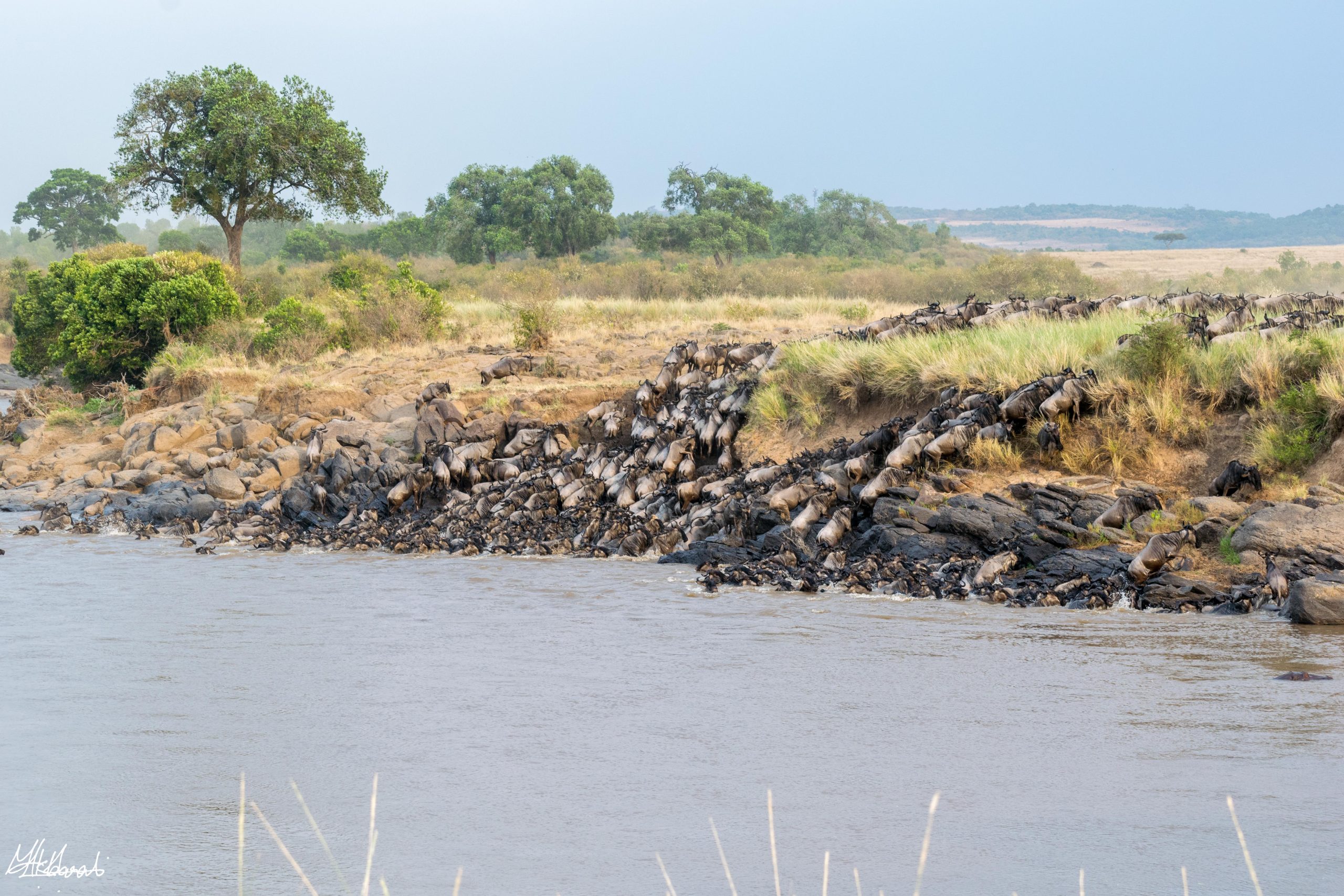
Mara River Crossing
Uncategorized·

Seasonal Wildlife Photography in East Africa | Odysseys From Africa

Seasonal Wildlife Photography in East Africa: What to Shoot & When East Africa is one of the most spectacular regions in the world for wildlife photography. With its sweeping savannahs, dense forests, winding rivers, and diverse species, Tanzania and Kenya offer photographers a living canvas that changes dramatically with the seasons. Whether you are drawn to dramatic predator-prey encounters, intimate wildlife portraits, or sweeping landscapes filled with herds, understanding the seasonal rhythms of the region is crucial to capturing the most compelling images. At Odysseys From Africa, seasonal wildlife photography is more than a hobby—it is a curated experience. Born and raised in Tanzania, our founders know the landscapes, the animals, and the intricate timing of seasonal events that create iconic photographic moments. From Serengeti safari tours to photographic safaris, our expert guides help photographers position themselves at the right place, at the right time, maximizing both safety and creative opportunity. This guide explores what to photograph and when in East Africa, detailing the best seasons, locations, and tips to capture unforgettable wildlife images. Understanding East Africa’s Seasonal Cycle East Africa’s wildlife is closely tied to seasonal rainfall and vegetation growth. Unlike temperate zones, where wildlife movement is limited, African animals follow predictable patterns that make planning photography much more strategic. The region generally experiences two main seasons: Dry Season (June – October): Sparse vegetation and lower water availability concentrate wildlife around rivers and waterholes. Skies are often clear, and lighting is strong, creating ideal conditions for dramatic landscape and action photography. The Great Migration reaches northern Serengeti and the Maasai Mara during this time. Green (Wet) Season (November – May): Fresh vegetation and water abundance disperse wildlife, making sightings slightly less predictable. Newborn animals appear during the calving season, offering intimate wildlife and behavioral photography. Dramatic clouds, vibrant landscapes, and soft light create painterly photographic opportunities. By aligning your photography goals with the seasonal calendar, you can plan Serengeti safari tours, Maasai Mara excursions, or luxury safaris to maximize both wildlife diversity and visual impact. Photographing the Great Migration: Peak Action & Movement The Great Migration is East Africa’s most iconic wildlife spectacle. Over two million wildebeest and hundreds of thousands of zebras and gazelles traverse Tanzania and Kenya annually, creating opportunities for dramatic photography. Southern Serengeti: January – March Location: Ndutu and Serengeti’s southern plains Photographic Focus: Calving season Opportunities: Newborn wildebeest, predator-prey interactions, lush green landscapes, soft light during the green season Recommended Safari: Migration Calving Safari This period offers unparalleled opportunities to capture intimate and emotional wildlife moments. Predators are highly active, and photographers can document raw interactions, emphasizing story-telling rather than just portraits. Western and Northern Serengeti: June – October Location: Grumeti River, Mara River Photographic Focus: Dramatic river crossings Opportunities: Herds plunging into crocodile-infested waters, dust-filled plains, predator stalking Recommended Safaris: Migration Crossing Safari River crossings are perfect for action photography, offering dynamic compositions with motion, tension, and high drama. The dry season ensures predictable light and reduced vegetation, enhancing clarity. Year-Round Wildlife Photography: Central Serengeti & Seronera For photographers seeking a consistent safari experience: Central Serengeti (Seronera) is active year-round Species commonly photographed include lions, leopards, cheetahs, elephants, and buffalo Landscapes: Granite kopjes, open plains, and scattered acacia trees create ideal composition and background isolation Recommended Itinerary: Serengeti and Ngorongoro Safari Central Serengeti is excellent for photographers who prefer a mix of landscape and animal-focused shots. Its reliable wildlife density allows for flexibility in timing and framing. Predator Photography: Lions, Leopards & Cheetahs Predators are the stars of wildlife photography in East Africa. Capturing their behavior requires understanding seasonal patterns: Lions: Active during mornings and late afternoons; pride dynamics are easier to document during dry season when prey is concentrated. Leopards: Elusive; best photographed near riverine forests and granite outcrops. Summer months may offer better lighting for spotting them against foliage. Cheetahs: Hunt primarily during day; sparse vegetation in dry season provides clean lines and compositions. Patience is key. Photographers benefit from expert guidance that positions vehicles for optimal light while minimizing disturbance to the animals. Bird Photography: Migratory & Resident Species East Africa hosts remarkable bird diversity. Seasonal variations influence both abundance and behavior: Wet Season (Nov – May): Migratory species arrive, including European and Asian birds Nesting activity creates behavioral photography opportunities Dry Season (June – Oct): Resident birds dominate, congregating near waterholes Open skies and clear light improve detail in plumage photography Top bird photography locations include the Serengeti riverine forests, Ngorongoro Crater rim, and Lake Naivasha in Kenya. Macro and Small Wildlife: Insects, Reptiles & Amphibians During the green season, vegetation and moisture attract: Butterflies and dragonflies Reptiles like chameleons and tortoises Amphibians around waterholes Though less dramatic than large mammals, these subjects allow photographers to explore texture, color, and storytelling from a micro perspective. The rainy season softens light, ideal for macro photography. Landscape and Environmental Photography Seasonal landscapes in East Africa are as dynamic as the wildlife: Green Season: Verdant plains, blooming wildflowers, dramatic cloud formations Dry Season: Dusty golden grasses, stark acacia silhouettes, high contrast light for sunrise and sunset photography Capturing animals in these environments creates context-rich compositions. Combining wildlife with seasonal landscapes elevates storytelling in your images. Maasai Mara Seasonal Highlights The Maasai Mara in Kenya complements the Serengeti: July – October: Peak of the migration; dramatic river crossings and predator action November – May: Excellent opportunities for intimate wildlife portraits and lush green landscapes Maasai Mara’s relatively compact geography allows photographers to capture multiple species in a single day, maximizing efficiency Safaris that combine Serengeti and Maasai Mara experiences provide a full migration narrative and seasonal variation in lighting, wildlife density, and landscapes. Best Practices for Seasonal Wildlife Photography Know Your Gear: Fast autofocus, long telephoto lenses, and weather-sealed cameras are essential. Use the Golden Hours: Early morning and late afternoon provide soft, warm light and increased wildlife activity. Anticipate Action: Learn animal behavior patterns for each season to position yourself effectively. Prepare for the Environment: Dust, rain, and heat can impact…

Read More
safari photo
Uncategorized·

Top Safari Photo Spots in the Serengeti & Maasai Mara | Odysseys From Africa

Top Safari Photo Spots in the Serengeti & Maasai Mara The Serengeti and the Maasai Mara are not just two of Africa’s most famous wildlife destinations—they are the beating heart of safari photography. These vast, interconnected ecosystems form the stage for some of the most dramatic wildlife moments on Earth, offering photographers unparalleled opportunities to capture raw emotion, powerful movement, and timeless natural beauty. For travelers planning a Tanzania safari holiday or a Kenya extension, understanding where to photograph is just as important as when and how. The Serengeti and Maasai Mara are immense landscapes, each with distinct regions that deliver very different photographic rewards depending on season, light, and wildlife behavior. At Odysseys From Africa, safari photography is more than an add-on—it is a specialty. Born and raised in Tanzania, our founders and guiding teams understand the subtle rhythms of these ecosystems, from predator territories to migration corridors. This deep local knowledge allows us to position photographers in the right place, at the right time, with the right conditions to create exceptional images. This in-depth guide explores the top safari photo spots in the Serengeti and Maasai Mara, explaining what makes each area unique, what you can photograph there, and how expertly guided photographic safari itineraries transform fleeting moments into unforgettable images. Why the Serengeti & Maasai Mara Are Iconic for Safari Photography Together, the Serengeti and Maasai Mara form one continuous ecosystem spanning northern Tanzania and southern Kenya. Wildlife does not recognize borders—and neither should great safari photography. These regions are legendary because they offer: Vast open plains ideal for clean, uncluttered compositions High predator density, especially lions, cheetahs, and leopards The Great Migration, involving over two million wildebeest and zebra Consistent wildlife sightings throughout the year Dramatic skies, changing light, and diverse terrain For photographers on Serengeti safari tours or Kenya-based itineraries, the combination of scale and wildlife abundance allows for both intimate portraits and epic environmental scenes. Serengeti National Park: Tanzania’s Ultimate Wildlife Photography Destination The Serengeti is enormous—over 14,000 square kilometers—and each region offers its own photographic character. Choosing the right area is key to building a successful safari portfolio. Central Serengeti (Seronera): Big Cats and Year-Round Action The Seronera region is the photographic core of the Serengeti. Thanks to permanent water sources, wildlife remains here year-round, making it ideal for photographers visiting at almost any time. Photographic highlights include: Lion prides resting on granite kopjes Leopards draped over acacia branches Cheetahs hunting on open plains Riverine scenes with dramatic reflections The combination of open grasslands and scattered trees creates clean backgrounds—perfect for subject isolation and storytelling. This region features prominently in classic itineraries such as the Serengeti and Ngorongoro safari, which balances iconic locations with expert guiding. For photographers seeking reliability and variety, Central Serengeti is often the foundation of a successful luxury safari or photographic-focused journey. Southern Serengeti & Ndutu: Calving Season Photography From January to March, the southern Serengeti and Ndutu plains become one of the most dramatic wildlife photography arenas on Earth. This is the Great Migration calving season, when hundreds of thousands of wildebeest give birth within a short window. For photographers, this means: Newborn calves taking first steps Predator-prey interactions at close range Soft green landscapes and dramatic skies Exceptional light during the green season Predators such as lions, cheetahs, and hyenas are highly active, creating intense, fast-paced photographic opportunities. Specialized itineraries like the migration calving safari are designed specifically to maximize time in these high-action zones. For wildlife photographers, Ndutu is one of the most rewarding—and emotionally powerful—places to shoot in Africa. Northern Serengeti: River Crossings and Raw Drama The northern Serengeti is synonymous with one of the most iconic wildlife spectacles on the planet: wildebeest river crossings. Between July and October, the Great Migration reaches the Mara River, creating scenes of: Wildebeest plunging into crocodile-infested waters Chaotic movement and dust-filled drama Powerful storytelling moments filled with tension and release Photographing river crossings requires patience, anticipation, and expert positioning. Knowing where herds are gathering and how light interacts with the riverbanks is critical. This is where the value of experienced local guides becomes evident. Safaris like the migration crossing safari are crafted to follow migration movements closely, giving photographers the time and flexibility needed to capture this once-in-a-lifetime event. Short Serengeti Safaris: Focused Photography for Limited Time Not every traveler has weeks to spend in the field. For photographers with limited time, targeted itineraries can still deliver outstanding results. A well-designed short Serengeti safari focuses on high-density wildlife areas, maximizing photographic opportunities in just a few days. These itineraries are ideal for: First-time Africa visitors Photographers combining safari with business or beach travel Travelers extending a Zanzibar holiday With proper planning and expert guidance, even a short stay can yield a diverse and compelling wildlife portfolio. Maasai Mara: Kenya’s Crown Jewel for Safari Photography Across the border in Kenya, the Maasai Mara offers a slightly different—but equally powerful—photographic experience. The Mara is known for: Rolling grasslands and acacia-dotted horizons Exceptional predator density Frequent wildlife interactions at close range Iconic African landscapes with dramatic skies Because of its relatively compact size compared to the Serengeti, photographers often enjoy shorter drive times between sightings, allowing more time to work on composition and light. Maasai Mara River: Migration Crossings from a New Perspective While the Serengeti hosts migration crossings on the Mara River’s southern stretches, the Kenyan side offers equally dramatic scenes—often with different light angles and riverbank compositions. Photographic advantages in the Maasai Mara include: Elevated riverbanks for strong vantage points Dense predator presence waiting near crossings Opportunities to capture both chaos and calm within the same sequence Combining Tanzania and Kenya into one journey allows photographers to tell a more complete migration story, following wildlife across borders and seasons. Predator Hotspots in the Maasai Mara The Maasai Mara is particularly famous for its big cats. Lions, cheetahs, and leopards are frequently encountered, often in open areas ideal for photography. Key photographic benefits include: Lions active during daylight hours…

Read More
camera gear
Uncategorized·

How to Choose the Best Camera Gear for a Photographic Safari in Tanzania & the Serengeti|Odysseys From Africa

How to Choose the Best Camera Gear for a Photographic Safari A photographic safari is not just a holiday—it is a rare opportunity to witness raw nature, fleeting wildlife behavior, and extraordinary light conditions that exist nowhere else on Earth. From the golden dawns of the Serengeti to dramatic predator encounters on the open plains, East Africa offers photographers moments that can define an entire career or ignite a lifelong passion for wildlife photography. Choosing the best camera gear for a photographic safari is therefore a critical step in planning your journey. The right equipment allows you to react quickly, compose thoughtfully, and capture images that reflect the emotion and scale of the African wilderness. At the same time, safari photography presents unique challenges: dust, long distances to subjects, low light at sunrise and sunset, and the need for mobility within a safari vehicle. At Odysseys From Africa, photographic safaris are a core specialty. Designed by founders born and raised in Tanzania, our safaris are built around understanding wildlife behavior, positioning vehicles for optimal light, and giving photographers the time and space they need to create meaningful images. This in-depth guide will help you choose the ideal camera gear for your Tanzania safari holiday or Serengeti safari tours, ensuring you arrive fully prepared to make the most of every moment in the field. Photographic Safari Gear: Start With Your Photography Goals Before selecting a camera body or lens, the most important question is what kind of images you want to create. Safari photography is incredibly diverse, and your goals should shape every gear decision. Some photographers focus on: Tight wildlife portraits with blurred backgrounds Action shots of predators hunting or birds in flight Wide environmental scenes that show animals in their habitat Storytelling images that include people, vehicles, and landscapes A traveler on a luxury safari with extended time in one location may prioritize image quality and specialized lenses, while someone combining wildlife viewing with family travel may prefer lighter, more versatile gear. Clarifying your goals early helps prevent overpacking and ensures every piece of equipment earns its place in your bag. Camera Bodies for a Photographic Safari Mirrorless vs DSLR for Safari Photography Both mirrorless and DSLR cameras can perform exceptionally well on safari. The key is choosing a system you are comfortable using instinctively, without hesitation. Mirrorless cameras have become increasingly popular for photographic safari travel due to: Fast and accurate autofocus with animal eye detection Lighter weight, which matters during long game drives Electronic viewfinders that preview exposure and white balance DSLR cameras still offer advantages such as: Excellent battery life Optical viewfinders that perform well in harsh midday light Robust durability in extreme conditions For most modern safari photographers, a full-frame mirrorless body provides the best balance of image quality, speed, and portability. However, crop-sensor cameras can also be excellent, especially for photographers who want additional reach when photographing distant wildlife. Key Camera Features to Prioritize When selecting a camera body for a Tanzania safari holiday, look for: Fast continuous autofocus (AF-C / AI Servo) High burst rate for capturing action sequences Strong high-ISO performance for low-light conditions Weather sealing to handle dust and occasional rain On Serengeti safari tours, wildlife encounters can unfold in seconds. A camera that locks focus quickly and tracks moving subjects reliably is far more important than megapixel count alone. Lenses: The Most Important Decision for a Photographic Safari If there is one area where safari photographers should invest most carefully, it is lenses. Wildlife encounters often happen at a distance, and flexibility is essential. Telephoto Lenses for Wildlife Photography A telephoto lens is the backbone of any photographic safari kit. Recommended ranges include: 100–400mm: Versatile, lighter, and excellent for most wildlife situations 150–600mm or 200–600mm: Ideal for birds, distant predators, and shy animals Zoom lenses are strongly preferred over primes on safari because animals move unpredictably. A zoom allows you to reframe quickly without changing lenses in dusty conditions. On professionally guided photographic safaris such as those offered through Odysseys From Africa’s photographic safari programs, vehicles are positioned to maximize photographic opportunities, but reach is still essential—especially in open ecosystems like the Serengeti. Standard Zoom Lenses for Storytelling A standard zoom lens (such as 24–70mm or equivalent) is crucial for: Landscape scenes at sunrise and sunset Wide shots of herds and environmental context Images of safari camps, guides, and cultural encounters These lenses help tell the full story of your safari, not just isolated wildlife portraits. Wide-Angle and Specialty Lenses Wide-angle lenses (16–35mm or similar) are optional but valuable for: Dramatic skies over the savannah Wildlife close to the vehicle Creative compositions that include foreground and scale Prime lenses can offer exceptional sharpness and low-light performance, but they are less flexible in fast-moving safari environments. Camera Settings for Wildlife Photography on Safari Even the best gear will underperform if camera settings are not optimized for safari conditions. Autofocus Settings For wildlife photography: Use continuous autofocus mode Enable subject tracking when available Prioritize eye detection for animals when supported This is especially important when photographing action scenes during Serengeti safari tours, where predators and prey move rapidly across open terrain. Shutter Speed and Aperture Birds in flight and running animals: 1/1000s or faster Walking or resting mammals: 1/500s is often sufficient Use wider apertures (f/4–f/6.3) to isolate subjects Low light is common during the best photographic hours, so do not hesitate to raise ISO—modern cameras handle it remarkably well. Essential Accessories for a Photographic Safari Bean Bags and Support Systems A bean bag is one of the most valuable accessories on safari. It provides stability for long lenses and rests easily on vehicle windows or rails. Tripods are useful for landscapes and camp photography but are often impractical during game drives. Monopods can be a good compromise for heavier lenses. Batteries and Memory Cards Game drives can last for hours, and charging opportunities may be limited. Always carry: Multiple fully charged batteries High-capacity, fast memory cards Secure storage to protect…

Read More
wildlife photography
Uncategorized·

Wildlife Photography Guide: How to Photograph Animals on Safari | Odysseys From Africa

Wildlife Photography Guide: How to Photograph Animals on Safari A safari is one of the rare journeys where every moment feels cinematic. The light changes by the minute, wildlife moves with intention and unpredictability, and landscapes stretch endlessly into the horizon. For many travelers, the desire to capture these moments through photography is what transforms a safari from a holiday into a lifelong passion. This Wildlife Photography Guide is designed for travelers embarking on a Tanzania safari holiday or exploring Kenya’s iconic parks, offering practical, experience-driven insight into how to photograph animals on safari—ethically, creatively, and effectively. Whether you are holding a professional camera or a beginner’s DSLR, the principles of wildlife photography remain the same: understanding behavior, respecting nature, and telling a story through light and composition. At Odysseys From Africa, photographic safaris are crafted by experts born and raised in Tanzania, combining deep regional knowledge with a strong commitment to conservation. Their safari packages, Serengeti safari tours, and luxury safari experiences are designed to place photographers in the right place at the right time—without disturbing the natural rhythm of the wild. This long-form guide will help you prepare, shoot with purpose, and return home with images that reflect the true spirit of Africa. Tanzania Safari Holiday: Why East Africa Is a Photographer’s Dream A Tanzania safari holiday is uniquely suited for wildlife photography. Vast open plains, protected ecosystems, and world-renowned national parks create ideal conditions for both beginners and seasoned photographers. Light, Space, and Wildlife Density Unlike forested destinations where animals can be hidden by thick vegetation, Tanzania’s landscapes—especially the Serengeti—offer long sightlines and clean backgrounds. This makes it easier to isolate subjects, anticipate movement, and work creatively with light. Iconic Safari Circuits Northern Tanzania, in particular, offers a powerful combination of destinations: Serengeti National Park Ngorongoro Crater Tarangire National Park Many travelers choose immersive itineraries such as the Serengeti and Ngorongoro safari, which blends expansive plains with dramatic crater landscapes—two very different photographic environments in one journey. Understanding Wildlife Behavior Before You Pick Up the Camera The most compelling wildlife photographs are rarely accidental. They are the result of observation, patience, and understanding animal behavior. Why Behavior Matters More Than Equipment Knowing what an animal is likely to do next allows you to: Pre-focus your lens Choose the best composition Be ready for fleeting moments A lion yawning, an elephant touching trunks, or a leopard preparing to descend a tree often gives subtle cues seconds before the action happens. Learning from Local Guides On professionally guided Serengeti safari tours, local guides are your greatest asset. Their understanding of animal territories, movement patterns, and seasonal changes dramatically increases photographic opportunities. At Odysseys From Africa, guides are trained not only in wildlife tracking, but also in positioning vehicles to maximize light, angle, and ethical distance. Choosing the Right Safari for Photography Not every safari is optimized for photography. Selecting the right style of safari directly affects the quality of your images. Private vs Group Safaris For photographers, private safaris are often the best option: Flexible timing based on light and animal activity Ability to stay longer at sightings Freedom to reposition the vehicle Group safaris can still be rewarding, but may limit movement and shooting time. Luxury Safari Advantages for Photographers A luxury safari enhances photography by reducing fatigue and logistical stress. Shorter transfer times, well-positioned camps, and seamless service mean you spend more energy shooting and less time recovering. Journeys like the Best of Northern Tanzania safari balance exceptional wildlife access with comfort—ideal for photographers who want both productivity and immersion. Serengeti Safari Tours: Timing Wildlife Photography for Impact On Serengeti safari tours, success depends on understanding how light and wildlife behavior intersect. Early Morning: Soft Light and Action The hour after sunrise is often the most productive: Predators are active Light is warm and directional Backgrounds are uncluttered This is prime time for photographing lions, cheetahs, and leopards. Midday: Slow Down and Get Creative Midday light can be harsh, but it offers opportunities for: Close-up portraits Black-and-white photography Details like textures, scars, and expressions Using shade and careful composition helps maintain image quality. Late Afternoon: Drama and Mood As the sun lowers, light becomes golden and dramatic. Backlighting dust, silhouettes, and long shadows create some of the most iconic safari images—especially with elephants and buffalo. Short but well-paced journeys such as the Short Serengeti safari are structured to ensure photographers are in the field during these critical windows. Camera Gear Essentials for Safari Photography While skill outweighs equipment, the right gear removes limitations and increases creative flexibility. Camera Bodies Fast autofocus is essential Strong low-light performance helps at dawn and dusk Weather-sealing protects against dust Lenses Telephoto (300mm–600mm): Essential for wildlife portraits 70–200mm zoom: Ideal for behavior and interaction Wide-angle lens: Perfect for environmental shots and landscapes Support and Accessories Bean bags for vehicle support Extra batteries and memory cards Lens cleaning kits for dust On dedicated photographic safaris in East Africa, vehicles are configured to support stable shooting positions, giving photographers a clear advantage. Composition Techniques for Wildlife Photography on Safari Focus on the Eyes Sharp eyes create emotional connection. Whether it’s a lion’s stare or an elephant’s calm gaze, eye-level images feel intimate and powerful. Use the Rule of Space Leave space in the frame in the direction the animal is looking or moving. This adds tension and narrative to your image. Incorporate the Environment Including landscape elements gives context and scale. A lone giraffe against the Serengeti plains or a rhino framed by acacia trees tells a richer story than a tight crop alone. Wait for Interaction Behavioral moments—grooming, feeding, play—often result in more compelling images than static portraits. Photographing Big Five and Other Iconic Species Lions and Leopards Patience is key. Look for signs of movement or interaction rather than chasing action. Leopards, in particular, reward photographers who wait quietly. Elephants Use wide angles to show scale and emotion. Family interactions often create powerful storytelling moments. Buffalo and Rhinos Tight compositions emphasizing…

Read More