Top Safari Photo Spots in the Serengeti & Maasai Mara | Odysseys From Africa
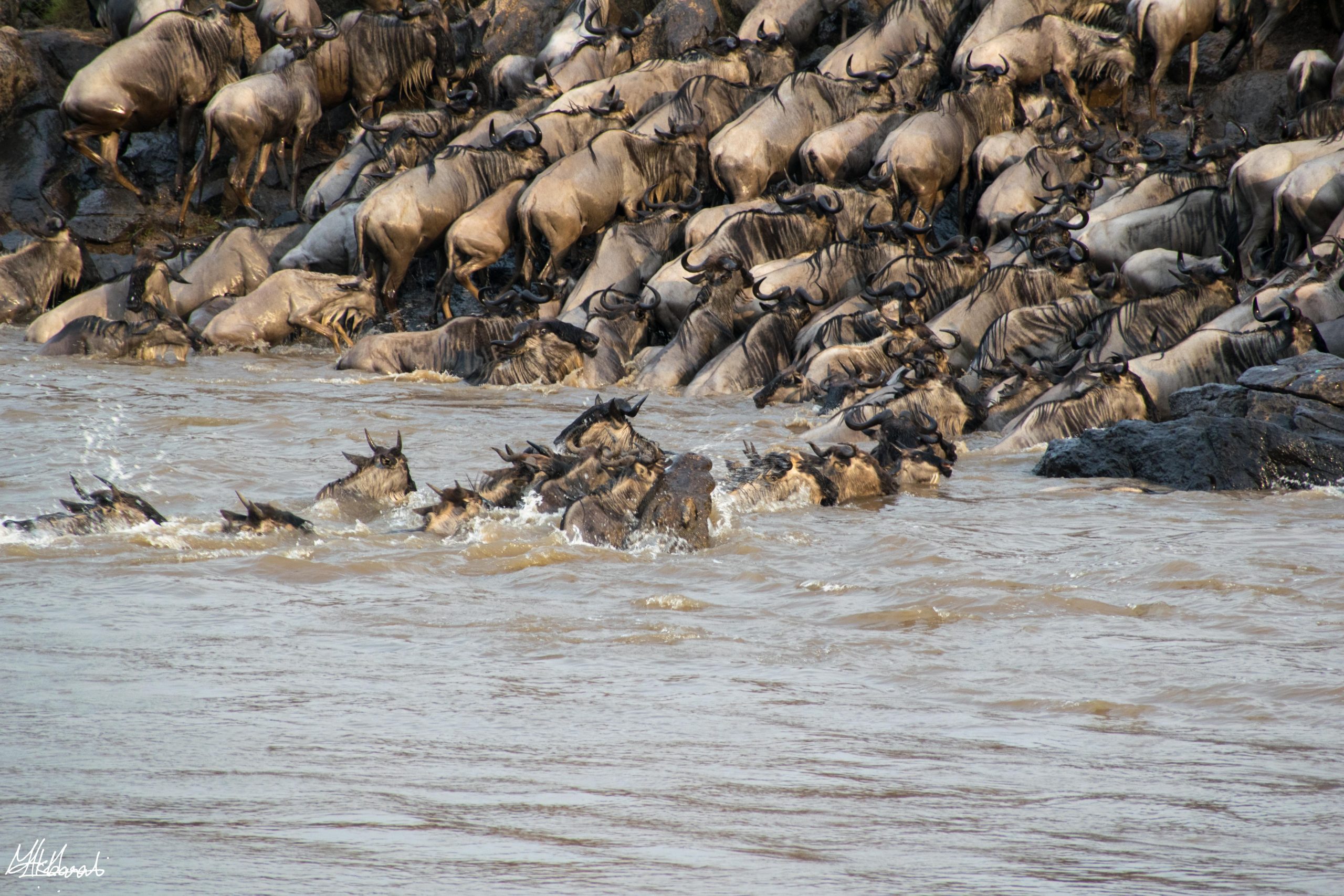
Top Safari Photo Spots in the Serengeti & Maasai Mara The Serengeti and the Maasai Mara are not just two of Africa’s most famous wildlife destinations—they are the beating heart of safari photography. These vast, interconnected ecosystems form the stage for some of the most dramatic wildlife moments on Earth, offering photographers unparalleled opportunities to capture raw emotion, powerful movement, and timeless natural beauty. For travelers planning a Tanzania safari holiday or a Kenya extension, understanding where to photograph is just as important as when and how. The Serengeti and Maasai Mara are immense landscapes, each with distinct regions that deliver very different photographic rewards depending on season, light, and wildlife behavior. At Odysseys From Africa, safari photography is more than an add-on—it is a specialty. Born and raised in Tanzania, our founders and guiding teams understand the subtle rhythms of these ecosystems, from predator territories to migration corridors. This deep local knowledge allows us to position photographers in the right place, at the right time, with the right conditions to create exceptional images. This in-depth guide explores the top safari photo spots in the Serengeti and Maasai Mara, explaining what makes each area unique, what you can photograph there, and how expertly guided photographic safari itineraries transform fleeting moments into unforgettable images. Why the Serengeti & Maasai Mara Are Iconic for Safari Photography Together, the Serengeti and Maasai Mara form one continuous ecosystem spanning northern Tanzania and southern Kenya. Wildlife does not recognize borders—and neither should great safari photography. These regions are legendary because they offer: Vast open plains ideal for clean, uncluttered compositions High predator density, especially lions, cheetahs, and leopards The Great Migration, involving over two million wildebeest and zebra Consistent wildlife sightings throughout the year Dramatic skies, changing light, and diverse terrain For photographers on Serengeti safari tours or Kenya-based itineraries, the combination of scale and wildlife abundance allows for both intimate portraits and epic environmental scenes. Serengeti National Park: Tanzania’s Ultimate Wildlife Photography Destination The Serengeti is enormous—over 14,000 square kilometers—and each region offers its own photographic character. Choosing the right area is key to building a successful safari portfolio. Central Serengeti (Seronera): Big Cats and Year-Round Action The Seronera region is the photographic core of the Serengeti. Thanks to permanent water sources, wildlife remains here year-round, making it ideal for photographers visiting at almost any time. Photographic highlights include: Lion prides resting on granite kopjes Leopards draped over acacia branches Cheetahs hunting on open plains Riverine scenes with dramatic reflections The combination of open grasslands and scattered trees creates clean backgrounds—perfect for subject isolation and storytelling. This region features prominently in classic itineraries such as the Serengeti and Ngorongoro safari, which balances iconic locations with expert guiding. For photographers seeking reliability and variety, Central Serengeti is often the foundation of a successful luxury safari or photographic-focused journey. Southern Serengeti & Ndutu: Calving Season Photography From January to March, the southern Serengeti and Ndutu plains become one of the most dramatic wildlife photography arenas on Earth. This is the Great Migration calving season, when hundreds of thousands of wildebeest give birth within a short window. For photographers, this means: Newborn calves taking first steps Predator-prey interactions at close range Soft green landscapes and dramatic skies Exceptional light during the green season Predators such as lions, cheetahs, and hyenas are highly active, creating intense, fast-paced photographic opportunities. Specialized itineraries like the migration calving safari are designed specifically to maximize time in these high-action zones. For wildlife photographers, Ndutu is one of the most rewarding—and emotionally powerful—places to shoot in Africa. Northern Serengeti: River Crossings and Raw Drama The northern Serengeti is synonymous with one of the most iconic wildlife spectacles on the planet: wildebeest river crossings. Between July and October, the Great Migration reaches the Mara River, creating scenes of: Wildebeest plunging into crocodile-infested waters Chaotic movement and dust-filled drama Powerful storytelling moments filled with tension and release Photographing river crossings requires patience, anticipation, and expert positioning. Knowing where herds are gathering and how light interacts with the riverbanks is critical. This is where the value of experienced local guides becomes evident. Safaris like the migration crossing safari are crafted to follow migration movements closely, giving photographers the time and flexibility needed to capture this once-in-a-lifetime event. Short Serengeti Safaris: Focused Photography for Limited Time Not every traveler has weeks to spend in the field. For photographers with limited time, targeted itineraries can still deliver outstanding results. A well-designed short Serengeti safari focuses on high-density wildlife areas, maximizing photographic opportunities in just a few days. These itineraries are ideal for: First-time Africa visitors Photographers combining safari with business or beach travel Travelers extending a Zanzibar holiday With proper planning and expert guidance, even a short stay can yield a diverse and compelling wildlife portfolio. Maasai Mara: Kenya’s Crown Jewel for Safari Photography Across the border in Kenya, the Maasai Mara offers a slightly different—but equally powerful—photographic experience. The Mara is known for: Rolling grasslands and acacia-dotted horizons Exceptional predator density Frequent wildlife interactions at close range Iconic African landscapes with dramatic skies Because of its relatively compact size compared to the Serengeti, photographers often enjoy shorter drive times between sightings, allowing more time to work on composition and light. Maasai Mara River: Migration Crossings from a New Perspective While the Serengeti hosts migration crossings on the Mara River’s southern stretches, the Kenyan side offers equally dramatic scenes—often with different light angles and riverbank compositions. Photographic advantages in the Maasai Mara include: Elevated riverbanks for strong vantage points Dense predator presence waiting near crossings Opportunities to capture both chaos and calm within the same sequence Combining Tanzania and Kenya into one journey allows photographers to tell a more complete migration story, following wildlife across borders and seasons. Predator Hotspots in the Maasai Mara The Maasai Mara is particularly famous for its big cats. Lions, cheetahs, and leopards are frequently encountered, often in open areas ideal for photography. Key photographic benefits include: Lions active during daylight hours…
Read More