
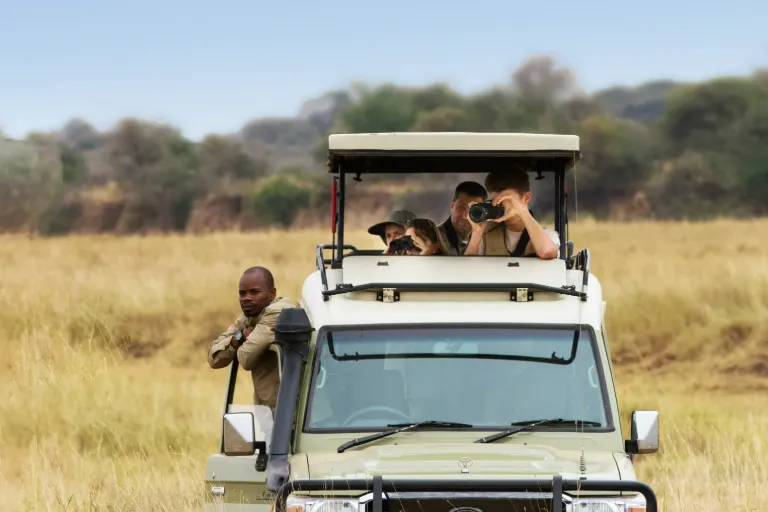
The European’s Guide to Packing for Safaris in Tanzania
Packing for your first African safari is exciting, but it can also feel overwhelming—especially if you’re traveling from Europe. Questions like What clothes should I bring?, Will I need warm clothing?, Can I charge my camera?, and How much luggage is allowed? are common among first-time visitors.
Packing for your first African safari is exciting, but it can also feel overwhelming—especially if you’re traveling from Europe. Questions like What clothes should I bring?, Will I need warm clothing?, Can I charge my camera?, and How much luggage is allowed? are common among first-time visitors.
The good news is that packing for Safaris in Tanzania is much simpler than many people imagine. With the right clothing, travel essentials, and equipment, you’ll be prepared to enjoy everything from early morning game drives in the Serengeti to breathtaking sunsets over the Ngorongoro Crater.
Whether you’re visiting during the dry season or the lush green season, this comprehensive guide will help you pack smart, travel comfortably, and make the most of your Tanzanian adventure.
If you’re still deciding when to visit, our The Ultimate Winter Escape: European Safaris in Tanzania guide explains why many European travelers choose Tanzania during the colder months.
Understanding Tanzania’s Safari Climate
One of the biggest misconceptions is that Africa is always hot. While Tanzania enjoys warm temperatures throughout the year, safari conditions can vary depending on the region, altitude, and time of day.
For example:
- Early morning game drives can be surprisingly chilly.
- Midday temperatures often exceed 30°C (86°F).
- Evenings around the Ngorongoro Highlands can be cool due to higher elevations.
- The green season brings occasional rain showers, making waterproof gear useful.
Understanding these weather variations will help you pack appropriately without overloading your luggage.
To help choose the best travel season, read our Safaris in Tanzania: The Best Time of Year for American Tourists to Visit, which also provides useful insights for European visitors.
Choose the Right Luggage
Most international airlines flying from Europe allow generous checked baggage allowances. However, if your itinerary includes domestic bush flights, luggage restrictions are much stricter.
Soft-sided duffel bags are highly recommended because they fit easily into safari vehicles and small aircraft.
Recommended luggage
- Soft duffel bag (15–20 kg)
- Small daypack
- Camera backpack
- Packing cubes for organization
Avoid hard-shell suitcases whenever possible, particularly if your safari includes fly-in transfers.
If you’re considering a luxury fly-in adventure, our Fly-In Safaris in Tanzania: Maximizing Your Time in the Bush explains domestic flight luggage requirements in greater detail.
Essential Clothing for Safaris in Tanzania
Choosing practical clothing is one of the most important parts of preparing for Safaris in Tanzania.
Neutral-colored clothing helps you blend into the environment while remaining comfortable throughout long game drives.
Pack these essentials
- Lightweight long-sleeved shirts
- Breathable T-shirts
- Convertible hiking trousers
- Comfortable safari shorts
- Fleece jacket
- Lightweight waterproof jacket
- Wide-brimmed hat
- Sunglasses with UV protection
- Comfortable walking shoes
- Sandals for evenings
Best clothing colors
Choose:
- Khaki
- Olive
- Beige
- Brown
- Grey
Avoid:
- Bright red
- Bright blue
- Neon colors
- White (shows dust easily)
- Dark black (absorbs heat)
Neutral colors are also less likely to attract insects.
Don’t Forget Warm Layers
Many European travelers underestimate how cool African mornings can be.
Game drives often begin before sunrise, when temperatures may fall below 10°C (50°F) in higher-altitude areas such as Ngorongoro.
Pack:
- Light fleece
- Windbreaker
- Lightweight gloves (optional)
- Scarf or buff
You can easily remove these layers once the day warms up.
Photography Equipment
Tanzania offers some of the world’s finest wildlife photography opportunities.
Whether you’re using a smartphone or professional camera equipment, make sure you bring:
- DSLR or mirrorless camera
- Telephoto lens (200–600mm)
- Wide-angle lens
- Extra batteries
- Plenty of memory cards
- Camera cleaning kit
- Lens cloth
- Portable hard drive
- Lightweight tripod (optional)
For expert wildlife photography advice, visit our Photographic Safaris in Tanzania: Tips from Expert Wildlife Guides.
Travel Documents
Before leaving Europe, organize all important travel documents.
Carry:
- Passport (valid for at least six months)
- Tanzania visa (if required)
- Flight confirmations
- Safari booking confirmation
- Hotel reservations
- Travel insurance documents
- Vaccination certificates (if applicable)
- Emergency contact information
Keep digital copies stored securely in cloud storage as a backup.
If you’re planning your first safari, our Planning Safaris in Tanzania from the USA: Flights, Visas, and Itineraries also includes visa and travel planning information applicable to many international travelers.
Health and Personal Care
The African sun can be intense, making personal care items essential.
Pack:
- Sunscreen (SPF 50+)
- Lip balm with SPF
- Insect repellent
- Prescription medication
- Pain relievers
- Hand sanitizer
- Wet wipes
- Reusable water bottle
- Small first-aid kit
Before traveling, consult your healthcare provider regarding recommended vaccinations and malaria prevention.
For more detailed advice, read Malaria and Vaccinations: Health Prep for Safaris in Tanzania.
Electronics You’ll Need
Electricity is available at most safari lodges and camps, although charging times may vary.
Bring:
- Universal travel adapter
- Phone charger
- Camera charger
- Power bank
- Headlamp or flashlight
- Charging cables
- Portable battery pack
Many luxury camps provide charging stations, but having backup power is always useful during long game drives.
To learn more about connectivity, see How to Stay Connected: Wi-Fi and Cellular on Safaris in Tanzania.
Binoculars: A Safari Essential
packing quality pair of binoculars significantly enhances your safari experience.
They help you observe:
- Leopards resting in trees
- Distant elephants
- Birds
- Hunting cheetahs
- Rhinos
- Hippos across rivers
Choose binoculars that are lightweight yet offer clear magnification, such as 8×42 or 10×42 models.
What Not to Pack
Avoid bringing unnecessary items that add weight or take up valuable luggage space.
Leave behind:
- Expensive jewelry
- Formal clothing
- High heels
- Hair dryers
- Excessive toiletries
- Large suitcases
- Camouflage clothing (restricted in some African countries)
Packing light makes moving between destinations much easier.
Seasonal Packing Tips
Dry Season (June to October)
packing:
- Dust-proof clothing
- Moisturizer
- Lip balm
- Sunglasses
- Warm morning layers
Green Season (November to May)
Bring:
- Waterproof jacket
- Waterproof bag cover
- Quick-dry clothing
- Waterproof footwear
- Extra socks
If you’re considering traveling during this quieter period, explore our Safaris in Tanzania During the Green Season: Pros and Cons.
Packing for Families
Families should also include packing for:
- Children’s medications
- Snacks
- Entertainment for transfers
- Lightweight blankets
- Extra clothing
- Favorite toys
- Sunscreen suitable for children
For additional advice, visit our How to Plan Family-Friendly Safaris in Tanzania.
Safari Packing Checklist
Before leaving home, confirm you have packed:
Passport
Visa documents
Travel insurance
Safari clothing
Comfortable walking shoes
Camera
Binoculars
Chargers
Power bank
Sunscreen
Insect repellent
Hat
Sunglasses
Reusable water bottle
Personal medication
Small first-aid kit
Rain jacket
Daypack
Final Thoughts
Packing well allows you to focus on what truly matters—immersing yourself in the incredible wildlife, landscapes, and cultures that make Safaris in Tanzania so memorable.
By choosing practical clothing, organizing your travel documents, and packing only the essentials, you’ll be ready to enjoy every sunrise game drive, every unforgettable wildlife encounter, and every moment of your East African adventure.
Whether you’re exploring the Serengeti, descending into the Ngorongoro Crater, or extending your journey to Zanzibar, thoughtful preparation ensures a smoother, more enjoyable safari experience.
Frequently Asked Questions
How much luggage can I take on a Tanzania safari?
Most road safaris are flexible, but domestic bush flights often limit luggage to around 15 kg (33 lbs) in soft-sided bags. Always confirm your baggage allowance with your tour operator before departure.
What shoes are best for Safaris in Tanzania?
Comfortable closed-toe walking shoes or lightweight hiking shoes are ideal for game drives, walking safaris, and lodge activities. Sandals are useful for relaxing at your accommodation.
Do I need warm clothes in Tanzania?
Yes. Early mornings and evenings—especially in higher-altitude areas like the Ngorongoro Highlands—can be cool, so pack a light fleece or jacket.
Should I bring binoculars?
Absolutely. Binoculars greatly enhance wildlife viewing, allowing you to spot distant animals and appreciate birdlife and predator behavior.
Can I do laundry during my safari?
Many lodges and tented camps offer laundry services, especially on longer itineraries. This allows you to pack fewer clothes while staying fresh throughout your trip.
Request a Custom Safari Proposal or Plan Your Tanzania Safari Holiday
Whether you’re dreaming of an affordable Serengeti adventure, a luxury safari, a family holiday, or a tailor-made itinerary across East Africa, Odysseys From Africa is here to help. Our experienced safari specialists will design a personalized itinerary based on your interests, travel dates, and budget, ensuring an unforgettable wildlife experience in Tanzania and beyond.
Contact us today to start planning your journey.
Location: Arusha, Tanzania
Email: info@odysseys-from-africa.com
Phone: +254 (0) 710 450 797 | +255 (0) 652 810 255
Website: https://odysseys-from-africa.co


Odysseys From Africa crafts bespoke luxury safari experiences across Tanzania and Kenya. From the Serengeti Great Migration to Zanzibar beaches, we create unforgettable African adventures.
© 2026 Odysseys From Africa. All rights reserved. | TALA Licensed Tour Operator
Crafted by Twinfusion