Wild Adventures, Timeless Memories…

Odysseys From Africa

Safari Blog

Guides, itineraries and field notes from our safari specialists in Arusha — everything you need to plan your Tanzania and Kenya adventure.

African safari myths
Travel Tips·

African Safari Myths Debunked: What US Travelers Should Know

Why African Safari Myths Still Exist African safaris are among the most desired travel experiences for US travelers, yet they are also surrounded by misinformation. Many first-time visitors arrive with expectations shaped by movies, outdated documentaries, or social media stereotypes. These misunderstandings often lead to confusion about safety, comfort, wildlife encounters, and the true nature of a Tanzania safari holiday or broader African safari experience. At Odysseys From Africa, we regularly meet guests who are surprised by how modern, comfortable, and well-organized a luxury safari actually is. Growing up in Arusha, our team has seen firsthand how safari realities differ from global misconceptions. This guide breaks down the most common African safari myths and replaces them with real, on-the-ground truth. Myth 1: African Safaris Are Unsafe (African safari myths) One of the most widespread African safari myths is that safaris are dangerous. In reality, professionally guided safaris are among the safest forms of international travel. The Truth Wildlife is observed from a safe distance Professional guides are trained in animal behavior National parks have strict safety protocols Vehicles are designed for secure viewing A well-planned Tanzania safari holiday is carefully structured around safety while maximizing wildlife viewing opportunities. Most US travelers are surprised by how controlled and secure a luxury safari Africa experience actually feels. Myth 2: Safaris Are Only for Hardcore Adventurers(African safari myths) Many people believe African safaris require extreme physical fitness or survival skills. This is outdated. The Reality Modern safari travel is comfortable, accessible, and designed for all ages. A typical luxury safari includes: Private 4×4 vehicles Professional driver-guides High-end lodges and tented camps Gourmet dining in remote locations Whether you are a couple, family, or solo traveler, a Tanzania safari holiday can be fully customized for comfort and pace. Myth 3: You Only See Animals from Far Away(African safari myths) Another common misconception is that wildlife sightings are distant or unclear. The Reality In destinations like the Serengeti and Ngorongoro, wildlife encounters can be extremely close — but always respectful and regulated. On a Serengeti safari tour, you may witness: Lions resting near vehicles Elephants crossing open plains Cheetahs hunting in real time Wildebeest migrating across roads A well-designed African safari travel guide always emphasizes ethical viewing distances that protect both animals and visitors. Myth 4: African Safaris Are the Same Everywhere Many travelers assume all safaris are identical. In reality, Africa offers vastly different ecosystems. Tanzania vs Other Destinations A Tanzania safari holiday stands out because: It hosts the Great Migration It includes the Ngorongoro Crater (a natural wildlife amphitheater) It offers extremely high predator density It provides diverse landscapes in one circuit Unlike generic safari experiences, Tanzania delivers one of the most complete wildlife journeys in Africa. Myth 5: Safaris Are Uncomfortable and Basic This myth comes from outdated travel stories. Modern safari infrastructure has evolved significantly. The Reality of Luxury Safari Africa A luxury safari today includes: Boutique lodges with en-suite bathrooms Fine dining in remote wilderness Solar-powered eco-camps Personalized guiding services Even in remote regions of Tanzania, comfort levels rival high-end resorts. A Tanzania safari holiday is now as much about relaxation as it is about wildlife exploration. Myth 6: You Can’t Control What Animals You See While wildlife is never guaranteed, safari planning is far more strategic than many people realize. The Truth Expert guides understand: Migration patterns Predator territories Seasonal water sources Feeding behavior This knowledge dramatically increases your chances of seeing key wildlife. At Odysseys From Africa, we design itineraries based on real-time movement of animals across ecosystems, ensuring a high-quality luxury safari experience. Myth 7: Safaris Are Only About the Big Five While the Big Five are iconic, limiting safaris to them overlooks the full experience. Beyond the Big Five A Tanzania safari holiday also includes: Wild dogs Giraffes Hippos Flamingos Hundreds of bird species For photographers, a photographic safari offers endless opportunities beyond the traditional Big Five checklist. Understanding What a Real Safari Feels Like and the African safari myths A real safari is not a staged experience. It is dynamic, unpredictable, and deeply immersive. A typical day on a luxury safari Africa journey includes: Early morning game drives Midday relaxation at a lodge Afternoon wildlife tracking Sunset drives across open plains The rhythm of nature replaces the rush of city life. For US travelers, this shift is often the most memorable part of a Tanzania safari holiday. Planning Your First African Safari If you are traveling from the USA, planning is simpler than most people expect. Key considerations include: Flights via Doha, Amsterdam, or Istanbul Online visa application for Tanzania Choosing between northern circuit or combined itineraries Selecting a trusted operator for safari travel tips and planning For structured itineraries, explore: Best of Northern Tanzania Serengeti and Ngorongoro Safari Tanzania Explorer Why Local Expertise Matters in being informative about the African safari myths One of the most overlooked factors in safari planning is local knowledge. At Odysseys From Africa, our guides are not just drivers — they are wildlife specialists who understand behavior patterns across seasons. Growing up in Arusha, we’ve learned that successful safaris depend on timing, patience, and deep understanding of the land — not just luck. This is what transforms a standard trip into a meaningful African safari travel guide experience in real life. Conclusion: The Truth About African Safaris which differs with African safari myths Most African safari myths come from outdated information or unrealistic expectations. The reality is far more refined, comfortable, and immersive than most travelers imagine. A Tanzania safari holiday offers: Safe and structured wildlife viewing High levels of comfort Close but ethical animal encounters Diverse ecosystems and landscapes Once travelers experience a real luxury safari Africa journey, myths are quickly replaced by appreciation for how extraordinary the experience truly is. Call to Action Request a Custom Safari Proposal or Plan Your Tanzania Safari Holiday Arusha, Tanzaniainfo@odysseys-from-africa.com+254 (0) 710 450 797 | +255 (0) 652 810 255https://odysseys-from-africa.com/

Read More
safari animals Tanzania Tanzania safari holiday
Luxury Wildlife Safari·

Best Safari Animals in Tanzania: A Luxury Wildlife Guide

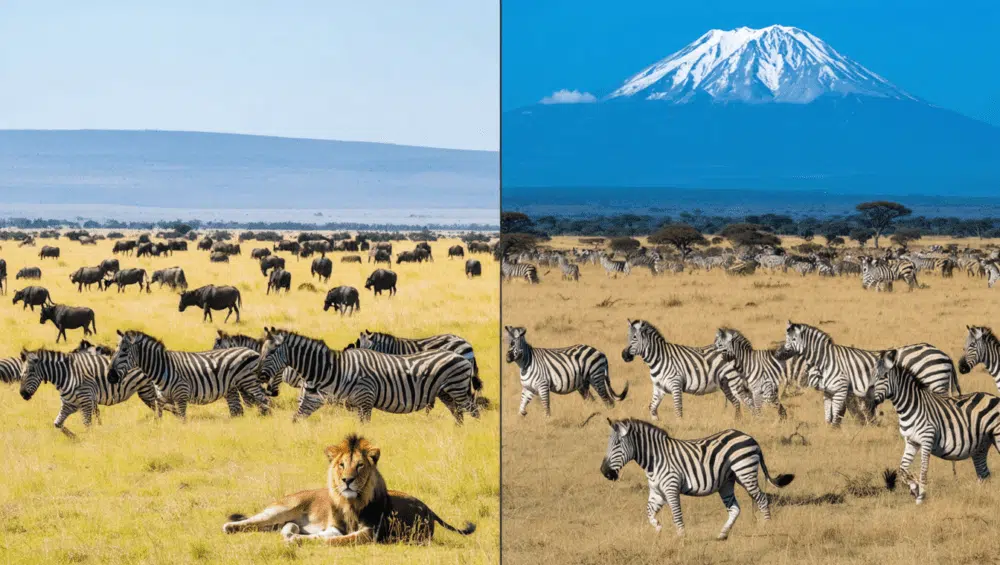
Why Tanzania Is Africa’s Greatest Wildlife Destination Safari animals Tanzania is one of the most rewarding destinations in Africa for wildlife viewing, offering extraordinary encounters with iconic species across vast ecosystems. A well-planned safari reveals predators, herbivores, and rare species living freely in natural environments. At Odysseys From Africa, our expertise comes from lived experience in Arusha, where we understand seasonal wildlife movement and ecosystem behavior. Safari Animals Tanzania: The Big Five Experience The Big Five define the core experience of safari animals Tanzania is globally known for. These animals represent the most iconic wildlife encounters in Africa and are central to most safari itineraries. Lions Lions dominate open savannahs and are frequently seen during early morning game drives. Leopards Leopards are elusive predators often found in trees or dense riverine areas. Elephants Elephants move in large herds across northern Tanzania, especially in Tarangire. Buffalo Buffalo are powerful herd animals commonly seen across grasslands. Rhinos Rhinos are rare and protected, primarily found in Ngorongoro Crater. Explore this region through the Best of Northern Tanzania safari experience. Serengeti Ecosystem and Safari Animals Tanzania Offers The Serengeti is the heart of safari animals Tanzania encounters, offering one of the richest wildlife ecosystems on Earth. The Great Migration defines this region, with millions of wildebeest and zebras moving across the plains. Key safari experiences include: Serengeti and Ngorongoro Safari Migration Calving Safari Migration Crossing Safari Short Serengeti Safari This region is ideal for observing safari animals Tanzania is famous for, including lions, cheetahs, and hyenas. A photographic safari here benefits from long-range lenses for wildlife tracking. Ngorongoro Crater: Safari Animals Tanzania in One Place Ngorongoro Crater offers one of the highest concentrations of safari animals Tanzania provides in a single ecosystem. Visitors can observe lions, elephants, zebras, flamingos, and the endangered black rhino in a compact wildlife environment. This destination is included in premium itineraries such as the Serengeti and Ngorongoro safari. Rare Wildlife Beyond Safari Animals Tanzania Highlights Beyond the Big Five, Tanzania is home to rare species that enrich any safari experience. These include: African wild dogs Serval cats Colobus monkeys Cheetahs These animals are often encountered on extended routes like the Tanzania Explorer safari. Photographic Safari and Safari Animals Tanzania A photographic safari allows travelers to capture safari animals Tanzania offers in natural light and motion. Explore more: Photographic Safari experiences Recommended gear: 100–400mm telephoto lens 24–70mm lens Fast shutter speed (1/1000+) Proper planning ensures optimal positioning for wildlife photography. Luxury Safari Packages in Tanzania Luxury safari experiences combine comfort with immersive wildlife viewing across Tanzania. Popular packages include: Best of Northern Tanzania Best of Zanzibar Short Zanzibar Each itinerary is designed around seasonal movement of wildlife and ecosystems. Planning a Tanzania Safari Holiday from the USA US travelers can easily access Tanzania via international flights through major global hubs. A safari itinerary is designed to maximize sightings of safari animals Tanzania is known for across different ecosystems. Visa applications are completed online before travel. Best Time to See Safari Animals Tanzania Wildlife viewing depends on seasonal patterns: June–October: Dry season and high visibility January–March: Calving season July–September: River crossings Each season changes how and where safari animals Tanzania appear. Conclusion Tanzania remains one of the world’s richest wildlife destinations, offering unmatched access to diverse ecosystems and iconic species. A well-planned safari allows travelers to experience Africa’s wildlife in its most natural and dramatic form. At Odysseys From Africa, we design journeys based on real field knowledge and seasonal animal movement. Call to Action Request a Custom Safari Proposal or Plan Your Tanzania Safari Holiday Arusha, Tanzaniainfo@odysseys-from-africa.com+254 (0) 710 450 797 | +255 (0) 652 810 255https://odysseys-from-africa.com/

Read More
Tanzania safari guides
Luxury Safari Travel·

Ultimate African Safari Bucket List for Luxury Travelers

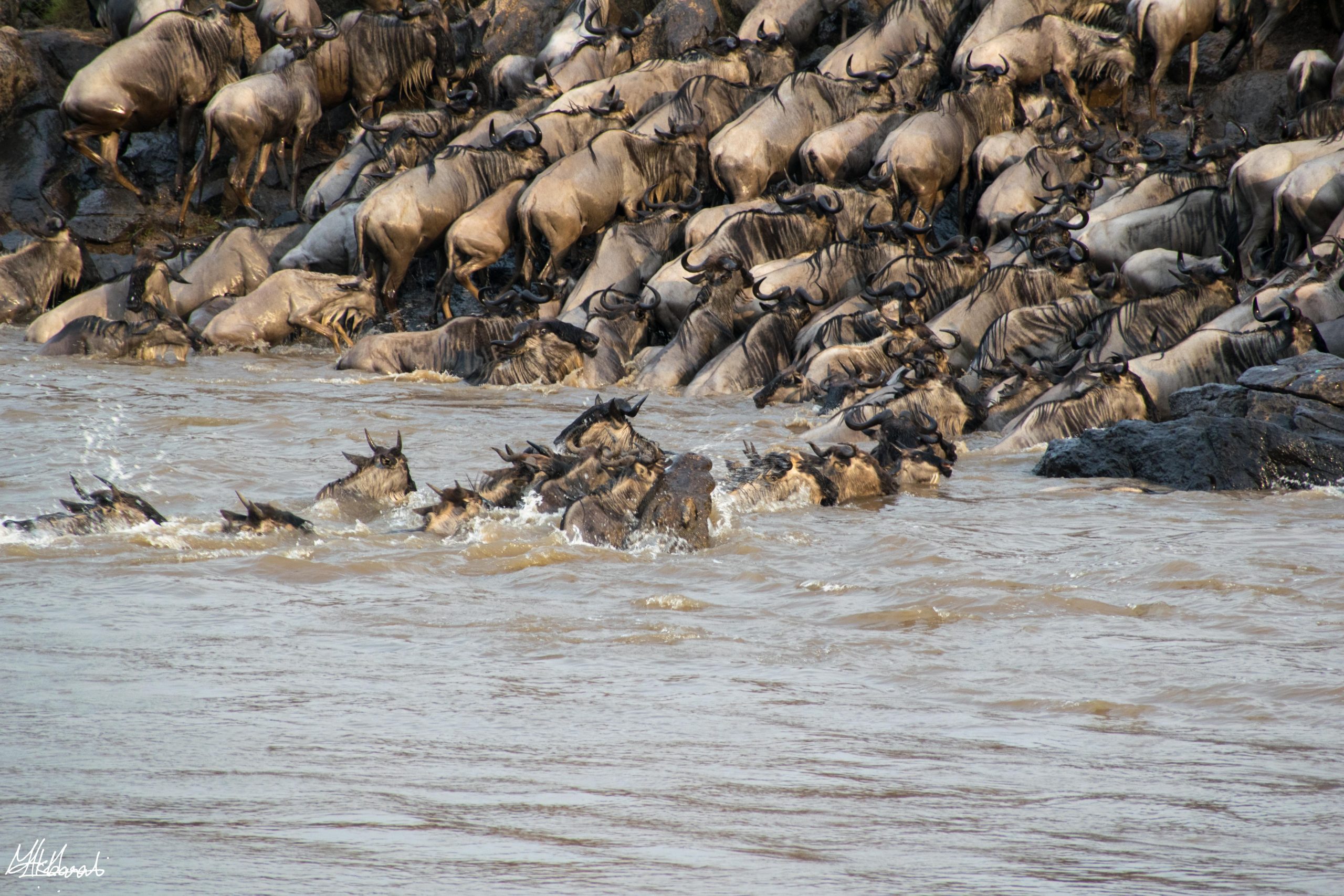
Defining the Modern African Safari Experience A luxury African safari is one of the most powerful travel experiences in the world, combining untouched wilderness with refined comfort and personalized guiding. For many international travelers, especially those seeking immersive adventure, the idea of a Tanzania safari bucket list represents the pinnacle of wildlife travel. At Odysseys From Africa, our expertise is rooted in lived experience. Growing up in Arusha, Tanzania, our team understands the rhythms of the savannah, seasonal wildlife movements, and the cultural depth that shapes every safari journey. This local knowledge allows us to design experiences that go far beyond standard itineraries. A well-designed safari journey is not just about ticking off wildlife sightings—it is about creating meaningful moments in some of the most iconic landscapes on Earth. A thoughtfully curated Tanzania safari bucket list ensures travelers experience the Serengeti, Ngorongoro, and Zanzibar in a seamless, elevated way. For many visitors, especially those planning a first-time Africa journey, the Tanzania safari bucket list becomes the foundation of their entire travel dream. Serengeti National Park: The Heart of Every Safari Journey The Serengeti is the defining landscape of any Tanzania safari bucket list, offering endless plains, dramatic predator encounters, and one of the richest ecosystems on the planet. This vast wilderness is home to lions, leopards, cheetahs, elephants, and massive herds of wildebeest and zebra. The experience here is both cinematic and deeply immersive. Luxury travelers often explore the Serengeti through private guided safaris, ensuring exclusivity and flexibility throughout the day. Mobile camps and permanent luxury lodges allow guests to stay close to wildlife movement zones. A carefully planned Tanzania safari bucket list almost always includes multiple nights in the Serengeti, as this region delivers consistent wildlife action year-round. Recommended experiences: Serengeti and Ngorongoro Safari Short Serengeti Safari Best of Northern Tanzania For many travelers, the Serengeti alone justifies building a full Tanzania safari bucket list around northern Tanzania. The Great Migration: Nature’s Greatest Wildlife Movement The Great Migration is one of the most extraordinary natural events on Earth and a central highlight of any Tanzania safari bucket list. Over 1.5 million wildebeest and hundreds of thousands of zebra move across the Serengeti ecosystem in search of fresh grazing. This movement creates dramatic river crossings, predator-prey interactions, and intense wildlife activity throughout the year. Signature migration journeys include: Migration Calving Safari Migration Crossing Safari Timing is critical. The calving season in the southern Serengeti offers incredible predator action, while northern crossings near the Mara River deliver dramatic scenes of survival. A well-timed Tanzania safari bucket list ensures travelers are positioned in the right region at the right season to witness these events. For photographers, a 100–400mm lens is ideal for capturing migration crossings while maintaining respectful distance from wildlife. Ngorongoro Crater: A Natural Wildlife Sanctuary The Ngorongoro Crater is a UNESCO World Heritage Site and one of the most reliable wildlife viewing areas in Africa. Its enclosed geography creates a unique ecosystem where animals thrive year-round. This destination is a critical part of any Tanzania safari bucket list, especially for travelers seeking high wildlife density in a short period. A typical safari circuit includes: Serengeti and Ngorongoro Safari Within the crater, visitors often encounter: Black rhinos grazing in open grasslands Large lion prides Buffalo herds and hyenas Flamingos along soda lakes Because of its compact size, Ngorongoro is often included in luxury itineraries designed around efficiency and maximum wildlife exposure. It plays a vital role in completing a balanced Tanzania safari bucket list. Zanzibar: The Perfect Coastal Extension After days in the bush, Zanzibar offers a completely different rhythm of travel. This Indian Ocean island is known for its white sand beaches, turquoise waters, and rich Swahili culture. For many travelers, Zanzibar is the final chapter of their Tanzania safari bucket list, providing relaxation after intense wildlife experiences. Recommended stays and experiences: Short Zanzibar Holiday Best of Zanzibar Experience Highlights include: Private dhow sailing at sunset Spice farm tours Oceanfront luxury villas Coral reef snorkeling and diving The transition from Serengeti to Zanzibar is seamless, making it a natural extension of a luxury safari journey. Photographic Safari: Capturing the Wild in Detail A photographic safari is a specialized form of travel designed for guests who want to document wildlife in its most natural form. It is a key feature of a premium Tanzania safari bucket list for photography enthusiasts. Explore: Photographic Safaris These safaris focus on: Optimal lighting conditions Extended wildlife observation Professional guide positioning Minimal disturbance photography techniques Recommended equipment includes: 100–400mm telephoto lens for wildlife action 24–70mm lens for landscapes Extra batteries and dust protection A photographic approach elevates a Tanzania safari bucket list into a storytelling experience, capturing moments that last a lifetime. Planning a Tanzania Safari Bucket List for US Travelers For American travelers, accessing Tanzania is more straightforward than many expect. Major international airlines connect through hubs such as Doha, Amsterdam, Istanbul, and Dubai. A typical journey includes arrival at Kilimanjaro International Airport followed by regional flights into safari parks. Visa Requirements US citizens require an e-visa, which is processed online and typically approved within a few days. Safety and Infrastructure Tanzania is one of Africa’s most established safari destinations, offering: Professional safari guides Secure luxury lodges Well-regulated national parks Reliable internal flight networks These factors make it easy to execute a seamless Tanzania safari bucket list without logistical stress. Additional travel information: Travel Information Choosing the Right Safari Packages Safari planning depends on travel duration, interests, and seasonality. A well-structured Tanzania safari bucket list typically includes a combination of ecosystems. Common itinerary styles: Short luxury escapes (5–7 days) Classic safari circuits (8–10 days) Extended migration journeys (10–14+ days) Explore curated options: Tanzania Explorer Safari Best of Northern Tanzania Safari Each itinerary is designed to align with wildlife movement patterns, ensuring travelers experience the best possible version of their Tanzania safari bucket list. Why Tanzania Defines the Ultimate Safari Experience Tanzania remains one of the few destinations in Africa where travelers can experience such…

Read More
Tanzania adventure safari experiences
Travel Tips·

Why Guided Safaris Are Better Than Self-Drive Adventures in 2026: Powerful Safety Guide

Why Guided Safaris Are Better Than Self-Drive Adventures in 2026 Choosing between a guided safari and a self-drive safari is one of the most important decisions when planning a Tanzania safari holiday. While self-drive adventures may appear flexible and cost-effective, they often fall short in safety, wildlife access, and overall experience quality—especially in complex ecosystems like the Serengeti. A guided safari, on the other hand, combines expert navigation, deep wildlife knowledge, and logistical coordination that significantly improves both safety and the quality of sightings. In Tanzania’s vast national parks, this difference is not minor—it defines the entire experience. Growing up in Arusha, our team has seen both formats evolve. The consistent pattern is clear: travelers who choose guided safaris leave with richer experiences, better photography opportunities, and fewer operational risks. Why Guided Safaris Offer a Superior Wildlife Experience Guided safaris provide structured access to wildlife behavior patterns that self-drive travelers rarely understand or anticipate. Professional guides do not simply drive—they interpret the ecosystem in real time. In Serengeti safari tours, guides use decades of tracking knowledge to locate animals based on: Migration movement patterns Predator hunting territories Water source dependency zones Seasonal grazing routes This level of insight is almost impossible for self-drive travelers to replicate without extensive experience. For example, during peak movement periods in the Serengeti, guides coordinate vehicle positioning to maximize sightings without disturbing animal behavior. This leads to significantly better viewing opportunities compared to independent driving. Safety Differences Between Guided and Self-Drive Safaris Safety is one of the most critical advantages of guided safaris. A guided safari minimizes risk through: Trained response to wildlife encounters Knowledge of park regulations and restricted zones Vehicle communication systems between guides Real-time hazard assessment Self-drive travelers, in contrast, often underestimate: Animal proximity risks (especially lions and elephants) Remote terrain navigation challenges Sudden weather or road condition changes Limited emergency response access In remote areas of Tanzania, especially inside the Serengeti ecosystem, response time matters. Guided operators ensure that vehicles remain within safe, monitored zones at all times. This is one of the primary reasons safari packages are structured around guided experiences rather than independent driving. Wildlife Knowledge and Interpretation Advantages One of the most undervalued aspects of guided safaris is interpretation. A self-drive traveler may see an animal. A guided safari explains: Why the animal is there What it is likely to do next How it fits into the ecosystem Whether it is hunting, migrating, or resting This transforms wildlife viewing into education. In a Tanzania safari holiday, this knowledge adds depth to every sighting. For example, seeing a cheetah is not just a visual moment—it becomes an understanding of hunting strategy, energy conservation, and territorial behavior. Growing up in Arusha, we learned that wildlife is a language. Guides translate that language for visitors. Better Photography Opportunities on Guided Safaris Guided safaris significantly improve photographic outcomes, especially for beginners. In Serengeti safari tours, guides actively assist photographers by: Positioning vehicles for optimal light angles Anticipating animal movement for action shots Reducing obstruction from other vehicles Finding stable shooting positions Self-drive travelers often miss critical moments due to: Poor positioning Lack of behavioral prediction Limited knowledge of animal timing This is especially important for those interested in photographic safari experiences, where timing and positioning matter more than equipment. A guided safari increases the probability of capturing: Predator hunts River crossings Newborn animal interactions Golden-hour landscape shots Cost vs Value: Why Guided Safaris Deliver More At first glance, self-drive safaris may appear cheaper. However, true value must consider: Time efficiency Fuel and vehicle costs Park navigation errors Missed wildlife opportunities Guided safaris optimize every hour in the park. Instead of searching for animals, travelers are taken directly to active zones based on real-time intelligence. This efficiency is why most premium safari packages are built around guided formats—they maximize return on time invested. Navigation Complexity in Tanzania National Parks Tanzania’s major parks, including Serengeti and Ngorongoro, are vast and complex ecosystems. Self-drive challenges include: Limited signage in remote zones Changing road conditions Seasonal route accessibility Large distances between wildlife zones Guided drivers operate with: GPS tracking systems Park radio communication networks Deep familiarity with terrain patterns This ensures smoother movement and better wildlife coverage during a Tanzania safari holiday. Ethical Wildlife Viewing Practices Guided safaris also enforce ethical wildlife interaction standards. Professional guides ensure: Safe distance from animals Minimal habitat disturbance Compliance with park regulations Responsible vehicle positioning Self-drive visitors may unintentionally violate these standards due to lack of experience, especially when encountering rare wildlife behavior. Ethical viewing is essential for long-term conservation of ecosystems like the Serengeti. US Traveler Considerations for Safari Planning For US travelers planning an African safari, guided safaris simplify logistics significantly. Key advantages include: Pre-arranged airport transfers Park entry coordination Accommodation synchronization Local emergency support Most international routes connect through: Doha Amsterdam Istanbul Nairobi Upon arrival in Kilimanjaro or Arusha, guided operators handle all onward travel into safari circuits. This removes complexity and reduces travel fatigue before entering wildlife areas. Why Self-Drive Safaris Struggle in the Serengeti Self-drive safaris are possible but often inefficient in high-density wildlife zones. Common limitations include: Lack of predator tracking knowledge Missed migration timing Inefficient route planning Lower wildlife encounter rates In contrast, guided Serengeti safari tours ensure visitors are in the right place at the right time based on professional tracking systems. When Self-Drive Might Still Work Self-drive safaris may be suitable for: Experienced repeat visitors Short, controlled park visits Budget-focused travelers Non-wildlife-focused exploration However, for first-time visitors or those seeking high-quality wildlife experiences, guided safaris consistently outperform independent travel. Why Odysseys From Africa Recommends Guided Safaris At Odysseys From Africa, we consistently recommend guided safaris because they align with safety, experience quality, and conservation principles. Growing up in Arusha, our team understands that guiding is not just driving—it is interpretation, protection, and storytelling. Guided safaris ensure: Higher wildlife visibility Better safety outcomes Stronger photographic results Deeper ecosystem understanding This is why most Tanzania safari holiday itineraries are structured around guided…

Read More
Tanzania safari health tips
Family Travel·

African Safari Photography Tips for Beginners

African Safari Photography Tips for Beginners African safari photography is one of the most visually rewarding forms of wildlife photography, but it is also one of the most technically challenging for beginners. The combination of moving vehicles, unpredictable wildlife behavior, extreme distances, and rapidly changing light conditions creates an environment where preparation matters more than instinct. For travelers joining a Tanzania safari holiday, photography often becomes a central part of the experience. However, capturing professional-quality wildlife images in places like the Serengeti requires more than just a good camera—it requires field awareness, timing, and understanding animal behavior. Growing up in Arusha, our team has worked with photographers across all skill levels. The consistent difference between average and great safari images is not gear—it is anticipation and patience in the field. Understanding Safari Photography Conditions in Africa African safari environments are not controlled studios. They are dynamic ecosystems where light, distance, dust, and movement constantly change. On a typical Serengeti shoot, you will encounter: Long shooting distances (animals often 20–200 meters away) Heat haze affecting clarity at midday Moving vehicles as your shooting platform Sudden wildlife action with no warning In Serengeti photography, early morning and late afternoon provide the best conditions. Midday light is harsh and often reduces image quality due to contrast and heat distortion. Understanding these environmental constraints is the foundation of strong safari photography. Essential Camera Gear for Safari Photography Beginners For safari photography tips, gear selection is important—but simplicity wins. Recommended Camera Body DSLR or mirrorless with fast autofocus tracking Minimum 10 fps burst shooting capability Strong subject detection (animals preferred) Best Lenses for African Safari Photography 100–400mm lens (most versatile for wildlife) 70–200mm lens (closer encounters and portraits) 24–70mm lens (landscapes and camps) A 100–400mm lens is the most practical for beginner safari photography because it balances reach and flexibility for unpredictable animal distances in the Serengeti. Essential Accessories Bean bag for stabilizing shots in safari vehicles Extra batteries (cold mornings drain power faster) Dust protection for lens and body High-capacity memory cards Mastering Wildlife Behavior for Better Photography Wildlife photography in Africa is not about reacting—it is about predicting. Understanding animal behavior dramatically improves your chances of capturing impactful images. Key behavioral insights: Lions are most active during early morning and dusk Cheetahs hunt in open plains using short bursts of speed Elephants move in predictable family groups Herbivores often gather near water sources during dry hours During peak migration periods in the Serengeti, timing becomes even more critical. Large herds move in coordinated patterns, offering opportunities for dramatic action photography. Composition Techniques for Safari Photography Strong composition is what separates snapshots from professional wildlife images. Rule of Thirds Place the subject slightly off-center to create visual tension and movement. Eye-Level Perspective Shooting at the animal’s eye level creates emotional connection and realism. Negative Space Use empty savannah space to emphasize isolation and scale of wildlife subjects. Background Control In open African landscapes, background simplicity is a major advantage—avoid cluttered horizons or overlapping subjects. Good wildlife photography Africa relies heavily on patience and framing discipline rather than rapid shooting. Lighting Strategy for Serengeti Photography Light is the most important factor in safari photography. The equatorial location of Tanzania means daylight is intense and changes quickly. Best Shooting Times 06:00–09:00: soft golden light, ideal for predators 16:00–18:30: warm directional light, ideal for action shots Midday Challenges Harsh shadows Heat haze distortion Reduced color saturation Beginners often make the mistake of over-shooting at midday instead of conserving energy for optimal light windows. Field Techniques Used by Safari Guides in Tanzania In real safari conditions, your guide plays a critical role in photography success. Experienced guides in Arusha and the Serengeti: Track animal movement patterns Position vehicles for best light angles Anticipate behavior before action occurs Communicate sightings between vehicles This coordination is essential for high-quality Serengeti photography, especially during high-action moments like predator hunts or river crossings. Common Beginner Mistakes in Safari Photography Most beginners struggle not because of equipment, but because of field inefficiency. Common mistakes include: Using lenses that are too wide for wildlife distance Shooting only in auto mode Ignoring dust protection in dry conditions Poor battery management Over-shooting instead of waiting for moments Safari photography rewards patience more than volume. US Traveler Considerations for Safari Photography Many US travelers underestimate logistics when planning African safari photography trips. Common travel routes: JFK or LAX → Doha / Amsterdam / Istanbul → Kilimanjaro International Airport Nairobi connections into Northern Tanzania Important considerations: Carry-on restrictions for camera gear Battery regulations (must be in cabin luggage) Insurance coverage for wildlife environments Long travel fatigue before safari starts A well-planned Tanzania safari holiday ensures you arrive rested and ready for field shooting. Best Locations for Beginner Safari Photography in Tanzania Tanzania is one of the best destinations for beginners because of its open landscapes and high wildlife density. Top locations include: Serengeti National Park (open plains, predator action) Ngorongoro Crater (dense wildlife in contained area) Northern safari circuit regions These environments provide consistent opportunities for practice and improvement. Photographic Safari Experience Structure A photographic safari is structured differently from a normal tour. Instead of rushing between locations, it focuses on: Longer game drive hours Flexible scheduling for light conditions Priority positioning for photography angles Repeated visits to high-probability wildlife zones This approach maximizes photographic outcomes rather than sightseeing coverage. Recommended Safari Itineraries for Photography Best itineraries for beginner safari photographers include: Short Serengeti Serengeti and Ngorongoro Best of Northern Tanzania These routes are designed to balance travel time with high wildlife density zones. Why Tanzania Is Ideal for Safari Photography Beginners Tanzania offers one of the most reliable wildlife photography environments in Africa. Key advantages: High predator density Large herbivore populations Open savannah visibility Predictable migration patterns This makes it easier for beginners to practice framing, timing, and exposure control without extreme environmental complexity. Conclusion African safari photography is a skill built through observation, patience, and field experience rather than technical perfection alone. Beginners who focus…

Read More
Tanzania safari holiday
Uncategorized·

Luxury Safari Food: What Do You Eat on Safari?

Luxury safari dining in Tanzania is far more refined and diverse than most travelers expect. It blends high-end hospitality, fresh East African ingredients, and wilderness logistics designed to deliver restaurant-quality meals in remote environments. For US travelers planning a Tanzania safari holiday, food is not an afterthought; it is a central part of the experience. From champagne bush breakfasts in the Serengeti to multi-course dinners under canvas, luxury safari food is engineered to surprise, comfort, and sustain guests across long game drives and remote landscapes. What you eat depends on your lodge level, your route through Northern Tanzania, and whether you are on a mobile safari or staying in a permanent camp. What Luxury Safari Food Actually Means on a Tanzania Safari Holiday Luxury safari food is a curated fine-dining experience delivered in remote wilderness settings. It combines fresh local produce, international culinary techniques, and strict logistics to maintain quality in isolated environments. On a Tanzania safari holiday, “luxury food” does not mean simplicity or compromise. Instead, it refers to carefully designed menus that balance nutrition, presentation, and freshness while operating in ecosystems like the Serengeti or Ngorongoro highlands. Growing up in Arusha, our team knows that safari cuisine is shaped by geography first. Ingredients must travel from regional farms or lodge gardens, and chefs must adapt menus based on seasonality, altitude, and access routes. Yet despite these constraints, luxury camps consistently deliver multi-course meals with high culinary standards. For travelers booking luxury safari experiences, especially from the United States, expectations are often exceeded because: Ingredients are often organic and locally sourced Menus rotate daily to avoid repetition Chefs are trained in international cuisine standards Dietary requirements are fully accommodated Many itineraries like theBest of Northern Tanzaniaare specifically designed to combine wildlife viewing with high-end dining experiences across multiple ecosystems. Typical Daily Dining on a Luxury Safari A luxury safari day includes early breakfasts before game drives, picnic-style bush lunches in the wilderness, and multi-course dinners at lodges or camps. Every meal is timed around wildlife activity patterns. Food on safari follows the rhythm of the bush, not the clock. Early mornings are critical for wildlife viewing, so breakfast is often served before sunrise or packed to go. A typical day includes: Early Morning Breakfast Guests usually start with light but energy-rich meals such as: Fresh fruit platters Eggs cooked to order Fresh pastries and bread Kenyan or Tanzanian coffee served hot This meal is designed for energy rather than heaviness, especially for long drives in the Serengeti. Bush Lunches Lunch is often taken in the field during game drives across areas covered inSerengeti and Ngorongoro. These meals typically include: Grilled chicken or beef wraps Cold salads (pasta, quinoa, mixed greens) Fresh fruit Soft drinks or bottled water Evening Dining Dinner is the highlight of safari cuisine: Three to five-course plated meals Grilled tilapia, lamb rack, or vegetarian risotto Desserts like passion fruit mousse or chocolate tart Wine pairings sourced internationally Bush Dining and Wilderness Kitchens in the Serengeti Bush dining transforms the wilderness into an open-air restaurant with portable kitchens, live cooking stations, and immersive dining setups in iconic locations like the Serengeti plains. On Serengeti safari tours, bush dining is one of the most memorable culinary experiences. Meals are prepared either in mobile kitchens or transported in insulated containers and set up in designated safe zones within the park. Common bush dining experiences include: Sunrise breakfasts overlooking migration herds Sundowner cocktails during golden hour Private dinners under acacia trees Campfire dining experiences Trips such asMigration Crossing SafariandMigration Calving Safariintegrate dining with major wildlife events. Luxury Lodges and Culinary Standards Across Northern Tanzania Luxury safari lodges in Northern Tanzania deliver consistent fine dining standards with international chefs, multi-course menus, and curated wine lists. Key destinations include the Serengeti and Ngorongoro Crater. Packages likeShort SerengetiandSerengeti and Ngorongorocombine wildlife viewing with high-end dining. Typical lodge culinary features: Open kitchen dining Multi-course plated menus Farm-to-table sourcing from Arusha region International cuisine fusion Special Diets and Expectations for US Travelers Luxury safaris are fully adapted to US dietary expectations, including gluten-free, vegetarian, vegan, keto, and allergen-specific meal planning without compromising quality. Common accommodations include: Gluten-free baking Vegan gourmet menus Nut-free and dairy-free preparation High-protein meal plans Food familiarity is also considered: Grilled meats Fresh salads Continental breakfasts International comfort dishes Extensions such asShort ZanzibarandBest of Zanzibarexpand the culinary experience into coastal cuisine. Food Safety, Logistics, and Cold Chain Management on Safari Luxury safari food safety relies on strict cold chain logistics, filtered water systems, and trained hospitality teams operating under international hygiene standards. Key systems include: Refrigerated transport from Arusha Solar-powered cold storage Daily fresh supply chains Water purification systems This infrastructure supports itineraries likeTanzania Explorer. Photographic Safari Nutrition and Energy Planning Photographic safari guests require high-energy, easily digestible meals timed around long game drives and extended wildlife tracking. Dietary structure includes: High-protein breakfasts Light bush lunches Hydrating fruits Energy snacks during drives Specialized itineraries likePhotographic Safarisare designed around these needs. Zanzibar Culinary Extensions After Safari Zanzibar offers a complete culinary shift from safari, focusing on seafood, spices, and coastal Swahili cuisine. Cuisine includes: Fresh seafood Coconut curries Spice-based rice dishes Swahili fusion meals Packages: Short ZanzibarBest of Zanzibar Planning Safari Packages with Culinary Experiences in Mind Safari packages are structured to integrate food experiences into wildlife itineraries. Examples: Mobile camps: bush dining focus Lodges: fine dining focus Coastal extensions: seafood cuisine focus Key itineraries: Best of Northern TanzaniaAll Destinations Why Odysseys From Africa Understands Safari Food Better Odysseys From Africa combines Tanzanian heritage, field experience, and operational expertise to design safari journeys where food, culture, and wildlife are seamlessly integrated. Growing up in Arusha, our team understands: Seasonal ingredient sourcing Regional supply logistics Wildlife-timed dining operations This ensures every luxury safari delivers consistent culinary quality. Plan Your Tanzania Safari Holiday A luxury safari is a curated culinary and wildlife journey across Tanzania’s most iconic landscapes. Request a Custom Safari Proposal or Plan Your Tanzania Safari Holiday.Location: Arusha, TanzaniaEmail: info@odysseys-from-africa.comPhone: +254 (0)…

Read More
luxury safari conservation Africa
Sustainable Travel·

How Luxury Safaris Support Conservation in Africa

Understanding Luxury Safari Conservation Africa Luxury safari conservation Africa is a tourism model where high-end safari travel directly funds wildlife protection, ecosystem management, and community development across the continent. This approach has become one of the most important pillars of modern wildlife conservation in East Africa. It is built on a simple but powerful idea: fewer travelers, higher value, and greater impact. Instead of mass tourism placing pressure on ecosystems, this model ensures that tourism revenue actively supports conservation systems. At Odysseys From Africa in Arusha, we see how luxury safari conservation Africa operates on the ground. Growing up near the Serengeti ecosystem, our team understands that conservation success depends on consistent funding, community involvement, and responsible travel behavior. Today, luxury safari conservation Africa is not just a tourism strategy — it is a long-term survival framework for many of Africa’s most important ecosystems. The Core Principle Behind Conservation Tourism The foundation of protected wildlife areas depends on sustainable funding. One of the most effective systems is luxury safari conservation Africa, which ensures that tourism revenue is reinvested directly into conservation. Unlike high-volume tourism models, this approach prioritizes fewer visitors with higher economic value. This reduces environmental strain while increasing financial contributions to national parks. The strength of luxury safari conservation Africa lies in its ability to connect luxury travel with measurable ecological outcomes. Safaris Destinations Economic Value of Conservation-Based Safaris A major advantage of luxury safari conservation Africa is its financial structure. Every safari booking contributes to: Anti-poaching operations Wildlife research programs Park infrastructure maintenance Habitat restoration projects Because visitors spend more per trip, conservation areas receive stronger and more reliable funding streams. This makes luxury safari conservation Africa one of the most financially sustainable tourism models in the world. Best of Northern Tanzania Community Benefits and Local Empowerment Local communities are central to the success of luxury safari conservation Africa. When tourism revenue flows into surrounding regions, communities become active participants in conservation rather than external stakeholders. This system supports: Employment in safari lodges and guiding Cultural tourism experiences Education and healthcare funding Reduced human-wildlife conflict In northern Tanzania, Maasai communities demonstrate how traditional lifestyles and conservation goals can coexist through sustainable tourism. Travel Information Serengeti Ecosystem: A Conservation Success Story The Serengeti is one of the strongest real-world examples of luxury safari conservation Africa in action. This ecosystem supports millions of migrating animals annually, requiring continuous protection across vast landscapes. Tourism revenue helps fund: Migration monitoring systems Predator population tracking Anti-poaching patrols Habitat conservation programs Migration Crossing SafariMigration Calving Safari Without luxury safari conservation Africa, maintaining this level of ecological complexity would not be financially possible. Ngorongoro Conservation Area Model Ngorongoro represents a unique conservation system where wildlife and human communities coexist within a protected landscape. This balance is supported by luxury safari conservation Africa, which provides funding for both ecological protection and community development. Key features include: Controlled grazing systems Wildlife protection zoning Cultural preservation programs Strict ecological monitoring This makes Ngorongoro one of the most complex and successful conservation models in the world. Photographic Safaris and Global Awareness Photography plays a key role in strengthening luxury safari conservation Africa by raising global awareness of wildlife protection. Ethical photographic safaris help visitors document wildlife while promoting conservation education worldwide. Photographic Safaris Responsible photography practices include: Maintaining safe distances Avoiding disruption of animal behavior Using long-range lenses Respecting cultural communities Zanzibar and Marine Conservation Conservation efforts also extend beyond land ecosystems. Zanzibar plays an important role in luxury safari conservation Africa through marine biodiversity protection. Key initiatives include: Coral reef restoration Sustainable fishing programs Marine park protection Sea turtle conservation Best of Zanzibar This ensures that coastal ecosystems are preserved alongside terrestrial wildlife areas. Responsible Tourism Practices Responsible travel is essential for the long-term success of luxury safari conservation Africa. Travelers are encouraged to: Choose eco-certified safari operators Respect wildlife viewing guidelines Support local communities Minimize environmental impact All Destinations These practices ensure tourism remains a force for ecological protection. US Traveler Perspective For travelers from the United States, luxury safari conservation Africa offers a unique combination of luxury travel and measurable environmental impact. Many US travelers now prioritize sustainability when choosing international destinations. This model provides both high-end safari experiences and direct conservation contributions. Scientific Research and Wildlife Monitoring Modern conservation relies heavily on data and research systems funded by luxury safari conservation Africa. These systems support: Wildlife population tracking Habitat mapping Climate change impact studies Biodiversity monitoring This ensures that conservation decisions are based on accurate scientific evidence. Future of Conservation Tourism The future of luxury safari conservation Africa depends on expanding sustainable tourism models that balance ecological protection with economic development. Emerging trends include: Eco-luxury safari lodges powered by renewable energy Carbon-neutral safari itineraries Community-led conservation governance Advanced digital wildlife tracking systems As global awareness increases, conservation-focused tourism will become even more important. Conclusion Luxury safari conservation Africa remains one of the most effective conservation systems in the world. It directly connects tourism revenue with wildlife protection, community empowerment, and ecosystem sustainability. Through this model, travelers become active participants in preserving Africa’s natural heritage for future generations. Call to Action Request a Custom Safari Proposal or Plan Your Conservation Safari in Tanzania today. Location: Arusha, TanzaniaEmail: info@odysseys-from-africa.comPhone: +254 (0) 710 450 797 | +255 (0) 652 810 255Website: https://odysseys-from-africa.com/

Read More
Tanzania adventure safari experiences
Safari Experiences·

Luxury Safari Vehicles: What Makes the Experience Premium

Introduction: Why Vehicles Define Your Tanzania Safari Holiday A Tanzania safari holiday is often imagined through breathtaking wildlife, golden savannahs, and iconic landscapes like the Serengeti. But one critical factor that defines whether your experience feels average or truly exceptional is often overlooked — the safari vehicle. For travelers from the United States planning luxury safari experiences or curated Serengeti safari tours, the vehicle is not just transportation. It is your mobile viewing platform, photography studio, and comfort zone for hours each day. Growing up in Arusha, our team at Odysseys From Africa understands that the right vehicle transforms wildlife viewing from passive observation into immersive storytelling. What Defines a Luxury Safari Vehicle? Luxury safari vehicles are purpose-built 4×4 Land Cruisers designed for comfort, stability, and optimal wildlife viewing.They feature elevated seating, open or pop-up roofs, advanced suspension, and custom interiors tailored for long game drives. Not all safari vehicles are created equal. In premium safari packages, vehicles are engineered to handle rugged terrain while maintaining a smooth, quiet ride. Key Characteristics 4×4 Capability: Essential for navigating Serengeti plains, Ngorongoro slopes, and remote tracks High Ground Clearance: Allows safe crossing of uneven terrain and riverbeds Pop-up or Open Roof: Enables 360° wildlife viewing Custom Suspension Systems: Minimizes vibration for comfort and photography Limited Seating (5–7 guests max): Ensures space and exclusivity These features are standard in curated journeys like theSerengeti and Ngorongoro itinerary, where terrain and wildlife density demand performance and comfort. Comfort: The Foundation of a Luxury Safari Experience Comfort in luxury safari vehicles comes from ergonomic seating, climate considerations, and thoughtful interior design.It allows travelers to enjoy long game drives without fatigue. A typical game drive can last 6–8 hours, especially during peak wildlife activity in the Serengeti. Without proper comfort features, even the best wildlife sightings can feel exhausting. Premium Comfort Features Individual bucket seats with armrests Extra legroom for long journeys Shock-absorbing suspension systems Onboard refrigerators for cold drinks Charging ports for cameras and phones For US travelers arriving via long-haul flights from JFK or LAX, comfort becomes even more critical. Jet lag combined with rugged terrain can quickly diminish the experience without proper vehicle design. Visibility & Wildlife Viewing Advantage Luxury safari vehicles are designed for unobstructed wildlife viewing with elevated seating and open roof access.This ensures every guest has a clear line of sight for sightings and photography. Wildlife viewing is not just about being present — it’s about seeing clearly and reacting quickly. Design Features That Matter Tiered seating layout: Every passenger sits slightly higher than the one in front Wide windows: Maximize lateral visibility 360° pop-up roof access: Ideal for spotting predators or distant herds During peak migration in Serengeti safari tours, such as theMigration Crossing Safari, visibility becomes crucial when tracking river crossings or predator interactions. Photographic Safari Optimization Luxury vehicles are engineered to support professional-grade photography with stability, space, and accessibility.They act as mobile camera platforms in the wild. For travelers booking a photographic safari, vehicle design directly impacts image quality. Growing up around the Serengeti ecosystem, our guides understand that timing, positioning, and stability are everything. Technical Photography Features Bean bag mounts for lens stabilization Open sides or roof hatches for unobstructed shooting Engine-off viewing to reduce vibration Dedicated space for camera gear storage For serious photographers, we recommend: 100–400mm lens for wildlife versatility 70–200mm lens for closer encounters Fast shutter speeds (1/1000+) for action scenes Explore specialized options here:Photographic Safaris Safety & Reliability in Remote Wilderness Luxury safari vehicles prioritize safety with reinforced builds, communication systems, and experienced drivers.They are designed for remote conditions where reliability is critical. The Serengeti and Ngorongoro are vast, remote ecosystems. Mechanical failure is not just inconvenient — it can disrupt an entire safari. Safety Features HF/VHF radio communication systems First aid kits and emergency supplies Dual fuel tanks for extended range Highly trained driver-guides US travelers often ask about safety standards. At Odysseys From Africa, vehicles and operations align with international tourism safety expectations, ensuring peace of mind throughout your journey. The Role of the Driver-Guide A luxury safari vehicle is only as good as the driver-guide operating it.Expert guides enhance positioning, timing, and overall experience. The driver-guide is a critical component of the vehicle experience. Growing up in Arusha, our guides bring: Deep knowledge of animal behavior Real-time tracking skills Strategic positioning for photography For example, during the calving season featured in theMigration Calving Safari, guide expertise ensures you are in the right place at the right time. Private vs Shared Vehicles: What’s the Premium Difference? Private vehicles offer exclusivity, flexibility, and personalized pacing, while shared vehicles reduce costs but limit control. Private Luxury Safari Vehicle Fully customizable itinerary Unlimited photo stops Ideal for families, couples, photographers Shared Vehicle Fixed schedule Limited flexibility Lower cost For travelers seeking high-end safari packages, private vehicles are strongly recommended. Explore curated options like:Best of Northern TanzaniaTanzania Explorer Terrain Performance: Why 4×4 Matters 4×4 capability ensures access to remote wildlife areas regardless of terrain or weather.It enables consistent game viewing across seasons. From muddy tracks during the rainy season to dusty plains in the dry season, terrain in Tanzania varies dramatically. Luxury vehicles are equipped to handle: River crossings Rocky escarpments Soft sand plains This capability is especially important in shorter itineraries like:Short Serengeti Interior Experience: Small Details, Big Impact Luxury safari interiors focus on convenience, cleanliness, and usability.These small details elevate the overall experience significantly. Interior Enhancements Mini fridge for refreshments Foldable tables for snacks or gear Storage compartments for personal items Clean, dust-managed interiors These details may seem minor but significantly enhance long drives. US Traveler Considerations Luxury safari vehicles are designed to meet the expectations of international travelers, especially from the US.They ensure comfort, safety, and familiarity in a remote environment. Key Considerations Flights: Common routes include JFK → Kilimanjaro (via Doha, Amsterdam, or Istanbul) Visa: US citizens require a Tanzania visa (available online or on arrival) Health & Safety: Vehicles support safe, hygienic travel conditions For more details, visit:Travel Information…

Read More
African cultural experiences
Cultural Travel·

African Culture Experiences: Beyond the Safari

Discover the Depth of African Cultural Experiences in Tanzania African cultural experiences in Tanzania go far beyond wildlife viewing, offering travelers from the United States an opportunity to engage with living traditions, diverse communities, and authentic heritage across East Africa. When most travelers plan a safari, they imagine the Serengeti plains, lion sightings, and the Great Migration. While these are iconic, they only represent one layer of the journey. The deeper, more meaningful dimension comes from interacting with local communities and understanding how people live alongside wildlife. At Odysseys From Africa, based in Arusha, we design journeys that combine wildlife exploration with meaningful cultural immersion rooted in lived experience. Growing up in northern Tanzania, our team understands that the most memorable moments often happen outside the game drive vehicle—sharing stories with Maasai elders, walking through village markets, or learning traditional farming practices. This guide explores how cultural immersion transforms a safari into a richer, more complete African journey. Understanding African cultural experiences Travel in Tanzania Cultural travel in Tanzania offers visitors a deeper understanding of the country’s identity through interactions with local communities, traditions, and everyday life. Tanzania is one of Africa’s most culturally diverse countries, home to more than 120 ethnic groups. Each community contributes to a rich tapestry of languages, customs, food traditions, and social structures. Unlike many destinations where culture is preserved in museums, Tanzania’s heritage is alive and evolving. Visitors don’t just observe culture—they participate in it. What Makes Cultural Travel Unique in Tanzania Living traditions still practiced daily Communities closely connected to nature Strong storytelling and oral history traditions Deep relationship between culture and conservation For US travelers, this adds a human dimension to long-haul travel that goes beyond sightseeing. Why African cultural experiences Transform Safari Travel Cultural encounters add emotional depth and context to safari travel, helping visitors understand the people and traditions that shape Tanzania’s landscapes. Wildlife experiences in the Serengeti or Ngorongoro are powerful on their own. However, without cultural context, travelers miss the human story behind conservation and land use. Key Benefits of African cultural experiences Understanding coexistence between people and wildlife Learning indigenous conservation knowledge Experiencing authentic daily life beyond tourism Building meaningful cross-cultural connections These experiences are especially valuable for travelers flying from long distances such as New York (JFK), Los Angeles (LAX), or Chicago, where maximizing the depth of travel is important. Maasai Communities and Cultural Heritage in Northern Tanzania Maasai cultural encounters provide insight into one of East Africa’s most well-known pastoral communities, offering travelers a direct connection to traditional lifestyles and heritage. The Maasai people have lived in northern Tanzania and southern Kenya for centuries. Their identity is closely tied to cattle herding, seasonal migration, and a deep understanding of land and wildlife. What Travelers Experience Traditional dances and ceremonial rituals Insights into cattle-herding practices Visits to traditional homesteads (manyattas) Discussions about modern cultural adaptation These visits are not performances but structured cultural exchanges designed to encourage understanding and respect. Cultural Context The Maasai also play a role in conservation, often living near protected areas such as the Serengeti and Ngorongoro. Their knowledge of animal behavior and land patterns contributes to long-term ecosystem balance. Related safari experiences:Serengeti and NgorongoroShort Serengeti Arusha: The Cultural Heart of Northern Tanzania Arusha offers one of the most accessible introductions to Tanzanian culture through markets, farms, and everyday community interactions. Before or after a safari, Arusha provides travelers with an opportunity to experience real Tanzanian life. Cultural Activities in Arusha Vibrant open-air markets selling food, textiles, and crafts Coffee plantation tours from farm to cup Cultural heritage centers showcasing tribal history Local cooking and dining experiences with families These experiences are especially valuable for US travelers who want to understand modern Tanzanian society beyond safari tourism. Learn more:Travel Information Hadzabe People: One of the Last Hunter-Gatherer Societies The Hadzabe community near Lake Eyasi offers one of the most unique cultural encounters in Africa, preserving ancient survival traditions. Unlike settled agricultural societies, the Hadzabe maintain a hunter-gatherer lifestyle that has changed very little over centuries. What Travelers Learn Traditional hunting techniques using handmade bows Foraging for wild fruits, roots, and honey Survival strategies in natural environments Click-based language communication system This experience offers rare anthropological insight into early human lifestyles. Zanzibar: A Cultural Crossroads of the Indian Ocean for African cultural experiences Zanzibar offers a unique blend of African, Arab, Indian, and European influences shaped by centuries of trade and cultural exchange. After wildlife safaris on the mainland, Zanzibar provides a completely different cultural environment. Key Cultural Highlights Stone Town’s UNESCO-listed architecture Spice plantation tours and agricultural history Swahili cuisine influenced by global trade routes Historic slave trade and merchant heritage sites Zanzibar reflects how Africa has long been connected to global trade networks and cultural exchange. Explore:Best of ZanzibarShort Zanzibar Photographic Safaris: Capturing African cultural experiences and Wildlife Together Photographic safaris allow travelers to document both wildlife and cultural moments, creating a complete visual narrative of Tanzania’s landscapes and people. Photography plays an important role in preserving travel memories, especially in culturally rich environments. Expert Photography Guidance Use mid-range lenses (24–70mm) for portraits and cultural scenes Use telephoto lenses (100–400mm) for wildlife shots Shoot during early morning and late afternoon light Always seek permission before photographing individuals Photographic Safaris Planning a Safari from the United States for the best African cultural experiences Travelers from the United States can easily plan a Tanzania safari with proper preparation around flights, visas, and logistics. Common Flight Routes New York (JFK) via Doha Los Angeles (LAX) via Amsterdam Chicago or Atlanta via Istanbul Most itineraries arrive at Kilimanjaro International Airport near Arusha. Visa Requirements US citizens require a Tanzanian tourist visa Available online (eVisa) or on arrival Travel Safety Tanzania is considered a safe safari destination when traveling with licensed guides and organized itineraries. Combining Wildlife Safaris for African cultural experiences The most rewarding Tanzania itineraries combine wildlife viewing with cultural immersion for a complete and balanced travel experience. Wildlife destinations such as the…

Read More
luxury safari experiences east africa
Safari Destinations·

Best Luxury Safari Experiences in East Africa: 7 Top Destinations

Luxury Safari Travel in East Africa Luxury safari experiences east africa represent the highest level of wildlife travel, combining exclusive access to untouched wilderness, world-class guiding, and tailored itineraries designed for high-end travelers. These journeys go beyond traditional tourism and focus on privacy, immersion, and meaningful encounters with Africa’s iconic landscapes. For travelers planning a Tanzania safari holiday, East Africa offers unmatched diversity—from the Serengeti plains to Kenya’s Maasai Mara and the Indian Ocean beaches of Zanzibar. With growing demand from US travelers departing JFK, LAX, and Chicago, luxury safari experiences east africa are now more accessible than ever thanks to improved flight connectivity and simplified visa systems. At Odysseys From Africa, our perspective is deeply rooted in place. Growing up in Arusha, our team has firsthand knowledge of migration patterns, seasonal wildlife shifts, and remote safari circuits that define true luxury safari experiences east africa. Unlike generic tours, our approach focuses on curated, high-end safari packages that prioritize time in the field, comfort, and authentic connection with nature. What Defines Luxury Safari Experiences in East Africa? Luxury safari experiences east africa are defined by exclusivity, personalization, and privileged access to wildlife areas, rather than simply luxury accommodation. True luxury is about how you experience the wilderness—not just where you sleep. The best luxury safari experiences east africa focus on: Private game drives with expert guides Flexible daily schedules based on wildlife movement Exclusive access to remote ecosystems Fly-in logistics to reduce travel fatigue Tailor-made itineraries built around guest interests In East Africa, luxury means being in the right place at the right time—whether it is witnessing a lion hunt in the Serengeti or observing elephants at a hidden waterhole in Tarangire. For example, our curated journeys such as: Serengeti and Ngorongoro Safari Best of Northern Tanzania are designed specifically around luxury safari experiences east africa, ensuring guests never feel rushed or restricted. Tanzania vs Kenya: Choosing the Right Luxury Safari Experience Both Tanzania and Kenya offer world-class luxury safari experiences east africa, but each provides a different style of wildlife immersion and exclusivity. Tanzania is vast, wild, and less crowded, making it ideal for travelers seeking extended wilderness immersion. Kenya offers more compact safari circuits with extremely high wildlife density and strong luxury infrastructure. Tanzania Highlights Vast Serengeti ecosystem UNESCO-listed Ngorongoro Crater Greater privacy and fewer vehicles Longer, more immersive game drives Kenya Highlights Maasai Mara predator density Private conservancies like Laikipia Shorter travel distances between parks Strong boutique lodge culture Many travelers combine both countries to experience the full spectrum of luxury safari experiences east africa, creating a multi-country itinerary that maximizes wildlife diversity and comfort. Serengeti Safari Tours: The Core of Luxury Safari Experiences East Africa The Serengeti is the most iconic destination for luxury safari experiences east africa, offering year-round wildlife viewing and the world-famous Great Migration. The Serengeti ecosystem defines what premium safari travel looks like. Here, luxury safari experiences east africa are shaped by vast landscapes, predator-prey interactions, and massive migratory herds. Key luxury features include: Private 4×4 safari vehicles Exclusive fly-in camps in remote regions Personalized bush dining setups Sunrise and sunset game drives Recommended itineraries: Short Serengeti Safari Migration Crossing Safari During peak migration season, luxury safari experiences east africa in the Serengeti focus on river crossings at the Mara River and predator interactions in northern regions. Our Arusha-based guides use real-time tracking knowledge to position guests for optimal sightings, ensuring every safari day is strategically planned. The Great Migration & Photographic Safari Experiences A photographic safari transforms luxury safari experiences east africa into a professional wildlife storytelling journey focused on timing, composition, and behavior capture. The Great Migration is one of the most powerful wildlife events on Earth, involving over 1.5 million wildebeest and hundreds of thousands of zebras moving across Tanzania and Kenya. For photographers, luxury safari experiences east africa require technical preparation: Recommended Equipment: 100–400mm lens for action and wildlife tracking 24–70mm lens for landscapes and camp storytelling Fast shutter speeds for predator action Dust-resistant camera protection Best Shooting Conditions: Early morning golden light (5:30–7:30 AM) Late afternoon warm tones Cloudy days for even lighting Specialized journeys: Photographic Safaris Migration Calving Safari These experiences elevate luxury safari experiences east africa into immersive, professional-level fieldwork opportunities. Luxury Safari Lodges and Fly-In Experiences Luxury lodges are central to luxury safari experiences east africa, offering comfort, privacy, and immersive wilderness views. Modern safari lodges blend design, sustainability, and exclusivity. They redefine luxury safari experiences east africa through: Private plunge pools overlooking savannahs Gourmet cuisine inspired by local ingredients Spa treatments in wilderness settings Personalized butler services Fly-in safaris are particularly important in Tanzania due to its size. Guests can fly directly into Serengeti airstrips, minimizing road travel and maximizing wildlife time. This efficiency enhances luxury safari experiences east africa by allowing travelers to focus entirely on wildlife and relaxation. US Traveler Guide: Flights, Safety, and Visas For US travelers, luxury safari experiences east africa are highly accessible through major international airlines and simplified visa processes. Flight Routes: Common departure cities include: JFK (New York) LAX (Los Angeles) ORD (Chicago) Popular airlines: Qatar Airways via Doha KLM via Amsterdam Turkish Airlines via Istanbul Entry Requirements: Tanzania: Online e-visa system Kenya: Electronic Travel Authorization Safety Standards: Licensed professional guides 24/7 emergency communication systems Secure lodge environments Private transport throughout For detailed guidance: Travel Information For US travelers, luxury safari experiences east africa are considered safe when booked through reputable operators with local expertise. Best Safari Packages for Luxury Safari Experiences East Africa The best safari packages combine multiple ecosystems to deliver complete luxury safari experiences east africa across wildlife, culture, and relaxation. Top curated itineraries include: Tanzania Explorer Best of Northern Tanzania Serengeti and Ngorongoro Safari These journeys are designed to maximize luxury safari experiences east africa through a balance of game drives, lodge stays, and optional Zanzibar extensions. Each itinerary is customized based on: Wildlife seasonality Travel duration Photography interests Budget and luxury level Zanzibar: The Perfect Luxury Safari Extension Zanzibar offers…

Read More