Wild Adventures, Timeless Memories…

Odysseys From Africa

Safari Blog

Guides, itineraries and field notes from our safari specialists in Arusha — everything you need to plan your Tanzania and Kenya adventure.

Tanzania Safari Tours for UK Travelers
Safari Destinations·

Serengeti Luxury Safari: What to Expect in 2026

The Serengeti luxury safari remains one of the world’s most iconic safari destinations, offering an unparalleled combination of wildlife, landscapes, and luxury experiences. For US travelers seeking a Tanzania safari holiday, 2026 promises even more personalized and high-end adventures. Growing up in Arusha, our team knows the Serengeti intimately. From the vast plains where the Great Migration unfolds to private lodges tucked into the bush, we ensure every detail of your safari is meticulously curated. Planning Your Serengeti Luxury Safari US travelers often ask what to expect when booking a Serengeti luxury safari. Key considerations include seasonality, accommodation standards, and itinerary design. Best Time to Visit: June–October: Dry season; ideal for spotting predators and dense wildlife concentrations. January–March: Great Migration calving season; perfect for photographic safaris capturing newborn wildebeest. Our Migration Crossing Safari and Migration Calving Safari itineraries are timed to maximize wildlife sightings. Flights & Visa for US Travelers:Most visitors fly into Kilimanjaro International Airport (JRO) via JFK, LAX, or Atlanta. A single-entry Tanzanian visa can be obtained online, and private transfers ensure a smooth start to your safari. Choosing a Safari Package:Luxury Serengeti packages vary from short visits to extended multi-day journeys: Short Serengeti – Ideal for travelers with limited time. Serengeti and Ngorongoro – Combines the Serengeti with the dramatic Ngorongoro Crater. Best of Northern Tanzania – A comprehensive luxury safari covering multiple national parks. Each package is fully customizable to match wildlife, photography, and accommodation preferences. The Serengeti Experience: Wildlife and Landscapes The Serengeti is synonymous with awe-inspiring wildlife encounters and sweeping vistas. Wildlife Highlights: Lions, leopards, elephants, cheetahs, and rhinos The Great Migration: over a million wildebeest and zebras moving across the plains Photography Considerations:For a photographic safari, we recommend: Camera: DSLR or mirrorless Lenses: 100–400mm for wildlife, 24–70mm for landscapes Accessories: Tripod and extra memory cards Tips: Shoot during golden hours, use fast shutter speeds for predators, and maintain ethical distance Our Photographic Safaris are designed to help US travelers capture the Serengeti’s most dramatic moments. Game Drives:Luxury game drives often include: Private guides and vehicles Early morning and late afternoon drives for optimal wildlife activity Optional hot-air balloon rides for aerial perspectives Luxury Accommodations in the Serengeti Accommodations are a key part of a luxury safari experience. Guests expect privacy, comfort, and access to wildlife right from their rooms. Lodges and Camps: Tented Safari Camps: Immersive experiences with ensuite bathrooms, hot showers, and gourmet dining Ngorongoro Rim Lodges: Panoramic views over crater landscapes Growing up in Tanzania, our team can recommend lodges that balance luxury with authentic local experiences, ensuring US travelers enjoy both comfort and immersion. Serengeti Safari Tours: What US Travelers Can Expect Private and Personalized Tours:Luxury travelers often prefer private vehicles, expert guides, and flexible itineraries to maximize wildlife viewing and photography opportunities. Sample Tour Highlights: Predator tracking in the open plains Observing newborn wildebeest during calving season Birdwatching and spotting rare species in wetland areas Packages like Tanzania Explorer combine the Serengeti with cultural excursions, creating a rich and diversified luxury experience. Beyond Wildlife: Cultural and Coastal Experiences Many US travelers combine their Serengeti safari with Zanzibar or other cultural destinations: Short Zanzibar – Ideal for a relaxing beach retreat post-safari Best of Zanzibar – Includes diving, spice farms, and Stone Town exploration Cultural Immersion: Visit Maasai villages for authentic experiences Learn local traditions and cuisine Interact with Tanzanian guides sharing first-hand insights These experiences enrich a Serengeti safari, offering luxury with authenticity. Health, Safety, and US Traveler Considerations Safety and health are priorities for US travelers: Vaccinations: Yellow fever and hepatitis A/B recommended Malaria prophylaxis: Advised for Serengeti and surrounding areas Guides: Trained in first aid and wildlife safety Comfort: Private transfers, Wi-Fi at select lodges, and flexible itineraries These factors ensure a worry-free, high-end safari experience. How to Book Your Serengeti Luxury Safari Booking a luxury Serengeti safari is simple: Request a custom safari proposal from our team in Arusha Provide travel dates, destinations, and photography or adventure preferences Receive a fully personalized itinerary combining wildlife, luxury, and cultural experiences Contact Information: Arusha, Tanzaniainfo@odysseys-from-africa.com +254 (0) 710 450 797 | +255 (0) 652 810 255Odysseys From Africa Conclusion A Serengeti luxury safari in 2026 offers Americans an unmatched combination of wildlife, luxury, and cultural immersion. From predator tracking and the Great Migration to high-end lodges and coastal retreats, every moment is curated for comfort, adventure, and photography. Start planning your Serengeti luxury safari today and experience the ultimate Tanzania safari holiday with expert local guidance.

Read More
Luxury Travel Destination
Travel Trends·

Why Africa Is the New Luxury Travel Destination for Americans

Africa is quickly becoming the ultimate luxury travel destination for Americans seeking once-in-a-lifetime experiences. From Tanzania’s iconic wildlife to South Africa’s breathtaking landscapes, luxury safaris, and exclusive lodges, the continent offers a combination of adventure, comfort, and cultural immersion unmatched anywhere else. Growing up in Arusha, our team knows the landscapes, wildlife, and culture intimately. For US travelers, Africa is not just a bucket-list destination—it’s a place to experience curated luxury, photography opportunities, and authentic local perspectives that create memories that last a lifetime. African Travel Trends Among Americans Over the past decade, US travelers have shifted toward experiences that are more personalized, adventurous, and exclusive. Luxury African safaris align perfectly with these trends: Experiential Travel: Americans increasingly prioritize unique wildlife encounters and cultural immersion. Photographic Journeys: The rise of social media and professional photography has made photographic safaris highly sought-after. Sustainable Tourism: Eco-friendly lodges and conservation-focused experiences appeal to conscious travelers. Our Photographic Safaris cater specifically to Americans looking to capture the Great Migration in the Serengeti or predators in action. Tanzania Safari Holidays: A US Traveler’s Perspective Tanzania has emerged as a top choice for Americans seeking luxury safaris. Its combination of world-class wildlife, exclusive lodges, and logistical ease makes it highly appealing. Flights and Accessibility:US travelers can fly into Kilimanjaro International Airport (JRO) via major hubs like JFK, LAX, or Atlanta. Online visa applications simplify entry, and private transfers from the airport to luxury lodges ensure a smooth start to the journey. Popular Safari Packages:Americans value itineraries that maximize wildlife viewing without feeling rushed: Short Serengeti – Perfect for travelers on tighter schedules. Best of Northern Tanzania – Covers Serengeti, Ngorongoro, and Lake Manyara for a full wildlife immersion. Tanzania Explorer – Combines safari with cultural experiences and coastal relaxation. The Appeal of Luxury Safaris Luxury safaris offer more than just wildlife spotting—they combine comfort, exclusivity, and personalized experiences. Exclusive Lodges and Camps:American travelers often seek accommodations that offer privacy, gourmet dining, and scenic views. In Tanzania: Ngorongoro Crater lodges provide panoramic wildlife vistas. Serengeti tented camps allow guests to sleep close to nature while enjoying high-end amenities. Tailored Game Drives:Private vehicles and expert guides provide flexibility, safety, and education about animal behavior. For photographic safaris, we recommend: Cameras: DSLR or mirrorless with fast autofocus Lenses: 100–400mm for wildlife, 24–70mm for landscapes Tripod: Essential for sunrise or low-light conditions Packages like Serengeti and Ngorongoro allow US travelers to enjoy intimate wildlife experiences in style. Serengeti Safari Tours: Why They Matter The Serengeti is one of the most iconic safari destinations globally, attracting Americans seeking the ultimate wildlife adventure. Its open plains host lions, elephants, cheetahs, and the Great Migration. Migration Experiences:The annual movement of wildebeest and zebras is a bucket-list event: Migration Crossing Safari – Witness thrilling river crossings. Migration Calving Safari – Perfect for capturing newborns and predators. Photography Tips:Americans often travel with professional equipment. Key advice: Shoot in golden hours for dramatic lighting Use fast shutter speeds for predator action Always follow guide instructions to maintain ethical wildlife practices Beyond the Safari: Zanzibar and Cultural Adventures Many Americans extend their African adventure to Zanzibar’s beaches, historical sites, and spice plantations. Short Zanzibar – Ideal for a quick luxury coastal retreat. Best of Zanzibar – Offers diving, cultural tours, and island exploration. Cultural Immersion: Visit Maasai villages for authentic experiences Learn Swahili greetings and local customs Savor Tanzanian cuisine in gourmet lodge settings These experiences combine luxury with authenticity, which American travelers highly value. Safety, Comfort, and US Traveler Considerations American travelers prioritize security, convenience, and health measures: Health: Vaccinations for yellow fever and hepatitis A/B recommended; malaria prophylaxis advised Safety: Lodges and guides follow international safety standards Comfort: Private transfers, reliable communication, and flexible itineraries ensure peace of mind How to Book Your Luxury Travel Destination Booking a luxury safari is simple: Contact our team in Arusha for a custom safari proposal tailored to your travel goals. Share your preferred dates, destinations, and photography or adventure interests. Receive a fully personalized itinerary combining wildlife, luxury, and cultural experiences. Contact Information: Arusha, Tanzaniainfo@odysseys-from-africa.com +254 (0) 710 450 797 | +255 (0) 652 810 255Odysseys From Africa Conclusion Africa has emerged as the new luxury travel destination for Americans because it delivers adventure, exclusivity, and authenticity. From Tanzanian safaris to Zanzibar’s idyllic beaches, American travelers enjoy curated experiences designed for photography, comfort, and cultural enrichment. Your African adventure is ready to be tailored—explore, capture, and immerse yourself in a journey unlike any other.

Read More
Luxury African Safaris
Luxury Safari Travel·

Luxury African Safaris: The Ultimate Guide for US Travelers

Luxury African safaris offer an unparalleled blend of wildlife, comfort, and cultural immersion. For US travelers, Tanzania is a top destination, featuring iconic Serengeti safari tours, exclusive lodges, and tailored safari packages. With expert guidance from local Tanzanian teams, your safari can combine adventure, photography, and luxury seamlessly. Why Luxury African Safaris Are Perfect for US Travelers Growing up in Arusha, our team knows the thrill of Tanzania’s wildlife firsthand. Luxury African safaris are not just vacations—they are journeys into the heart of nature, paired with world-class comfort. US travelers often seek a combination of safety, convenience, and unforgettable experiences, which Tanzania delivers with ease. From the moment you land at Kilimanjaro International Airport (JRO), a smooth transfer to premium lodges or camps sets the tone for a safari filled with exclusive wildlife encounters. Whether your goal is a photographic safari in the Serengeti or a cultural immersion with the Maasai, Tanzania has options tailored to every luxury traveler. Planning Your Tanzania Safari Holiday Planning a Tanzania safari holiday requires attention to logistics, seasonality, and personalized itineraries. US travelers should consider flight connections from JFK or LAX, visa requirements, and safari packages that balance wildlife, photography, and comfort. Expert local guidance ensures a seamless experience. When to Go – The Best Safari SeasonsThe timing of your safari directly impacts wildlife sightings. For example: June to October: Dry season, ideal for spotting predators in the Serengeti. January to March: Great Migration calving season, perfect for photographic safaris. November to December: Short rains, fewer tourists, lush landscapes. For those chasing the Great Migration, our Migration Crossing Safari and Migration Calving Safari are carefully timed for optimal sightings. Flights & Visa Information for US TravelersUS citizens can fly to Kilimanjaro International Airport (JRO) with connections through major hubs like JFK, LAX, or Atlanta. A single-entry Tanzanian visa is required and can be obtained online in advance. Travelers should also ensure routine vaccinations are up to date, and travel insurance is recommended. Choosing Your Safari PackageSafari packages range from short Serengeti experiences to extended multi-destination journeys: Short Serengeti – Ideal for first-time travelers or tight schedules. Best of Northern Tanzania – Covers Serengeti, Ngorongoro, and Lake Manyara for a comprehensive wildlife experience. Tanzania Explorer – Combines safari with cultural and coastal highlights. Each package is customizable to fit photography, wildlife viewing, and lodge preferences. Experiencing a Luxury Safari A luxury safari combines expert-guided game drives, exclusive lodges, and personalized itineraries. From the Serengeti plains to the Ngorongoro Crater, luxury safari experiences cater to comfort while keeping you close to Africa’s iconic wildlife. Safari Lodges and CampsTanzania’s luxury lodges offer private suites, plunge pools, and gourmet dining. Some top examples include: Ngorongoro Crater Lodges: Overlooking the rim for dramatic wildlife views. Serengeti Tented Camps: Designed for immersive experiences without sacrificing comfort. Growing up in Arusha, our team knows which lodges offer both authentic local experiences and the high standards US travelers expect. Game Drives and Wildlife ExperiencesDaily game drives are the heartbeat of a luxury safari. Guides provide in-depth knowledge about animal behavior, conservation, and photography techniques. For photographic safaris, we recommend: Camera: DSLR or mirrorless body Lenses: 100-400mm for wildlife, 24-70mm for landscapes Accessories: Tripod for low-light conditions at sunrise or sunset Popular drives include the Serengeti for lions, elephants, and cheetahs, and Ngorongoro Crater for rhino spotting. Personalized Safari ExperiencesLuxury safaris allow flexibility: Private guides and vehicles Customized meal options Hot air balloon rides over the Serengeti Packages such as the Serengeti and Ngorongoro itinerary are designed to offer these experiences with minimal crowds. Serengeti Safari Tours: Iconic Wildlife and Photographic Opportunities Serengeti safari tours are the pinnacle of African wildlife adventures. US travelers can witness the Great Migration, predator interactions, and stunning landscapes. For photographers, the Serengeti offers unmatched opportunities to capture wildlife in motion. The Great MigrationOne of the planet’s most remarkable natural events, the Great Migration involves over a million wildebeest and zebras moving across the plains. Our team recommends: Migration Crossing Safari: Witness dramatic river crossings with crocodiles. Migration Calving Safari: Capture newborns in their natural habitat. These tours are ideal for photography enthusiasts and wildlife lovers alike. Photographic Safari TipsFor photographic safaris, preparation is key: Golden Hours: Sunrise and sunset provide optimal lighting. Camera Settings: Use a fast shutter speed (1/1000 sec) to freeze predator action. Ethical Practices: Maintain distance and follow guide instructions to protect wildlife. Explore our full Photographic Safaris offerings for detailed itineraries. Beyond the Safari: Zanzibar and Cultural Experiences Combining a luxury safari with Zanzibar enhances the Tanzanian experience. White-sand beaches, historic Stone Town, and island excursions provide the perfect complement to wildlife adventures. US travelers often pair their safari with Zanzibar to relax after intense game drives. Zanzibar Highlights Short Zanzibar – Perfect for a brief coastal retreat. Best of Zanzibar – Includes spice farm tours, diving, and cultural immersion. Cultural Encounters Visit Maasai villages for traditional ceremonies Interact with local guides who share first-hand insights from growing up in Arusha Culinary experiences featuring Tanzanian flavors These experiences enrich a luxury safari with local perspective and authenticity. Safety, Comfort, and US Traveler Considerations Luxury African safaris prioritize safety, comfort, and convenience. US travelers benefit from vetted lodges, trained guides, and travel assistance for visas, vaccinations, and logistics. Local expertise ensures a worry-free and memorable journey. Health and Safety Routine vaccinations (yellow fever, hepatitis A/B) recommended Malaria prophylaxis advised Guides trained in first aid and wildlife safety Logistics and Comfort Private transfers from airports Wi-Fi and communications in select lodges Flexibility to accommodate flight delays or weather changes These details are crucial for US travelers seeking both adventure and reassurance. How to Book Your Luxury African Safari Booking a luxury African safari with Odysseys From Africa is seamless. US travelers can request a custom safari proposal tailored to their interests, photography goals, and travel dates. Our team in Arusha ensures a fully personalized experience. Custom Safari Proposals Fill out an inquiry form or email info@odysseys-from-africa.com Provide preferred dates, destinations, and interests Receive a…

Read More
Tanzania Southern Circuit Safari

Beyond the Serengeti: Discovering Nyerere & Ruaha National Parks

Tanzania Southern Circuit Safari destinations like Nyerere National Park (formerly Selous Game Reserve) and Ruaha National Park offer a quieter, more rugged alternative to the popular northern parks. While the Serengeti and Ngorongoro Crater attract most tourists, southern Tanzania hides untouched wilderness, vast rivers, and rich wildlife experiences that feel truly exclusive. Growing up in Arusha, our team at Odysseys From Africa has explored both northern and southern regions extensively. We know the best lodges, boat safari routes, and photography spots to ensure US and European travelers enjoy a safe, luxurious, and authentic Southern Tanzania safari. This guide will cover: wildlife highlights, boat safari tips, best seasons, cost, safety, and practical planning advice to make your journey unforgettable. Why Choose a Tanzania Southern Circuit Safari? Tanzania Southern Circuit Safari are ideal for travelers seeking solitude and unique wildlife experiences. Nyerere and Ruaha offer boat safaris, vast herds, and predator sightings without the crowds of the north. Experience pristine wilderness and fewer tourists Combine river and land-based safaris for variety Photograph wildlife from unique angles, including boat perspectives For itinerary ideas, see Tanzania Explorer. Nyerere National Park: The Ultimate Boat Safari Nyerere National Park is famous for its boat safaris along the Rufiji River. The river system supports hippos, crocodiles, and hundreds of bird species. Wildlife Highlights Hippos & Crocodiles: Dense populations in river channels Elephants & Buffalo: Frequently seen drinking along riverbanks Birdlife: Fish eagles, kingfishers, and herons provide excellent photography opportunities Boat Safari Tips Morning safaris offer calm waters and better wildlife sightings Use a 100–400mm lens for close-ups of hippos or crocodiles Keep a waterproof cover or dry bag for cameras Boat safaris provide a unique perspective compared to typical land-based drives, allowing photographers to capture reflections, wildlife interactions, and dramatic landscapes. Ruaha National Park: The Rugged Wilderness Ruaha offers an expansive, off-the-beaten-path safari experience. With fewer tourists and diverse terrain, it’s perfect for travelers seeking authentic African wilderness. Predator sightings: Lions, leopards, cheetahs, and wild dogs Elephant herds: Ruaha is home to one of Tanzania’s largest elephant populations Terrain: Rugged hills, baobab trees, and seasonal rivers create dramatic photography settings For detailed safari itineraries, explore Best of Northern Tanzania for comparison and planning. When to Visit Southern Tanzania June–October is the dry season, ideal for both Nyerere and Ruaha safaris. Wildlife congregates around rivers and waterholes, making sightings easier. Green season (December–March): Lush scenery and fewer tourists, but some roads may be muddy Migration considerations: While the Great Migration occurs in the north, southern parks offer year-round wildlife viewing Plan early and coordinate with lodges for optimal boat safari schedules. Cost of a Southern Tanzania Safari Expect $350–$700 per day per person, depending on lodge standard, boat safari inclusion, and private guides. Boat safaris are slightly more expensive due to fuel and specialized guides Luxury lodges provide all-inclusive packages, including meals, game drives, and transfers Smaller camps and tented safari options offer more budget-friendly experiences For full itinerary packages, see Travel Information. Safety and Health Considerations Southern Tanzania safaris are safe when guided by licensed operators. Lodges follow strict safety protocols for boat and land safaris Vaccinations recommended: yellow fever, tetanus, malaria prophylaxis Malaria risk higher near rivers, so bring insect repellent and protective clothing US and European travelers should also secure comprehensive travel insurance to cover emergencies and medical evacuation. Photography Tips for Southern Tanzania Bring long and wide lenses for wildlife and river landscapes. Wildlife: 100–400mm lens for hippos, elephants, lions Landscapes: 16–35mm or 24–70mm for river and baobab vistas Boat Safari Tip: Use a fast shutter (1/500s) for moving animals and reflections For photography-focused itineraries, check Photographic Safaris. Combining Nyerere and Ruaha A multi-day itinerary combining both parks maximizes your Southern Tanzania safari. Start with a boat safari in Nyerere, then head inland to Ruaha for land-based predator tracking Ideal for travelers seeking variety and wildlife diversity Combine with northern park highlights for a full Tanzanian safari experience See All Destinations for planning multi-region itineraries. US & European Traveler Considerations Plan flights, visas, and health requirements in advance. Flights: Kilimanjaro or Dar es Salaam International Airport, then chartered transfers south Visa: eVisa available for US/EU citizens Health: Vaccinations and malaria prophylaxis required Insurance: Covers emergencies and remote safari logistics What to Pack for a Southern Tanzania Safari Neutral-colored clothing, layers, sun protection, and camera gear are essential. Light jackets and long-sleeve shirts for mornings Comfortable shoes for walking safaris Hat, sunglasses, sunscreen Waterproof bags for boat safaris Wildlife Highlights Unique to Tanzania Southern Circuit Safari Nyerere and Ruaha feature species and behaviors not always seen in northern parks. Nyerere: Hippo pods, crocodile feeding, abundant birdlife Ruaha: Large lion prides, rare African wild dogs, baobab landscapes Both parks: Less tourist traffic, allowing intimate wildlife encounters Lodging and Safari Camp Recommendations Choose riverfront lodges in Nyerere and eco-lodges in Ruaha for optimal experiences. Luxury lodges offer private guides and exclusive boat safaris Mid-range lodges still provide guided safaris and comfortable accommodation Tented safari camps offer authentic immersion in nature For curated safari packages, see Tanzania Explorer. Conclusion: Why Tanzania Southern Circuit Safari Should Be on Your Safari List Southern Tanzania offers untouched wilderness, exclusive wildlife experiences, and unforgettable boat and land safaris. Nyerere provides unique river and boat safari experiences Ruaha offers rugged landscapes and abundant predator sightings Less crowded than northern parks, ideal for photography, adventure, and luxury safari travelers Contact Odysseys From Africa to design your personalized Southern Tanzania safari today. Call to Action Location: Arusha, TanzaniaEmail: info@odysseys-from-africa.comPhone: +254 (0) 710 450 797 | +255 (0) 652 810 255Website: https://odysseys-from-africa.com/

Read More
Serengeti Hot Air Balloon Safari

Serengeti Hot Air Balloon Safari: Is It Really Worth It?

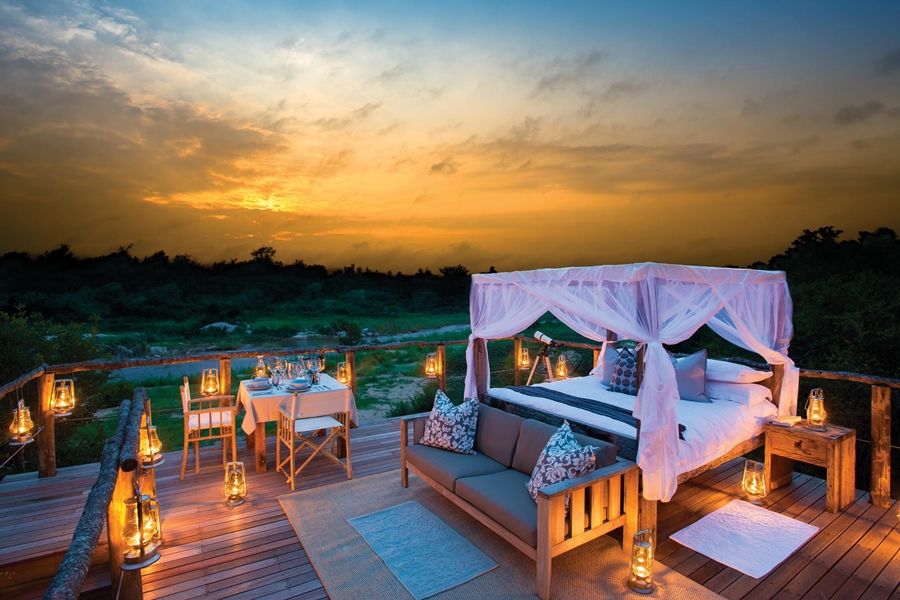
Serengeti Hot Air Balloon Safari offer an unforgettable way to see Tanzania’s wildlife from above, combining breathtaking scenery with a unique perspective on the Great Migration, Big Five, and iconic savanna landscapes. Many travelers from Europe and the United States wonder whether a balloon safari Tanzania is worth the cost, and what experiences it truly offers. Growing up in Arusha, our team at Odysseys From Africa has guided countless visitors on balloon safaris, and we know how to maximize the experience safely and comfortably. This guide covers cost, safety, photography tips, timing, and everything you need to know to decide if a Serengeti balloon safari should be part of your itinerary. Is a Balloon Safari Worth It? Yes, a Serengeti hot air balloon safari and balloon safari Tanzania are worth it for most travelers. The combination of sunrise views, aerial wildlife encounters, and a champagne breakfast creates a once-in-a-lifetime experience. From above, you can observe predators stalking prey, herds migrating across the plains, and elephants moving silently between waterholes—a perspective impossible from the ground. What You’ll See on a Serengeti Hot Air Balloon Safari Aerial wildlife, sunrise landscapes, and migratory herds are the highlights of both a Serengeti hot air balloon and balloon safari Tanzania. Wildlife: Lions, elephants, giraffes, wildebeest, zebras, and predators in action Landscapes: Rolling savannas, Ngorongoro Crater rim, acacia trees, and river systems Photography Tip: Bring 24–70mm for landscapes, 100–400mm for wildlife For combined ground and aerial experiences, see Serengeti and Ngorongoro. Cost of a Balloon Safari Expect $500–$650 per person for a Serengeti hot air balloon or balloon safari Tanzania. Luxury or private options increase the price. Early booking may secure discounts Private baskets or extended flights cost more Consider combining with a ground safari for added value Packages reflect expert pilots, safety protocols, and exclusive wildlife access. Best Season to Fly June–October is ideal for a Serengeti hot air balloon or balloon safari Tanzania. Peak Migration Viewing: July–October for river crossings Shoulder Season: December–March offers fewer crowds and lush scenery Booking Tip: Reserve early; morning flights fill quickly during peak season Migration-focused itineraries can be explored on Migration Crossing Safari. Safety of Serengeti Hot Air Balloon Safari in Tanzania Balloon safaris are very safe when conducted by licensed operators. Pilots follow strict protocols, and rides are delayed or canceled if weather conditions are unsafe. Flight duration: 45–60 minutes Baskets include fire extinguishers, radios, and safety briefings Experienced Tanzanian pilots know the terrain intimately European and American travelers can confidently enjoy both Serengeti hot air balloon and balloon safari Tanzania experiences. The Sunrise Flight Experience Sunrise flights are breathtaking, providing unparalleled views of wildlife and landscapes. Take-off before sunrise for optimal lighting Observe predators, herds, and elephants from above Quiet flight allows wildlife to behave naturally Post-flight champagne breakfast in the bush completes the experience Luxury combinations are detailed in Best of Northern Tanzania. Photography Tips Bring the right lenses and anticipate wildlife movement on your Serengeti hot air balloon or balloon safari Tanzania. 24–70mm for landscapes; 100–400mm for wildlife Shutter speed 1/500s or higher, ISO 400–800 Stabilize camera using basket edges or bean bags Compose shots with wildlife in foreground and sunrise in background Photography-focused itineraries are available at Photographic Safaris. Flight Duration and Daily Schedule Rides last 45–60 minutes, with the full Serengeti hot air balloon or balloon safari Tanzania experience taking 3–4 hours. 4:30–5:00 AM: Lodge pickup 5:30 AM: Balloon launch 6:30–7:30 AM: Flight over Serengeti 7:30–8:00 AM: Landing and champagne breakfast 8:00–9:00 AM: Return to lodge Optional private or extended flights are available for photography or small groups. Clothing and Gear Recommendations Dress in layers, wear neutral colors, and protect yourself from sun and wind on your Serengeti hot air balloon or balloon safari Tanzania. Light jackets for early morning chill Comfortable shoes for launch/landing Hat, sunglasses, sunscreen Secure cameras and phones Combine Balloon and Ground Safaris Combining balloon and vehicle safaris offers a complete wildlife experience. Morning balloon flight, afternoon game drive View predators and herds from above, then close-up on land Ideal for photography and European/US travelers seeking a full Tanzania safari holiday Combination itineraries can be explored at Tanzania Explorer. US and European Traveler Tips Plan flights, visas, and insurance in advance for a smooth Serengeti hot air balloon or balloon safari Tanzania experience. Flights: Direct to Kilimanjaro via Amsterdam, Doha, Istanbul Visa: eVisa required for US/EU citizens Health: Vaccinations, malaria prophylaxis Travel insurance: Include medical emergencies, evacuation Safety Record and Regulations Tanzania enforces strict safety standards for balloon operators. Pilots only launch in safe wind conditions Safety briefings are mandatory Licensed operators follow international aviation standards Cost vs Value Balloon safaris are worth the investment for most travelers, offering once-in-a-lifetime experiences. Average: $500–$650 per person Includes pilot, fuel, park fees, and breakfast Luxury private baskets available for higher costs Even for budget-conscious travelers, the aerial perspective is often considered unmatched. Tips for a Memorable Flight Arrive early, dress in layers, and bring cameras ready. Confirm pickup time with lodge/operator Dress for early morning chill Keep cameras and phones secure Follow pilot instructions for landing Conclusion A Serengeti Hot Air Balloon Safari or balloon safari Tanzania is an unforgettable experience. Sunrise views, wildlife encounters, and luxury make it worth the investment. For a curated hot air balloon adventure, contact Odysseys From Africa. Call to Action Location: Arusha, TanzaniaEmail: info@odysseys-from-africa.comPhone: +254 (0) 710 450 797 | +255 (0) 652 810 255Website: https://odysseys-from-africa.com/

Read More
Is Tanzania safe for tourists 2026

Is Tanzania Really Safe for European and American Tourists?

Is Tanzania safe for tourists 2026 promises breathtaking landscapes, the Serengeti’s sweeping plains, the Ngorongoro Crater, and Zanzibar’s pristine beaches. But for first-time visitors from Europe or the United States, safety is often the top concern. The question arises: Is Tanzania safe for tourists 2026? Growing up in Arusha, our team at Odysseys From Africa understands both the beauty and potential risks of Tanzania. From navigating city traffic to planning remote safaris, we guide travelers on how to enjoy East Africa responsibly while minimizing risks. This comprehensive guide covers safety, health, cultural etiquette, safari precautions, and travel tips for European and American tourists. Overall Is Tanzania safe for tourists 2026 Tanzania is generally safe for European and American tourists. Violent crime is rare in tourist areas, and most safaris are secure with professional guides. Awareness and preparation are key. Tanzania’s government and safari operators maintain high safety standards, particularly in national parks and luxury lodges. Petty theft may occur in urban centers like Dar es Salaam or Arusha, but incidents are usually avoidable with simple precautions. Crime and Urban Safety Most urban areas are safe if you take basic precautions. Avoid walking alone at night and keep valuables secure. Tips for European and American Travelers: Use hotel safes for passports and cash Avoid poorly lit areas in Dar es Salaam or Arusha Take taxis recommended by hotels rather than hailing random cars Keep copies of travel documents European and American tourists often report feeling safe in lodges and safari camps, where access is controlled and security staff are present. Wildlife and Safari Safety African safaris are safe with licensed guides. Vehicle-based game drives minimize risk, and encounters with dangerous animals are managed professionally. Always follow ranger instructions on Serengeti and Ngorongoro tours Keep windows closed when predators are nearby Avoid leaving limbs outside vehicles when photographing wildlife Wear neutral clothing to avoid attracting attention Safaris in Tanzania are structured and regulated, with guides trained in both photography and safety protocols. For photography-focused safaris, check Photographic Safaris. Health and Medical Safety Vaccinations and precautions are essential for safe travel. Bring malaria prophylaxis, mosquito repellent, and stay hydrated. Recommended Health Precautions: Vaccinations: Yellow fever, Hepatitis A & B, Typhoid, Tetanus Malaria prevention: Prophylaxis and bed nets Safe drinking water: Bottled or purified water recommended Travel insurance covering medical evacuation Tanzania has good medical facilities in major cities, but remote safari lodges may require air evacuation for emergencies. European and American travelers should carry health documentation and insurance cards. Road Safety Driving in Tanzania requires caution. Stick to well-maintained roads, drive during the day, and avoid rural night travel. Urban traffic can be chaotic; follow local laws Safari roads in national parks are typically well-maintained for 4×4 vehicles Road conditions during rainy season can be challenging; plan accordingly For organized safaris, guides handle all transportation, reducing the risk for visitors. Cultural Etiquette and Social Safety Respect local customs and dress modestly. Tanzania is culturally conservative, and understanding etiquette enhances safety. Dress modestly in cities and villages Always ask permission before photographing locals Avoid political discussions or demonstrations Being respectful of local traditions not only ensures safety but also enhances your experience. Travel Logistics and Security Proper planning minimizes travel risks. European and American travelers should prepare visas, flight connections, and emergency contacts. US/EU citizens require visas (can be obtained online) Direct flights: JFK/LAX → Kilimanjaro via Amsterdam, Doha, or Istanbul Keep local emergency numbers handy; 112 works for police/ambulance For detailed travel planning, visit Travel Information. Safety in Zanzibar and Coastal Areas Zanzibar is generally safe, but petty theft and water safety require awareness. Avoid isolated beaches after dark Use hotel safes for valuables Swimming is safe in designated areas; check tides and currents Zanzibar offers luxury beach lodges and resorts, many with on-site security and private beach access (Best of Zanzibar). Safari Gear and Personal Safety Smart packing enhances both photography and safety. Keep essentials accessible, wear neutral colors, and carry identification. Recommended items: First aid kit Water bottle Sunscreen, hat, sunglasses Lightweight clothing layers Copy of passport and emergency contacts For photographic safaris, bring protective gear for cameras: dust covers, lens hoods, and secure bags. Insurance and Emergency Preparedness Travel insurance is essential. Make sure it covers medical evacuation, theft, and trip interruption. Policies for African safaris often include helicopter evacuation Ensure coverage includes adventure activities like hot-air balloon safaris Keep digital and paper copies of insurance documents Local Expertise and Guide Safety Using local guides is the safest way to explore Tanzania. Their knowledge of terrain, wildlife behavior, and cultural norms is invaluable. Guides minimize risks on hikes, safaris, and cultural tours They handle vehicle breakdowns, road conditions, and wildlife encounters For curated safaris, see Tanzania Explorer Growing up in Arusha, our team ensures European and American tourists feel secure while capturing incredible wildlife photography. Common Safety Mistakes to Avoid Overconfidence and lack of preparation are the main risks. Traveling alone in remote areas without guides Ignoring health precautions or vaccinations Leaving valuables in plain sight Not respecting local customs Preparation is the key to enjoying a safe, stress-free experience. Positive Safety Track Record Tanzania has a strong track record for safe tourism. Major parks, lodges, and safari operators prioritize visitor protection. Low incidence of violent crime in tourist areas Licensed safari guides and secure lodges Efficient emergency response in popular regions For multi-day safaris, explore Best of Northern Tanzania. Tips for European and American Tourists Small adjustments can greatly improve safety and comfort. Use hotel-recommended taxis Carry local currency for small purchases Learn basic Swahili greetings for respectful interactions Follow weather updates during rainy seasons Conclusion: Is Tanzania safe for tourists 2026? Yes. Is Tanzania safe for tourists 2026 for European and American tourists when following basic precautions. Health, cultural awareness, and safari guidance ensure a rewarding experience. Tanzania offers unforgettable wildlife adventures, rich cultural encounters, and stunning landscapes. By preparing, respecting local customs, and choosing licensed safari operators, European and American travelers can enjoy Africa safari safety…

Read More
gorilla trekking vs safari

Gorilla Trekking in Central Africa vs Safari in East Africa

For wildlife enthusiasts, Africa offers two iconic experiences: Gorilla trekking vs safari in the dense forests of Gorilla Trekking in Central Africa vs Safari in East Africa across the savannas of Tanzania and Kenya. Each adventure offers something unique—one gives intimate encounters with mountain gorillas, the other delivers dramatic landscapes teeming with the Big Five. Growing up in Arusha, our founders at Odysseys From Africa learned to track wildlife, understand seasonal movements, and photograph animals in their natural habitats. That expertise shapes how we plan Gorilla Trekking in Central Africa vs Safari in East Africa and advise US travelers comparing East and Central African wildlife experiences. This guide will help you determine which adventure fits your preferences, skill level, and photographic ambitions, covering logistics, wildlife, photography tips, accommodation, and US-specific travel advice. Gorilla Trekking in Central Africa vs Safari in East Africa: Quick Overview Gorilla trekking and East African safaris are both unforgettable, but they differ in intensity, scenery, and species diversity. Gorillas offer rare, intimate encounters; safaris offer variety and sweeping landscapes. Feature Gorilla Trekking (Central Africa) East African Safari (Tanzania/Kenya) Main Species Mountain gorillas, golden monkeys Lions, elephants, leopards, rhinos, buffalo (Big Five), migratory herds Location Rwanda, Uganda Serengeti, Ngorongoro, Masai Mara Terrain Dense tropical forests, steep inclines Open savannas, rolling plains, craterlands Duration 1–4 hours trekking Half-day or full-day game drives Physical Demand Moderate to high Low to moderate, vehicle-based Where You’ll Go: Landscapes and Habitats Gorilla trekking is forest-based in misty volcanic landscapes, while East African safaris explore vast savannas, rivers, and craterlands—each shaping the wildlife encounters you can capture. Central Africa Gorilla Trekking Landscapes Volcanoes National Park, Rwanda: Cloud forests on volcanic slopes Bwindi Impenetrable Forest, Uganda: Dense rainforest, steep trails Rivers, waterfalls, and lush vegetation create dramatic photographic backdrops East African Safari Landscapes Serengeti National Park, Tanzania: Open plains, rolling hills, endless horizon Ngorongoro Crater: Natural amphitheater, high concentration of wildlife Masai Mara, Kenya: Riverine forests, savanna mosaics, seasonal migration Dramatic skies and golden light at dawn/dusk make for iconic photographs For example, explore detailed itineraries on Serengeti and Ngorongoro. Wildlife Encounters Gorilla Trekking in Central Africa vs Safari in East Africaoffers intimate encounters with fewer species, while safaris deliver diversity with mammals, birds, and migratory herds. Gorilla Trekking Wildlife Mountain gorillas: Up close, family groups, individual personalities Golden monkeys: Seasonal sightings Forest birds: African grey parrot, turacos, sunbirds East African Safari Wildlife Big Five: Lions, elephants, leopards, rhinos, buffalo Wildebeest and zebra herds during migration Hippos, crocodiles, giraffes, cheetahs Birds: eagles, vultures, storks, pelicans Photographers can capture intimate shots in Central Africa with a 100–400mm lens, while East Africa often requires 200–600mm for predators and migrating herds. Explore photography-focused itineraries on Photographic Safaris. Physical Requirements & Difficulty Gorilla trekking vs safari is more physically demanding than safaris, which are largely vehicle-based and accessible to most travelers. Gorilla Trekking: Uphill hikes, muddy and slippery trails, humid forest, 2–6 hours trekking per day Safari: Comfortable 4×4 game drives, optional guided walks, minimal strenuous activity Trekking requires sturdy footwear, lightweight backpacks, and a good fitness baseline Best Seasons to Visit Timing affects sightings, comfort, and photography conditions. Both experiences have dry seasons for optimal wildlife viewing. Gorilla Trekking: June–September & December–February (dry seasons for easier tracking) East African Safari: June–October & December–March (dry season for wildlife spotting) Migration viewing in Serengeti/Masai Mara peaks in July–October (Migration Crossing Safari) Photography Opportunities Gorilla Trekking in Central Africa vs Safari in East Africa offers close encounters; safaris provide variety and wide landscapes. Both require different lenses and techniques. Gorilla Photography Tips Lens: 100–400mm preferred Fast shutter speed for moving gorillas Diffused forest light requires ISO 800–1600 Respect distance rules (minimum 7 meters from gorillas) Safari Photography Tips Lens: 200–600mm for Big Five, 24–70mm for landscapes Burst mode to capture predators in action Early morning & late afternoon light is optimal Consider a bean bag for stabilization on vehicle roofs Accommodation & Luxury Options Both regions offer luxury lodges, but East African safaris provide more variety in vehicle-accessible camps. Gorilla Trekking: Volcanoes National Park, Rwanda – luxury lodges and eco-camps Bwindi Impenetrable Forest, Uganda – boutique forest lodges East African Safari: Serengeti tented camps, Ngorongoro lodges, Masai Mara luxury camps For curated experiences, check Best of Northern Tanzania Cost Comparison Gorilla trekking vs safari is pricier per day, while East African safaris can be tailored to multiple budgets. Gorilla permits: ~$700–$1,500/person East African safari: $300–$700/day (mid-range), higher for luxury Combination trips increase overall cost but provide comprehensive exposure Travel Logistics US travelers should plan flights, visas, and vaccinations. Central and East Africa require separate planning. Gorilla Trekking: Kigali (Rwanda), Entebbe (Uganda) → transfers to forest parks East African Safari: Kilimanjaro Airport → Arusha → Serengeti/Ngorongoro Visa & vaccination requirements vary; see Travel Information Safety Considerations Both regions are safe when using guided tours. Follow rangers’ instructions in gorilla parks and safari guides in savannas. Gorilla encounters are strictly regulated; groups of 8 people per gorilla family Vehicles on safari follow professional guides with radios, GPS, and safety protocols Which Should You Choose? Gorilla Trekking in Central Africa vs Safari in East Africa is ideal for intimate, rare wildlife encounters; East African safaris suit those seeking variety, landscapes, and Big Five sightings. For first-time travelers wanting iconic Africa imagery → East African safari For repeat travelers or primate enthusiasts → Gorilla trekking For a complete experience → combine both in extended itineraries (Tanzania Explorer)

Read More
photographic safari
Photographic Safaris·

Best Camera for Safari: Gear, Lenses & Accessories for African Wildlife

Africa’s wildlife offers some of the most exhilarating photographic opportunities on the planet. From the dramatic savannas of the Serengeti to the predator-filled Ngorongoro Crater, capturing perfect wildlife shots requires careful preparation. The best camera for safari isn’t just about brand or megapixels—it’s about knowing which gear performs in extreme dust, unpredictable wildlife behavior, and rapidly changing light conditions. Growing up in Arusha, our founders at Odysseys From Africa learned how fast wildlife moves, how dusty game drives get, and how African sunlight can affect photography. This guide is tailored for US travelers, providing practical advice to pack and use safari photography gear effectively, while also connecting to our curated safari packages. Camera Bodies You Need for the best camera for safari Photography Bring two camera bodies—one main and one backup. Wildlife encounters happen fast, and swapping lenses in dusty conditions can cause missed moments and damage. Why Two Bodies Matter On safari, you never know when a lion, elephant, or cheetah will appear. Two camera bodies allow you to: Keep a long lens ready for distant action Avoid exposing sensors to dust when changing lenses Capture simultaneous events (e.g., predator stalking + sunrise scene) For example, on itineraries like Serengeti and Ngorongoro, sightings often happen back-to-back—so instant lens access is critical. Full-Frame vs APS-C Cameras Both formats are excellent for safari, depending on your style: Full-Frame Advantages: Superior low-light performance for dawn/dusk photography Greater dynamic range under harsh sunlight Cleaner images for storytelling, landscapes, and portrait shots APS-C Advantages: Crop factor gives extra reach for distant wildlife Lighter weight for long drives More affordable as a secondary body Many photographers pair a full-frame main body with an APS-C backup, creating flexibility without overpacking. Must-Have Camera Features Fast autofocus, preferably with animal eye detection High burst rate (10+ fps) Silent or electronic shutter Dual memory card slots Weather-sealed body In predator-heavy areas like Serengeti National Park, silent shooting prevents disturbing animals. Choosing the Best Lenses for Safari Wildlife Photography A 100–400mm or 200–600mm lens is essential. Pair it with a mid-range zoom for landscapes, cultural encounters, and storytelling shots. Telephoto Lenses: The Safari Workhorse Telephoto lenses give you reach without disturbing wildlife. Recommended options: 100–400mm zoom: Most versatile safari lens 200–600mm zoom: Best for distant animals and birds 300–400mm prime: Exceptional sharpness but less flexible During the Migration Calving Safari, a 100–400mm allows fast reframing from newborn wildebeests to predators without changing lenses. Mid-Range Zoom Lenses 24–70mm: Portraits, lodge interiors, cultural encounters 24–105mm: Landscape storytelling and versatile walk-around shots These lenses excel in Ngorongoro Crater landscapes and village photography. Memory Cards, Storage, and Backup Tips for Safari Cameras Bring more memory cards than you think and back up daily. Losing photos in the bush is permanent. Recommended Setup Multiple 128GB–256GB high-speed cards Rugged SSD (1–2TB minimum) Laptop or tablet for nightly backups For multi-day trips like Best of Northern Tanzania, daily backups prevent data loss after shooting 1,000+ images per day. Batteries and Power Essentials for Safari Camera Gear Carry 3–4 batteries per camera body. Charging opportunities are limited at camps and during long drives. Power Reality Outlets in lodges may be solar or limited Long drives prevent charging during the day Pack: Extra batteries Dual battery charger Compact power strip High-capacity power bank Cold mornings especially drain batteries, so extra backup is essential. Camera Support: Why Bean Bags Are Better Than Tripods on Safari Skip tripods—bring a bean bag. Vehicles are not tripod-friendly, and a bean bag stabilizes lenses effectively. Bean bags: Stabilize long lenses Fit roof hatches or window ledges Light and portable Check if your safari vehicle provides bean bags—most lodges do, but not always. Protecting Your Camera Gear from Dust and Weather Dust is the biggest threat—not rain. Rain covers and microfiber cloths are essential. Must-Have Protection Rain/dust covers Microfiber cloths Rocket blower Dry bags for Zanzibar or boat excursions Game drives in Serengeti and Ngorongoro mean constant dust, even on clear days. Optimal Camera Settings for Safari Wildlife Photography Use Aperture Priority or Manual with Auto ISO. Wildlife is unpredictable, and light changes rapidly. Recommended Settings Shutter: 1/1000s (fast-moving animals) Aperture: f/5.6–f/8 Auto ISO with limit Continuous autofocus + burst mode This is critical for action scenes on a Migration Calving Safari. Must-Have Accessories for the best camera for safari Setup Small accessories save shots. Don’t overlook cleaning kits, gaffer tape, and neutral clothing. Essential items: Lens cleaning kit Headlamp Gaffer tape Quick-release camera strap Neutral clothing Flying from the US with Your Safari Camera Gear Carry all camera gear in the cabin. Never check cameras or batteries. US-Specific Tips Routes: JFK/LAX via Amsterdam, Doha, Istanbul Soft-sided camera backpacks fit overhead bins Lithium batteries must be in carry-on For more, see our Travel Information page. Matching Camera Gear to Your Safari Itinerary Your itinerary dictates the gear you need. Short trips, multi-region, and migration-focused safaris require different lenses. Migration action → Migration Crossing Safari Short trips → Short Serengeti Multi-region → Tanzania Explorer See all routes: Safaris Destinations or All Destinations. Common Mistakes When Packing Camera Gear for Safari Overpacking and under-preparing ruin more shots than poor cameras ever could. Avoid: Too many lenses Neglecting dust protection Shooting only animals (capture camp and culture) Forgetting to enjoy the experience Why Local Expertise Matters for Safari Photography Local guides and knowledge make the difference. They put you in the right place at the right time. Growing up in Arusha, our team learned animal behavior before guiding guests. This insight shapes photographic safari itineraries, ensuring optimal lighting, timing, and positioning. Final Packing Checklist for the best camera for safari Gear Quick Answer: Pack light, pack smart, and have backups. Two camera bodies 100–400mm or 200–600mm lens Mid-range zoom Extra batteries & cards Bean bag Dust & rain protection Plan Your Photographic Safari in Tanzania Africa rewards preparation. With the best camera for safari and a locally guided itinerary, your Tanzania safari holiday becomes a visual legacy. Location: Arusha, TanzaniaEmail: info@odysseys-from-africa.comPhone: +254 (0) 710 450 797 | +255…

Read More
Authentic Maasai cultural experiences
Niche·

Authentic Maasai Cultural Experiences in Kenya and Tanzania You Can’t Miss

The Authentic Maasai cultural experiences are one of East Africa’s most iconic tribes, celebrated for their vibrant clothing, intricate beadwork, and centuries-old traditions. Experiencing their culture firsthand allows travelers to gain unique insights into the daily lives and philosophies of this remarkable community. The Maasai people primarily inhabit regions in southern Kenya and northern Tanzania, living in harmony with wildlife and pastoral life. For travelers from the United States, visiting these communities offers both adventure and cultural enrichment, far beyond the surface-level tourist experiences often marketed in East Africa. In this guide, we’ll explore how to engage respectfully and authentically with the Maasai, plan your cultural safari, capture incredible photographs, and ensure your visit benefits the communities you encounter. Why Choose Ethical Cultural Tours Ethical cultural tours prioritize the well-being of the Maasai people while offering travelers genuine and meaningful experiences. These tours avoid exploitative practices and support community-led initiatives, ensuring your visit has a positive impact. Many travelers unknowingly participate in “tourist trap” experiences, where Maasai villages are staged solely for visitors. Authentic Maasai cultural experiences, however, are designed with community input. Programs often involve genuine interaction with elders, participation in traditional activities, and contributions that benefit local schools, health centers, and artisan projects. Odysseys From Africa, founded by Tanzanians who grew up in Arusha, ensures that every cultural experience reflects local knowledge and heritage. US travelers, in particular, should be mindful of cultural norms such as respecting elders, asking permission before photographing, and understanding local etiquette. Tipping practices differ from the United States, and tour guides can provide guidance to make your engagement respectful and impactful. For more information on travel preparation, visit Travel Information. Top Authentic Maasai cultural experiences in Kenya Kenya’s Maasai communities offer immersive cultural experiences, including village visits, traditional ceremonies, and hands-on workshops. Travelers can witness authentic lifestyles while actively supporting community initiatives. Visiting Maasai Villages The Maasai villages around Amboseli National Park and the Maasai Mara are excellent for understanding day-to-day life. Visitors can observe how families manage livestock, construct their iconic mud-and-stick homes, and sustain their communities through traditional methods. Unlike staged tourist experiences, ethical village tours provide an opportunity to learn while giving back. Traditional Ceremonies and Performances Participating in Maasai dances, singing, and ceremonies is an unforgettable experience. Many tours include opportunities to observe the “Adumu” jumping dance, performed by young warriors during initiation events. Travelers should approach these ceremonies with sensitivity, refraining from interrupting sacred moments or taking intrusive photographs. Beadwork Workshops Maasai women are renowned for their intricate beadwork, which reflects social status, age, and personal achievements. Visitors can participate in workshops where artisans teach the techniques behind necklaces, bracelets, and ceremonial adornments. Purchasing directly from the creators ensures your support benefits the community. Photography Tips For cultural photography in Kenya, we recommend a 24–105mm lens for close-up portraits and group interactions. Wide-angle lenses can capture village layouts and ceremonies, but always ask permission first. A respectful approach ensures that your photos tell authentic stories rather than exploit subjects. To plan cross-border cultural and safari experiences, see Best of Northern Tanzania. Top Authentic Maasai cultural experiences in Tanzania Tanzania’s Maasai communities, particularly near the Serengeti and Ngorongoro, provide rich cultural engagement opportunities. These experiences allow travelers to participate in daily life, craft traditions, and livestock management while supporting local initiatives. Village Visits in Arusha and Karatu The northern regions of Tanzania are home to Maasai villages that maintain traditional pastoral lifestyles. Visitors can witness daily routines such as milk collection, herding cattle, and cooking over open fires. Tours emphasize mutual respect, providing a platform for Maasai to share their history and way of life on their own terms. Cultural Workshops Tourists can learn traditional crafts, including beadwork, basket weaving, and pottery. Workshops often include storytelling sessions where elders recount tales of Maasai ancestry and their relationship with the land. These experiences are ideal for families and travelers seeking immersive, educational engagement. Integrating Maasai cultural experiences with Safari Tanzania’s Maasai villages are often located near iconic wildlife regions, making it easy to combine cultural immersion with safari adventures. Tours such as Serengeti and Ngorongoro allow travelers to witness the Great Migration, while also engaging with Maasai communities living alongside these landscapes. Photography Tips For candid life and wildlife shots, a 100–400mm telephoto lens is ideal. It enables capturing daily activities, wildlife in the background, or ceremonies without intruding. A tripod and polarizing filter can improve clarity and minimize glare during outdoor sessions. Always remain discreet and ask for consent before photographing individuals. US Traveler Considerations Visitors from the United States should note: Direct flights from JFK, LAX, or other major hubs connect via Nairobi or Dar es Salaam. US citizens require a Tanzania eVisa, obtainable online before arrival. Safety standards in northern Tanzania are generally high, but travelers should follow local guidance, especially in remote villages. Planning Your Cultural Safari Combining Maasai cultural experiences with a Tanzania safari holiday creates a dynamic and memorable journey. Custom itineraries ensure travelers enjoy both adventure and ethical cultural engagement. Suggested Itineraries For a 7–14 day safari, a recommended itinerary could include: 2–3 days in Maasai villages near Arusha or Karatu 3–4 days on safari in the Serengeti, observing wildlife and the migration Optional extension to Zanzibar for coastal relaxation (Short Zanzibar) Safari Packages Odysseys From Africa offers a variety of packages that combine culture with adventure: Migration Calving Safari for witnessing newborn wildebeest and their predators Photographic Safaris tailored for those seeking optimal photography opportunities Custom packages can include village homestays, craft workshops, and immersive learning sessions US Traveler Tips Best months: June–October for dry-season safaris; December–March for cultural ceremonies Health preparations: routine vaccines plus yellow fever certification Travel insurance recommended for medical coverage and trip protection Planning a trip that combines culture and wildlife ensures a more meaningful and educational journey for US travelers, emphasizing respect for Maasai traditions and conservation efforts. Photographic and Cultural Etiquette Respectful photography and etiquette are essential to maintain trust and authenticity during Maasai cultural…

Read More
luxury travel Africa
Niche·

Regenerative Travel Tanzania: Unforgettable Community-Led Experiences

Regenerative travel Tanzania goes beyond traditional sustainability. Unlike eco-tourism, which aims to minimize harm, regenerative travel actively restores and enhances local environments, economies, and communities. Through thoughtful planning, community-led projects, and responsible travel practices, visitors can leave Tanzania’s wildlife reserves, villages, and natural landscapes better than they found them. Growing up in Arusha, our team at Odysseys From Africa has witnessed firsthand how community-led tourism Tanzania initiatives strengthen local economies, preserve cultural heritage, and maintain biodiversity. This guide explains what regenerative travel is, why it matters in Tanzania, and how travelers from the US and Europe can participate safely and responsibly. What is Regenerative Travel Tanzania? Regenerative travel Tanzania is tourism that restores ecosystems, supports local communities, and leaves a positive impact. It goes beyond “do no harm” by actively improving the destination. Travelers engage with local projects that conserve wildlife and habitats Cultural experiences directly benefit community livelihoods Local guides and businesses are prioritized to ensure economic regeneration For sustainable travel planning across Tanzania, see Tanzania Explorer. The Difference Between Sustainable and Regenerative Tourism Sustainable tourism minimizes harm, but regenerative tourism actively improves the destination. Sustainable tourism: Reduces environmental footprints (e.g., low-impact lodges, eco-friendly transport) Regenerative travel: Restores ecosystems, funds community projects, and improves local social systems Example in Tanzania: Supporting reforestation programs in Ruaha while funding local schools By choosing community-led tourism Tanzania, visitors participate in both conservation and development projects. Key Principles of Regenerative Travel in Tanzania Regenerative travel focuses on community engagement, conservation, and responsible experiences. Community Empowerment: Local guides, cultural tours, and artisans directly benefit from tourism Ecological Restoration: Activities fund wildlife protection, anti-poaching initiatives, and reforestation Cultural Preservation: Tourism supports local traditions, crafts, and educational programs Visitor Accountability: Travelers reduce waste, support local businesses, and respect cultural norms Long-Term Impact: Projects are designed to improve livelihoods and ecosystems over decades Examples of regenerative projects can be explored through Travel Information. Community-Led Tourism Tanzania: How It Works Community-led tourism Tanzania gives local communities the leadership role in defining experiences and receiving economic benefits. Villages design tours around their traditions, wildlife stewardship, or craft workshops Visitors pay entrance fees or contributions directly supporting schools, clinics, or water projects Lodges hire local staff and source food from nearby farms, keeping money circulating in the community Many of these experiences are located outside the main northern parks, offering intimate interactions with local people while preserving cultural integrity. Regenerative Lodges and Camps Eco-lodges and camps in Tanzania implement regenerative practices to restore nature and empower communities. Nyerere National Park lodges: Use solar energy, run waste-to-compost programs, and fund local conservation Ruaha camps: Employ local staff, maintain water conservation practices, and educate guests about wildlife protection Lodges often include educational briefings on the ecosystem, conservation challenges, and regenerative efforts For curated safari lodging options, see All Destinations. Wildlife Conservation through Tourism Tourism revenue in Tanzania can fund anti-poaching, habitat restoration, and research projects. Anti-poaching initiatives: Supported by a portion of safari fees Wildlife corridors: Funds help maintain safe migration routes Endangered species monitoring: Guides inform travelers about ongoing conservation A regenerative approach ensures that your visit directly benefits Tanzanian wildlife, especially in southern parks like Nyerere and Ruaha, where revenue is vital for ongoing conservation. Boat Safaris and River Conservation Boat safaris in Nyerere National Park offer both unique wildlife experiences and support river ecosystem regeneration. Fees fund riverbank restoration and protect hippos, crocodiles, and bird habitats Visitors experience low-impact travel while learning about aquatic biodiversity Guides often involve communities in sustainable fishing and water management For detailed itineraries, check Tanzania Explorer. Cultural Experiences That Give Back Regenerative travel in Tanzania supports local crafts, music, and culinary traditions. Participate in village tours, cooking classes, or traditional ceremonies Purchase artisan crafts directly supporting families Engage in cultural preservation projects led by local elders Community benefits increase when tourists respect and follow local guidelines. Photography and Wildlife Tips Use your camera to showcase regenerative impacts without disturbing wildlife. Wildlife photography: 100–400mm lens recommended for observing animals at a safe distance Cultural photography: Ask permission, and respect privacy Landscapes: Wide-angle lenses capture restored habitats and eco-lodge surroundings For photography-focused itineraries, see Photographic Safaris. Practical Tips for US & European Travelers Plan flights, visas, and health precautions for a safe and ethical regenerative travel experience. Flights: Kilimanjaro International Airport (JRO) is primary gateway Visa: eVisa for US/EU citizens required Health: Vaccinations, malaria prophylaxis, and travel insurance recommended Ethical travel: Choose operators that prioritize community-led tourism Tanzania and environmental restoration Cost and Value of Regenerative Safaris Prices vary from $300–$700/day depending on lodges, inclusions, and guided projects. Most include game drives, community visits, or boat safaris A portion of fees directly supports local regeneration and wildlife initiatives Luxury lodges and private experiences cost more but maximize community and conservation impact Top Regenerative Experiences in Tanzania 5 ways travelers can actively participate in regenerative travel Tanzania: Village Cultural Tours: Engage with local communities while funding schools or clinics Eco-Lodge Conservation Programs: Participate in habitat restoration and wildlife monitoring Boat Safaris in Nyerere National Park: Observe river ecosystems and fund aquatic conservation Guided Walking Safaris in Ruaha: Learn about predator tracking and habitat management Photography with Purpose: Document wildlife and community projects, supporting awareness These activities provide both an unforgettable experience and meaningful contribution. Why Regenerative Travel Matters Tourism can leave a lasting positive impact on communities and ecosystems. Creates sustainable livelihoods for locals Ensures wildlife and habitats are protected for future generations Strengthens cultural preservation and pride Choosing regenerative travel ensures your safari leaves Tanzania better than you found it, unlike conventional tourism. Regenerative travel Tanzania transforms the way you experience Africa. By participating in community-led tourism initiatives, travelers contribute to ecological restoration, wildlife conservation, and cultural preservation. For an authentic and impactful Southern Tanzania safari, contact Odysseys From Africa to plan your community-led regenerative adventure today. Call to Action Location: Arusha, TanzaniaEmail: info@odysseys-from-africa.comPhone: +254 (0) 710 450 797 | +255 (0) 652 810 255Website: https://odysseys-from-africa.com/

Read More