Wild Adventures, Timeless Memories…

Odysseys From Africa

Safari Blog

Guides, itineraries and field notes from our safari specialists in Arusha — everything you need to plan your Tanzania and Kenya adventure.

Tanzania safari health tips
Niche·

Nature Photography Tours in East Africa | Wildlife Photography Workshop

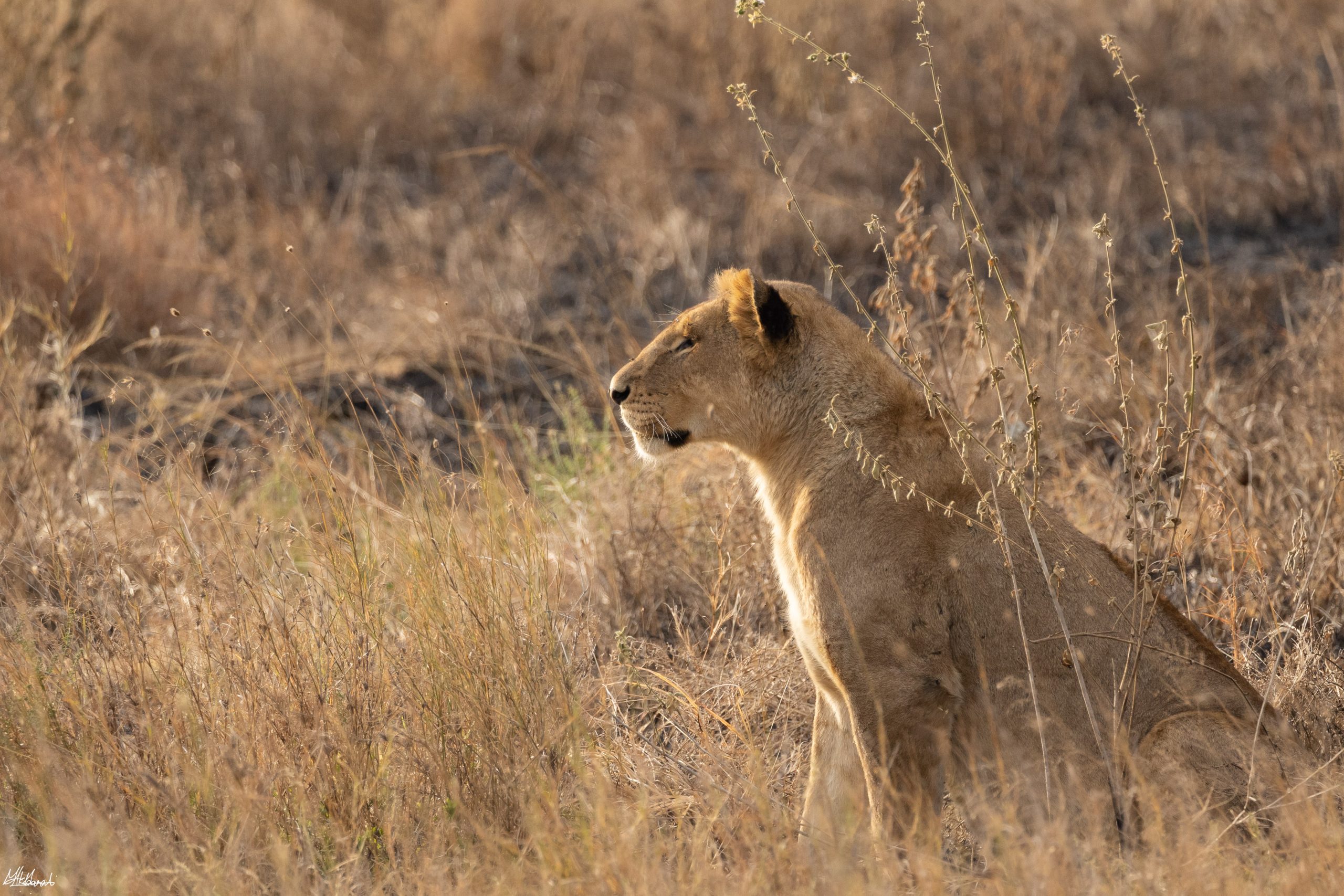
Nature photography tours East Africa offer a unique opportunity to capture the continent’s spectacular wildlife, landscapes, and cultures. Designed for all skill levels, these tours combine immersive safari experiences with hands-on photography workshops led by expert guides. Whether you are a seasoned photographer or a beginner eager to explore wildlife photography, East Africa’s parks and reserves—from the Serengeti to Amboseli and Zanzibar—provide the perfect backdrop. This guide highlights what to expect on nature photography tours, recommended gear, ideal itineraries, and tips to maximize your African wildlife photography experience. Why Nature photography tours East Africa Are Idealt East Africa’s diverse ecosystems, abundant wildlife, and stunning landscapes make it the ultimate destination for nature photography. Variety of Wildlife: Capture iconic species like lions, elephants, zebras, and giraffes in their natural habitats Diverse Landscapes: From savannas and volcanic craters to lush wetlands and tropical beaches, every frame tells a story Expert Guidance: Photography tours combine wildlife expertise with technical photography advice All Skill Levels: Tours are designed for beginners, intermediate photographers, and professionals seeking specialized instruction Explore multi-day photography-focused trips on Photographic Safaris. Top Destinations for Photography Tours East Africa offers multiple locations ideal for capturing wildlife, culture, and landscapes. Each destination provides unique photographic opportunities. Serengeti National Park Famous for the Great Migration, Serengeti offers endless wildlife photography opportunities year-round. Early morning and late afternoon drives for optimal light Capture migration herds, predators in action, and intimate animal behaviors Recommended lenses: 100–400mm for wildlife, 24–70mm for landscapes Lodges with rooftop decks for panoramic shots Combine wildlife and cultural experiences on Serengeti and Ngorongoro. Maasai Mara (Kenya) The Mara is perfect for photographers seeking dramatic predator-prey interactions and classic African landscapes. Small-group drives allow close access without disturbing wildlife Hot-air balloon photography options for aerial perspectives Birding photography opportunities for smaller species and flamingos Amboseli National Park Iconic views of elephants with Mount Kilimanjaro in the background provide timeless compositions. Best lighting: early mornings with soft golden sunlight Opportunities for close-up elephant shots and cultural portraits of Maasai herders Zanzibar Extension After savanna photography, Zanzibar offers tropical landscapes, colorful architecture, and coastal wildlife for diverse photographic subjects. Stone Town and spice farms for vibrant cultural photography Beach and ocean photography with sunrise and sunset options Snorkeling and dhow trips for underwater and seascape photography Extend your photography-focused experience with Short Zanzibar. Photography Workshops and Instruction Guided photography workshops help travelers of all levels improve their skills while capturing East Africa’s beauty. Wildlife Photography Techniques: Learn composition, lighting, and lens selection for moving subjects Landscape Photography: Tips for wide-angle shots, panoramic stitching, and golden-hour lighting Post-Processing Skills: Guidance on editing techniques for professional-quality images Cultural Photography: Ethical approaches to photographing local communities Consider multi-destination photography tours on Tanzania Explorer. Recommended Photography Gear Selecting the right gear ensures you are ready for diverse conditions and subjects. Camera: DSLR or mirrorless with fast autofocus Lenses: Telephoto (100–400mm), standard zoom (24–70mm), optional wide-angle for landscapes Accessories: Tripod or monopod, extra batteries, memory cards, lens cleaning kit Optional: Drone photography (where permitted) for aerial perspectives Planning Your Photography Safari Itinerary A carefully planned itinerary maximizes wildlife sightings, cultural interactions, and photographic opportunities. Suggested 10-Day Photography Tour Day 1–2: Arrival in Nairobi & Arusha – Meet guides, prepare gear, and review the itinerary Day 3–5: Serengeti National Park – Capture wildlife during the Great Migration or Big Five sightings Day 6–7: Ngorongoro Crater & Tarangire – Explore crater ecosystems and elephant herds with guided instruction Day 8–10: Zanzibar Extension – Photograph beaches, local villages, and spice farms for cultural and seascape images Explore specialized wildlife photography experiences on Migration Calving Safari. Tips for Capturing Wildlife Ethically Respect for animals and local ecosystems is essential for ethical photography. Maintain safe distances from wildlife to avoid disturbance Use long lenses for close-up shots instead of approaching animals Avoid flash photography at night Respect local customs and obtain permission when photographing people Combine wildlife and cultural photography on Best of Northern Tanzania. Solo and Small Group Photography Travel Photography tours are ideal for solo travelers or small groups seeking personalized instruction and flexibility. Small groups ensure individual attention from guides Shared vehicles allow photographers to adjust angles and shooting positions Solo travelers benefit from supportive peer communities and social meals For photography-focused solo or small group trips, see Photographic Safaris. Preparing for Changing Nature photography tours East Africa Conditions Weather and light conditions impact photography; preparation ensures consistent results. Dry Season (June–October): Optimal light and concentrated wildlife sightings Wet Season (November–May): Lush landscapes, dramatic skies, and fewer tourists Temperature: Layered clothing for early morning drives Dust & Humidity: Protective gear for cameras and lenses Post-Processing and Sharing Your Work Post-processing enhances the storytelling aspect of your photographs. Use Lightroom or Photoshop for exposure, color correction, and cropping Create photo journals or slideshows to document the journey Share your work ethically with credits to guides and communities Some lodges offer workshops for editing and printing images Combining Photography with Cultural Experiences In addition to wildlife, cultural interactions add depth to your photographic story. Maasai villages and markets provide vibrant portrait opportunities Spice farms in Zanzibar offer color, texture, and storytelling elements Festivals, ceremonies, and daily life are ideal for candid, respectful photography Integrate wildlife and cultural photography with Serengeti and Ngorongoro. Travel and Safety Tips for Photographers East Africa is generally safe for photography tours, but preparation is key. Vaccinations and Health: Recommended for malaria, yellow fever, and routine vaccinations Travel Insurance: Cover for equipment, medical emergencies, and trip cancellations Security: Keep cameras and valuables secure at all times Flight Logistics: US travelers can connect via Nairobi or Kilimanjaro airports Local Guides: Experts provide guidance for both safety and photography optimization Learn more about travel prep on Travel Information. Wellness and Mindfulness for Photographers Long safari days can be physically demanding; wellness ensures focus and creativity. Hydration, rest, and proper meals for sustained energy Short meditation or reflection breaks to capture natural moments mindfully Stretching and light exercise during midday downtime Enjoy…

Read More
African photographic safari
Photographic Safaris·

Expert Tips for the Ultimate African Photographic Safari

African photographic safari is the perfect way to capture the Big Five, stunning landscapes, and authentic wildlife behavior. With proper planning, gear, and expert guidance, your safari can turn into an unforgettable wildlife photography tour in Tanzania. Whether you’re a beginner or professional, Tanzania offers some of the best opportunities for wildlife photography. Growing up in Arusha, our team knows where to find dramatic landscapes, predator-prey interactions, and unique wildlife moments that make your photographic safari Africa truly remarkable. Why African photographic safari is Special Photographic safaris are tailored for capturing wildlife, landscapes, and culture through your lens. Unlike regular safaris, these tours are designed to optimize lighting, timing, and composition for incredible photographs. Dedicated wildlife photography tours allow more time at photogenic locations. Expert guides help track wildlife and advise on angles, lighting, and shutter speed. Opportunities include Big Five encounters, migratory herds, and scenic landscapes. Internal Link: Explore expert itineraries with Photographic Safaris. 1. Choose the Best Time and Place Timing and location are essential for a successful photographic safari Africa. Dry season and migration periods offer the best wildlife and lighting conditions. Serengeti National Park: Perfect for capturing wildebeest migration and predator-prey action. Ngorongoro Crater: Concentrated wildlife and scenic landscapes. Tarangire National Park: Baobabs and elephant herds for iconic compositions. Lake Manyara: Birdlife and tree-climbing lions offer unique shots. For migration-focused photography, see Migration Calving Safari. 2. Select the Right Safari Type: Private vs Group Private photographic safaris offer flexibility and exclusive access, while small group wildlife photography tours allow learning from peers and cost-sharing. Private Safaris: Full control over timing, stops, and compositions. Ideal for couples, families, or photography-focused trips. Group Safaris: Structured itinerary, more social interaction, and lower per-person cost. Combine flexibility and luxury with Tanzania Explorer. 3. Gear Up for Success Using the right gear ensures you capture every detail, from the fur of a lion to the patterns on a bird. Essential Equipment: DSLR or mirrorless camera with fast autofocus Telephoto lens (100–400mm) for wildlife Wide-angle lens (16–35mm) for landscapes Tripod or monopod for stability Extra memory cards and batteries Optional: Drone (where permitted) Quick Tip Pack gear in lightweight padded bags for quick access during wildlife drives. 4. Master Wildlife Photography Techniques Understanding animal behavior, lighting, and composition transforms snapshots into professional photographs. Golden Hour: Shoot early morning or late afternoon for soft light Rule of Thirds: Place wildlife off-center for balanced images Action Shots: Capture hunting, interaction, or migration behavior Perspective: Low angles enhance drama and intimacy Patience: Wait quietly for authentic wildlife moments Improve skills with Photographic Safaris expert guides. 5. Capture Landscapes and Scenery African landscapes enhance wildlife photos, providing depth, context, and dramatic composition. Serengeti plains at sunrise Ngorongoro crater rim for dramatic shadows Tarangire baobabs silhouetted at sunset Lake Manyara flamingos for vibrant color Combine wildlife and landscape photography on Best of Northern Tanzania. 6. Include Local Culture and People Adding human elements enriches your story and provides contrast to wildlife images. Maasai village visits for traditional dress and ceremonies Spice farms in Zanzibar for colorful, aromatic shots Community projects to highlight conservation efforts Candid shots of travel companions or guides Extend photographic opportunities with Short Zanzibar. 7. Optimize Your Safari Itinerary A well-planned itinerary balances wildlife, landscapes, and cultural experiences to maximize photography opportunities. Sample 7-Day Itinerary: Arrival in Arusha, settle into a lodge Tarangire National Park, morning and afternoon drives3-4. Serengeti National Park, optional hot air balloon ride for aerial shots Ngorongoro Crater, crater rim and wildlife tracking Lake Manyara, birds and tree-climbing lions Optional Zanzibar extension for coastal photography Customize your itinerary with Tanzania Explorer. 8. Plan for Post-Processing Editing your photos enhances composition, color, and clarity while keeping natural aesthetics intact. Adjust exposure and white balance Crop for framing and balance Sharpen wildlife subjects without adding noise Use selective edits to emphasize background or skies Backup RAW files for maximum flexibility 9. Avoid Common Photography Mistakes Being aware of typical pitfalls helps you get professional-quality images without frustration. Avoid harsh midday light; prefer golden hour Pack only essential gear for mobility Observe animal behavior to anticipate action Shoot through open-top vehicles for cleaner images Carry backup memory and batteries 10. Travel, Safety, and Practical Tips Proper travel planning ensures a smooth photographic safari Africa experience, especially for US travelers. Flights: Connect via JFK or LAX to Kilimanjaro or Arusha Visa: $50 for US citizens, available on arrival Health: Malaria prophylaxis and recommended vaccinations Clothing: Neutral colors, sun protection, comfortable shoes Gear: Keep cameras protected from dust and moisture Review full guidance at Travel Information. Ethical and Sustainable Photography Responsible photography protects wildlife, local communities, and Tanzania’s natural resources. Maintain distance from animals Avoid disturbing wildlife for a shot Support eco-lodges and local guides Credit guides and communities when sharing images Conclusion & Call to Action African photographic safari combines adventure, learning, and unforgettable imagery. With planning, the right gear, and expert guidance, your Tanzania wildlife photography tour will produce lasting memories and stunning photos. Turn your safari into a photographic masterpiece. Request a custom photographic safari proposal today to create a tailored itinerary focused on wildlife, landscapes, and cultural photography. Location: Arusha, TanzaniaEmail: info@odysseys-from-africa.comPhone: +254 (0) 710 450 797 | +255 (0) 652 810 255Website: Odysseys From Africa

Read More
Zanzibar luxury travel

The Ultimate Zanzibar Beach Holidays and Island Escapes

Zanzibar beach holidays offer the perfect blend of turquoise waters, powder-white sand, and rich Swahili culture. From exploring historic Stone Town to relaxing at all-inclusive resorts, travelers enjoy both adventure and leisure in one destination. For US travelers, our Tanzanian-born team ensures seamless connections from mainland safaris to the island, with curated itineraries that maximize beach, cultural, and island experiences. Why Zanzibar is a Must-Visit Destination Zanzibar combines natural beauty with cultural heritage, making it a unique island escape. Pristine beaches with calm, warm waters Vibrant coral reefs for snorkeling and diving Stone Town’s UNESCO-listed streets and spice markets Authentic Swahili cuisine and cultural experiences Visitors can explore Short Zanzibar for tailored island itineraries that complement mainland safaris. Planning Your Zanzibar Beach Holiday Optimal planning ensures you enjoy the island without missing key experiences. Duration: 3–5 nights recommended for full relaxation Timing: June–October dry season for sun and minimal rain Transfers: Short domestic flights from Arusha or Kilimanjaro Accommodation: All-inclusive resorts, boutique lodges, or private villas Combine your safari adventure with Zanzibar in a Tanzania safari and Zanzibar combo for a complete East Africa journey. Top Beaches for Relaxation Zanzibar’s coastline offers diverse beach experiences, from family-friendly stretches to romantic hideaways. Nungwi Beach: Vibrant area with beach clubs and water sports Kendwa Beach: Calm waters ideal for swimming and snorkeling Paje Beach: Kite surfing hub with scenic sandbars Matemwe Beach: Secluded resorts and coral reef exploration Luxury travelers often select resorts that combine beachfront views with private services, enhancing both comfort and privacy. Exploring Stone Town and Cultural Heritage Stone Town is Zanzibar’s cultural heart, blending Arab, Persian, Indian, and European influences. Narrow streets and carved wooden doors Spice market tours and traditional cooking classes Museums and historical architecture Guided walking tours with local experts Visitors gain a deeper understanding of the island beyond the beaches, creating meaningful cultural connections. Spice Farm and Island Excursions Zanzibar is famously the “Spice Island,” and visiting plantations is a highlight for many travelers. Guided tours of cloves, cinnamon, nutmeg, and vanilla plantations Hands-on experiences like picking and tasting spices Opportunity to support local farmers and ethical tourism initiatives Combine this with leisure activities like snorkeling or dhow cruises for a balanced island itinerary. Recommended Zanzibar Resorts and Lodges Your choice of accommodation shapes the quality of your beach holiday experience. Luxury All-Inclusive Resorts Oceanfront villas with private pools Gourmet dining and bar services Spa treatments and personalized excursions Boutique Lodges Small-capacity lodges for exclusivity Immersive cultural or eco-friendly experiences Personalized service and curated activities For US travelers seeking a combination of safari and beach, Best of Zanzibar offers curated lodging options. Water Activities and Adventure Zanzibar provides a wide range of water-based activities for thrill-seekers and leisure travelers alike. Snorkeling and scuba diving over coral reefs Dhow sailing and sunset cruises Kite surfing and paddleboarding Deep-sea fishing excursions All activities can be coordinated in advance through expert guides to ensure safety and maximize enjoyment. Seasonal Considerations for 2026 Choosing the right season enhances your experience on the island. Dry Season (June–October): Ideal for beach holidays, clear skies, and calm waters Green Season (March–May): Lush landscapes, fewer tourists, occasional tropical rain January–February: Warm waters, perfect for snorkeling and swimming Timing your trip to align with safari plans ensures a smooth, combined experience. Combining Zanzibar beach holidays A Zanzibar extension complements a mainland safari, creating the ultimate East Africa vacation. Smooth domestic flights from Arusha or Kilimanjaro Complementary experiences: wildlife game drives followed by island relaxation Perfect for US travelers maximizing long-haul trips Opportunity for photographic safaris combined with tropical beach photography Learn more through Tanzania Explorer for seamless safari-to-island packages. Photography Opportunities Across Zanzibar Zanzibar offers both natural and cultural photography subjects. Coastal sunsets over the Indian Ocean Traditional dhows and fishing villages Stone Town architecture and spice markets Coral reefs and vibrant marine life These experiences complement wildlife photography on the mainland for a complete portfolio. Travel Tips for US Visitors Planning ahead ensures a smooth and enjoyable vacation. Flights: Direct or connecting flights to Kilimanjaro or Zanzibar Visa: eVisa required for US citizens visiting Tanzania Health: Recommended vaccinations, malaria prophylaxis Currency and tipping: Guidance provided for smooth transactions Packing: Lightweight clothing, swimwear, sun protection, snorkeling gear Additional advice is available in Travel Information. Request Your Custom Zanzibar Beach Holiday Proposal Work with Tanzania and Zanzibar experts to design your perfect island escape, integrated with mainland safari experiences if desired. Location: Zanzibar & Arusha, Tanzania Email: info@odysseys-from-africa.com Phone: +254 (0) 710 450 797 | +255 (0) 652 810 255 Website: Odysseys From Africa Your 2026 Zanzibar holiday can be fully tailored for relaxation, cultural immersion, and luxury amenities.

Read More
Private guided safari Tanzania

The Benefits of a Private Guided Safari Tanzania

A private guided safari Tanzania offers a personalized experience that allows travelers to explore wildlife, landscapes, and culture at their own pace. Guests benefit from expert Tanzanian-born guides who know the parks intimately and can create a fully tailored itinerary. US travelers enjoy the flexibility, privacy, and insider knowledge that a private safari provides, from boutique lodges to exclusive game drives and photography opportunities. Personalized Safari Experiences Private safaris ensure that every element of your journey is customized to your interests, schedule, and comfort level. Tailored game drives focusing on species, photography, or birdwatching Flexible scheduling for early mornings, evenings, or mid-day rest Integration of cultural visits, hot-air balloon rides, or walking safaris Private vehicles for small groups or solo travelers For curated private itineraries, see Tanzania Explorer. Expert Local Safari Guides Tanzania Local safari guides provide unparalleled insight into wildlife behavior, tracking, and park navigation, enhancing every safari experience. Guides with Tanzanian heritage offer historical and ecological knowledge Expertise in spotting elusive wildlife and predicting animal movement Guidance on ethical photography, lens choice, and safety distances Personal storytelling and cultural context enrich the safari experience Learn more about professional guides in Serengeti and Ngorongoro. Wildlife Observation Advantages Private guided safaris maximize wildlife sightings by focusing on guest priorities and adjusting routes based on real-time animal activity. Access to off-the-beaten-path areas for unique wildlife encounters Personalized advice on photography, including shutter speed and framing Observation of predator-prey interactions in a safe and controlled environment Opportunities to witness seasonal phenomena like the Great Migration or calving season Enhance wildlife viewing with Migration Crossing Safari. Boutique and Luxury Lodge Stays Private guided safari Tanzania often include stays at boutique and luxury lodges, combining comfort, privacy, and proximity to prime wildlife zones. Smaller properties ensuring exclusivity and personalized service Luxury tented camps Serengeti with en-suite amenities and private decks Gourmet meals prepared from locally sourced ingredients Eco-conscious operations, including solar energy and water-saving practices Pair your lodge stay with curated itineraries in Best of Northern Tanzania. Photography and Scenic Opportunities Private guided safari Tanzania tailor the safari to optimize photographic opportunities, from sunrise game drives to sunset vistas. Early morning and late afternoon golden hours for exceptional lighting Strategic vehicle positioning for unobstructed shots Advice on camera equipment, lens selection, and composition Ethical photography practices ensuring minimal disturbance to wildlife Photography-focused private trips can be explored in Photographic Safaris. Cultural and Community Engagement Private guided safari Tanzania can include meaningful cultural interactions, providing insight into Tanzanian traditions and supporting local communities. Visits to Maasai villages or artisan workshops with ethical guidance Storytelling and photography opportunities respecting local customs Support for local economies through fair compensation and tourism revenue Integration of cultural experiences into personalized itineraries Enhance cultural engagement with Best of Zanzibar. Seasonal Planning for Private guided safari Tanzania Timing your safari correctly ensures the best wildlife sightings, comfortable conditions, and immersive experiences. Dry season (June–October) for concentrated wildlife and easier access Wet season (March–May) for lush landscapes, birdlife, and fewer tourists Migration season (June–October) and calving season (January–February) for dramatic wildlife events Guides advise on optimal routes, accommodations, and photography conditions Seasonal tips can be paired with Short Serengeti. Sustainability and Ethical Travel Private guided safari Tanzania increasingly emphasize sustainable practices, balancing comfort and conservation. Lodges and camps using renewable energy and minimizing environmental impact Ethical wildlife observation minimizing stress to animals Engagement in community-based conservation projects Waste reduction, recycling, and water-saving initiatives Combine sustainability with wildlife exploration in Migration Calving Safari. Planning Logistics for US Travelers US travelers benefit from guidance on flights, visas, health precautions, and safety to ensure a seamless private safari experience. Flights from JFK/LAX to Kilimanjaro International Airport with optimal transit options eVisa or visa on arrival for US citizens Health advice including vaccinations, malaria prophylaxis, and travel insurance Guidance on packing, photography gear, and bush safety Detailed travel guidance is available in Travel Information. Request Your Private Guided Safari Proposal Experience the ultimate personalized safari in Tanzania with local guides who create bespoke itineraries, combining wildlife, culture, photography, and luxury accommodations. Location: Arusha, Tanzania Email: info@odysseys-from-africa.com Phone: +254 (0) 710 450 797 | +255 (0) 652 810 255 Website: Odysseys From Africa Our team crafts private guided safaris for US travelers that balance adventure, comfort, cultural immersion, and sustainable practices for an unforgettable experience.

Read More
private vs group safari

Private vs Group Safari: Which is Right for You?

Choosing between a private and a group safari in Tanzania depends on your budget, travel style, and desire for personalization. Private safaris offer flexibility and intimacy, while group safaris provide social interaction and cost-sharing advantages. When planning a safari, understanding the differences between a private vs group safari is essential to ensure your African adventure matches your expectations. Growing up in Arusha, our team knows the advantages and limitations of each type of safari, from Serengeti game drives to cultural experiences with the Maasai. What is a Private Safari? A private safari is a fully customized experience where your group has exclusive use of the vehicle, guide, and itinerary. It is ideal for families, couples, or friends seeking flexibility and a personalized adventure. Benefits of a Private Safari Flexibility: You choose departure times, game drive duration, and parks to visit. Personalized Itinerary: Customize activities, include cultural visits, hot air balloon rides, or photography-focused excursions. Intimacy: Travel exclusively with your party, making it ideal for families or honeymooners. Expert Guidance: Guides tailor explanations and wildlife tracking to your interests. Ideal Travelers for Private Safaris Couples on honeymoon Families with children Wildlife photographers Travelers with specific timing or park preferences For a comprehensive multi-park itinerary, explore Tanzania Explorer. Honeymoon or romantic trips benefit from private options like Best of Northern Tanzania. What is a Group Safari? A group safari involves joining a set itinerary with other travelers, sharing the vehicle and guide. This option is cost-effective and provides social interaction, but less flexibility. Benefits of a Group Safari Lower Cost: Costs are shared among participants. Structured Itinerary: Itineraries are planned in advance, including accommodations and park visits. Social Interaction: Meet fellow travelers from around the world. Safety in Numbers: Especially helpful for solo travelers. Ideal Travelers for Group Safaris Budget-conscious travelers Solo adventurers Social travelers who enjoy meeting new people Group safaris often follow routes like Serengeti and Ngorongoro or Migration Calving Safari. Photography enthusiasts can join Photographic Safaris in small group settings. Comparing Costs: Private vs Group Safari Private safaris generally cost more due to exclusivity, while group safaris allow travelers to share expenses. Budget planning should consider accommodations, vehicle, guide, and park fees. Typical Price Differences Private Safari: Higher upfront cost; includes custom itinerary, private guide, and vehicle. Group Safari: Lower per-person cost; vehicle, guide, and park fees are shared. Budget Considerations Factor in park fees, meals, tips, and optional extras like hot air balloon rides. Private safaris can be cost-efficient for larger groups splitting the vehicle cost. Group safaris are ideal for solo or small-budget travelers seeking a complete experience without high upfront expenses. Flexibility and Customization Private safaris offer complete customization for game drives, park selection, and timing, while group safaris follow pre-set schedules with limited changes. Private: Adjust start times, extend wildlife viewing, and request specific experiences. Group: Departures, meals, and routes are predetermined to accommodate the group. Example: Couples on a private safari can schedule a sunrise Serengeti hot air balloon ride and a private dinner under the stars. For flexible multi-park itineraries, check Tanzania Explorer. Wildlife Viewing Experiences Both private vs group safari offer incredible wildlife encounters, but private safaris allow more intimate and unhurried experiences. Private Safari Advantages Stop whenever wildlife appears Personalized photography guidance Ability to explore lesser-visited areas Group Safari Advantages Structured viewing spots for guaranteed sightings Guides share expertise and knowledge among all travelers Opportunities to learn from others’ experiences For photographers, Photographic Safaris provide tailored wildlife photo tips. Social and Cultural Experiences Private safaris allow couples or families to experience cultural sites at their own pace, while group safaris provide shared social interactions with other travelers. Private: Personalized visits to Maasai villages or local schools Group: Meet fellow travelers while visiting iconic parks like Best of Northern Tanzania Ideal for Honeymooners or Families Private safari gives intimate cultural immersion without distractions. Group safari allows shared learning and interaction with diverse travelers. Safety, Comfort, and Logistics Private safaris provide control over comfort levels, pacing, and vehicle choice, while group safaris maintain safety through shared vehicles and guided itineraries. Private: Choose vehicles with air conditioning, privacy, and seating comfort. Group: Safe for solo travelers; accommodates multiple travelers with standardized vehicles. Travel Tips: US travelers can connect via JFK or LAX to Kilimanjaro or Arusha, with visas on arrival and malaria precautions recommended. For full travel guidance, see Travel Information. Ideal Itineraries: private vs group safari Private safaris allow highly tailored itineraries, whereas group safaris follow pre-planned schedules covering major parks efficiently. Private Safari Itinerary Example Day 1: Arrival in Arusha, private lodge welcome Day 2: Tarangire National Park, private game drive Day 3-4: Serengeti National Park, personalized drives and photography Day 5: Ngorongoro Crater, private guided cultural visit Day 6-7: Optional Zanzibar extension via Short Zanzibar Group Safari Itinerary Example Day 1: Arrival in Arusha, join group orientation Day 2-4: Serengeti National Park and Ngorongoro Crater, structured group drives Day 5: Tarangire National Park, shared lunch and guided tours Day 6-7: Optional group Zanzibar extension Photography and Memories of private vs group safari Private safaris allow uninterrupted photography with flexible timing, while group safaris offer opportunities to learn from other travelers and guides. Private: Capture wildlife and landscapes at your own pace Group: Guides provide tips for group photo opportunities Essential gear: 100–400mm telephoto lens for wildlife, wide-angle for landscapes Learn photography tips with Photographic Safaris. Who Should Choose Private vs Group Safaris? Private safaris suit travelers seeking flexibility, intimacy, or special occasions. Group safaris suit solo travelers, social travelers, or those with budget considerations. Private: Honeymooners, families with children, photographers, luxury travelers Group: Solo travelers, small budgets, people seeking social experiences Costs: Breaking Down the Numbers Understanding costs helps determine which safari fits your budget. Private safaris are higher in price but more personalized, while group safaris are more affordable per person. Type Typical Cost Notes Private Safari $400–$1,000/day Vehicle, guide, lodges all private Group Safari $200–$500/day Costs shared with other travelers Optional extras such as hot air balloon rides,…

Read More
romantic safari Africa

What to See During the Serengeti Calving Season 2026

The Serengeti calving season 2026 is one of the most spectacular wildlife events on Earth, with thousands of wildebeest giving birth across the southern plains. Visitors experience intense predator-prey dynamics, unforgettable wildlife photography opportunities, and immersive safari adventures. US travelers gain the most from Tanzanian-born guides who understand the timing, animal behavior, and the best lodges for observing the event in comfort and style. Understanding the Serengeti calving season 2026 The Serengeti calving season is a natural phenomenon when nearly half a million wildebeest give birth over a few weeks. This event attracts predators and creates dynamic, thrilling wildlife interactions. Peaks usually occur from late January to early February Predators including lions, cheetahs, and hyenas are highly active Other herbivores such as zebras and gazelles also have young Expert guides track and predict the best viewing locations For calving-focused safaris with luxury and expert guidance, see Migration Calving Safari. Wildlife Highlights Visitors witness newborn wildebeest, protective herds, and dramatic predator activity, offering unparalleled photographic and observational opportunities. Young wildebeest taking their first steps under the watchful eyes of mothers Predators in strategic hunting positions, showcasing natural selection Abundant birdlife drawn to the grazing herds and wetlands Seasonal movements of herbivores creating diverse wildlife interactions Combine wildlife viewing with expert lodge experiences in Serengeti and Ngorongoro. Photography Opportunities The calving season provides some of the most intense and rewarding photographic opportunities in Africa. Use 100–400mm telephoto lenses to capture intimate predator-prey moments Early morning and late afternoon golden hours enhance lighting Ethical photography guidelines ensure animals are not stressed or disturbed Guides position vehicles for the best angles while keeping guests safe For photography-centered itineraries, explore Photographic Safaris. Best Boutique Safari Lodges for Calving Season Staying in boutique safari lodges offers personalized comfort, privacy, and proximity to prime wildlife locations during the calving season. Smaller lodges with fewer guests for exclusive wildlife access Luxury tents with private decks overlooking the plains Gourmet dining and personalized service for a seamless safari experience Lodges operating with sustainable practices to protect the environment Pair your boutique stay with curated safaris in Best of Northern Tanzania. Tailored Safari Experiences Private and tailored safari itineraries maximize your experience of the calving season, balancing wildlife viewing, photography, and relaxation. Customized game drives based on herd movements and predator activity Flexible schedules for early mornings, late evenings, or mid-day rests Integration of hot-air balloon rides, walking safaris, or cultural visits Personalized advice on clothing, gear, and park logistics Explore tailored options in Tanzania Explorer. Conservation and Responsible Observation Witnessing the calving season comes with the responsibility of ethical wildlife observation to minimize ecological impact. Guides ensure safe distances from predators and newborns Vehicles follow park regulations to reduce habitat disturbance Lodges incorporate eco-conscious practices to reduce carbon footprint Support for community conservation projects through safari revenue Combine conservation efforts with calving-focused safaris in Migration Crossing Safari. Cultural and Community Insights Tanzanian-born guides enrich the safari by integrating insights into local communities and traditions connected to the Serengeti region. Opportunities to visit Maasai villages and learn about pastoral lifestyles Ethical photography and storytelling respecting local customs Support for local crafts, schools, and cultural preservation initiatives Interaction with communities that rely on conservation and tourism Enhance cultural engagement during your safari in Best of Zanzibar. Seasonal Tips for US Travelers Planning a Serengeti calving season 2026 requires awareness of weather, travel logistics, and health considerations. Flights from JFK or LAX to Kilimanjaro International Airport with transit options eVisa or visa on arrival for US citizens, plus travel insurance and vaccinations Dry season ensures easier road access and safer vehicle travel Guides provide recommendations for clothing, photography gear, and bush safety Detailed travel tips are available in Travel Information. Request Your Serengeti Calving Safari Proposal Plan your Serengeti calving season 2026 safari with Tanzanian-born guides who offer tailored itineraries, boutique lodges, and immersive wildlife experiences. Location: Arusha, Tanzania Email: info@odysseys-from-africa.com Phone: +254 (0) 710 450 797 | +255 (0) 652 810 255 Website: Odysseys From Africa Our team crafts bespoke itineraries that balance adventure, comfort, photography, and sustainable tourism for US travelers during the Serengeti calving season.

Read More
Luxury Safari Africa

Planning the Perfect Tanzania Honeymoon Safari

A Tanzania honeymoon safari offers couples the perfect blend of romance, adventure, and luxury. From private game drives and intimate lodges to hot air balloon rides over the Serengeti, Tanzania provides unforgettable experiences for newlyweds. For couples seeking a once-in-a-lifetime honeymoon, Tanzania is a dream destination. Growing up in Arusha, our team has firsthand knowledge of the most romantic lodges, hidden wildlife spots, and experiences tailored for couples. This guide will help you plan a Tanzania honeymoon safari, blending luxury, adventure, and romance. Why Choose a Tanzania Honeymoon Safari? Tanzania combines world-class wildlife, breathtaking landscapes, and luxurious lodges perfect for romantic getaways. Couples can enjoy private experiences while witnessing Africa’s iconic wildlife up close. Unlike typical beach or city honeymoons, a safari offers adventure and intimacy in one package. Imagine waking up in a luxury tent to the sounds of elephants nearby, sharing a sunset champagne toast overlooking a savanna, or enjoying a private dinner under the stars. A romantic African safari creates memories that last a lifetime. Best Romantic Safari Destinations in Tanzania The Serengeti, Ngorongoro Crater, and Tarangire National Park are top destinations for honeymoon safaris, offering diverse wildlife, luxury lodges, and secluded experiences. Serengeti National Park Highlights for Couples: Witness the Great Migration, enjoy private game drives, and capture breathtaking sunsets. Romantic Experiences: Hot air balloon rides at sunrise, followed by champagne breakfasts in the bush. Internal Link: Enhance your Serengeti adventure with the Serengeti and Ngorongoro tour. Ngorongoro Conservation Area Highlights for Couples: The crater provides a natural amphitheater for intimate wildlife viewing. Romantic Activities: Private guided walks along the crater rim, sunset photography, and cultural visits to Maasai villages. Tarangire National Park Highlights for Couples: Famed for massive elephant herds and iconic baobab trees. Private Experiences: Enjoy secluded lodges where couples can relax by infinity pools and watch wildlife from the comfort of their terrace. Zanzibar Beach Extension After a safari, extend your honeymoon to Zanzibar. White sandy beaches, turquoise waters, and luxurious boutique resorts create the perfect romantic setting. Consider Best of Zanzibar for a curated island experience. Planning the Perfect Tanzania Honeymoon Safari Planning a honeymoon safari requires balancing adventure and relaxation, selecting the right lodges, and arranging private experiences for maximum intimacy and comfort. Duration and Timing Suggested Duration: 7–10 days for a combined safari and beach experience. Best Time to Visit: June to October for dry-season wildlife viewing, or December to February for calving season in the Serengeti. Choosing Luxury Lodges Private suites and tented camps are ideal for couples. Amenities often include plunge pools, in-suite dining, and spa services. Lodges in Serengeti, Ngorongoro, and Tarangire cater specifically to honeymooners. Private Game Drives Booking private vehicles ensures exclusivity and flexibility for romantic stops. Early morning drives offer wildlife activity and cooler temperatures, while late afternoon drives provide magical sunsets. Hot Air Balloon Safaris Couples can enjoy a serene balloon ride at sunrise over the Serengeti plains. Champagne breakfasts in the bush complete this iconic experience. Internal Links Integration Combine your luxury safari with Tanzania Explorer for a diverse experience across multiple parks. For photography-focused couples, include Photographic Safaris to capture your honeymoon moments professionally. Travel Logistics for US Honeymooners US couples should plan flights through major hubs, obtain Tanzanian visas, and prepare for tropical climates. Safety, insurance, and packing essentials ensure a stress-free honeymoon safari. Flights and Connections Most US travelers connect via JFK, LAX, or Chicago to Nairobi, Addis Ababa, or Doha before flying to Kilimanjaro International Airport. Private charters are available from Arusha to remote lodges. Visa Requirements US citizens require a $50 tourist visa on arrival. Ensure passports are valid for at least six months beyond your travel dates. Health & Safety Malaria prophylaxis is recommended. Carry sunscreen, insect repellent, and hydration supplies. Lodges and parks maintain high safety standards, including trained guides and secure accommodations. Romantic Activities for Couples From sundowners to private dinners and wildlife encounters, Tanzania offers endless romantic experiences designed for honeymooners. Private Bush Dinners Candlelit dinners overlooking the savanna provide a magical dining experience. Sunset Sundowners Enjoy cocktails while watching elephants, lions, or giraffes pass by. Cultural Experiences Visit Maasai villages together for intimate insight into local life. Spice farm tours in Zanzibar are both educational and aromatic for a multi-sensory experience. Beach Relaxation After the safari, unwind at a secluded resort in Zanzibar. Snorkeling, diving, or just lounging on pristine beaches completes your honeymoon. Internal Link: For beach and safari combo, consider Short Zanzibar. Photography Tips for Honeymooners Capture your romantic African safari with the right camera gear, lighting, and techniques for stunning wildlife and couple portraits. Telephoto Lenses: 100–400mm for wildlife shots without disturbing animals. Wide-Angle Lenses: Capture sweeping landscapes and lodge interiors. Golden Hour: Early mornings and late afternoons provide soft, flattering light. Waterproof Cases: For beach days or poolside moments in Zanzibar. Packing Essentials for Couples Smart packing ensures comfort, safety, and memorable experiences during your honeymoon safari. Lightweight, neutral-colored clothing Hats, sunglasses, and sunscreen Comfortable walking shoes and sandals Cameras and memory cards Swimsuits for pool or Zanzibar excursions Travel-size first aid kit and medications Sustainability and Responsible Travel Honeymooners can enjoy a romantic safari while supporting conservation and local communities through sustainable travel practices. Stick to marked game drive routes Avoid feeding or approaching wildlife Choose eco-friendly lodges Support local guides and artisans By doing so, couples help preserve Tanzania’s natural wonders for future generations. Suggested Honeymoon Itinerary A well-planned itinerary balances safari adventure with relaxation, maximizing wildlife encounters and romantic experiences. Day 1: Arrival in Arusha, settle into a luxury lodge.Day 2: Tarangire National Park, private game drive, sunset sundowner.Day 3-4: Serengeti National Park, hot air balloon ride, private bush dinner.Day 5: Ngorongoro Crater, guided walk, cultural visit to Maasai village.Day 6-7: Zanzibar, beach relaxation, snorkeling, spa treatments. Optional extensions include the Best of Northern Tanzania tour or Migration Crossing Safari if traveling during migration season. Tips for Making It Extra Romantic Enhance your honeymoon safari with private experiences, personalized itineraries, and thoughtful touches that…

Read More
Luxury Safari Tanzania Cost

A Guide to the Most Unique Boutique Safari Lodges Tanzania

Unique Boutique Safari Lodges Tanzania offer an intimate, luxurious way to experience the African wilderness. Guests enjoy personalized service, carefully curated wildlife experiences, and exclusive access to stunning landscapes. US travelers benefit from Tanzanian-born guides who combine local expertise with personalized itineraries, ensuring every safari is tailored to your interests, pace, and photographic goals. What Makes a Unique Boutique Safari Lodges Tanzania Special Boutique safari lodges Tanzania are smaller, more personalized properties that provide luxury and comfort while maintaining a close connection to nature. Limited number of tents or rooms for privacy and exclusivity Personalized service and bespoke experiences tailored to each guest Locally sourced design elements and materials Sustainable practices such as solar energy, water recycling, and minimal waste For combined boutique and wildlife experiences, see Best of Northern Tanzania. Luxury Tented Camps Serengeti Many Unique Boutique Safari Lodges Tanzania are luxury tented camps, offering en-suite amenities, gourmet dining, and private decks with uninterrupted views of the savanna. Spacious tents with high-quality bedding and furnishings Decks for wildlife observation and sunrise photography On-site guides providing personalized game drives Integration of sustainable practices without compromising comfort Pair luxury tented camps with curated safaris in Serengeti and Ngorongoro. Wildlife Experiences Tailored for Guests Unique Boutique Safari Lodges Tanzania provide personalized wildlife encounters with expert Tanzanian-born guides who know the parks intimately. Private game drives focusing on guest interests and photographic opportunities Insight into animal behavior, tracks, and seasonal patterns Access to off-the-beaten-path areas for unique sightings Advice on ethical wildlife photography, including lens choice and distance Enhance your wildlife experiences with Migration Calving Safari. Personalized and Private Safari Experiences Boutique lodges offer flexible itineraries, allowing travelers to set their pace and focus on their interests, whether it’s photography, wildlife, or cultural immersion. Private vehicles for small groups or solo travelers Customized schedules for morning and evening game drives Optional guided walks, hot-air balloon safaris, or bush dinners Personalized advice on wardrobe, photography gear, and logistics Explore curated private itineraries in Tanzania Explorer. Dining and Culinary Highlights Guests at boutique lodges enjoy gourmet meals prepared from locally sourced ingredients, often incorporating traditional Tanzanian flavors with international cuisine. Bush dinners under the stars and intimate indoor dining options Customizable menus to accommodate dietary preferences Use of local produce supporting nearby farmers and communities Opportunities to participate in cooking demonstrations or learn about regional culinary traditions Combine culinary experiences with wildlife and lodge stays in Short Serengeti. Seasonal Planning for Unique Boutique Safari Lodges Tanzania Seasonal awareness ensures the best wildlife sightings, comfortable weather, and reduced environmental impact during your safari. Dry season (June–October) for optimal wildlife concentration and easier access Wet season (March–May) for lush landscapes and abundant birdlife Migration and calving seasons for exceptional photographic opportunities Local guides help adjust itineraries based on seasonal park conditions Seasonal insights can be paired with Short Zanzibar. Sustainability and Eco-Conscious Practices Boutique safari lodges Tanzania increasingly emphasize sustainable operations to protect Tanzania’s ecosystems while offering luxury experiences. Solar-powered energy and water-saving measures Minimal single-use plastics and effective waste management Support for local conservation initiatives and community projects Ethical wildlife observation policies integrated into guest experiences Combine sustainability with luxury safaris in Migration Crossing Safari. Cultural Engagement and Community Support Boutique lodges foster cultural connection by offering ethical village visits, craft workshops, and interactions with local communities. Guided visits to Maasai and other indigenous villages with fair compensation Insight into traditional practices, arts, and daily life Opportunities for photography in cultural settings, respecting local norms Support for local economies and conservation through tourism revenue Enhance cultural engagement with Best of Zanzibar. Photography from Boutique Lodges Boutique safari lodges Tanzania provide unique vantage points for capturing wildlife and landscapes without the crowds. Private decks and hides for sunrise and sunset photography Advice from guides on lighting, composition, and ethical framing Access to rare wildlife or migration events for exceptional photos Opportunities for guided photographic safaris and portfolio reviews For photography-focused itineraries, see Photographic Safaris. Planning Your Boutique Safari Experience Tanzanian-born guides craft itineraries that combine wildlife, culture, photography, and luxury or eco-conscious accommodations tailored to US travelers. Mix of game drives, cultural experiences, and relaxation time Selection of boutique lodges or luxury tented camps based on preferences Personalized guide recommendations for photography, logistics, and safety Seasonal timing for optimal wildlife viewing and comfort Full itinerary options are available in All Destinations. Request Your Custom Boutique Safari Proposal Discover the best boutique safari lodges Tanzania with Tanzanian-born guides who create personalized, immersive, and eco-conscious safari experiences. Location: Arusha, Tanzania Email: info@odysseys-from-africa.com Phone: +254 (0) 710 450 797 | +255 (0) 652 810 255 Website: Odysseys From Africa Our team crafts bespoke itineraries combining luxury, wildlife, culture, photography, and sustainability for US travelers seeking intimate and memorable safari experiences.

Read More
Community-Led Tourism Tanzania

Family Safari in Africa: Best Parks & Traveling with Kids

Family Safari in Africa in East Africa can be a safe, educational, and unforgettable experience for children of all ages. With careful planning, you can combine wildlife viewing, cultural experiences, and comfortable accommodations tailored for families. Tanzania offers some of the most family-friendly safari parks, including the Serengeti, Ngorongoro, and Tarangire. Planning a Family Safari in Africa adventure is more than just booking a trip—it’s about creating a balanced itinerary that keeps both adults and kids engaged, safe, and inspired. Growing up in Arusha, our team knows the intricacies of Tanzanian safaris, from understanding wildlife patterns to selecting lodges that accommodate families. This guide walks you through every step of planning an East African safari for families with children and teenagers. Why a Family Safari in Africa is a Unique Experience A safari with kids combines adventure, education, and bonding in a way few vacations can. Children witness wildlife up close, learn about conservation, and experience local cultures firsthand, creating lasting memories. Traveling with children opens new perspectives. Unlike adult-only trips, a Tanzania safari with kids requires attention to pacing, safety, and comfort. Kids learn about the natural world in ways textbooks cannot replicate, from spotting giraffes grazing to tracking elephants near waterholes. Incorporating a variety of activities—game drives, cultural visits, and nature walks—ensures that children stay engaged without becoming overwhelmed. Best Family-Friendly Safari Parks in East Africa Tanzania and Kenya have parks that cater specifically to families. The Serengeti, Ngorongoro Crater, and Tarangire offer accessible wildlife viewing, guided drives, and child-friendly accommodations. Serengeti National Park Why it’s great for families: Open plains, abundant wildlife, and easily navigable safari routes. Wildlife Highlights: Lions, zebras, wildebeest, cheetahs, and giraffes. Tip: Schedule early morning or late afternoon drives for optimal wildlife sightings without the midday heat. Internal Link: For an immersive experience, consider the Serengeti and Ngorongoro tour. Ngorongoro Conservation Area Why it’s great for families: A natural enclosure making wildlife more predictable and easier to spot. Wildlife Highlights: Black rhinos, hippos, elephants, and flamingos in the crater lakes. Family Tip: Kids can learn about volcanic geology and the Maasai culture simultaneously. Tarangire National Park Why it’s great for families: Fewer crowds, iconic baobab trees, and large elephant herds. Wildlife Highlights: Elephants, giraffes, lions, and a variety of birds. Travel Tip: Bring binoculars and a camera with at least a 100–400mm lens for photographing wildlife from a safe distance. Other Options Lake Manyara National Park: Famous for tree-climbing lions and flamingos. Selous Game Reserve: Offers boat safaris ideal for young children interested in water-based wildlife observation. For a complete East Africa itinerary that balances family needs, consider the Tanzania Explorer trip, which includes multiple parks and culturally rich destinations. Tips for Planning a Tanzania Safari with Kids Successful family safaris require planning around pace, safety, and interest. Focus on short drives, engaging activities, and child-friendly accommodations. Choose the Right Parks:Not all parks are suitable for young children. Stick to areas with short travel times between lodges and game drives. Accommodations: Many lodges in Serengeti, Ngorongoro, and Tarangire offer family tents, suites, and child-friendly facilities. Pools and playgrounds can keep younger children entertained during midday breaks. Game Drive Timing: Limit drives to 2–3 hours for children under 12. Schedule drives early morning or late afternoon when animals are most active. Engage Kids in Learning: Create a wildlife checklist for children. Encourage them to photograph animals with kid-friendly cameras or phones. Share stories about conservation and ecology during drives. Travel Logistics: Flights: Most US families connect via Nairobi, Addis Ababa, or Doha before flying to Kilimanjaro or Zanzibar. Visa: US citizens pay a $50 tourist visa on arrival in Tanzania. Health & Safety: Malaria prophylaxis, vaccinations, sunscreen, and insect repellent are recommended. Activities That Keep Kids Engaged Children thrive on variety. A family safari should combine game drives, cultural visits, nature walks, and optional beach excursions. Guided Game Drives: Opt for open-top 4×4 vehicles with experienced drivers. Walking Safaris (with Older Kids): Short, safe guided walks to observe flora, birds, and smaller wildlife. Cultural Visits: Maasai villages, local schools, and spice farms offer hands-on learning experiences. Photography Lessons: Older kids enjoy learning how to photograph wildlife and landscapes. Consider the Photographic Safaris program for tips on wildlife photography. Zanzibar Extension: For downtime or relaxation, a short flight to Zanzibar can include beach activities or a visit to Short Zanzibar. Family Safari Packing Essentials Packing for a family safari requires practical clothing, safety gear, and equipment to capture memories. Essentials include lightweight clothing, sun protection, insect repellent, and cameras. Clothing: Lightweight, neutral-colored clothing; wide-brim hats; sunglasses; warm layers for early morning drives. Footwear: Comfortable walking shoes for lodges and walking safaris. Health: First-aid kit, malaria prophylaxis, sunscreen, insect repellent. Photography: Telephoto lens (100–400mm) for wildlife; wide-angle lens for landscapes; waterproof cases for cameras or smartphones. Entertainment for Kids: Coloring books, wildlife guides, and travel games for downtime. Safety Tips for Families on Safari Safety is paramount on family safaris. Stick to guided tours, keep a safe distance from animals, and ensure children are supervised at all times. Never leave children unattended during game drives. Avoid walking outside lodges unless guided. Carry hand sanitizer and water to prevent dehydration. Use sun protection consistently; the African sun can be intense. Follow lodge and guide instructions carefully. Recommended Itineraries for Families Tailored itineraries balance wildlife viewing, cultural engagement, and rest. Multi-day itineraries allow families to experience multiple parks without exhaustion. Sample 7-Day Family Safari Itinerary: Day 1: Arrival in Arusha; settle into family-friendly lodge. Day 2: Tarangire National Park morning game drive; evening at lodge pool. Day 3: Lake Manyara for tree-climbing lions; picnic lunch. Day 4-5: Serengeti National Park; 2-hour drives, wildlife photography sessions. Day 6: Ngorongoro Crater; guided walk around rim; cultural visit to Maasai village. Day 7: Departure or optional Zanzibar beach extension via Best of Zanzibar. Longer trips can include Migration Calving Safari for families visiting during the Great Migration season. Travel Tips for US Families US travelers should plan flights with layovers in…

Read More
Photographic Safari Tanzania
Adventure·

How We Design Tailored African Adventures for You

Tailored African adventures allow travelers to experience the continent at their own pace, with personalized itineraries, luxury or eco-friendly accommodations, and curated wildlife and cultural activities. Each journey is designed by Tanzanian-born experts who understand the land, wildlife, and local communities intimately. US travelers benefit from customized safari planning, from private game drives to specialized photographic excursions, ensuring every moment aligns with their interests and comfort. Why Tailored African adventures Make a Difference Custom itineraries ensure that every day of your African adventure is designed to your preferences, maximizing wildlife encounters, cultural experiences, and photography opportunities. Flexible scheduling to match your pace and interests Selection of parks, lodges, and camps according to your comfort and style Personalized guides who know the best viewing spots, animal behavior, and photographic angles Integration of cultural, conservation, and eco-conscious experiences For curated wildlife and cultural experiences, see Serengeti and Ngorongoro. Crafting the Perfect Wildlife Experience Tanzanian safari experts design each day to maximize wildlife sightings while minimizing disturbance to animals and ecosystems. Selection of parks based on species availability and seasonal movement Expert guidance on morning and evening game drives for optimal wildlife activity Advice on telephoto lenses, shutter speeds, and framing for ethical wildlife photography Opportunities to participate in conservation-focused activities with local rangers Migration-centered itineraries can be explored through Migration Calving Safari. Choosing Lodges and Camps for Your Adventure Your choice of accommodation plays a crucial role in crafting a memorable and comfortable African adventure. Luxury tented camps, boutique lodges, or eco-conscious retreats En-suite amenities, gourmet dining, and scenic decks for wildlife viewing Sustainable practices, including solar power, water recycling, and minimal waste Locally sourced furnishings and community support initiatives Pair your lodging with curated itineraries in Best of Northern Tanzania. Personalized Guides and Private Safaris Private guided safari experiences ensure that each adventure aligns with your preferences, from game drive frequency to photography focus. Tanzanian-born guides with generational knowledge of wildlife, parks, and culture Flexible departures, customized routes, and personalized wildlife briefings Private vehicles for small groups or solo travelers, optimizing comfort and access Integration of cultural visits, walking safaris, and sunset or sunrise experiences Learn more about private guided safaris in Tanzania Explorer. Integrating Cultural Experiences Tailored African adventures can include meaningful interactions with local communities, providing insight into traditions, crafts, and daily life. Visits to Maasai or Hadzabe villages with ethical and respectful guidance Opportunities to photograph cultural activities responsibly Support for local economies through fair compensation and community projects Storytelling that provides context and enhances understanding of local life Combine cultural engagement with wildlife safaris in Best of Zanzibar. Photography-Focused Tailoring Custom adventures can prioritize photography, ensuring access to the best lighting, vantage points, and wildlife moments. Morning and evening golden hours carefully planned into itineraries Strategic positioning of vehicles and hides for safe, unobstructed views Recommendations for camera gear, lenses, and ethical wildlife photography Portfolio review sessions and post-processing guidance available on some tours For specialized photographic trips, see Photographic Safaris. Seasonal Planning and Safari Timing Choosing the right season enhances both wildlife viewing and overall experience while supporting sustainable tourism practices. Dry season (June–October) for easier park access and concentrated wildlife Calving season (January–February) for dramatic photographic opportunities Wet season (March–May) for lush landscapes, birdlife, and fewer tourists Guide recommendations for optimal park combinations and timing Seasonal insights can be integrated with Short Serengeti. Sustainable and Eco-Conscious Practices Tailored African adventures increasingly emphasize sustainability, ensuring that luxury and comfort do not compromise the environment. Lodges powered by solar energy and water-saving technologies Ethical wildlife observation, with minimal intrusion Waste reduction, recycling, and support for local conservation initiatives Participation in community-driven projects for social and environmental impact Pair sustainability with wildlife exploration in Migration Crossing Safari. Planning Logistics for US Travelers US travelers benefit from guidance on flights, visas, vaccinations, and travel insurance to ensure a smooth and safe adventure. Flight connections from JFK or LAX to Kilimanjaro International Airport (JRO) via Nairobi or Doha eVisa or visa on arrival for US citizens Recommendations for malaria prophylaxis, routine vaccinations, and health precautions Travel insurance covering both safari and photography activities Detailed travel guidance is available in Travel Information. Request Your Tailored African adventures Proposal Design your dream Tailored African adventures with Tanzanian-born experts who create personalized itineraries combining wildlife, culture, photography, and luxury or eco-conscious accommodations. Location: Arusha, Tanzania Email: info@odysseys-from-africa.com Phone: +254 (0) 710 450 797 | +255 (0) 652 810 255Website: Odysseys From Africa Our team crafts bespoke itineraries for US travelers that balance adventure, comfort, cultural immersion, and sustainable practices for an unforgettable experience.

Read More