Wild Adventures, Timeless Memories…

Odysseys From Africa

Safari Blog

Guides, itineraries and field notes from our safari specialists in Arusha — everything you need to plan your Tanzania and Kenya adventure.

Tanzania safari experts

Tanzania Safari Experts & Best Tanzania Safari Itineraries | Odysseys From Africa

Booking with Tanzania safari experts ensures a personalized, seamless, and unforgettable safari experience. These local-born professionals combine intimate knowledge of the parks, wildlife behavior, and luxury accommodations to create itineraries tailored to your interests. US travelers benefit from guidance on flight connections, visas, seasonal wildlife patterns, and cultural insights, ensuring every detail of the trip is optimized for comfort and adventure. The Value of Local Expertise Tanzania safari experts bring decades of on-the-ground experience, knowledge of wildlife corridors, and insider access to unique locations. Deep understanding of the Serengeti, Ngorongoro, Tarangire, and lesser-known parks Knowledge of predator-prey behavior for optimal game viewing Connections with boutique lodges, luxury tented camps, and private guides Ability to anticipate seasonal wildlife movements, such as migration or calving Explore guided itineraries in Serengeti and Ngorongoro. Tailored Itineraries for Every Traveler Experts design custom safari itineraries that reflect your pace, interests, and desired level of comfort. Private guided safari vehicles for flexible scheduling and exclusive wildlife viewing Options for photographic safaris, cultural visits, and walking safaris Integration of boutique lodges, luxury tented camps, or eco-conscious accommodations Ability to modify itineraries in real time based on wildlife sightings and weather Discover custom options with Tanzania Explorer. Advantages for First-Time Visitors First-time travelers benefit immensely from expert guidance, ensuring they see the highlights without missing hidden gems. Streamlined planning from arrival to departure, including flights and park transfers Insider knowledge on where to spot elusive species and seasonal events Recommendations on lodging, dining, and photographic opportunities Safety guidance and bush etiquette for an immersive yet secure experience Plan first-time safari itineraries in Best of Northern Tanzania. Wildlife and Photographic Expertise Tanzania safari experts enhance wildlife encounters and photography with their specialized knowledge. Guidance on optimal lens choices, shutter speed, and framing for professional shots Access to prime wildlife zones with minimal disturbance to animals Scheduling drives during golden hours for ideal lighting Insights into animal behavior to predict movements for better photography Learn more in Photographic Safaris. Cultural Immersion Opportunities Experts incorporate ethical cultural experiences, connecting travelers with local communities while respecting traditions. Visits to Maasai villages, artisan workshops, and cultural ceremonies Storytelling and photography tips to capture meaningful cultural moments Support for community-led initiatives and local economies Balanced itineraries that integrate wildlife and cultural experiences Enhance cultural engagement with Best of Zanzibar. Seasonal Planning Made Easy Timing is key to maximize wildlife sightings, avoid crowds, and enjoy optimal weather conditions. Dry season (June–October) for concentrated wildlife and easier park access Wet season (March–May) for lush landscapes, birding, and fewer tourists Migration (July–October) and calving (January–February) for dramatic wildlife events Expert recommendations for the best timing to meet your photography and safari goals Seasonal insights can be combined with Short Serengeti and Short Zanzibar. Luxury and Boutique Lodge Selection Booking through experts ensures access to the best accommodations tailored to your preferences. Luxury tented camps Serengeti with en-suite amenities and private decks Boutique safari lodges with exclusive wildlife access and personalized service Sustainable and eco-conscious lodging options Gourmet meals highlighting local cuisine and seasonal ingredients Pair accommodations with itineraries in Migration Crossing Safari. Logistics for US Travelers Tanzania safari experts simplify travel planning for US visitors, from flights to local transfers and safety measures. Flights from JFK/LAX to Kilimanjaro International Airport with optimal transit options Visa assistance, e-visas, or on-arrival support for US citizens Health advice including vaccinations, malaria prophylaxis, and travel insurance Recommendations on packing, photography gear, and bush safety Detailed guidance is available in Travel Information. Request Your Custom Safari with Tanzania Experts Work with Tanzanian-born safari experts to design your dream itinerary, combining wildlife, luxury lodges, photography, and cultural immersion. Location: Arusha, TanzaniaEmail: info@odysseys-from-africa.com Phone: +254 (0) 710 450 797 | +255 (0) 652 810 255 Website: Odysseys From Africa Our team creates bespoke safari experiences for US travelers that balance adventure, comfort, and sustainability, ensuring an unforgettable journey.

Read More
things to do in Zanzibar

Top 10 Things to Do in Zanzibar: From Stone Town to Spice Farms

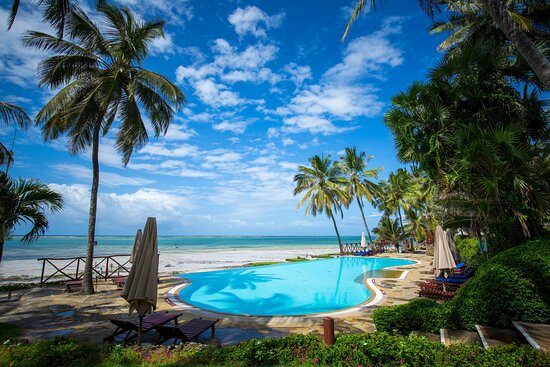
Zanzibar is more than a beautiful tropical island. After a Tanzania safari holiday, it’s the ultimate place to relax, explore, and immerse yourself in rich Swahili culture. This guide highlights the top 10 things to do in Zanzibar, from the bustling streets of Stone Town to tranquil spice farms and pristine beaches. For US travelers, we also cover flights, visa requirements, and safety tips, ensuring a seamless post-safari beach holiday. Growing up in Arusha, our team at Odysseys From Africa experienced Zanzibar not as tourists, but as locals. This perspective shapes our curated Zanzibar excursions, combining cultural immersion, luxury relaxation, and adventure. 1. Explore the Historic Streets of Stone Town Stone Town is a UNESCO World Heritage Site and the cultural heart of Zanzibar. Its narrow alleys, bustling markets, and ornate doors offer a sensory journey through history. Visiting Stone Town is one of the most rewarding things to do in Zanzibar. Stone Town’s labyrinthine streets reveal centuries of trade, culture, and architecture influenced by Arabs, Persians, Indians, and Europeans. Highlights include: The Old Slave Market: A poignant historical site Sultan’s Palaces and Museums: Learn about Zanzibar’s rich heritage Carved Wooden Doors: Iconic Swahili designs symbolizing family status Local Cafés and Souks: Enjoy spices, textiles, and street food Tip for US travelers: Stone Town is compact and walkable. Guided tours ensure you see hidden gems and stay safe in busy areas. Recommended itinerary:Short ZanzibarBest of Zanzibar 2. Relax on Nungwi and Kendwa Beaches Nungwi and Kendwa offer white sands, calm waters, and luxury resorts. These northern beaches are ideal for unwinding after a safari. Swimming, sunset cruises, and spa experiences make them must-do Zanzibar excursions. Nungwi: Lively atmosphere, upscale dining, and sunset cruises Kendwa: Known for minimal tidal changes, ideal for swimming and beach yoga Luxury resorts often feature private villas, infinity pools, and oceanfront dining. For US travelers, security, private transfers, and concierge services make it a stress-free post-safari experience. Learn more:Best of Zanzibar 3. Discover Paje and Michamvi Beaches For tranquility and watersports, Paje and Michamvi on the east coast are perfect. Turquoise lagoons, kitesurfing, and romantic resorts make these locations ideal for luxury travelers. Visiting these beaches is a top recommendation in any Zanzibar travel guide. Paje: Famous for kiteboarding, calm waters, and eco-lodges Michamvi: Quieter, romantic resorts, perfect for sunset walks These beaches complement safari relaxation and can be paired with water excursions or spa days for ultimate comfort. 4. Go on a Spice Farm Tour Zanzibar is known as the “Spice Island,” and visiting a spice farm is one of the top things to do in Zanzibar. Learn about cloves, cinnamon, nutmeg, and tropical fruits. Interactive tours combine education with sensory delight. Highlights: Hands-on demonstrations of spice cultivation Sampling fresh spices and tropical fruits Insights into the island’s historical spice trade Recommended farms: Matemwe Spice Farm Kizimbani Spice Farm 5. Snorkeling and Diving at Mnemba Atoll Zanzibar’s coral reefs are ideal for snorkeling and diving. Mnemba Atoll offers crystal-clear waters, vibrant fish, and turtles. This is one of the most adventurous things to do in Zanzibar. Snorkel or dive with tropical fish, manta rays, and green turtles Private excursions are available for luxury travelers Guided tours ensure safety and optimal marine encounters Other top diving spots include Chumbe Island Marine Park and the reefs near Paje. 6. Visit Prison Island and Its Giant Tortoises Prison Island is home to giant Aldabra tortoises and historical ruins. A short boat ride from Stone Town makes it an easy half-day excursion. It’s a family-friendly Zanzibar excursion with cultural and wildlife appeal. Highlights: Giant tortoises, some over 100 years old Historical colonial prison ruins Snorkeling opportunities around coral reefs 7. Sunset Dhow Cruise A sunset dhow cruise is a quintessential Zanzibar experience. Sail the turquoise waters, enjoy tropical cocktails, and watch the sun dip below the horizon. Luxury travelers especially appreciate private sunset charters. Traditional wooden dhow boats provide an authentic experience Evening cruises often include live music and seafood snacks Perfect for couples or post-safari relaxation 8. Explore Jozani Forest and Red Colobus Monkeys Jozani Forest is Zanzibar’s only national park and home to the rare red colobus monkey. Walking trails and guided tours allow you to explore the island’s unique flora and fauna. This is one of the more educational things to do in Zanzibar. Highlights: Rare red colobus monkeys Mangrove boardwalks Guided nature walks for families or wildlife enthusiasts 9. Culinary Experiences and Swahili Cuisine Tasting local dishes is a must-do Zanzibar excursion. From seafood curries to street snacks, Swahili cuisine is rich, aromatic, and unforgettable. A Zanzibar travel guide helps you locate the best dining experiences. Top dishes: Zanzibar pizza (street-style flatbreads) Fresh seafood curries Spiced coffee and tropical fruit juices Cooking classes are available at several boutique resorts, ideal for immersive cultural experiences. 10. Relax at Luxury Resorts and Wellness Retreats Luxury resorts and wellness retreats allow safari travelers to unwind in style. Private pools, spa treatments, and oceanfront views make this the perfect post-safari experience. Zanzibar’s luxury hospitality complements safari adventures perfectly. Resort highlights: Oceanfront villas with infinity pools Spa and yoga programs Private beach access These resorts ensure comfort and security for US travelers, completing a luxury post-safari holiday. US Traveler Tips for Zanzibar Excursions Zanzibar is safe and accessible for US travelers. Flights from northern Tanzania safari hubs are short, visas are straightforward, and resorts cater to luxury and safety standards. A Zanzibar travel guide ensures seamless planning. Flights: 1–1.5 hour domestic flights from Arusha or Serengeti Visa: eVisa or visa on arrival for US citizens Safety: Resorts and excursions offer private transfers and concierge services Health: Standard vaccinations and travel insurance recommended More details:Travel Information When to Visit Zanzibar Zanzibar is ideal from June–October and December–February. Dry seasons align with safari peaks and offer perfect beach weather. A Zanzibar travel guide ensures you choose the best travel dates. June–October: Dry, cool, peak safari season December–February: Warm, sunny beaches April–May: Green season, fewer crowds How Zanzibar Complements a Tanzania Safari…

Read More
Zanzibar luxury travel

Best All-Inclusive Zanzibar Resorts for Relaxation

All-inclusive Zanzibar resorts, turquoise waters, and luxurious accommodations make it a premier destination for travelers seeking rest and indulgence. Booking at the best all-inclusive Zanzibar resorts ensures a seamless vacation experience, with world-class amenities and curated services. US travelers benefit from Tanzanian-born experts who provide guidance on resort selection, seasonal travel, and local cultural experiences, ensuring a truly personalized beach holiday. Why Choose All-inclusive Zanzibar resorts All-inclusive resorts combine convenience, comfort, and access to private beaches, pools, and dining experiences. They are ideal for travelers who want to relax without worrying about logistics or additional costs. All meals, drinks, and activities included in the package Private beach access and infinity pools overlooking the Indian Ocean Spa services, water sports, and excursions curated by local staff Family-friendly or adults-only options for tailored experiences For curated resort options, see Short Zanzibar. Luxury Amenities and Services The best resorts offer premium social amenities, designed to enhance relaxation and comfort. Ocean-view rooms with private balconies or decks Gourmet restaurants featuring local and international cuisine Wellness programs including yoga, spa treatments, and fitness facilities Butler services and concierge assistance for personalized attention Pair your stay with cultural and exploration activities offered through Best of Zanzibar. Beachfront and Ocean Experiences Zanzibar’s beaches provide a tranquil setting for photography, water sports, and sunrise-sunset observation. Access to private beaches with pristine sand and calm waters Snorkeling, diving, and sailing excursions guided by local experts Sunset dhow cruises for scenic and photographic moments Opportunities to combine relaxation with wildlife and marine experiences Combine beachfront luxury with adventure on Tanzania Explorer. Cultural Integration at Resorts Many all-inclusive resorts offer curated cultural experiences, providing guests with a taste of Zanzibar’s history and traditions. Spice farm tours, cooking classes, and local craft workshops Storytelling sessions about Swahili culture and coastal history Access to nearby Stone Town for heritage tours and markets Ethical engagement with local communities, supporting sustainable tourism Enhance your cultural experience with Best of Zanzibar. Photography and Scenic Opportunities Zanzibar’s resorts provide a perfect backdrop for photography, from turquoise waters to sunset skies. Beach and poolside landscapes ideal for portrait and landscape photography Opportunities for professional or amateur wildlife photography, including marine life Golden-hour lighting for vibrant sunrise and sunset shots Expert recommendations from Tanzanian guides on scenic vantage points Learn more about combining photography with relaxation in Photographic Safaris. Seasonal Considerations for Travel Planning the timing of your Zanzibar holiday can maximize weather comfort and privacy. Dry season (June–October) for sunny skies and calm seas Wet season (March–May) for lush landscapes, fewer crowds, and discounted rates Shoulder seasons for balance of weather and occupancy Specialist advice for aligning your beach holiday with safari or cultural excursions Combine seasonal insights with Short Zanzibar. Logistics for US Travelers US travelers should consider flights, transfers, and health precautions when planning a Zanzibar beach holiday. Flights from JFK/LAX with connections via Nairobi or Doha Visa on arrival or eVisa requirements for US citizens Health considerations including vaccinations and malaria prophylaxis Resort transfers arranged by experts for seamless arrival Detailed guidance is available in Travel Information. Request Your All-inclusive Zanzibar resorts Proposal Book your stay at the best all-inclusive Zanzibar resorts with Tanzanian-born experts who tailor each experience for relaxation, cultural immersion, and scenic enjoyment. Location: Zanzibar, Tanzania Email: info@odysseys-from-africa.com Phone: +254 (0) 710 450 797 | +255 (0) 652 810 255 Website: Odysseys From Africa Our team crafts bespoke beach holidays for US travelers, integrating luxury accommodations, cultural experiences, and marine adventures for an unforgettable Zanzibar escape.

Read More
Zanzibar safari extension

Zanzibar Travel Guide: The Perfect Post-Safari Beach Getaway

After days exploring the vast savannahs of the Serengeti or tracking elephants in Tarangire, many travelers look for a relaxing way to end their Tanzania safari holiday. This Zanzibar travel guide shows you how to combine luxury safari adventure with a post-safari beach escape, highlighting pristine beaches, cultural hotspots, and immersive experiences. For US travelers, short flights, visa guidance, and safety tips make the transition smooth and worry-free. Growing up in Arusha, our founders experienced first-hand how a safari and Zanzibar beach holiday complement each other — moving from wildlife excitement to serene ocean landscapes creates a perfectly balanced journey. Why a Zanzibar Travel Guide Matters for Post-Safari Holidays A Zanzibar travel guide helps you plan the perfect end to your safari adventure. It highlights beaches, resorts, and cultural sites while ensuring logistics and safety for US travelers. Using a guide maximizes your enjoyment and comfort after your Tanzanian safari. Zanzibar, located just off the coast of Tanzania, is easily accessible from northern safari hubs like Arusha and Serengeti via 1–1.5 hour domestic flights, making it a convenient beach extension. For luxury travelers, it’s the perfect way to relax, rejuvenate, and explore a completely different side of Tanzania. For detailed itineraries, see:Best of ZanzibarShort Zanzibar Where Is Zanzibar and What Makes It Unique? Zanzibar is a semi-autonomous archipelago off the coast of Tanzania known for its culture, history, and beaches. Its rich Swahili and Arab heritage makes it more than just a beach destination. A good Zanzibar travel guide shows how to combine history, culture, and luxury relaxation. The main island, Unguja, is the largest and most developed, with white-sand beaches, coral reefs, and historic Stone Town. Its position along historic spice and trade routes gives Zanzibar a unique blend of cultures, cuisine, and architecture not found anywhere else in East Africa. For cultural context, explore:Zanzibar Destination Stone Town: A Must-See in Zanzibar Travel Stone Town is Zanzibar’s UNESCO World Heritage cultural heart. Narrow streets, ornate doors, and centuries-old markets reveal a rich Swahili history. A Zanzibar travel guide ensures you don’t miss key cultural experiences. Highlights of Stone Town Historic alleys and doors: Intricately carved wooden doors with symbolic designs. Old Slave Market Memorial: A sobering site reflecting Zanzibar’s history. Sultan’s palaces and museums: Insight into Swahili-Arab heritage. Local markets: Spices, textiles, and crafts for immersive shopping experiences. Staying 1–2 nights in Stone Town before heading to the beach allows travelers to appreciate culture without rushing. Combine your safari with Stone Town for a balanced itinerary:Short Zanzibar Zanzibar Beaches: Choosing the Perfect Post-Safari Spot Zanzibar’s beaches are diverse, from vibrant north coast resorts to tranquil east coast lagoons. Choosing the right area is crucial for a relaxing post-safari experience. A Zanzibar travel guide helps select the perfect luxury beach stay. North Coast: Nungwi and Kendwa Why go: Minimal tidal changes, upscale resorts, lively atmosphere Activities: Sunset cruises, snorkeling, beach yoga East Coast: Paje and Michamvi Why go: Calm turquoise lagoons, quieter resorts, perfect for romantic getaways Activities: Kitesurfing, diving, guided beach walks These areas are featured in our tailored beach extensions:Best of Zanzibar Luxury Resorts and Accommodation Zanzibar offers luxury resorts catering to safari travelers. Many feature private villas, ocean views, fine dining, and wellness facilities. This is the ultimate way to unwind after a Tanzania safari holiday. Recommended resort amenities include: Oceanfront villas or suites with private pools Spa and wellness treatments Swahili-inspired architecture and decor On-site diving, snorkeling, and water sports Luxury resorts are often paired with curated safari itineraries for seamless transitions:Tanzania Explorer Spice Tours: Experiencing Zanzibar’s Heritage Zanzibar’s spice tours are a signature post-safari activity. Visitors learn about cloves, cinnamon, nutmeg, and tropical fruits while walking through fragrant plantations. This enriches a Zanzibar travel guide with local flavor and history. Spice farms offer: Hands-on demonstrations Guided tasting and cooking tips Insight into the island’s historical role in global trade For travelers combining safari and culture, spice tours are a natural complement. Water Activities: Snorkeling, Diving, and Island Hopping A Zanzibar travel guide highlights world-class snorkeling, diving, and island excursions. Coral reefs and marine parks make this a top destination for underwater adventures. Luxury travelers can experience private excursions with expert guides. Popular Spots Mnemba Atoll: Snorkeling with tropical fish and turtles Prison Island: Giant tortoises and historical ruins Chumbe Island Marine Park: Eco-friendly snorkeling and diving Guided water activities are included in our luxury itineraries to ensure safety and comfort for US travelers. Best Time to Visit Zanzibar The best times for a post-safari Zanzibar visit are June–October and December–February. Dry seasons align with safari peaks and offer ideal beach conditions. Our Zanzibar travel guide helps plan dates for maximum enjoyment. June–October: Dry season, cooler temperatures, peak safari season December–February: Warm, sunny beaches, vibrant culture April–May: Green season, fewer tourists, ideal for luxury travelers seeking privacy US Traveler Tips for Zanzibar Zanzibar is very accessible and safe for US travelers. English is widely spoken, and domestic flights from safari hubs are short. A Zanzibar travel guide ensures your beach holiday is seamless and stress-free. Key considerations: Visa: US citizens can obtain eVisa or visa on arrival Flights: From Arusha or Serengeti (1–1.5 hours) Safety: Resorts are secure; basic travel insurance recommended Cultural etiquette: Modest dress in Stone Town and local villages Full travel prep details are here:Travel Information How Zanzibar Complements a Tanzania Safari Holiday Adding Zanzibar after a safari balances adventure with relaxation. It provides a luxury finale to the African experience. Our Zanzibar travel guide shows how to integrate safari and beach seamlessly. Recommended itinerary flow: Northern Tanzania safari (Serengeti, Ngorongoro, Tarangire) Domestic flight to Zanzibar 3–5 days on the beach with cultural or water-based activities Return home via Kilimanjaro or Dar es Salaam Learn more about safari combinations:Safari Destinations Why Travel With Odysseys From Africa Our Tanzanian-born team designs every safari-and-beach experience with local expertise. We know the best beaches, resorts, and cultural activities for US luxury travelers. A Zanzibar travel guide from us ensures authenticity, comfort, and seamless planning. Growing…

Read More
luxury safari Tanzania 2026

Defining Luxury Safari Tanzania: What to Expect in 2026

luxury safari Tanzania 2026 combines high-end accommodations, personalized service, and immersive wildlife experiences. Travelers enjoy private game drives, exclusive access to prime wildlife areas, and amenities designed to enhance comfort and style. US travelers benefit from Tanzanian-born experts who curate every detail, from flights and park transfers to seasonal wildlife timing, ensuring an unforgettable Big Five safari Tanzania experience. What Makes a luxury safari Tanzania 2026 Luxury safaris go beyond accommodation—they integrate service, exclusivity, and immersive experiences for a fully curated adventure. Private safari vehicles with expert guides for flexible schedules and optimal wildlife viewing Exclusive game drives in prime areas of the Serengeti, Ngorongoro, and Tarangire Luxury tented camps and boutique lodges with en-suite amenities and gourmet dining Personalized services including private chefs, butlers, and concierge support Explore luxury safari itineraries in Best of Northern Tanzania. Tailored Itineraries for Every Traveler Tanzania safari experts design trips that match your interests, pace, and desired level of comfort. Morning and evening game drives optimized for wildlife sightings and photography Integration of cultural experiences, walking safaris, and river excursions Flexible itineraries that adapt to wildlife movement and weather conditions Options for photography-focused or family-friendly safaris See tailored experiences in Tanzania Explorer. Wildlife Highlights and Big Five Safaris Luxury safaris focus on maximizing encounters with Tanzania’s iconic species, including the Big Five. Lion, leopard, elephant, buffalo, and rhino sightings in their natural habitats Access to remote areas for intimate wildlife experiences Seasonal considerations for migration, calving, and predator activity Expert photography guidance for capturing dramatic wildlife moments Learn more about Big Five safaris in Serengeti and Ngorongoro. Luxury Tented Camps and Boutique Lodges Accommodations define the luxury safari experience with comfort, privacy, and exclusivity. Luxury tented camps with en-suite bathrooms, private decks, and panoramic views Boutique lodges with limited guest capacity for intimate wildlife access Eco-conscious operations incorporating solar energy and sustainable practices Gourmet meals crafted by private chefs using local ingredients Pair lodging with guided itineraries in Migration Calving Safari. Photographic Opportunities on Luxury Safaris Luxury safaris are ideal for professional or enthusiast photographers seeking high-quality wildlife shots. Vehicle positioning and timing for sunrise and sunset lighting Guidance on lens choice, shutter speed, and ethical wildlife photography Access to remote locations with minimal disturbance Optional workshops with Tanzanian-born photography experts Enhance photography experiences with Photographic Safaris. Cultural Experiences on Luxury Safaris Luxury safari Tanzania can integrate ethical cultural engagement for a complete experience. Visits to Maasai villages and artisan communities Opportunities to observe traditional ceremonies and storytelling Guided interactions ensuring respect for local customs Support for community initiatives and local economies Combine wildlife and cultural experiences with Best of Zanzibar. Seasonal Considerations for Luxury Safari Travel Planning your trip around seasonal wildlife events enhances both experience and photography opportunities. Dry season (June–October) for concentrated wildlife and clear roads Wet season (March–May) for lush landscapes, birdwatching, and fewer tourists Migration (July–October) and calving (January–February) for peak wildlife activity Expert recommendations on the best timing for your luxury safari Seasonal guidance can be paired with Short Serengeti. Logistics for US Travelers Luxury safari planning for US visitors includes flights, transfers, and health considerations. International flights from JFK/LAX to Kilimanjaro with minimal connections Visa requirements and eVisa support for US citizens Health recommendations including vaccinations, malaria prophylaxis, and travel insurance Expert guidance on packing, photography gear, and bush safety Additional travel details are available in Travel Information. Request Your Luxury Safari Tanzania Proposal Work with Tanzanian-born safari experts to design a luxury safari Tanzania in 2026, combining Big Five game drives, boutique lodges, photography, and cultural immersion. Location: Arusha, Tanzania Email: info@odysseys-from-africa.com Phone: +254 (0) 710 450 797 | +255 (0) 652 810 255 Website: Odysseys From Africa Our team crafts bespoke luxury safaris for US travelers, balancing adventure, comfort, and sustainability for a truly unforgettable African journey.

Read More
photographic safari Tanzania
Wildlife & Culture·

Spotting the Big Five: What They Are and Where to Find Them

For many travelers, spotting theSpotting the Big Five is the defining goal of a safari. These legendary animals — lion, leopard, elephant, buffalo, and rhinoceros — symbolize the power, beauty, and raw wilderness of Africa. But understanding what the Big Five truly are — and where to find them reliably — is what turns a good safari into an unforgettable Tanzania safari holiday. Growing up in Arusha, our founders heard stories of the Big Five not from books, but from guides, rangers, and elders who lived alongside them. That firsthand knowledge shapes how we design luxury safari itineraries that maximize sightings while respecting wildlife and landscapes. What Are the Spotting the Big Five? The Spotting the Big Five are lion, leopard, elephant, buffalo, and rhinoceros. The term originally came from big-game hunting, describing the most dangerous animals to track on foot. Today, the Big Five represent the ultimate wildlife-viewing checklist on safari. The phrase “Big Five” does not refer to size. Instead, it reflects the animals’ behavior, unpredictability, and historical danger to hunters — a legacy now transformed into conservation-driven tourism. Seeing all five is absolutely achievable on well-planned Serengeti safari tours and northern Tanzania circuits, especially with expert local guides. Lion: The King of the Savanna Lions are the easiest Big Five animal to spot in Tanzania. They live in prides and favor open grasslands. The Serengeti offers some of the highest lion densities in Africa. The African lion is Africa’s most iconic predator. Where to See Lions Best Serengeti National Park Ngorongoro Crater Lions in the Serengeti are active during early mornings and late afternoons. During the Great Migration, predator sightings increase dramatically. Best trips for lion sightings: Serengeti and Ngorongoro SafariShort Serengeti Leopard: Africa’s Most Elusive Big Five Member Leopards are the hardest Big Five animal to spot. They are solitary, nocturnal, and masterfully camouflaged. Expert guides make all the difference. The African leopard thrives in riverine forests and rocky kopjes. Prime Leopard Areas Central Serengeti (Seronera) Lake Manyara woodlands For a photographic safari, we recommend a 100–400mm lens to capture leopards resting in acacia trees without disturbing them. Elephant: Gentle Giants of the Bush African elephants are widely seen across Tanzania and Kenya. They move in family groups and favor water-rich ecosystems. Northern Tanzania is exceptional for elephant viewing. The African elephant is the world’s largest land mammal. Best Elephant Destinations Tarangire National Park Serengeti ecosystem Tarangire is famous for large herds gathering along the river during the dry season and features heavily in ourBest of Northern Tanzania Buffalo: The Most Dangerous of the Spotting the Big Five African buffalo are abundant and unpredictable. They are often seen in massive herds. They are one of the most consistently spotted Big Five animals. The African buffalo is respected by guides for its strength and temperament. Buffalo are commonly found in: Serengeti plains Ngorongoro Crater Their sheer numbers make them a near-guaranteed sighting on most safari packages. Rhinoceros: The Rarest Big Five Sighting Rhinos are the rarest Big Five animal due to poaching. Tanzania offers one of the best protected places to see them. Ngorongoro Crater provides your best chance. The Black rhinoceros is critically endangered. Best Rhino Viewing Ngorongoro Crater (protected population) Seeing a rhino here is one of safari’s most emotional moments — a reminder of why responsible tourism matters. Best Places in Tanzania to Spotting the Big Five Northern Tanzania offers the most reliable Big Five sightings in Africa. Multiple ecosystems are close together. You can see all five in one trip. Top Parks Serengeti National Park Ngorongoro Conservation Area Tarangire National Park Explore curated itineraries: Tanzania ExplorerBest of Northern Tanzania What About Kenya? Kenya also offers excellent Big Five viewing, particularly in the Masai Mara. Tanzania and Kenya can be combined. Cross-border safaris are popular with US travelers. The Masai Mara is especially strong during the Great Migration river crossings. Best Time to Spotting the Big Five The dry season offers the best overall Big Five visibility. Wildlife concentrates near water. However, sightings are possible year-round. June–October: Best general viewing January–February: Calving season + predators Migration-focused trips: Migration Crossing SafariMigration Calving Safari US Traveler Tips for Spotting the Big Five Safaris Big Five safaris are safe, comfortable, and well-supported for US travelers. Flights are straightforward. Private guides ensure premium experiences. Essentials Flights from JFK/LAX via Europe or Middle East Visa-on-arrival or eVisa for US citizens Comprehensive travel insurance Plan confidently usingTravel Information Why Travel With Odysseys From Africa We are Tanzanian-born safari specialists with lifelong field knowledge. We track animals by behavior, not guesswork. That’s how Big Five sightings happen. Growing up in Arusha, our team learned animal movement patterns from real experience — not just GPS pins. That expertise is why guests consistently exceed their Big Five expectations. Learn more: About Us Plan Your Spotting the Big Five Quick Answer: Spotting the Big Five is achievable with the right planning. Tanzania offers one of Africa’s highest success rates. We’ll design your safari around it. Location: Arusha, TanzaniaEmail: info@odysseys-from-africa.comPhone: +254 (0) 710 450 797 | +255 (0) 652 810 255Website: https://odysseys-from-africa.com/ Plan Your Tanzania Safari Holiday or request a Custom Safari Proposal today.

Read More
safari conservation Africa
Informational and Long-Tail·

Booking the Masai Mara River Crossing 2026 Experience

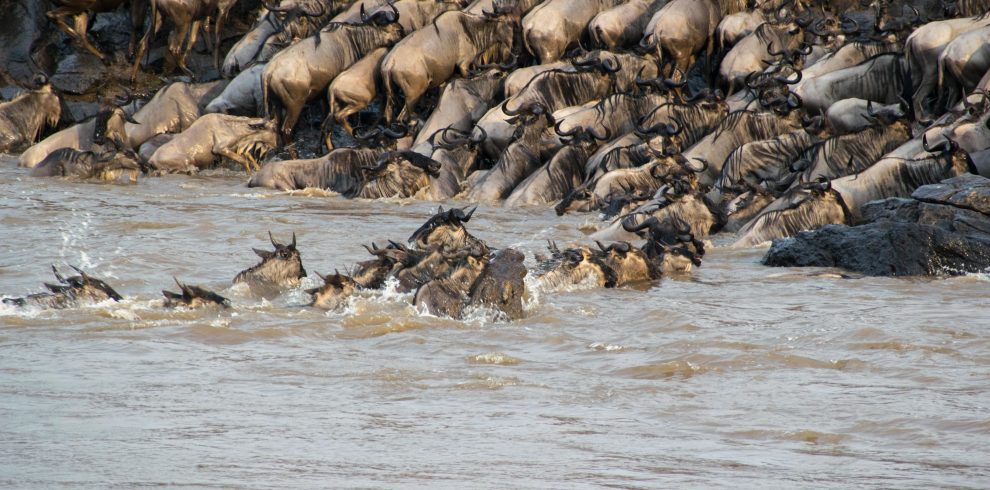
The Masai Mara river crossing 2026 is one of Africa’s most dramatic wildlife spectacles, attracting thousands of visitors every year. Booking early ensures access to the best river-view camps and optimal game drive schedules. US travelers can rely on Tanzanian and Kenyan safari experts who provide insider knowledge on migration timing, bush accommodations, and safe travel logistics, ensuring a seamless safari adventure. Why the River Crossing is a Must-See Witnessing wildebeest and zebras navigate the Mara River offers unparalleled opportunities for photography and wildlife observation. Dramatic predator-prey interactions along the riverbanks Opportunities to photograph large herds in motion Access to prime viewpoints with minimal tourist interference Expert guidance to maximize sightings safely Combine this experience with Migration Crossing Safari for a complete journey. Timing Your 2026 Visit Migration and river crossings are seasonal events, so timing is crucial. Peak river crossings typically occur between July and October Early booking guarantees access to camps near the Mara River for optimal viewing Guides can adjust itineraries based on herd movement and predator activity Dry season conditions facilitate easier game drives and photography Pair seasonal planning with Short Serengeti for additional wildlife encounters. Choosing the Right River-View Camps Selecting camps with river views enhances both comfort and the photographic experience. Elevated tents and lodges overlooking the Mara River Luxury amenities, private decks, and en-suite facilities Access to guided game drives directly from camp Eco-conscious lodges with solar power and minimal environmental impact Explore curated options in Best of Northern Tanzania. Expert Kenyan and Tanzanian Guides Local-born guides provide unmatched expertise in wildlife tracking, photography, and cultural interpretation. Predicting herd movements for the best photographic moments Insights into predator behavior during river crossings Cultural knowledge of Maasai communities surrounding the Mara Personalized service and flexible schedules for small groups or private safaris Enhance your guided safari experience with Serengeti and Ngorongoro. Photography Tips for the River Crossing Capturing the river crossing requires preparation, equipment, and timing. Use telephoto lenses (100–400mm) to capture distant action safely Consider fast shutter speeds for movement and dramatic action shots Golden-hour lighting early in the morning or late afternoon improves photo quality Drones may be restricted; always follow park regulations Learn more about photography-focused safaris in Photographic Safaris. Combining Your Safari with Cultural Experiences Adding cultural elements enriches your safari adventure and supports local communities. Visits to Maasai villages to learn about traditional practices Ethical photography opportunities capturing daily life without disruption Cultural storytelling integrated into guided drives Support for community-led tourism initiatives Combine wildlife and culture with Best of Zanzibar. Seasonal Planning and Logistics US travelers need to plan for flights, visas, and safari transfers carefully. International flights from JFK/LAX connecting via Nairobi or Kilimanjaro Visa on arrival or eVisa for US citizens Health considerations, including vaccinations and malaria prophylaxis Transfer arrangements to Mara camps for seamless arrival and departure For detailed travel planning, refer to Travel Information. Request Your Masai Mara river crossing 2026 Safari Book your Masai Mara river crossing 2026 experience with Tanzanian and Kenyan safari experts who design bespoke itineraries tailored to your photography, wildlife, and comfort needs. Location: Masai Mara & Arusha, Tanzania Email: info@odysseys-from-africa.com Phone: +254 (0) 710 450 797 | +255 (0) 652 810 255 Website: Odysseys From Africa Our team ensures an immersive, luxury safari experience with river-view camps, expert guides, cultural integration, and photographic opportunities for US travelers.

Read More
Maasai Cultural Experiences Tanzania
Wildlife & Culture·

Meeting the Maasai: Authentic Cultural Experiences in Tanzania

Maasai Cultural Experiences Tanzania is often imagined through wildlife alone — lions on the Serengeti plains, elephants beneath baobabs, flamingos painting Rift Valley lakes pink. Yet some of the most powerful moments happen away from the game drive, when travelers meet the people who have lived alongside this wildlife for centuries. Among them, none are more iconic — or more misunderstood — than the Maasai. Experiencing Maasai culture the right way transforms a safari from a sightseeing trip into a deeply human journey, rooted in respect, story, and connection. Growing up in Arusha, our founders encountered Maasai communities not as “tourism attractions,” but as neighbors, friends, and guides. That lived experience shapes how we design luxury safari itineraries that include meaningful cultural exchange — never staged performances. Who Are the Maasai People? The Maasai are a semi-nomadic pastoralist community indigenous to northern Tanzania and southern Kenya. Their culture is centered on cattle, community, and deep spiritual ties to the land. Authentic encounters require understanding, consent, and respectful engagement. The Maasai people have lived across the savannahs of East Africa for hundreds of years, particularly in areas surrounding the Serengeti, Ngorongoro, and Amboseli ecosystems. Core Cultural Pillars Cattle as livelihood, status, and sustenance Age-set system defining social roles Oral tradition for history and teaching Distinctive dress and beadwork tied to identity Contrary to outdated stereotypes, the Maasai are not frozen in time. Many communities balance tradition with modern education, conservation partnerships, and tourism — when done ethically. Why Maasai Cultural Experiences Tanzania Matter on a Tanzania Safari Maasai Cultural Experiences Tanzania add emotional depth and context to wildlife safaris. They help travelers understand how conservation and community coexist. For US travelers, this creates a more responsible and meaningful journey. A Tanzania cultural safari offers something wildlife alone cannot: perspective. Seeing the Serengeti through Maasai eyes — as grazing land, ancestral territory, and spiritual home — changes how travelers understand conservation. This is why we intentionally integrate culture into select safari packages, rather than treating it as an optional add-on. Explore combined wildlife and culture journeys viaAll Destinations Visiting a Maasai Cultural Experiences Tanzania: What “Authentic” Really Means An authentic Maasai village visit is community-led, consent-based, and educational — not performative. It prioritizes dialogue over spectacle. Responsible operators make all the difference. A true visit typically takes place in a boma (traditional homestead) and may include: A guided explanation of daily life Storytelling by elders Demonstrations of beadwork or fire-making Conversations about education and conservation What matters most is choice — villagers choose what to share, and guests are visitors, not spectators. Growing up in Arusha, our team learned early that respect comes from listening first. That philosophy guides every Maasai cultural tour we arrange. Maasai Culture & Northern Tanzania Safaris Northern Tanzania offers the best opportunities to combine Maasai culture with iconic wildlife. The Serengeti and Ngorongoro regions are central to Maasai history. Maasai Cultural Experiences Tanzania visits fit seamlessly into classic itineraries. Ngorongoro Conservation Area The Ngorongoro Conservation Area is one of the few places in Africa where people, livestock, and wildlife legally coexist. Here, Maasai families continue traditional pastoralism while sharing land with rhinos, lions, and zebras — a living example of human-wildlife balance. This region features prominently in ourSerengeti and Ngorongoro Safari Maasai Traditions Explained: Beyond the Stereotypes Quick Answer: Maasai traditions are complex, symbolic, and community-driven. Ceremonies and dress reflect age, responsibility, and identity. Understanding context prevents cultural misunderstanding. Beadwork Each color has meaning: Red: bravery and unity Blue: sky and rain White: purity and milk Age Sets Life progresses through defined stages: Child Warrior (Moran) Elder These stages determine responsibility, not status alone. Authentic guides explain these nuances — rather than reducing culture to surface-level imagery. Cultural Etiquette: How to Visit Respectfully Respectful behavior ensures positive cultural exchange for both guests and hosts. Small actions make a big difference. Ethical travel protects living cultures. Best Practices Always ask before taking photos Dress modestly in villages Listen more than you speak Avoid giving gifts directly to children Our guides brief all guests beforehand — a standard practice across our luxury safari experiences. For broader preparation, seeTravel Information Maasai Culture & Conservation Maasai Cultural Experiences Tanzania communities play a growing role in conservation across Tanzania. Community-based tourism creates incentives to protect wildlife. Cultural tourism supports long-term sustainability. Many Maasai now work as: Wildlife scouts Community guides Conservation partners This partnership is especially visible around the Serengeti ecosystem, where traditional grazing knowledge informs modern conservation strategies. Pair cultural learning with wildlife experiences on ourBest of Northern Tanzania US Traveler Considerations for Cultural Safaris Maasai Cultural Experiences Tanzania are safe, accessible, and enriching for US travelers. Language barriers are minimal. Professional guides ensure comfort and respect. Key Points English widely spoken Private village visits arranged in advance Cultural activities integrated into safari days Easy flight connections via JFK, LAX, ATL These experiences are particularly popular with families, photographers, and travelers seeking deeper connection. Why Travel With Odysseys From Africa We design cultural safaris from lived local knowledge, not templates. Our Tanzanian-born team works directly with communities. Authenticity is non-negotiable. Growing up in Arusha, our founders witnessed tourism done well — and done poorly. That history drives our commitment to ethical, community-approved experiences that benefit everyone involved. Learn more about our story:About Us Plan a Meaningful Maasai Cultural Safari The most rewarding Maasai cultural tours are thoughtfully planned and community-led. Tanzania offers rare opportunities for genuine exchange. We’ll help you experience them the right way. Location: Arusha, TanzaniaEmail: info@odysseys-from-africa.comPhone: +254 (0) 710 450 797 | +255 (0) 652 810 255Website: https://odysseys-from-africa.com/ Plan Your Tanzania Cultural Safari or request a Custom Safari Proposal today.

Read More
bird watching Tanzania
Wildlife & Culture·

Bird Watching in Tanzania: A Guide to the Best Locations

Why Bird Watching in Tanzania Is a Must-Do Activity Tanzania is a birding paradise with over 1,100 recorded species. Bird watching Tanzania offers both casual and expert birders unforgettable sightings in diverse ecosystems, from savannas to wetlands. A birding safari Africa experience allows travelers to engage with wildlife in a quieter, more reflective way. Growing up in Arusha, our team discovered that Tanzania’s landscapes—Ngorongoro Crater, Serengeti plains, and the Rift Valley lakes—are more than wildlife habitats; they are birding hotspots teeming with rare and endemic species. Choosing a guided birding safari ensures that US travelers not only spot rare species but also understand their ecological context, contributing to sustainable tourism practices. The Diversity of Tanzania’s Birdlife Tanzania hosts more than 1,100 bird species, including endemics and migrants. Its diverse ecosystems—from woodlands to wetlands—offer exceptional birding opportunities year-round. Key highlights include: Lake Manyara National Park: Famous for flamingos, pelicans, and weavers Tarangire National Park: Large flocks of hornbills, starlings, and raptors Serengeti National Park: Open plains attract ostriches, larks, and raptors Ngorongoro Conservation Area: Highland forests are home to the endangered Tanzanian red-billed hornbill Our guides, who grew up in the region, know exactly where to spot elusive species and can advise on the best Serengeti and Ngorongoro circuits for seasonal migrations. Top Birding Destinations in Tanzania Tanzania offers birding destinations suited to all experience levels, from casual tourists to expert ornithologists. Each site has unique species and habitats, making the country a world-class birding destination. 1. Lake Manyara National Park Lake Manyara is renowned for its large flocks of flamingos and waterbirds. Birders can expect over 400 species, including the African fish eagle and pelicans. Best time: June to March Easy access from Arusha and Moshi Ideal for both photography and casual birding 2. Tarangire National Park Tarangire’s baobab-studded landscapes attract raptors, hornbills, and starlings. Dry season (June–October) is ideal for observing large bird congregations near waterholes. Top sightings: Southern Ground Hornbill, Rüppell’s vulture Safari activities: morning and evening bird walks, guided drives 3. Ngorongoro Conservation Area The highlands of Ngorongoro provide habitat for endemic and forest birds. Visiting this UNESCO World Heritage Site allows birders to see species like the Usambara thrush and Tanzanian red-billed hornbill. Unique combination: wildlife viewing + birding Recommended for US travelers seeking immersive eco-safari experiences 4. Serengeti National Park Serengeti plains host grassland and raptor species, especially during the Great Migration. Bird watchers can spot secretary birds, vultures, and larks in vast open savannas. Best months: June–October for migratory species Combine with Short Serengeti safaris for a condensed, wildlife-rich experience 5. Zanzibar Archipelago Zanzibar’s coastal forests and mangroves provide tropical birding opportunities. Expect endemic species like the Pemba sunbird and mangrove kingfisher. Recommended itinerary: Short Zanzibar or Best of Zanzibar Combines beach relaxation with expert-led birding Birding Safari Africa: Equipment and Tips Proper equipment enhances your birding safari experience and ensures better sightings. Even casual tourists benefit from binoculars, field guides, and cameras. Binoculars: 8×42 or 10×42 for versatility Camera lenses: 100–400mm for photographing elusive species Field guides: “Birds of East Africa” recommended Clothing: Neutral colors, lightweight, sun-protective Timing: Early mornings or late afternoons for peak activity Guided tours often provide insight into bird behavior, migration patterns, and habitat conservation. Our Photographic Safaris integrate bird photography tips with responsible wildlife observation. Conservation and Ethical Birding Practices Sustainable birding practices protect fragile habitats and contribute to Africa wildlife conservation. Responsible eco-tourists minimize disturbance to birds while supporting local communities. Stay on marked trails and avoid nesting sites Use silent observation techniques Support local guides and eco-friendly lodges Avoid feeding birds or disturbing their natural behavior Choosing certified operators ensures that your birding safari Africa experience aligns with ethical tourism principles. Best Seasons for Bird Watching in Tanzania Birding success depends on timing and seasonality. Migratory and endemic species peak at different times, so planning is crucial. Dry season (June–October): Optimal for Serengeti, Tarangire, and Lake Manyara Wet season (November–May): Lush habitats attract resident and migratory birds Migration windows: Flamingos in Lake Manyara peak in January–February Our Tanzanian-born guides can advise US travelers on precise windows to maximize sightings and photography. US Traveler Guide: Flights, Visas, and Safety US-based birders should plan ahead for smooth logistics and safe travel. Tanzania is welcoming and safe when guided by licensed operators. Flights: JFK/LAX travelers often connect via Amsterdam, Doha, or Istanbul Visa: US citizens can obtain an e-visa before arrival Health: Yellow fever vaccination recommended if coming from endemic regions; malaria prophylaxis advised Safety: Stick to licensed safari operators and follow guide instructions Full details available in our Travel Information section. Combining Bird Watching with Luxury Safari Experiences Luxury safari accommodations can enhance birding experiences. Camps and lodges often provide guided walks, hides, and photography facilities. Stay in eco-lodges near prime birding habitats Enjoy private hides for early morning photography Combine birding with wildlife drives on Serengeti and Ngorongoro itineraries Access to knowledgeable local-born guides ensures maximum species identification Birding Safaris That Highlight Conservation Selecting conservation-focused birding safaris supports wildlife and communities. Revenue from eco-tourism funds local education and habitat protection. Tanzania Explorer offers multi-day birding and cultural immersion Migration Calving Safari provides insights into migratory species alongside mammal observation Eco-safari operators minimize environmental impact while maximizing guest experience Tanzania’s Unique Birding Ecosystems From highlands to wetlands, Tanzania provides a diversity of habitats unmatched in East Africa. Each ecosystem supports endemic and migratory species. Highland forests: Eastern Arc Mountains host unique species like the Usambara thrush Wetlands: Lakes Manyara and Victoria attract waterbirds and flamingos Savannas: Serengeti plains attract ostriches, raptors, and grassland specialists Coastal zones: Zanzibar mangroves support tropical birding Understanding these ecosystems improves identification, photography, and conservation appreciation. Bird Watching Tips for Photographers Combining photography with bird watching requires patience, equipment, and local knowledge. Best images come from respecting natural behaviors and habitats. Use 100–400mm lenses for shy or distant species Avoid sudden movements or loud noises Capture birds during early morning or late afternoon for optimal light Utilize guided hides for unobtrusive observation Our…

Read More
Tanzania Safari Planning Guide
Wildlife & Culture·

Understanding East Africa’s Ecosystem: Conservation and Tourism

Why East Africa Ecosystem Conservation Matters for Your Safari East Africa Ecosystem Conservation ensures that iconic species like lions, elephants, and rhinos thrive for future generations. Participating in sustainable eco-safari experiences supports local communities while preserving fragile ecosystems. A Tanzania safari holiday is more than witnessing the Great Migration—it’s a chance to contribute to the preservation of East Africa’s unique biodiversity. Growing up in Arusha, our team learned firsthand that responsible tourism and conservation go hand-in-hand. By choosing eco-conscious lodges and guides, US travelers can enjoy a luxury safari that protects wildlife while empowering communities. What Is an East Africa Ecosystem Conservation? East Africa Ecosystem Conservation is a complex web of savannas, forests, wetlands, and highlands supporting diverse wildlife. Understanding its dynamics helps tourists appreciate the importance of conservation during their safari. The Serengeti plains, Ngorongoro Crater, and Kilimanjaro region form interconnected habitats that sustain herbivores, predators, and countless bird species. Seasonal migrations of wildebeest, zebras, and gazelles illustrate the delicate balance of this ecosystem. Sustainable tourism encourages visitors to observe without disrupting these natural processes. When you choose Serengeti and Ngorongoro tours with local guides, you’re supporting conservation-aware practices, from responsible game drives to limiting human-wildlife interaction. The Role of Eco-Tourism in Africa Wildlife Conservation Eco-tourism generates revenue that directly supports wildlife protection and local communities. Sustainable eco-safari practices reduce environmental impact while enhancing visitor experience. Eco-tourism in Tanzania and Kenya focuses on: Limiting vehicle numbers in parks to reduce habitat stress Using solar energy and water-saving measures in lodges Training local guides in wildlife management Funding anti-poaching initiatives Choosing eco-conscious safari operators ensures that your holiday contributes to both Africa wildlife conservation and community development. Our Tanzania Explorer itinerary showcases lodges and camps that follow these principles. How Local Communities Benefit from Conservation Community involvement is vital for sustainable eco-safaris. Tourism revenue supports schools, health clinics, and wildlife initiatives in rural East Africa. Growing up in Tanzania, our team saw how communities near national parks balance livelihoods with wildlife protection. Revenue from eco-lodges funds: Local education programs Micro-businesses and craft markets Community-led wildlife monitoring This approach ensures that tourism doesn’t just benefit visitors—it empowers residents and preserves the natural environment. Travelers on Best of Northern Tanzania routes directly contribute to these efforts. Endangered Species and Their Conservation Status Many East African species face threats from poaching, habitat loss, and climate change. Safari travelers play a role by supporting responsible operators who fund protection efforts. Key species include: Elephants (Tembo): Poached for ivory; protected through park patrols Lions (Simba): Population decline due to habitat encroachment Rhinos: Critically endangered; conservation areas like Ngorongoro focus on anti-poaching Leopards (Chui) and Cheetahs: Rarely seen but vital to ecological balance A photographic safari emphasizes observing wildlife without interference. Using long lenses (100–400mm) ensures minimal disturbance while capturing breathtaking images. Conservation Success Stories in Tanzania Tanzania has become a global leader in wildlife protection through national parks and conservation programs. Responsible eco-tourism has been instrumental in these achievements. Highlights include: Serengeti National Park: Sustained large-scale migrations while implementing visitor limits Ngorongoro Conservation Area: Integrates Maasai communities into conservation and tourism Selous Game Reserve: Anti-poaching programs have significantly reduced elephant and rhino poaching By booking trips like Migration Calving Safari or Migration Crossing Safari, travelers help fund these successful programs. Sustainable Practices in Eco-Safaris Quick Answer: Sustainable eco-safaris minimize environmental impact while maximizing benefits for wildlife and people. Choosing these experiences makes your safari responsible and rewarding. Common practices include: Solar-powered lodges Eco-friendly waste management Water conservation systems Low-emission vehicles and careful route planning Our Photographic Safaris employ these practices, letting guests enjoy high-end luxury while contributing to Africa wildlife conservation. How US Travelers Can Support Conservation US travelers have a unique opportunity to promote conservation through thoughtful planning and ethical choices. Supporting certified eco-safari operators amplifies your impact. Tips for US-based safari-goers: Book with operators who use local guides Choose lodges with environmental certifications Avoid animal interactions that harm wildlife Fund community-based initiatives through voluntary contributions Our Arusha-based team ensures that every safari we plan aligns with these principles, giving visitors a meaningful luxury safari experience. The Economic Impact of Eco-Tourism Eco-tourism is a powerful economic driver for East African countries. Revenue supports wildlife protection, local infrastructure, and community projects. Tourism in Tanzania contributes over $2 billion annually, much of which is reinvested in: Park management and anti-poaching units Local schools and clinics Community-owned cultural experiences Trips like Tanzania Explorer and Best of Zanzibar ensure that tourism dollars benefit both people and wildlife. Eco-Friendly Safari Tips for Travelers Simple actions can make your safari more sustainable and help preserve East Africa’s ecosystems. Every responsible traveler contributes to conservation efforts. Stick to marked trails Avoid single-use plastics Support locally owned lodges and markets Respect wildlife by keeping a safe distance Use binoculars and telephoto lenses instead of getting too close These practices protect the environment and ensure that future generations can enjoy Serengeti safari tours in all their glory. Understanding Human-Wildlife Coexistence Communities and wildlife coexist in many Tanzanian regions thanks to sustainable management. Tourism helps fund coexistence programs and conflict mitigation. The Ngorongoro Conservation Area, for instance, balances Maasai pastoralist communities with large predator populations. Eco-tourists witness the results of careful management, gaining insight into both ecological and human dynamics. East Africa Ecosystem Conservation Challenges Facing Poaching, habitat loss, and climate change are the biggest threats to wildlife. Sustainable eco-safari tourism provides critical support to mitigate these challenges. Poaching: Especially elephants and rhinos Deforestation: Reduces habitat for primates and birds Climate change: Alters migration patterns and water availability When you book trips with responsible operators, like our Serengeti and Ngorongoro safaris, you contribute directly to tackling these challenges. How Eco-Tourism Educates Travelers Eco-safaris provide educational experiences for visitors. They teach the value of conservation and inspire sustainable habits. Activities include: Guided wildlife drives with ecological insights Cultural visits to local villages Workshops on anti-poaching initiatives Observing seasonal migrations and breeding behaviors Our Travel Information section provides practical tips for planning trips that maximize…

Read More