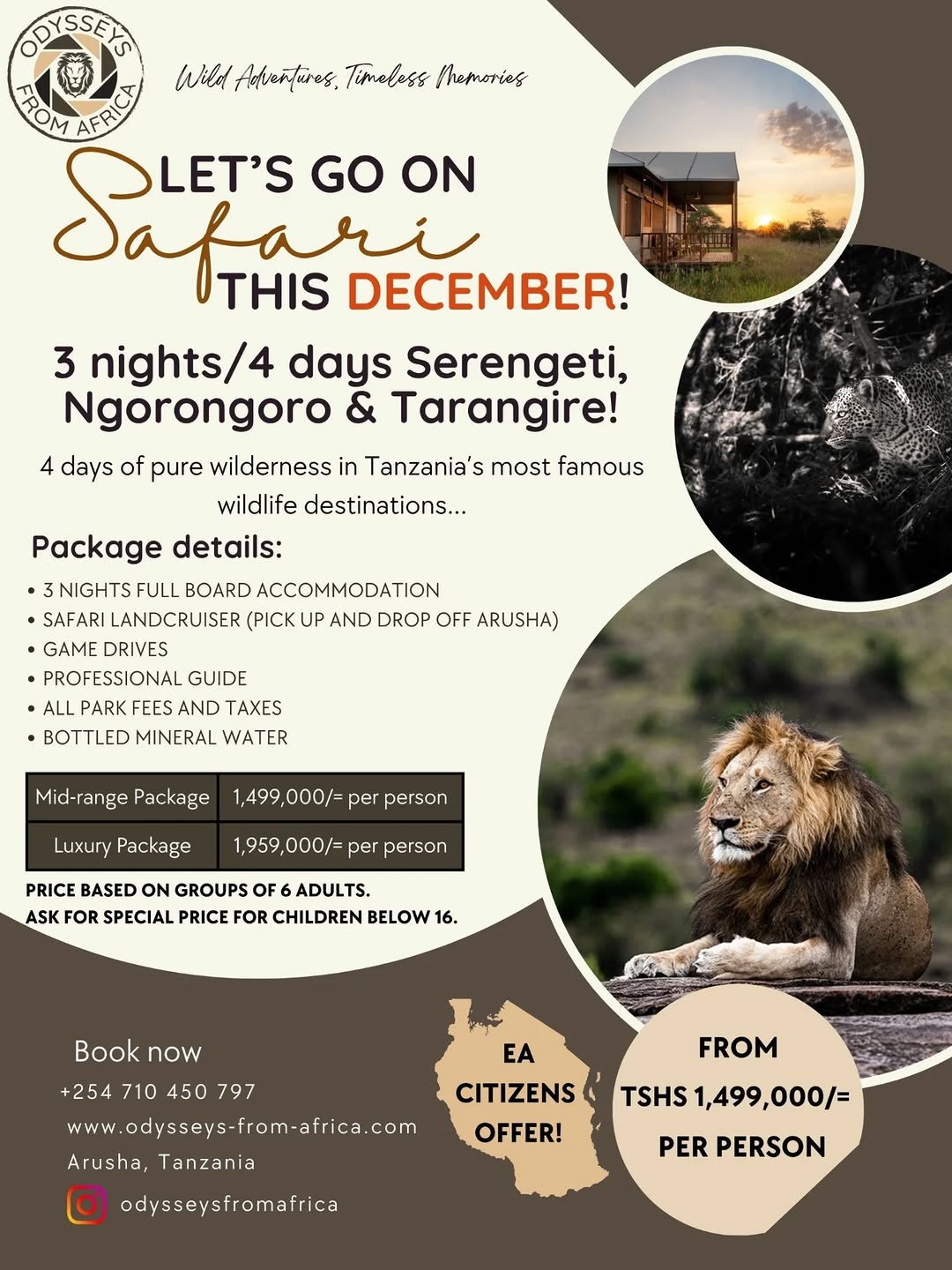
Wild Adventures, Timeless Memories…

Odysseys From Africa

Safari Blog

Guides, itineraries and field notes from our safari specialists in Arusha — everything you need to plan your Tanzania and Kenya adventure.

Travelers

Why a Small Group Safari Kenya Is Perfect for Friends

Small group safari Kenya offers friends the perfect balance of adventure, intimacy, and flexibility. Traveling in a small group allows for private amenities, personalized itineraries, and richer wildlife experiences. Kenya’s iconic national parks and conservancies, including the Maasai Mara, Amboseli, and Samburu, provide unparalleled opportunities to see the Big Five, witness the Great Migration, and engage with local culture. For groups of friends, a small group safari ensures everyone can share the journey while having space and freedom to customize their experience. The Advantages of Small Group Safaris for Friends Small group safaris create a more intimate and enjoyable atmosphere compared to larger tour groups. Friends can bond, share experiences, and move at their own pace without compromising comfort or privacy. Private Vehicles: Small groups typically have dedicated safari vehicles, giving you the freedom to stop, photograph, or linger wherever wildlife appears. Flexible Itineraries: Travel times, meals, and activities can be tailored to the group’s interests and energy levels. Enhanced Learning: Guides can focus on the group’s questions and provide personalized insight into animal behavior, conservation, and local culture. Comfort & Safety: Smaller numbers make it easier to accommodate dietary needs, health concerns, and special requests. Combine cultural learning with wildlife exploration on Tanzania Explorer. Ideal Destinations for Small group safari Kenya Kenya has a wealth of parks and reserves suited to small group travel, each offering unique wildlife and landscape experiences. Maasai Mara National Reserve Friends can witness the Great Migration and Big Five sightings with more flexibility and fewer crowds. Early morning and late afternoon game drives to see lions, elephants, cheetahs, and wildebeest. Optional hot-air balloon rides with champagne breakfast for memorable group experiences. Photography tips: 100–400mm lens recommended for capturing wildlife without disturbing animals. Amboseli National Park Famous for elephants framed by Mount Kilimanjaro, Amboseli offers smaller crowds and scenic landscapes. Ideal for groups seeking fewer vehicles on safari drives. Educational opportunities: learn about elephant behavior, Maasai pastoral life, and conservation efforts. Kid-friendly or multi-age groups can enjoy shorter, tailored drives. Samburu and Laikipia Remote northern parks allow for exclusive wildlife encounters with fewer tourists. Encounter rare species like Grevy’s zebra, gerenuk, and reticulated giraffe. Small groups enjoy guided walking safaris, birdwatching, and private bush meals. Learn more about cultural integration on Serengeti and Ngorongoro. Personalizing Your Friends Group Safari One of the biggest benefits of Small Group Safari Kenya is the ability to customize your safari experience. Meal Preferences: Accommodate dietary needs for all members. Activity Level: Some friends may want full-day drives, others prefer shorter morning safaris. Photography Focus: Include specific times for sunrise or sunset photography tailored to the group. Special Occasions: Celebrate birthdays, anniversaries, or reunions with bush breakfasts, private dinners, or group excursions. Explore wildlife photography trips through Photographic Safaris. Accommodations for Friends Traveling in Small Groups Choosing the right lodge or camp enhances privacy and comfort for friends traveling together. Private Villas & Tented Camps: Ideal for groups of 4–8 friends, offering en-suite bathrooms, communal lounges, and shared decks. Boutique Lodges: Smaller lodges often prioritize personal service and group flexibility. Shared Family Suites: Some lodges offer interconnecting rooms for friends traveling in pairs or larger clusters. Safety & Amenities: Pools, Wi-Fi, and secure storage are additional perks for friends who want both adventure and convenience. For multi-activity itineraries, see Best of Northern Tanzania. Enhancing Wildlife Encounters Small Group Safari Kenya allow for more detailed observation and engagement with wildlife. Extended Game Drives: Vehicles can linger longer at predator sightings or migration crossings. Walking Safaris: Private walking excursions give groups up-close nature experiences, guided safely by rangers. Night Drives: Exclusive evening drives allow spotting nocturnal wildlife like leopards and genets. Photography Tips: Use a telephoto lens (100–400mm) for wildlife shots, and consider a polarizing filter to reduce glare during sunny afternoons. Shorter, focused wildlife tours can be explored on Short Serengeti. Cultural Engagement Opportunities Small group safaris can integrate meaningful cultural experiences with Maasai and Samburu communities. Visit local villages for guided insights into traditional pastoral life. Participate in beadwork workshops, cooking demonstrations, and storytelling sessions. Learn about conservation practices and the symbiotic relationship between wildlife and communities. Ethical guidelines ensure communities benefit from tourism while remaining undisturbed. Internal Link: Combine culture and safari on Migration Calving Safari. Planning for US Travelers US-based groups should plan ahead to ensure a smooth and safe safari experience in Kenya. Flights: Direct or connecting flights from JFK, LAX, or other major hubs via Nairobi. Visa Requirements: US citizens need an eVisa, obtainable online before arrival. Health & Safety: Vaccinations, malaria prophylaxis, and travel insurance are recommended. Currency & Connectivity: ATMs are widely available, and mobile data options are convenient for coordinating small group logistics. Budgeting for Small group safari Kenya Small Group Safari Kenya may cost slightly more per person than larger tours but provide significant value through flexibility and private experiences. Accommodation Upgrades: Private tents or villas may be more expensive but ensure comfort. Shared Vehicle Costs: Per-person cost decreases as the group size increases moderately (4–8 people). Extra Activities: Hot-air balloon rides, guided cultural visits, and photography workshops are more affordable when planned as a group. Timing Considerations: Dry season (June–October) maximizes wildlife viewing; wet season offers fewer tourists and lower rates. Tips for Maximizing Group Safari Fun Planning activities that cater to all friends ensures a successful and enjoyable safari. Rotate Roles: Assign photo/documentation, itinerary tracking, or group meal planning to different members. Balance Adventure & Relaxation: Include downtime between game drives for reading, relaxing, or swimming at lodges. Shared Memories: Create group photo albums or digital journals to document your safari experience. Stay Flexible: Wildlife sightings are unpredictable; flexibility ensures everyone enjoys the experience without stress. Multi-Generational Friend Groups Many Small Group Safari Kenya include friends across different age ranges. Tailoring activities accommodates diverse energy levels and interests. Morning Drives for Early Risers: Younger or more active friends may prefer sunrise drives. Afternoon Relaxation: Older group members can enjoy lounge areas or lodge amenities during mid-day heat. Inclusive Meals:…

Read More
Tanzania vs Kenya safari for first timers
Uncategorized·

Tanzania vs Kenya: Which Safari is Best for First-Timers

Tanzania vs Kenya Safari: Which is Best for First-Timers? Tanzania vs Kenya safari for first timers is one of the most common questions for first-time travelers from the USA. Both countries offer extraordinary wildlife, stunning landscapes, and unforgettable safari experiences, but each has unique advantages that make it better suited for different types of travelers. Understanding differences in wildlife density, migration timing, park accessibility, and safari packages helps first-timers decide where to begin their African adventure. Wildlife Experiences: Who Sees What? Tanzania vs Kenya safari both offer incredible wildlife viewing, but the experience differs for first-time safari travelers. Tanzania’s vast open plains are perfect for photography, while Kenya’s reserves are more concentrated and accessible. Tanzania: Iconic wildlife destinations include Serengeti Safari Tours and Ngorongoro Crater. Seasonal events like the Migration Calving Safari and Migration Crossing Safari offer extraordinary predator-prey interactions. Kenya: Maasai Mara National Reserve provides dense wildlife close to roads, ideal for first-time safari drives. The Great Migration crosses here in June–July, similar to northern Serengeti in Tanzania. Photography tip: Tanzania’s open plains allow sweeping landscape shots and large herd compositions, while Kenya’s Mara is better for close-ups of lions, elephants, and cheetahs. Landscape and Scenery of Tanzania vs Kenya safari Tanzania’s landscapes are expansive and dramatic, while Kenya offers varied scenery easily accessible from Nairobi. First-time travelers will notice Tanzania’s iconic savannahs, volcanic craters, and rolling hills, perfect for immersive wildlife viewing. Kenya offers acacia-studded plains, riverine forests, and hills, giving visitors variety in short drives. Tanzania: Serengeti, Ngorongoro Crater, Lake Manyara Kenya: Maasai Mara, Amboseli, Samburu Growing up in Arusha, our team knows the best vantage points in Tanzania for sunrise and sunset photography, especially during the migration. Costs and Budget Considerations Budget is a major factor when choosing between a Tanzania vs Kenya safari for first-timers. Tanzania typically has slightly lower park fees and a wide range of lodge options, while Kenya’s proximity to Nairobi can reduce flights but increase lodge costs. Flights from the US: Round-trip $1,200–$2,000 via JFK, LAX, or ATL to Kilimanjaro (Tanzania) or Nairobi (Kenya) Lodging: Luxury lodges $500–$1,200/night (Tanzania), $600–$1,300/night (Kenya); tented camps $250–$500/night Park Fees: Serengeti ~$70/day; Ngorongoro ~$70–$80; Maasai Mara ~$80–$90/day Packages like Best of Northern Tanzania and Tanzania Explorer make budgeting simple for first-time US travelers. Safari Timing and Seasonal Highlights Timing your safari affects wildlife visibility, photography, and comfort. Tanzania’s dry season (June–October) and Kenya’s peak season are ideal for first-timers. Tanzania: Dry season June–October; Migration Calving Safari Dec–Mar; Migration Crossing Safari June–July Kenya: June–July northern migration in Maasai Mara, ideal for predictable wildlife sightings Local Tanzanian guides can optimize safari timing for first-timers, ensuring maximum sightings and photo opportunities. Travel Logistics for US Safari Travelers US travelers need to plan flights, visas, and health requirements carefully for Tanzania and Kenya. Flights: Connect via JFK, LAX, ATL to Kilimanjaro or Nairobi Visa Requirements: US citizens need an eVisa for Tanzania and Kenya Health & Safety: Yellow fever vaccination may be required; malaria prophylaxis recommended Travel Time: Total 18–24 hours with one layover Safari Packages for First-Timers Structured safari packages simplify logistics and maximize wildlife exposure. Tanzania: Short Serengeti – 3–4 days Tanzania Explorer – Multi-park adventure Best of Northern Tanzania – Luxury curated lodges Kenya: Maasai Mara multi-day tours often paired with Amboseli or Samburu for first-timers Photographic Safari Considerations Photography is often a top priority for first-timers. 100–400mm lens for predators; wide-angle for landscapes Tanzania’s open plains are ideal for sweeping shots of migration Kenya’s denser reserves allow close-up wildlife photography See Photographic Safaris for equipment tips and itineraries. Combining Safari with Coastal Extensions Many US travelers extend their safari with a beach stay. Tanzania: Short Zanzibar or Best of Zanzibar Kenya: Mombasa or Diani Beach Conclusion: Which Safari is Best for First-Timers? Tanzania often provides the ideal first safari experience for US travelers. Its vast plains, curated packages, and seasonal migrations offer predictable sightings and excellent photographic opportunities. Kenya offers concentrated wildlife and easier access from Nairobi, but Tanzania’s open landscapes and multi-park options give first-timers an immersive adventure. Request a custom safari proposal or plan your first Tanzanian safari today. Location: Arusha, TanzaniaEmail: info@odysseys-from-africa.comPhone: +254 710 450 797 | +255 652 810 255Website: Odysseys From Africa

Read More
Carbon-Neutral Safari
Travel·

Your Guide to a Carbon-Neutral Safari Africa

A carbon-neutral safari in Africa allows travelers to experience the continent’s breathtaking wildlife and landscapes while minimizing environmental impact. By combining sustainable lodges, eco-conscious practices, and carbon offset programs, you can enjoy a guilt-free 2026 adventure in Tanzania and beyond. As awareness of climate change grows, many safari-goers are seeking ways to travel responsibly. A carbon-neutral safari balances adventure with sustainability, offering luxury, comfort, and ethical wildlife experiences while reducing your ecological footprint. This guide explores the principles, destinations, accommodations, and tips for planning a truly carbon-neutral African safari. Why Choose a Carbon-Neutral Safari Africa Carbon-neutral safaris reduce your environmental impact while supporting conservation and local communities. Minimized Carbon Footprint: Travel with offset programs that neutralize emissions from flights, vehicles, and accommodations Sustainable Practices: Lodges and camps adopt energy-efficient systems, renewable energy, and responsible waste management Support Local Communities: Eco-conscious tourism benefits surrounding villages, schools, and conservation initiatives Ethical Wildlife Encounters: Practices that prioritize animal welfare, habitat preservation, and anti-poaching efforts Explore responsible travel options on Tanzania Explorer. Top Destinations for Sustainable Safaris East Africa offers a variety of parks, reserves, and conservation areas committed to sustainability. Serengeti National Park & Ngorongoro Conservation Area Some of the most eco-conscious safari experiences in Tanzania are found here. Sustainable lodges use solar power, water recycling, and low-impact infrastructure Guided game drives follow strict conservation protocols to minimize disturbance Carbon offset contributions often fund anti-poaching and wildlife monitoring projects Combine wildlife and conservation-focused trips on Serengeti and Ngorongoro. Tarangire & Lake Manyara Ideal for small-group, low-impact safari experiences. Smaller lodges reduce human impact on fragile ecosystems Walking safaris and quiet photographic drives allow intimate wildlife encounters Partnerships with local communities help preserve traditional ways of life Zanzibar & Coastal Extensions Carbon-neutral travel extends beyond the savanna to tropical landscapes. Eco-resorts on Zanzibar prioritize renewable energy, composting, and sustainable seafood Cultural experiences, such as spice farm tours, support ethical local practices Low-impact water sports and beach activities ensure minimal ecological disturbance Extend your eco-conscious travel with Short Zanzibar. Principles of a Carbon-Neutral Safari Understanding and implementing carbon-neutral practices enhances the sustainability of your safari. Offset Travel Emissions: Use verified carbon offset programs for flights and vehicles Eco-Friendly Lodging: Stay at lodges that prioritize renewable energy, water conservation, and recycling Sustainable Game Drives: Use electric or fuel-efficient vehicles where available; limit daily mileage to reduce emissions Responsible Waste Management: Avoid single-use plastics, compost organic waste, and support camps with recycling initiatives Community Engagement: Participate in programs that benefit local schools, health clinics, and conservation efforts Learn more about ethical travel practices on Best of Northern Tanzania. Eco-Friendly Accommodations for Carbon-Neutral Travel Choosing the right lodge or camp is critical for minimizing your environmental footprint. Solar-Powered Lodges: Use solar panels for electricity and water heating Water Conservation Measures: Rainwater harvesting, low-flow showers, and greywater recycling Sustainable Materials: Structures built from local and renewable materials reduce environmental disruption Community Partnerships: Lodges that employ local staff, source food locally, and support community projects For cultural and wildlife immersion combined with sustainability, see Tanzania Explorer. Carbon Offset Programs and Responsible Travel Offsetting your carbon emissions is a key component of a carbon-neutral safari. Air Travel Offsets: Contribute to verified programs that plant trees, restore habitats, or fund renewable energy Ground Transportation Offsets: Some safari operators offer offsets for vehicle emissions Support for Conservation Projects: Donations support anti-poaching patrols, wildlife research, and community conservation initiatives Eco-Travel Certifications: Look for operators and lodges with sustainability certifications and transparent reporting Consider trips that integrate offsets with immersive wildlife experiences on Photographic Safaris. Planning a Carbon-Neutral Safari Itinerary Planning ahead ensures your safari is both memorable and sustainable. Suggested 10-Day Carbon-Neutral Safari Day 1–2: Arrival in Arusha/Nairobi – Meet eco-conscious guides and review sustainability practices Day 3–5: Serengeti National Park – Guided game drives with minimal environmental impact Day 6–7: Ngorongoro Crater & Tarangire – Explore wildlife with carbon-efficient transport Day 8–10: Zanzibar – Stay in eco-lodges and engage in responsible cultural tours Specialized conservation-focused safaris are available on Migration Calving Safari. Tips for Responsible Wildlife Photography Photography should always align with conservation principles. Keep a safe distance from animals using telephoto lenses Avoid flash photography that may stress wildlife Do not feed or approach animals Respect local communities by asking permission before photographing people Combine wildlife photography with ethical practices on Serengeti and Ngorongoro. Sustainable Cultural Experiences Engaging with local communities in a responsible way enhances both your safari and your understanding of East Africa. Visit Maasai villages or local markets with guides to ensure respectful interactions Participate in cultural workshops that benefit the community Purchase locally made crafts to support small businesses Learn about traditional conservation practices embedded in local culture Solo and Small-Group Carbon-Neutral Travel Carbon-neutral safaris work well for solo travelers or small groups. Small groups reduce vehicle emissions and environmental impact Solo travelers can enjoy personalized guidance on sustainable practices Shared vehicles allow efficient travel while maintaining flexibility For eco-conscious group experiences, see Best of Northern Tanzania. Health, Safety, and Eco-Friendly Practices Safe and sustainable travel go hand-in-hand. Vaccinations & Health: Protect against malaria and routine diseases Travel Insurance: Include coverage for eco-adventures and equipment Responsible Waste: Dispose of all litter properly and avoid single-use plastics Sustainable Food Choices: Opt for local, organic meals at lodges Guide Expertise: Trained guides ensure safety while maintaining eco-friendly practices Learn more about eco-conscious travel prep on Travel Information. Mindfulness and Eco-Conscious Travel Sustainability also includes mindful interaction with nature. Observe wildlife quietly and respectfully Reduce energy use and water consumption during lodge stays Participate in conservation activities like tree planting or clean-up drives Reflect on your impact and share sustainable travel tips with others Conclusion & Call to Action A carbon-neutral safari Africa allows travelers to experience the continent’s magic responsibly. By combining eco-conscious lodges, ethical wildlife practices, and carbon offset programs, you can enjoy an unforgettable 2026 adventure that supports conservation and local communities. Plan your sustainable safari today and Request a Custom Safari Proposal or Join a Carbon-Neutral…

Read More
Safari Packages

Family Safari Tanzania and Zanzibar: Ultimate Multi-Generational Guide

Family Safari Tanzania and Zanzibar offers an unforgettable mix of wildlife adventure, cultural immersion, and relaxing beach experiences. With careful planning, multi-generational travelers can enjoy safe, kid-friendly activities while creating lasting memories together. From spotting elephants in the Serengeti to building sandcastles on Zanzibar’s pristine beaches, East Africa is a destination where families of all ages can connect with nature, culture, and each other. This guide covers everything from itinerary ideas and accommodations to transport, safety, and cultural considerations for US travelers planning a family safari. Why Family Safari Tanzania and Zanzibar is Unique Tanzania and Zanzibar combine world-class safari experiences with idyllic beaches, making them ideal for multi-generational family travel. Children, parents, and grandparents can all enjoy tailored activities that cater to different interests and energy levels. East Africa is home to some of the most famous national parks, including the Serengeti and Ngorongoro Crater, where families can witness the Great Migration and encounter the Big Five. Zanzibar adds a coastal dimension, offering warm waters, white sand beaches, and cultural exploration in Stone Town. For families seeking to balance wildlife adventure with relaxation, combining Tanzania’s safari parks with Zanzibar’s beach resorts provides an accessible, safe, and enriching experience. Choosing Family-Friendly Safari Lodges Selecting the right accommodation is essential for a family safari. Many lodges in Tanzania and Zanzibar offer kid-friendly amenities, private family suites, and safe spaces for children to play. Tanzania Safari Lodges: Choose lodges with family tents or villas that can accommodate multiple generations. Look for swimming pools, guided nature walks suitable for kids, and dining options with flexible meal times. Lodges in the Serengeti, Tarangire, and Ngorongoro are ideal for families, combining wildlife access with comfort. Zanzibar Resorts: Beachfront resorts often feature shallow pools, kid’s clubs, and supervised activities like snorkeling, dhow sailing, or cultural workshops. Accommodations in Nungwi and Kendwa are popular for family travelers seeking safe, calm waters. Consider lodges offering interconnecting rooms or family villas to maintain comfort and privacy for different age groups. Internal Link: Families can complement safari adventures with structured cultural and wildlife activities found in Tanzania Explorer. Planning Multi-Generational Itineraries A successful multi-generational safari balances adventure, relaxation, and pacing. Consider the interests and mobility of all family members when designing your itinerary. Suggested Itinerary Days 1–3: Arusha & Tarangire – Begin with gentle safari drives, spotting elephants and giraffes. Accommodations near Arusha offer easy access to family-friendly lodges. Days 4–6: Serengeti Safari – Explore the plains with morning and late-afternoon game drives suitable for children. Include educational wildlife talks for older kids and teens. Day 7: Ngorongoro Crater – Take a half-day drive to observe the crater’s rich wildlife. Guides can adapt the pace for older family members or young children. Days 8–12: Zanzibar Beach Extension – Relax on calm beaches, engage in snorkeling, and explore Stone Town’s history. Include optional cultural tours like spice farm visits for immersive family experiences (Short Zanzibar). Kid-Friendly Safari Activities Safari experiences can be educational and fun for children, from spotting animals to participating in interactive learning sessions. Junior Ranger Programs: Some lodges offer interactive wildlife activities, teaching children about conservation and animal behavior. Guided Nature Walks: Short walks in protected areas allow children to see plants, insects, and smaller wildlife safely. Cultural Visits: Engaging with Maasai communities or local villages can introduce children to cultural traditions and crafts in an ethical, supervised setting. Photography Fun: Older kids can try wildlife photography with beginner-friendly cameras. Tips: start with simple zoom lenses (24–105mm) to capture animals without disturbing them. Safe and Comfortable Transport Family travel Tanzania and Zanzibar requires careful attention to transportation safety and comfort. Flights: US travelers can fly via Nairobi (JFK/NBO) or direct flights to Kilimanjaro International Airport. Consider booking flights with minimal layovers and daytime arrivals to reduce travel fatigue for children. Safari Vehicles: 4×4 vehicles with seatbelts and pop-up roofs are standard. For younger children, inquire about booster seats and shaded areas to prevent sun exposure. Boat Transfers in Zanzibar: Use licensed operators for ferries and dhows; opt for morning departures when seas are calmer for younger travelers. For detailed travel preparation, see Travel Information. Health and Safety Considerations Ensuring the health and safety of all family members is a priority. Vaccinations: Routine vaccines plus yellow fever certification are recommended for all US travelers. Travel Insurance: Comprehensive coverage including medical evacuation is strongly advised for multi-generational families. Sun and Hydration: Carry sunblock, hats, and water for daily excursions. Food Safety: Choose lodges with child-friendly menus and avoid raw street food. Guided Supervision: All wildlife and cultural excursions should be guided by trained staff to prevent accidents. Educational and Cultural Opportunities Family safaris can be both fun and educational, fostering a deeper understanding of East African ecosystems and cultures. Wildlife Lessons: Children can learn about predator-prey relationships, migration patterns, and conservation challenges in Tanzania’s national parks. Cultural Workshops: Participate in beadwork, cooking demonstrations, and storytelling sessions with local communities. Responsible Tourism: Teaching children to respect wildlife and cultural norms ensures they understand the importance of ethical travel practices. Incorporate photographic learning experiences through Photographic Safaris. Zanzibar: The Perfect Family Beach Extension Zanzibar offers a safe, relaxing contrast to Tanzania’s safari landscapes, with calm waters, kid-friendly activities, and cultural exploration. Beach Activities Swimming in shallow lagoons suitable for children Sandcastle building and beach games Snorkeling near coral reefs with certified guides Cultural Exploration Stone Town Tours: Explore markets, historic buildings, and local spice farms in a family-friendly, guided setting. Spice Farm Visits: Learn about cloves, cinnamon, and vanilla while engaging with local farmers—educational for children and adults alike. For shorter Zanzibar-focused trips, check Short Zanzibar. Photography Tips for Families Capturing memories without disrupting experiences is key. Family safaris and beach extensions offer unique opportunities for both candid and posed shots. Wildlife: Use a 100–400mm lens to photograph animals safely from a distance. Family Portraits: Early morning or late afternoon light is ideal for group shots. Cultural Photography: Always ask permission before photographing local community members or ceremonies. Beach Shots: Use…

Read More
Multi-generational safari Tanzania

Best Tanzania Safari Itineraries for First-Timers

Best Tanzania safari itineraries are treated to a breathtaking combination of wildlife, landscapes, and culture. Carefully designed itineraries ensure that your safari captures the essence of the Serengeti, Ngorongoro Crater, and other iconic destinations. US travelers benefit from Tanzanian-born guides who provide expert insights, tailor game drives, and recommend the best lodges, ensuring a seamless and memorable first safari experience. Itinerary 1: Classic Northern Tanzania Safari This itinerary highlights the must-see destinations for newcomers, combining game drives with luxury accommodations and cultural experiences. Days 1–2: Arusha arrival and acclimation, lodge stay with optional nearby nature walks Days 3–4: Serengeti safari tours focusing on wildlife viewing and photography Days 5–6: Ngorongoro Crater for close encounters with lions, elephants, and rhinos Day 7: Departure via Kilimanjaro International Airport For first-timers seeking this classic route, see Serengeti and Ngorongoro. Itinerary 2: Migration-Focused Safari Ideal for wildlife enthusiasts, this itinerary is timed to witness the Great Migration and calving season, offering unparalleled predator-prey action. Days 1–2: Arusha arrival and orientation with local guides Days 3–5: Serengeti Calving Season 2026 or Migration Crossing for dramatic wildlife events Days 6–7: Ngorongoro or Tarangire National Park for varied ecosystems Optional balloon safari for unique aerial photography Experience migration-centered adventures in Migration Calving Safari and Migration Crossing Safari. Itinerary 3: Boutique and Luxury Tented Camp Experience This route focuses on intimate, luxurious accommodations while maintaining proximity to wildlife hotspots for a first-class safari experience. Exclusive stays at boutique safari lodges and luxury tented camps Serengeti Private game drives tailored for wildlife viewing and photography Opportunities for sunrise and sunset observation decks for scenic moments Integration of eco-conscious practices for sustainable travel Learn more about lodging options in Best of Northern Tanzania and Luxury Tented Camps Serengeti. Itinerary 4: Cultural Immersion and Wildlife Combo Combine the thrill of safari with authentic cultural encounters, providing a holistic Tanzanian experience for first-timers. Visits to Maasai villages, local markets, and artisan workshops Private guided safari drives for game viewing in Serengeti and Ngorongoro Opportunities to photograph cultural ceremonies and local life responsibly Integration of boutique lodge stays for comfort and convenience Cultural-first itineraries can be explored in Best of Zanzibar. Itinerary 5: Photographic Safari for Beginners Tailored for first-time wildlife photographers, this itinerary balances game drives with guidance on capturing professional-quality photos. Early morning and late afternoon drives for optimal lighting Expert advice from Tanzanian-born guides on lens choice, framing, and shutter speed Private hides and boutique lodge decks for intimate wildlife observation Optional workshops and portfolio review sessions for enhanced photography skills Discover photography-focused itineraries in Photographic Safaris. Seasonal Tips for Best Tanzania safari itineraries Choosing the right season can make or break a first safari experience, influencing wildlife density, weather, and photography opportunities. Dry season (June–October) for concentrated wildlife and easier travel conditions Wet season (March–May) for lush landscapes, abundant birdlife, and fewer crowds Calving and migration seasons for dramatic wildlife events Local guides provide recommendations based on guest preferences and seasonal patterns Seasonal guidance can be integrated with Short Serengeti and Short Zanzibar. Benefits of Private Guided Safaris for First-Timers Private guided safaris allow first-time visitors to travel at their own pace while maximizing wildlife sightings and comfort. Personalized routes and game drive schedules One-on-one attention from Tanzanian-born guides with deep local knowledge Flexible inclusion of photography, cultural activities, and boutique lodge experiences Minimized crowd exposure and exclusive wildlife encounters Enhance your experience with Tanzania Explorer. Lodging and Comfort Recommendations Boutique safari lodges and luxury tented camps provide intimacy, comfort, and scenic views, making the first safari a truly memorable experience. Smaller lodges ensure privacy and personalized service Luxury tented camps with en-suite amenities and private decks overlooking the plains Sustainable operations including solar energy, water recycling, and minimal waste Gourmet meals highlighting locally sourced ingredients Pair lodge stays with itineraries in Best of Northern Tanzania. Travel Logistics for US Visitors US travelers should plan flights, visas, health precautions, and travel insurance ahead to ensure a smooth first safari experience. Flights from JFK/LAX to Kilimanjaro International Airport via Nairobi, Doha, or Addis Ababa eVisa or visa on arrival for US citizens Vaccinations, malaria prophylaxis, and travel insurance recommendations Packing tips for clothing, photography gear, and bush safety Full guidance is available in Travel Information. Request Your Custom First-Time Safari Proposal Plan your first Tanzania safari with Tanzanian-born experts who craft personalized itineraries combining wildlife, boutique lodges, photography, and cultural immersion. Location: Arusha, Tanzania Email: info@odysseys-from-africa.com Phone: +254 (0) 710 450 797 | +255 (0) 652 810 255 Website: Odysseys From Africa Our team designs bespoke itineraries that balance adventure, comfort, culture, and sustainability for first-time US travelers seeking an unforgettable safari experience.

Read More
African Safari from USA
Travel·

How to Plan the Ultimate African Safari from the USA

How to Plan the Ultimate African Safari from the USA Planning an African safari from USA is a dream for many travelers, but it requires careful preparation to ensure every detail is perfect. From flights and visas to choosing the right destinations and safari packages, your decisions shape your adventure. Whether you’re seeking a luxury safari, an action-packed adventure, or a photographic safari, planning an African safari from USA with local Tanzanian experts guarantees an unforgettable experience. Flights and Travel Logistics for US Travelers Flying to Tanzania from the US for an African safari requires strategic planning to reduce fatigue and maximize comfort. Most travelers connect through JFK, LAX, or ATL with airlines like Delta, KLM, Qatar Airways, or Turkish Airlines. Early bookings secure better fares and convenient connections, ensuring your African safari from USA starts smoothly. Travelers typically arrive at Kilimanjaro International Airport (JRO) near Arusha. Total travel time ranges from 18–24 hours with one layover. Tips for US travelers: Book flights 3–6 months in advance ($1,200–$2,000 round-trip). Overnight layovers can reduce jet lag. Arrange airport transfers through your safari lodge or operator for a seamless start. Visa and Health Requirements US citizens need an eVisa to enter Tanzania, obtainable online before departure. Health preparation is essential to ensure your African safari from USA is safe and enjoyable. Vaccinations and malaria prophylaxis are recommended. Passport validity: at least six months beyond travel dates. Yellow fever vaccination may be required. Malaria prophylaxis highly recommended. Pack sunscreen, insect repellent, and a basic first-aid kit. For detailed US-specific guidance, visit Travel Information. Choosing Your Safari Destination in Tanzania Northern Tanzania offers iconic wildlife and breathtaking landscapes. Selecting the right parks and lodges early ensures you align your trip with seasonal migrations and photography opportunities. Each destination offers unique wildlife experiences tailored to your safari goals. Top destinations include: Serengeti Safari Tours: Witness the Great Migration and predator action across the vast plains. Short options like Short Serengeti are ideal for travelers with limited time. Ngorongoro Crater: Spot the Big Five in a single day. Migration-focused Safaris: The Migration Calving Safari (Dec–Mar) and Migration Crossing Safari (June–July) provide extraordinary wildlife moments. Photographic Safaris: Bring a 100–400mm lens for predator action and wide-angle lenses for landscapes. Growing up in Arusha, our team knows the hidden wildlife spots and best seasonal opportunities to maximize sightings and photographs. Selecting the Ideal Safari Package The right safari package ensures comfort, safety, and a seamless experience. Options range from short tours to multi-week explorations across Tanzania’s premier parks, guided by expert locals. Types of safari packages: Luxury Safaris: Premium lodges, private game drives, curated dining. Examples include Best of Northern Tanzania and Tanzania Explorer. Short Safaris: Perfect for limited time, such as Short Serengeti or Short Zanzibar. Customized Packages: Tailored itineraries for photography, family trips, or specific wildlife interests. Guides adjust routes, timing, and lodges to your goals. Budgeting for Your Safari A clear budget ensures your African safari from USA meets expectations while covering all essentials. Advance planning allows access to seasonal pricing and exclusive experiences. Flights: $1,200–$2,000 from the US. Lodging: Luxury lodges $500–$1,200/night; tented camps $250–$500/night. Park Fees: Serengeti ~$70/day; Ngorongoro Crater $70–$80/day. Guides & Transfers: Private vehicles with expert guides $200–$400/day. Our local knowledge ensures a balance of authentic wildlife immersion and high-end comfort while keeping costs transparent. Best Time to Travel and Wildlife Seasons Timing is critical for witnessing East Africa’s wildlife at its peak. Dry months concentrate animals at waterholes, while migration seasons offer unforgettable photographic moments. Seasonal planning maximizes your safari experience. Dry Season (June–October): Best for predator sightings and concentrated wildlife. Migration Seasons: Calving Dec–Mar (southern Serengeti); river crossings June–July (northern Serengeti). Wet Season (Nov–May): Fewer tourists, lush landscapes, and newborn animals. For detailed timing, check Migration Calving Safari and Migration Crossing Safari itineraries. Preparing for Your Safari Experience Proper preparation impacts comfort, safety, and photography quality. Technical planning ensures US travelers have the right gear and clothing. Photography: 100–400mm lens for predators; wide-angle for landscapes; spare batteries and memory cards. Clothing: Neutral layers, sunhat, sunglasses, sturdy walking shoes. Health & Safety: Sunscreen, insect repellent, hydration packs, personal medications. Documentation: Passport, eVisa, travel insurance, lodge and flight confirmations. Zanzibar and Coastal Safari Extensions Many US travelers combine a safari with a Zanzibar visit to experience pristine beaches and cultural excursions. Coastal extensions enhance your East Africa itinerary. Recommended tours: Short Zanzibar and Best of Zanzibar. Activities include snorkeling, spice farm tours, cultural visits, and luxury beachfront lodges. Visit Zanzibar Destination for detailed information. Booking with Tanzanian Safari Experts Local expertise guarantees an authentic and safe safari experience. Arusha-born guides provide insider knowledge of wildlife, lodges, and hidden spots that US travelers would otherwise miss. Plan multi-park itineraries with Tanzania Explorer. Explore additional options via All Destinations. Access US-specific guidance through Travel Information. Conclusion and Call to Action Planning an African safari from USA is a multi-step process, but careful preparation ensures an unforgettable adventure. From flights and visas to seasonal insights and photographic guidance, local Tanzanian expertise makes every safari seamless. Request a custom safari proposal or plan your Tanzania safari holiday today. Location: Arusha, TanzaniaEmail: info@odysseys-from-africa.comPhone: +254 710 450 797 | +255 652 810 255Website: Odysseys From Africa

Read More
Kenya and Tanzania Safari Specialist

Choosing a Kenya and Tanzania Specialist for Your Trip

Navigating a safari across Kenya and Tanzania Safari Specialist requires expertise, insider knowledge, and local connections. A Kenya and Tanzania specialist ensures your trip is seamless, well-timed, and tailored to your interests, whether wildlife, photography, or cultural immersion. US travelers benefit from Tanzanian-born guides who understand cross-border logistics, park regulations, and seasonal wildlife patterns, creating a hassle-free and unforgettable African adventure. Why a Specialist Matters Kenya and Tanzania Safari Specialist share diverse ecosystems, but each country has unique logistics, park rules, and cultural nuances. A specialist provides the knowledge and connections to optimize your experience. Expert understanding of visa requirements and cross-border transit Coordination of flights, road transfers, and game drives Advice on park timing to coincide with the Great Migration, calving season, or birding peaks Tailored experiences that combine both countries efficiently Explore cross-border safaris with Tanzania Explorer. Tailored African Adventures Across Borders Specialists create bespoke itineraries that reflect your pace, interests, and comfort while navigating multiple countries. Private guided safari vehicles for small groups or solo travelers Customized game drives emphasizing species or photography opportunities Integration of cultural visits in Maasai villages or artisan communities Personalized schedules for morning and evening wildlife observation For expert-led tailored itineraries, see Tailored African Adventures. Cross-Border Logistics Made Simple Traveling between Kenya and Tanzania Safari Specialist involves multiple airports, customs procedures, and park permits. Specialists streamline every step. Pre-arranged airport transfers and charter flights Coordination of e-visas and permits for multiple parks Knowledge of road conditions, seasonal accessibility, and bush plane luggage restrictions Safety standards and communication protocols to protect travelers Ensure smooth travel with Serengeti and Ngorongoro. Access to Boutique Lodges and Luxury Camps Kenya and Tanzania specialists know which lodges provide the best locations, service, and immersive experiences for your safari. Boutique lodges offering personalized service and exclusive wildlife access Luxury tented camps with en-suite amenities and private decks overlooking the plains Integration of sustainable practices, such as solar energy and waste reduction Gourmet dining experiences featuring locally sourced ingredients Pair your lodge selection with itineraries in Best of Northern Tanzania. Wildlife Experiences Across Kenya and Tanzania Safari Specialist Specialists maximize wildlife encounters by leveraging insider knowledge of animal behavior, seasonal migration, and park dynamics. Tailored game drives to view the Great Migration, calving season, and predator activity Access to remote areas for rare wildlife sightings Expert advice for wildlife photography, including lens recommendations and framing Flexibility to adjust itineraries based on real-time wildlife movement For migration-focused itineraries, see Migration Calving Safari and Migration Crossing Safari. Cultural Engagement Across Borders Specialists integrate ethical cultural encounters into your safari, highlighting local communities while respecting traditions. Visits to Maasai villages and artisan workshops in both Kenya and Tanzania Storytelling and photography opportunities adhering to cultural norms Support for local economies through fair compensation and tourism revenue Opportunities to participate in traditional ceremonies or culinary experiences Enhance cultural immersion with Best of Zanzibar. Photography Opportunities A Kenya and Tanzania specialist can design itineraries to optimize photography, from sunrise savanna shots to predator-prey action. Early morning and late afternoon drives for ideal lighting conditions Vehicle positioning for unobstructed shots without disturbing wildlife Guidance on lens choice, composition, and ethical wildlife photography Optional workshops for amateur or intermediate photographers Explore photography-focused itineraries in Photographic Safaris. Seasonal Planning for Cross-Border Safaris Timing is crucial to experience both countries fully while ensuring comfort, accessibility, and wildlife abundance. Dry season (June–October) for concentrated wildlife and easier road travel Wet season (March–May) for lush landscapes, fewer tourists, and vibrant birdlife Synchronization with migration events for dramatic wildlife encounters Specialist guidance ensures the itinerary matches seasonal opportunities Combine seasonal insights with Short Serengeti and Short Zanzibar. Safety and Travel Guidance for US Travelers Specialists help US travelers navigate health, safety, and travel logistics across borders. Advice on vaccinations, malaria prophylaxis, and travel insurance Recommendations for flights from JFK/LAX to Kilimanjaro or Nairobi Guidance on bush safety, park regulations, and emergency contacts Assistance with packing for both Kenya and Tanzania conditions Full guidance is available in Travel Information. Request Your Kenya and Tanzania Safari Specialist Proposal Work with Tanzanian-born experts who craft tailored African adventures across Kenya and Tanzania, combining wildlife, boutique lodges, photography, and cultural immersion. Location: Arusha, Tanzania Email: info@odysseys-from-africa.com Phone: +254 (0) 710 450 797 | +255 (0) 652 810 255 Website: Odysseys From Africa Our team creates seamless cross-border itineraries for US travelers that balance adventure, comfort, culture, and sustainability for an unforgettable African safari experience.

Read More
Serengeti Safari Zanzibar

How to Combine a Serengeti Safari with a Zanzibar Beach Holiday

A Serengeti Safari Zanzibar is the ultimate “Bush and Beach Safari” experience. Imagine starting your journey amidst the awe-inspiring wildlife of the Serengeti, then relaxing on the pristine beaches of Zanzibar. This combination offers the perfect mix of adventure and luxury, creating memories that last a lifetime. Growing up in Arusha, our team at Odysseys From Africa has firsthand knowledge of the Serengeti’s rhythms, migration cycles, and the best beaches in Zanzibar. This guide will walk US travelers through logistics, accommodations, and luxury experiences to craft a seamless safari-and-beach adventure. Why a Serengeti Safari Zanzibar Holiday Is the Ultimate Bush and Beach Safari A Serengeti and Zanzibar holiday combines world-class wildlife viewing with luxurious beach relaxation. After the thrill of spotting the Big Five and the Great Migration, Zanzibar’s beaches provide a serene post-safari escape. This is the ultimate safari and beach experience for couples, families, and adventure travelers alike. Key advantages: Witness the Great Migration and Serengeti wildlife Luxury safari lodges and tented camps for comfort Private Zanzibar beaches with boutique resorts and villas Recommended itineraries:Serengeti and NgorongoroBest of Zanzibar 1. Start with a Serengeti Safari: Wildlife at Its Finest The Serengeti is Tanzania’s crown jewel for safari enthusiasts. From the Big Five to the Great Migration, it offers unmatched wildlife experiences. A Serengeti safari is the first step in any Bush and Beach Safari itinerary. Highlights of a Serengeti safari: Big Five: Lions, leopards, elephants, buffalo, and rhinos Great Migration: Wildebeest and zebra movements, including calving season Bird Watching: Over 500 bird species, ideal for a photographic safari Luxury safari lodges provide air-conditioned rooms, private decks, and expert guides. For US travelers, most packages include domestic flights from Kilimanjaro or Arusha for convenience. Recommended safari options:Migration Calving SafariMigration Crossing SafariShort Serengeti 2. Ngorongoro Crater and Northern Tanzania Highlights Ngorongoro Crater offers a unique wildlife experience with a dense population of animals in a single ecosystem. Luxury lodges around the crater provide breathtaking views and comfort. It’s a must-visit on a Serengeti and Zanzibar holiday. Highlights: Lions, elephants, flamingos, and endemic species Luxury Lodges: Rim-side accommodations with panoramic views Photo Opportunities: Sunrise over the crater and wildlife photography Other northern Tanzania attractions:Best of Northern Tanzania 3. Connecting from the Serengeti Safari Zanzibar Domestic flights from northern Tanzania to Zanzibar make the transition seamless. Typically 1–1.5 hours, these flights avoid long road journeys, ideal for US travelers seeking comfort and efficiency. Planning logistics correctly ensures a smooth Bush and Beach Safari experience. Tips for travelers: Book flights with trusted operators like Coastal Aviation or Auric Air Private transfers from lodges to airstrips for luxury convenience Carry essential safari gear in hand luggage (camera, binoculars, medications) 4. Best Beaches to Stay in Zanzibar Post-Safari After your safari, Zanzibar’s beaches provide luxury, romance, and relaxation. The island offers northern and eastern beaches suitable for honeymooners, families, and solo travelers. Choosing the right beach sets the tone for your post-safari experience. Nungwi Beach – Vibrant Luxury Sunset cruises, private villas, and spa experiences Safe swimming with minimal tides Boutique resorts with romantic amenities Kendwa Beach – Peaceful Retreat Wide sands and calm waters Private pool villas and high-end dining Ideal for couples seeking privacy Paje & Michamvi Beaches – Adventure Meets Serenity Kiteboarding, snorkeling, and diving Secluded resorts with intimate atmosphere Wellness and yoga options for relaxation Curated Zanzibar trips:Short ZanzibarBest of Zanzibar 5. Luxury Resorts and Private Villas Luxury accommodations in Zanzibar complement your safari adventure. Private villas, infinity pools, and oceanfront views provide ultimate relaxation. These resorts cater to US travelers seeking comfort, privacy, and high-end services. Amenities: Couples’ massages, private chefs, and sunset cruises Security: Concierge services and private transfers Experience: Seamless blend of comfort and cultural immersion 6. Activities and Experiences in Zanzibar From cultural tours to water sports, Zanzibar offers a variety of activities. Honeymooners and adventure travelers can explore spice farms, snorkel pristine reefs, or take sunset dhow cruises. These experiences enhance the Bush and Beach Safari itinerary. Highlights: Stone Town Tours: History, architecture, and local markets Spice Farms: Guided tours, spice tasting, and cooking experiences Water Activities: Snorkeling, diving, and private sailing trips Cultural Immersion: Traditional music, art, and cuisine 7. Romantic Honeymoon Experiences Zanzibar is perfect for honeymooners with private beaches, luxury villas, and curated excursions. Couples can enjoy intimate dinners, sunset cruises, and wellness retreats. These elements make the Serengeti to Zanzibar itinerary unforgettable. Private Dhow Cruise: Champagne and seafood at sunset Beach Dinners: Personalized experiences in secluded settings Wellness Retreats: Spa treatments, yoga, and meditation 8. US Traveler Tips: Flights, Visas, and Safety Zanzibar is safe, accessible, and welcoming for US travelers. Domestic flights, straightforward visa requirements, and international-standard resorts ensure peace of mind. Planning with a travel guide guarantees a stress-free Bush and Beach Safari. Flights: Domestic connections from Arusha or Kilimanjaro (1–1.5 hours) Visa: eVisa or visa on arrival for US citizens Safety: Resorts provide secure, concierge-assisted transfers Health: Recommended vaccinations and travel insurance More info:Travel Information 9. When to Travel: Best Seasons The ideal time combines Serengeti wildlife viewing with Zanzibar’s dry beach seasons. June–October and December–February offer optimal safari conditions and luxurious beach weather. A Serengeti and Zanzibar holiday guide helps plan your travel window. June–October: Dry, cooler, perfect for wildlife and beaches December–February: Warm, sunny beaches and tropical luxury April–May: Green season, fewer crowds, lush landscapes 10. Planning a Seamless Bush and Beach Safari Combining safari and beach requires careful planning for flights, accommodations, and activities. A well-structured itinerary maximizes wildlife sightings and beach relaxation. Odysseys From Africa ensures every detail is tailored to your preferences. Suggested itinerary: Serengeti and Ngorongoro safari (3–5 days) Domestic flight to Zanzibar 3–5 days of luxury beach relaxation and excursions Return via Kilimanjaro or Dar es Salaam Serengeti and NgorongoroBest of Zanzibar Why Book Your Serengeti Safari Zanzibar Holiday with Odysseys From Africa Our Tanzanian-born team designs each Bush and Beach Safari with local expertise. We know the best lodges, beaches, and experiences to create seamless adventures. Booking with us ensures authenticity,…

Read More
Safari Photography Guide Africa

Master the Shot: Professional Photography Safari Africa

A Professional photography safari Africa offers unrivaled opportunities to capture wildlife, landscapes, and cultural moments under the guidance of expert Tanzanian-born photographers. Guests enjoy personalized support, specialized vehicles, and access to prime locations for the perfect shot. US travelers gain insider knowledge on lighting, animal behavior, and seasonal wildlife patterns while staying in luxury tented camps Serengeti for comfort and convenience. Why Choose a Professional photography safari Africa Photography safaris provide a structured experience for capturing professional-quality images without compromising the safari adventure. Expert guidance on lens selection, composition, and framing Vehicles designed with elevated seating, swivel chairs, and unobstructed views Tailored game drives to maximize wildlife encounters and photo opportunities Ethical photography practices to minimize disturbance to animals Discover photography-centered itineraries in Photographic Safaris. Planning Your Itinerary Professional photography safaris are carefully timed to align with wildlife activity, seasonal migrations, and lighting conditions. Early morning and late afternoon drives for optimal golden-hour lighting Timing visits during calving or migration seasons for dynamic predator-prey scenes Inclusion of lesser-visited regions for unique photographic opportunities Flexibility to adjust routes based on real-time wildlife observations Pair your itinerary with Migration Calving Safari or Migration Crossing Safari. Expert Tanzanian Photography Guides Tanzanian-born guides bring local insight, wildlife expertise, and photography mentorship to every safari. Knowledge of animal behavior and movement for predicting the best shots Guidance on camera settings, lens choices, and ethical positioning Personalized attention to accommodate skill levels from amateur to advanced Storytelling and cultural context to add depth to images Enhance your guided experience in Serengeti and Ngorongoro. Wildlife Opportunities Africa’s wildlife provides dynamic and diverse subjects, from large predators to delicate bird species. Lions, leopards, elephants, and cheetahs in action Seasonal migrations and calving events for dramatic compositions Opportunities to photograph herbivores in intimate, natural settings Birdlife diversity for macro and telephoto photography Combine wildlife experiences with tailored itineraries in Tanzania Explorer. Luxury Tented Camps Serengeti Staying in luxury tented camps Serengeti enhances the photographic safari with comfort, proximity, and exclusive access. Elevated tents with private decks overlooking the plains En-suite amenities and curated dining experiences Eco-conscious operations, including solar energy and water-saving measures Boutique lodges with fewer guests for exclusive wildlife access Pair lodge stays with guided photography itineraries in Best of Northern Tanzania. Photography Techniques and Equipment Professional photography safari Africa require strategic planning of equipment, angles, and timing to maximize results. Recommended lenses: 100–400mm for wildlife, 24–70mm for landscapes Tripods or monopods for stability during low-light conditions Vehicles with swivel seats for continuous movement while shooting Techniques for capturing motion, close-ups, and dramatic landscapes For beginner to advanced photography support, see Short Serengeti. Cultural and Scenic Opportunities Photography safaris can also include cultural and scenic shots, adding variety and depth to your portfolio. Maasai villages, artisan workshops, and local traditions Sunrises and sunsets over the savanna and crater landscapes Coastal and island scenes in Zanzibar for combined safari-photography trips Ethical guidelines for photographing people and cultural ceremonies Enhance cultural photography with Best of Zanzibar. Seasonal Planning for Photography Safaris Choosing the right season is critical for capturing Africa’s wildlife and landscapes at their best. Dry season (June–October) for concentrated wildlife and accessible roads Wet season (March–May) for lush landscapes, bird diversity, and fewer tourists Migration timing (July–October) and calving season (January–February) for peak wildlife activity Guides recommend exact timing for sunrise and sunset photography sessions Seasonal planning can be combined with Short Zanzibar. Travel Logistics for US Photographers US travelers should plan flights, visas, and equipment transport carefully for professional photography safaris. Flights from JFK/LAX to Kilimanjaro International Airport with transit options eVisa or visa on arrival for US citizens Health recommendations including vaccinations and malaria prophylaxis Tips for carrying and insuring camera gear and drones Full guidance is available in Travel Information. Request Your Professional Photography Safari Proposal Join our professional photography safari Africa with Tanzanian-born guides who craft tailored itineraries, provide expert mentoring, and ensure exclusive wildlife and scenic access. Location: Arusha, TanzaniaEmail: info@odysseys-from-africa.com Phone: +254 (0) 710 450 797 | +255 (0) 652 810 255 Website: Odysseys From Africa Our team designs bespoke photography safaris for US travelers, combining luxury tented camps Serengeti, wildlife encounters, cultural immersion, and ethical photography practices for an unforgettable adventure.

Read More
luxury safari resorts Africa

Where to Stay in Zanzibar: Best Beaches for Honeymooners

Zanzibar Beaches for Honeymooners is a paradise for couples seeking romance, luxury, and tropical serenity. After a Tanzania safari holiday, many honeymooners dream of ending their journey with turquoise waters, white sandy beaches, and private luxury resorts. This guide details where to stay in Zanzibar, highlighting the best beaches, honeymoon resorts, and boutique hotels for an unforgettable post-safari experience. Growing up in Arusha, our team at Odysseys From Africa experienced Zanzibar not as tourists, but as locals. We know which beaches offer seclusion, which resorts excel at romantic experiences, and how to combine cultural excursions with luxurious relaxation — making your honeymoon truly extraordinary. Why a Zanzibar Beaches for Honeymooners Is the Perfect Post-Safari Getaway Zanzibar provides the ultimate romantic finale after a Tanzania safari holiday. Couples enjoy luxurious beaches, private resorts, and cultural experiences. This guide shows US travelers exactly where to stay in Zanzibar for honeymoon perfection. The northern beaches are known for privacy and luxury, while the east coast offers calm lagoons and adventure opportunities like kiteboarding and snorkeling. Short domestic flights from Arusha or Serengeti make Zanzibar easily accessible for US travelers finishing their safari adventure. Recommended tailored itineraries:Short ZanzibarBest of Zanzibar 1. Nungwi Beach: Luxury and Vibrant Sunsets Nungwi Beach is famous for vibrant sunsets, calm waters, and upscale honeymoon resorts. Private villas and infinity pools make it a top choice for couples. It’s one of the most romantic beaches to stay in Zanzibar. Highlights: Sunset cruises, private beach dinners, luxury spa treatments Best Resorts: Boutique resorts and all-inclusive luxury options Activities: Snorkeling, diving, beach yoga, and dhow sailing For a curated northern beach experience, see:Best of Zanzibar 2. Kendwa Beach: Peaceful Luxury Kendwa offers minimal tidal changes, wide sandy beaches, and luxury accommodations perfect for honeymooners. Romantic walks and private dinners are highlights. This beach is ideal for couples seeking tranquility. Luxury Resorts: Oceanfront suites with infinity pools and spa services Activities: Swimming, snorkeling, private sunset cruises Why Honeymooners Love It: Secluded and peaceful, yet close to dining and entertainment 3. Paje Beach: Adventure Meets Romance Paje is perfect for adventurous couples looking to combine luxury with watersports. Kiteboarding, diving, and coral reef excursions make it a top choice for active honeymooners. Activities: Kite surfing, snorkeling, sailing trips Accommodation: Boutique resorts with ocean views and private decks Romantic Extras: Beach bonfires and private guided tours 4. Michamvi Beach: Quiet and Romantic Michamvi is a quieter east coast destination with turquoise lagoons. Secluded resorts and private villas make it perfect for honeymooners seeking intimacy. It’s ideal for couples who want a calm beach retreat after safari adventures. Highlights: Secluded lagoons, romantic sunset views Accommodation: Luxury villas, boutique resorts Activities: Guided beach walks, snorkeling, spa experiences 5. Stone Town Stays: Cultural Romance Stone Town offers boutique hotels with historic charm and cultural immersion. Couples can enjoy rooftop terraces, Swahili architecture, and vibrant markets. Staying here combines romance with history and adventure. Highlights: Rooftop dinners, spice market tours, guided walking tours Accommodation: Boutique hotels with Swahili-style décor Cultural Experiences: Cooking classes, art galleries, traditional music performances Recommended stay:Short Zanzibar 6. Spice Farm Stays: Immersive Romantic Experiences Spice farms provide a unique romantic setting surrounded by fragrant gardens. Couples can explore Zanzibar’s “Spice Island” while staying in boutique farm villas. This is a must-do Zanzibar honeymoon experience. Activities: Guided tours, spice tasting, tropical fruit sampling Accommodation: Farm stays with private gardens and terraces Romantic Extras: Cooking classes together, sunset walks 7. Private Villas and Luxury Resorts Zanzibar’s private villas and luxury resorts offer the ultimate honeymoon experience. Infinity pools, oceanfront views, and spa treatments ensure relaxation and privacy. Luxury accommodations are a key factor in choosing where to stay in Zanzibar. Top Resorts: Oceanfront villas with plunge pools, all-inclusive packages Romantic Amenities: Private chefs, couples’ massages, sunset cruises Safety & Comfort: Resorts cater to international standards for US travelers For curated luxury stays:Best of Zanzibar 8. Water Activities for Couples Snorkeling, diving, and private dhow cruises create unforgettable experiences. Couples can explore Mnemba Atoll, coral reefs, and pristine lagoons. These water activities are a must in any Zanzibar honeymoon itinerary. Popular Spots: Mnemba Atoll, Chumbe Island Marine Park Private Excursions: Guided snorkeling or diving with luxury operators Romantic Experiences: Sunset dhow sail with champagne and seafood 9. Dining and Culinary Experiences Sampling Swahili cuisine and dining at boutique resorts is a highlight for honeymooners. Fresh seafood, tropical fruits, and local spices enhance the romantic experience. Culinary experiences are a key component of Zanzibar honeymoon resorts. Top Dishes: Zanzibar pizza, seafood curry, spiced coffee Activities: Private cooking classes, beachside dinners Local Markets: Visit Stone Town markets for fresh produce and spices 10. Wellness and Spa Retreats Spa treatments and wellness retreats allow honeymooners to unwind completely. Yoga, massages, and private pools enhance relaxation. This is the perfect complement to your luxury beach stay. Spa Services: Couples’ massages, aromatherapy, holistic wellness Wellness Activities: Yoga on the beach, meditation sessions Why Honeymooners Love It: Combines romance with health and relaxation US Traveler Tips for Zanzibar Beaches for Honeymooners Stays Zanzibar is safe and convenient for US travelers. Short domestic flights, straightforward visas, and luxury resort standards ensure a worry-free honeymoon. A Zanzibar travel guide helps plan logistics and comfort. Flights: From Arusha or Serengeti (1–1.5 hours) Visa: eVisa or visa on arrival for US citizens Safety: Resort security and private transfers Health: Standard vaccinations recommended, travel insurance advised Full details:Travel Information Best Time to Visit Zanzibar Beaches for Honeymooners Zanzibar is ideal for honeymooners during June–October and December–February. Dry seasons align with safari peaks and offer perfect beach weather. A Zanzibar travel guide ensures your trip is planned for optimal conditions. June–October: Dry, cooler, perfect for beach and safari combination December–February: Hot, sunny beaches and luxury resort experiences April–May: Green season, fewer tourists, more intimate stays Why Book Zanzibar Beaches for Honeymooners Stays With Odysseys From Africa Our Tanzanian-born team knows the best beaches, resorts, and experiences for couples. Local insight ensures romance, luxury, and adventure are perfectly combined. A…

Read More