Wild Adventures, Timeless Memories…

Odysseys From Africa

Safari Blog

Guides, itineraries and field notes from our safari specialists in Arusha — everything you need to plan your Tanzania and Kenya adventure.

Tarangire National Park Tanzania
Uncategorized·

5 Reasons Tarangire National Park is a Must-Visit in Tanzania

Tarangire National Park Tanzania: Tanzania’s Elephant Sanctuary Tarangire National Park Tanzania is famous for its massive elephant herds and iconic baobab trees, making it a must-visit destination on any Northern Tanzania safari. Growing up in Arusha, our team knows Tarangire intimately, from quiet river crossings to the best times to see large elephant families. A Tarangire National Park safari offers a concentrated wildlife experience that complements visits to the Serengeti and Ngorongoro Crater. Why Tarangire National Park Tanzania is Unique Unlike other parks in Tanzania, Tarangire’s combination of large elephant populations, ancient baobabs, and diverse landscapes makes it exceptional. Elephant Density: Tarangire hosts thousands of elephants, especially during the dry season when animals concentrate near the Tarangire River. Iconic Baobab Trees: Towering, centuries-old trees create a unique African backdrop. Varied Ecosystems: Grasslands, swamps, riverine forests, and rocky outcrops provide diverse wildlife habitats. Birdlife: Over 550 bird species, including ostriches, eagles, and lilac-breasted rollers. For a multi-park Northern Tanzania experience, consider pairing your Tarangire visit with Best of Northern Tanzania or Tanzania Explorer safaris. Reason 1: Massive Elephant Herds Elephants are the highlight of Tarangire, with herds that can exceed 300 individuals. Dry season (June–October) sees elephants concentrated along rivers, making sightings highly predictable. Herd behavior offers a unique opportunity to witness social structures, including matriarchs guiding younger members. Photography tips: Use a 100–400mm telephoto lens to capture elephants without disturbing them. Reason 2: Iconic Baobab Landscapes Tarangire’s ancient baobab trees create one of Africa’s most photogenic landscapes. Some baobabs are over 1,000 years old, providing a striking contrast to wildlife. Sunset and sunrise lighting enhance photographic opportunities. Baobabs often serve as natural landmarks for game drives, guiding both elephants and safari vehicles. Reason 3: Diverse Wildlife Beyond elephants, Tarangire National Park hosts a wide variety of mammals and birds. Lions, leopards, and hyenas roam the savannah, often near waterholes. Zebras, wildebeest, and impalas move in synchronized herds, particularly during the dry season. Birdwatchers can spot rare species such as the yellow-collared lovebird and African pygmy kingfisher. For dedicated wildlife photography, check out our Photographic Safaris for expert guidance on gear and angles. Reason 4: Easy Access from Northern Tanzania Safari Circuit Tarangire’s location makes it ideal for combining with other Northern Tanzania highlights. Only 2–3 hours from Arusha, making it perfect for shorter itineraries. Complementary parks include Serengeti, Ngorongoro Crater (Serengeti and Ngorongoro), and Lake Manyara. Private guides ensure maximum time at wildlife hotspots rather than in transit. Multi-park itineraries like Tanzania Explorer provide seamless travel between Tarangire and surrounding parks. Reason 5: Authentic Safari Experiences Tarangire offers authentic safari experiences with fewer crowds than the Serengeti. Small lodges and tented camps allow immersive wildlife encounters. Night drives reveal nocturnal species, including aardvarks, genets, and bush babies. Local guides provide insight into elephant behavior, predator-prey interactions, and conservation efforts. For luxury or family-friendly stays, explore lodges included in our Best of Northern Tanzania packages. When to Visit Tarangire National Park Tanzania The best time for a Tanzania elephant safari in Tarangire is during the dry season, June through October. Water sources concentrate wildlife along the Tarangire River. Clear skies and dry conditions make game drives and photography easier. Off-peak months (November–May) offer lush landscapes, newborn animals, and fewer tourists. Travel Logistics for US Visitors US travelers should plan ahead for flights, visas, and health requirements. Flights: Connect via JFK, LAX, or ATL with KLM, Delta, Qatar Airways, or Turkish Airlines to Kilimanjaro International Airport (JRO). Visa: US citizens need a Tanzanian eVisa. Health & Safety: Malaria prophylaxis recommended; travel insurance advised. Transfers: Private vehicles from Arusha reduce travel time to Tarangire. Visit our Travel Information page for updated guidance. Tarangire Safari Packages Curated safari packages streamline your visit and ensure comfort and safety. Luxury Safari Packages: Private vehicles, exclusive lodges, and personalized guides. Short Safaris: Ideal for travelers with limited time; combines Tarangire with Serengeti or Ngorongoro (Short Serengeti). Custom Itineraries: Family trips, photographic safaris, or multi-park adventures tailored by local experts. Plan Your Tarangire National Park Tanzania Tarangire National Park is a must-visit for elephant lovers, wildlife enthusiasts, and photographers seeking Northern Tanzania’s iconic landscapes. Request your custom safari proposal today: Location: Arusha, TanzaniaEmail: info@odysseys-from-africa.comPhone: +254 (0) 710 450 797 | +255 (0) 652 810 255Website: https://odysseys-from-africa.com/

Read More
luxury travel Africa
Uncategorized·

Exploring the Ngorongoro Crater Tanzania: Africa’s Garden of Eden

Ngorongoro Crater Tanzania: Africa’s Iconic Wildlife Bowl The Ngorongoro Crater Tanzania offers a one-of-a-kind wildlife experience in Tanzania, where a dense concentration of animals inhabits a single, massive volcanic caldera. From the Big Five to rare species, the crater combines unmatched biodiversity with breathtaking scenery. Growing up in Arusha, our team knows the crater intimately, from its hidden vantage points to the best times for predator sightings. A well-planned Ngorongoro Crater safari provides first-time visitors and seasoned travelers alike with an immersive East African wildlife encounter. What Makes Ngorongoro Crater Tanzania Unique? Ngorongoro Crater is often called Africa’s Garden of Eden because of its unparalleled combination of wildlife, geological history, and scenic landscapes. Key features: A 260-square-kilometer volcanic caldera forming a natural wildlife sanctuary Home to over 25,000 animals including lions, elephants, rhinos, and hippos Diverse ecosystems: grasslands, swamps, acacia woodlands, and crater lakes Unique geological formations dating back 2–3 million years Unlike open plains like the Serengeti, the crater’s steep walls contain animals in a highly concentrated area, making sightings almost guaranteed during game drives. For multi-park adventures, combine your crater safari with Serengeti and Ngorongoro tours for a seamless wildlife journey. Wildlife You Can See on a Ngorongoro Crater Tanzania Ngorongoro Crater safari provides access to Tanzania’s Big Five and several rare species in a single day. Common sightings include: Lions: Prides often rest near water sources or along crater walls Elephants: Frequently seen moving in family groups across plains Black Rhinoceros: Critically endangered species protected by conservation initiatives Leopards and Hyenas: Less visible but actively hunting in woodland areas Birdlife: Over 500 species, including flamingos on seasonal lakes Our local guides use years of observation and daily wildlife reports to position guests at the best locations for optimal viewing and photography. Best Times to Visit Ngorongoro Crater Tanzania Timing your safari can influence both wildlife encounters and photographic opportunities. Dry season (June–October): Best for predator spotting and concentrated wildlife Wet season (November–May): Lush landscapes and active newborn animals Early morning or late afternoon game drives: Ideal for light conditions and animal activity For travelers planning during migration periods, Ngorongoro can be paired with Migration Calving Safari or Migration Crossing Safari to experience both crater wildlife and migratory herds. Best Crater Lodges in Tanzania Luxury accommodations enhance the Ngorongoro Crater safari experience by combining comfort with immediate access to wildlife. Top options include: Permanent lodges overlooking the crater rim – panoramic views and private balconies Tented camps inside the conservation area – immersive wildlife encounters Boutique lodges with curated dining experiences – personalized service and cultural activities For a comprehensive list of recommended properties, check our guide to the best crater lodges Tanzania. Growing up in Arusha, our team knows how to balance lodge positioning with wildlife flow to maximize daily game drives. Game Drive Tips for Ngorongoro Crater Tanzania Maximize your wildlife encounters with strategic planning and expert guidance. Start early: Wildlife is most active at dawn Hire a private guide and vehicle: Offers flexibility and access to less crowded routes Bring binoculars and a telephoto lens (100–400mm): Essential for predator and bird photography Monitor waterholes: Predators and prey converge around the crater lakes for dramatic sightings For photographers, our Photographic Safaris provide on-site advice for lens selection and composition. Combining Ngorongoro Crater Tanzania with Other Destinations Enhance your Tanzania safari holiday by linking the crater with other iconic parks. Serengeti: Witness plains wildlife and migration herds Tarangire National Park: Famous for elephants and baobab landscapes Zanzibar: Relax on pristine beaches post-safari with Short Zanzibar or Best of Zanzibar extensions Multi-park itineraries like Tanzania Explorer streamline travel and enhance your overall safari experience. Travel Logistics for US Visitors US travelers should plan flights, visas, and health requirements in advance. Flights: Connect via JFK, LAX, or ATL with KLM, Delta, Qatar Airways, or Turkish Airlines to Kilimanjaro International Airport (JRO) Visa: US citizens require an eVisa for Tanzania Health & Safety: Malaria prophylaxis recommended; standard vaccinations advised Transfers: Private vehicles or charter flights reduce travel time to the crater Our Travel Information page offers up-to-date details for US safari travelers. Costs of a Ngorongoro Crater Safari Pricing depends on lodge choice, safari duration, and level of luxury. Luxury lodges: $500–$1,200 per night Mid-range tented camps: $300–$600 per night Private guided game drives: $200–$400 per day Park fees: $70–$80 per adult per day Booking early ensures access to premium lodges and experienced guides, especially during peak travel seasons. Why Local Expertise Matters Our Arusha-based team leverages decades of knowledge to maximize your Ngorongoro Crater safari experience. Real-time wildlife reports help position vehicles near active predators and prey Guides know which crater sections provide the best morning and evening sightings Lodge selection balances comfort with proximity to wildlife hotspots This local insight ensures a richer, more authentic Tanzania safari holiday. Plan Your Ngorongoro Crater Safari Ngorongoro Crater offers unparalleled wildlife density, luxury lodge experiences, and dramatic landscapes. Request your custom safari proposal today to experience Tanzania’s wildlife paradise: Location: Arusha, TanzaniaEmail: info@odysseys-from-africa.comPhone: +254 (0) 710 450 797 | +255 (0) 652 810 255Website: https://odysseys-from-africa.com/ Explore more safari options at Safaris Destinations or view our full portfolio at All Destinations.

Read More
Safari Photography Guide Africa

Join Our Luxury Photography Expeditions

For photographers seeking to capture Africa’s wildlife in unparalleled style, Odysseys From Africa offers luxury photography expeditions designed to elevate your portfolio. With private vehicles, expert guides, and tailored itineraries, our safaris ensure that you get the best shots without compromise. Growing up in Arusha, our team understands the lighting, terrain, and seasonal patterns that make Tanzania a photographer’s paradise. From the sweeping Serengeti plains to the Ngorongoro Crater and remote northern parks, every expedition combines adventure, comfort, and professional guidance. What Sets Luxury Photography Expeditions Apart Luxury photography expeditions differ from standard safaris by focusing on both comfort and technical photographic support. Private Vehicles: Maximize time at prime photographic locations without sharing space with other guests. Expert Guides: Local guides who know animal behavior and optimal vantage points. Gear Support: From lens cleaning to tripod setup advice, expeditions are structured for professional photographers. Flexible Itineraries: Sunrise and sunset drives are scheduled for golden hour lighting. For example, our Photographic Safaris include private drives and priority access to high-density wildlife zones. Top Destinations for Luxury Photography in Tanzania Serengeti National Park Home to the Great Migration, predator-prey action, and iconic landscapes. Recommended lens: 100–400mm for capturing movement, 24–70mm for landscapes. Peak photographic months: June–October and late January–February for calving. Ngorongoro Crater Unique caldera offering guaranteed sightings of rhinos, lions, and large herds. Ideal for wide-angle shots of landscapes and wildlife interactions. Access through Serengeti and Ngorongoro combined itineraries for extended expeditions. Tarangire & Lake Manyara Tarangire is famous for elephant herds and baobab trees—perfect for dramatic wildlife photography. Lake Manyara offers flamingos and tree-climbing lions for diverse wildlife shots. These parks are featured in Best of Northern Tanzania packages. Birdwatching Tours in Tanzania Luxury photography expeditions often include specialized birdwatching tours: Tanzania hosts over 1,100 bird species, from flamingos at Lake Manyara to raptors in Serengeti skies. Bring a 400–600mm lens for raptors or small perching birds. Peak birding months: October–December and March–May, coinciding with migratory patterns. Consider combining with Short Zanzibar for coastal and marine bird photography. Technical Gear Recommendations Successful photography expeditions require careful gear selection: Cameras: Weather-sealed DSLR or mirrorless Lenses: 100–400mm telephoto, 24–70mm for landscapes, optional 600mm for birds Tripods & Monopods: Essential for low-light shooting during sunrise or sunset drives Filters: Polarizers for water reflections, ND filters for creative exposure control Backup Power & Storage: Extra batteries, memory cards, and portable chargers Pro Tip: Bring dust covers and lens cloths—Tanzania’s dry season can be very dusty. Planning Your Luxury Photography Expedition Custom Itineraries We craft itineraries that combine comfort, wildlife access, and photographic opportunities. Examples include: Migration Calving Safari: Focused on predator-prey interactions during calving season. See Migration Calving Safari. Migration Crossing Safari: Capture the dramatic river crossings with expert guidance. See Migration Crossing Safari. Tanzania Explorer: Multi-park itinerary covering Serengeti, Ngorongoro, and Tarangire. See Tanzania Explorer. Accommodations Luxury photographic expeditions prioritize comfort: Private tented camps with early breakfast service for sunrise drives Lodges with elevated hides for bird photography and predator observation Options for extended stays in strategic locations to maximize golden hour shooting Seasonal Considerations for Photographers Dry Season (June–October) Clear skies, predictable weather Wildlife congregates around waterholes Ideal for golden hour and dramatic landscapes Wet Season (November–May) Lush greenery and vibrant flora Migratory birds present Less crowded parks for uninterrupted shooting US Traveler Considerations Flights: Direct and single-stop options to Kilimanjaro (JRO) from JFK or LAX; 20–24 hours travel time Visa: Single-entry Tanzanian visa (~$100, eVisa online) Health: Malaria prophylaxis recommended; vaccination certificates may be required Insurance: Coverage should include safari-specific activities and photographic equipment Sustainable Photography Practices Respect wildlife distances—never chase animals for a photo Use reusable water bottles and eco-friendly gear bags Book with operators committed to conservation, such as Odysseys From Africa, supporting local communities and sustainable camps Sample Luxury Photography Expedition Itinerary Day 1: Arrive Kilimanjaro, transfer to Arusha, orientation with photographic guideDay 2–3: Tarangire and Lake Manyara for elephants, birds, and landscapesDay 4–6: Northern Serengeti for migration, predator-prey action, and sunset drivesDay 7: Ngorongoro Crater for wide-angle landscape photography and rhinosOptional Extension: Short Zanzibar for coastal photography and birdwatching Insider Tips for Luxury Expeditions Schedule private early-morning drives for golden hour photography Bring lightweight gear for flexibility in game drives Communicate specific photographic goals to guides—local Tanzanian-born guides know the best angles and spots Combine wildlife photography with birdwatching for a diversified portfolio Why Choose Odysseys From Africa Tanzanian-born local guides provide authentic insights and access to hidden photographic spots Private vehicles and camps ensure comfort and exclusive shooting opportunities Customizable itineraries for action photography, birdwatching, or luxury wildlife experiences Proven experience supporting US travelers with visa guidance, safety, and logistics Plan Your Luxury Photography Expedition Location: Arusha, Tanzania Email: info@odysseys-from-africa.com Phone: +254 (0) 710 450 797 | +255 (0) 652 810 255 Website: https://odysseys-from-africa.com/

Read More
Mara River Crossing
Uncategorized·

Mara River Crossing: How to Catch the Greatest Wildlife Show

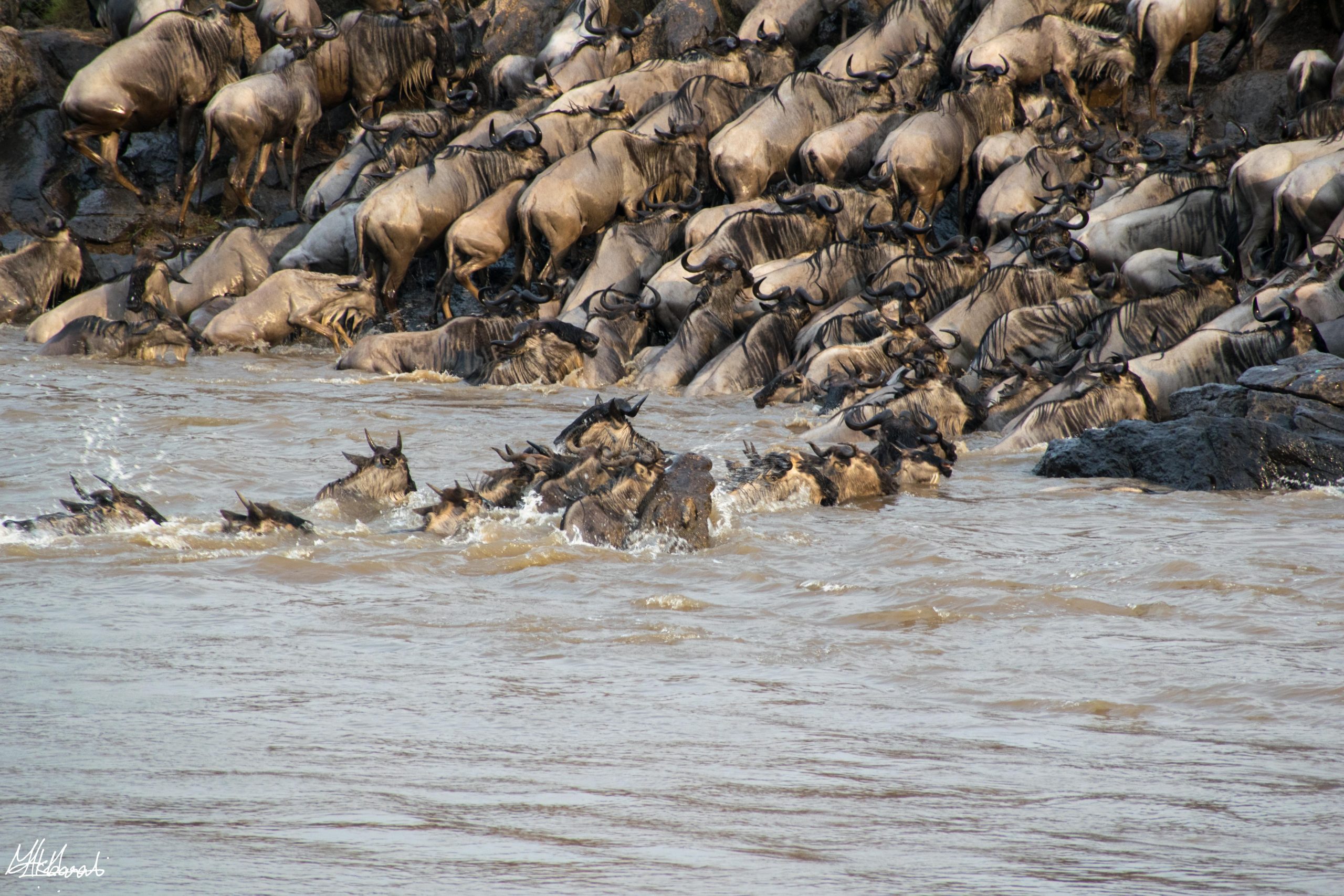
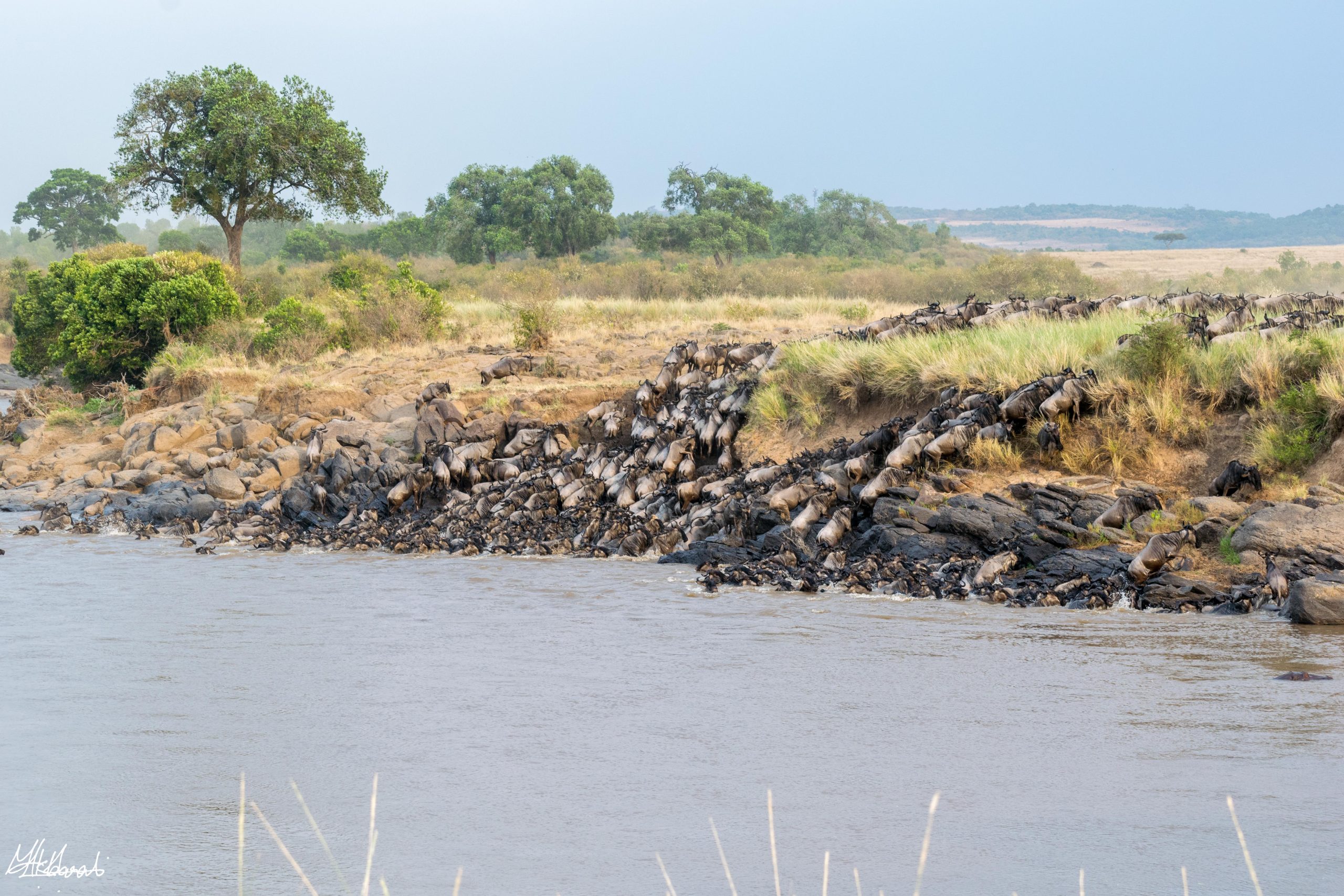
he Great Migration herds reach northern Serengeti and Maasai Mara, typically between July and September. Herds approach the river cautiously, often waiting days to assess predators like Nile crocodiles or steep riverbanks. This suspense creates one of Africa’s most iconic wildlife photography moments. Key points about the Mara River crossing: Herds include thousands of wildebeest, zebras, and gazelles. Crocodile predation is a major threat, creating dramatic action. Timing is influenced by rainfall and grass availability in southern Serengeti. Viewing from northern Serengeti or Maasai Mara maximizes opportunities. To plan your visit, our Migration Crossing Safari offers detailed itineraries based on real-time herd movement reports. Best Time to See the Mara River Crossing The optimal months for a Mara River crossing safari are late July through early September. July: Herds begin reaching northern Serengeti. Early crossings may occur along the Grumeti River. August–September: Peak crossings at Mara River in Kenya. Largest concentrations of animals. Timing varies yearly depending on rainfall and grazing conditions. For those seeking fewer crowds or combined experiences, June and October can also provide crossings, though they are less predictable. Where to Watch the Great Migration River Crossing Location is critical. The Mara River, spanning northern Serengeti and Maasai Mara, offers the most concentrated wildlife action. Top viewing locations include: Northern Serengeti (Kogatende area) – ideal for intimate riverbank views and photography. Masai Mara National Reserve – accessible from Kenyan lodges and camps, featuring dramatic riverbank terrain. Grumeti River – an earlier crossing point in western Serengeti during June–July. Combining multiple river locations can increase your chance of witnessing crossings and predator activity in real time. For multi-park itineraries that combine river crossings with other wildlife highlights, consider our Tanzania Explorer or Best of Northern Tanzania safaris. Wildlife Highlights During the Crossing The Mara River crossing showcases not just wildebeest bravery, but the entire predator-prey dynamic of East Africa. Species you are likely to encounter: Wildebeest: Millions migrate annually, forming dense, moving herds. Zebras and Gazelles: Often cross with wildebeest, adding complexity to herd dynamics. Crocodiles: Nile crocodiles patrol the river, creating high-stakes drama. Lions, hyenas, and leopards: Predators intensify activity around herd congregation points. The density and variety of action during a river crossing make it a photographer’s dream and a wildlife enthusiast’s bucket-list event. Our Photographic Safaris guide visitors on lens choice, framing, and lighting to capture every moment. Planning Your Mara River Crossing Safari Effective planning is essential to ensure a successful experience. Timing, accommodation, and transportation all influence access to the river crossings. Key considerations for US travelers: Flights: Most visitors connect via JFK, LAX, or ATL with airlines such as KLM, Delta, Qatar Airways, or Turkish Airlines, arriving at Kilimanjaro International Airport (JRO) or Nairobi (NBO). Visa Requirements: US citizens require a Tanzanian or Kenyan eVisa. Travel Timing: Align safari dates with peak river crossing months, generally late July–September. Health & Safety: Malaria prophylaxis is recommended, and travel insurance is advised. Local-born guides ensure seamless logistics and insider knowledge, reducing travel fatigue and increasing wildlife sighting success. Safari Packages for Mara River Crossings Safari packages streamline your visit, offering curated lodges, private vehicles, and expert guidance. Options include: Luxury Safari Packages: Feature private game drives, premium lodges, and exclusive riverbank positioning. Examples: Best of Northern Tanzania, Tanzania Explorer. Short & Focused Safaris: Perfect for a condensed experience, such as Short Serengeti. Customized Packages: Tailored for photographic priorities, family groups, or multi-park exploration. Growing up in Arusha, our team understands herd patterns and park dynamics, ensuring guests are positioned at the most advantageous crossing points. Photography Tips for the Mara River Crossing Capturing the Mara River crossing requires preparation and technical understanding. Telephoto lenses (100–400mm) capture predator action from a safe distance. Wide-angle lenses document the scale of moving herds and riverbanks. Bean bags or vehicle mounts stabilize shots during game drives. Early morning or late afternoon light creates dramatic visuals and soft shadows. Mobile guides provide real-time positioning, allowing photographers to anticipate crossings and maximize frame opportunities. Combining River Crossings with Other Safari Highlights For a complete Tanzania & Kenya safari experience, combine Mara River crossings with other iconic wildlife locations. Serengeti and Ngorongoro for crater wildlife and plains predators Migration Crossing Safari for full river-crossing itineraries Short Zanzibar for a post-safari beach extension This approach balances intense river action with scenic landscapes, cultural immersion, and relaxation. Costs of a Mara River Crossing Safari Pricing depends on luxury level, duration, and accommodation type. Typical daily ranges (excluding international flights): Mid-range safari: $450–$650 per person Luxury safari: $800–$1,500 per person Fly-in or mobile camp options: $1,000+ per person Peak months (late July–September) command higher rates. Early bookings ensure access to river-adjacent lodges and mobile camps. Why Local Expertise Makes a Difference The Great Migration river crossing is unpredictable. Local knowledge is critical to maximizing viewing opportunities. Real-time herd tracking ensures optimal river positioning. Camp selection is adjusted weekly based on herd movement. Guides advise on vehicle placement for photography and safety. Working with Arusha-based safari specialists allows travelers to experience the Mara River crossing without guesswork or lost time. Plan Your Mara River Crossing Safari The Mara River crossing offers one of the world’s most thrilling wildlife spectacles. Proper planning, timing, and local guidance make it an unforgettable highlight of any Tanzania safari holiday. Request your custom safari proposal today: Location: Arusha, TanzaniaEmail: info@odysseys-from-africa.comPhone: +254 (0) 710 450 797 | +255 (0) 652 810 255Website: https://odysseys-from-africa.com/ You can now integrate this article with your other 2026 master blogs, ensuring proper internal linking and keyword optimization for Mara River crossing and Great Migration river crossing.

Read More
Birdwatching tours Tanzania

Rare Sightings on Birdwatching Tours Tanzania

Birdwatching Tours Tanzania, home to over 1,100 recorded species, including endemic and migratory birds. For photography enthusiasts, birdwatching tours Tanzania offer not only the chance to see rare species but also opportunities to capture them in their natural habitats with expert guidance. Growing up in Arusha, our team at Odysseys From Africa has explored every corner of Tanzania—from Lake Manyara to the Serengeti—to ensure travelers can witness and photograph some of Africa’s rarest birds on Luxury Photography Expeditions. Why Tanzania is a Top Birdwatching Tours Tanzania Destination Tanzania’s varied ecosystems—from highland forests and alkaline lakes to savannahs and coastal mangroves—provide habitats for diverse bird species. Birdwatchers can expect: Endemic Species: Like the Usambara eagle-owl and the Tanzanian red-billed hornbill. Migratory Visitors: European and Asian species visit during seasonal migrations. Waterbirds: Flamingos, pelicans, and herons congregate in lakes such as Manyara and Natron. US travelers often combine birdwatching with a photographic safari itinerary for a comprehensive wildlife experience. Top Birdwatching Tours Tanzania Locations in Tanzania Lake Manyara National Park Famous for flamingo flocks and tree-climbing lions Ideal for both wide-angle landscape and telephoto bird shots Guides help locate rare species such as the African finfoot Ngorongoro Crater Dense population of both common and elusive birds Excellent for photographing raptors like Verreaux’s eagle Part of combined itineraries like Serengeti and Ngorongoro for multi-species viewing Northern Highlands & Usambara Mountains Best for endemic and forest-dwelling species Ideal for close-range photography with a 100–400mm lens Guided trekking ensures minimal disturbance to birds Serengeti National Park Open plains attract raptors, ostriches, and rare ground-nesting birds Peak photographic months coincide with the dry season, June–October Can be combined with Best of Northern Tanzania for broader wildlife coverage Coastal and Mangrove Areas Zanzibar and coastal wetlands host rare waders and kingfishers Combine with Short Zanzibar for bird and marine photography opportunities Rare Bird Species Highlights Some species that make Tanzania birdwatching tours exceptional include: Flamingos (Greater & Lesser): Thousands gather on alkaline lakes for dramatic photography Shoebill Stork: Rare sightings near swampy areas Tanzanian Red-billed Hornbill: Endemic species in northern and central Tanzania Usambara Eagle-owl: Elusive forest predator, best spotted at dawn African Finfoot: Rare aquatic bird, requiring specialized spotting from guides Technical Photography Tips for Birds Lenses & Equipment 100–400mm telephoto lens for small or distant birds 24–70mm lens for landscapes and contextual shots Monopod or tripod for stability Polarizing filters to reduce glare on waterbirds Shooting Tips Early mornings provide soft light and active birds Use burst mode for capturing flight or feeding behavior Adjust shutter speed based on movement: 1/1000s or faster for fast-moving species Respect minimum distance; avoid disturbing nests Integrating Birdwatching Tours Tanzania into Luxury Photography Expeditions Birdwatching is often integrated into Luxury Photography Expeditions to provide a full-spectrum wildlife experience: Private Vehicles: Offer flexibility to linger at hotspots without pressure Expert Ornithology Guides: Identify species and suggest optimal photographic angles Combined Itineraries: Mix birdwatching with predators, migration herds, and scenic landscapes Some recommended itineraries include: Migration Calving Safari: Opportunity to photograph both predators and birds feeding around the plains. See Migration Calving Safari. Migration Crossing Safari: Dramatic action for both mammals and birdlife. See Migration Crossing Safari. Tanzania Explorer: Multi-park birding combined with photographic safari in diverse ecosystems. See Tanzania Explorer. Seasonal Timing for Birdwatching Tours Tanzania Dry Season (June–October): Concentration around water sources makes spotting easier Wet Season (November–May): Migratory species present, but terrain may be muddy Peak Photography: Early mornings and late afternoons for soft lighting US Traveler Considerations Flights: Single-stop or direct options to Kilimanjaro; travel times ~20–24 hours Visa: eVisa for US citizens ~$100 Health: Malaria prophylaxis, vaccinations as required Insurance: Ensure coverage includes photography gear and birding excursions Packing Tips for Birdwatching Tours Tanzania Photographers Neutral-colored clothing to blend into habitats Binoculars and spotting scopes Tripod/monopod for long-lens stability Extra memory cards and batteries Rain cover and dust-proof camera bag Field guide for bird species in Tanzania Conservation and Ethical Photography Minimize disturbance to birds and habitats Stay on designated paths and trails Support eco-friendly lodges and sustainable safari operators Use reusable water bottles and avoid single-use plastics Sample Birdwatching Itinerary Day 1: Arrival at Kilimanjaro, transfer to Arusha, orientation with ornithology guideDay 2: Lake Manyara and Tarangire for waterbirds, flamingos, and raptorsDay 3–4: Northern Serengeti for plains birds and predatorsDay 5: Ngorongoro Crater for endemic and forest speciesOptional Extension: Short Zanzibar for coastal birds and marine photography Insider Tips for Rare Sightings Communicate your target species to guides ahead of the trip Use bird calls sparingly to attract species without causing stress Combine birdwatching with predator and migration photography for a rich portfolio Book private vehicles to maximize flexibility in remote locations Conclusion: Experience Tanzania’s Birdlife Like Never Before Birdwatching tours Tanzania provide a unique blend of avian diversity, photographic opportunities, and luxury comfort. Whether you’re aiming to capture rare species like the Shoebill Stork or photograph flamingo flocks against the sunrise, integrating birdwatching into a Luxury Photography Expedition ensures expert guidance, optimal shooting conditions, and unforgettable wildlife encounters. Tanzania’s varied ecosystems, seasonal migrations, and professional guides make it one of the premier destinations for US travelers seeking a comprehensive photographic and birdwatching adventure. Plan Your Custom Birdwatching Safari Location: Arusha, Tanzania Email: info@odysseys-from-africa.com Phone: +254 (0) 710 450 797 | +255 (0) 652 810 255 Website: https://odysseys-from-africa.com/

Read More
Serengeti calving season
Uncategorized·

Serengeti Calving Season: Why You Need to Visit in February

erengeti Calving Season: Why It Is Africa’s Most Powerful Wildlife Experience From January to March, the Serengeti calving season transforms the southern plains into the most dramatic wildlife arena in Africa. Nearly half a million wildebeest calves are born within a few weeks, attracting intense predator activity. February offers peak action, making a Ndutu safari February experience one of the most strategic safari choices in Tanzania. The Serengeti calving season is not just another wildlife event. It is the biological engine of the entire Great Migration. Approximately 500,000 wildebeest calves are born across the short-grass plains of southern Serengeti and the Ndutu region. The synchronization of births overwhelms predators through sheer numbers, yet thousands of hunts still occur daily. For travelers planning a Tanzania safari holiday, this period offers something distinct from river crossings: concentrated predator-prey interaction, open plains visibility, and exceptional photographic clarity. Growing up in Arusha, our team has witnessed how February consistently delivers the highest density of wildlife encounters during the calving cycle. The positioning of mobile camps and permanent lodges during this season is critical, which is why local logistical knowledge matters. What Happens During the Serengeti Calving Season? The Serengeti calving season occurs primarily between late January and early March. Wildebeest migrate south to nutrient-rich short-grass plains to give birth. The result is extraordinary predator density and nonstop wildlife interaction. The southern Serengeti and Ndutu plains provide mineral-rich grasses essential for lactating mothers. Calves can stand within minutes and run within hours, an evolutionary necessity in a predator-heavy ecosystem. During this time you can expect: Massive wildebeest herds spread across open plains High concentrations of lion prides Frequent cheetah hunts in daylight Hyena clans targeting vulnerable newborns Black-backed jackals scavenging remains Unlike river crossings in the north, visibility here is unobstructed. The flat terrain allows long-distance viewing, ideal for both first-time safari guests and professional photographers. Many of our guests combine this seasonal highlight with a broader northern circuit itinerary such as Serengeti and Ngorongoro to experience both calving plains and crater wildlife density in one journey. Why February Is the Best Month for a Ndutu Safari February Experience February represents peak birthing intensity during the Serengeti calving season. Predator movement is highly active, and weather conditions are generally stable between short rains. Wildlife density reaches its most concentrated levels during this month. A Ndutu safari February itinerary offers: Highest newborn concentration Optimal predator sightings Fewer vehicles compared to peak dry season Dramatic storm-lit skies for photography The Ndutu region lies within the Ngorongoro Conservation Area, bordering southern Serengeti. This allows off-road driving in designated areas—an enormous advantage for wildlife positioning during predator hunts. Our recommended itineraries during this season include: Migration Calving Safari Best of Northern Tanzania Tanzania Explorer Each safari package is structured around herd positioning reports updated daily by our Arusha-based operations team. Serengeti Calving Season vs River Crossing Season Calving season delivers predator intensity and newborn wildlife. River crossing season offers dramatic Mara River scenes. Both are exceptional but serve different safari priorities. Calving Season (Jan–Mar): High predator density Open grassland visibility Excellent for cheetah photography Dramatic weather contrasts River Crossing (Jun–Oct): Crocodile ambush scenes Iconic river imagery Larger vehicle traffic Dry season clarity If your priority is raw predator interaction, Serengeti calving season often surpasses river crossings in daily action frequency. For travelers focused on river crossings instead, consider Migration Crossing Safari. Wildlife You Can Expect During Serengeti Calving Season The Serengeti calving season concentrates not only wildebeest but nearly every major predator species in the ecosystem. February often records multiple hunts within a single game drive. Key species sightings include: Lions – Large prides position strategically near birthing grounds.Cheetahs – Daytime hunting increases due to vulnerable calves.Spotted Hyenas – Highly active clan coordination.Leopards – Less visible but present along woodland edges.Bat-eared foxes and jackals – Frequent scavengers. The density of interactions makes a Ndutu safari February particularly attractive for repeat safari travelers seeking behavior-based wildlife observation rather than simple species checklists. Photography Strategy for Serengeti Calving Season The Serengeti calving season is one of Africa’s best photographic safari windows. Open plains, newborn wildlife, and predator drama create layered compositions. February light conditions are ideal for golden-hour imagery. Technical recommendations: 100–400mm telephoto lens for predator action 24–70mm lens for herd landscapes Fast shutter speeds (1/2000+) for cheetah hunts Bean bag stabilization for vehicle shooting Our specialized Photographic Safaris position vehicles with sun angle precision, often leaving camp before dawn to secure optimal lighting. Where to Stay During a Ndutu Safari February Lodge positioning during Serengeti calving season directly impacts wildlife access. Southern Serengeti and Ndutu-based camps reduce daily transfer time and maximize game drive hours. Options include: Permanent Ndutu camps Mobile migration camps Luxury tented lodges Fly-in safari packages For shorter visits, the Short Serengeti itinerary can be customized specifically for calving season positioning. Growing up in Arusha, our team understands how road conditions and grass patterns shift weekly during this season. Camp selection is based on real-time herd movement reports. Combining Serengeti Calving Season with Other Destinations A Ndutu safari February can be combined with Ngorongoro Crater, Tarangire, or Zanzibar for a complete Tanzania safari holiday. February weather supports seamless multi-destination itineraries. Popular extensions include: Ngorongoro Crater Big Five day Tarangire elephant herds Short Zanzibar beach relaxation Best of Zanzibar cultural and marine exploration This combination balances high-intensity predator viewing with coastal recovery time. Travel Logistics for US Visitors February travel from the United States requires planning flight connections into Kilimanjaro International Airport (JRO). US citizens require a Tanzanian eVisa. Health and safety standards meet international expectations. Typical routing: JFK, LAX, ATL departures Connections via Doha, Amsterdam, Istanbul Arrival at JRO near Arusha US travelers should review updated health advisories via our Travel Information page. Most guests arrive one day before safari departure to recover from 18–24 hour travel time. Costs of a Serengeti Calving Season Safari Serengeti calving season pricing reflects high wildlife density but remains lower than peak dry season river crossing months. February often offers…

Read More
Luxury Safari Africa

Friends Group Safari Packages and Group Discounts

Traveling with friends is one of the most rewarding ways to experience Africa’s wilderness. Group Safari Packages Tanzania offer the perfect balance of adventure, shared memories, and luxury comfort, allowing small groups to enjoy private excursions while benefiting from group discounts. Growing up in Arusha, our team at Odysseys From Africa knows the best lodges, villas, and parks to host small groups of US travelers, ensuring seamless logistics and exceptional safari experiences across Tanzania and Kenya. Why Choose a Group Safari Packages Tanzania Group safaris combine social interaction with immersive wildlife experiences: Shared Experiences: Watching predators hunt or witnessing the Great Migration is more memorable when shared with friends. Cost Efficiency: Group packages often include discounted rates for shared accommodations and private vehicles. Customized Itineraries: Safaris can be tailored to your group’s interests, whether photography, wildlife spotting, or birdwatching. Types of Group Safari Packages Tanzania Shared Villa Packages Luxury villas with multiple bedrooms, private chefs, and lounge areas Ideal for groups of 4–12 friends Often located within or near national parks, allowing easy access to early morning game drives Examples include lodges featured on Best of Northern Tanzania packages Small Group Safaris Groups of 6–12 guests in dedicated safari vehicles Private game drives with experienced guides Flexibility for photography, birdwatching, or walking safaris Can be combined with Short Serengeti or Serengeti and Ngorongoro trips Multi-Country Safaris Combine Tanzania and Kenya to maximize wildlife diversity Ideal for groups interested in comparing ecosystems for the “Tanzania vs Kenya safari 2026” experience Incorporates shared lodges in both countries, ensuring consistent comfort Key Benefits of Group Safari Travel Social Bonding: Friends share early morning drives, sundowners, and meals, creating lasting memories. Cost Savings: Shared transport and accommodations reduce per-person costs. Flexible Scheduling: Private vehicles allow your group to adjust timing for photography, wildlife viewing, or rest. Expert Guidance: Local Tanzanian-born guides provide insights on wildlife behavior and photography angles. Top Parks and Destinations for Group Safaris Serengeti National Park Iconic plains, predators, and the Great Migration Shared safari vehicles or villa-based camps ideal for groups Combine with Migration Calving Safari for January–February trips Ngorongoro Crater Guaranteed sightings of rhinos, lions, and elephants Luxury lodges with multiple bedrooms for groups Part of combined itineraries like Serengeti and Ngorongoro Tarangire and Lake Manyara Tarangire: Elephants and baobab trees, great for photography Lake Manyara: Flamingos, tree-climbing lions, and diverse birdlife Perfect for small groups seeking variety in habitats Kenya Safaris Maasai Mara offers dense wildlife and compact safari areas, ideal for small group tours US travelers can compare Tanzania and Kenya safari experiences within multi-country trips Packages include shared accommodations and private vehicles for groups Planning Tips for Group Safari Packages Tanzania Accommodation Selection Ensure villas or lodges can comfortably accommodate your group size Request multiple rooms or connecting suites for privacy Prioritize proximity to park entrances for early morning drives Vehicle Selection Private safari vehicles for your group, with space for photographic equipment Experienced drivers and guides familiar with group needs Options for custom vehicle rotations for photography or birdwatching Activities and Excursions Early morning and late afternoon game drives for optimal wildlife sightings Optional hot air balloon safaris for aerial photography Guided walking safaris, birdwatching tours, and cultural village visits Packing Considerations for Group Travel Neutral-colored safari clothing for all members Binoculars, cameras, and photography gear Sunscreen, hats, and insect repellent Personal items for shared villas: toiletries, medications, and reusable water bottles For detailed packing guidance, see What to Pack for Tanzania Safari 2026. US Traveler Considerations Flights: Group bookings may offer savings when flying from JFK or LAX to Kilimanjaro or Nairobi Visa: US citizens require eVisa for Tanzania (~$100) and Kenya (~$50) Travel Insurance: Ensure coverage for multiple participants and photographic equipment Health: Malaria prophylaxis, vaccinations, and emergency contacts Combining Group Safaris with Photography Luxury photography expeditions can be integrated into friends group safaris: Private drives and shared vehicles allow flexible shooting angles Ornithology or wildlife guides assist with rare species and optimal photo positions Example itineraries: Photographic Safaris for small groups Seasonal Considerations for Group Travel Dry Season (June–October): Concentrated wildlife, clear skies, ideal for photography Wet Season (November–May): Lush landscapes, migratory birds, fewer tourists Migration and Calving: January–February and July–October for dramatic group wildlife experiences Sample Group Safari Packages Tanzania Itinerary Day 1: Arrive Kilimanjaro, transfer to Arusha, group briefingDay 2–3: Tarangire & Lake Manyara shared safari vehiclesDay 4–6: Northern Serengeti for migration and predator action, shared villa accommodationsDay 7: Ngorongoro Crater for final game drives and photographyOptional Extension: Zanzibar or coastal activities in shared accommodations Insider Tips for Group Travel Communicate specific interests: photography, birdwatching, or cultural immersion Assign a group coordinator for scheduling and packing Encourage sharing gear and resources to minimize luggage Book private vehicles and early drives for flexible wildlife viewing Conclusion: Why Group Safari Packages Tanzania are Ideal Friends group safari packages are the perfect way to experience Tanzania and Kenya’s wildlife with comfort, luxury, and shared adventure. Whether capturing dramatic migration scenes, photographing rare birds, or simply enjoying the camaraderie of your tribe, small groups benefit from private vehicles, shared villas, and expert Tanzanian-born guides. By booking with Odysseys From Africa, your group enjoys tailored itineraries, discounted packages, and unforgettable memories in Africa’s premier safari destinations. Plan Your Friends Group Safari Today Location: Arusha, Tanzania Email: info@odysseys-from-africa.com Phone: +254 (0) 710 450 797 | +255 (0) 652 810 255 Website: https://odysseys-from-africa.com/

Read More
Sustainable Safari Tanzania
Adventure·

The Future of Travel: Sustainable Safari Tanzania

Sustainable safari Tanzania combines luxury wildlife experiences with conservation, eco-friendly practices, and community engagement. Travelers can explore iconic landscapes while leaving a positive impact on local ecosystems and social amenities. US travelers can enjoy ethically designed itineraries guided by Tanzanian-born experts, ensuring meaningful interactions with wildlife and communities while supporting regenerative tourism practices. What Makes a Sustainable safari Tanzania A sustainable safari balances wildlife conservation, environmental responsibility, and community benefits. It ensures that tourism supports rather than depletes natural and cultural resources. Eco-lodges powered by solar energy or hybrid systems Water-saving measures, waste reduction, and recycling programs Partnerships with community projects and local conservancies Responsible wildlife observation practices, minimizing disturbance Sustainable itineraries can be paired with wildlife-focused trips such as Serengeti and Ngorongoro. Conservation Efforts on Safari Many Tanzanian safaris now actively contribute to conservation, protecting endangered species and habitats. Travelers support anti-poaching initiatives and habitat restoration through their participation. Guided game drives with expert rangers trained in conservation Community-based wildlife monitoring programs Ecotourism revenues directly funding park protection and research Educational components about species behavior and ecosystem health For migration-centered conservation experiences, see Migration Crossing Safari. Eco-Friendly Lodges and Camps Eco-lodges in Tanzania integrate sustainability without compromising comfort or luxury. Many now operate carbon-neutrally and minimize single-use plastics. Solar-powered energy systems and water recycling programs Locally sourced materials and furnishings Waste reduction strategies, including composting and minimal packaging Community involvement in lodge operations and staffing Combine eco-friendly lodging with wildlife adventures in Best of Northern Tanzania. Community Benefits and Regenerative Tourism Sustainable safaris support local communities by providing fair wages, educational opportunities, and cultural preservation programs. Travelers witness the positive impact of their journey firsthand. Village visits and ethical cultural experiences Support for schools, healthcare, and artisan cooperatives Programs encouraging local conservation and sustainable livelihoods Cultural engagement can be paired with eco-safaris in Tanzania Explorer. Wildlife Observation Best Practices Responsible wildlife viewing reduces stress on animals while maximizing photographic and observational opportunities for travelers. Keep a safe distance and use telephoto lenses (100–400mm recommended) Limit time spent near sensitive species, especially during breeding or calving seasons Follow ranger instructions and avoid blocking migration paths Photograph ethically, prioritizing storytelling over sensationalism Enhance your photography experience in Photographic Safaris. Seasonal Planning for Sustainable safari Tanzania Choosing the right season enhances wildlife sightings while supporting eco-friendly travel practices. Dry season (June–October): Wildlife concentrated near waterholes, easier vehicle access Calving season (January–February): Unique photographic opportunities, but smaller lodges may be preferable Wet season (March–May): Lush landscapes, fewer crowds, and abundant birdlife See seasonal planning options in Short Serengeti. Transportation and Carbon Impact Sustainable travel includes minimizing carbon emissions from safari transport and supporting verified offset programs. Use hybrid safari vehicles or small groups per vehicle to reduce fuel use Bush flights reduce road travel in remote areas, saving time and emissions Offset remaining carbon footprint through reputable programs supporting renewable energy or reforestation Combine transportation planning with eco-focused itineraries in Migration Calving Safari. Photography on a Sustainable safari Tanzania Sustainable safaris encourage ethical photography, capturing wildlife and landscapes without compromising animal welfare or local cultures. Use telephoto lenses to maintain distance Avoid flash photography at night Respect community spaces and cultural sites when photographing villages or ceremonies Capture moments that reflect conservation and eco-conscious practices Integrate photography with eco-tourism experiences in Short Zanzibar. Planning Your Sustainable safari Tanzania Custom itineraries with Tanzanian-born guides combine wildlife, culture, and sustainability for US travelers seeking responsible adventure. Mix game drives with cultural and community experiences Choose eco-lodges and camps emphasizing renewable energy and low-impact operations Include photography, educational sessions, and conservation participation Explore full safari options in All Destinations. Request Your Custom Sustainable Safari Proposal Plan your sustainable safari in Tanzania with Tanzanian-born guides to enjoy luxury, wildlife, and community engagement responsibly. Location: Arusha, Tanzania Email: info@odysseys-from-africa.com Phone: +254 (0) 710 450 797 | +255 (0) 652 810 255 Website: Odysseys From Africa Our team creates eco-conscious itineraries that balance luxury, adventure, and sustainability for US travelers, combining carbon-neutral travel, wildlife conservation, and community engagement.

Read More
Safaris in Tanzania
Uncategorized·

The Great Wildebeest Migration: A Complete Viewing Guide

Great Wildebeest Migration: A Complete Viewing Guide The Great Wildebeest Migration is the largest overland wildlife movement on earth, involving more than 1.5 million wildebeest accompanied by zebra and gazelle across the plains of northern Tanzania and southern Kenya. This Serengeti migration guide explains exactly when and where to witness the movement, how seasonal patterns affect viewing, and how to plan a safari around the migration cycle. Unlike a single-event spectacle, the Great Wildebeest Migration is a continuous, year-round ecosystem movement driven by rainfall patterns and grazing availability. Understanding the seasonal phases is essential for choosing the correct travel window. Understanding the Migration Cycle The migration primarily unfolds within the ecosystem linking Serengeti National Park and Maasai Mara National Reserve. While river crossings receive the most media attention, they represent only one phase of a broader ecological rotation. December to March: Calving Season (Southern Serengeti) From late December through March, the herds gather in the southern plains of the Serengeti near Ndutu. This period marks calving season, when approximately 500,000 calves are born within a few weeks. Predator activity intensifies as lions, cheetahs, and hyenas take advantage of vulnerable newborns. For photographers and wildlife enthusiasts, this phase of the Great Wildebeest Migration offers dramatic predator-prey interaction and excellent visibility due to shorter grass. Best for: Predator sightings Baby wildlife Photography Fewer crowds compared to river crossing season April to June: The Long Rains & Movement North As rains taper off, the herds begin moving northwest through the central and western Serengeti. Columns of wildebeest stretch for kilometers across open plains. By June, early river crossings may occur along the Grumeti River in western Serengeti. While less dramatic than Mara crossings, they still offer powerful wildlife encounters. Best for: Expansive herd landscapes Moderate safari pricing Fewer vehicles compared to peak season July to October: River Crossings (Northern Serengeti & Masai Mara) This is the most sought-after phase of the Great Wildebeest Migration. Herds gather along the Mara River, where they attempt dangerous crossings into Kenya’s Maasai Mara. River crossings are unpredictable. Herds may wait hours or days before plunging into crocodile-filled waters. Timing cannot be guaranteed, but positioning your safari in northern Serengeti between late July and September maximizes probability. Best locations: Northern Serengeti (Kogatende area) Maasai Mara National Reserve (August–September) This period delivers iconic imagery but also commands peak-season pricing and higher vehicle density. November: The Return South With the short rains beginning in November, the migration gradually moves south back toward central and southern Serengeti. Crowds thin, landscapes turn green, and wildlife disperses across the ecosystem. This is one of the most underrated periods in any Serengeti migration guide. Where to See the Great Wildebeest Migration Choosing the correct geographic base is more important than choosing the country. The Great Wildebeest Migration spends approximately 75 percent of the year in Tanzania. Key viewing regions: Southern Serengeti (December–March) Central Serengeti (April–June & November) Northern Serengeti (July–October) Maasai Mara (August–September peak presence) Staying in camps strategically positioned near seasonal herd movement dramatically increases success rates. Best Time to See the Great Wildebeest Migration There is no single “best” month — only the best time for your preferred experience. Best for calving: January–February Best for river crossings: August–September Best for fewer crowds: June or November Best for photography variety: January–March If river crossings are your primary objective, plan 8–10 days to increase probability rather than booking a short 3–4 day window. How Much Does It Cost to See the Migration? Because migration camps are seasonal and in high demand, pricing varies significantly. Typical daily ranges (excluding international flights): Mid-range migration safari: $450–$650 per person per day Luxury migration safari: $800–$1,500 per person per day Fly-in migration safari: higher due to charter logistics Peak months (July–September) command the highest rates. Calving season often offers better value with equally dramatic wildlife viewing. Tanzania vs Kenya for Migration Viewing Tanzania offers longer migration presence, particularly in southern and central Serengeti. Kenya’s Maasai Mara provides more compact terrain, which can concentrate wildlife but also vehicles. For travelers prioritizing exclusivity and longer herd access, northern Serengeti often provides a more controlled experience compared to peak-season Mara congestion. Planning Considerations When structuring a migration safari, consider: Booking 9–12 months in advance for peak season Selecting mobile camps that move with herd patterns Choosing operators based in Arusha for Serengeti-focused logistics Allocating sufficient days in a single migration zone rather than splitting across distant parks Migration timing is rainfall-driven and cannot be predicted with exact precision. A properly designed itinerary increases likelihood without overpromising. Final Thoughts The Great Wildebeest Migration is not a single-day spectacle but a year-round ecological movement. Understanding the seasonal cycle is essential for planning a successful safari. This Serengeti migration guide provides the framework, but execution depends on accurate timing, correct camp placement, and realistic expectations. For tailored migration itineraries aligned with seasonal herd positioning, contact Odysseys From Africa: Location: Arusha, TanzaniaEmail: info@odysseys-from-africa.comPhone: +254 (0) 710 450 797 | +255 (0) 652 810 255Website: https://odysseys-from-africa.com/

Read More
Multi-generational safari Tanzania
Travel·

Tips for Eco-Conscious Travel Africa in 2026

Eco-conscious travel Africa is about experiencing the continent’s incredible wildlife, landscapes, and cultures while minimizing your environmental footprint. In 2026, sustainable practices like solar-powered lodges, plastic-free camps, and carbon-neutral safaris are becoming essential for responsible travelers. US travelers can enjoy luxury experiences without compromising the environment, supporting local communities, and contributing to long-term conservation efforts across Tanzania and Kenya. What is Eco-conscious travel Africa? Eco-conscious travel emphasizes minimizing environmental impact, supporting local communities, and participating in conservation initiatives. It goes beyond sustainability to actively regenerate ecosystems and empower residents. Choosing lodges that use renewable energy and water-saving systems Reducing single-use plastics and avoiding non-recyclable materials Supporting community-led tourism projects and local conservation initiatives For eco-friendly safari itineraries that combine wildlife and sustainability, see Best of Northern Tanzania. Benefits of Eco-conscious travel Africa Practices Eco-conscious practices enhance your safari experience while protecting wildlife and habitats for future generations. Travelers see the impact of their choices firsthand. Cleaner, more natural environments for wildlife observation Direct support to local communities through fair wages and responsible tourism Opportunities to participate in conservation projects, such as tree planting or anti-poaching initiatives Reduced carbon footprint through energy-efficient transport and accommodations Combine eco-conscious travel with immersive wildlife experiences in Tanzania Explorer. Choosing Eco-Friendly Lodges and Camps Selecting lodges and camps that prioritize sustainability ensures a luxurious stay without harming the environment. Many Tanzanian lodges are now carbon-neutral and plastic-free. Solar or hybrid energy systems to reduce reliance on fossil fuels Water-saving measures and greywater recycling Locally sourced materials and furnishings to support regional economies Minimal waste policies, including composting and recycling Explore options alongside wildlife safaris in Serengeti and Ngorongoro. Transportation and Carbon-Neutral Safaris Travel choices impact the environment, and selecting carbon-neutral or low-impact options helps minimize emissions. Use bush flights instead of long road transfers where possible to reduce fuel consumption Favor hybrid or low-emission safari vehicles with fewer guests per vehicle Offset carbon emissions through verified programs supporting reforestation and renewable energy For migration-focused eco-tourism, see Migration Calving Safari. Wildlife and Habitat Conservation Responsible travel contributes to protecting Africa’s iconic species and fragile ecosystems. Eco-conscious travelers support anti-poaching efforts and habitat restoration. Observe wildlife at safe distances using telephoto lenses Participate in guided walks that teach conservation ethics Support community conservancies that manage land for wildlife and sustainable grazing Enhance your conservation-focused trip with Photographic Safaris. Reducing Waste on Safari Simple practices on safari can drastically reduce your environmental footprint. Bring reusable water bottles and avoid single-use plastics Minimize packaging by using refillable toiletries Follow lodge guidelines for recycling and composting Encourage guides and lodges to maintain zero-waste policies Consider combining sustainable lodging and activity options in Short Serengeti. Supporting Local Communities Eco-conscious travel emphasizes benefiting local populations through fair wages, cultural respect, and community engagement. Purchase crafts directly from artisans rather than middlemen Attend cultural experiences that are ethically organized and compensated Stay in community-run lodges that reinvest revenue into local projects Pair cultural engagement with eco-safaris in Best of Zanzibar. Seasonal Considerations for Sustainable Travel Choosing the right season can improve wildlife viewing while reducing environmental strain. Dry season (June–October) offers easier park access and reduces fuel use from vehicles stuck in mud Shoulder seasons (November–December) provide fewer crowds and better wildlife density Avoid overpopulated periods to minimize lodge pressure and habitat disturbance For seasonal safari planning, review Short Zanzibar. Photography and Eco-conscious travel Africa Practices Ethical wildlife photography complements eco-conscious travel, ensuring minimal disturbance while capturing memorable images. Maintain safe distances from animals using telephoto lenses (100–400mm) Avoid flash photography at night to prevent animal stress Respect local communities when photographing villages, ceremonies, or daily life Focus on storytelling that highlights conservation and sustainable practices Planning Your Eco-conscious travel Africa Custom itineraries with Tanzanian-born guides maximize wildlife viewing, cultural immersion, and environmental responsibility. Integrate eco-friendly lodges, guided conservation walks, and low-impact transportation Balance time in national parks with cultural and community engagement Include photography opportunities while following ethical and sustainable guidelines See full eco-conscious itinerary options in All Destinations. Request Your Custom Eco-Conscious Safari Proposal Plan your eco-conscious safari with Tanzanian-born guides to experience wildlife, landscapes, and communities responsibly while minimizing your footprint. Location: Arusha, TanzaniaEmail: info@odysseys-from-africa.com Phone: +254 (0) 710 450 797 | +255 (0) 652 810 255 Website: Odysseys From Africa Our team creates sustainable, luxury itineraries tailored for US travelers, blending carbon-neutral safaris, eco-friendly lodges, and community engagement.

Read More