
Wild Adventures, Timeless memories…
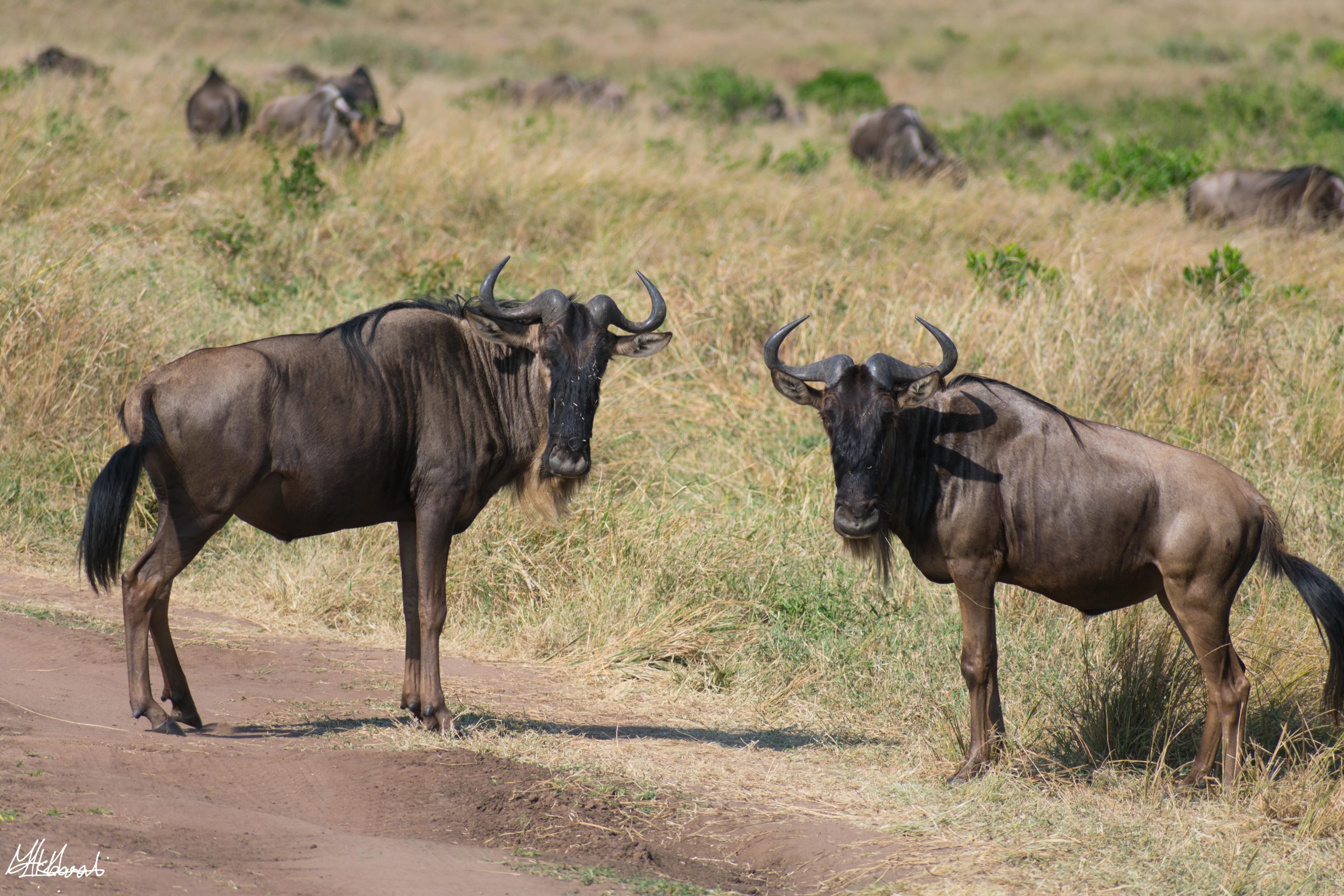
From January to March, the Serengeti calving season transforms the southern plains into the most dramatic wildlife arena in Africa. Nearly half a million wildebeest calves are born within a few weeks, attracting intense predator activity. February offers peak action, making a Ndutu safari February experience one of the most strategic safari choices in Tanzania.
The Serengeti calving season is not just another wildlife event. It is the biological engine of the entire Great Migration. Approximately 500,000 wildebeest calves are born across the short-grass plains of southern Serengeti and the Ndutu region. The synchronization of births overwhelms predators through sheer numbers, yet thousands of hunts still occur daily.
For travelers planning a Tanzania safari holiday, this period offers something distinct from river crossings: concentrated predator-prey interaction, open plains visibility, and exceptional photographic clarity.
Growing up in Arusha, our team has witnessed how February consistently delivers the highest density of wildlife encounters during the calving cycle. The positioning of mobile camps and permanent lodges during this season is critical, which is why local logistical knowledge matters.
The Serengeti calving season occurs primarily between late January and early March. Wildebeest migrate south to nutrient-rich short-grass plains to give birth. The result is extraordinary predator density and nonstop wildlife interaction.
The southern Serengeti and Ndutu plains provide mineral-rich grasses essential for lactating mothers. Calves can stand within minutes and run within hours, an evolutionary necessity in a predator-heavy ecosystem.
During this time you can expect:
Massive wildebeest herds spread across open plains
High concentrations of lion prides
Frequent cheetah hunts in daylight
Hyena clans targeting vulnerable newborns
Black-backed jackals scavenging remains
Unlike river crossings in the north, visibility here is unobstructed. The flat terrain allows long-distance viewing, ideal for both first-time safari guests and professional photographers.
Many of our guests combine this seasonal highlight with a broader northern circuit itinerary such as Serengeti and Ngorongoro to experience both calving plains and crater wildlife density in one journey.
February represents peak birthing intensity during the Serengeti calving season. Predator movement is highly active, and weather conditions are generally stable between short rains. Wildlife density reaches its most concentrated levels during this month.
A Ndutu safari February itinerary offers:
Highest newborn concentration
Optimal predator sightings
Fewer vehicles compared to peak dry season
Dramatic storm-lit skies for photography
The Ndutu region lies within the Ngorongoro Conservation Area, bordering southern Serengeti. This allows off-road driving in designated areas—an enormous advantage for wildlife positioning during predator hunts.
Our recommended itineraries during this season include:
Each safari package is structured around herd positioning reports updated daily by our Arusha-based operations team.
Calving season delivers predator intensity and newborn wildlife. River crossing season offers dramatic Mara River scenes. Both are exceptional but serve different safari priorities.
Calving Season (Jan–Mar):
High predator density
Open grassland visibility
Excellent for cheetah photography
Dramatic weather contrasts
River Crossing (Jun–Oct):
Crocodile ambush scenes
Iconic river imagery
Larger vehicle traffic
Dry season clarity
If your priority is raw predator interaction, Serengeti calving season often surpasses river crossings in daily action frequency.
For travelers focused on river crossings instead, consider Migration Crossing Safari.
The Serengeti calving season concentrates not only wildebeest but nearly every major predator species in the ecosystem. February often records multiple hunts within a single game drive.
Key species sightings include:
Lions – Large prides position strategically near birthing grounds.
Cheetahs – Daytime hunting increases due to vulnerable calves.
Spotted Hyenas – Highly active clan coordination.
Leopards – Less visible but present along woodland edges.
Bat-eared foxes and jackals – Frequent scavengers.
The density of interactions makes a Ndutu safari February particularly attractive for repeat safari travelers seeking behavior-based wildlife observation rather than simple species checklists.
The Serengeti calving season is one of Africa’s best photographic safari windows. Open plains, newborn wildlife, and predator drama create layered compositions. February light conditions are ideal for golden-hour imagery.
Technical recommendations:
100–400mm telephoto lens for predator action
24–70mm lens for herd landscapes
Fast shutter speeds (1/2000+) for cheetah hunts
Bean bag stabilization for vehicle shooting
Our specialized Photographic Safaris position vehicles with sun angle precision, often leaving camp before dawn to secure optimal lighting.
Lodge positioning during Serengeti calving season directly impacts wildlife access. Southern Serengeti and Ndutu-based camps reduce daily transfer time and maximize game drive hours.
Options include:
Permanent Ndutu camps
Mobile migration camps
Luxury tented lodges
Fly-in safari packages
For shorter visits, the Short Serengeti itinerary can be customized specifically for calving season positioning.
Growing up in Arusha, our team understands how road conditions and grass patterns shift weekly during this season. Camp selection is based on real-time herd movement reports.
A Ndutu safari February can be combined with Ngorongoro Crater, Tarangire, or Zanzibar for a complete Tanzania safari holiday. February weather supports seamless multi-destination itineraries.
Popular extensions include:
Ngorongoro Crater Big Five day
Tarangire elephant herds
Short Zanzibar beach relaxation
Best of Zanzibar cultural and marine exploration
This combination balances high-intensity predator viewing with coastal recovery time.
February travel from the United States requires planning flight connections into Kilimanjaro International Airport (JRO). US citizens require a Tanzanian eVisa. Health and safety standards meet international expectations.
Typical routing:
JFK, LAX, ATL departures
Connections via Doha, Amsterdam, Istanbul
Arrival at JRO near Arusha
US travelers should review updated health advisories via our Travel Information page.
Most guests arrive one day before safari departure to recover from 18–24 hour travel time.
Serengeti calving season pricing reflects high wildlife density but remains lower than peak dry season river crossing months. February often offers strong value for luxury safari packages.
Typical cost structure:
Luxury lodge safari: $600–$1,200 per person per night
Mobile migration camp: $500–$900 per night
Park fees: Approximately $70–$80 per adult per day
Private guide & vehicle: $250–$400 per day
Comprehensive safari packages such as Best of Northern Tanzania bundle accommodations, park fees, transfers, and guiding services.
The Serengeti calving season changes weekly. Herd positioning can shift 30–50 kilometers based on rainfall. Local, real-time intelligence determines safari success.
Growing up in Arusha, our team maintains direct radio communication with camp managers, guides, and conservation scouts across the southern Serengeti ecosystem.
Unlike international resellers, we adjust itineraries dynamically when herd clusters relocate. That flexibility is critical during a Ndutu safari February experience.
You can explore all available itineraries through our Safaris Destinations or browse the full portfolio at All Destinations.
If you prioritize predator action, newborn wildlife, and open-plain visibility, Serengeti calving season is ideal. If you prefer dramatic river crossings, consider later months. February remains one of Tanzania’s most strategic safari windows.
A Ndutu safari February itinerary suits:
Wildlife photographers
Repeat safari travelers
Luxury safari guests seeking fewer crowds
Families interested in educational wildlife experiences
The Serengeti calving season delivers one of Africa’s most concentrated wildlife spectacles. February stands out as the most balanced month for predator density, weather stability, and photographic opportunity.
Request your custom Tanzania safari holiday today and allow our Arusha-based team to design your optimal Ndutu safari February experience.
Location: Arusha, Tanzania
Email: info@odysseys-from-africa.com
Phone: +254 (0) 710 450 797 | +255 (0) 652 810 255
Website: https://odysseys-from-africa.com/

Odysseys From Africa crafts bespoke luxury safari experiences across Tanzania and Kenya. From the Serengeti Great Migration to Zanzibar beaches, we create unforgettable African adventures.
© 2026 Odysseys From Africa. All rights reserved. | TALA Licensed Tour Operator
Crafted by Twinfusion

