
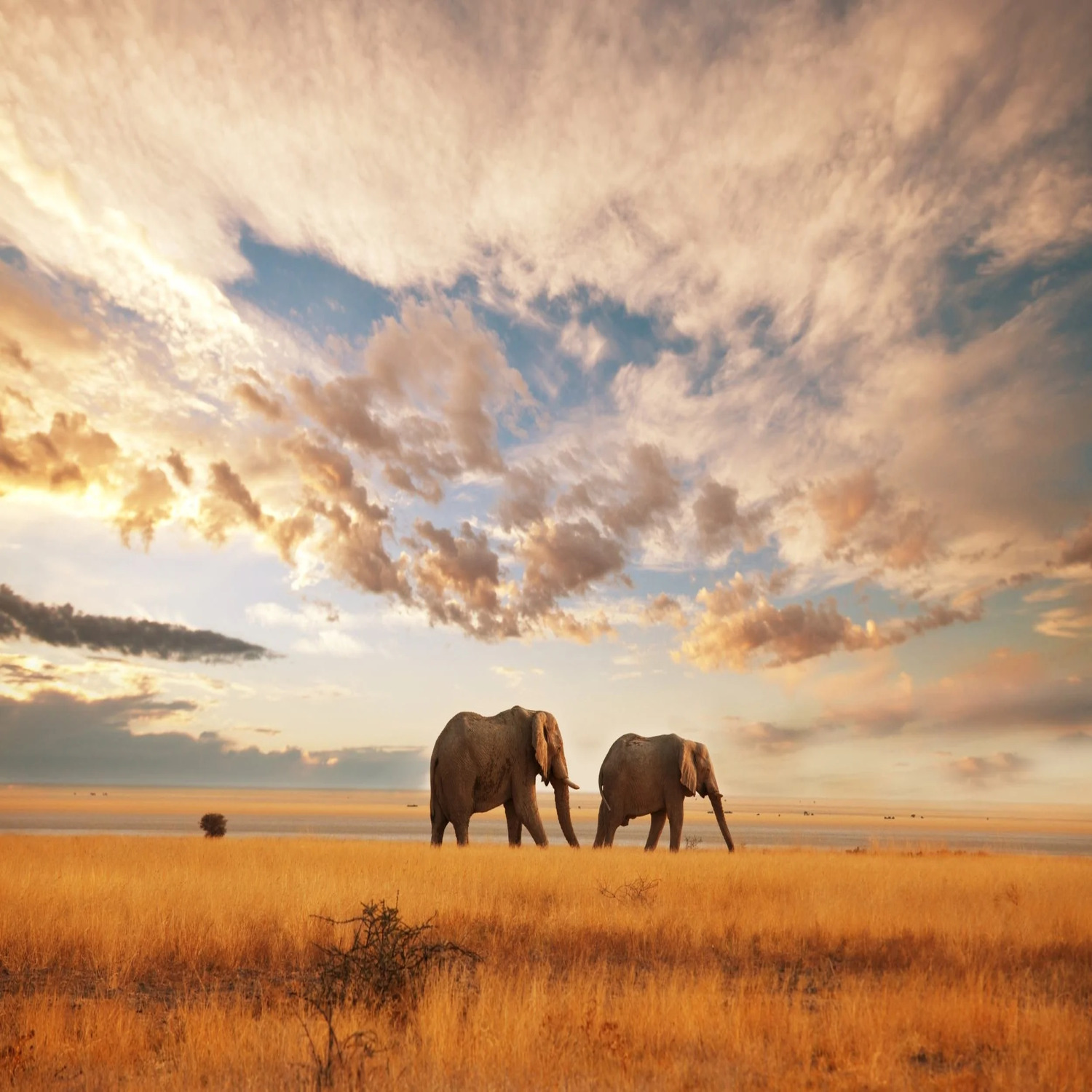
How Luxury Safaris Support Conservation in Africa
Understanding Luxury Safari Conservation Africa
Luxury safari conservation Africa is a tourism model where high-end safari travel directly funds wildlife protection, ecosystem management, and community development across the continent.
This approach has become one of the most important pillars of modern wildlife conservation in East Africa. It is built on a simple but powerful idea: fewer travelers, higher value, and greater impact. Instead of mass tourism placing pressure on ecosystems, this model ensures that tourism revenue actively supports conservation systems.
At Odysseys From Africa in Arusha, we see how luxury safari conservation Africa operates on the ground. Growing up near the Serengeti ecosystem, our team understands that conservation success depends on consistent funding, community involvement, and responsible travel behavior.
Today, luxury safari conservation Africa is not just a tourism strategy — it is a long-term survival framework for many of Africa’s most important ecosystems.
The Core Principle Behind Conservation Tourism
The foundation of protected wildlife areas depends on sustainable funding. One of the most effective systems is luxury safari conservation Africa, which ensures that tourism revenue is reinvested directly into conservation.
Unlike high-volume tourism models, this approach prioritizes fewer visitors with higher economic value. This reduces environmental strain while increasing financial contributions to national parks.
The strength of luxury safari conservation Africa lies in its ability to connect luxury travel with measurable ecological outcomes.
Economic Value of Conservation-Based Safaris
A major advantage of luxury safari conservation Africa is its financial structure.
Every safari booking contributes to:
- Anti-poaching operations
- Wildlife research programs
- Park infrastructure maintenance
- Habitat restoration projects
Because visitors spend more per trip, conservation areas receive stronger and more reliable funding streams. This makes luxury safari conservation Africa one of the most financially sustainable tourism models in the world.
Community Benefits and Local Empowerment
Local communities are central to the success of luxury safari conservation Africa.
When tourism revenue flows into surrounding regions, communities become active participants in conservation rather than external stakeholders.
This system supports:
- Employment in safari lodges and guiding
- Cultural tourism experiences
- Education and healthcare funding
- Reduced human-wildlife conflict
In northern Tanzania, Maasai communities demonstrate how traditional lifestyles and conservation goals can coexist through sustainable tourism.
Serengeti Ecosystem: A Conservation Success Story
The Serengeti is one of the strongest real-world examples of luxury safari conservation Africa in action.
This ecosystem supports millions of migrating animals annually, requiring continuous protection across vast landscapes.
Tourism revenue helps fund:
- Migration monitoring systems
- Predator population tracking
- Anti-poaching patrols
- Habitat conservation programs
Migration Crossing Safari
Migration Calving Safari
Without luxury safari conservation Africa, maintaining this level of ecological complexity would not be financially possible.
Ngorongoro Conservation Area Model
Ngorongoro represents a unique conservation system where wildlife and human communities coexist within a protected landscape.
This balance is supported by luxury safari conservation Africa, which provides funding for both ecological protection and community development.
Key features include:
- Controlled grazing systems
- Wildlife protection zoning
- Cultural preservation programs
- Strict ecological monitoring
This makes Ngorongoro one of the most complex and successful conservation models in the world.
Photographic Safaris and Global Awareness
Photography plays a key role in strengthening luxury safari conservation Africa by raising global awareness of wildlife protection.
Ethical photographic safaris help visitors document wildlife while promoting conservation education worldwide.
Responsible photography practices include:
- Maintaining safe distances
- Avoiding disruption of animal behavior
- Using long-range lenses
- Respecting cultural communities
Zanzibar and Marine Conservation
Conservation efforts also extend beyond land ecosystems.
Zanzibar plays an important role in luxury safari conservation Africa through marine biodiversity protection.
Key initiatives include:
- Coral reef restoration
- Sustainable fishing programs
- Marine park protection
- Sea turtle conservation
This ensures that coastal ecosystems are preserved alongside terrestrial wildlife areas.
Responsible Tourism Practices
Responsible travel is essential for the long-term success of luxury safari conservation Africa.
Travelers are encouraged to:
- Choose eco-certified safari operators
- Respect wildlife viewing guidelines
- Support local communities
- Minimize environmental impact
These practices ensure tourism remains a force for ecological protection.
US Traveler Perspective
For travelers from the United States, luxury safari conservation Africa offers a unique combination of luxury travel and measurable environmental impact.
Many US travelers now prioritize sustainability when choosing international destinations. This model provides both high-end safari experiences and direct conservation contributions.
Scientific Research and Wildlife Monitoring
Modern conservation relies heavily on data and research systems funded by luxury safari conservation Africa.
These systems support:
- Wildlife population tracking
- Habitat mapping
- Climate change impact studies
- Biodiversity monitoring
This ensures that conservation decisions are based on accurate scientific evidence.
Future of Conservation Tourism
The future of luxury safari conservation Africa depends on expanding sustainable tourism models that balance ecological protection with economic development.
Emerging trends include:
- Eco-luxury safari lodges powered by renewable energy
- Carbon-neutral safari itineraries
- Community-led conservation governance
- Advanced digital wildlife tracking systems
As global awareness increases, conservation-focused tourism will become even more important.
Conclusion
Luxury safari conservation Africa remains one of the most effective conservation systems in the world.
It directly connects tourism revenue with wildlife protection, community empowerment, and ecosystem sustainability.
Through this model, travelers become active participants in preserving Africa’s natural heritage for future generations.
Call to Action
Request a Custom Safari Proposal or Plan Your Conservation Safari in Tanzania today.
Location: Arusha, Tanzania
Email: info@odysseys-from-africa.com
Phone: +254 (0) 710 450 797 | +255 (0) 652 810 255
Website: https://odysseys-from-africa.com/


Odysseys From Africa crafts bespoke luxury safari experiences across Tanzania and Kenya. From the Serengeti Great Migration to Zanzibar beaches, we create unforgettable African adventures.
© 2026 Odysseys From Africa. All rights reserved. | TALA Licensed Tour Operator
Crafted by Twinfusion