A complete traveller's guide to Amboseli National Park: its famous elephant herds, the Kilimanjaro backdrop, when to visit for clear mountain views, how to get there and where it belongs in a Kenya itinerary.
Kenya's central highlands offer misty forest, alpine moorland and night-time game viewing from a lodge balcony. Here is what to expect in the Aberdares and around Mount Kenya, and how to work them into a safari.
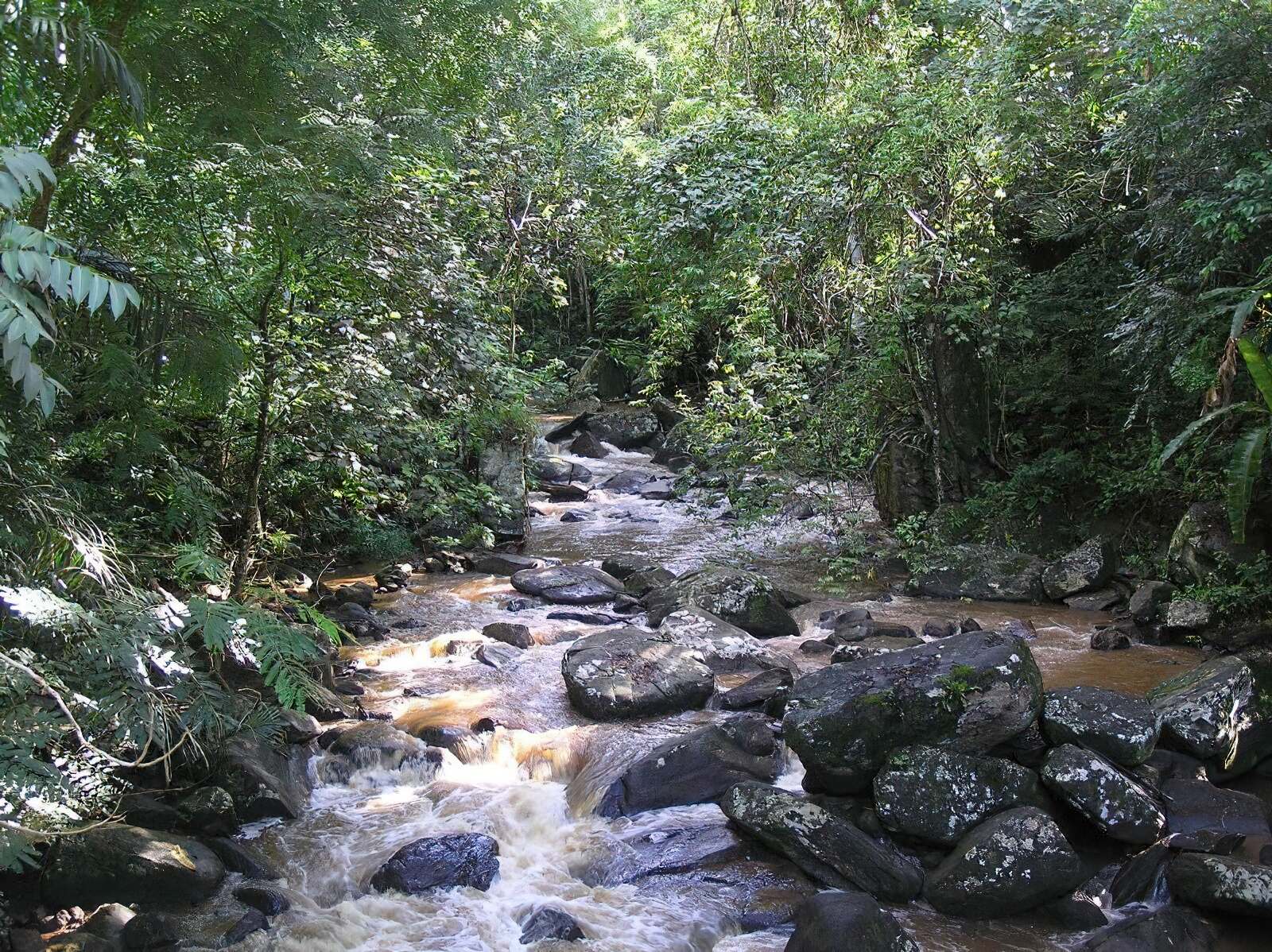
A Udzungwa Mountains hiking adventure offers a completely different side of Tanzania. While the country is famous for its safari destinations and the Great Migration, the Udzungwa Mountains reveal a world of dense rainforest, spectacular waterfalls, rare primates, colourful butterflies, and scenic mountain trails. Located in southern Tanzania, Udzungwa Mountains National Park is one of Africa’s most biologically diverse protected areas and a paradise for hikers and nature lovers. Unlike most Tanzanian national parks, there are no traditional game drives here. Instead, visitors explore on foot, following well-maintained forest trails through tropical rainforest alive with birdsong and the calls of monkeys. The highlight of most visits is the famous Sanje Falls, a magnificent three-tier waterfall that plunges over 170 metres down the forested mountainside before disappearing into the valley below. A Udzungwa Mountains hiking trip pairs perfectly with a Southern Tanzania safari. Many travellers combine it with Mikumi National Park, Ruaha National Park, or Nyerere National Park to experience both exceptional wildlife and unforgettable trekking. Whether you’re seeking panoramic viewpoints, endemic wildlife, or simply a refreshing escape from the safari vehicle, the Udzungwa Mountains deliver one of Tanzania’s most rewarding outdoor adventures. This guide covers everything you need to know about Udzungwa Mountains hiking, including the Sanje Falls trail, wildlife, best time to visit, fitness requirements, accommodation, and how to include the park in your Tanzania itinerary. If you’re planning a tailor-made adventure, explore our Tanzania Safaris for itineraries that combine hiking, wildlife, and cultural experiences. Where Are the Udzungwa Mountains? The Udzungwa Mountains are located in southern Tanzania, approximately 65 kilometres south of Mikumi National Park. The park forms part of the Eastern Arc Mountains, an ancient chain of forest-covered mountains recognised internationally for their exceptional biodiversity. Approximate travel times include: Dar es Salaam to Udzungwa: 6–7 hours by road. Mikumi National Park to Udzungwa: 1–2 hours. Morogoro to Udzungwa: approximately 4 hours. Its location makes Udzungwa Mountains hiking an excellent addition to a Southern Circuit safari. Why Choose Udzungwa Mountains Hiking? A Udzungwa Mountains hiking experience is unlike any other national park visit in Tanzania. Reasons to visit include: Spectacular rainforest scenery. The famous Sanje Falls. Guided hiking trails. Rare endemic primates. More than 400 bird species. Beautiful mountain viewpoints. Unique butterfly species. Quiet trails with very few visitors. For travellers looking beyond traditional game drives, Udzungwa offers an unforgettable nature experience. Sanje Falls: The Park’s Most Famous Hike The highlight of Udzungwa Mountains hiking is the trail to Sanje Falls. This scenic route passes through lush rainforest before reaching one of Tanzania’s tallest waterfalls. Highlights include: Towering rainforest trees. Crystal-clear streams. Forest wildlife. Scenic viewpoints. Natural swimming pools. The spectacular three-tier waterfall. From the upper viewpoint, hikers enjoy panoramic views across the Kilombero Valley that stretch for kilometres on clear days. How Difficult Is the Sanje Falls Trek? The Sanje Falls hike is considered moderately challenging. Typical details include: Distance: approximately 5–7 kilometres return. Duration: 3–4 hours. Elevation gain: moderate. Guided hiking required. Suitable for reasonably fit travellers. Although there are uphill sections, the trail is well maintained and achievable for most visitors with average fitness. Wildlife Along the Trails Unlike open savannah parks, Udzungwa Mountains hiking focuses on forest wildlife. Visitors commonly encounter: Iringa red colobus monkeys. Sanje mangabeys. Blue monkeys. Black-and-white colobus monkeys. Bushbucks. Forest birds. Colourful butterflies. Chameleons. Several of these species are found nowhere else in the world, making the park internationally important for conservation. Birdwatching in the Udzungwa Mountains Bird enthusiasts consider Udzungwa Mountains hiking one of Tanzania’s finest birding experiences. More than 400 species have been recorded, including numerous Eastern Arc endemics. Common sightings include: Green-headed oriole. Livingstone’s turaco. African emerald cuckoo. Narina trogon. Hornbills. Sunbirds. Woodland kingfishers. African goshawks. Early morning hikes usually provide the best birdwatching opportunities. Rainforest Scenery The landscapes encountered during Udzungwa Mountains hiking differ dramatically from Tanzania’s better-known safari parks. Expect: Dense tropical rainforest. Giant fig trees. Fern-covered trails. Mountain streams. Waterfalls. Moss-covered rocks. Lush valleys. The cool forest climate provides a welcome contrast after several days on safari. Why Combine Udzungwa with a Southern Tanzania Safari? Many visitors include Udzungwa Mountains hiking as part of a wider Southern Circuit adventure. The combination offers: Wildlife safaris. Mountain trekking. Waterfalls. Birdwatching. Rainforest exploration. Scenic road journeys. After game drives in Mikumi or Ruaha, hiking through ancient rainforest creates an entirely different Tanzanian experience. Best Time for Udzungwa Mountains Hiking A Udzungwa Mountains hiking adventure is possible throughout the year, although weather conditions and trail surfaces vary by season. June to October: Dry Season The dry season is the most popular time for Udzungwa Mountains hiking. Advantages include: Dry and less slippery trails. Comfortable hiking temperatures. Excellent visibility from viewpoints. Easier wildlife spotting. Clear photography conditions. This is the ideal period for hikers planning to combine Udzungwa with Mikumi or Ruaha National Park. November to March: Green Season Seasonal rains transform the rainforest into its lushest state. Benefits include: Spectacular green scenery. Powerful waterfalls. Excellent birdwatching. Colourful butterflies. Fewer visitors. The rainforest is particularly vibrant during these months, making it a rewarding time for nature enthusiasts. April and May These are the wettest months of the year. While Udzungwa Mountains hiking remains possible, trails can become muddy and slippery. Waterproof hiking boots and rain gear are recommended. What to Pack for Udzungwa Mountains Hiking Preparing properly makes your Udzungwa Mountains hiking experience far more enjoyable. Recommended items include: Comfortable hiking boots. Lightweight clothing. Rain jacket. Hat. Sunscreen. Insect repellent. Reusable water bottle. Small backpack. Camera. Binoculars. Because the rainforest climate is humid, breathable clothing is highly recommended. Accommodation Near Udzungwa Mountains National Park Visitors can choose from several accommodation options close to the park. Luxury Lodges Luxury accommodation typically offers: Spacious rooms. Scenic forest settings. Swimming pools. Fine dining. Guided excursions. Mid-Range Lodges Ideal for most travellers, offering: Comfortable ensuite rooms. Restaurant facilities. Garden surroundings. Easy access to the park entrance. Budget Guesthouses Budget-friendly accommodation includes: Guesthouses. Campsites. Backpacker lodges. Basic safari camps. These provide affordable options…
For travellers looking to experience Tanzania’s incredible wildlife without venturing deep into the country’s remote wilderness, a Mikumi National Park safari is the perfect solution. Located just a few hours from Dar es Salaam, Mikumi National Park offers an authentic safari experience with impressive wildlife, scenic landscapes, and excellent accessibility. Whether you have a single weekend or a few extra days after visiting Tanzania’s coast, Mikumi provides one of the easiest ways to enjoy the African bush. A Mikumi National Park safari is ideal for first-time visitors, families, photographers, business travellers with limited time, and anyone seeking a shorter alternative to the Northern Circuit. Despite its convenient location, the park is home to lions, elephants, giraffes, buffalo, zebras, hippos, crocodiles, and an abundance of birdlife. Game drives often rival those in larger parks, particularly around the famous Mkata Floodplain, where wildlife gathers throughout the year. As part of Tanzania’s Southern Circuit, Mikumi also serves as the perfect gateway to destinations such as Ruaha National Park, Nyerere National Park, and the Udzungwa Mountains. Many travellers combine these destinations to experience a more remote side of Tanzania while avoiding the larger crowds often found in the north. This guide covers everything you need to know about planning a Mikumi National Park safari, including wildlife, the best time to visit, accommodation, travel options, activities, and suggested itineraries. For tailor-made safari packages across Tanzania, explore our Tanzania Safaris and discover journeys designed around your interests and schedule. Where Is Mikumi National Park? Mikumi National Park is located in southern Tanzania, approximately 300 kilometres west of Dar es Salaam. The park borders the Selous ecosystem and forms part of a vast protected landscape that includes: Nyerere National Park. Udzungwa Mountains National Park. Ruaha National Park. Kilombero Valley. Its location along the main highway between Dar es Salaam and Zambia makes it one of Tanzania’s most accessible safari destinations. Typical travel times include: Dar es Salaam to Mikumi: 5–6 hours by road. Scheduled flights from Dar es Salaam. Connections from Morogoro. Multi-day Southern Circuit safaris. Because of its accessibility, Mikumi National Park safari packages are popular for both weekend escapes and longer wildlife adventures. Why Choose a Mikumi National Park Safari? A Mikumi National Park safari offers an excellent balance of convenience, wildlife diversity, and affordability. Reasons to visit include: Easy access from Dar es Salaam. Excellent wildlife viewing. Beautiful open plains. Fewer crowds than northern parks. Affordable accommodation. Ideal weekend safari destination. Family-friendly game drives. Gateway to Southern Tanzania. For travellers with limited time, Mikumi provides one of the most rewarding safari experiences in East Africa. The Mkata Floodplain The heart of every Mikumi National Park safari is the spectacular Mkata Floodplain. Often compared to the Serengeti because of its wide-open grasslands, this area supports large numbers of grazing animals throughout the year. Visitors frequently encounter: Zebras. Wildebeest. Buffalo. Giraffes. Elephants. Impalas. Waterbuck. Predators regularly patrol these plains in search of prey, making game drives particularly exciting. Wildlife in Mikumi National Park Despite being smaller than Tanzania’s famous northern parks, Mikumi National Park supports an impressive variety of wildlife. Common sightings include: African elephants. Lions. Buffalo. Masai giraffes. Plains zebras. Warthogs. Hippos. Crocodiles. Elands. Greater kudu. Large herds often gather around permanent water sources, creating excellent opportunities for wildlife photography. Lions of Mikumi Lions are among the highlights of a Mikumi National Park safari. The park’s open landscapes make them relatively easy to spot compared with more densely vegetated reserves. Visitors frequently observe: Lions resting beneath acacia trees. Hunting behaviour. Family prides. Cubs playing. Early morning territorial patrols. Morning and late afternoon game drives usually provide the best opportunities for sightings. Birdwatching in Mikumi Bird enthusiasts will find more than 400 recorded bird species within the park. Popular sightings include: Lilac-breasted rollers. Fish eagles. Hornbills. Yellow-throated longclaws. Bateleurs. Kingfishers. Bee-eaters. Secretary birds. The variety of habitats makes Mikumi National Park safari itineraries equally rewarding for birdwatchers and wildlife enthusiasts. Scenic Landscapes A Mikumi National Park safari is about more than wildlife. The park offers spectacular scenery featuring: Open floodplains. Miombo woodlands. Rocky hills. Seasonal rivers. Acacia savannah. Mountain backdrops. The nearby Uluguru and Udzungwa Mountains provide a dramatic setting for sunrise and sunset photography. Safari Activities Visitors can enjoy a variety of activities during a Mikumi National Park safari. Popular options include: Morning game drives. Afternoon game drives. Full-day safaris. Birdwatching excursions. Photography safaris. Sundowner experiences. Guided nature experiences. Each activity offers a different perspective on the park’s remarkable ecosystems and wildlife. Best Time for a Mikumi National Park Safari A Mikumi National Park safari can be enjoyed throughout the year, although wildlife viewing changes with the seasons. June to October: Dry Season The dry season is considered the best time to visit. Advantages include: Wildlife gathers around rivers and waterholes. Shorter grass improves visibility. Comfortable daytime temperatures. Excellent road conditions. Outstanding photography opportunities. This is also the busiest safari season, so booking accommodation in advance is recommended. November to March: Green Season Seasonal rains transform the park into a lush green landscape. Visitors enjoy: Beautiful scenery. Migratory bird species. Fewer safari vehicles. Newborn wildlife. Excellent landscape photography. Although wildlife becomes more dispersed, game viewing remains rewarding. April and May These months receive the heaviest rainfall. Road conditions may occasionally become more challenging, but the park remains attractive for photographers and birdwatchers seeking quieter experiences. Accommodation Options One reason a Mikumi National Park safari appeals to so many travellers is the wide variety of accommodation available. Luxury Safari Lodges Luxury properties offer: Spacious suites. Swimming pools. Fine dining. Private verandas. Guided game drives. Scenic bush locations. Many overlook wildlife-rich plains where animals can often be seen directly from the lodge. Mid-Range Lodges Ideal for families and couples seeking comfort and value. Facilities typically include: Comfortable ensuite rooms. Restaurants. Swimming pools. Guided safaris. Relaxed atmosphere. Budget Camps Budget-friendly accommodation includes: Safari tents. Campsites. Guest lodges. Basic safari facilities. These options allow visitors to enjoy a Mikumi National Park safari without exceeding their travel budget. How…
For travellers seeking an authentic African wilderness away from crowded safari routes, a Ruaha National Park safari is one of Tanzania’s greatest hidden treasures. As the country’s largest national park, Ruaha offers vast landscapes dotted with ancient baobab trees, the life-giving Great Ruaha River, and some of Africa’s highest concentrations of predators—all with remarkably few safari vehicles. While the Serengeti is famous for the Great Migration, Ruaha is celebrated for its raw, untamed atmosphere. Here, enormous lion prides patrol the riverbanks, African wild dogs roam across the plains, elephants gather beneath towering baobabs, and leopards quietly stalk through dense riverine forests. The park’s remote location means visitors often enjoy unforgettable wildlife encounters without another vehicle in sight. Covering more than 20,000 square kilometres in southern Tanzania, Ruaha National Park protects a remarkable meeting point between eastern and southern African ecosystems. This unique geography creates exceptional biodiversity, making every game drive different from the last. Whether you’re a first-time safari traveller or an experienced wildlife enthusiast, a Ruaha National Park safari delivers the sense of exploration that many visitors dream of when planning a journey to Africa. Travellers looking to explore Tanzania’s southern safari circuit can also discover our guide to Nyerere National Park Boat Safari, another extraordinary wilderness experience in southern Tanzania. Where Is Ruaha National Park? Ruaha National Park lies in central southern Tanzania, approximately 130 kilometres west of Iringa. The park forms the heart of the Greater Ruaha Ecosystem, one of East Africa’s largest protected wildlife landscapes. Visitors typically reach Ruaha by: Scheduled bush flights. Private charter aircraft. Road transfers from Iringa. Combined southern Tanzania safari itineraries. Because of its remote location, the park receives significantly fewer visitors than Tanzania’s northern safari destinations. Nearby attractions include: Iringa. Udzungwa Mountains National Park. Mikumi National Park. Nyerere National Park. Great Ruaha River. Many travellers combine Ruaha with our Southern Tanzania Road Safari for an unforgettable multi-park adventure. Why Choose a Ruaha National Park Safari? A Ruaha National Park safari offers a completely different experience from the more famous northern circuit. Highlights include: Huge lion prides. Exceptional predator sightings. African wild dogs. Large elephant herds. Ancient baobab trees. Dramatic river scenery. Very few safari vehicles. Excellent birdwatching. Exclusive wilderness experiences. For travellers seeking solitude and genuine wilderness, few destinations rival Ruaha. The Great Ruaha River The Great Ruaha River is the lifeblood of the park. During the dry season, it becomes the primary water source for countless animals, creating exceptional wildlife viewing opportunities. Visitors regularly observe: Elephants drinking. Hippos gathering in deep pools. Nile crocodiles basking. Buffalo crossing the river. Lions waiting nearby for prey. Many safari drives follow the river because wildlife naturally concentrates around its permanent water sources. Baobab Landscapes One of the defining features of Ruaha National Park is its magnificent baobab trees. Some of these giants are believed to be hundreds or even thousands of years old. Scattered across rocky hills and open plains, they create one of Tanzania’s most recognisable safari landscapes. During sunrise and sunset, the silhouettes of baobabs against colourful skies provide outstanding photographic opportunities. Lions of Ruaha Ruaha has earned an international reputation for its impressive lion population. Some prides contain more than twenty individuals, making them among the largest documented in Africa. Visitors frequently witness: Pride interactions. Hunting behaviour. Cubs playing. Territorial patrols. Riverbank ambushes. Because tourism remains relatively low, many sightings occur without the crowds common in other safari destinations. African Wild Dogs One of the biggest attractions of a Ruaha National Park safari is the chance to see endangered African wild dogs. These highly social predators are among Africa’s rarest carnivores. Ruaha supports one of the continent’s most important remaining populations. Lucky visitors may observe: Cooperative hunting. Playful pack behaviour. Pups at den sites. Long-distance movements. Wild dog sightings are often considered the highlight of a Ruaha safari. Elephants and Other Herbivores Ruaha is also famous for its healthy elephant population. Large family groups move between river systems, woodlands, and open plains throughout the year. Other commonly seen herbivores include: Greater kudu. Sable antelope. Roan antelope. Giraffes. Zebras. Impalas. Waterbuck. Buffalo. The diversity of habitats supports an impressive variety of grazing and browsing species. Leopards, Cheetahs and Hyenas Predator enthusiasts appreciate the exceptional diversity found in Ruaha. Besides lions and wild dogs, visitors regularly encounter: Leopards. Spotted hyenas. Cheetahs. Black-backed jackals. Side-striped jackals. Leopards are particularly active along the riverine forests where they use dense vegetation for cover. Birdwatching in Ruaha With more than 570 recorded bird species, Ruaha National Park is one of Tanzania’s finest birdwatching destinations. Common sightings include: Fish eagles. Hornbills. Kingfishers. Bee-eaters. Rollers. Vultures. Secretary birds. Ostriches. The diversity reflects the park’s varied habitats, including rivers, woodlands, grasslands, and rocky escarpments. Best Time for a Ruaha National Park Safari A Ruaha National Park safari can be enjoyed throughout the year, but the experience changes with the seasons. June to October: Peak Safari Season The dry season is widely regarded as the best time to visit Ruaha. During these months: Wildlife gathers around the Great Ruaha River. Vegetation becomes thinner, improving visibility. Roads remain in excellent condition. Predator sightings increase. Temperatures are warm during the day and cooler at night. This is the ideal period for photographers and first-time safari visitors. November to March: Green Season The arrival of seasonal rains transforms Ruaha into a lush landscape. Benefits include: Beautiful green scenery. Migratory bird species. Newborn wildlife. Fewer visitors. Excellent photography. Although animals become more dispersed, the scenery is spectacular. April and May Heavy rains can affect some roads, but this season provides outstanding opportunities for birdwatching and landscape photography. Several lodges may close temporarily for annual maintenance during the wettest weeks. Safari Activities A Ruaha National Park safari offers more than traditional game drives. Visitors can enjoy: Morning game drives. Afternoon game drives. Full-day safaris. Walking safaris. Birdwatching excursions. Photography safaris. Sundowner experiences. Cultural visits near the park. Walking safaris, accompanied by experienced guides and armed rangers, allow visitors to appreciate the smaller details of…
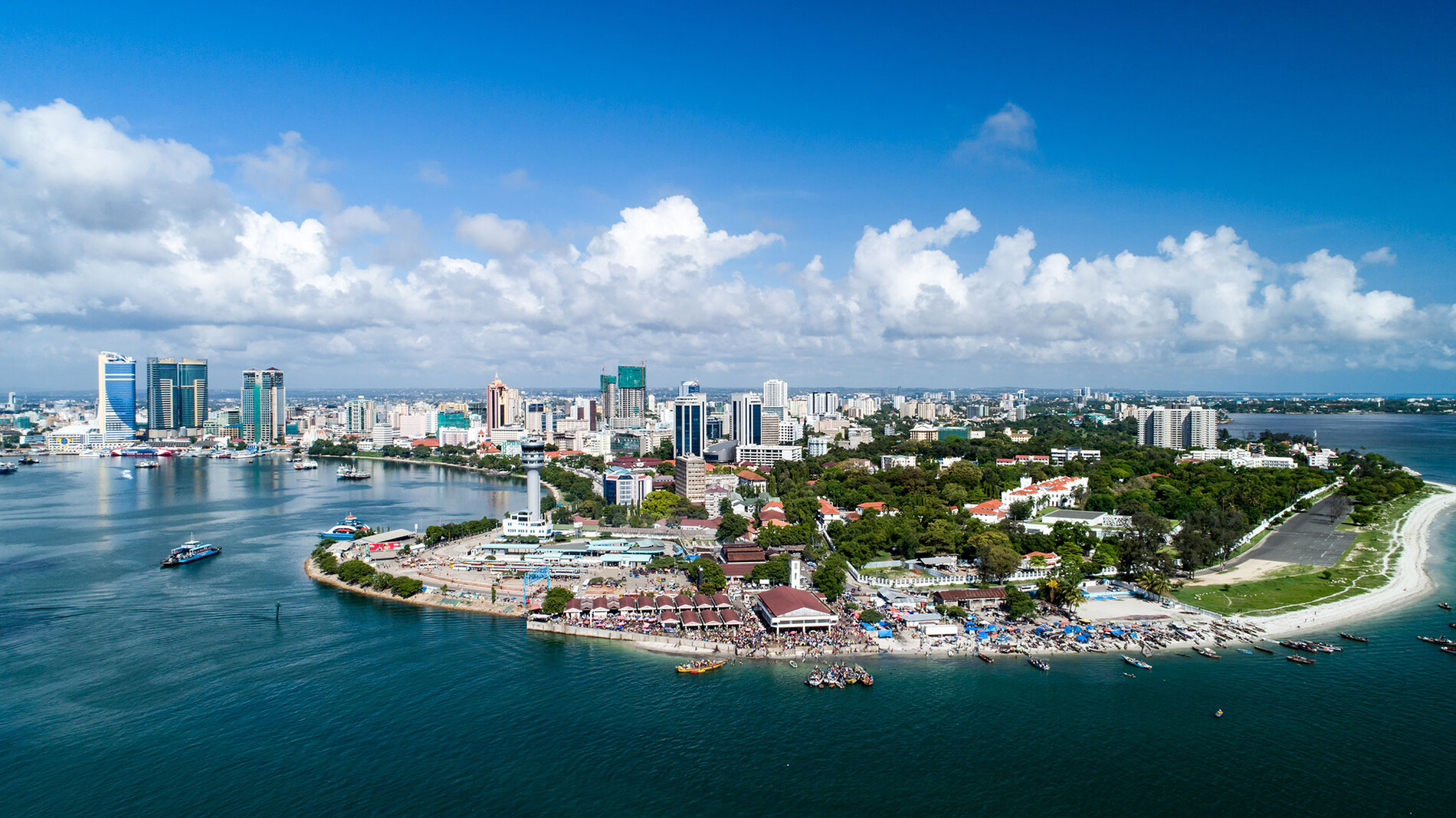
Many travellers see Dar es Salaam simply as the gateway to Tanzania, passing through on their way to Zanzibar, the Serengeti, Mount Kilimanjaro, or the southern safari circuit. However, if you have several hours—or even a full day—between flights or onward travel, a Dar es Salaam stopover offers far more than an airport waiting lounge. As Tanzania’s largest city and commercial capital, Dar es Salaam blends Swahili heritage, colonial architecture, bustling markets, Indian Ocean beaches, excellent seafood, and fascinating museums into a vibrant urban experience. Whether you’re arriving from an international flight, waiting for a domestic connection, or finishing a safari before heading home, spending 24 hours exploring the city can add an unexpected highlight to your Tanzanian adventure. From the fascinating National Museum and the colourful chaos of Kariakoo Market to the turquoise waters of Bongoyo Island, this guide shows you how to make the most of a Dar es Salaam stopover, whether you have six hours, twelve hours, or a full day. Travellers continuing into Tanzania’s wildlife regions can also explore our Tanzania Safaris for unforgettable journeys across the country’s famous national parks. Why Plan a Dar es Salaam Stopover? Rather than rushing between the airport and your hotel, taking time to explore Dar es Salaam allows you to experience Tanzania’s modern culture alongside its rich coastal heritage. Reasons to include a Dar es Salaam stopover include: Excellent museums. Bustling local markets. Indian Ocean beaches. Fresh seafood restaurants. Historic architecture. Easy island excursions. Authentic Swahili culture. Convenient location between flights. Unlike many transit cities, Dar es Salaam rewards travellers who slow down and spend a few hours exploring. Where Is Dar es Salaam? Dar es Salaam sits on Tanzania’s eastern coastline along the Indian Ocean. Although Dodoma is Tanzania’s official capital, Dar es Salaam remains the country’s largest city, busiest port, and principal international gateway. Most visitors arrive through Julius Nyerere International Airport before continuing to destinations such as: Zanzibar. Serengeti National Park. Ngorongoro Crater. Mount Kilimanjaro. Nyerere National Park. Ruaha National Park. If your itinerary continues into the country’s famous wildlife regions, our Tanzania Explorer combines city experiences with unforgettable safari adventures. How Long Do You Need? A Dar es Salaam stopover can be tailored to the time available. 4–6 Hours Ideal for: National Museum. Coffee break. Oceanfront drive. Local lunch. 8–12 Hours Allows time for: National Museum. Kariakoo Market. Oyster Bay. Seafood lunch. Coco Beach. 24 Hours A full-day stopover can include: National Museum. Kariakoo Market. Askari Monument. Bongoyo Island. Slipway waterfront. Sunset dinner overlooking the Indian Ocean. Visit the National Museum of Tanzania One of the best places to begin a Dar es Salaam stopover is the National Museum. The museum explores Tanzania’s: Human origins. Colonial history. Independence movement. Tribal cultures. Archaeology. Natural history. Highlights include discoveries connected to early human evolution and exhibits celebrating Julius Nyerere, Tanzania’s founding president. The museum provides valuable context before travelling elsewhere in the country. Experience Kariakoo Market No visit to Dar es Salaam feels complete without experiencing Kariakoo Market. This enormous commercial district is one of East Africa’s busiest markets. Visitors discover: Fresh tropical fruit. Colourful fabrics. Traditional spices. Household goods. Local crafts. Street food. Walking through Kariakoo offers a genuine glimpse into everyday Tanzanian life. Because the market is extremely busy, exploring with a local guide is highly recommended. Walk Along the Waterfront After the excitement of Kariakoo, the quieter waterfront offers a relaxing contrast. Popular areas include: Ocean Road. Coco Beach. Oyster Bay. The Slipway. These neighbourhoods feature cafés, restaurants, boutique shops, and pleasant walking paths overlooking the Indian Ocean. They are excellent places to unwind before continuing your journey. Escape to Bongoyo Island If your Dar es Salaam stopover allows several extra hours, Bongoyo Island is one of the city’s best excursions. Located within the Dar es Salaam Marine Reserve, the island is reached by a short boat ride from The Slipway. Visitors can enjoy: White-sand beaches. Swimming. Snorkelling. Coral reefs. Fresh seafood. Nature walks. Because there are no large hotels or busy roads, Bongoyo provides a peaceful escape only minutes from the city. Travellers planning a longer coastal adventure may also enjoy Pangani Tanzania for quiet beaches and authentic Swahili culture. Discover Askari Monument Located in the city centre, the Askari Monument commemorates African soldiers who served during the First World War. Surrounded by colonial-era buildings, it provides an interesting stop while exploring downtown Dar es Salaam. Nearby attractions include: St Joseph’s Cathedral. Azania Front Lutheran Church. Old Boma. Botanical Gardens. These historic landmarks can easily be visited on foot. Taste Swahili Cuisine A Dar es Salaam stopover is also an opportunity to experience Tanzania’s diverse coastal cuisine. Popular dishes include: Grilled seafood. Zanzibar pizza. Mishkaki (grilled skewers). Pilau rice. Coconut fish curry. Fresh tropical fruit. Chapati. Mandazi. Many waterfront restaurants serve freshly caught seafood overlooking the Indian Ocean. Shopping for Local Crafts Before continuing your journey, consider visiting local craft markets. Popular souvenirs include: Tingatinga paintings. Wood carvings. Maasai beadwork. Handwoven baskets. Tanzanite jewellery. Handmade textiles. Purchasing directly from local artisans supports community businesses while providing meaningful reminders of your visit. Relax at Coco Beach If your Dar es Salaam stopover includes a free afternoon, Coco Beach offers an enjoyable place to relax before your next flight or safari. Located on the Msasani Peninsula, the beach is popular with both residents and visitors. Here you can enjoy: Ocean views. Fresh coconut water. Local snacks. Beach walks. Street food. Weekend entertainment. Although it is not Tanzania’s best swimming beach, Coco Beach provides a lively atmosphere and a chance to experience everyday life in Dar es Salaam. Visit The Slipway One of the city’s most popular waterfront destinations is The Slipway. Overlooking Msasani Bay, this relaxed complex combines shopping, restaurants, cafés, and boat departures to nearby islands. Visitors can: Enjoy fresh seafood. Watch traditional dhow boats. Shop for handcrafted souvenirs. Take sunset photographs. Depart for Bongoyo Island. It is one of the best places to spend a leisurely afternoon during a Dar es Salaam…
Most travellers driving between the Ngorongoro Conservation Area and Serengeti National Park focus on reaching Tanzania’s world-famous wildlife destinations as quickly as possible. Yet, hidden among the rolling plains lies one of the most significant archaeological sites on Earth—Olduvai Gorge. Far more than a brief roadside stop, this remarkable location tells the story of humanity’s earliest ancestors and offers a fascinating perspective that enriches every safari. Often referred to as the “Cradle of Mankind,” Olduvai Gorge has transformed our understanding of human evolution. It was here that decades of archaeological excavations uncovered fossil remains, ancient stone tools, and evidence showing that early humans lived in East Africa nearly two million years ago. These discoveries placed Tanzania at the centre of one of the greatest scientific stories ever told. Today, visitors can explore an informative museum, stand at the edge of the famous gorge, and learn about the groundbreaking work of Louis and Mary Leakey. Whether you are travelling from Ngorongoro to the Serengeti or following the Northern Circuit in reverse, stopping at Olduvai Gorge adds historical depth to your wildlife adventure. This guide explores everything you need to know about Olduvai Gorge, including its history, archaeological importance, museum exhibits, visitor experience, travel tips, and how to include it in your Tanzania itinerary. Travellers planning a safari can also explore our Tanzania Safaris for tailor-made journeys across Tanzania’s most iconic national parks. Where Is Olduvai Gorge? Olduvai Gorge lies within the Ngorongoro Conservation Area in northern Tanzania, roughly halfway between Ngorongoro Crater and the central Serengeti. Its strategic location makes it one of the easiest cultural attractions to include during a Northern Circuit safari. Approximate travel times include: Arusha to Olduvai Gorge: 5–6 hours. Ngorongoro Crater to Olduvai Gorge: 1–2 hours. Olduvai Gorge to Central Serengeti: 2–3 hours. Most visitors stop at the site during the drive between Ngorongoro and the Serengeti, making the journey more rewarding without adding significant travel time. For a complete Northern Circuit experience, consider our Best of Northern Tanzania itinerary. Why Is Olduvai Gorge Famous? Olduvai Gorge is internationally recognised as one of the world’s most important paleoanthropological sites. It became famous after decades of research revealed evidence of some of humanity’s earliest ancestors. The site is celebrated for: Early human fossils. Ancient stone tools. Millions of years of geological history. Groundbreaking archaeological discoveries. Contributions to the study of human evolution. These discoveries fundamentally changed scientific understanding of where and how early humans evolved. The Leakey Family Discoveries The name Olduvai Gorge is closely associated with archaeologists Louis Leakey and Mary Leakey, whose work during the twentieth century transformed the field of paleoanthropology. Among their most significant discoveries were: Fossils of Homo habilis. Early stone tools. Ancient animal remains. Evidence of early hunting and tool-making. Multiple geological layers preserving different periods of human evolution. Their research established East Africa as one of the most important regions for studying humanity’s origins. Why It Is Called the Cradle of Mankind The nickname “Cradle of Mankind” reflects the extraordinary evidence found at Olduvai Gorge. Over millions of years, volcanic ash, sediment, and erosion preserved fossils from different eras, allowing scientists to reconstruct the story of early human development. Visitors quickly realise that the site is far more than a museum—it represents one of the most important chapters in human history. Standing beside the gorge offers a unique opportunity to appreciate the immense timescale over which our ancestors evolved. Exploring the Olduvai Gorge Museum One of the highlights of visiting Olduvai Gorge is the modern museum overlooking the excavation site. The museum presents the story of human evolution in an accessible and engaging way. Visitors can explore: Fossil replicas. Stone tools. Archaeological displays. Geological exhibits. Interactive educational panels. Historical photographs. Leakey family research. Knowledgeable guides explain the significance of the discoveries and answer questions about the site’s ongoing scientific importance. The Gorge Viewpoint After exploring the museum, visitors step outside to admire panoramic views across Olduvai Gorge itself. The dramatic landscape reveals exposed geological layers that have preserved millions of years of history. From the viewpoint, guides explain: How erosion created the gorge. Different sedimentary layers. Excavation areas. Ancient river systems. Why fossils remained so well preserved. The viewpoint provides an excellent introduction before continuing towards the Serengeti. Archaeological Significance Few places in the world have contributed as much to our understanding of human origins as Olduvai Gorge. Important discoveries include: Early members of the human family. Primitive stone tools. Evidence of organised hunting. Ancient animal fossils. Millions of years of environmental change. Research continues today, meaning Olduvai Gorge remains an active scientific site rather than simply a historical attraction. Combining Olduvai Gorge with a Safari One of the greatest advantages of visiting Olduvai Gorge is its location between Tanzania’s most famous wildlife destinations. Many travellers combine it with: Ngorongoro Crater. Serengeti National Park. Lake Manyara National Park. Tarangire National Park. Maasai cultural visits. Adding this archaeological stop transforms a traditional safari into a journey through both natural and human history. Our Ngorongoro Crater vs Serengeti guide explains how to include Olduvai Gorge efficiently while travelling between these iconic parks. Best Time to Visit Olduvai Gorge One of the advantages of visiting Olduvai Gorge is that it can be explored throughout the year. Since most of the experience centres around the museum and viewpoint rather than wildlife viewing, seasonal changes have less impact than they do in Tanzania’s national parks. June to October The dry season is considered the best time to visit. Benefits include: Pleasant temperatures. Clear skies. Excellent visibility across the gorge. Comfortable walking conditions. Smooth road travel between Ngorongoro and the Serengeti. This is also the busiest safari season, making Olduvai Gorge a convenient stop on Northern Circuit itineraries. November to March During the green season, the surrounding plains become lush after seasonal rains. Visitors enjoy: Beautiful landscapes. Fewer crowds. Excellent photography. Comfortable museum visits. Opportunities to combine the stop with the Serengeti calving season. April and May Heavy rains occasionally affect road conditions, although Olduvai…
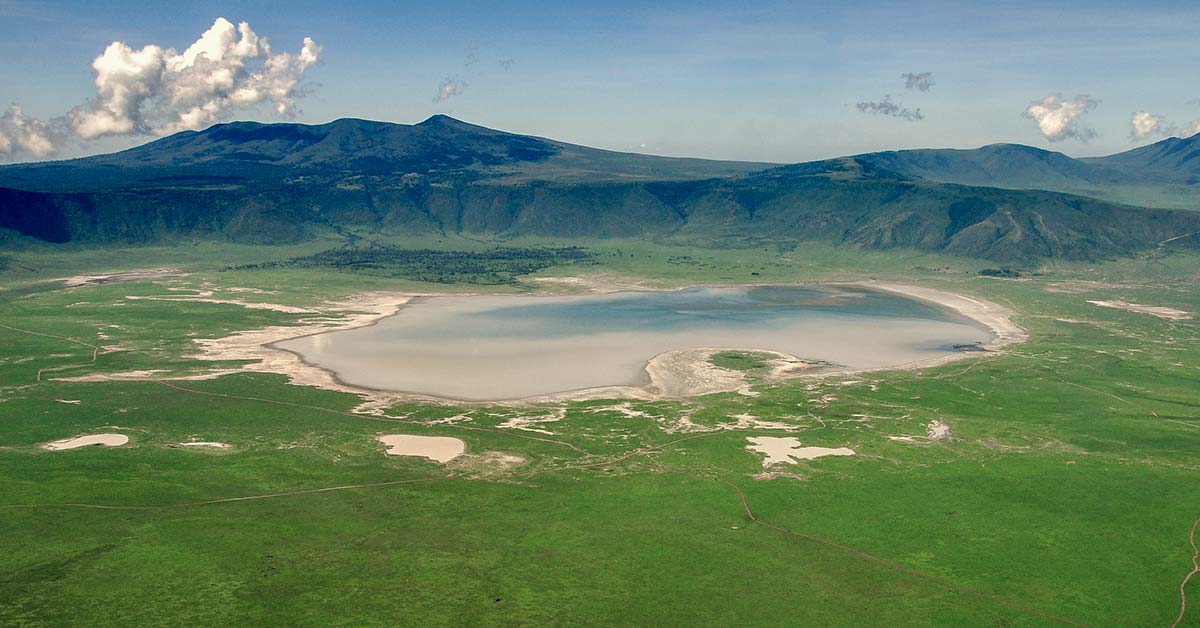
Planning a safari in Tanzania often begins with one important question: Ngorongoro Crater vs Serengeti—which destination deserves more of your time? If your itinerary only allows three to five days, choosing how to divide those days can determine whether your safari feels rushed or perfectly balanced. Both destinations are among Africa’s greatest wildlife areas, but they offer completely different experiences. Understanding Ngorongoro Crater vs Serengeti is essential before booking accommodation, choosing game drives, or deciding whether to fly or drive between parks. The Ngorongoro Crater delivers extraordinary wildlife density inside a spectacular volcanic caldera, while the Serengeti offers endless plains, the Great Migration, and some of Africa’s finest predator sightings. The good news is that you don’t necessarily have to choose one over the other. Most travellers combine both destinations into a single Northern Circuit itinerary, allowing them to experience Tanzania’s incredible diversity within a relatively short period. The key is knowing how much time to dedicate to each park without spending too many hours on the road. Whether you are planning your very first safari or returning to Tanzania for another adventure, this guide explains Ngorongoro Crater vs Serengeti, compares wildlife, scenery, accommodation, travel times, and recommends the ideal itinerary based on the number of days available. For travellers looking to customise their holiday, explore our Tanzania Safaris for expertly designed safari packages across the Northern and Southern Circuits. Ngorongoro Crater vs Serengeti: At a Glance When comparing Ngorongoro Crater vs Serengeti, the biggest difference lies in their landscapes and safari style. Feature Ngorongoro Crater Serengeti National Park Size 260 km² Over 14,700 km² Best For Big Five in one day Great Migration & predators Safari Duration 1 full day 2–4 days recommended Wildlife Density Extremely high High but spread across vast plains Landscapes Volcanic crater Endless savannah Crowds Moderate Varies by season Although they are only a few hours apart, they provide entirely different safari experiences. Where Are They Located? Both parks form part of Tanzania’s famous Northern Safari Circuit. Ngorongoro Crater Located within the Ngorongoro Conservation Area, the crater lies approximately four hours west of Arusha. Its high crater rim sits more than 2,200 metres above sea level, offering spectacular viewpoints before visitors descend onto the crater floor. Serengeti National Park The Serengeti stretches west from Ngorongoro into one of Africa’s largest protected ecosystems. Because of its enormous size, different regions provide completely different wildlife experiences throughout the year. Many travellers continue beyond these parks with our Best of Northern Tanzania itinerary for a comprehensive safari adventure. Ngorongoro Crater vs Serengeti Wildlife Wildlife is usually the deciding factor when comparing Ngorongoro Crater vs Serengeti. Although both parks support the Big Five, each has distinct strengths. Wildlife in Ngorongoro Crater The crater floor supports around 25,000 large mammals throughout the year. Visitors frequently see: Lions. Black rhinos. Elephants. Buffalo. Hippos. Hyenas. Zebras. Wildebeest. Flamingos. Jackals. Because wildlife remains within the crater, sightings are incredibly reliable. One game drive often produces an astonishing variety of animals. Wildlife in the Serengeti The Serengeti offers: The Great Migration. Huge lion populations. Leopards. Cheetahs. Crocodiles. Elephants. Giraffes. Topi. Elands. African wild dogs (occasionally). Unlike Ngorongoro, wildlife constantly moves across enormous distances, making every safari unique. Which Park Has Better Predator Sightings? One of the biggest considerations in Ngorongoro Crater vs Serengeti is predator viewing. Ngorongoro Crater Excellent for: Lions. Hyenas. Black-backed jackals. Occasional leopard sightings. Because prey animals remain concentrated inside the crater, predators are regularly active. Serengeti The Serengeti is Africa’s predator capital. Visitors frequently encounter: Lions. Leopards. Cheetahs. Hyenas. Crocodiles. Serval cats. Bat-eared foxes. Predator behaviour is often more dramatic due to the park’s vast ecosystem and seasonal migration. Ngorongoro Crater vs Serengeti Scenery Landscape is another major difference. Ngorongoro Crater Expect: Steep crater walls. Forested slopes. Soda lakes. Open grasslands. Swamps. Dense wildlife concentrations. The panoramic views from the crater rim are among Tanzania’s most iconic. Serengeti The Serengeti delivers: Endless golden plains. Acacia woodlands. Granite kopjes. Seasonal rivers. Vast horizons. Its scenery has become synonymous with the classic African safari. Ngorongoro Crater vs Serengeti: Which Has Better Photography? Photography enthusiasts will find exceptional opportunities in both parks. Ngorongoro Crater Best for: Black rhinos. Flamingos. Dense wildlife. Crater panoramas. Misty morning landscapes. Serengeti Best for: Predator action. Golden-hour landscapes. Balloon safaris. The Great Migration. Dramatic sunsets. Endless savannah. If wildlife behaviour is your priority, the Serengeti generally offers more varied photographic opportunities. How Many Days Should You Spend? This is where Ngorongoro Crater vs Serengeti becomes most important for itinerary planning. 3-Day Safari Recommended: 1 day Ngorongoro Crater 2 days Serengeti This combination provides excellent wildlife diversity while limiting travel time. 4-Day Safari Recommended: 1 day Ngorongoro Crater 3 days Serengeti The additional Serengeti day significantly improves chances of witnessing predator activity. 5-Day Safari Recommended: 2 days Ngorongoro Conservation Area 3 days Serengeti This itinerary offers a more relaxed pace with greater flexibility. Travel Times Between the Parks When planning Ngorongoro Crater vs Serengeti, travel logistics matter. Approximate driving times: Arusha → Ngorongoro: 4–5 hours. Ngorongoro → Central Serengeti: 3–4 hours. Central Serengeti → Arusha: 7–8 hours. Travellers with limited time often choose scheduled bush flights from the Serengeti back to Arusha, reducing travel considerably. The Great Migration For many visitors, the Great Migration is the deciding factor in the Ngorongoro Crater vs Serengeti comparison. Every year, more than two million wildebeest, zebras, and gazelles migrate across the Serengeti ecosystem in search of fresh grazing. Depending on the season, visitors may witness: Calving season. River crossings. Predator hunts. Massive migrating herds. Dramatic wildlife interactions. No other safari destination in Africa offers a spectacle on this scale. Accommodation Options When comparing Ngorongoro Crater vs Serengeti, accommodation is another important factor. Ngorongoro Accommodation mainly includes: Luxury crater rim lodges. Safari lodges. Conservation area camps. Boutique properties. Many offer breathtaking views over the crater. Serengeti Accommodation options include: Luxury safari lodges. Permanent tented camps. Seasonal migration camps. Mid-range lodges. Mobile camps. The Serengeti provides significantly more variety because of its size….
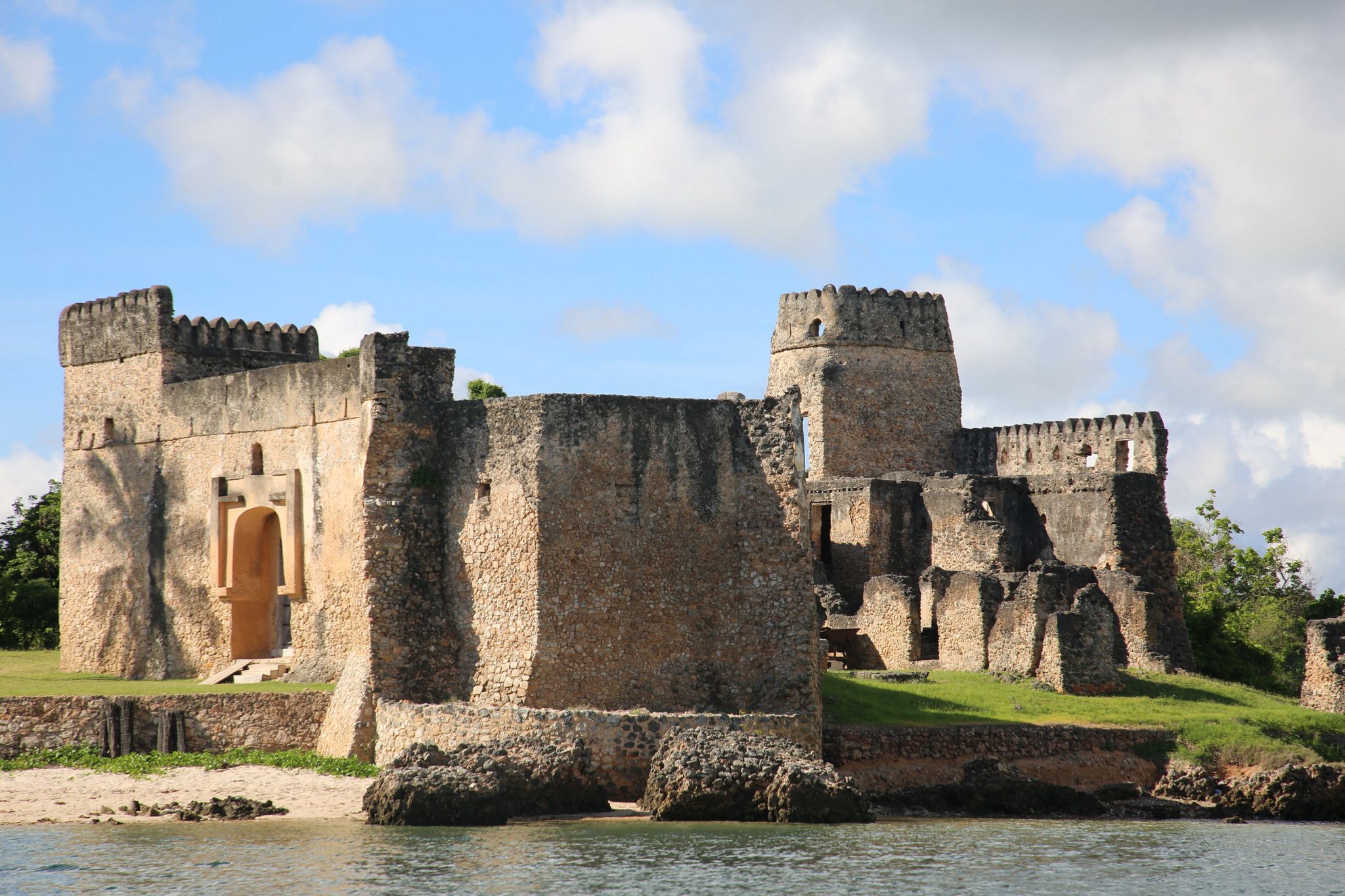
While many visitors to Tanzania focus on safaris, Mount Kilimanjaro, or Zanzibar, few discover one of East Africa’s most remarkable historical destinations. Kilwa Kisiwani is a small island off Tanzania’s southern coast that was once the wealthiest and most influential city on the Swahili Coast. Today, its atmospheric ruins tell the story of powerful sultans, thriving Indian Ocean trade, and centuries of cultural exchange between Africa, Arabia, Persia, and Asia. Recognised as a UNESCO World Heritage Site, Kilwa Kisiwani preserves some of the finest examples of medieval Swahili architecture anywhere in Africa. Visitors can explore the Great Mosque, the vast palace of Husuni Kubwa, ancient tombs, defensive walls, and coral-stone buildings that once overlooked one of the world’s busiest trading ports. For travellers interested in history, archaeology, architecture, or culture, Kilwa Kisiwani offers an unforgettable journey into Tanzania’s past. Combined with nearby beaches, coastal towns, and wildlife destinations, it creates a unique addition to any Tanzania itinerary. Travellers exploring Tanzania’s cultural heritage can also visit Bagamoyo Historic Town to discover another important chapter in the history of the Swahili Coast. Where Is Kilwa Kisiwani? Kilwa Kisiwani lies just off Tanzania’s southern coastline in Lindi Region, approximately 300 kilometres south of Dar es Salaam near the mainland town of Kilwa Masoko. Visitors reach the island by a short local boat ride from Kilwa Masoko. Although relatively remote compared with Zanzibar, the journey rewards travellers with one of East Africa’s most significant archaeological sites. Nearby attractions include: Kilwa Masoko Songo Mnara Indian Ocean beaches Lindi Mikindani Selous–Nyerere ecosystem Many travellers combine Kilwa with Bagamoyo Historic Town or Pangani Tanzania for a deeper exploration of Tanzania’s historic coastline. The History of Kilwa Kisiwani The story of Kilwa Kisiwani stretches back more than a thousand years. Settled around the ninth century, the island developed into one of the wealthiest trading centres along the East African coast. Merchants traded with: Arabia. Persia. India. China. Southern Africa. Kilwa exported: Gold from Great Zimbabwe. Ivory. Mangrove poles. Iron. Tortoiseshell. Spices. Imported goods included: Chinese porcelain. Persian ceramics. Silk. Glassware. Jewellery. Fine textiles. By the thirteenth and fourteenth centuries, Kilwa had become one of the most powerful city-states in the Indian Ocean trading network. Its wealth funded magnificent buildings that still impress visitors today. Why Visit Kilwa Kisiwani? Unlike many archaeological sites that consist of only scattered foundations, Kilwa Kisiwani preserves extensive ruins that allow visitors to imagine the scale and sophistication of this once-prosperous city. Reasons to visit include: UNESCO World Heritage status. The Great Mosque. Husuni Kubwa palace. Swahili architecture. Rich trading history. Coastal scenery. Peaceful atmosphere. Outstanding photography. Because visitor numbers remain relatively low, travellers often explore the site with very few other people nearby. UNESCO World Heritage Status In 1981, Kilwa Kisiwani and nearby Songo Mnara were inscribed as UNESCO World Heritage Sites because of their exceptional cultural and historical significance. The sites represent the height of Swahili civilisation and demonstrate centuries of interaction between Africa and the wider Indian Ocean world. Today, ongoing conservation work protects the coral-stone structures from erosion while preserving their archaeological importance for future generations. The Great Mosque of Kilwa Kisiwani The Great Mosque is the oldest surviving mosque on Tanzania’s coast and one of the oldest standing mosques in sub-Saharan Africa. Construction began in the eleventh century, with later expansions reflecting the city’s growing wealth. Visitors can admire: Coral-stone architecture. Elegant arches. Domed roofing. Historic prayer halls. Intricate masonry. Despite its age, the mosque remains one of the finest examples of medieval Islamic architecture in East Africa. Husuni Kubwa: The Palace of the Sultans Perhaps the most impressive structure on Kilwa Kisiwani is Husuni Kubwa. Built during the fourteenth century, this enormous palace contained: More than 100 rooms. Courtyards. Reception halls. Warehouses. Private apartments. A large octagonal swimming pool. Overlooking the Indian Ocean, Husuni Kubwa reflected the extraordinary wealth and influence of Kilwa’s rulers during the height of the Swahili trading empire. Its scale remains astonishing even today. Exploring the Ruins Walking through Kilwa Kisiwani feels like stepping into a forgotten civilisation. Visitors can explore: Ancient city walls. Tombs. Residential buildings. Palaces. Mosques. Market areas. Harbour remains. Local guides help bring the ruins to life by explaining the history behind each structure and the role Kilwa played in international trade. Swahili Architecture The buildings of Kilwa Kisiwani showcase the distinctive architectural style that developed along the East African coast. Common features include: Coral rag stone. Lime mortar. Arched doorways. Decorative niches. Courtyards. Domed roofs. These techniques influenced architecture throughout the Swahili Coast for centuries. Songo Mnara A short boat ride from Kilwa Kisiwani lies Songo Mnara, another UNESCO World Heritage Site. Unlike Kilwa, which developed into a major political centre, Songo Mnara was a thriving residential and commercial settlement. Visitors can explore: Mosques. Houses. Tombs. Public squares. Defensive walls. Together, both islands provide a comprehensive understanding of medieval Swahili civilisation. Travellers interested in Tanzania’s coastal history can also explore Pangani Tanzania for another beautifully preserved Swahili settlement. Best Time to Visit Kilwa Kisiwani One of the advantages of visiting Kilwa Kisiwani is that it can be explored throughout the year. However, weather conditions and temperatures vary by season, making certain months more comfortable for sightseeing. June to October The dry season is considered the best time to visit. During these months, visitors enjoy: Pleasant temperatures. Lower humidity. Calm sea crossings. Clear skies. Comfortable walking conditions. Excellent photography. Because the ruins are explored on foot, cooler weather makes the experience far more enjoyable. November to March The coastal landscape becomes greener following seasonal rains. Visitors can expect: Warm temperatures. Beautiful coastal scenery. Good boating conditions on most days. Fewer tourists. This period is ideal for travellers combining Kilwa with beach destinations. April and May Heavy rainfall occasionally affects road conditions and boat crossings. Although visitor numbers are at their lowest, the lush coastal vegetation creates beautiful photographic opportunities. How to Get to Kilwa Kisiwani Most visitors travel to Kilwa Kisiwani via Kilwa Masoko, the mainland gateway to the…
For travellers looking beyond Tanzania’s famous safari parks, Amani Nature Reserve offers an entirely different adventure. Hidden within the lush East Usambara Mountains, this protected rainforest is one of Africa’s richest biodiversity hotspots, home to endemic birds, colourful butterflies, ancient trees, rare chameleons, and peaceful forest trails. Unlike the open plains of the Serengeti or Tarangire, Amani immerses visitors in cool mountain forests where every walk reveals new sounds, colours, and wildlife. Located within the globally significant Eastern Arc Mountains, Amani Nature Reserve protects one of the oldest surviving tropical forests on Earth. These forests have evolved over millions of years, allowing hundreds of plant and animal species to develop in isolation. Today, the reserve attracts birdwatchers, photographers, botanists, researchers, and travellers seeking an authentic eco-tourism experience away from Tanzania’s busiest destinations. Whether you spend a single day exploring forest trails or several nights discovering its remarkable biodiversity, Amani Nature Reserve offers a rewarding journey into one of East Africa’s most remarkable ecosystems. Travellers looking to combine rainforest exploration with scenic mountain walks can also discover our guide to Usambara Mountains Hiking, which complements a visit to Amani perfectly. Where Is Amani Nature Reserve? Amani Nature Reserve lies within the East Usambara Mountains in Tanzania’s Tanga Region, approximately 35 kilometres from Muheza and about three hours from Tanga city. The reserve forms part of the internationally recognised Eastern Arc Mountain chain, one of the world’s most important biodiversity hotspots. Its cool climate, dense rainforest, and mountain scenery create an environment unlike almost anywhere else in Tanzania. Nearby attractions include: Lushoto East Usambara Mountains Tanga Pangani Mkomazi National Park Zanzibar (via Tanga) Visitors often combine the reserve with Mkomazi National Park to experience both rainforest biodiversity and northern Tanzania’s iconic wildlife. Why Visit Amani Nature Reserve? Unlike traditional safari destinations, Amani Nature Reserve focuses on nature, conservation, and peaceful exploration. Reasons to visit include: World-class birdwatching. Ancient rainforest. Hundreds of butterfly species. Rare chameleons. Forest hiking trails. Cool mountain climate. Botanical diversity. Community-based tourism. Scientific research history. Excellent photography opportunities. For nature lovers, few places in Tanzania offer such remarkable biodiversity in such a compact area. The Eastern Arc Mountains: A Global Biodiversity Hotspot The East Usambara Mountains belong to the Eastern Arc Mountains, one of Africa’s oldest mountain systems. Scientists consider these mountains among the world’s most important biodiversity regions because they contain exceptionally high numbers of endemic species. Millions of years of isolation have allowed plants and animals to evolve independently, creating ecosystems found nowhere else on Earth. The forests protect: Ancient hardwood trees. Endemic orchids. Medicinal plants. Moss-covered forests. Mountain streams. Rare fungi. Walking through Amani Nature Reserve feels like entering a living natural museum. Birdwatching in Amani Nature Reserve Birdwatching is one of the biggest reasons travellers visit Amani Nature Reserve. More than 400 bird species have been recorded throughout the East Usambara Mountains, including many species found only within the Eastern Arc forests. Birdwatchers may encounter: Usambara eagle-owl. Amani sunbird. Fischer’s turaco. Green-headed oriole. Narina trogon. Silvery-cheeked hornbill. African paradise flycatcher. Palm-nut vulture. Early mornings offer the greatest activity as birds become vocal throughout the forest canopy. Because the reserve receives relatively few visitors, birdwatchers often enjoy peaceful trails without crowds. Butterflies of Amani Nature Reserve The butterflies found in Amani Nature Reserve are among the most spectacular in East Africa. Hundreds of species inhabit the reserve’s forests, with many displaying brilliant blue, orange, yellow, and emerald colours. Guided walks frequently reveal butterflies feeding on forest flowers, resting along streams, or gliding through sunlit clearings. Their presence also reflects the excellent health of the rainforest ecosystem. Chameleons and Other Forest Wildlife Although large mammals are uncommon, Amani Nature Reserve is famous for its smaller wildlife. Visitors regularly search for: Usambara chameleons. Tree frogs. Bush squirrels. Forest monkeys. Colourful reptiles. Rare insects. Millipedes. Forest snails. These fascinating creatures make every forest walk unique. Hiking Trails Through the Rainforest The reserve offers several well-maintained trails suitable for different fitness levels. Popular walks include: Botanical Garden Trail. Mbomole Hill Trail. Waterfall Walk. Forest Birding Trail. Community Forest Walk. Each trail introduces visitors to different habitats while offering opportunities to learn about the forest’s ecology from experienced local guides. The hiking experience pairs perfectly with our Best of Northern Tanzania itinerary for travellers wanting to combine wildlife and mountain landscapes. The Amani Botanical Garden Established during the German colonial era, the Amani Botanical Garden continues to serve as an important centre for plant conservation and scientific research. The gardens feature: Indigenous rainforest trees. Medicinal plants. Spice species. Tropical flowers. Rare palms. Educational displays. Visitors gain valuable insight into the ecological importance of Tanzania’s mountain forests and the ongoing efforts to conserve them. Forest Walks and Nature Trails One of the greatest attractions of Amani Nature Reserve is the opportunity to explore its rainforest on foot. Unlike traditional safaris, where wildlife is viewed from a vehicle, every walk through Amani allows visitors to experience the forest at eye level. The cool mountain air, towering trees, and constant chorus of birds create a peaceful atmosphere that encourages slow exploration. Guided walks introduce visitors to: Ancient rainforest trees. Fern-covered valleys. Crystal-clear streams. Indigenous medicinal plants. Rare orchids. Moss-covered rocks. Forest viewpoints. Local guides explain how different plant species are used for medicine, food, and construction while sharing stories about the reserve’s conservation history. Waterfalls in Amani Nature Reserve Several beautiful waterfalls are hidden within the rainforest. Although smaller than some of Tanzania’s famous waterfalls, they provide excellent places to rest during longer hikes. Many waterfall trails include: Wooden bridges. Dense tropical vegetation. Birdwatching opportunities. Butterfly-rich clearings. Scenic picnic spots. The surrounding forests remain cool throughout much of the day, making these walks particularly enjoyable during warmer months. Biodiversity and Conservation Amani Nature Reserve plays an essential role in protecting one of Africa’s oldest surviving rainforests. The reserve safeguards habitats for hundreds of species that depend entirely on the Eastern Arc Mountains. Conservation priorities include: Forest protection. Habitat restoration. Wildlife monitoring. Scientific research….